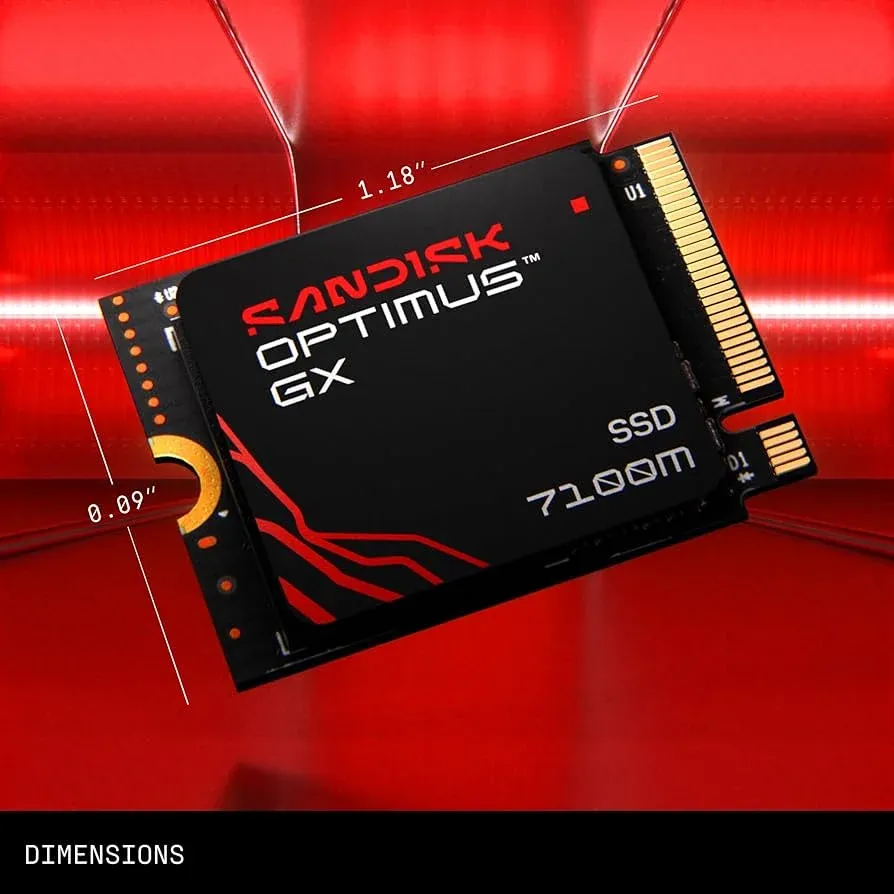


$799 for a Gen 4 SSD. Let that sink in for a second.
SanDisk has launched its new Optimus gaming SSD lineup, and the pricing is the kind of thing that makes you check the product page twice to make sure you misread it. The flagship Optimus GX 7100X is a PCIe Gen 4 M.2 drive rated at up to 7,250 MB/s read and 6,900 MB/s write speeds, and it carries an MSRP of $799 for the 2 TB configuration. A 4 TB model sits at $1,580. SanDisk is currently running a "sale" that drops the 2 TB to $630, which is still a remarkable amount of money for a drive that isn't even using the fastest available interface.

Use code TRYHARD33 at checkout to redeem this offer before code expires again.
Get 33% Off GAMES+ Subscription
What you're actually paying for (and what you're not)
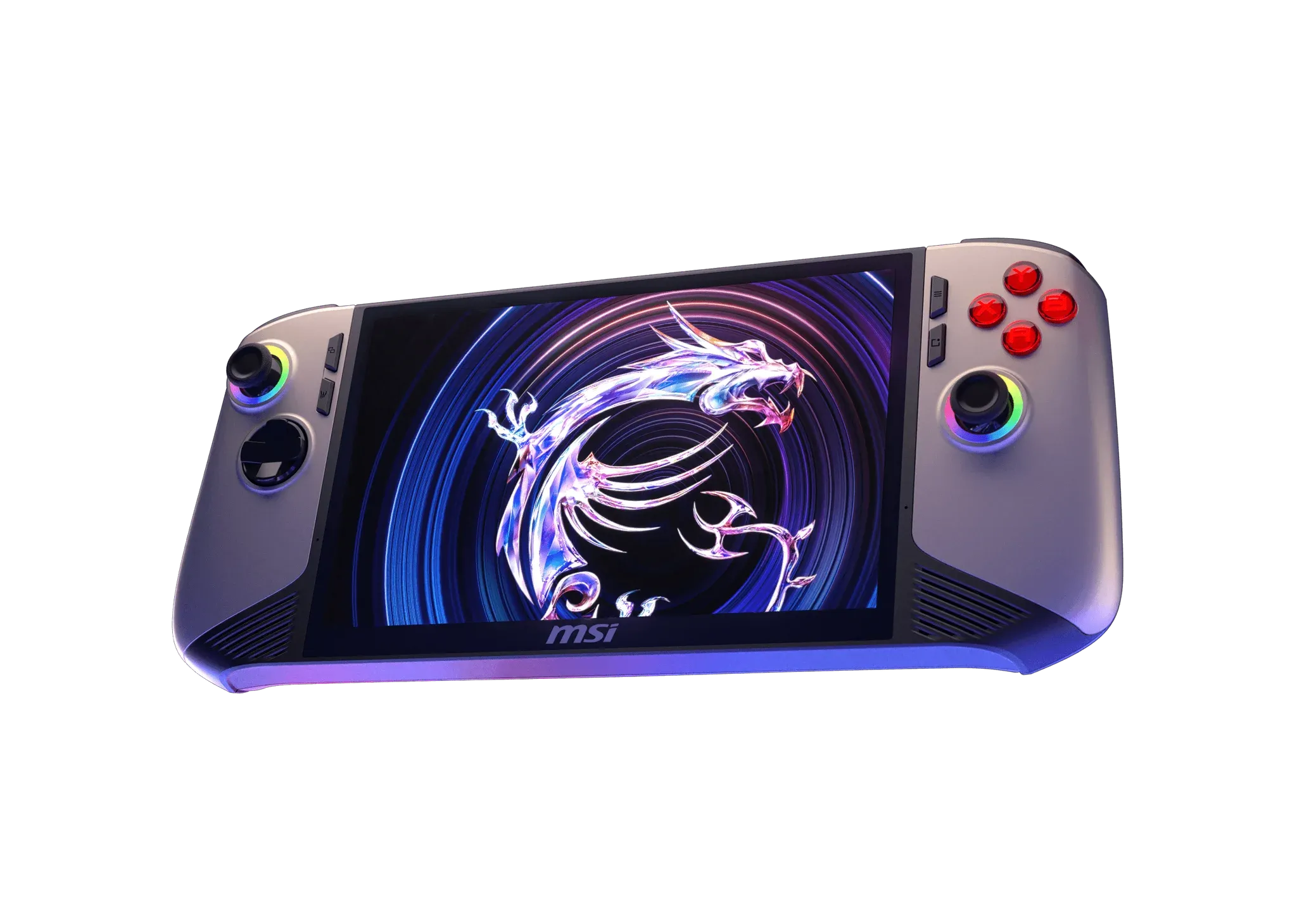
The GX 7100X uses TLC NAND rather than the cheaper QLC memory found in budget drives, and it ships with a five-year warranty. Those are positives. The drive is also officially licensed for the Asus ROG Xbox Ally, which SanDisk appears to be leaning on as justification for the premium. Here's the thing: a standard Gen 4 M.2 NVMe drive works perfectly fine in the Xbox Ally without any special certification. There are no known warranty implications for using a non-licensed drive in the device either, which makes that official licensing badge feel more like a marketing sticker than a meaningful differentiator.
For context on just how far off these prices are, a 2 TB WD Black SN8100, which is a Gen 5 drive with substantially faster speeds than anything in the Optimus lineup, is currently available for around $386. That's less than half the GX 7100X's MSRP, for a faster drive.
The PS5 model makes even less sense
If the GX 7100X pricing raised eyebrows, the Optimus GX PRO 850P takes things further. This one is positioned as a PS5 upgrade drive, also Gen 4, rated at 7,300 MB/s read and 6,600 MB/s write. The 1 TB model lists at $475. The 2 TB model sits at $950.
The PS5 accepts any 4-lane PCIe Gen 4 M.2 NVMe drive between 250 GB and 8 TB. Sony has never required an officially licensed drive, and the console's compatibility is broad by design. The GX PRO 850P does come with a chunky heatsink that appears optimized for the PS5's thermal environment, which is a legitimate consideration since the PS5 bay has limited airflow. But a heatsink alone does not justify a $475 entry price for 1 TB of Gen 4 storage when comparable drives with heatsinks land well under $200.
SanDisk is currently offering the 1 TB GX PRO 850P at a "sale" price of $380. A WD Black SN7100 1 TB drive, for comparison, sits at $189.
The Gen 5 model somehow costs less
The genuinely strange part of the Optimus lineup is where the Gen 5 drive sits. The Optimus GX PRO 8100 supports PCIe Gen 5 and lists at $525 for 1 TB, with a sale price of $350. That makes it cheaper in current offered pricing than the Gen 4 GX PRO 850P 1 TB on SanDisk's own website.
Here's a quick look at how the lineup stacks up:
Reading between the lines on this pricing strategy
What most players miss here is the broader context. RAM and SSD prices have been climbing across the board, largely driven by AI infrastructure demand pulling supply away from consumer storage. SanDisk appears to be getting ahead of that curve by anchoring MSRPs at inflated levels now, so that future "discounts" look reasonable against an already-high baseline. The sale prices become the reference point, and the MSRP becomes the number that makes the sale feel like a deal.
Whether that strategy holds up depends on how long the current pricing environment persists. If you're building a new PC or upgrading your console storage right now and want to squeeze the most out of your setup, check out our best PC settings optimization guide for Directive 8020 to make sure your storage investment actually translates to better performance in-game. For everything else hardware and game-related, our full gaming guides hub has you covered while you wait for SSD pricing to return to something resembling sanity.
The Optimus lineup is available now through SanDisk's website. If the Gen 5 GX PRO 8100 drops further in price, it becomes the only model in the range worth a second look. The Gen 4 drives at these prices are a hard pass regardless of the licensing badge attached to them.