
Think about the last five major AAA releases you can name off the top of your head. How many of them are shooters? How many share a medieval, post-apocalyptic, or space marine setting? Shawn Layden, former president of Sony Interactive Entertainment America, has put a number on that feeling of sameness, and the culprit is exactly what you'd expect: money.
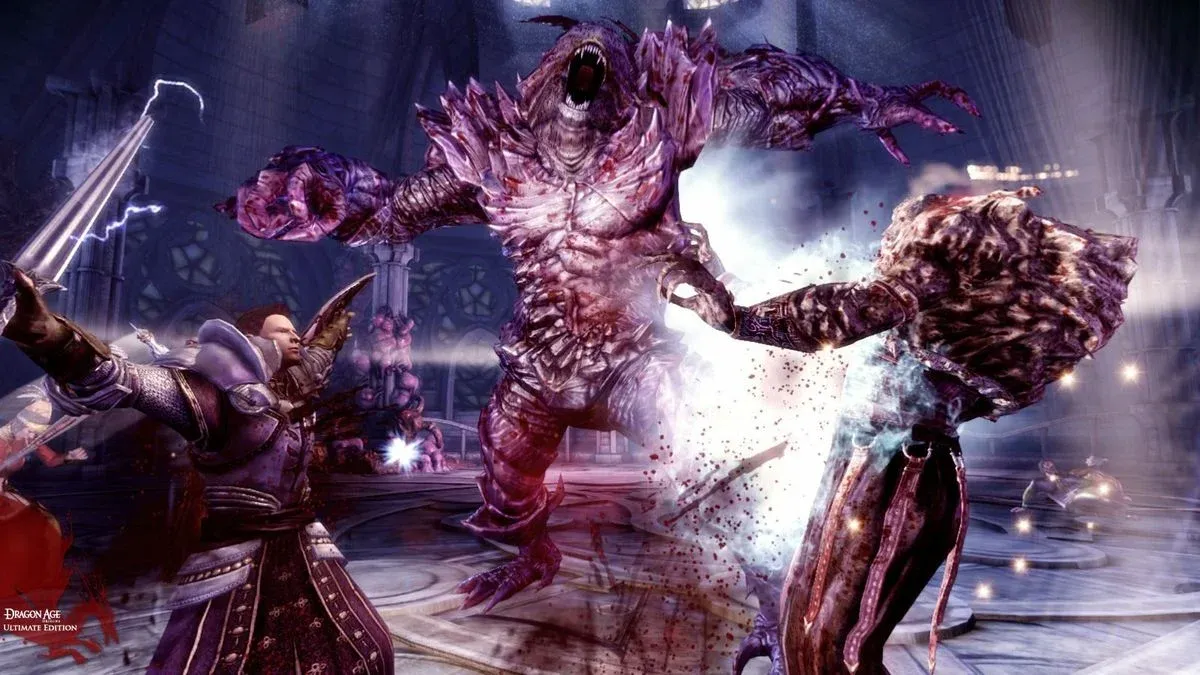
Layden made the comments in a recent interview, describing a visit to a game awards show where every title on stage fell into one of three buckets: zombie apocalypse, space marines, or guys in medieval Europe with very large swords. "There's so many games that looked like the game next to it and looked like the game next to it," he said. His concern isn't just aesthetic. He thinks the industry is actively losing the ability to attract new players by narrowing the types of experiences on offer.
What $300 million per game actually costs the player
Here's the thing: when a single AAA title can cost upward of $300 million to develop, publishers stop thinking about what's interesting and start thinking exclusively about what's safe. Layden put it plainly: "If every throw of the dice is triple digit millions, then risk tolerance goes to about zero."
The math is brutal. Back on PS1, a game could be built for $5 to $7 million. That meant a publisher could fund ten different projects, absorb a few failures, learn from them, and still come out ahead. Weird, experimental titles had a genuine shot at getting made because the downside was survivable. Now, a single misfire at $200 million-plus can reshape a studio's entire future, or end it.
Layden's point isn't that developers have lost their imagination. It's that the financial structure of modern game development has made imagination a liability.
PaRappa, Katamari, and the games nobody would greenlight today
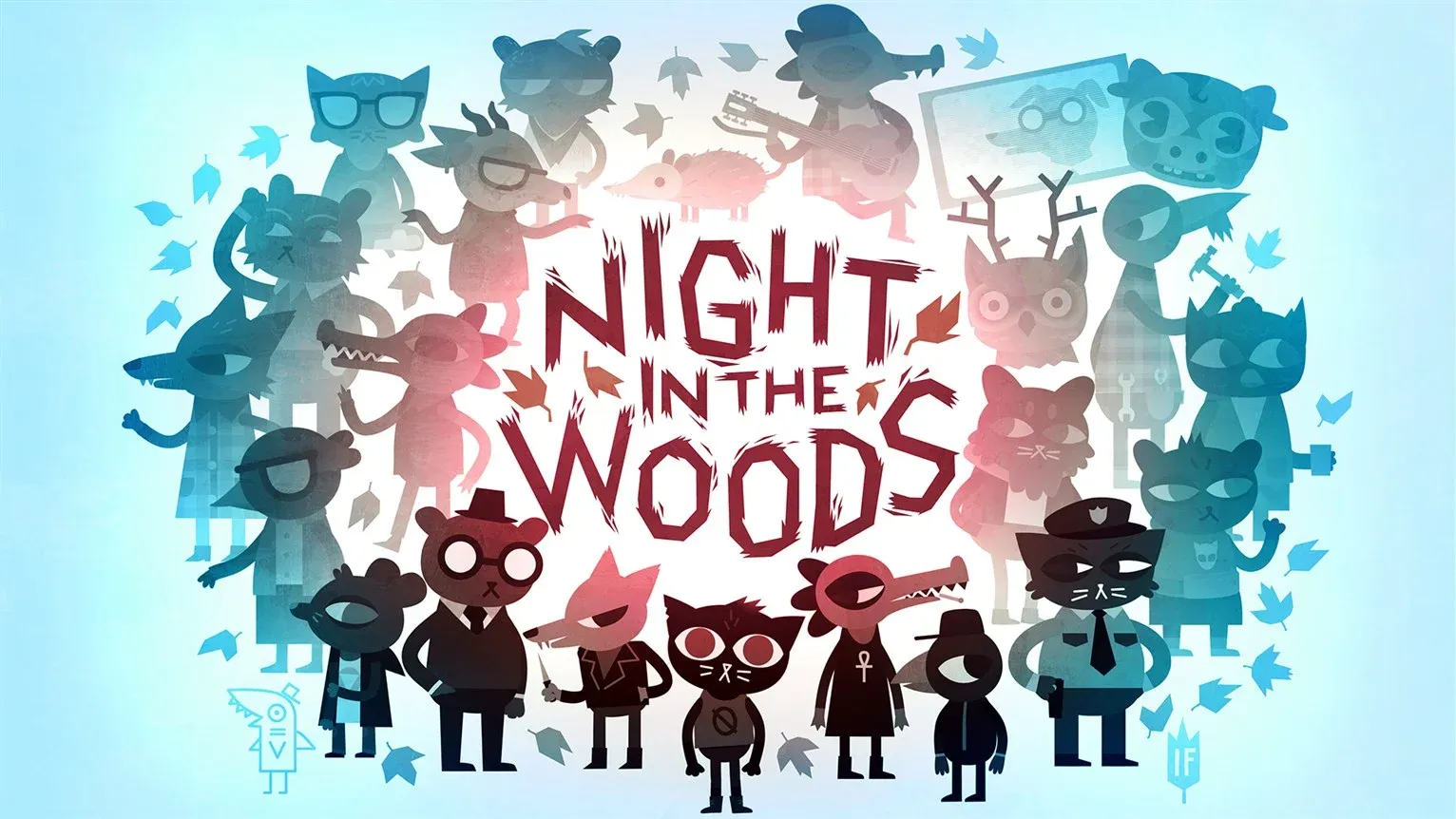
Layden name-dropped two titles that make his case better than any statistic could: PaRappa the Rapper and Katamari Damacy. Both are PS1 and PS2 era games that would struggle to get a pitch meeting in today's environment. A rhythm game about a rapping dog. A game where you roll a sticky ball around to rebuild the universe after your dad destroys it. Neither concept fits neatly into a revenue projection spreadsheet.
"Where's the next Katamari Damacy?" Layden asked. It's a fair question. The answer, largely, is that it probably exists somewhere in an indie developer's notebook, waiting on funding that will never come from a major publisher.
His concern extends beyond nostalgia. He described the current pitch environment as one where developers are forced to frame new ideas as combinations of known quantities, something like "Fortnite meets Call of Duty in Zombieland," because that's the language publishers understand. Genuine novelty, what he called "unicorn ballet in space," doesn't fit that framework and doesn't get funded.
The counterargument sitting right in front of us
To be fair, the indie space is doing some of the heavy lifting here. Balatro, a poker-themed roguelike deckbuilder built around illegal card combinations and absurd Joker effects, became one of the most talked-about games in recent memory without a major publisher behind it. Clair Obscur: Expedition 33 found a massive audience partly because its blend of turn-based and action combat, combined with its distinctly French creative identity, felt genuinely unlike anything else on the market.
Those successes matter. But Layden's point holds: those games exist despite the current system, not because of it. And for every Balatro that breaks through, there are dozens of equally strange and potentially brilliant concepts that never make it past a spreadsheet review.
The indie space also can't fully replace the scale and production quality that major publishers enable. A $6 million indie game and a $150 million AAA title aren't competing for the same player attention in the same way. Both matter. The problem is that one half of that equation has almost entirely stopped taking risks.
If you want to see what happens when a big-budget game does lean into platform-specific creativity, our breakdown of GTA 6 PS5 exclusive features shows how even massive releases can find room for genuine innovation at the hardware level. And for a smaller-scale example of a game that commits to a distinct vision without apology, the Hollowbody before you buy guide covers a survival horror title that leans hard into fixed cameras and resource scarcity in a way most publishers would have watered down.
What changes, and what probably doesn't
Layden's diagnosis is accurate, but the prescription is harder to fill. Game budgets are not going down. The expectation of photorealistic visuals, massive open worlds, and full voice acting has been set by a decade of blockbuster releases, and players have largely come to expect it. Reversing that trajectory would require publishers to collectively accept lower production values, which means accepting lower price points, which means accepting lower revenue. That's not a conversation happening in any boardroom right now.
What could shift the balance is the continued success of mid-budget and indie titles that prove audiences will pay for novelty. Every time a game like Balatro sells millions of copies, it chips away at the argument that only safe bets make money. The data is starting to build a case that Layden and developers who share his view can point to.
For players who want to stay across which games are actually taking creative swings right now, the gaming guides hub is a good place to track titles worth paying attention to before the next awards cycle rolls around.