
The $55 billion acquisition of Electronic Arts by a consortium including Saudi Arabia's Public Investment Fund, Silver Lake, and Affinity is closing in fast. The EU is set to approve the deal under subsidy rules on July 30, and at least one veteran Sims creator isn't waiting to see how it plays out.
A former artist who worked on The Sims 2 has gone on record saying they would fight any directive to strip diversity from the franchise. The quote is blunt: "I would fight it tooth and nail."
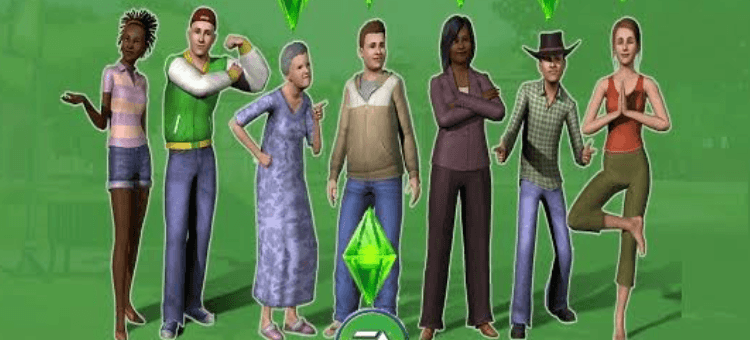
That kind of statement doesn't come from nowhere. It comes from someone who spent years building a game that let players create characters of any body type, skin tone, gender expression, and family structure at a time when most mainstream games didn't even try.
Why The Sims franchise is at the center of this conversation
Here's the thing: The Sims has always been quietly political. The franchise allowed same-sex relationships from its very first entry in 2000, years before that was mainstream in gaming. The Sims 2 expanded on that foundation with deeper character customization, multi-generational storytelling, and a player base that skewed heavily toward demographics the games industry routinely ignored.
That history is exactly why the Saudi PIF connection raises eyebrows. Saudi Arabia's legal framework criminalizes same-sex relationships, and the PIF is the country's sovereign wealth fund, directly tied to the state. The concern isn't hypothetical corporate restructuring. For players and creators who built their identity around what The Sims represents, it's personal.
The artist's comments reflect a sentiment that runs deep in the Sims community. What most players miss when they talk about this franchise is how deliberately inclusive its design philosophy has been from the start. The diversity in character creation tools isn't decoration. It was a deliberate design choice, baked in from the beginning.
What the acquisition actually changes, and what it might not
The key here is understanding what a corporate ownership change does and doesn't control. EA's development studios operate with varying degrees of creative autonomy. The Sims Studio, which has shipped expansions and updates for The Sims 4 for over a decade, has its own culture and creative leadership.
That said, ownership changes do shift incentives. Investors with $55 billion on the line have opinions about content strategy, market expansion, and what kinds of content might complicate distribution in certain regions. Saudi Arabia is a growing games market. The PIF has been aggressively investing in gaming globally, with stakes in companies including Nintendo, Activision Blizzard, Take-Two Interactive, and ESL Gaming.
None of those investments have visibly altered the content of the games involved. But The Sims is a different kind of franchise. Its identity is inseparable from its representation.
The community is watching closely
The Sims player base has been vocal about this deal since it was first announced. Forums and social channels lit up with concern, and the artist's comments have amplified that conversation. Players who grew up with The Sims 2 and the franchise's broader catalog are now asking whether the game they love will look the same in three years.
Pro tip: if you want to stay across how this deal affects the franchise going forward, the best signal will come from The Sims Studio's own communications and any shifts in expansion content or character creation tools in future updates.
The EU's July 30 decision will formalize the ownership structure. After that, the real question becomes what direction EA's new investors push the franchise. The Sims community, and apparently at least one of the people who helped build it, will be paying close attention. For a deeper look at the game at the heart of this debate, check out the strategy guides covering the franchise's history and mechanics.