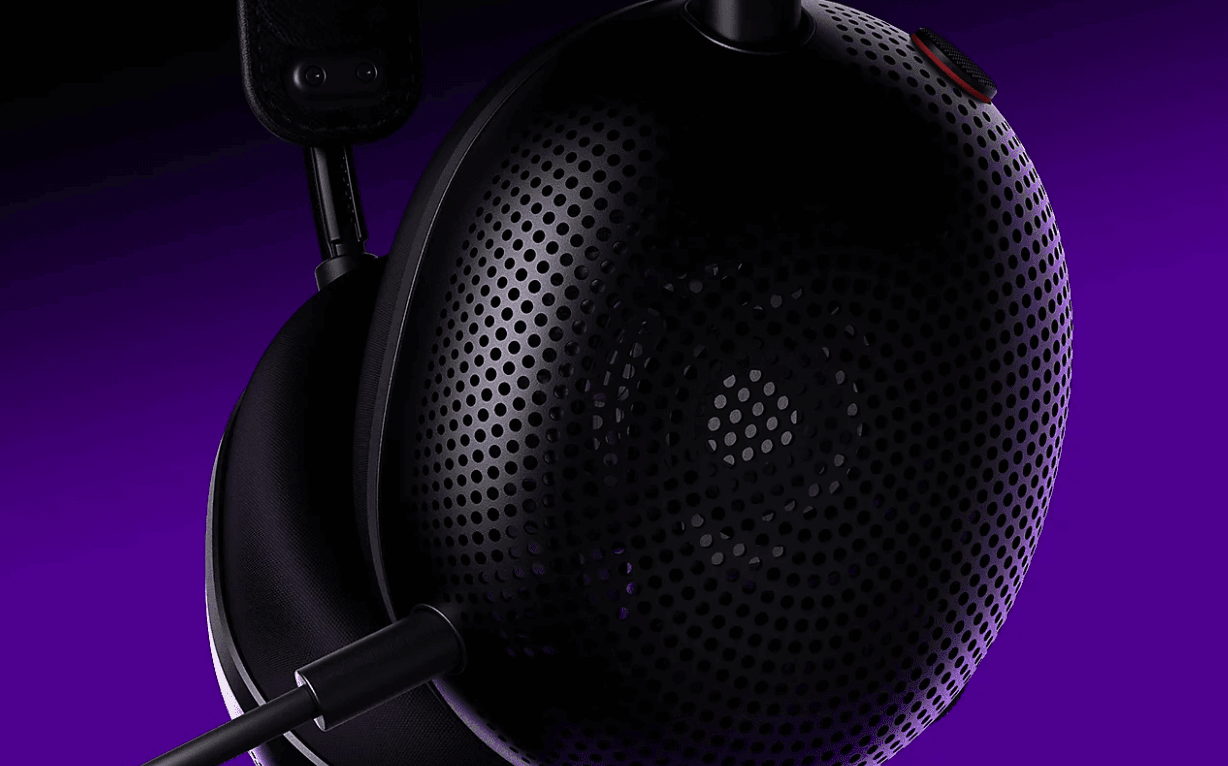


The open-back gaming headset is having a moment in 2026, and Sony just made the strongest case yet for why that matters. The Inzone H6 Air lands at $200 with 40 mm drivers borrowed from Sony's own MDR-MV1 studio monitoring headphones, a suspension headband that keeps the whole thing under 200 grams, and a USB-C audio box that unlocks Inzone Hub software on PC and PlayStation. That is a lot of headset for the price, even if "a lot" still means wired-only.

Use code TRYHARD33 at checkout to redeem this offer before code expires again.
Get 33% Off GAMES+ Subscription
Why open-back is worth caring about right now
For years, open-back gaming headsets were basically a Corsair Virtuoso Pro and a lot of empty shelf space. The segment has woken up fast. The Asus ROG Kithara arrived first, bringing planar magnetic drivers and audiophile credibility at $300, but also arriving without physical controls or any software whatsoever. The Inzone H6 Air fixes both of those problems and costs $100 less. That context matters.
Here's the thing: open-back designs trade passive isolation for soundstage width. Audio bleeds out, people around you will hear your game, and you will hear the room. For competitive play at a desk, that is often a worthwhile trade. The spatial precision you get in return can meaningfully change how you play games like Counter-Strike 2, where knowing exactly where a sound came from is the difference between the clutch and the respawn screen.
What 199 grams actually feels like on your head
The Inzone H6 Air weighs 199 grams without the detachable boom microphone attached, and 211 grams with it. For context, that is lighter than most wired closed-back headsets at this price. Extended sessions feel genuinely effortless, to the point where you occasionally forget the headset is there.
The suspension-style headband is the same design Sony used on the Inzone H9 II, adjusted by pinching a hinge and moving each side independently. It works, but the clamping force is notably light. The headset rests on your head more than it grips it. Most people will find this comfortable; anyone who moves around a lot or games with the intensity of someone who throws their chair at a wall might want a tighter fit.
Build quality is solid for the price. Metal earcup outers, decent plastics everywhere else, and the whole unit folds flat for storage. There is no carry case included, which stings a little at $200.
The audio case: MDR-MV1 drivers in a gaming shell
Sony tuned the MDR-MV1-derived drivers away from the flat studio reference curve toward something more engaging for gaming and general listening. The result is a headset that sounds richer and more entertaining than the "studio monitor" origin story might suggest.
Bass extension reaches down to 10 Hz, and while human hearing does not technically register that low, the physical sensation is real. Low-end punch is tight and present without bleeding into the mids. Rock music with a strong bass groove, dense orchestral game soundtracks, and the low rumble of in-game explosions all benefit from it.
The soundstage is where the open-back design earns its keep. Spatial placement in Counter-Strike 2 is precise enough that far-off gunshots, nearby grenade blasts, and footsteps each occupy a distinct position in the mix. Racing games reward it too. The sense of width makes it easier to judge spacing between cars without constantly checking the minimap.
The frequency response runs 10 Hz to 20,000 Hz, and the midrange is detailed enough to handle vocals cleanly in both music and in-game dialogue. The key here is that Sony has not sacrificed the mid-range for bass, which is the usual compromise at this price.
Controls, connectivity, and the software situation
The Inzone H6 Air ships with two physical controls: a volume wheel and a mic mute button. That is not a lot, but after the Asus ROG Kithara shipped with literally zero, it feels like a win. Connectivity runs through a standard 3.5 mm jack for analog devices, plus a bundled USB-C DAC and audio box that adds USB-C support for PlayStation and Windows.
That audio box is the gateway to Inzone Hub, Sony's companion software. The feature set mirrors the Inzone H9 II minus any ANC settings (there is nothing to cancel on an open-back headset). You get a 10-band EQ, game-type presets, spatial audio toggles, and basic microphone adjustments. Nothing that will blow your mind, but it covers what most players actually need.
The cardioid detachable microphone performs well for streaming and voice chat, with clear pickup and reasonable background noise rejection. Plosive handling is its weak spot. Hard P and B sounds produce noticeable thumps in recordings. A proper pop filter would sort it, but one is not included.
Where the $200 price tag lands in context
Wired-only at $200 is a hard sell in a market where wireless headsets from Beyerdynamic and Logitech sit at similar prices. What most players miss is that those headsets are closed-back, and no amount of wireless convenience replicates what open-back does to a soundstage. The Inzone H6 Air is not competing on convenience. It is competing on audio quality, and at this price, it wins that argument.
The spec summary for quick reference:
For anyone building a serious gaming setup and prioritizing audio precision over portability, the Inzone H6 Air is one of the more compelling pieces of kit released this year. Check out our latest reviews for more hardware coverage, and if you are looking to sharpen your in-game skills to match your new audio setup, our gaming guides have you covered, including the Forza Horizon 6 Ohtani Treasure Hunt chest location guide for anyone who picked up the game and wants to clear the playlist fast.