
Physical game collectors already knew the news stung. Now an industry analyst is putting numbers to exactly why Sony has no reason to care about the uproar.
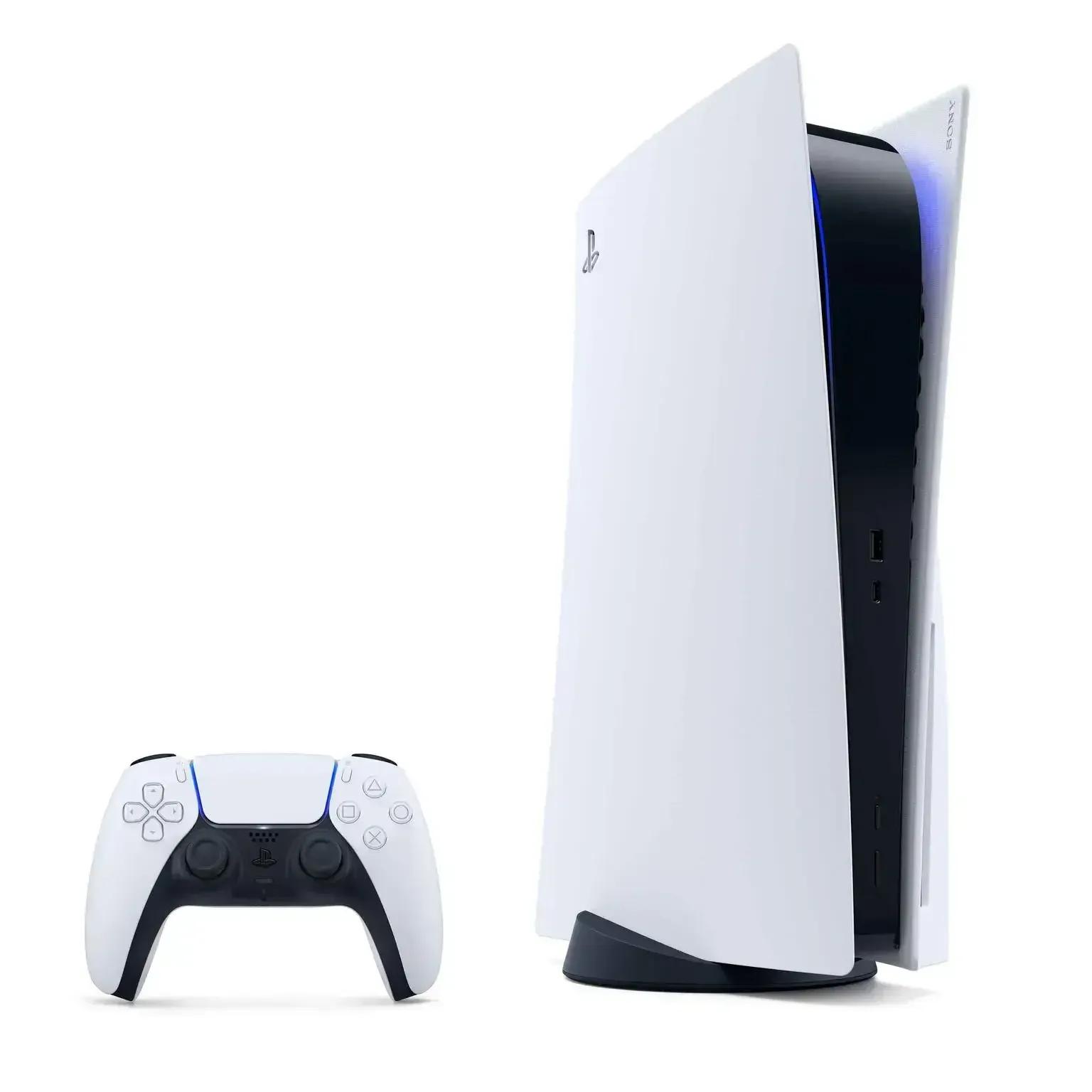
Dr. Serkan Toto, CEO of consulting firm Kantan Games, has weighed in on the growing backlash against Sony's plan to exit physical disc games entirely by 2028, and his read is blunt: the protest won't work, Sony knew it wouldn't, and the company is simply waiting for the noise to die down.
The math Sony already ran
Toto's argument comes down to scale. Sony currently sits at over 120 million active PlayStation users. Around 50 million of those subscribe to PlayStation Plus. Even if 500,000 players cancelled their subscriptions in protest, that represents roughly 1% of the subscription business. Painful on paper, survivable in practice.
"Sony will not reverse this decision. They knew what the online reaction would look like, and they now wait for this storm to pass," Toto said. "Digital is just too lucrative."
Here's the thing: that framing is almost certainly how Sony's own internal projections read too. The company wouldn't have committed to a move this visible without stress-testing the downside scenarios. A 1% hit to PlayStation Plus revenue doesn't come close to outweighing the long-term margin gains from cutting physical distribution entirely.
Why digital is the play Sony can't resist
Physical games carry costs that digital simply doesn't. Manufacturing, shipping, retail partnerships, returns, and second-hand sales all eat into the margin on every disc sold. Going fully digital lets Sony control pricing, eliminate the used game market on its platform, and tighten the loop between purchase and PlayStation Plus subscription revenue.
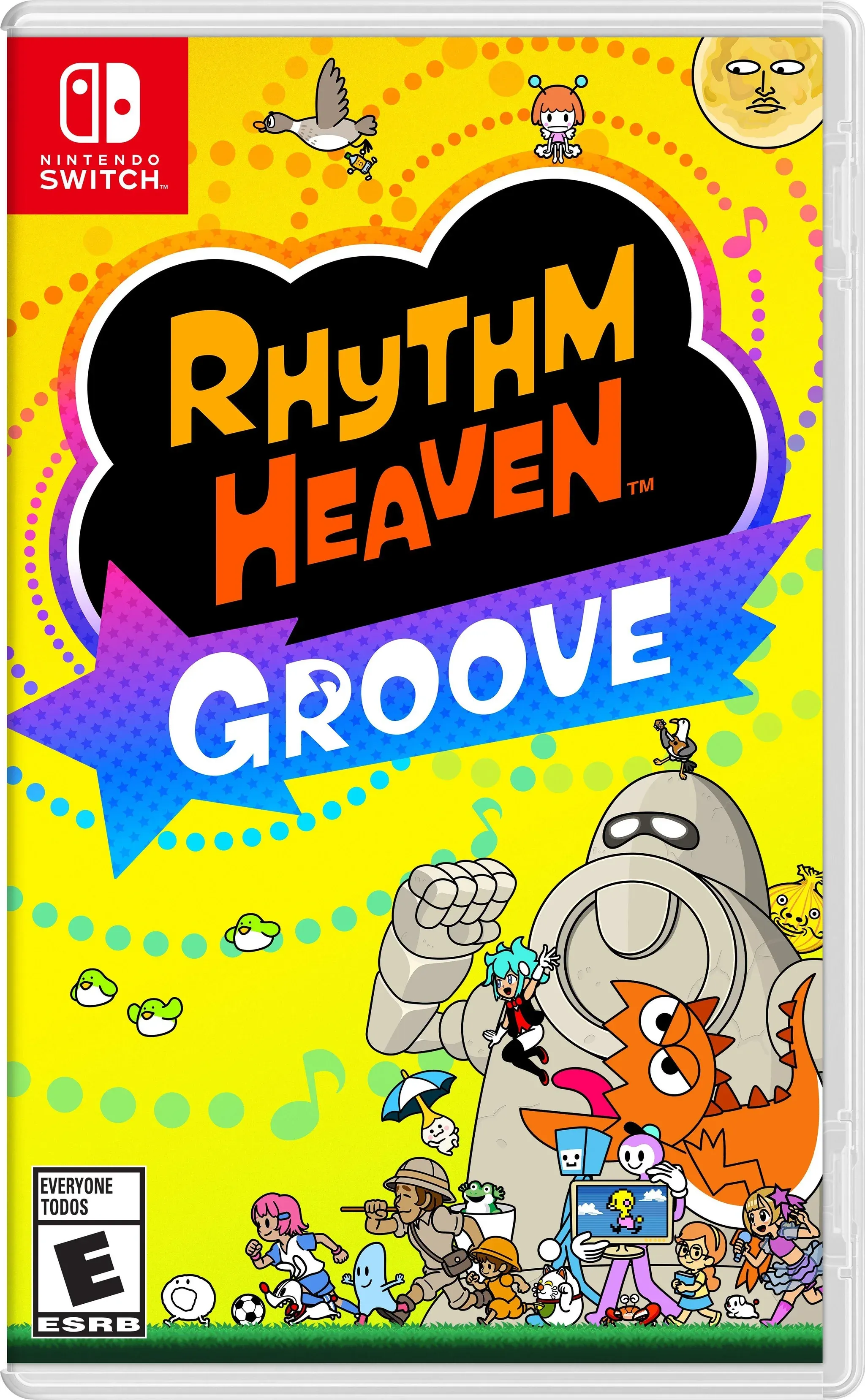
Sony has reportedly already begun converting at least one disc manufacturing plant to serve a different industry, which suggests the operational wind-down is already in motion well ahead of the 2028 cutoff.
The install base reality makes this harder to fight than it sounds. A significant portion of PlayStation's 120 million active users have already moved to all-digital libraries, either by choice or because they own disc-less PS5 models. For those players, this change is invisible. The protest only resonates with the segment that still buys physical, and that segment, while vocal, isn't large enough to shift the economics.
What the backlash actually looks like
The reaction has been loud across multiple corners of the industry. Both indie and triple-A studios have pushed back publicly, which is notable because physical releases still matter to smaller developers who rely on retail visibility and collector editions to drive revenue. A former Sony executive has also described the decision as "dramatic," warning it could push Xbox and Nintendo to reconsider their own physical commitments.
Player protests have taken the form of PlayStation Plus cancellations, which is the most direct financial lever available. The problem, as Toto lays out, is that the lever isn't big enough. Symbolic pressure rarely moves corporations when the underlying business case is this clear-cut.
If you're navigating what Sony's digital future actually looks like in practice, the Saros file size and pre-load date guide is a useful reference for understanding how PS5 digital titles handle storage and pre-load logistics. And if physical survival horror is your thing before disc releases disappear, the Hollowbody before you buy guide covers one of the more interesting recent PS5 physical releases worth picking up while that option still exists.
Where this leaves physical game fans
The window is closing, and 2028 is not far off. Collectors and physical advocates have roughly two years to build their libraries before Sony closes the door on disc releases for good.
The key here is that this isn't just a PlayStation story. If Sony's move succeeds without meaningful financial consequences, it signals to the rest of the industry that the physical-to-digital transition can be forced on a timeline the platform holder controls, not the consumer. That precedent matters well beyond PS5.
For broader coverage on what's changing across PlayStation and beyond, the gaming guides hub has ongoing coverage of how these platform shifts affect the games you're actually playing right now.