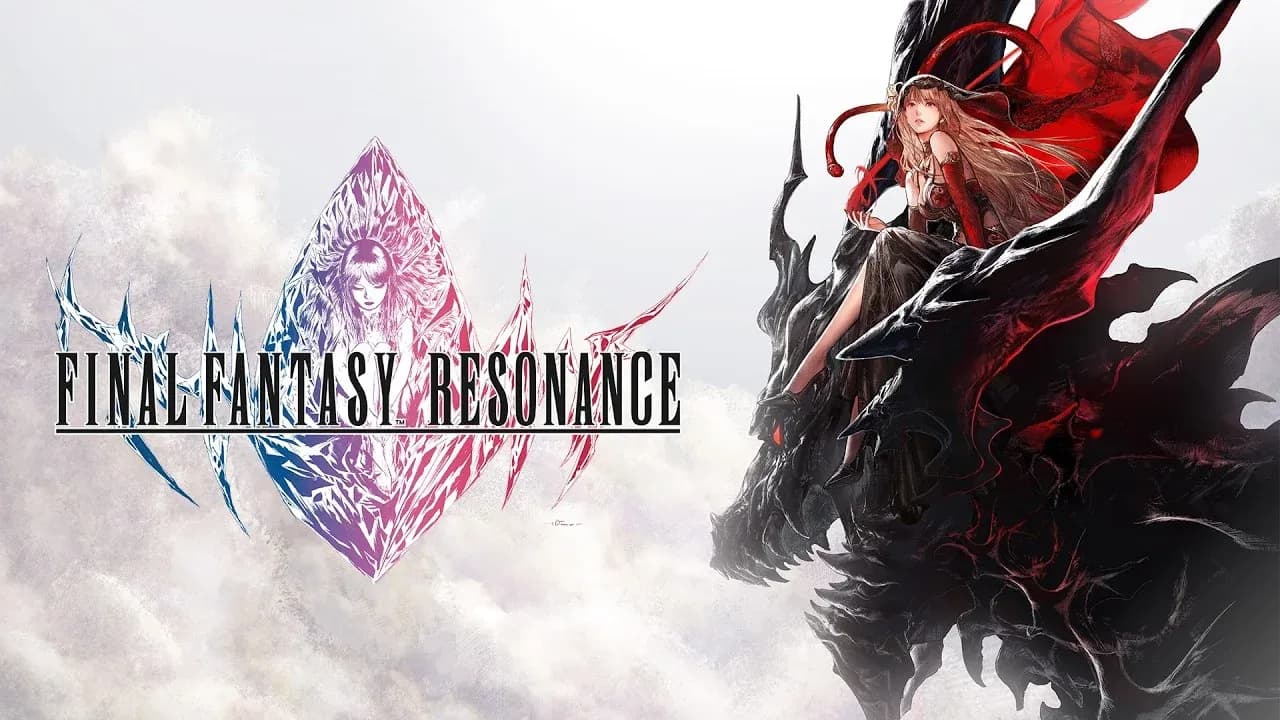

If you have ever wanted a proper turn-based Final Fantasy with HD-2D visuals, Square Enix just made it real. Final Fantasy Resonance was revealed during the June 2026 Nintendo Direct, and it is exactly what it sounds like: a full console RPG with classic pixel art, turn-based combat, crystals, chocobos, airships, and characters pulled from across the entire series. It launches October 22 on PS5, Xbox Series X/S, PC via Steam, Nintendo Switch, and Nintendo Switch 2.
Where this game actually comes from
Resonance is not a completely original story. Its narrative foundation comes from Final Fantasy Brave Exvius, the mobile RPG that ran for a decade before shutting down in 2025. Here is the thing, though: this is not a port or a remake. Square Enix built an entirely new combat system, a new overworld, and new music around the Brave Exvius story framework. Think of it less as a mobile game getting a second life and more as a mobile game's story finally getting the game it deserved.
The protagonist is Rain, a knight from the Kingdom of Grandshelt with a complicated relationship with his father. His crew includes Lasswell, his no-nonsense childhood friend, Lid, an engineer following in the footsteps of every Cid before her, and Fina, an amnesiac summoner tied to the world's crystals. It is classic Final Fantasy setup, and if you played Brave Exvius, the story will feel familiar while the execution feels completely fresh.
The Vision system and why Cloud is in your party
The combat does not use an ATB system. Instead, Resonance runs on a straight turn order displayed at the top of the screen, with enemies carrying a stagger meter that fills faster when you hit their elemental weakness. Land enough hits to stagger and your attacking party member earns a bonus turn. Stagger every enemy on screen and you can call upon one of four equipped Visions to unleash a devastating all-out attack.
Visions are where the fan service kicks in hard. Every mainline Final Fantasy game is represented by a star character who functions as an equippable power set for your party members. Final Fantasy VII's Cloud brings thunder spells and hard-hitting physical attacks. Y'shtola from Final Fantasy XIV adds water and healing. Terra from Final Fantasy VI, Zidane from IX, Shantotto from XI, and the Warrior of Light from the original game are all confirmed. Each Vision levels up independently and unlocks new spells, attacks, and passive buffs the more you use them.
The producer and director both cited Final Fantasy V as a key inspiration, specifically its Job system and the flexibility it gave players in building party compositions. That DNA is visible in how Visions work: any Vision can attach to any party member, but smart pairings that complement a character's core strengths will clearly outperform random assignments.
Fina, Espers, and old-school exploration
Fina is the only true summoner in the party, making her role genuinely distinct rather than just another magic user. She calls upon Espers in battle, starting with Siren and expanding as you explore. New Espers are not handed to you. You find them tucked away in optional dungeons on the overworld, fight them in dedicated boss battles, and recruit them after winning. It is a direct callback to how older Final Fantasies handled summon acquisition, and it gives the overworld real incentive to explore beyond the main path.
The same logic applies to unlocking new Visions. You find shrines in the overworld that trigger a dream-like sequence of scenes from the relevant Final Fantasy game, then answer a story quiz about that character before unlocking them. It functions as a love letter to series history while also gating progression behind actual knowledge of the games.

Resonance HD-2D overworld
What a three-hour preview confirmed
Hands-on time with the game covered an overworld section, the town of Dwarves' Forge, a full story dungeon, and a boss fight against a massive motorbike with laser cannons while riding a speeding freight train. That last sentence is not a joke. The tone leans lighter and more colorful than the mainline numbered entries, with playful voice acting and humor that brings to mind the recent Dragon Quest HD-2D remakes.
The main story is estimated at 30 to 40 hours, with completionists looking at 60 to 80 hours. The soundtrack includes classic series leitmotifs, the full Brave Exvius soundtrack, and 33 new original songs.
Square Enix has built a reputation for HD-2D with Octopath Traveler and Triangle Strategy, but this is the first time that art style has been applied to the Final Fantasy name itself. For players who have been waiting for the series to return to turn-based mechanics without going mobile or gacha, Resonance is the answer.
For deeper dives into the series while you wait for October, the Final Fantasy VII guides collection covers everything from story breakdowns to combat tips. You can also browse the full gaming guides hub for coverage across the rest of the RPG calendar.