

Five years of near-silence from Quantic Dream on Star Wars: Eclipse would be concerning enough on its own. Add a developer strike, planned layoffs affecting roughly a quarter of the studio, and a mobile game that peaked at 800 players before being shut down, and the picture gets considerably darker.
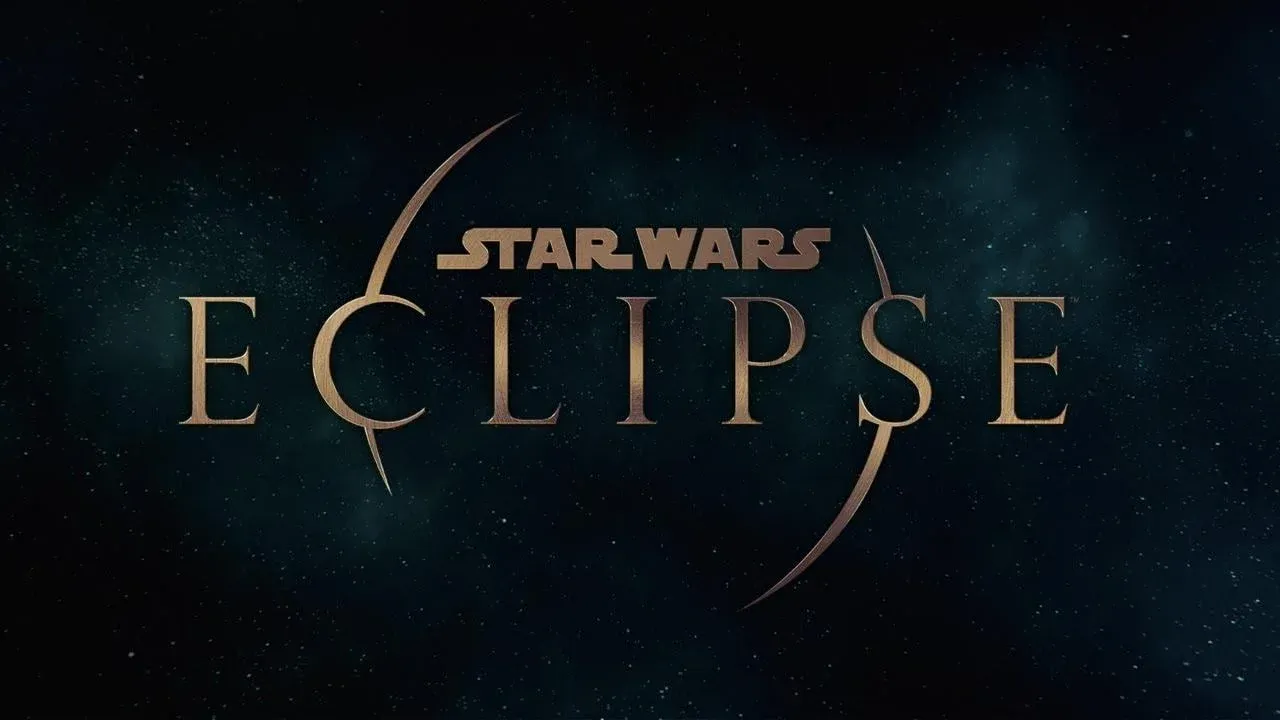
Star Wars: Eclipse is an adventure game set during the High Republic era, a genuinely interesting corner of the Star Wars universe that hasn't been explored much in games. Quantic Dream, the Paris-based studio behind Detroit: Become Human, Heavy Rain, and Beyond: Two Souls, announced it back at The Game Awards in 2021 with a CG concept trailer that showed atmosphere but zero gameplay. That was the last time most people heard anything substantial about it.

Use code TRYHARD33 at checkout to redeem this offer before code expires again.
Get 33% Off GAMES+ Subscription
A strike timed to send a message
On June 25, Quantic Dream developers went on strike. The timing was deliberate: that was the exact day Lucasfilm representatives were scheduled to visit the studio for a Star Wars: Eclipse progress check. Developers were clear that the action wasn't meant to sabotage the project. The argument was the opposite. Workers wanted those 115 people facing potential redundancy redirected to Eclipse instead, because the team currently building the game is already understaffed and being pushed through mandatory crunch overtime.
Here's the thing: that framing matters. This wasn't a walkout in protest of the game's existence. It was a direct plea to keep the project alive by keeping the people needed to actually finish it.
The Spellcasters Chronicles problem
The immediate trigger for the layoffs appears to be the failure of Spellcasters Chronicles, a mobile game Quantic Dream released in early access that peaked at around 800 concurrent players on Steam before the studio announced its shutdown in June. That's a brutal result for a studio trying to diversify beyond its narrative-driven console roots, and management's response was to look at cutting roughly 115 staff rather than absorbing the loss.
What most players miss is that this isn't the first time Quantic Dream has faced serious internal criticism. Back in 2018, reports surfaced about working conditions at the studio, including allegations of sexist and racist behavior, between 15 and 35 hours of forced overtime per week, and reported violations of French labor law. Studio head David Cage denied the claims, but the reports stuck. When Star Wars: Eclipse was first announced, a significant portion of the Star Wars community called on Lucasfilm to walk away from the deal precisely because of those earlier allegations. That pressure didn't change anything at the time.
Where NetEase fits into this
In 2022, Quantic Dream was acquired by NetEase, the Chinese publisher behind Marvel Rivals, though the studio has largely operated independently since then. The key question now is whether NetEase steps in with meaningful financial backing to stabilize the situation, or whether Star Wars: Eclipse quietly becomes another casualty of an industry that has been shedding studios and staff at an alarming rate.
The broader context makes this harder to dismiss as an isolated incident. Bungie has been gutted. Studios like Ninja Theory, Compulsion Games, and Double Fine are reportedly on shaky ground at Xbox. The industry is contracting, and Star Wars: Eclipse sits right in the middle of that pressure.
For fans of the franchise who were genuinely excited about a High Republic-era adventure game with Quantic Dream's narrative pedigree, the situation is frustrating to watch. The concept had real potential. Whether it ever gets the resources to become an actual game depends on decisions being made right now, at a studio where the workforce just walked out to prove a point.
If you want to keep up with Star Wars gaming news and find content for titles already in your library, the gaming guides hub is worth bookmarking while this one plays out.