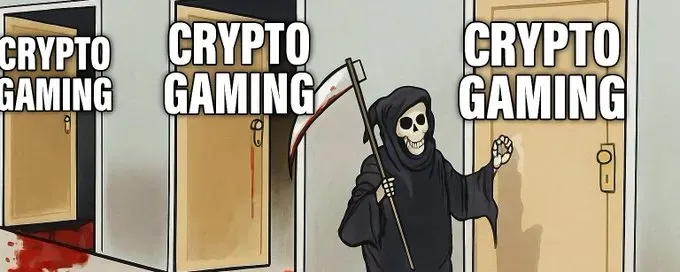
Crypto gaming has once again been labeled "dead" by segments of the community, repeating a familiar pattern from earlier market cycles. Multiple developments throughout 2025 help explain why this perception has resurfaced, from capital constraints to weak token launches and player retention problems. The sector faces significant structural obstacles, though certain trends suggest a potential recalibration that could benefit long-term sustainability.
Funding difficulties, disappointing asset performance, and engagement challenges paint a sobering picture of where crypto gaming stands today. At the same time, the current shakeout may clear away unsustainable practices and create space for more disciplined approaches.
State of Crypto Gaming in 2025
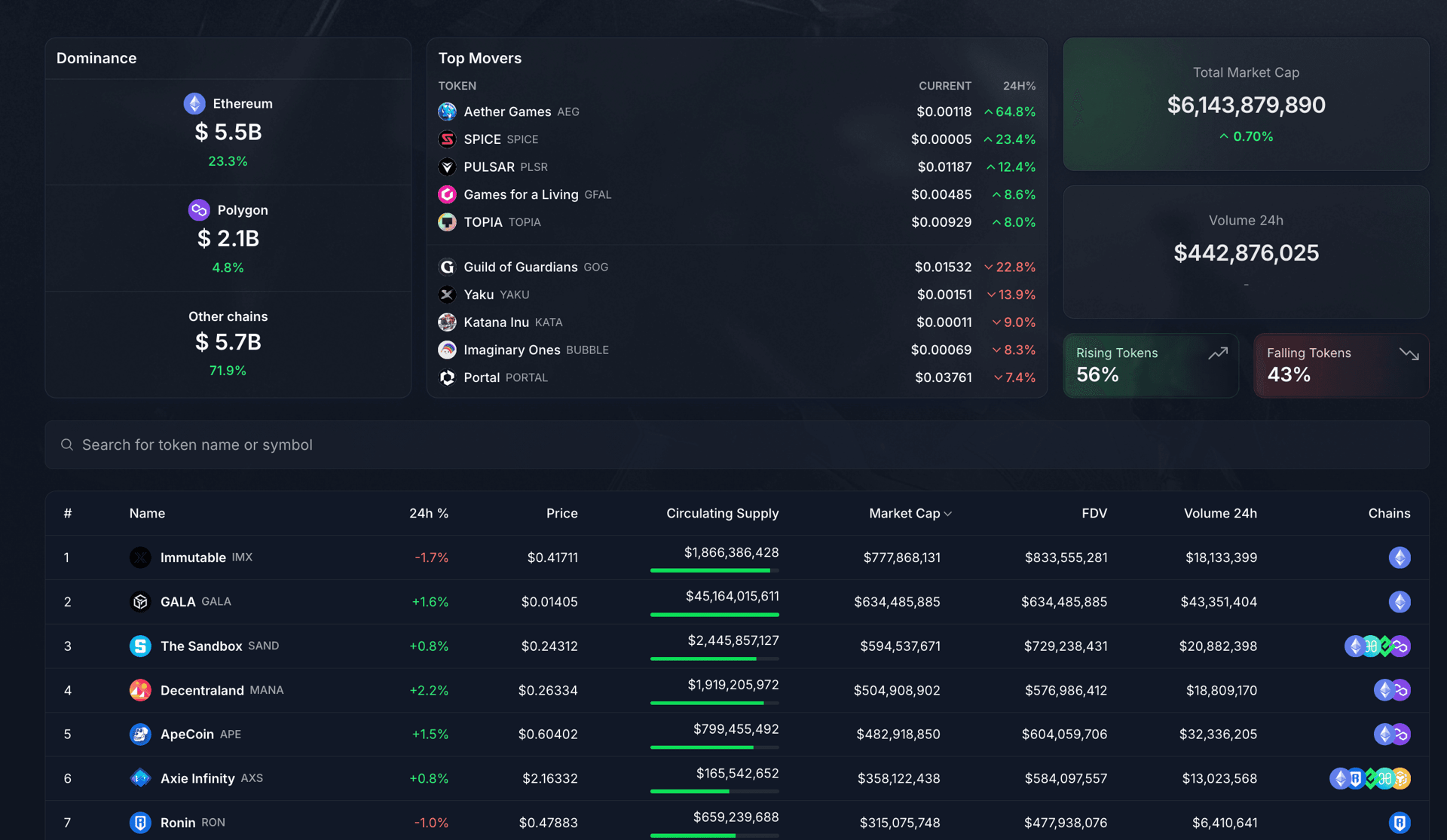
Sentiment collapse and capital drought
Negative sentiment on Crypto Twitter has reached multi-year lows. Public interest in web3 gaming projects has cratered, and venture capital activity has followed suit. Compared to the funding environment of previous years, investment in blockchain gaming studios has essentially evaporated. Budget cuts, project cancellations, and layoffs have become routine across the industry.
The economic design of crypto games remains a flashpoint. Utility tokens are still common, intended to align incentives across players, developers, and investors. In practice, these tokens frequently create friction between retail users and institutional backers. The resulting misalignment has damaged trust and hollowed out participation in many play-to-earn models.
State of Crypto Gaming in 2025
Product quality versus audience expectations
A persistent disconnect exists between what crypto gaming delivers and what players want. Much of the web3 gaming audience treats titles as speculative vehicles rather than entertainment. Meanwhile, the games themselves rarely meet the quality bar set by traditional releases, lacking polish, depth, and reasons to keep playing. Low retention and skepticism from both crypto natives and mainstream gamers reflect this mismatch.
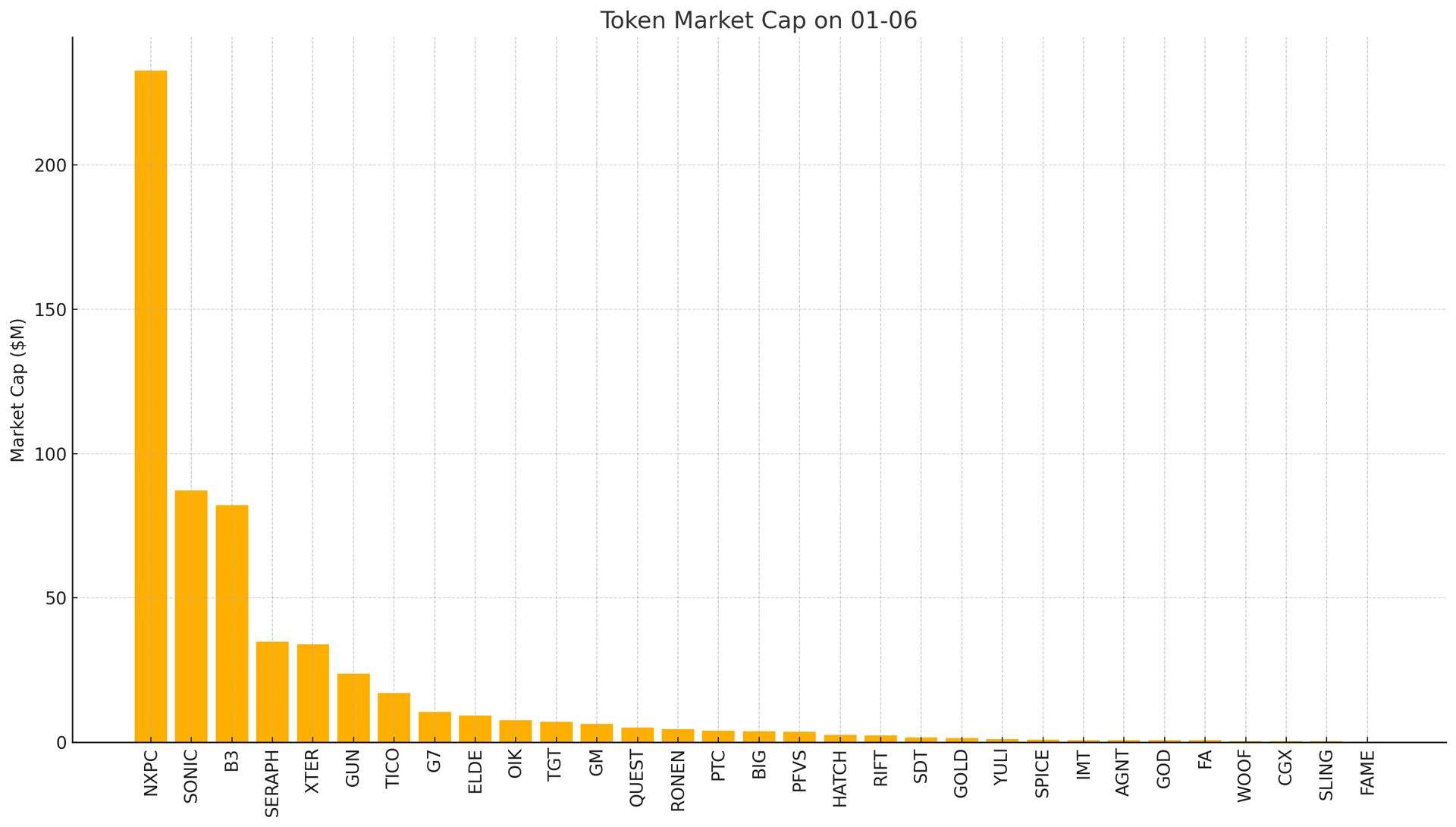
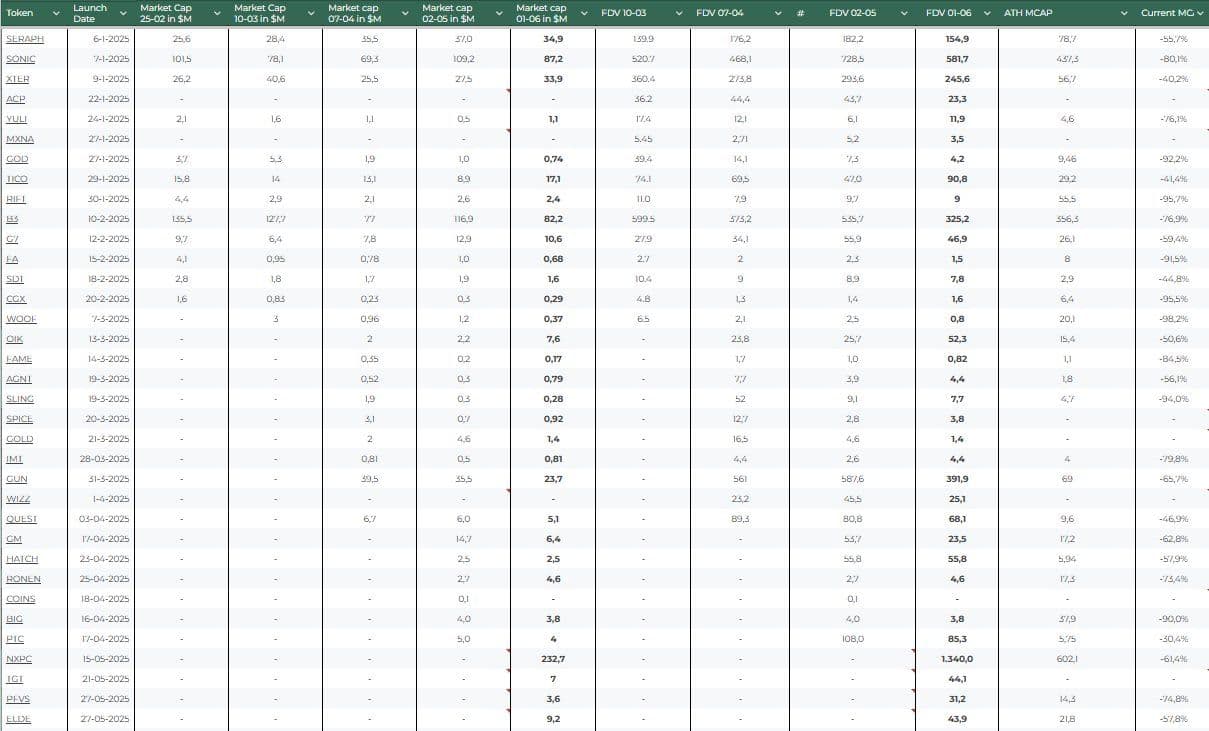
Token generation events throughout 2025 have largely failed to impress. Gaming assets have underperformed relative to other sectors within the Ethereum ecosystem, showing weaker returns and limited sustained traction. Ethereum continues to serve as a primary infrastructure layer for blockchain gaming, but the sector lags behind in growth and user acquisition.
State of Crypto Gaming in 2025
NFT minting activity and performance
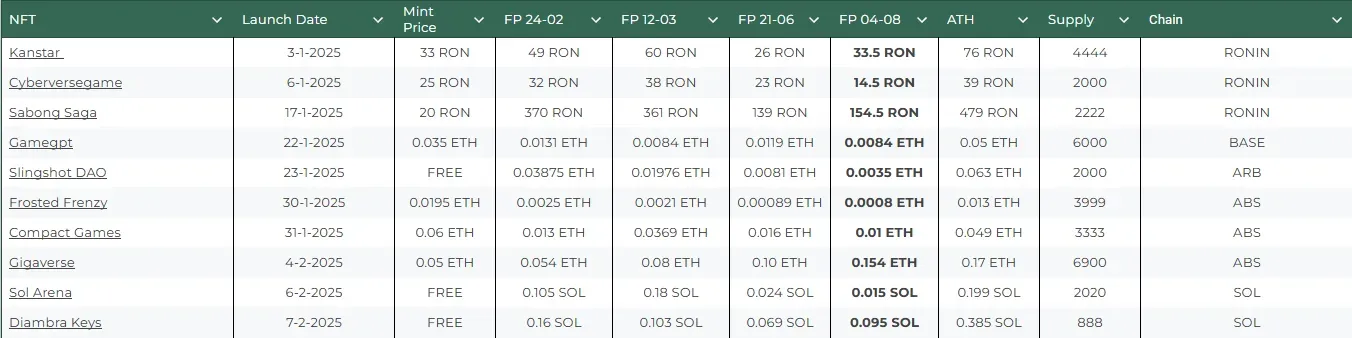
Data covering June through early August shows 87 gaming NFT mints tracked, up from 71 in the prior period. Paid mints accounted for roughly 80 percent of the total, a slight decline from 81 percent in June. Despite the increase in tracked projects, most paid NFTs now trade below their mint price, indicating continued downward pressure.
Ronin and Abstract lead in minting volume for gaming NFTs, though activity on both blockchains has cooled recently. A handful of collections have bucked the trend. Sabong Saga Genesis, Gigaverse ROMs, and Breath of Estova Legacy Egg have posted meaningful floor price gains above mint. Most free mints have lost value over time, with Anichess Genesis standing out as one of the few maintaining secondary market interest.
Overall sentiment around gaming NFTs has shifted from slightly negative in June to neutral. Collections tied to active development, regular updates, or clear utility tend to hold value better. NFTs without an underlying product or defined use case continue to see weak demand and price erosion.
State of Crypto Gaming in 2025
Rethinking tokenomics and timing
Structural changes are under discussion within the community. Delaying token launches until after a game has established product-market fit may help avoid the speculative cycles that often derail early development. Some builders are exploring application-specific tokens or stablecoins to reduce volatility and rebuild user confidence.
A clearer, broader narrative for crypto gaming is also necessary. Digital asset ownership, player-driven economies, new genres enabled by smart contracts, and streamlined payment systems remain valid concepts. Turning these ideas into engaging, durable experiences will require technical innovation paired with design that prioritizes gameplay over financialization.
State of Crypto Gaming in 2025
Clearing the deck for what comes next
The events of 2025 amount to a painful but potentially necessary purge. Studios have closed, token values have collapsed, and funding has become scarce. These developments underscore the volatility inherent in the space, but they may also represent a healthy correction. The departure of hype-driven projects and opportunistic participants could create conditions for a more disciplined and sustainable phase.
The core use case for blockchain technology in gaming still holds. The real test lies in execution: building games that people want to play, designing economic systems that genuinely align interests, and articulating a vision for web3 gaming that resonates beyond speculation. As the market stabilizes, the next few years may offer a chance to rebuild on firmer ground. Here are all the games mentioned in the article:
- Sabong Saga
- Gigaverse
- Fishing Frenzy
- Onchain Heroes
- Monsters Fun
- Moonfrost
- Breath of Estova
- Ragnarok Landverse: Genesis
- Pixiland
- Anichess
- Tokyo Beast
- Space Rush