

Picture this: you boot up Steam, filter by price, set the ceiling at $5, and the store hands you more than 44,000 results. That's not a sale. That's just Tuesday on the world's biggest PC gaming platform.
Steam's catalog has quietly crossed a milestone that deserves more attention than it's getting. Over 44,000 games are now permanently listed at $5 or below, a figure that has grown steadily as the platform's total library pushes past 90,000 titles. That means roughly half of everything on Steam costs less than a fast food combo meal.

Use code TRYHARD33 at checkout to redeem this offer before code expires again.
Get 33% Off GAMES+ Subscription
What's actually driving the number
Here's the thing: this isn't purely a sign of Steam getting more generous. The $5-and-under category has ballooned largely because of the sheer volume of indie and small studio releases flooding the platform every year. Steam Greenlight's replacement, Steam Direct, removed most barriers to publishing back in 2017, and the pipeline has never slowed down. Developers pay a one-time $100 fee per title, and low price points are often a deliberate strategy to stand out in an impossibly crowded storefront.
The result is a catalog that spans everything from genuinely excellent hidden gems to asset-flipped shovelware. The price tag alone tells you almost nothing about quality, which is exactly why filtering by price has become both a treasure hunt and a minefield for budget-conscious players.
What most players miss is that some of the highest-rated games on the platform live in this price range. Titles in the $1 to $5 bracket have historically performed well in user reviews precisely because players go in with calibrated expectations and come out surprised.
The player impact
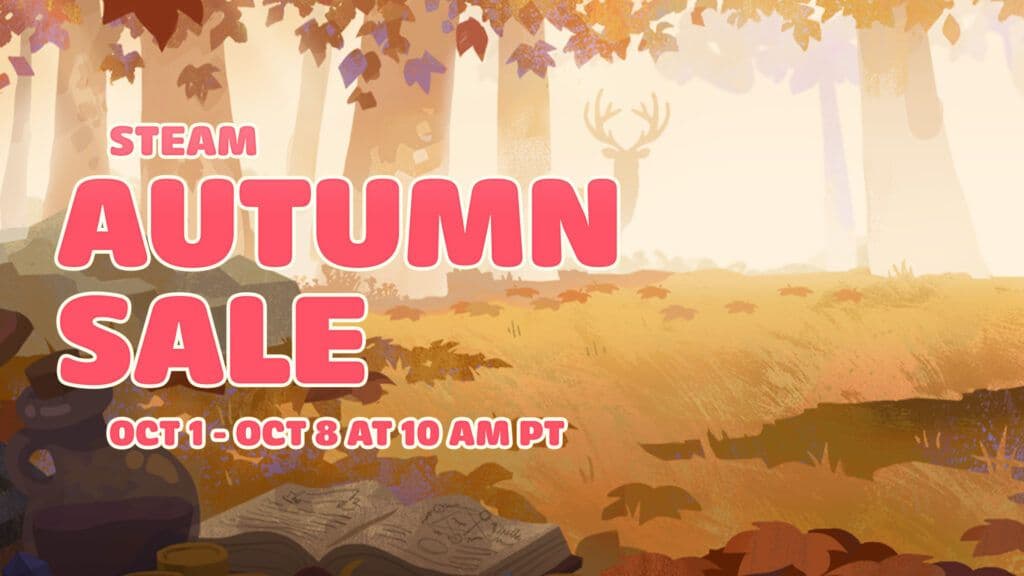
For anyone gaming on a tight budget, this milestone matters. A $20 monthly budget can now theoretically land you four separate games without touching a sale. Steam's seasonal sales push those numbers even further, with sub-$5 titles occasionally dropping to under $1.
The key here is that this also reshapes how players approach their backlogs. The psychological barrier to trying something new drops significantly when the price is lower than a cup of coffee. That lowers the stakes on impulse buys and encourages experimentation with genres players might otherwise skip.
It's worth comparing this to other platforms. Console storefronts rarely match Steam's density at this price point, and mobile games that cost $5 or less rarely offer the same depth or playtime. PC gaming's cost-per-hour advantage has arguably never been stronger.
The other side of the equation
Not everyone sees 44,000 cheap games as an unambiguous win. Developers operating in this price range face brutal discoverability challenges. When your game is one of tens of thousands at the same price point, visibility becomes the real barrier, not the price itself.
Steam's algorithm heavily favors games with strong launch momentum, meaning a well-made $4 game from a solo developer can get buried within days of release while a mediocre title with better marketing floats to the top. The sheer volume of the sub-$5 catalog is both its greatest strength for buyers and its greatest challenge for creators.
For players who enjoy hunting for value, our gaming guides regularly highlight underplayed titles worth your time and money across every genre.
What this means going forward
Steam's catalog shows no signs of shrinking. The platform adds hundreds of new titles every week, and the majority of those launch at accessible price points. The 44,000 figure will almost certainly look conservative by the end of the year.
For players, the practical advice is straightforward: use the tools Steam already gives you. Filters, user tags, review scores, and wishlists are more valuable than ever when the catalog is this large. If you're looking for ways to stretch your gaming budget even further, guides covering Starfield money-making strategies and upcoming game pricing breakdowns can help you plan smarter spending across platforms.
The bottom line is that 44,000 games for $5 or less represents a genuine shift in what budget gaming looks like in 2026. The challenge now isn't finding something affordable. It's finding something worth playing.