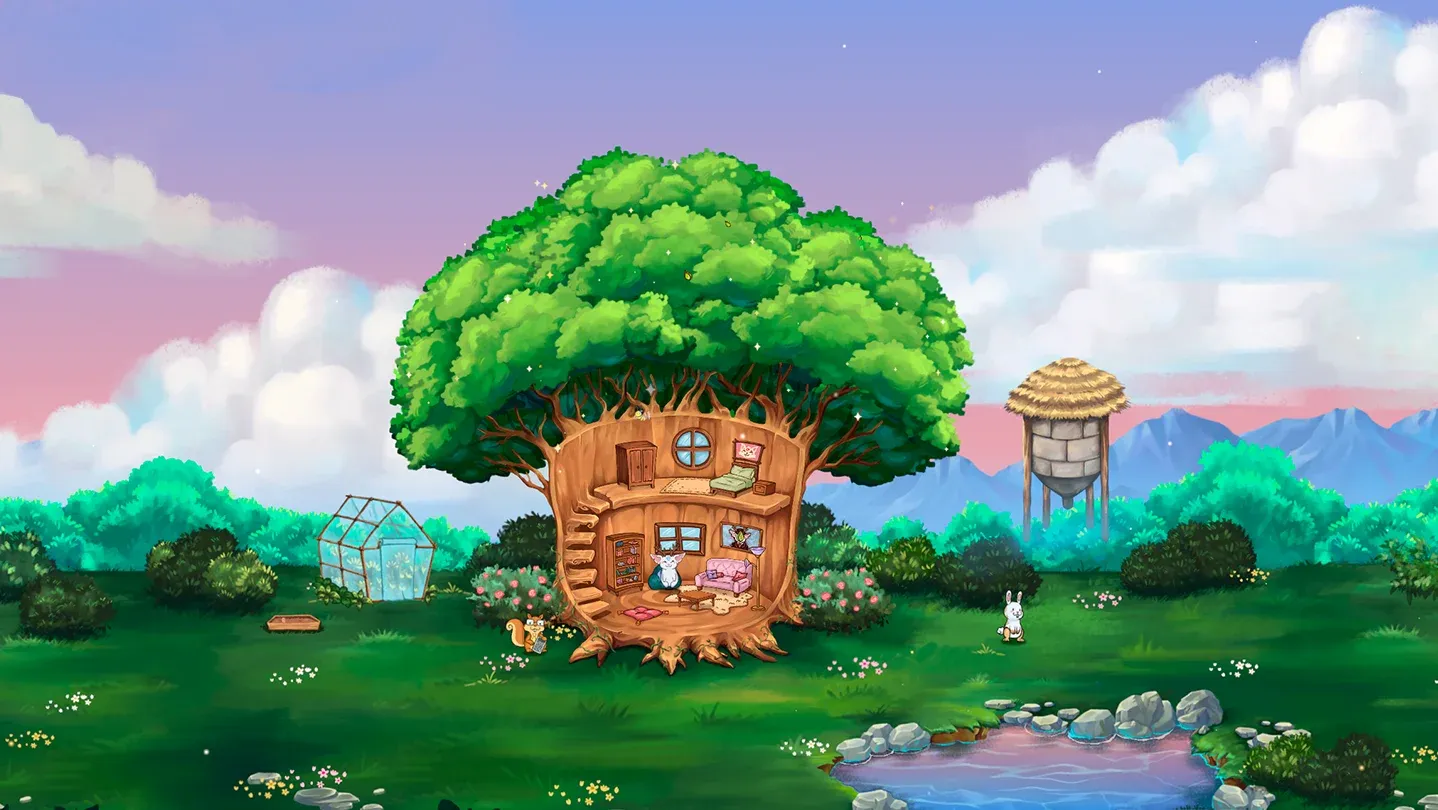


"I absolutely do not recommend Timber Rush, and you'd be a fool to buy it, and I am a fool." That's the conclusion one games critic reached after two days of non-stop play. He documented the entire spiral anyway.
The game in question is Timber Rush, a Steam release from Allerton Apps that costs next to nothing and looks like it took a weekend to build. Your lumberjack runs left and right around a static pixel tree, collecting logs that fly out of the trunk. That's the game. Logs fly. You collect them. Numbers go up.

Use code TRYHARD33 at checkout to redeem this offer before code expires again.
Get 33% Off GAMES+ Subscription
What 101 upgrades and zero polish actually feel like
The upgrade system sprawls across literally hundreds of branches on a skill tree, with 101 nodes unlocked by the time the critic wrote his breakdown, and more still appearing. Between 30-to-70-second runs, players spend logs and gold on new axes, new lumberjacks (including, apparently, a Gnome wielding an Arcane Crescent), and crew members to help with the endless chopping. The upgrade picks come so fast during runs that selecting them becomes its own mini-game.
Here's the thing: by the time the lumberjack had accumulated enough log-scooping drones and what the critic calls "wood magnetism," the game had started playing itself. The only remaining decision layer was the upgrade path, choosing between options like Hefty Timber with explosive magma logs or Stormwood with lightning bonuses. Two systems. Dozens of combinations. Zero animation budget.
The compulsion loop stripped to its bones
Timber Rush functions as an accidental crystallization of what a gameplay loop actually is. It's technically crude, graphically minimal, and somehow impossible to stop — comparable to Snake on a Nokia or Cookie Clicker. The critic also draws a line to NecroMerger, a mobile clicker with similar hooks. Both of those had obvious craft behind them. Timber Rush doesn't, and that's what makes the whole thing philosophically uncomfortable.
The AI angle matters here. If the compulsion loop works regardless of whether a human or a generative model produced the art, the sound, or even the upgrade tree structure, that raises uncomfortable questions about what players are actually responding to. Is it the craft, or just the numbers?
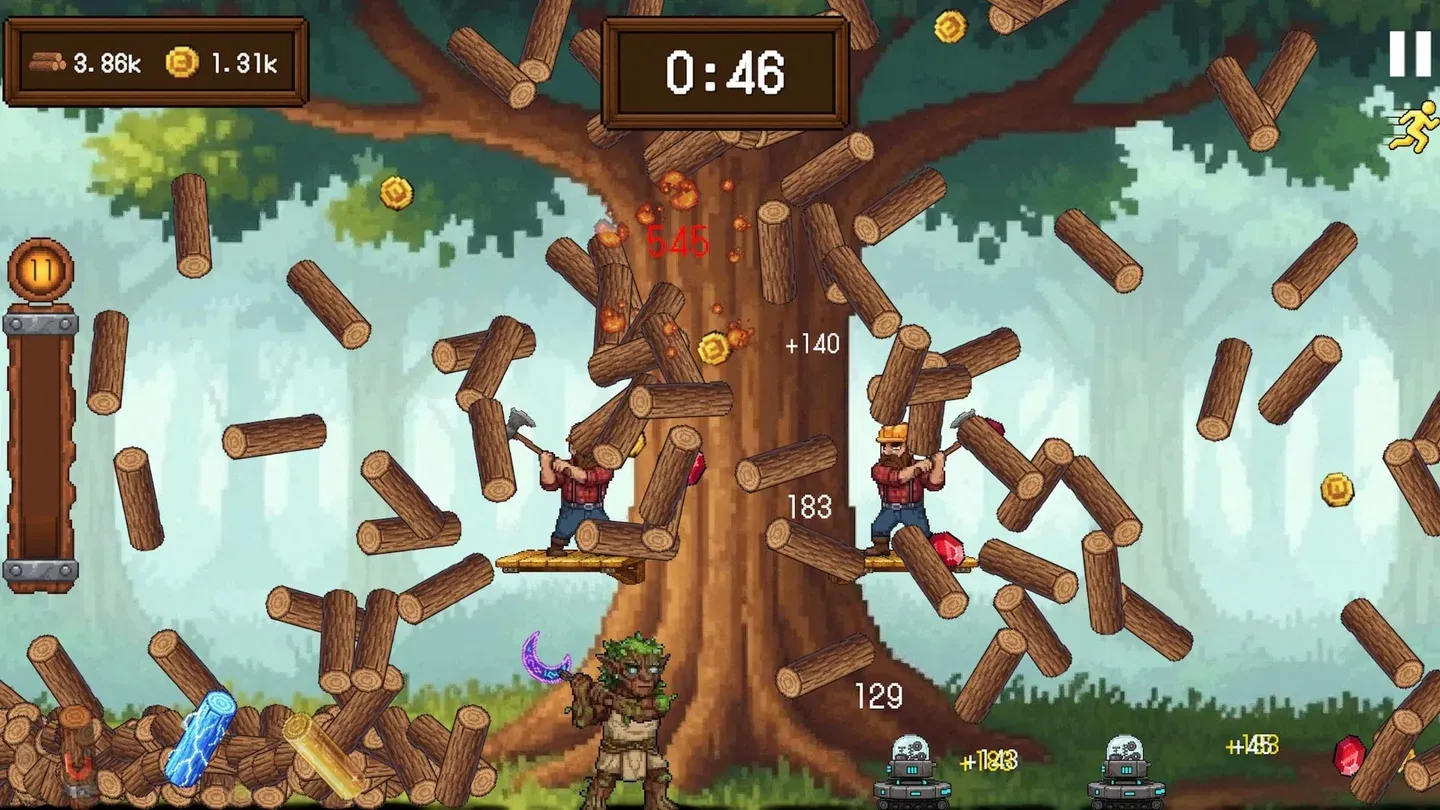
Logs, drones, and wood magnetism
Why this specific breakdown is worth paying attention to
Gaming criticism has spent years arguing about what separates a "good" game from an "enjoyable" one. This Timber Rush spiral is a real-time example of that gap. The game is visually crude, mechanically shallow, and possibly assembled with generative tools. And yet the pacing of its upgrade rollout is tight enough to keep a professional games writer clicking for 48 hours.
That's not nothing. Developers who wonder whether player feedback actually shapes design decisions might find the Timber Rush situation instructive in a different way: sometimes a game doesn't need to listen to anyone, because the core loop is doing all the work before a single complaint gets filed.
The real question isn't whether Timber Rush is good. It's whether enjoyment is enough to make something good, and whether that answer changes when the thing you enjoyed might have been made by a machine. The answer remains unresolved. Probably because the critic went back to play another round. Make sure to check out more: