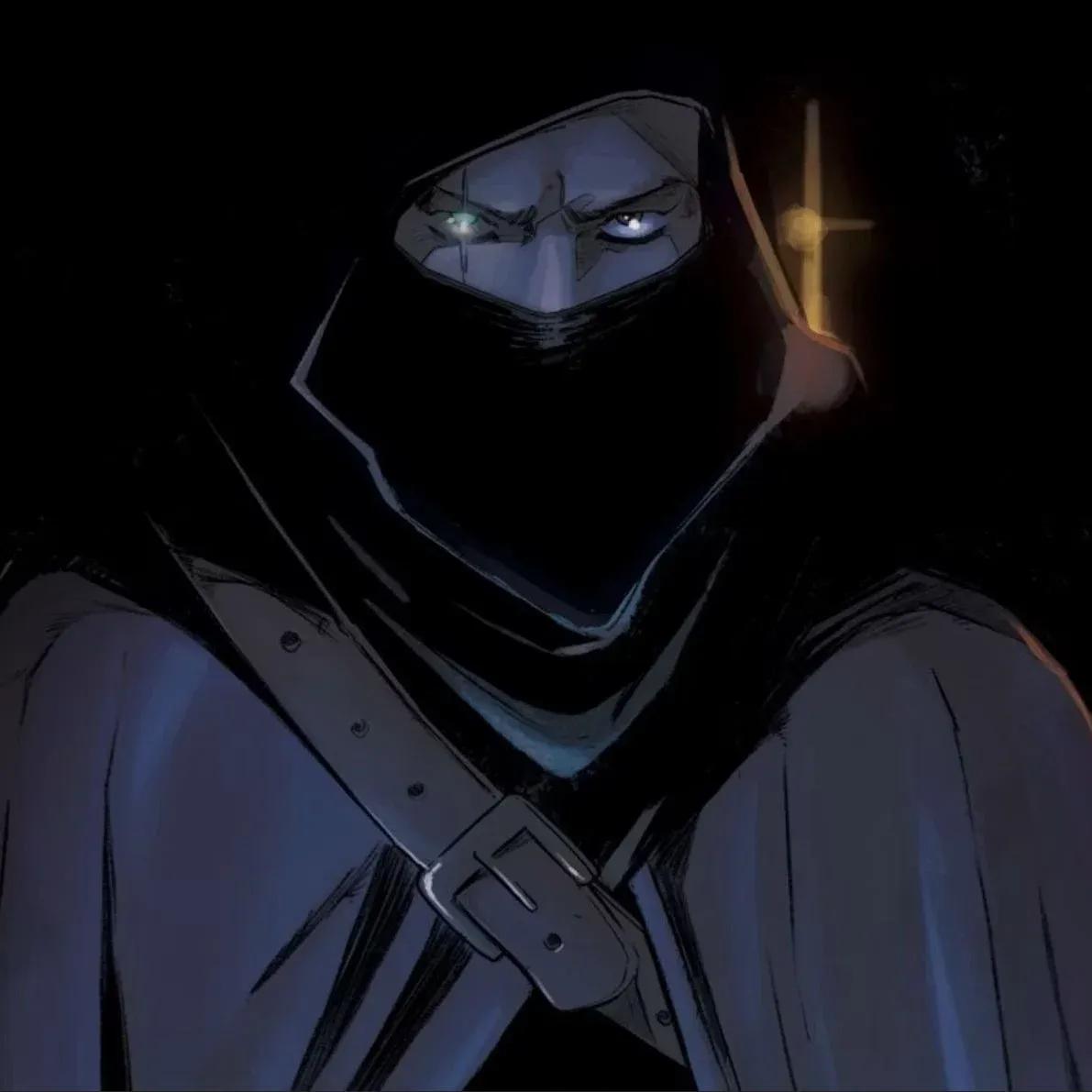

Picture this: Garrett, master thief and professional grouch, squeezing himself down to the size of a rat and scurrying through a drain to bypass a locked door. It sounds like something straight out of Dishonored, but Looking Glass Studios was actually kicking this idea around back in 1997, during development of Thief: The Dark Project, a full 15 years before Corvo Attano ever possessed his first rodent.
The connection to stealth gaming's broader lineage is hard to ignore. Uncharted 4: A Thief's End shares more than a subtitle with this legacy, both games drawing from the same well of clever traversal design and the fantasy of reaching places you're not supposed to reach. The difference is that Naughty Dog's thieves climb; Garrett was nearly small enough to fit through a mouse hole.
What lead designer Tim Stellmach actually said
In an interview marking the 20th anniversary of Thief's release, Looking Glass Studios lead designer Tim Stellmach confirmed the shrinking mechanic had been a genuine consideration during development. The pitch was straightforward enough: give Garrett the ability to reduce himself to rat size, opening up entirely new routes through drains, pipes, and gaps in walls that a full-sized human body could never navigate.
The idea did not survive contact with the realities of game development.
"We just decided it was gonna be way too much work to do it right," Stellmach explained. The second reason is the more interesting one: "It started raising questions that we didn't want to answer."
Stellmach did not elaborate on what those questions were, but the implications are easy enough to trace.
The design logic behind cutting it
Here's the thing: Thief works precisely because Garrett has no supernatural abilities. He is a man with a blackjack, a bow, and a very strong preference for not being seen. The entire tension of the game rests on the fact that every route he takes has to be earned through observation and patience, not bypassed through a power.
A shrinking mechanic would have immediately created a two-tier design problem. Every level would need rat-sized passages worth building, or the ability would feel pointless. Every section without those passages would feel like the designers forgot to use the mechanic. And the moment a player can turn into something small and fast, the question of why guards can't simply step on them becomes genuinely hard to dodge.
Dishonored solved a version of this problem by making rat possession a power with clear limitations: Corvo can possess a rat, but rats can still be spotted, killed, and blocked by certain surfaces. The mechanic works because the game was designed around it from the ground up. Dropping a similar ability into Thief mid-development, without rebuilding the level architecture around it, would have created more problems than it solved.
Why Dishonored could do what Thief couldn't
The parallel between Garrett's scrapped shrink mechanic and Corvo's rat possession is not coincidental. Arkane Studios built Dishonored explicitly as a spiritual successor to the immersive sim tradition that Thief helped establish, and rat possession was baked into the game's design from an early stage. Levels in Dishonored feature rat tunnels and low passages specifically because the developers knew the ability existed and built environments to reward it.
Looking Glass didn't have that luxury in 1997. The shrinking idea came up during a development process that was already underway, which means retrofitting it into existing level geometry would have been a significant undertaking. Stellmach's comment about "too much work to do it right" reflects a very specific kind of developer honesty: the idea was good, the execution would have been rushed, and a half-implemented power mechanic in a game about precision and patience would have been worse than no power at all.
What most players miss is how much this decision shaped the identity of the entire franchise. Garrett's powerlessness is not a limitation, it is the point. Every successful heist in Thief feels earned in a way that Dishonored's supernatural shortcuts, satisfying as they are, simply cannot replicate.
The Nightdive remaster brings Thief back into focus
The timing of this design history resurfacing is not accidental. Thief: The Dark Project is currently being remastered by Nightdive Studios, announced at the PC Gaming Show in June. The project, titled Thief: The Dark Project Remastered, will include the additional missions from Thief Gold alongside a substantial set of visual and technical upgrades. Nightdive brought back original Thief artist Daniel Thron specifically to revamp the game's cutscenes, which are a more significant part of the Thief experience than many newer players might expect.
No release date has been confirmed yet, but the remaster represents a genuine opportunity for a new generation of players to understand what made the original so formative. The scrapped shrinking mechanic is a useful reminder of how carefully Looking Glass protected the game's design philosophy, even when the temptation to add something cool was right there on the table.
For players who want to go deeper into the kind of traversal and stealth design that Thief pioneered, the Uncharted 4: A Thief's End guides offer a useful look at how modern games handle the same fantasy of reaching the unreachable. The broader gaming guides collection covers the stealth and traversal genre from multiple angles for anyone looking to trace that lineage further.