

TomorrowHead Studio's debut title, Will: Follow the Light, arrived this week to a reception that captures its central tension perfectly: players are falling in love with the atmosphere and frustrated by the moment-to-moment gameplay in almost equal measure. For fans of slow-burn adventure games, it is worth paying attention to.

Use code TRYHARD33 at checkout to redeem this offer before code expires again.
Get 33% Off GAMES+ Subscription
What the game actually puts you through
You play as Will, a lighthouse keeper whose isolated routine collapses when disaster strikes his hometown and his son goes missing. Armed with little more than his ageing sailing yacht, Molly, he heads into freezing northern waters to find him. The premise sounds straightforward. The execution is anything but.
The sailing mechanics are where the game earns its reputation. You manually adjust sails, manage currents, and react to shifting weather in ways that feel genuinely tactile rather than gamified. Snowstorms swallow visibility in seconds. Moonlight cuts across frozen coastlines. There are stretches where nothing dramatic happens for several minutes, no enemies, no plot twists, just creaking wood and endless water disappearing into fog. Those quiet moments are, counterintuitively, some of the strongest the game offers.
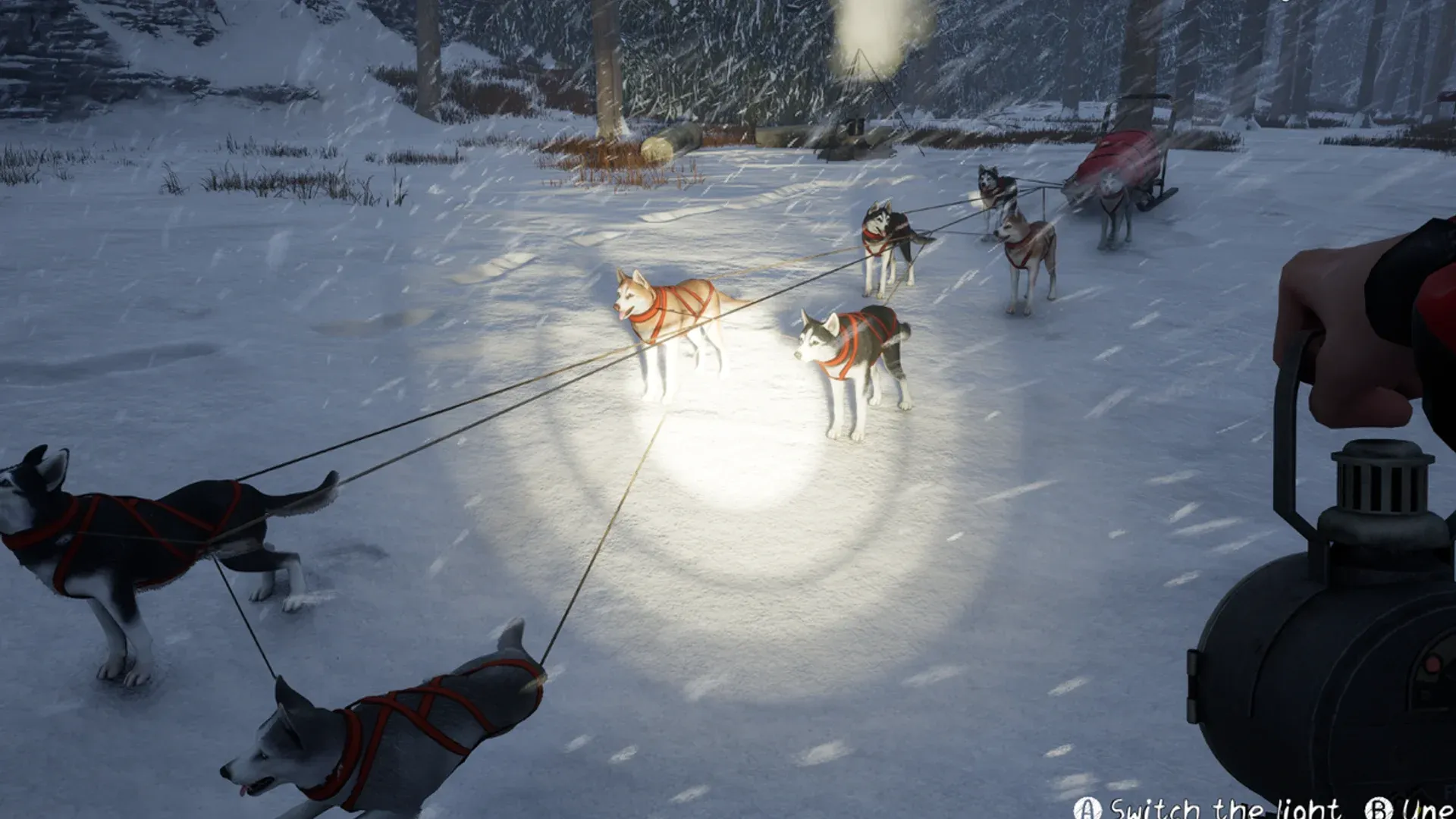
Dog-sledding sequences add a different kind of tension. Controlling a sled through blizzards with visibility collapsing around you hits harder than most action set-pieces in bigger-budget titles, because the danger feels environmental rather than scripted.
The emotional weight underneath the ice
Here's the thing about Will's story: it is not really about finding a missing child. The further the journey goes, the more it becomes about fractured relationships between fathers and sons, and about whether Will is trying to save his boy or searching for his own redemption. The game rarely explains itself directly. Storytelling happens through abandoned locations, environmental details, and fragmented conversations rather than exposition dumps.
The writing occasionally drifts into familiar introspective territory, but the sincerity carries it. When it lands, it lands hard. The soundtrack reinforces all of this with sparse, experimental textures that blend into wind and sea before building emotional presence at key moments. Combined with the sound design, the audio work is one of the strongest elements in the entire package.
Built on Unreal Engine 5, the northern environments are genuinely impressive. TomorrowHead Studio clearly understands how to use the technology purposefully rather than just flexing it.
Where the momentum breaks down
The puzzle design is the game's most consistent problem. Too many tasks fall into tired adventure-game patterns: fixing machinery, reconnecting electrical systems, locating scattered objects, completing mundane maintenance jobs. These sequences are rarely difficult. They are simply uninspired, and they appear frequently enough to disrupt the pacing that the sailing and dog-sledding sections work hard to build.
What most players miss at first is that the issue is not the existence of puzzles. Slower narrative games need interaction to stay engaging. The problem is that these sequences feel disconnected from the surrounding emotional intensity. You emerge from a powerful narrative moment and spend the next 15 minutes searching drawers for tools or aligning switches. That rhythm break accumulates.
Character animations compound the issue in cutscenes. Facial expressions drift into uncanny territory during close-up emotional conversations, which undercuts scenes the writing is genuinely trying to sell. The surrounding environments are often extraordinary, which makes the inconsistency more noticeable rather than less.
A debut that shows real ambition
For a first release from an independent studio, Will: Follow the Light aims considerably higher than most debut projects attempt. The sailing mechanics are immersive, the Arctic wilderness is rendered with real conviction, and the story's exploration of generational distance and parental guilt carries emotional weight that lingers after the credits roll.
The flaws are real and worth knowing before you commit. Repetitive puzzle design, inconsistent character models, and some awkward transitions between gameplay and cinematics are not minor rough edges. They affect the experience in stretches. But the atmosphere, the audio design, and the quiet confidence of the storytelling give the game a soul that is genuinely hard to find in most releases this size.
If you want to dig deeper into what the game offers beyond the main story, our guide collection has resources worth checking out before you set sail.