
Eight years. One studio sale. Zero new releases. That's the headline version of Undead Labs' time under Xbox Game Studios, and it's not a flattering one. But strip away the optics and there's a more interesting story underneath, one about a small team that quietly built infrastructure that other Xbox studios are still running on today.
Eight years, one sequel, and a lot of turbulence
Undead Labs was acquired by Xbox in 2018, just weeks after State of Decay 2 launched. What followed was a prolonged and difficult development cycle for State of Decay 3: the game was revealed publicly before it was ready, development stalled during pre-production, and the team had to navigate a full engine migration to Unreal Engine 5. A 2027 release window finally emerged after public alpha testing opened earlier this spring.
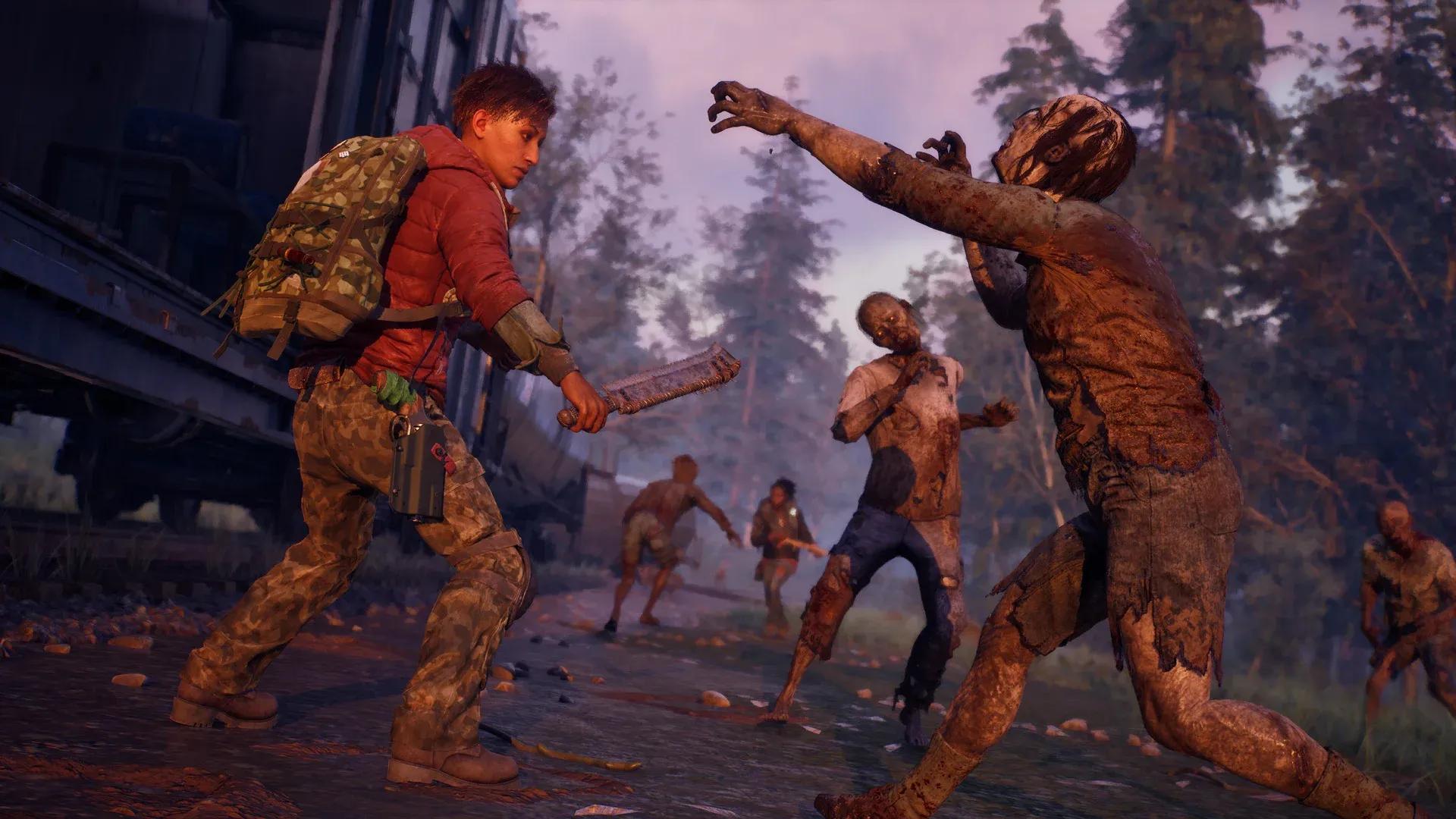
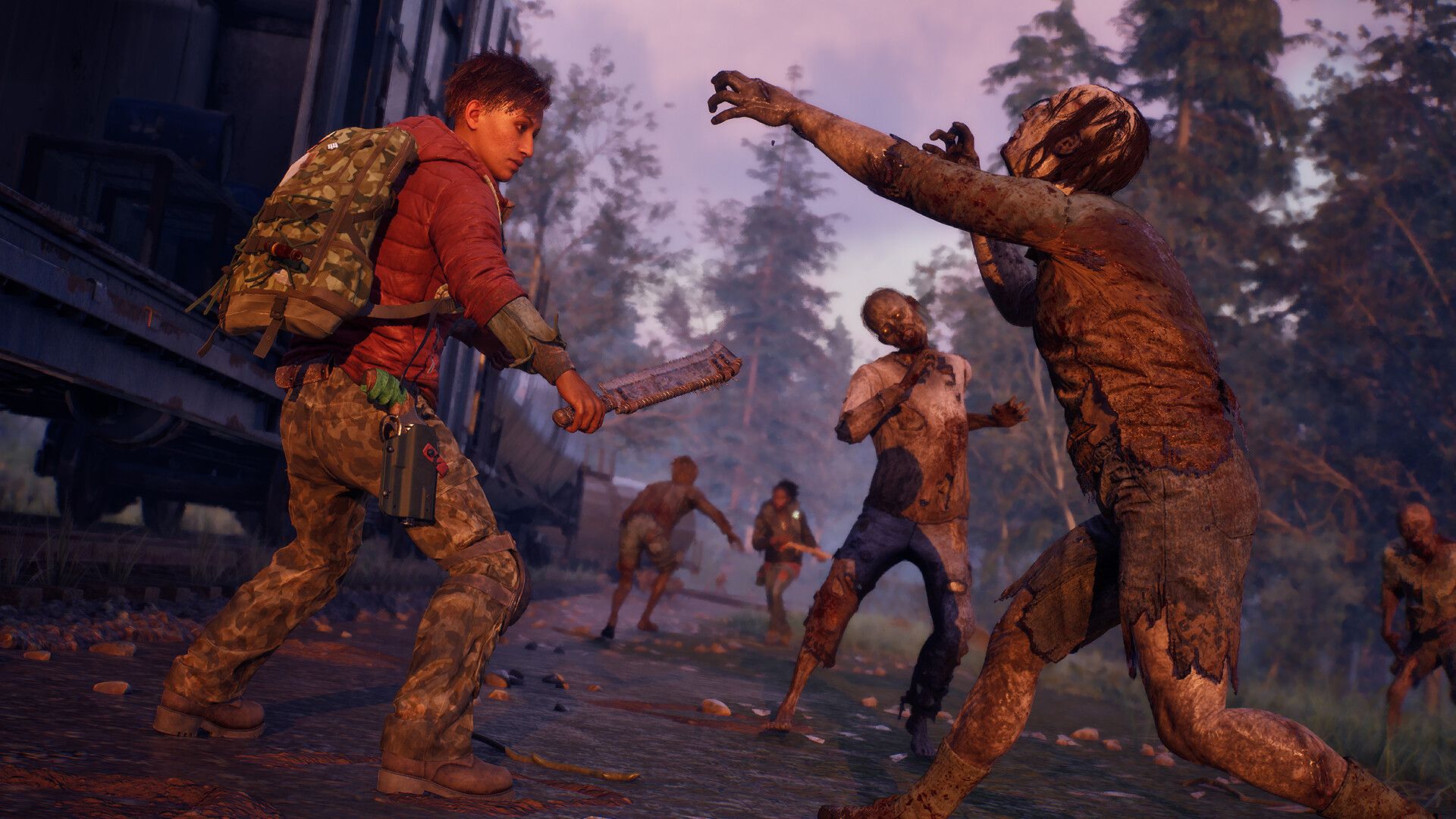
Meanwhile, State of Decay 2 was doing more than most people gave it credit for. The game quietly accumulated over 10 million lifetime players by its fourth anniversary, with Undead Labs supporting it through an expansion, multiple feature updates, and years of post-launch refinements. The fact that it never made the jump to PS5 during Xbox's first wave of platform-exclusivity breaks still reads as a missed opportunity.
None of that was enough for the current era of Xbox. The studio was sold as part of a broader internal reset, joining a growing list of teams that didn't survive Microsoft's restructuring.

The cloud save trick that Obsidian borrowed
Here's the thing most players missed during all of this: Undead Labs wasn't just maintaining State of Decay 2. The team had developed a system that stored world-state data as a shareable cloud save file, letting multiple players drop into the same persistent world independently, without needing the community's original host to be online.
It's a clever piece of engineering. No dedicated server infrastructure. No ongoing hosting costs. Just a shared cloud save that behaves like a pseudo-dedicated server space.
Obsidian Entertainment noticed. Working with a small team and a tight budget on Grounded, the studio needed a way to deliver proper co-op persistence without the overhead of full dedicated servers. So it reached out to Undead Labs, built on top of that existing system, and shipped it.
Marcus Morgan, Obsidian's VP of operations, described the collaboration directly: “It's almost like a pseudo-dedicated server space. It's effectively just a shared cloud save, but you don't need any of the dedicated server infrastructure, or the cost that goes with it. That stemmed from a collaboration between us and Undead Labs. I have to give a big shout out to that team. They built this tech initially, and then we built upon it.”
What Grounded gave back, and what State of Decay 3 inherits
The collaboration wasn't one-directional. After Obsidian expanded the system for Grounded, Undead Labs received an updated version in return. The result is a more capable "Shared World" architecture that State of Decay 3 is built around, one that supports far larger player communities and removes the co-op tethering limitations that frustrated players in State of Decay 2.
This is exactly the kind of cross-studio knowledge sharing that Xbox Game Studios has historically been poor at communicating publicly. The Coalition functions as an Unreal Engine 5 center of excellence. Ninja Theory's motion capture studio has been used by other XGS teams. Rare contributed networking expertise to Double Fine's Kiln. Blizzard worked with Playground Games on cinematics for Fable. Obsidian's proprietary dialogue editor is running inside multiple in-development RPGs across the group. None of this gets much attention, but it represents real value moving between teams.
What the legacy actually looks like
The studio sale doesn't erase what Undead Labs built. The shared world technology it developed is now embedded in Grounded 2's expanding Brookhollow Park, and it forms the backbone of State of Decay 3's multiplayer ambitions. That's a tangible contribution, even if it never showed up on a release slate.
The key here is that studio value inside a large first-party group rarely maps neatly onto game output. Undead Labs spent eight years without a new release, but it shipped working co-op infrastructure that a larger, higher-profile studio built a live game on top of. That's not nothing. It's just not the kind of thing that survives a restructuring announcement.
For players still invested in the franchise, State of Decay 3 is still coming. You'll want to keep an eye on how the shared world system plays out in practice, since it's the most technically ambitious thing the series has attempted. Check out the State of Decay 3 guides for everything confirmed so far, or browse the full gaming guides hub for more on the survival genre heading into 2027.