

The way fans follow sports has changed dramatically over the past decade. Watching a match once largely meant sitting through a broadcast, checking the scoreboard, and waiting for the final result. Today, fans can follow live statistics, watch replays, check player performances, discuss matches with other viewers, and move between multiple platforms while a competition is still underway.
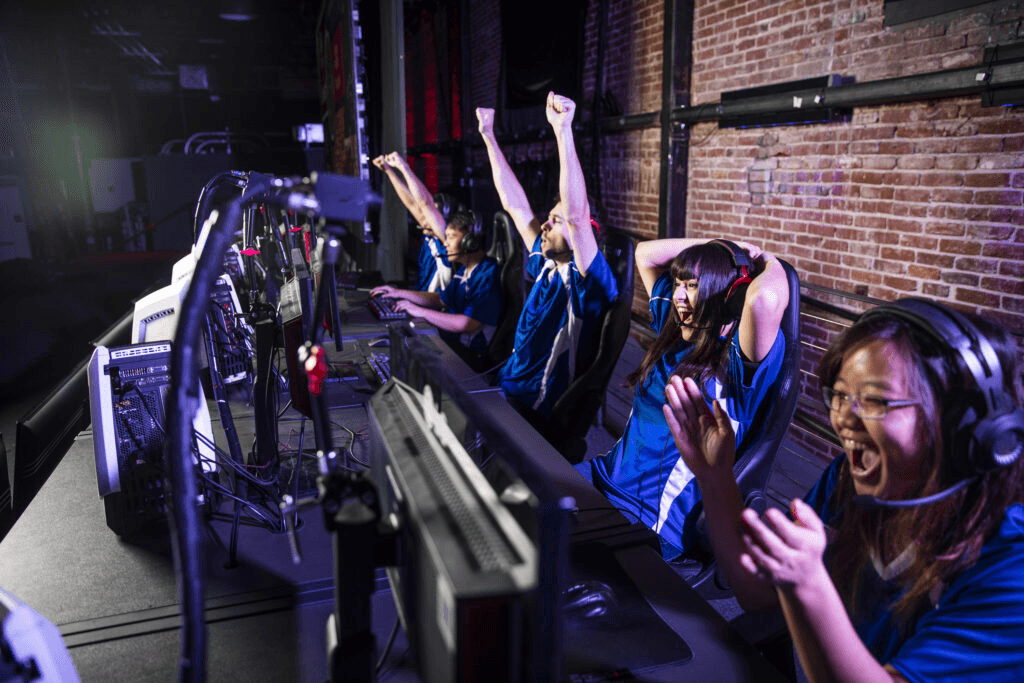
Esports have been part of this digital shift from the beginning. Live broadcasts, real-time statistics, match analysis, online communities, clips, social media, and constant interaction have become fundamental parts of following competitive gaming. Traditional sports, meanwhile, have increasingly adopted many of the same ideas as broadcasters, teams, leagues, and clubs look for new ways to keep audiences engaged beyond the main broadcast.
That creates an interesting overlap between the two industries. Esports can still learn from the history, structure, and fan culture of traditional sports, while traditional sports can look to esports for examples of how digital tools can make competition more interactive and accessible. The question is no longer simply how fans watch sports, but how technology can improve the entire experience around them.
Use code TRYHARD33 at checkout to redeem this offer before code expires again.
Get 33% Off GAMES+ Subscription
Esports Have Made Data Part of the Viewing Experience
One of the clearest examples is the way competitive gaming uses data. Esports broadcasts can show kills, deaths, damage, economy, player statistics, map records, win rates, rankings, and other information while a match is happening. For experienced viewers, these numbers can provide additional context about why a team is winning or how an individual player is influencing the game.
More information, however, does not necessarily mean a better viewing experience.
The most useful statistics are the ones that help explain what is happening rather than simply filling the screen with numbers. A statistic becomes valuable when it answers a question. Why did one team gain an advantage? How did a player change the momentum of a match? Was a particular performance the result of a repeatable strategy or simply an unusual moment?
Traditional sports have been moving in a similar direction, using advanced statistics and real-time tracking to give viewers more insight into what happens during a game. The challenge for both industries is finding the right balance between providing useful information and overwhelming viewers with data they do not need.
The same principle applies to digital platforms outside the broadcast. The best systems are not necessarily the ones offering the most information, but those that make it easy for fans to find the information that actually matters.
The Competition Does Not Start When the Match Begins
Another area where esports and traditional sports have more in common than they might initially appear is preparation.
Fans generally see the competition itself, but professional players and teams spend significant amounts of time preparing outside the match. Esports organizations review previous games, study opponents, develop strategies, manage schedules, communicate with coaches, and work on maintaining performance under pressure.
Traditional sports have followed similar practices for decades, although the tools and environments are different.
The bigger lesson is that competitive performance is not only about what happens during the game. Training, recovery, communication, scheduling, analysis, and preparation can all influence the final result. In some cases, improving performance may not require more training at all. It could mean reducing unnecessary work, improving communication between players and staff, or giving competitors enough time to recover.
As esports organizations become more established, these areas are becoming increasingly important to the overall competitive ecosystem. The same is true for the wider sports industry, where preparation and recovery are increasingly viewed as parts of the performance rather than activities that happen separately from it.
The Second Screen Is Becoming Part of the Experience
For many fans, watching a competition no longer means focusing exclusively on the main broadcast.
An esports viewer might have the tournament stream open on one screen while checking standings, player statistics, social media discussions, or another match on a second device. Traditional sports fans are increasingly doing the same thing, using smartphones and other devices to follow live statistics, team updates, fantasy leagues, and social conversations while watching a game.
The important part is choice.
Some viewers simply want the score, commentary, and major moments. Others want to follow every statistic and understand the tactical decisions happening throughout the match. Digital platforms can accommodate both audiences by allowing fans to decide how much information they want to consume instead of forcing everyone into the same experience.
This is one of the areas where esports' digital-first approach has provided a useful blueprint for traditional sports. Expanded statistics, replays, alerts, alternative commentary, and other optional features can add depth without taking viewers away from the main event.
The best approach is to make those features available without making them necessary. Fans should be able to explore more information when they want it and return to the main competition without losing the thread of what is happening.
Community Is Just as Important as the Competition
Esports also demonstrate how much of modern sports fandom happens outside the match itself.
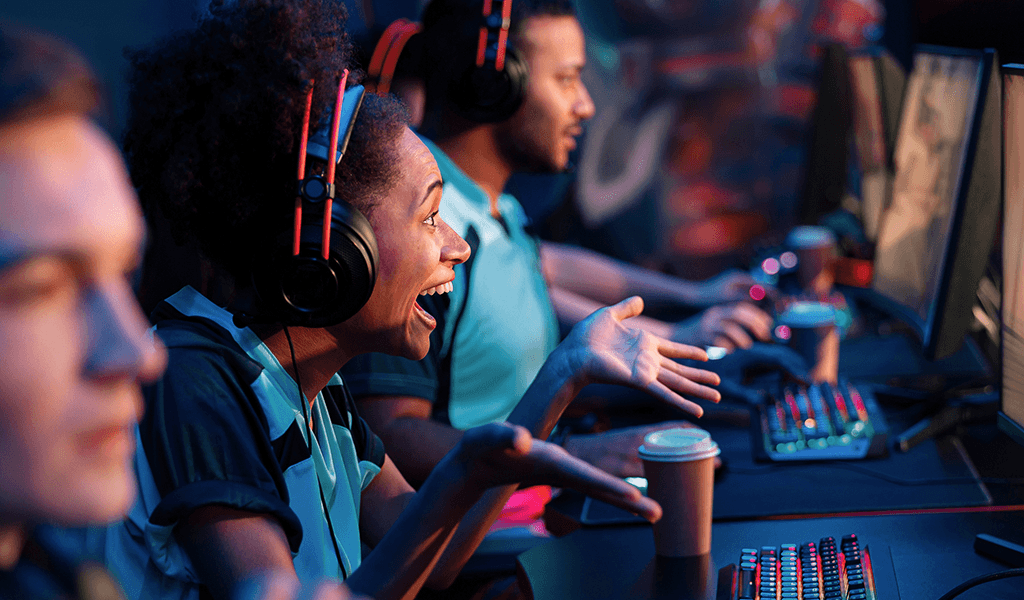
Fans do not simply watch a tournament and leave. They discuss players, teams, strategies, rivalries, mistakes, highlights, and controversial moments across social media and community platforms. A single play can become a clip, a discussion thread, a meme, and a talking point within minutes.
Traditional sports have always had passionate communities, but digital platforms have expanded how those communities interact. Teams and leagues can now communicate directly with supporters, while creators and fans can build their own conversations around the competition.
What Esports Can Learn From Traditional Sports and Digital Sports
That does not mean every sports organization needs to copy the culture of esports. The better lesson is understanding why those communities work. Fans want stories, personalities, rivalries, shared experiences, and reasons to remain interested between matches.
It also means recognizing that audiences are not all the same. A new viewer may need a simple explanation of a rule or strategy, while a long-time fan may already understand the smallest tactical details. A strong digital experience should be able to serve both without making either audience feel left behind.
For traditional sports, digital platforms can strengthen existing identities rather than replace them. Local rivalries, club histories, player stories, and shared traditions can all find new ways to reach audiences through online communities.
The Business of Sports Is Changing With the Audience
The shift toward digital communities has also created new opportunities for sports organizations.
Sponsorships, media rights, merchandise, events, tourism, digital products, and other commercial opportunities can benefit from an audience that remains engaged throughout the year rather than only during major competitions.
Esports have been particularly effective at connecting competition, creators, communities, and digital platforms. Traditional sports are increasingly experimenting with similar approaches as they look for ways to reach younger audiences and keep existing fans engaged.
There is a limit, though. If every interaction becomes another advertisement or sales opportunity, audiences can quickly lose interest. Long-term communities are built around trust and useful experiences, not simply constant monetization.
For both esports and traditional sports, the challenge is finding a balance between generating revenue and giving fans a reason to keep coming back.
Leisure Time Has Also Become More Diverse
Fans now have more entertainment options than ever. A viewer can watch an esports tournament, follow a football match, scroll through social media, join a group chat, or open another streaming service within the same hour. Within that journey, Jugabet's live casino service may appear, but it should not be presented as a necessary extension of sports. They are different categories.
A well-designed digital experience allows users to understand where they are, what rules apply, and what risks exist before making any decision, without turning the excitement of a sporting result into pressure to act. The most useful evolution is often gradual. Small, repeated improvements can have a greater impact on the experience than a spectacular feature that nobody incorporates into their routine.
Convenience Is Becoming Part of Sports Fandom
The modern fan can move between a broadcast, an application, a chat, and other entertainment services with little friction. That makes convenience increasingly important for sports platforms.
Digital services need to make it easy for fans to understand what they are watching, find schedules and results, follow teams, and access additional information when they want it. The same principle applies when platforms introduce features involving payments or financial decisions. Rules, costs, risks, and other important information need to remain clear rather than being hidden behind unnecessary complexity.
The goal should not simply be keeping users clicking for as long as possible. A better digital experience gives fans useful information quickly and makes returning to the platform feel worthwhile.
Small improvements can often have a bigger long-term impact than a major feature that looks impressive but never becomes part of a user's routine.
Where Esports and Traditional Sports Go Next
The next stage of digital sports will likely involve more personalization, automation, and interactive features. AI and other technologies can process large amounts of competitive data and identify patterns that would be difficult for viewers to spot on their own.
That technology still needs context, however. A statistic or automated analysis cannot always explain why a player made a particular decision or why a team performed differently from one match to the next. Human commentary and editorial judgment will remain important as sports organizations experiment with increasingly sophisticated tools.
Accessibility is another area where both industries can improve. Subtitles, readable interfaces, multiple language options, clearer explanations, and features designed for different levels of experience can make competitions easier for more people to follow without changing the competition itself.
Ultimately, the future of digital sports is not necessarily about adding as many features as possible. It is about delivering the right information at the right time without taking attention away from the competition itself.
Esports have already shown how live data, streaming, online communities, and analysis can become part of the way audiences experience competition. Traditional sports can continue adopting those ideas while maintaining the identities and cultures that made them popular in the first place.
For both industries, the goal is largely the same: make following the competition easier, more informative, and more engaging without taking away what made people want to watch in the first place.
You can learn more here: https://jugabet.cl/services/live-casino