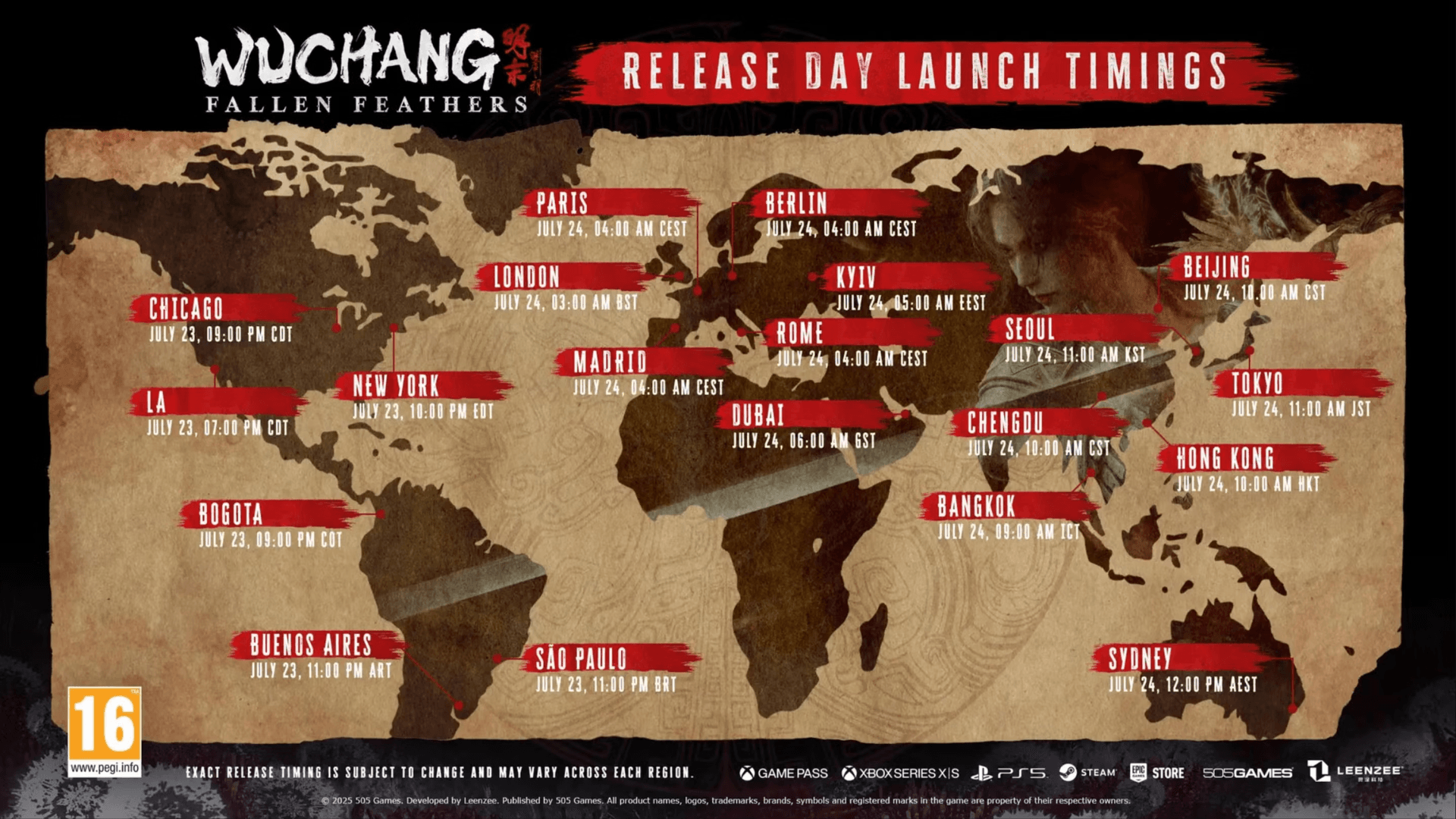
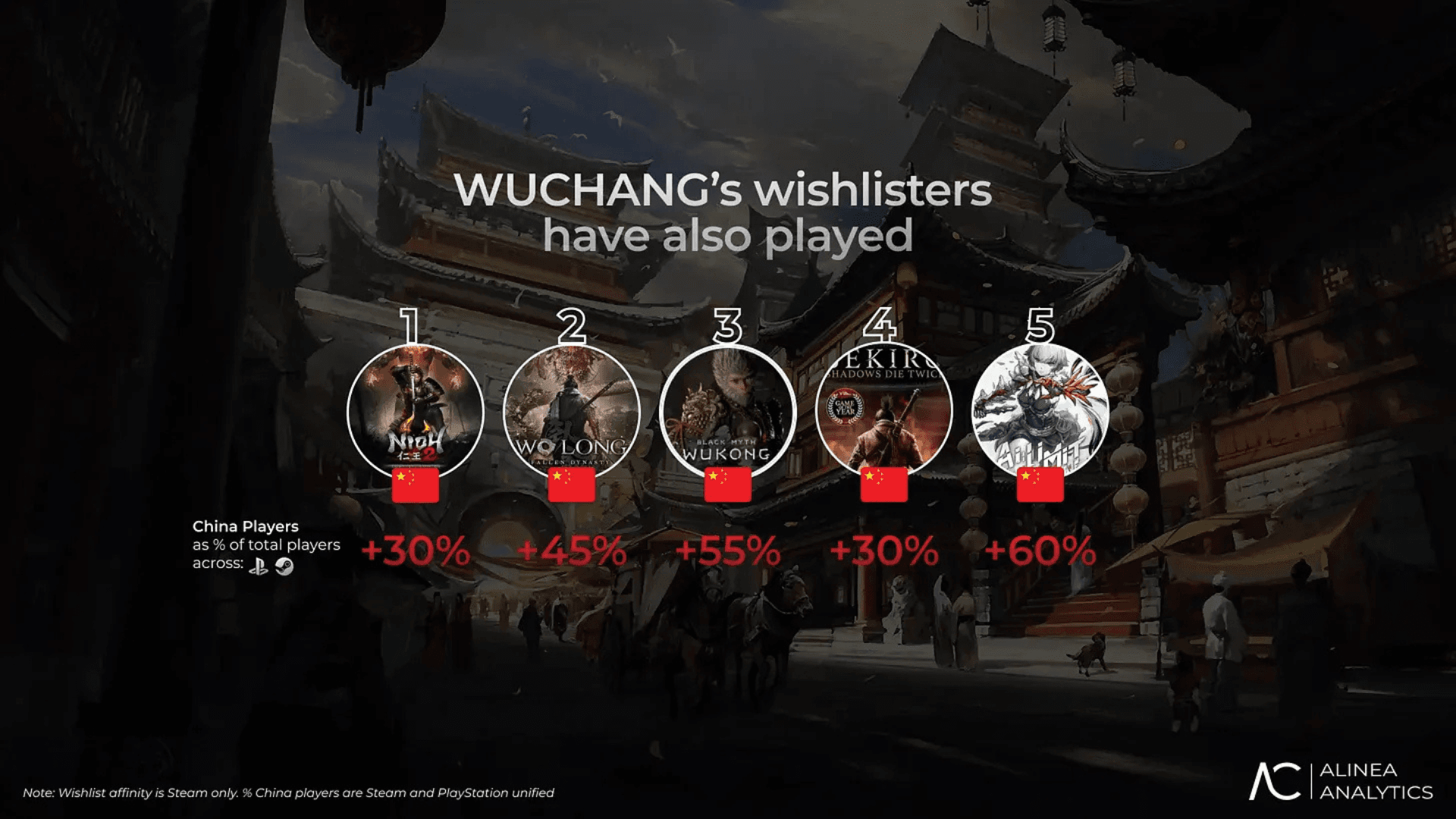
WUCHANG: Fallen Feathers, a Chinese-developed souls-like set during the Ming Dynasty, launched to massive anticipation both domestically and internationally. The game received solid critic scores but crashed hard with Chinese players, who hammered it with negative reviews citing severe technical problems and inconsistent performance. The launch shows what happens when optimization falls short and developers don't communicate performance expectations clearly, especially in markets where players scrutinize technical quality closely.
WUCHANG: Fallen Feathers Launch
Pre-launch buzz and critic reception
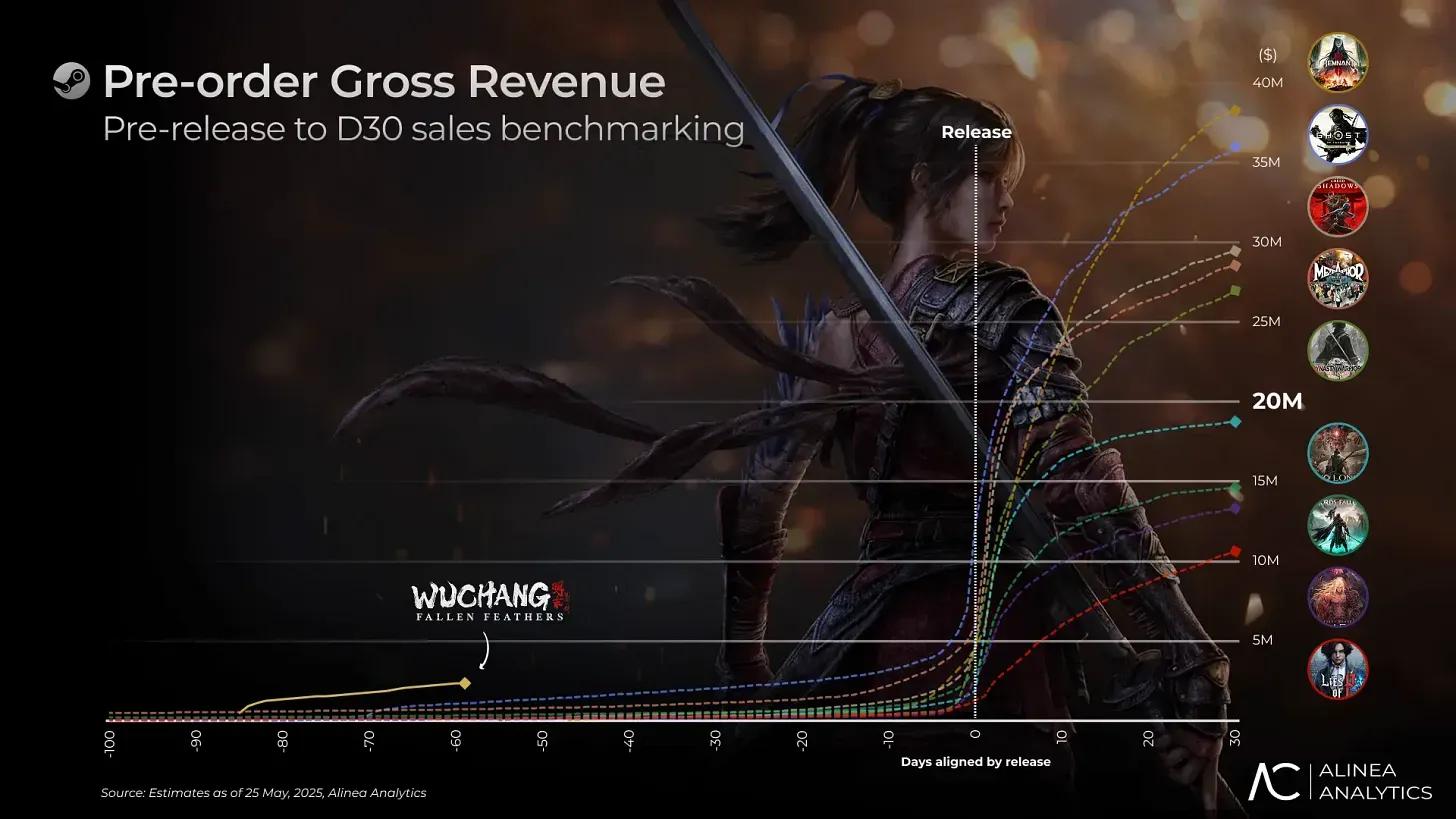
Before release, WUCHANG: Fallen Feathers built serious momentum. Souls-like communities on Reddit and Discord tracked its development closely. Wishlist numbers, follower counts, and pre-sales all pointed to one of the year's most-watched PC launches.
Critics responded positively. Multiple outlets gave it 8 out of 10, praising the visuals and combat. But those reviews came from sessions on high-end Windows rigs, which didn't reflect what most players would experience, particularly in regions where mid-range hardware dominates.
WUCHANG: Fallen Feathers Launch


Technical collapse and player backlash
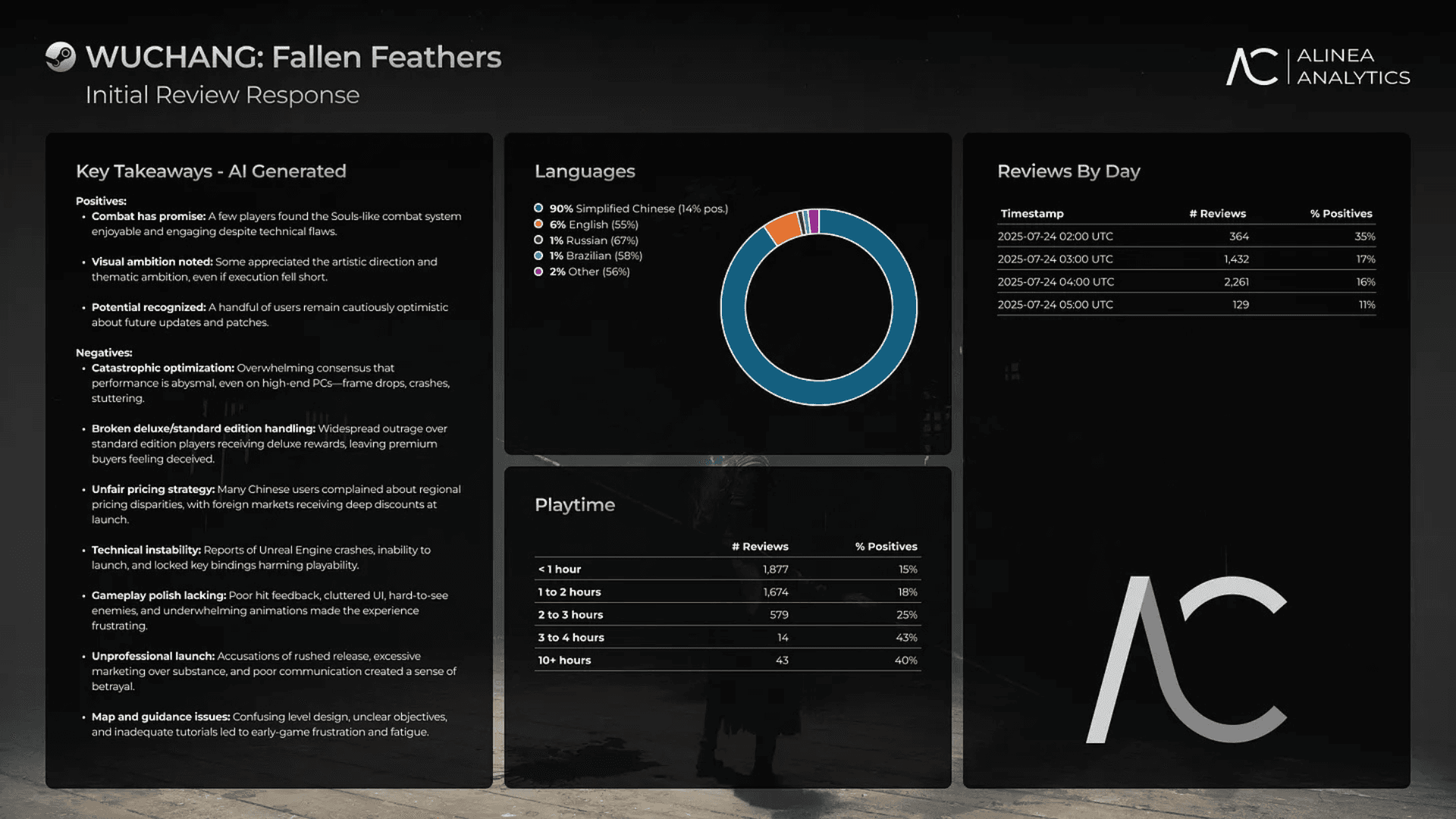
Hours after launch, Chinese players flooded the reviews with complaints. The Simplified Chinese approval rating dropped below 20 percent. English, Russian, and Brazilian reviews stayed above 55 percent positive, creating a stark regional split.
The core issue was performance. Players running systems that met or exceeded the recommended specs reported frame drops, bugs, and crashes. In China's price-conscious PC market, where players expect games to run well on their hardware, this was unacceptable. Even users with high-end builds reported underwhelming performance.
Chinese review culture likely amplified the backlash. Players in that region use reviews more aggressively to flag technical failures. Wo Long: Fallen Dynasty hit the same wall, scoring only 42 percent positive in Simplified Chinese while pulling over 70 percent in English.
WUCHANG: Fallen Feathers Launch
What went wrong and what comes next
The launch stumbled because of avoidable mistakes. The developers didn't provide a pre-launch benchmark tool, leaving players guessing how the game would run. They also didn't communicate system performance clearly. Black Myth: WuKong avoided this problem by releasing early tools that helped players set realistic expectations and reduced review volatility.
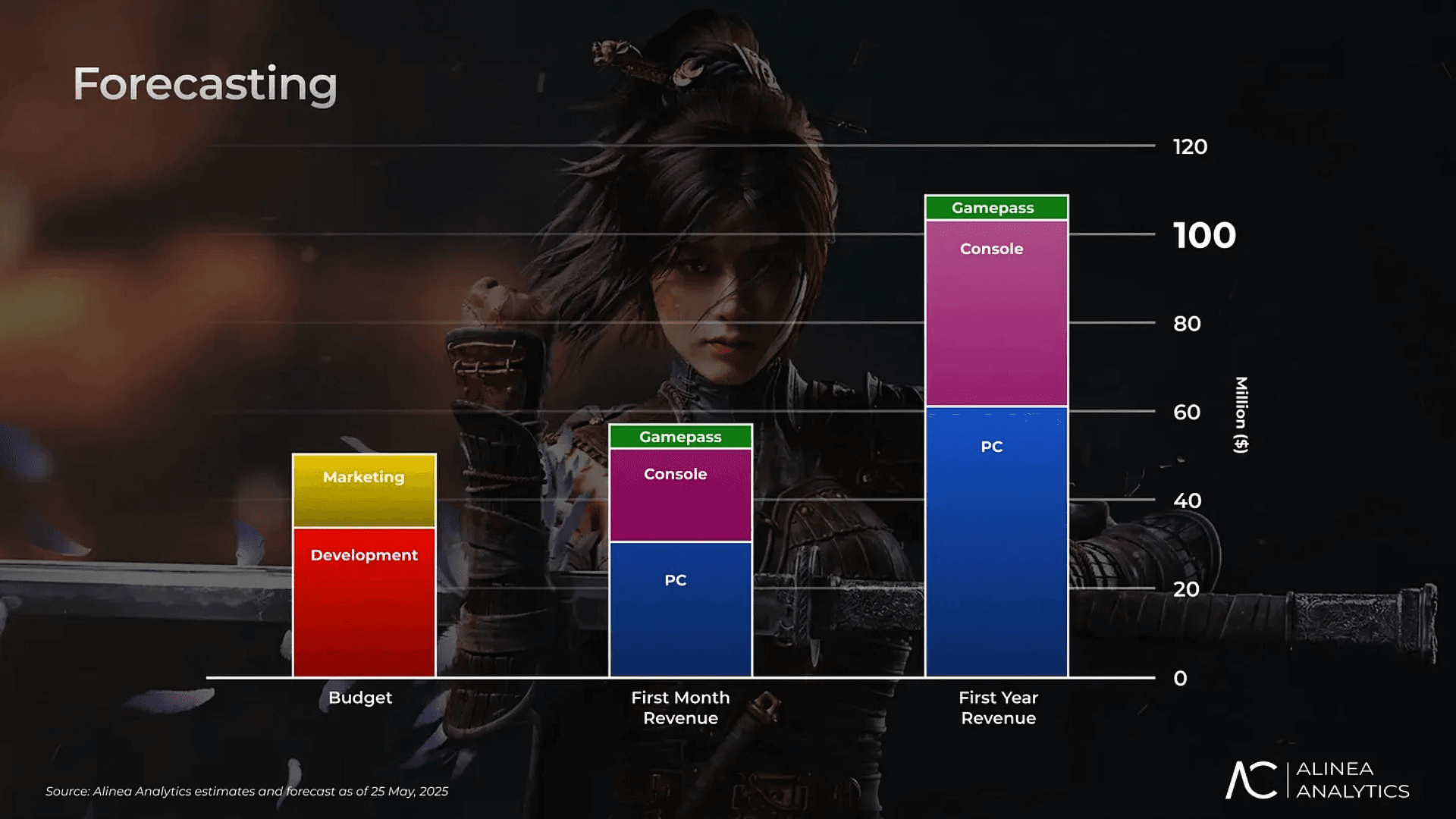
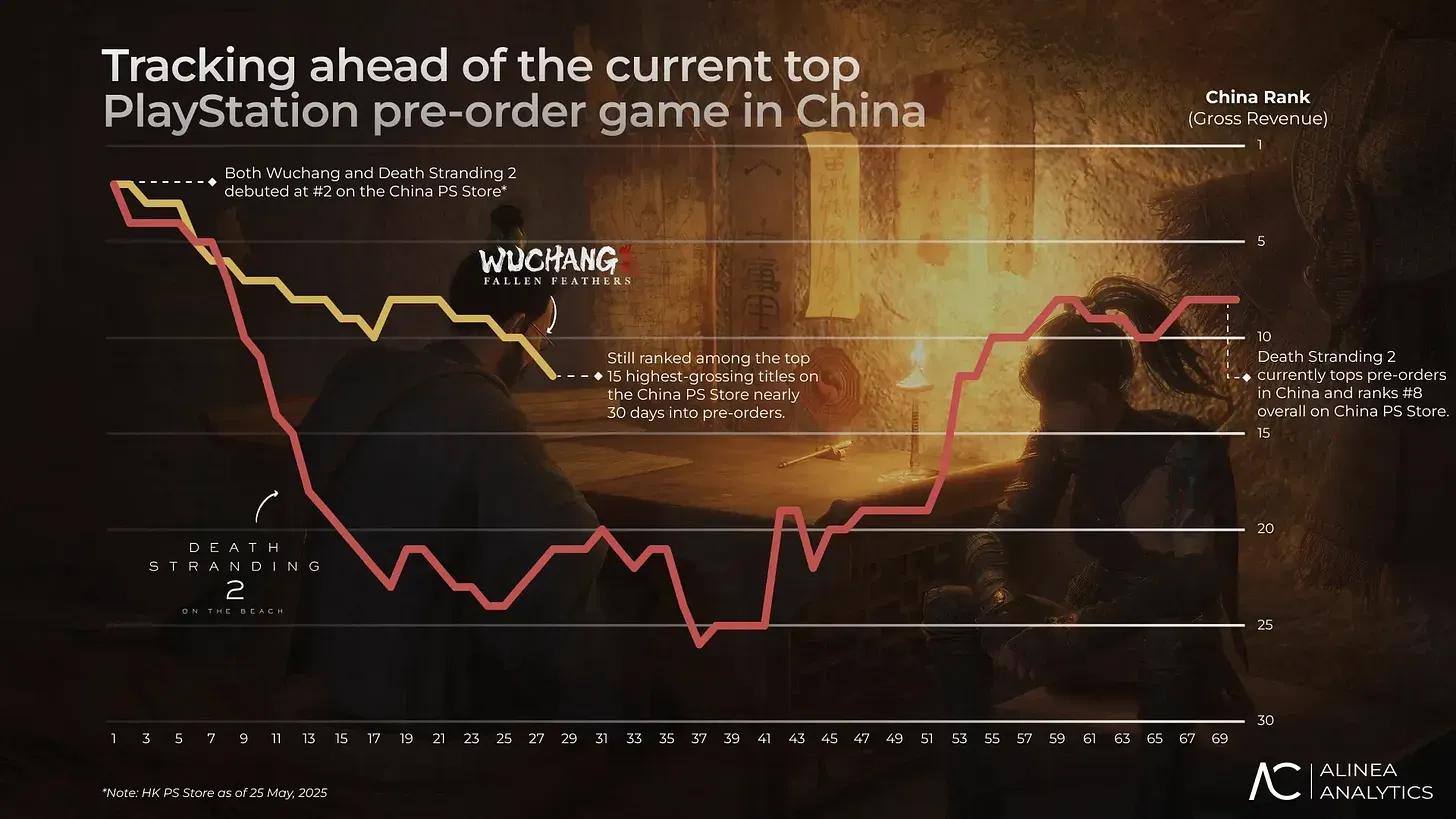
Despite the negative reviews, player interest remains strong. Concurrent users topped 100,000 before peak hours in China, showing the game still has pull. But without fast patches and performance fixes, WUCHANG: Fallen Feathers risks losing that momentum. Analysts had projected revenue above $100 million, but that depends on turning sentiment around quickly.
Early reviews shape everything that follows. Negative sentiment drives refunds, hurts visibility in Steam's algorithm, and scares off potential buyers. The development team needs to move fast if they want to salvage this launch.
WUCHANG: Fallen Feathers Launch
The takeaway
WUCHANG: Fallen Feathers had everything lined up for a strong launch: pre-release hype, critic support, and a massive potential audience. The technical problems and resulting player anger prove that none of that matters if the game doesn't run well. As the developers scramble to patch the issues, this launch will become a case study for other studios targeting performance-sensitive markets. The first week of player feedback sets the tone for everything that follows. Without quick updates and transparent communication, recovery becomes exponentially harder.