

Picture this: a studio takes the stage at the Xbox Games Showcase, announces a brand-new game to genuine fan excitement, and then gets told less than two weeks later that it's being shut down. That's the situation Ninja Theory is now facing, and it's one of the more gut-punch moments in recent Xbox history.
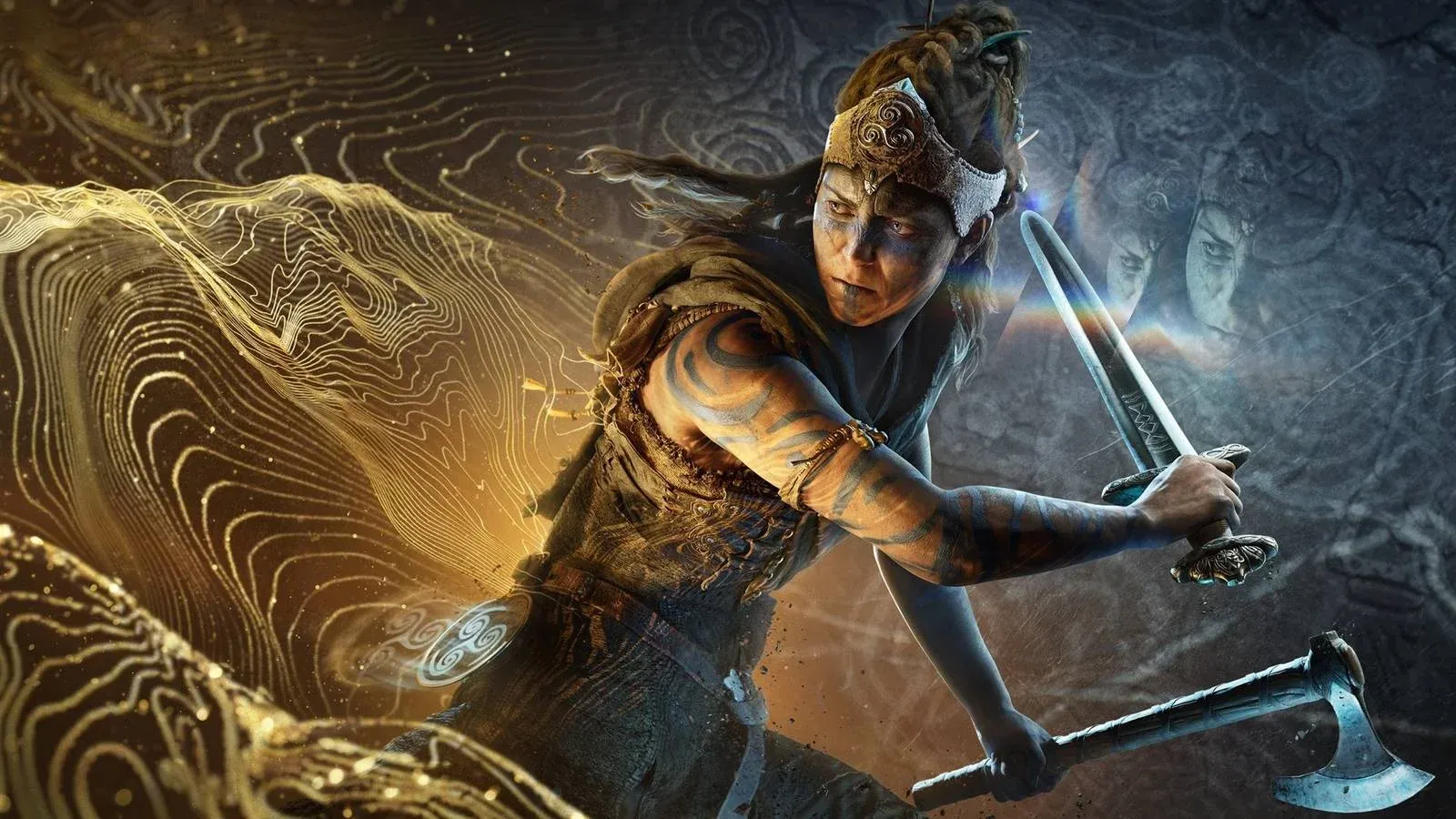
Senua's Saga: Hellblade II developer Ninja Theory, based in Cambridge, England, is reportedly being closed by Microsoft, with staff informed about the shutdown on Monday, June 16. The timing is brutal: the studio had just appeared at the Xbox Games Showcase to reveal Senua, a new entry in the Hellblade franchise, generating real buzz from fans who had been waiting for exactly that kind of gameplay-focused follow-up.
Use code TRYHARD33 at checkout to redeem this offer before code expires again.
Get 33% Off GAMES+ Subscription
The closure and what it means for Senua
Staff at Ninja Theory were told Monday they can begin seeking new work, a signal that the shutdown is effectively underway even if the studio is still technically hoping to find a buyer. The fate of Senua, the newly announced project, is now genuinely uncertain. Whether it continues under new ownership or gets shelved entirely depends entirely on whether a buyer materializes and what that buyer's priorities are.
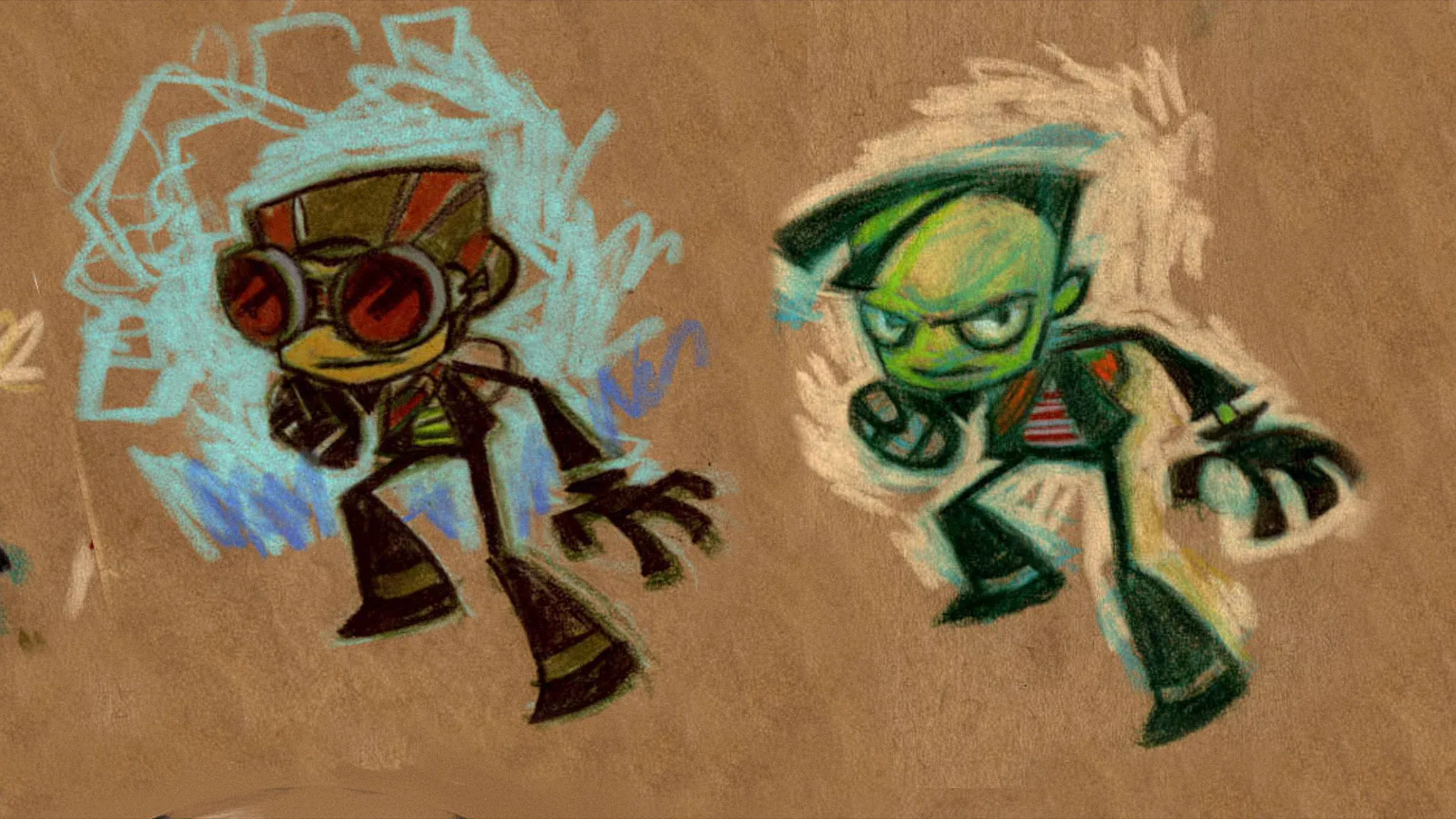
Here's the thing: Ninja Theory isn't the only studio caught in this wave. Double Fine (Psychonauts) in San Francisco and Compulsion Games (South of Midnight) in Montreal are both reportedly in active negotiations to spin off from Xbox. All three studios share a common thread: they made critically recognized games that didn't translate into commercial blockbusters. Under the new Xbox leadership, that pattern appears to be disqualifying.
New Xbox leadership, new priorities
The broader context here is a shift in direction under new Xbox CEO Asha Sharma, who took over following Phil Spencer's departure earlier this year. Sharma is reportedly focused on consolidating around Xbox's biggest franchises, prioritizing commercial scale over the kind of smaller, artistically ambitious projects that defined studios like Ninja Theory.
That strategy might make sense on a spreadsheet. The problem is that Ninja Theory's work, particularly the original Hellblade: Senua's Sacrifice and its sequel, represented exactly the kind of distinctive, author-driven games that Xbox used to hold up as proof it cared about more than just Halo and Forza. Losing that credibility is harder to quantify than a quarterly revenue target.
A difficult legacy to walk away from
Ninja Theory was acquired by Microsoft in 2018 as part of a high-profile studio buying spree. Senua's Saga: Hellblade II launched in May 2024 and earned genuine praise for its visual fidelity and audio design, though it drew fair criticism for its short runtime and limited mechanical depth. Those criticisms weren't unfair, but they also weren't unusual for a studio-scale project trying to push cinematic boundaries on a constrained budget.
What most players miss in situations like this is the gap between a game being good and a game being profitable enough to justify its parent company's expectations. Ninja Theory was making adventure games that won awards and built loyal audiences. That's not nothing. But for a company the size of Microsoft, it apparently wasn't enough.
Microsoft has not officially commented on any of the reported closures. For fans who just watched the Senua reveal with genuine excitement, the next few weeks will determine whether that project has any future at all. Keep an eye on the Senua's Saga: Hellblade II guide collection for updates as this situation develops.