

"Game Pass has become too expensive." That's the word coming from inside Microsoft Gaming itself, revealed in a leaked internal memo from new Xbox CEO Asha Sharma on April 16. Seven months after Microsoft raised prices across every Game Pass tier, the person now running the show is apparently looking at the rubble and wondering how to rebuild.
How Game Pass got here
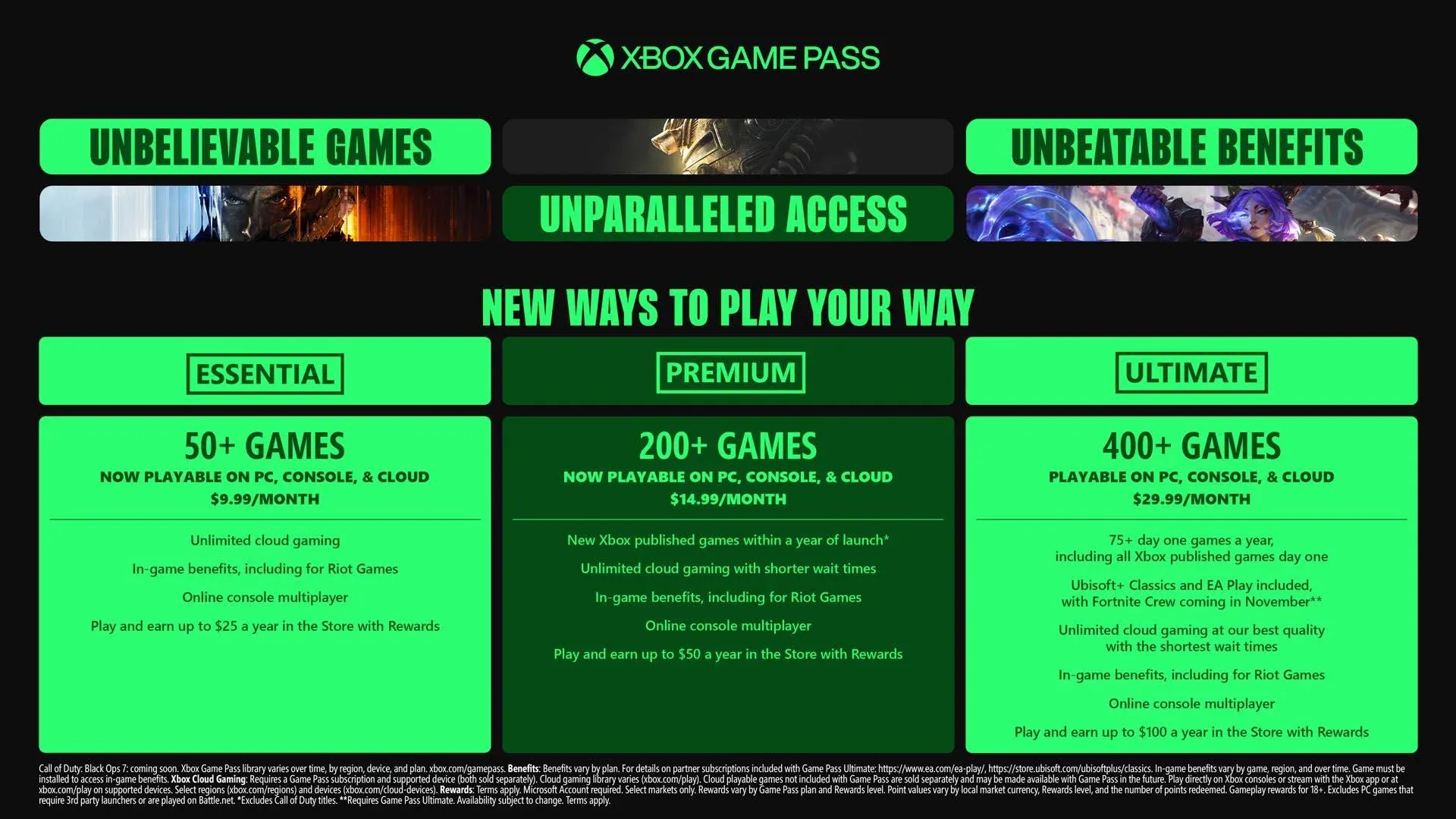
The timeline matters. In October 2025, Microsoft hiked the price of every Game Pass tier, justifying the move by claiming it was "delivering more value, more benefits, and more great games across every plan." Game Pass Ultimate landed at $29.99 a month. For context, that's the same price as three months of the service used to cost during its early days.
Then, in February, Phil Spencer was replaced as CEO of Microsoft Gaming by Asha Sharma. A leadership change that significant rarely happens without a mandate to rethink things, and that's exactly what's playing out now.
What Sharma is reportedly considering
Two ideas are currently on the table. The first is a new Game Pass tier built exclusively around first-party titles from Microsoft-owned studios. The second, and arguably more disruptive idea, is whether future Call of Duty games should continue arriving on Game Pass on day one.
Here's the thing: neither of these is a confirmed plan. Both are options Sharma is weighing internally, not decisions that have been made. That distinction matters, but it also tells you something about where Game Pass currently stands. The service that was once Xbox's clearest competitive advantage is now a question mark.
The Call of Duty problem
Pulling Call of Duty from day-one Game Pass access would be a significant reversal. Microsoft made a major point of bringing Activision's flagship franchise to the service after completing its acquisition, and day-one access was a core part of the value pitch to subscribers. Walking that back would raise uncomfortable questions about which other first-party franchises might follow.
The key here is that any Call of Duty removal would need to come with a meaningful price drop on Game Pass Ultimate to make sense to subscribers. At $29.99 a month, the service is already a harder sell than it was a year ago. Removing its biggest draw without a corresponding price cut would be a difficult position to defend.
A service without a roadmap
What's striking about all of this is the absence of a clear direction. Xbox does have Project Helix as its next-generation hardware reference point, but Sharma has yet to attach a concrete Game Pass strategy to that future. The subscription service that Microsoft spent years building into its identity is currently operating without a defined plan for what it wants to be.
Game Pass built its reputation on straightforward value: pay a flat monthly fee, play a lot of games including new first-party releases on day one. That proposition eroded when prices jumped without a proportional increase in what subscribers actually receive. Rebuilding that trust requires more than internal memos and trial balloons.
For anyone currently subscribed or thinking about it, the honest answer right now is that the service could look substantially different within a year. Whether that means a cheaper first-party-only option, a restructured Ultimate tier, or something else entirely, Microsoft hasn't decided yet. Keep an eye on our gaming news as Sharma's plans take shape, because the next few months could redefine what Xbox's subscription service actually means for players.
For a broader look at what's worth playing right now regardless of where Game Pass lands, our latest reviews are a good place to start.