

Advertisement




Overview
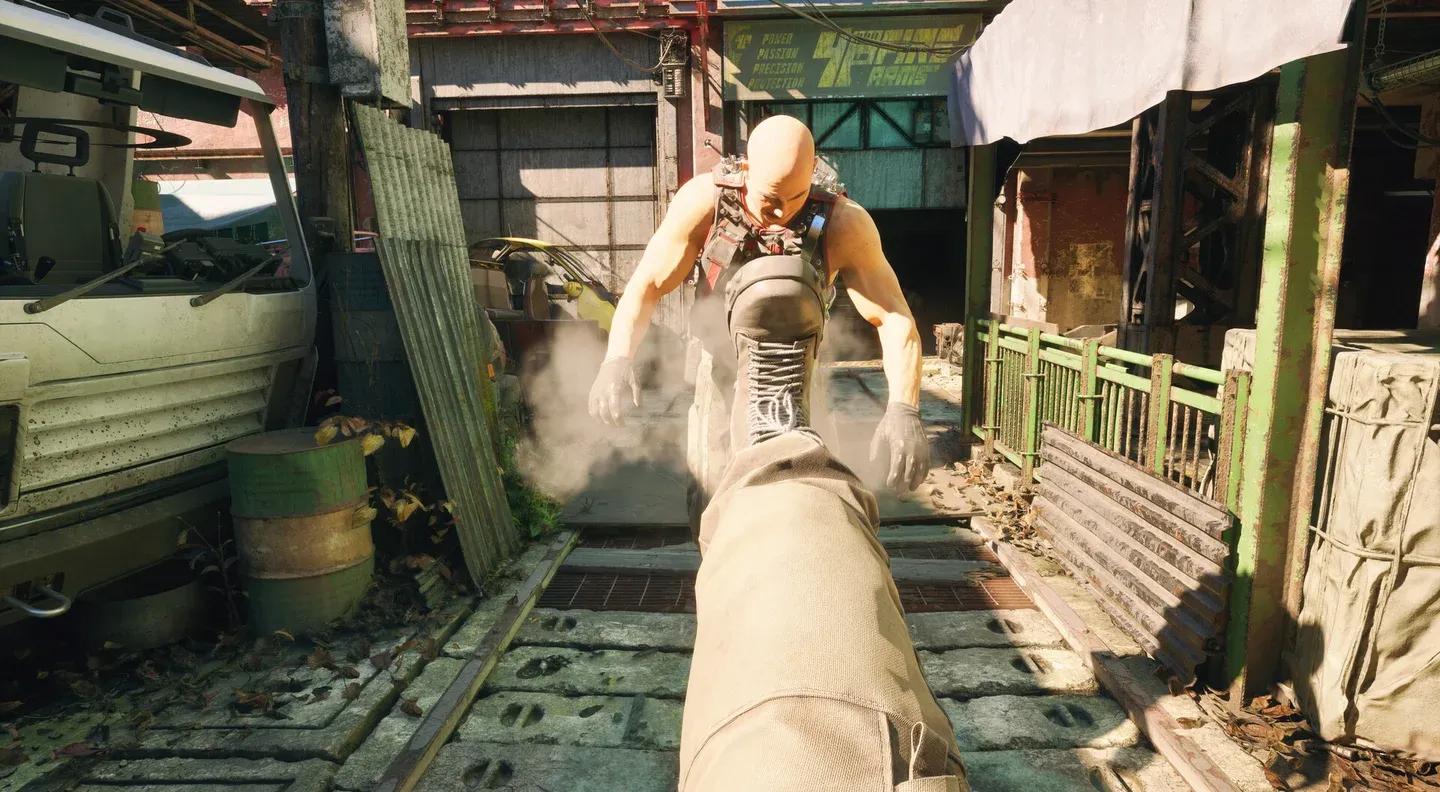
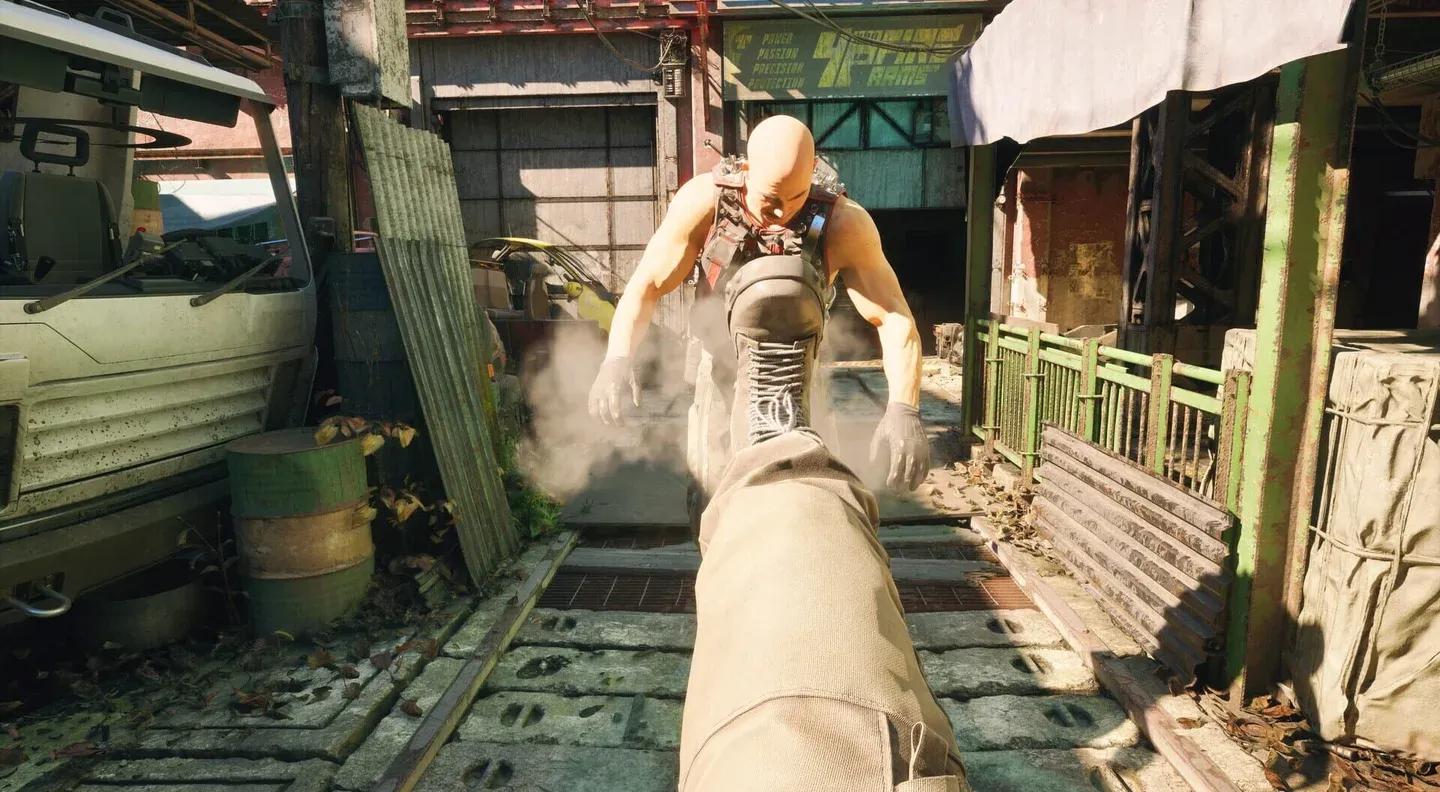
No Law is a first-person, story-driven shooter from Neon Giant, the studio behind The Ascent, published by KRAFTON. Set in Port Desire, a sprawling industrial cybergrunge city where regulations are more of a suggestion than a reality, the game casts players as Grey Harker, a battle-scarred ex-military operative trying to leave his past behind. That plan falls apart quickly. What follows is a cyber-noir revenge story built around meaningful player choice, flexible combat, and a city that feels genuinely alive with danger.
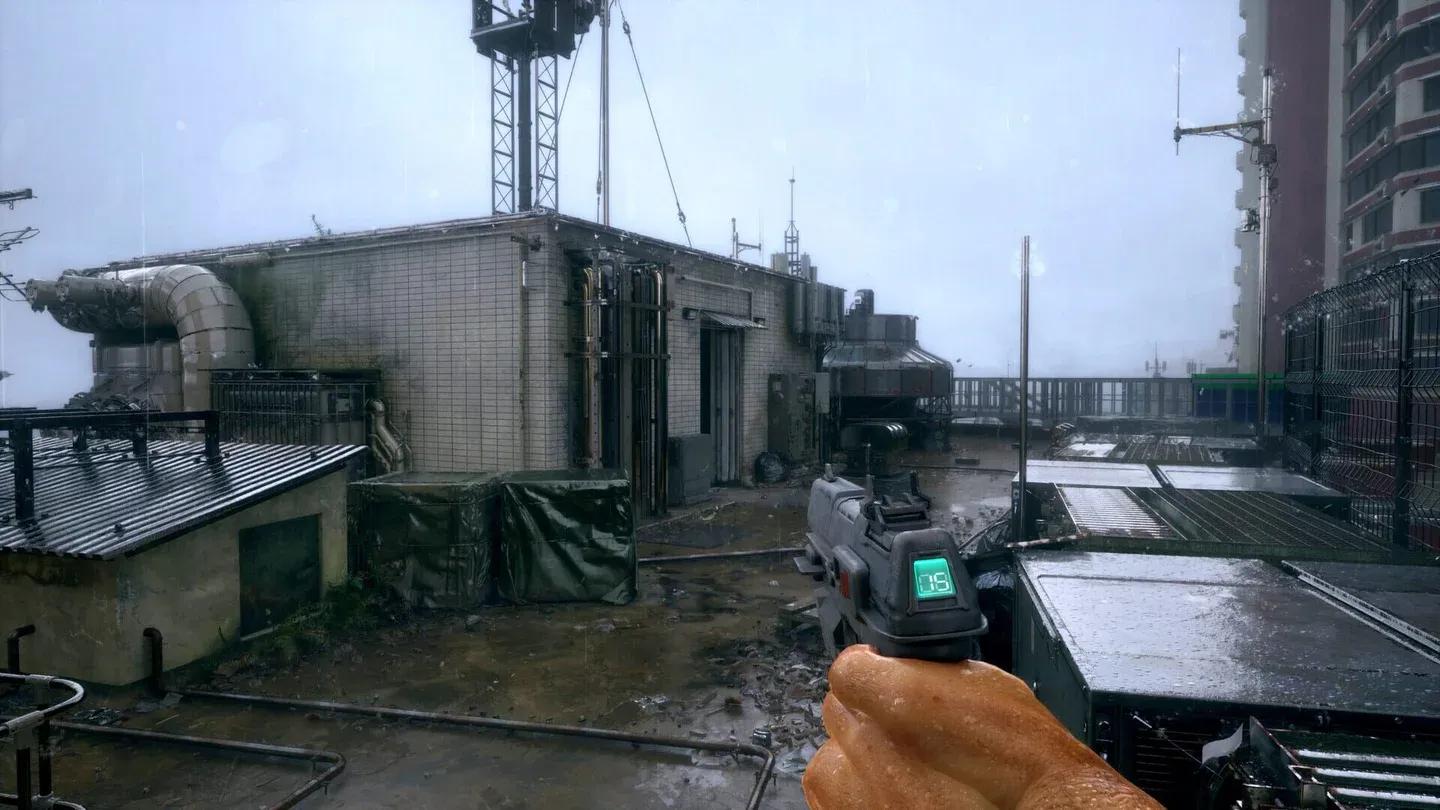
Port Desire sits against a cliff face overlooking the sea, stacked vertically from smog-choked alleys at street level to rooftops that disappear into haze above. It's an industrial hub where every faction, criminal outfit, and desperate soul converges. The city isn't just a backdrop, it's the thing the whole game is built around. Neon Giant has designed it as a playground where both tactical stealth and direct FPS action are viable approaches, and the vertical architecture means movement and positioning matter as much as firepower.

No Law content image
World and setting: Port Desire
What makes Port Desire work as a setting is how specific it feels. This isn't a generic dystopian city with glowing signs pasted over grey concrete. The cybergrunge aesthetic leans into industrial grime layered under neon, greenery creeping through cracked infrastructure, and a population of characters with actual personalities rather than quest-marker faces. Harker knows this city, and that history gives the world texture that most shooters skip entirely.

No Law content image
The game's noir framing is doing real work here. Harker isn't a blank slate hero, he's a specific person with a specific past, and the story is built around recovering something that was taken from him. That personal stakes angle, combined with a city full of factions and hidden agendas, gives No Law the kind of narrative foundation that rewards players who pay attention.
Impactful choices and replayability
No Law's defining mechanical hook is consequence. The game's key features make this clear:
- Branching decisions that alter story outcomes
- Multiple playthroughs reveal alternate paths
- NPC relationships shift based on player actions
- Choices affect both narrative and gameplay options
- Moral flexibility with no single correct approach
Killing an enemy or helping an ally both leave marks on the world. The game explicitly supports multiple runs to uncover outcomes that a single playthrough won't surface, which is a meaningful commitment for a narrative-driven FPS. That replayability isn't padding, it's baked into the design.

No Law content image
How does combat work in No Law?
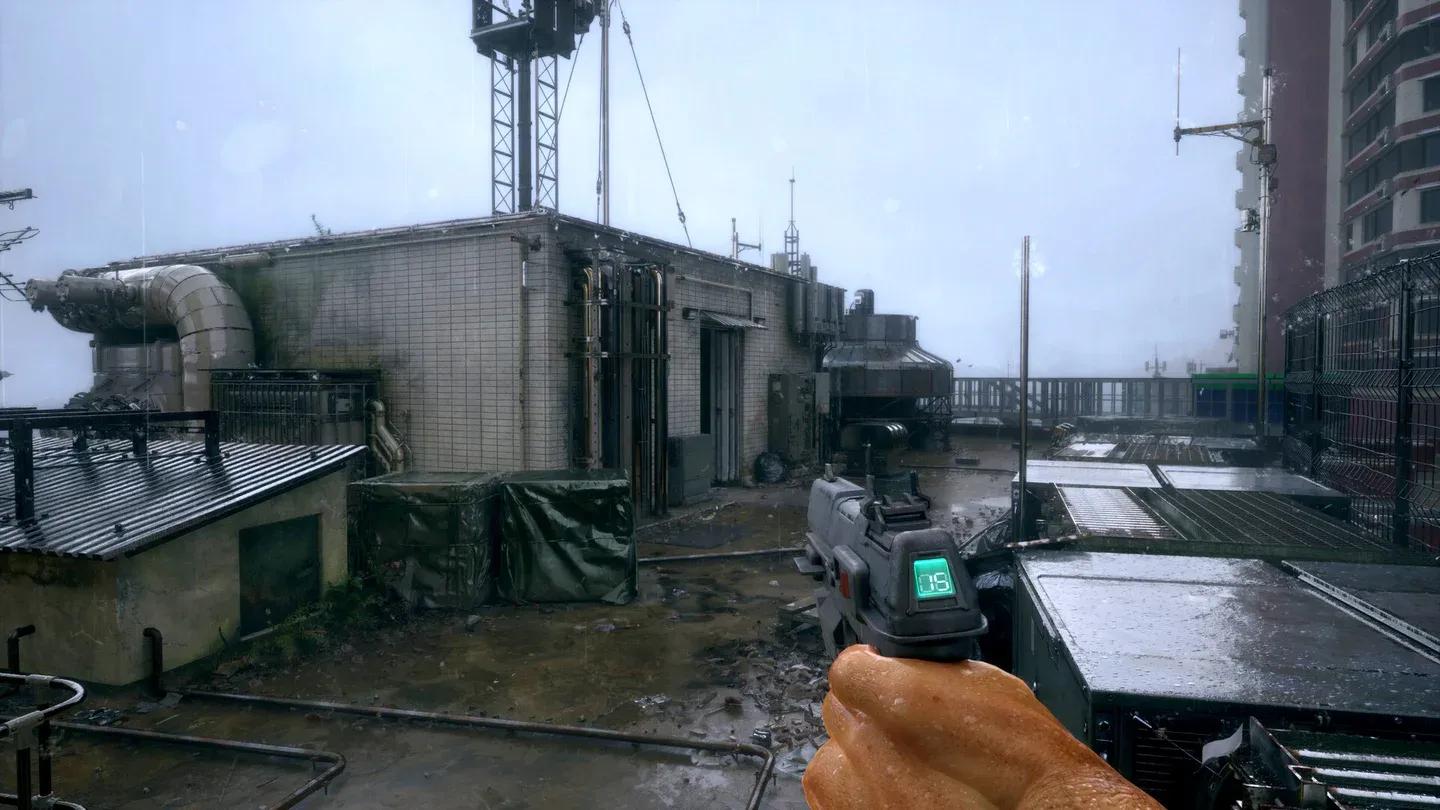
No Law gives players two distinct approaches and doesn't penalize either one. Grey Harker's military background makes him credible in both roles: the tactical operative who uses sci-fi gadgets, vertical movement, and shadow to dismantle enemies methodically, or the soldier who has simply stopped caring about collateral damage and goes in loud. Military upgrades expand both paths, and the verticality of Port Desire's architecture creates natural opportunities for flanking, ambush, and escape routes that flat-map games can't replicate.
The sci-fi devices add a layer beyond standard FPS mechanics, letting players outsmart enemies rather than simply outshoot them. That combination of stealth, movement, and direct combat options puts No Law closer to immersive sim territory than a straightforward shooter, which is exactly the kind of design space Neon Giant explored with The Ascent.
No Law content image
Play style and player agency
Player agency is the thread running through everything No Law does. The narrative choices, the combat flexibility, the upgrade systems, all of it feeds back into the same idea: Harker is your character, shaped by how you play him. A ghost who never fires a shot and a street-level wrecking machine are both valid reads of the same person. That's harder to pull off than it sounds, and if Neon Giant executes on it, No Law could sit comfortably alongside the best story-driven FPS games in recent memory.
| Requirement | Minimum |
|---|---|
| OS | TBD |
| Processor | TBD |
| Memory | TBD MB RAM |
| Graphics | TBD |
| DirectX | Version 12 |
| Storage | TBD MB available space |