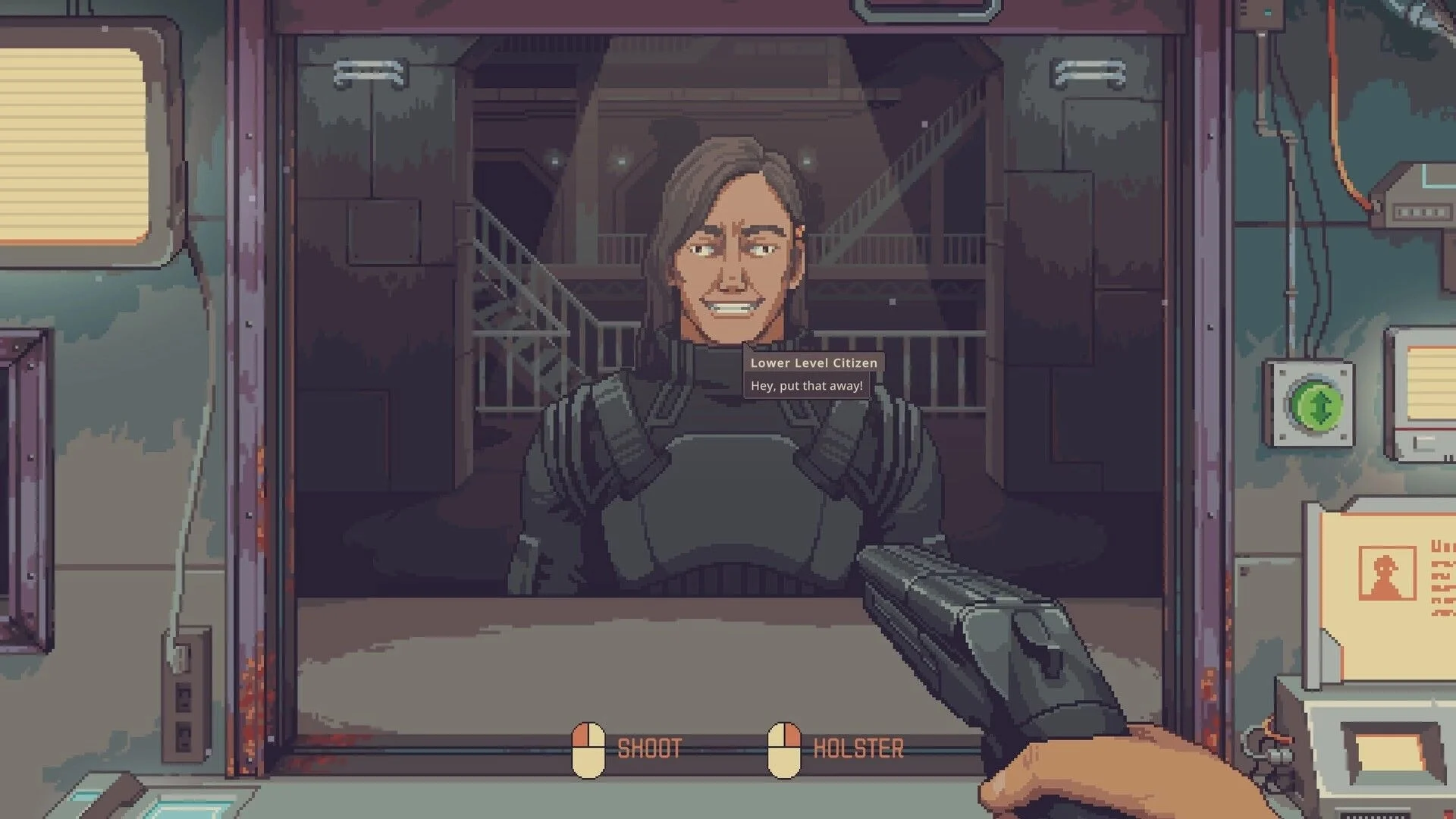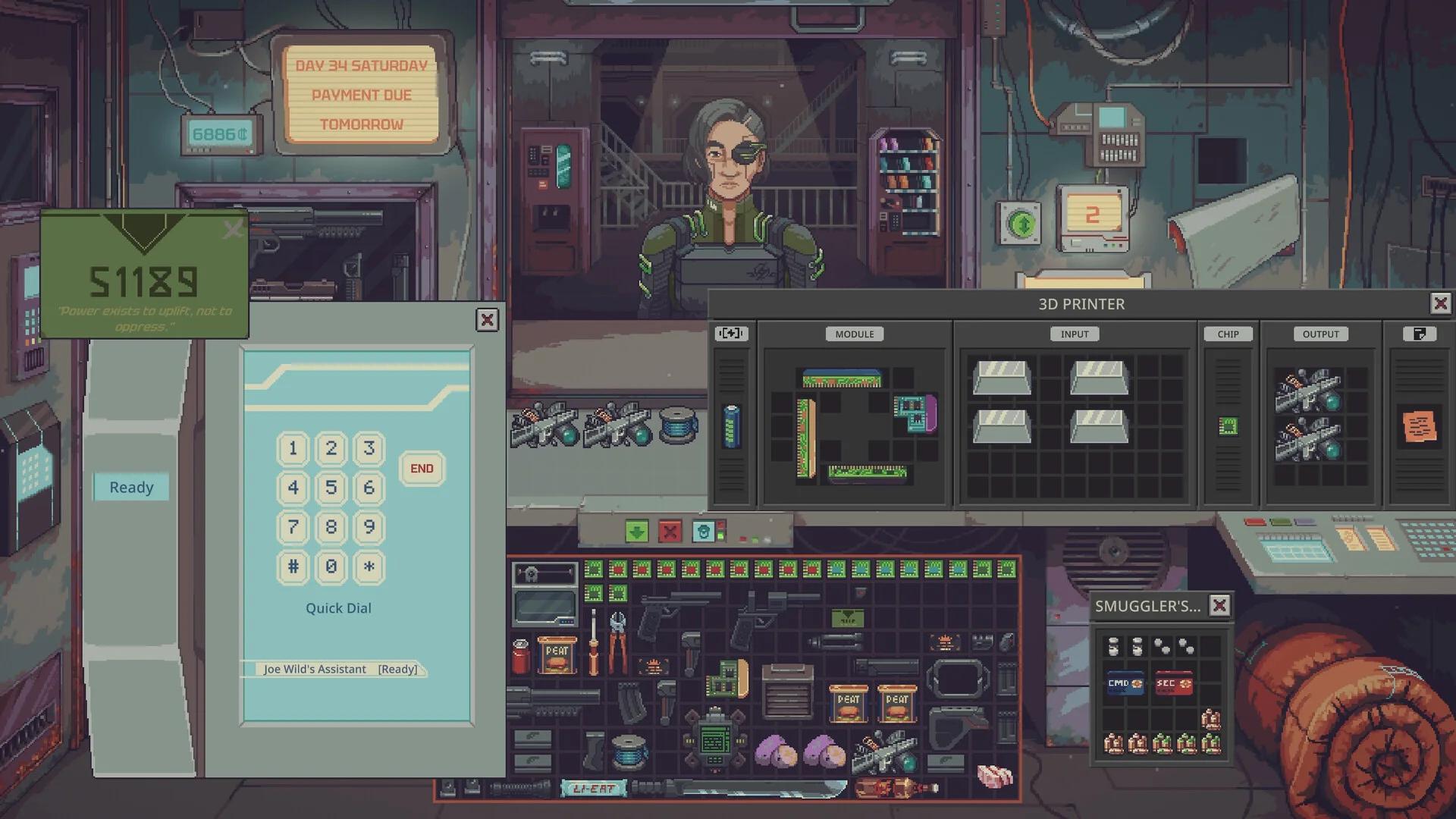

Your latest sale is not your upgrade budget. In Probably Stolen - Cyberpunk Shopkeeper Sim, some of those credits need to replace stock, cover recurring fees, and stay available for rent. Joe Wild's Network opens on day 7, making that distinction matter quickly: on Normal, a referral service costs 200 credits upfront and another 10 nightly. Before reinvesting, separate what customers paid you from what the shop actually earned. A busy day can still leave you short of the next bill.
How does the buying and selling loop work?
The shop's basic trading cycle starts with acquiring goods and ends with selling them for more than they cost. Sellers provide opportunities to buy undervalued merchandise, while Red Imp Brewery offers a predictable wholesale supply. Production unlocks, including Retired Winemaker, introduce another route: making goods before selling them.
Keep four decisions separate:
- Buy: Commit credits to merchandise or production supplies.
- Sell: Record the credits a completed sale brings in.
- Cover expenses: Account for rent and any paid referral services.
- Restock: Retain enough cash to acquire the next batch before buying another upgrade.
Start with a manageable stock order
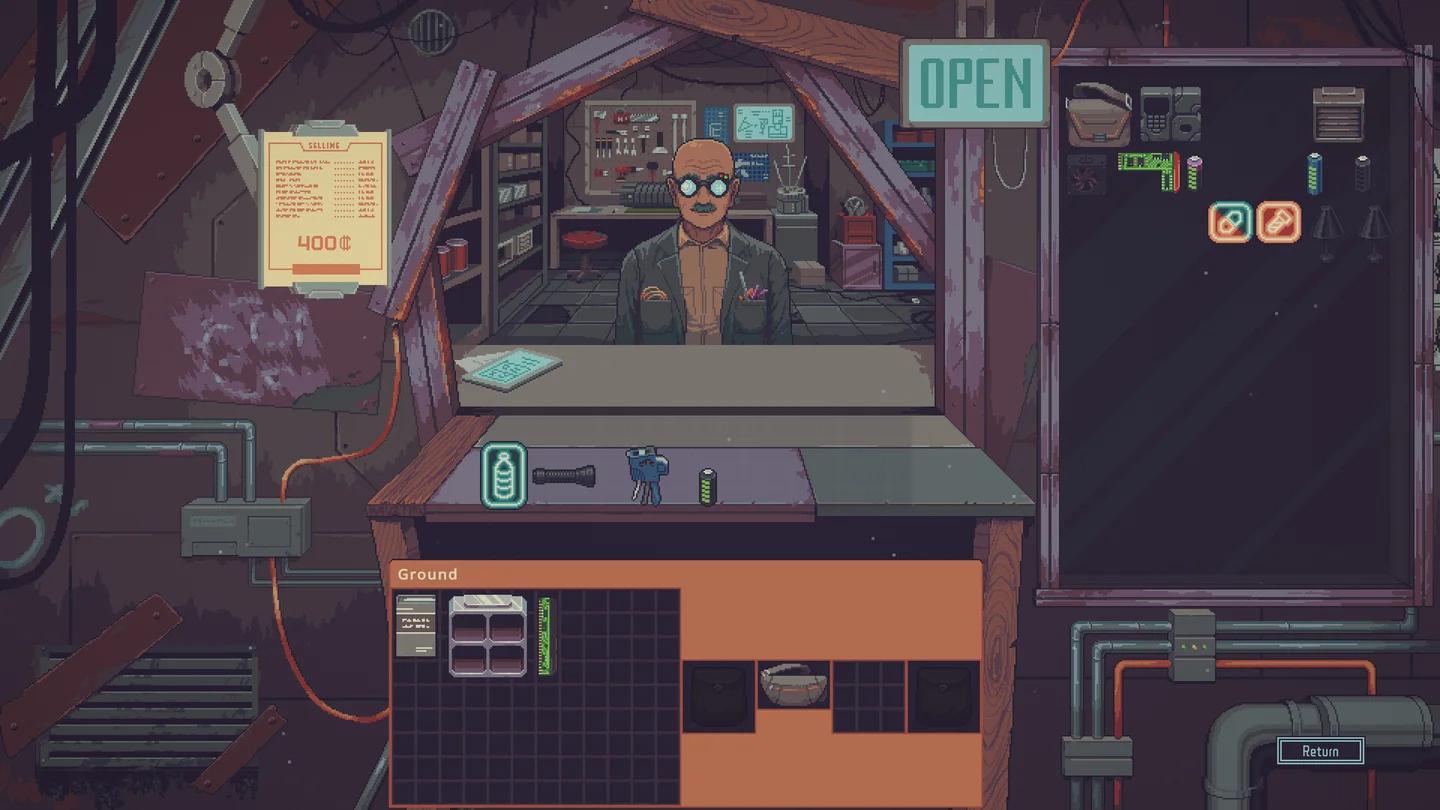
Red Imp Brewery lets you order batches of 8 or 16 beers every 4 days at a 20% wholesale discount. The discount lowers your acquisition cost, but the larger order still ties up more cash in stock. Watch how quickly the first shipment sells before committing to the larger batch.
Plan your next wholesale restock
How should you track item costs and sales revenue?
For Red Imp Brewery purchases, write down the amount you actually pay after the wholesale discount. That is your stock cost. Do not apply the 20% discount again when calculating profit.
Keep a simple record in your own notes rather than relying on your memory of a busy trading session:
- Item or batch purchased, such as a Red Imp Brewery order.
- Credits actually spent acquiring that stock.
- Quantity sold and quantity still waiting for a buyer.
- Credits received through completed sales.
- Business fees paid during the same period, recorded separately.
Separate stock purchases from business unlocks
The Red Imp Brewery introduction costs 200 credits on Normal and supplies a free beer case the following day. That introduction is a setup expense, not the purchase price of every later beer order. Record subsequent wholesale purchases separately so you can judge both the trading margin and the cost of establishing the supply arrangement.
The free case does not carry a separate stock purchase charge, but the 200-credit introduction still reduced your funds. Keeping those entries separate prevents an introductory benefit from making the entire business look cheaper than it was.
How do you calculate profit rather than revenue?
Revenue is the money customers pay you. Profit is what remains after the relevant costs. For a resale business, compare both over the same period, such as a rent week:
Trading profit = completed sales revenue - purchase cost of stock sold - rent and recurring business fees.
This gives you a trading result before one-off expansion purchases. Subtract purchases such as the 250-credit Marketplace Requests unlock when working out how much your cash increased after investing in the business.
Unsold Red Imp Brewery stock creates a separate cash-flow problem. Its purchase cost has already left your balance, even though the goods have not produced revenue yet. Track that stock separately rather than treating every credit currently held in merchandise as money available for upgrades.
Production value is not immediate profit
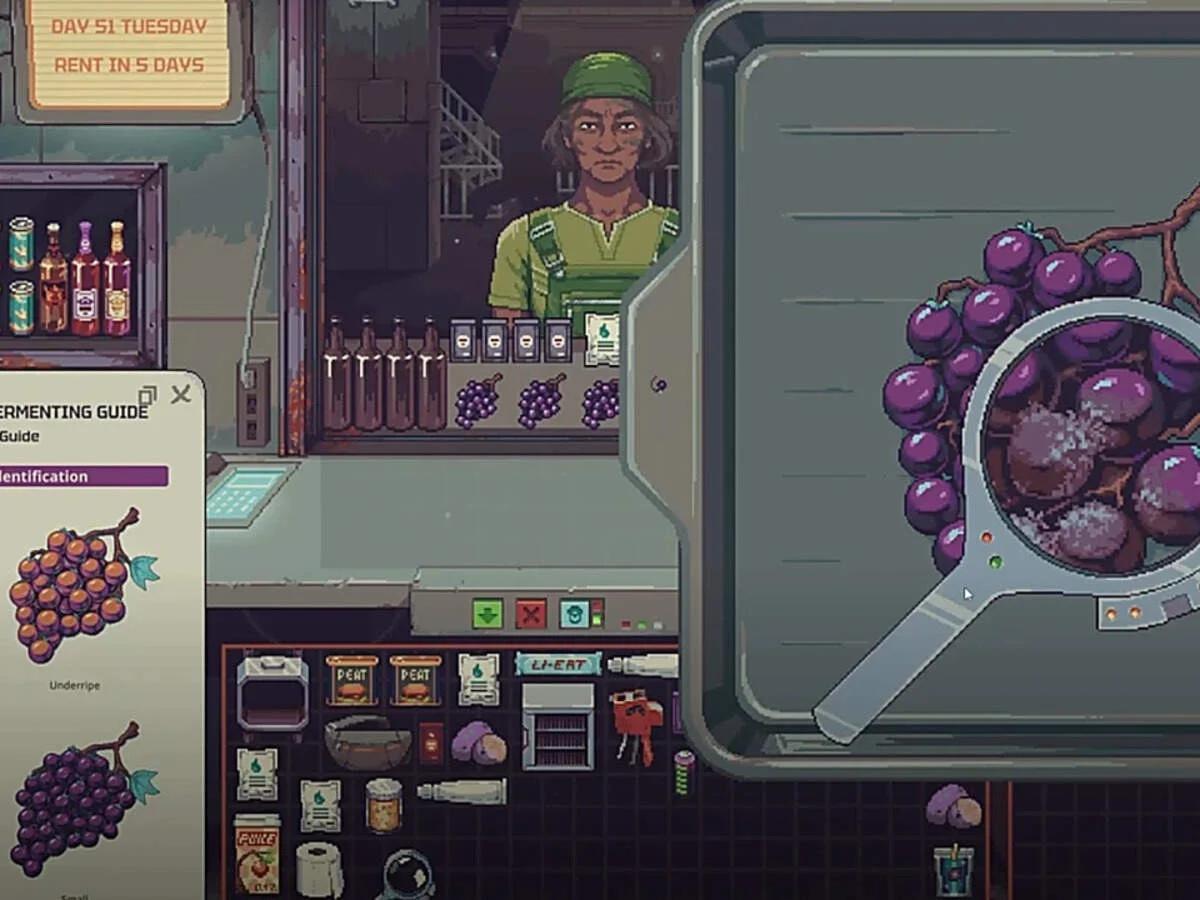
Treat Retired Winemaker as a production project, not an instant cash refill, even if production chains are your favorite part of indie games. Good-quality wine can sell for approximately 150-175 credits. That figure is sales revenue, not a promise of profit after paid ingredients and the 200-credit production unlock.
Wine also delays the return on your investment. Regular Yeast takes 2 nights to ferment a batch, while Super Yeast takes 1 night. Finished wine gains 3 credits in value for each night it ages, but that additional value becomes spending money only when you sell the bottle. An aging bottle is stock, not collected revenue.
Wine value is not wine profit
Which expenses should you budget for?
Joe Wild's Network mixes one-off purchases with services that keep charging you. Treat those differently. A 250-credit unlock reduces your cash once; a 10-credit nightly commitment continues affecting the budget after its entry cost is paid.
The following costs use Normal difficulty:
| Expense | Confirmed cost or benefit | How to budget for it |
|---|---|---|
| Buyer Referral Service | 200 credits upfront, then 10 nightly | Reserve the nightly charge as well as the entry cost |
| Seller Referral Service | 200 credits upfront, then 10 nightly | Budget for additional buying opportunities and the recurring fee |
| Marketplace Requests | 250 credits to unlock | Record it as a one-off investment |
| Retired Winemaker | 200 credits to unlock | Keep the setup cost separate from production spending |
| Water Trading | 300 credits to unlock | Leave room for any follow-up equipment or supply unlocks you choose |
| Red Imp Brewery introduction | 200 credits, with a free case the next day | Separate the introduction from later wholesale orders |
Wild Favor does not erase nightly credit charges
Wild Favor is spent before regular credits on purchases through Joe Wild's Network. Check both balances, then record the credits actually spent rather than assuming every purchase takes its full price out of your cash.
Buyer Referral Service adds 1 regular buyer and 1 display case buyer daily. Seller Referral Service adds 1 seller daily. Buy the service that addresses your current problem: more buyers help move existing stock, while more sellers create opportunities to acquire goods. Neither removes the need to fund inventory.
Check difficulty before committing
Hard increases Network upgrade costs by 50%, while Challenge doubles them. Check the displayed price before buying, particularly after updates. For help choosing an investment once your reserves are covered, use the best early upgrades guide.
How much should you set aside for your next restock?
Build your reserve around the next rent payment, the referral fees you have committed to, and the stock purchase you actually plan to make. Red Imp Brewery's 8-beer and 16-beer options give you a concrete choice: budget for the batch your shop can move, not automatically the largest available order.
Reinvestment cash = credits on hand - next rent payment - reserved nightly fees - planned restock spending.
Use that calculation before visiting Joe Wild's Network:
- Protect the next rent payment.
- Reserve the nightly charges for any referral services you already bought.
- Set aside the money for your next stock order or paid production supplies.
- Compare the remainder with the actual credit cost of the upgrade you want.
If the remainder cannot cover a 200-credit unlock, wait rather than borrowing from your restock reserve. A new buyer is less useful when the purchase leaves you unable to replenish merchandise.
How do you recover from a poor buying decision?
Start by identifying where the credits are stuck. Unsold Red Imp Brewery beer suggests that the next wholesale batch should be smaller. Unusual merchandise may need a different buyer. A paid referral service can create another expense without solving either problem, so avoid adding one simply because sales were disappointing.
Find an outlet for slow-moving goods
If you have unlocked Marketplace Requests, check the store PC before disposing of unusual stock. The feature costs 250 credits and gives customers a way to request specific items at above-market prices. Match goods you already own against active requests before committing more money to fresh inventory.
Use the display case deliberately, too. Valuable luxury items and high-margin merchandise are suitable candidates. The aim is to recover cash through an appropriate sale, not to buy another unlock every time an item takes longer than expected to sell.
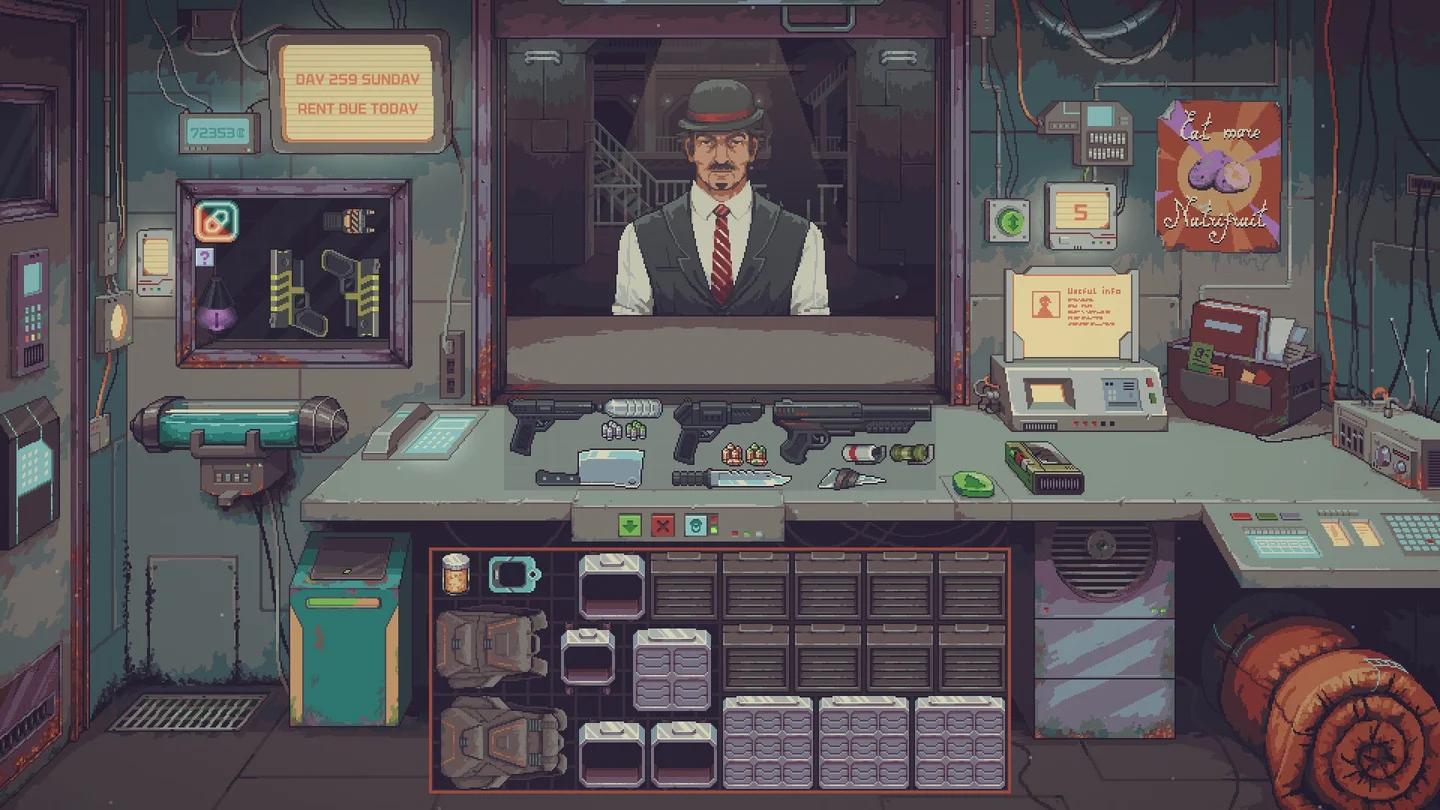
Match unusual stock to requests
Use Rent Grace as breathing room
Rent Grace moves a missed rent payment into the following week's bill. Its base cost is 100 credits, and Cozy and Normal provide 1 free use. Further purchases become more expensive, with the price doubling each time.
Protect rent, recurring fees, and the next Red Imp Brewery order before spending on growth. Judge purchases by the profit they can support, not just the revenue they might bring in. For your next investment, browse the shop strategy guide collection.