Overview
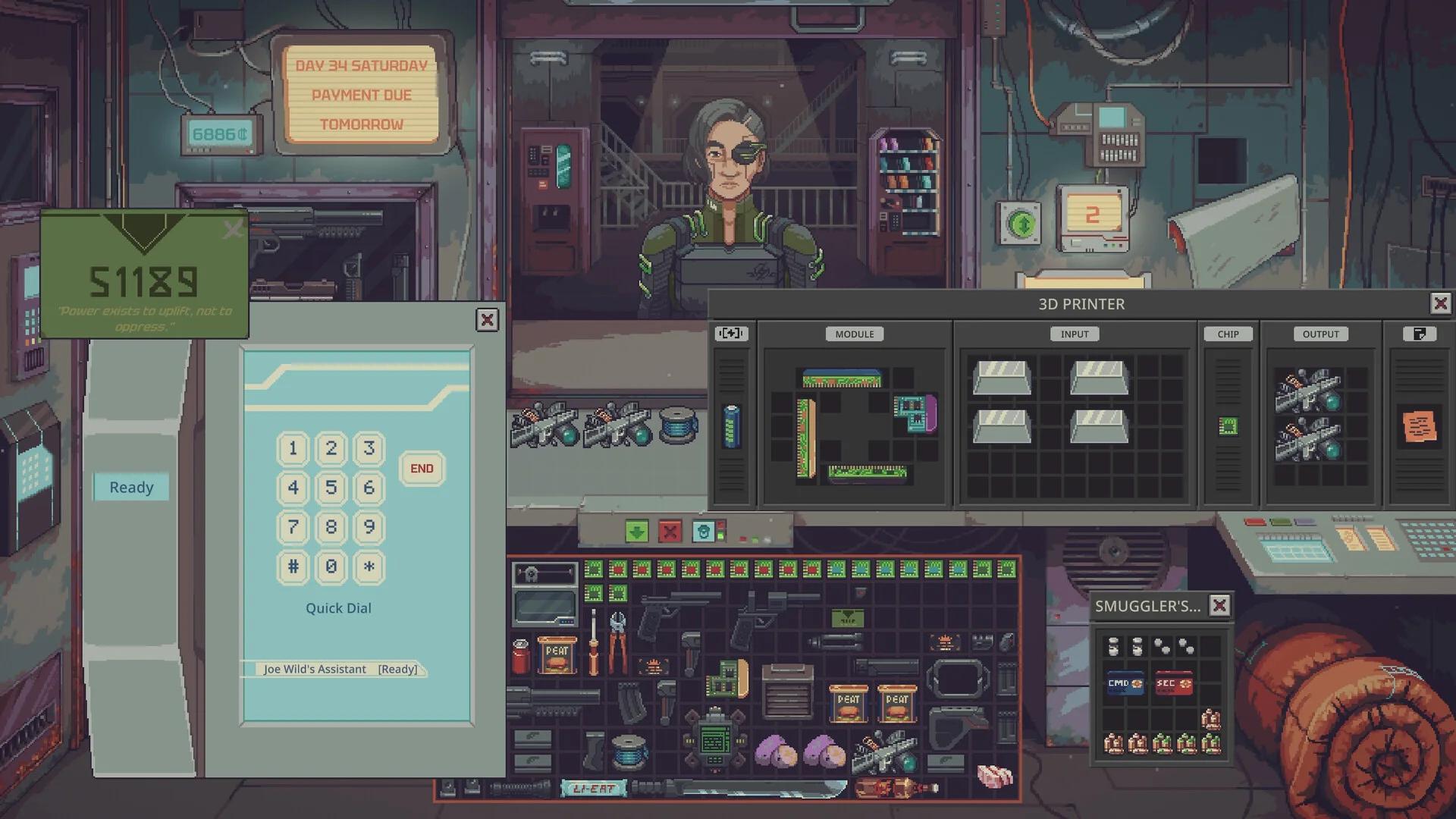
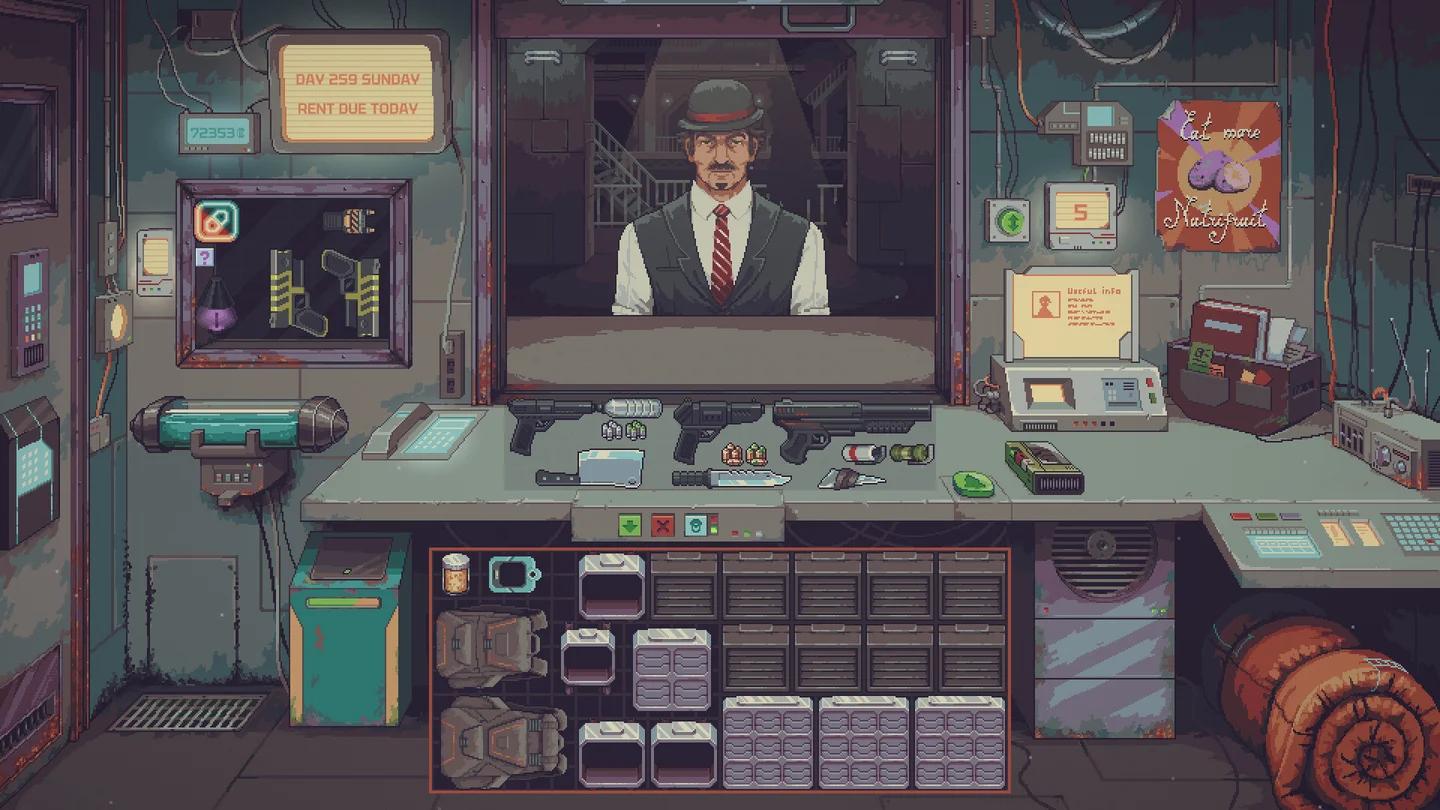
Probably Stolen - Cyberpunk Shopkeeper Sim is a shop management RPG set aboard a space station where wealth and political connections shape business. Developed by Questing Goose Studio and published by tinyBuild, it follows a former scavenger running a loan-funded storefront. Buying cheaply matters, but so does recognizing a counterfeit, keeping contraband hidden, and deciding when a customer is too dangerous to serve.
Available on Windows through Steam, the game builds its strategy around transactions whose legal and political risks sit alongside their profit margins. Rising rent puts pressure on purchases, while confiscated inventory can turn an apparently profitable operation into a scramble for the next payment.
How does shop management work?
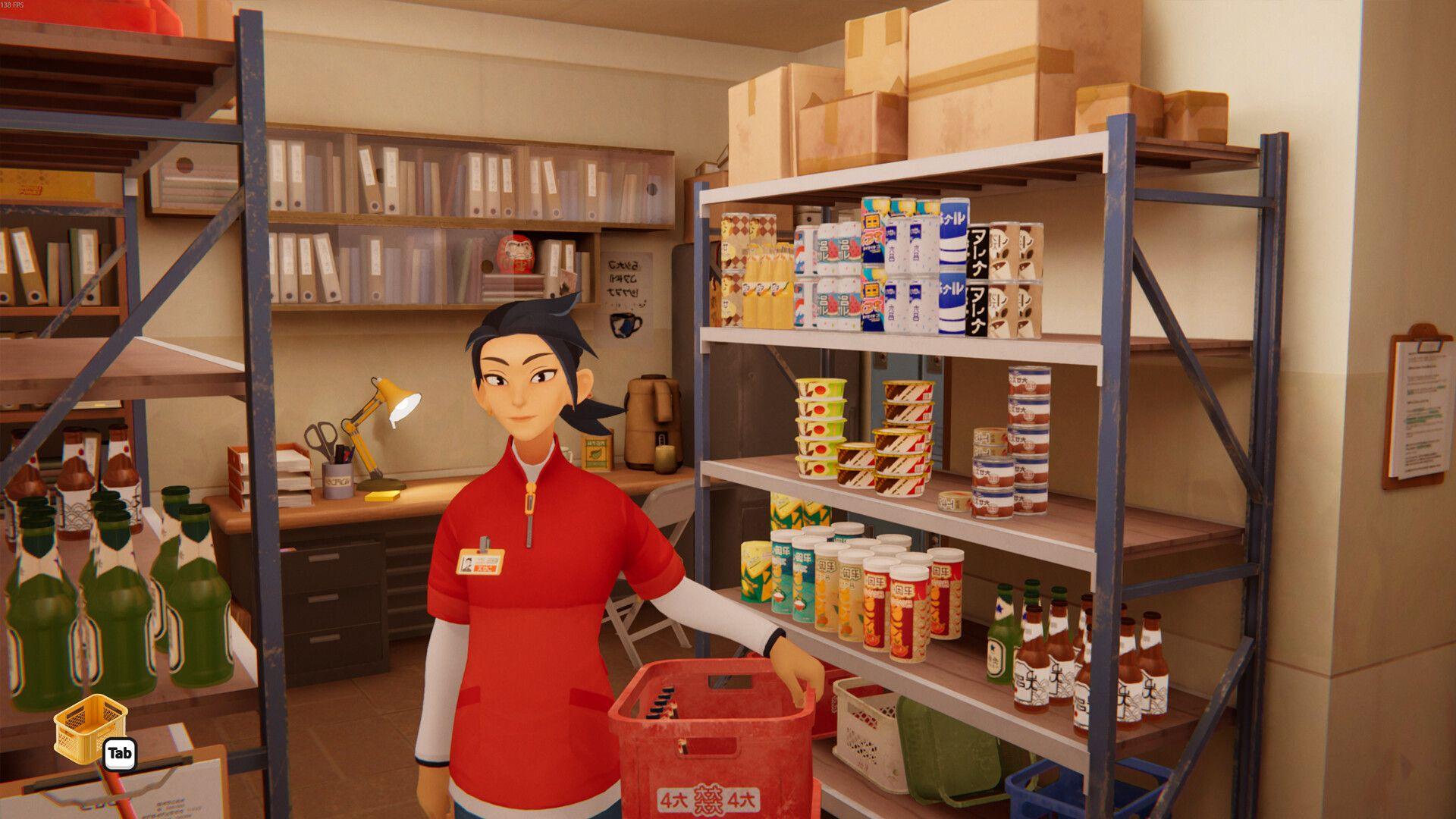
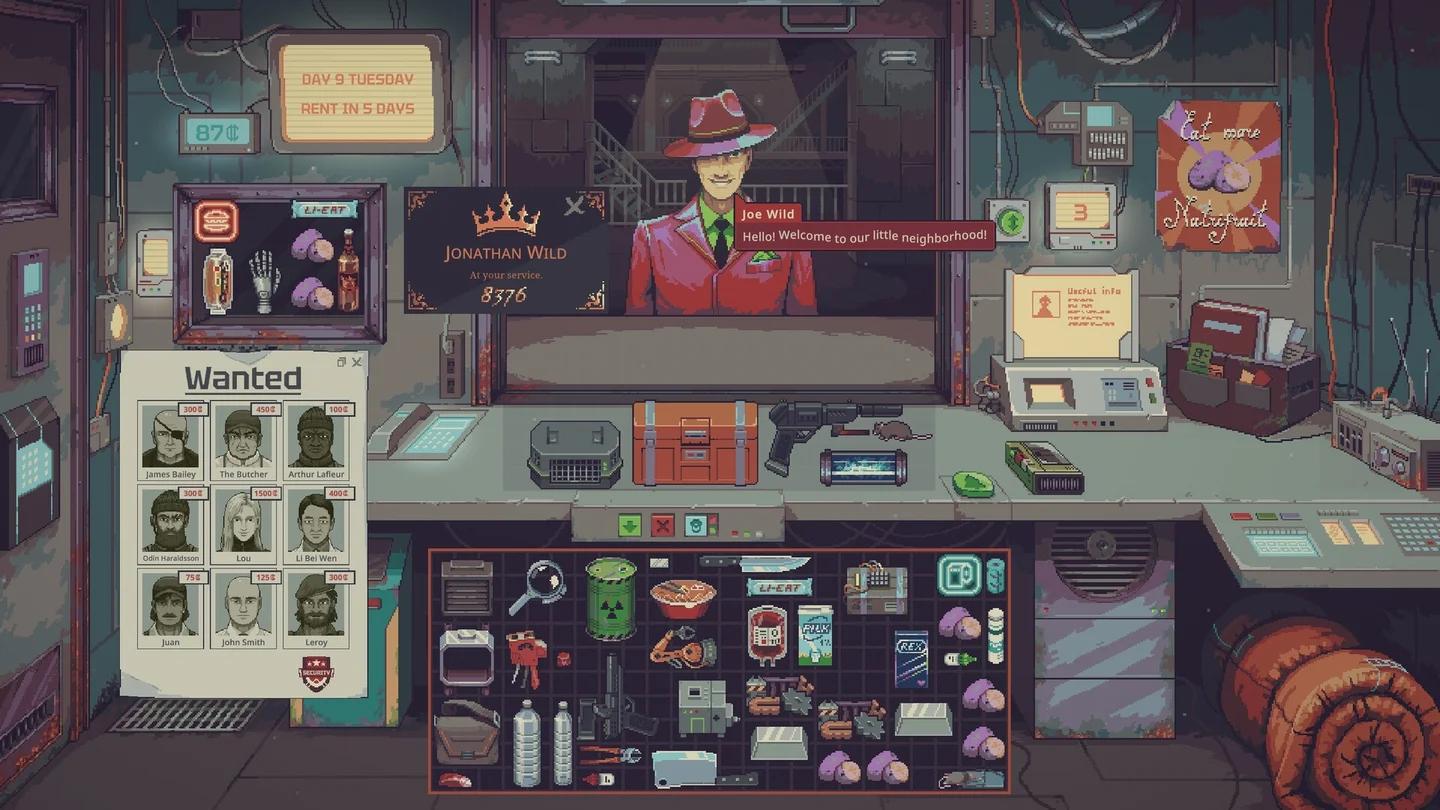
Shop management means buying stock, inspecting it, haggling, and deciding which sales are worth the risk. Supply and demand influence business, but a supplier's valuation offers no guarantee of an item's actual worth.
- Inspect and authenticate stock
- Haggle over purchase prices
- Manage inventory and demand
- Conceal stock or pay bribes
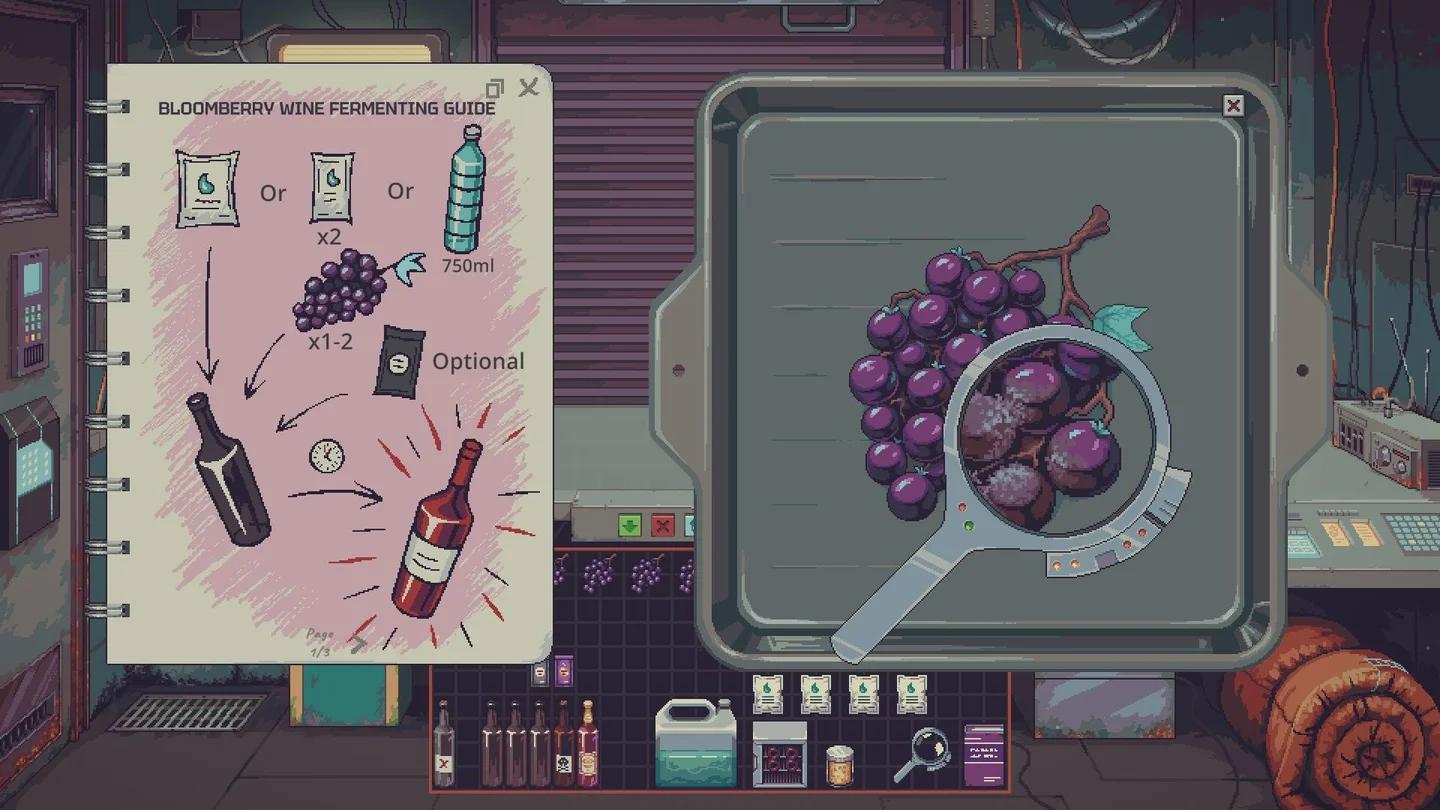
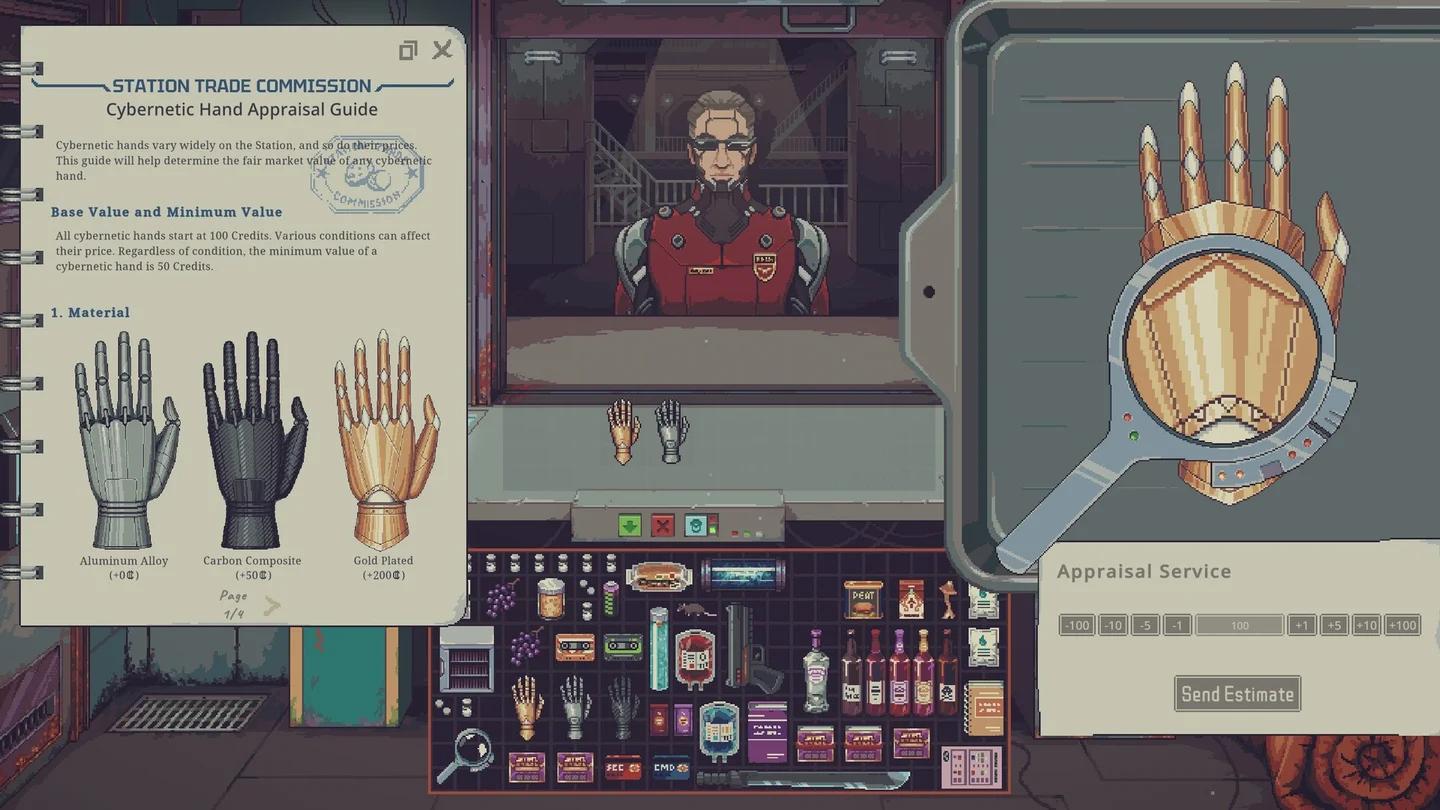
Rare goods need appraisal before resale, and suppliers can inflate their asking prices. Bargaining therefore starts with understanding the merchandise: a discounted counterfeit is still a bad investment if the shopkeeper mistakes it for something valuable.
Each trade has its own risks
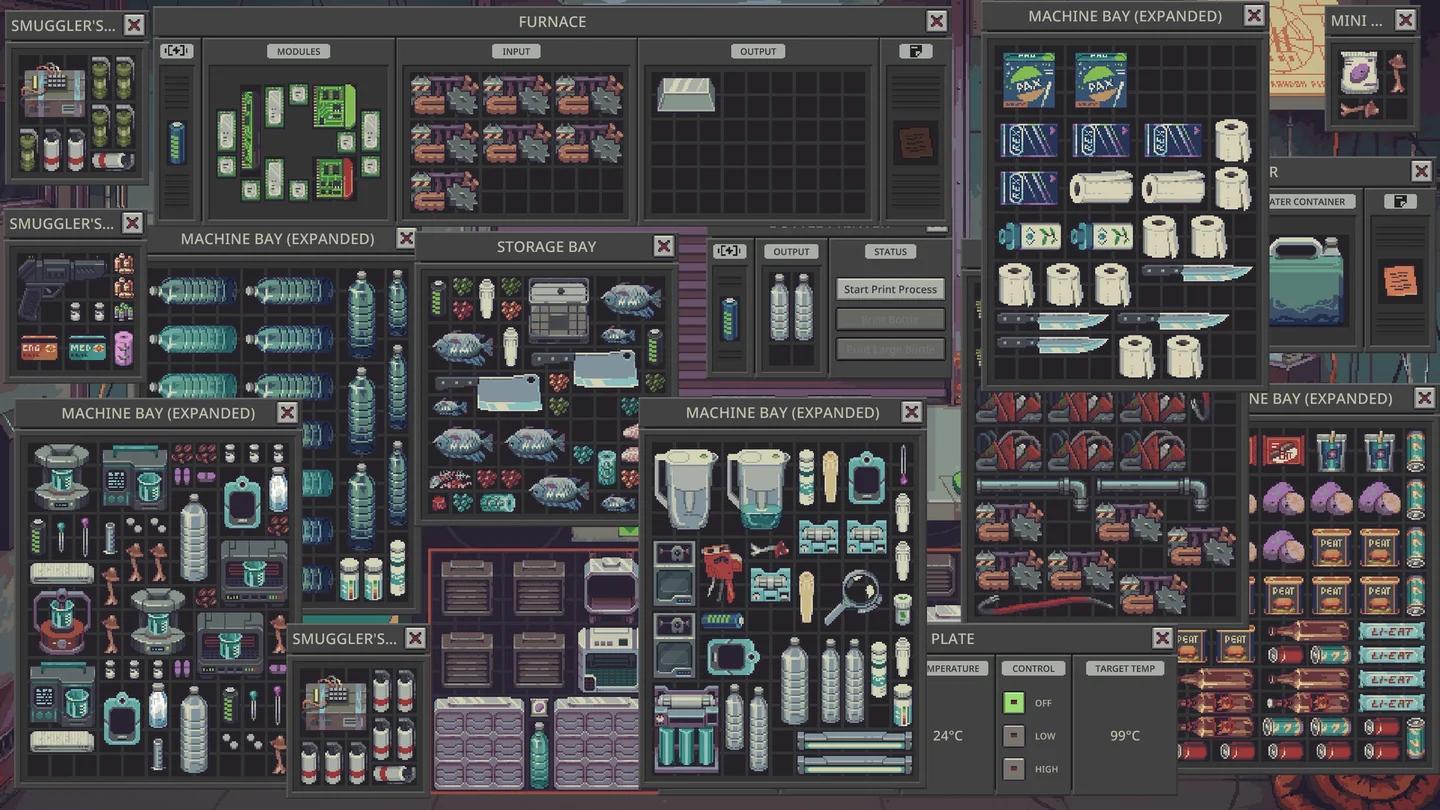
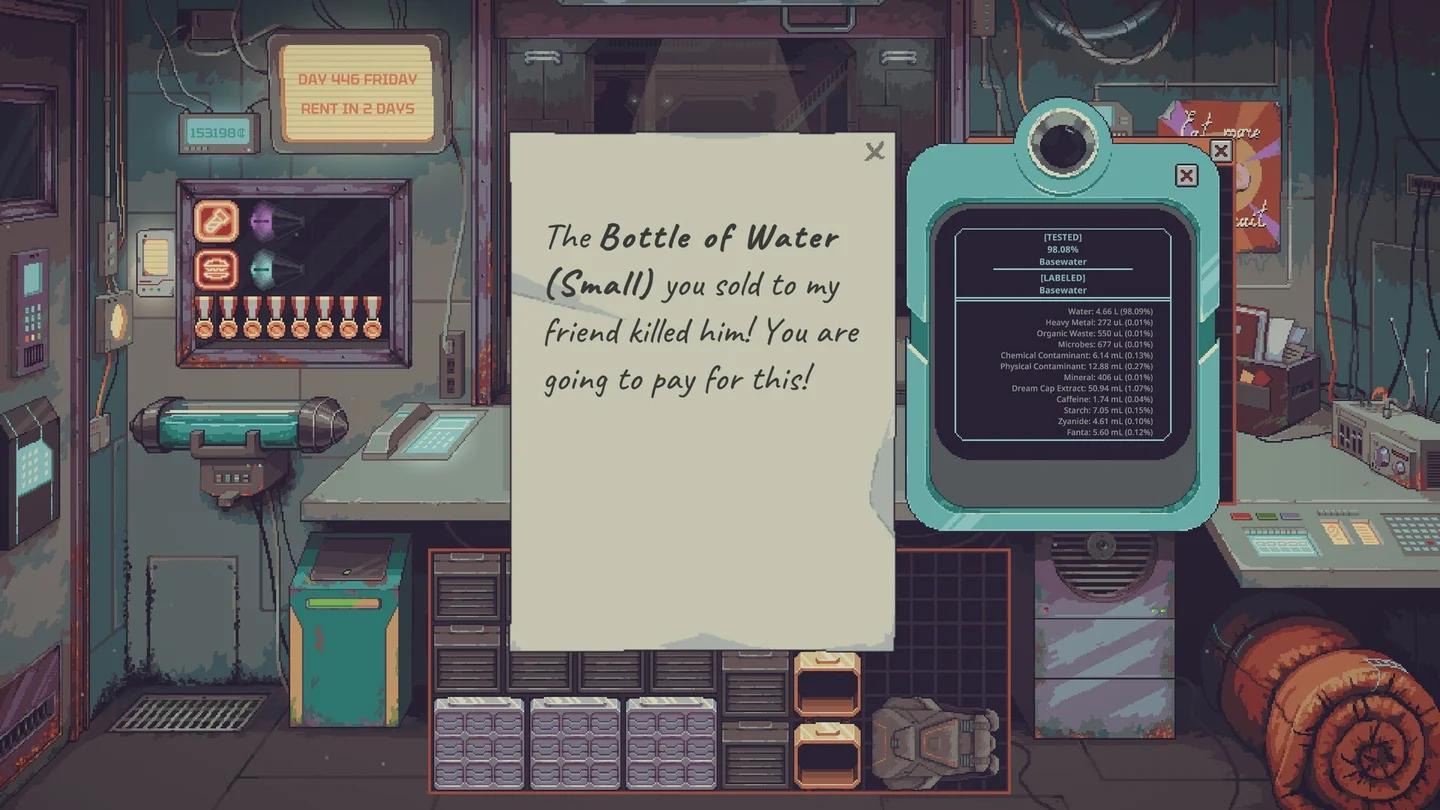
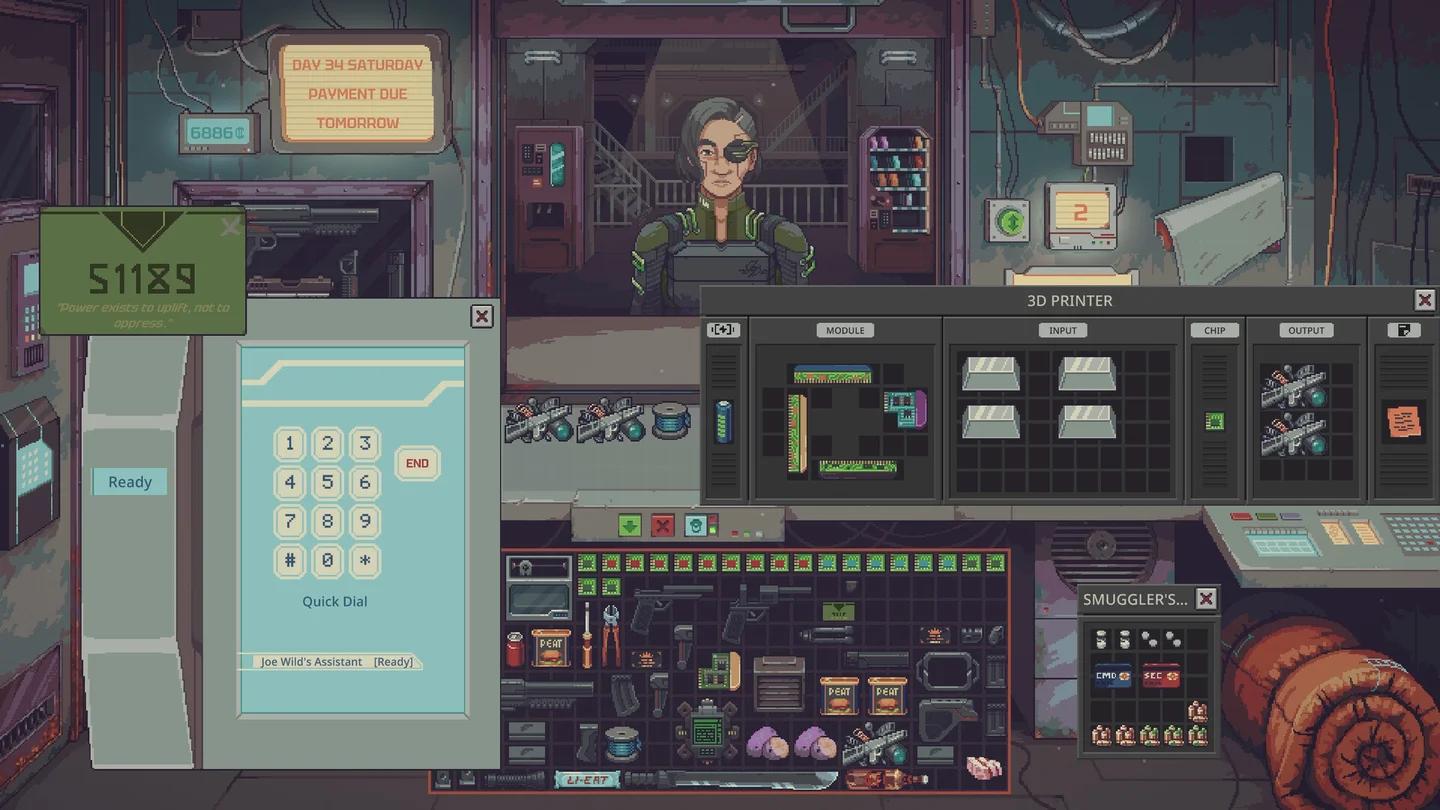
A gunsmith and a water merchant face different kinds of work. Weapons involve permits and modifications, while water requires testing and filtration. Cigarette packs need visual checks, chemical production depends on recipes, and rare merchandise rewards careful authentication. Stock categories demand different preparation before anything reaches a customer.
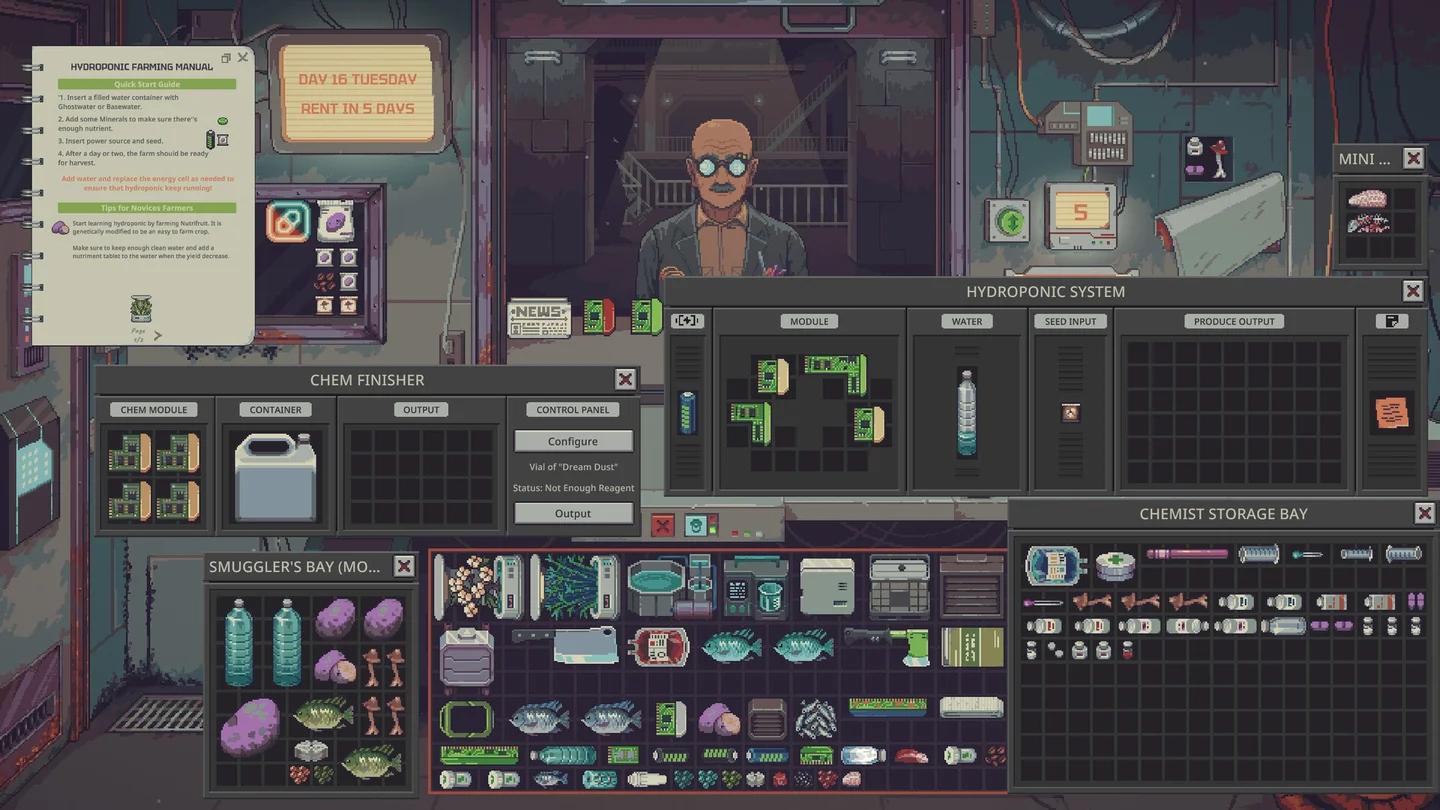
Production machinery and crafting chains support expansion into multiple businesses, with hydroponic farming and organ dealing among the available trades. Advanced licenses open access to the underground market. Machines and additional inventory compete for money needed to meet rent, making expansion a resource-allocation decision rather than an automatic reward for earning enough cash.
Faction politics at the counter
Customers include security agents seeking evidence, revolutionaries, and members of the station's fallen elite. A sale can strengthen a useful connection or expose the shopkeeper to scrutiny. Refusing a transaction, reporting a customer, or ignoring suspicious behavior brings faction politics into ordinary business, while reputation can secure protection and exclusive deals.
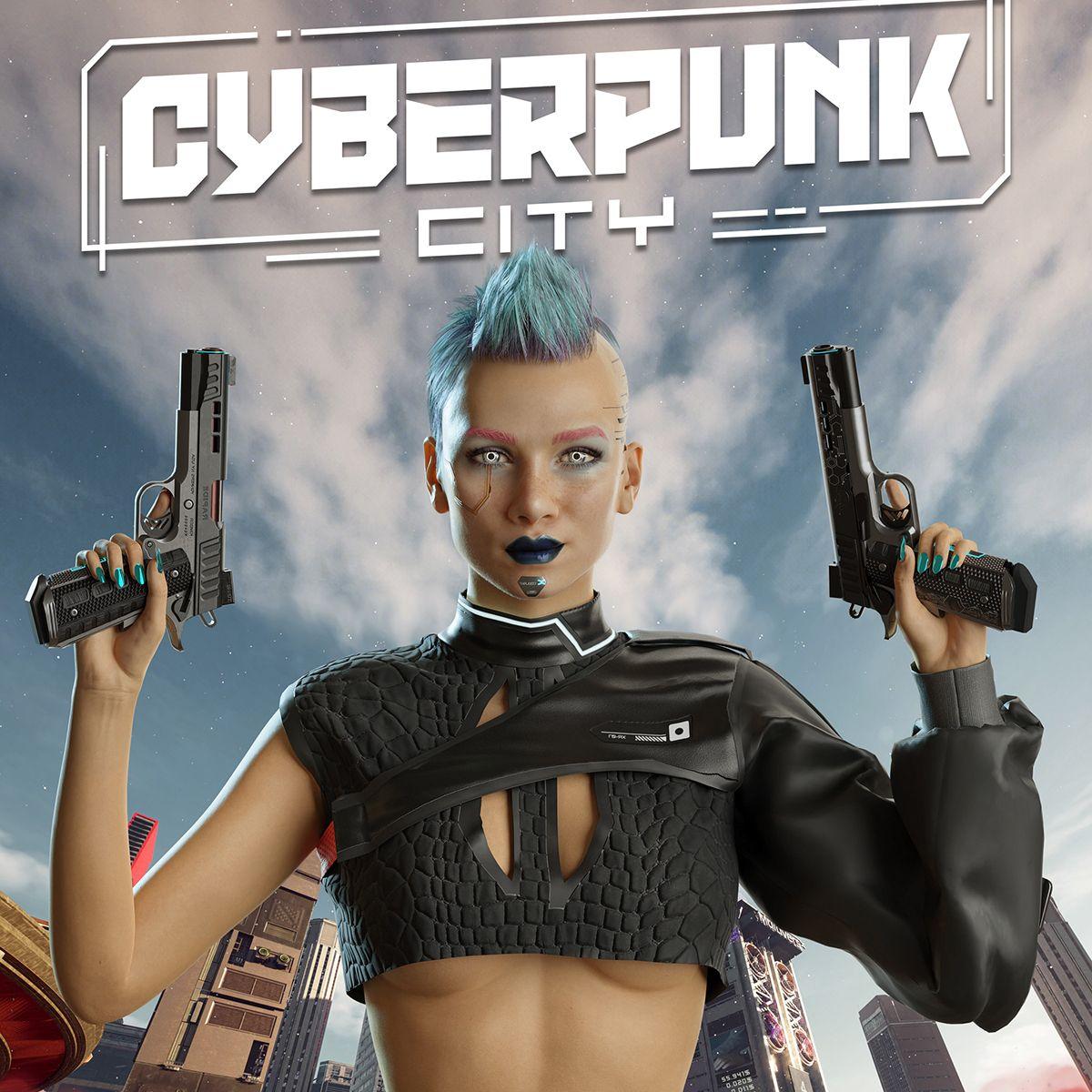
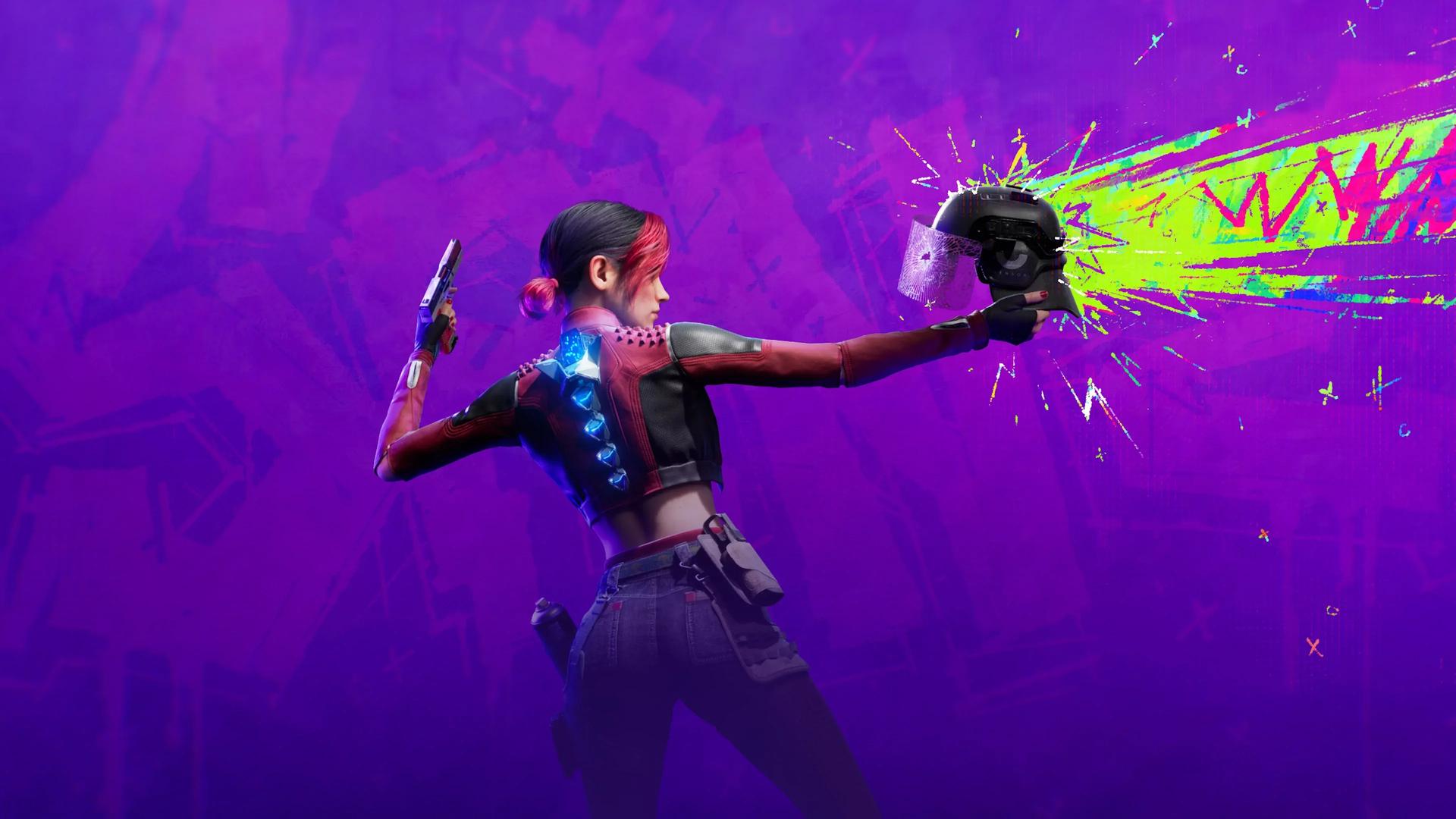
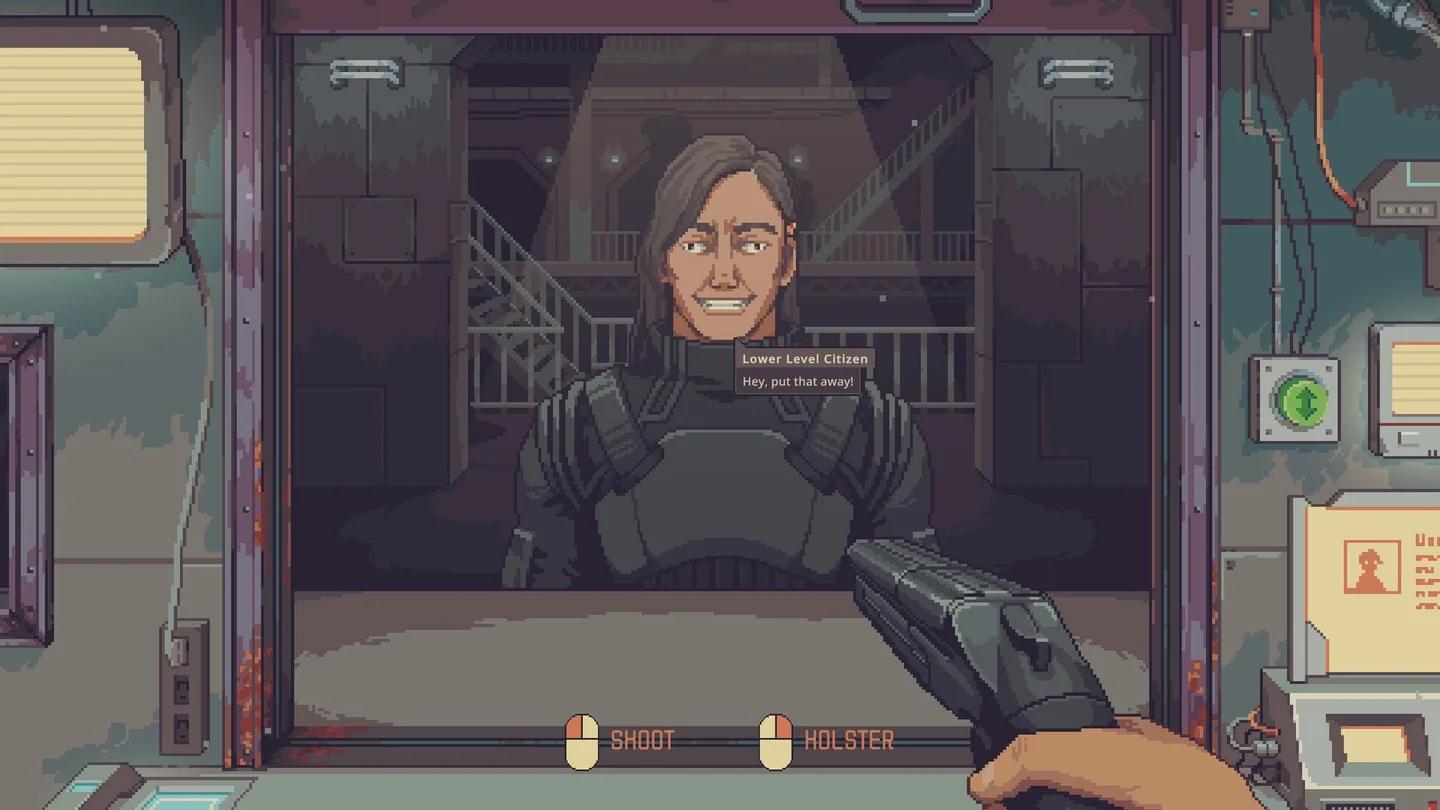
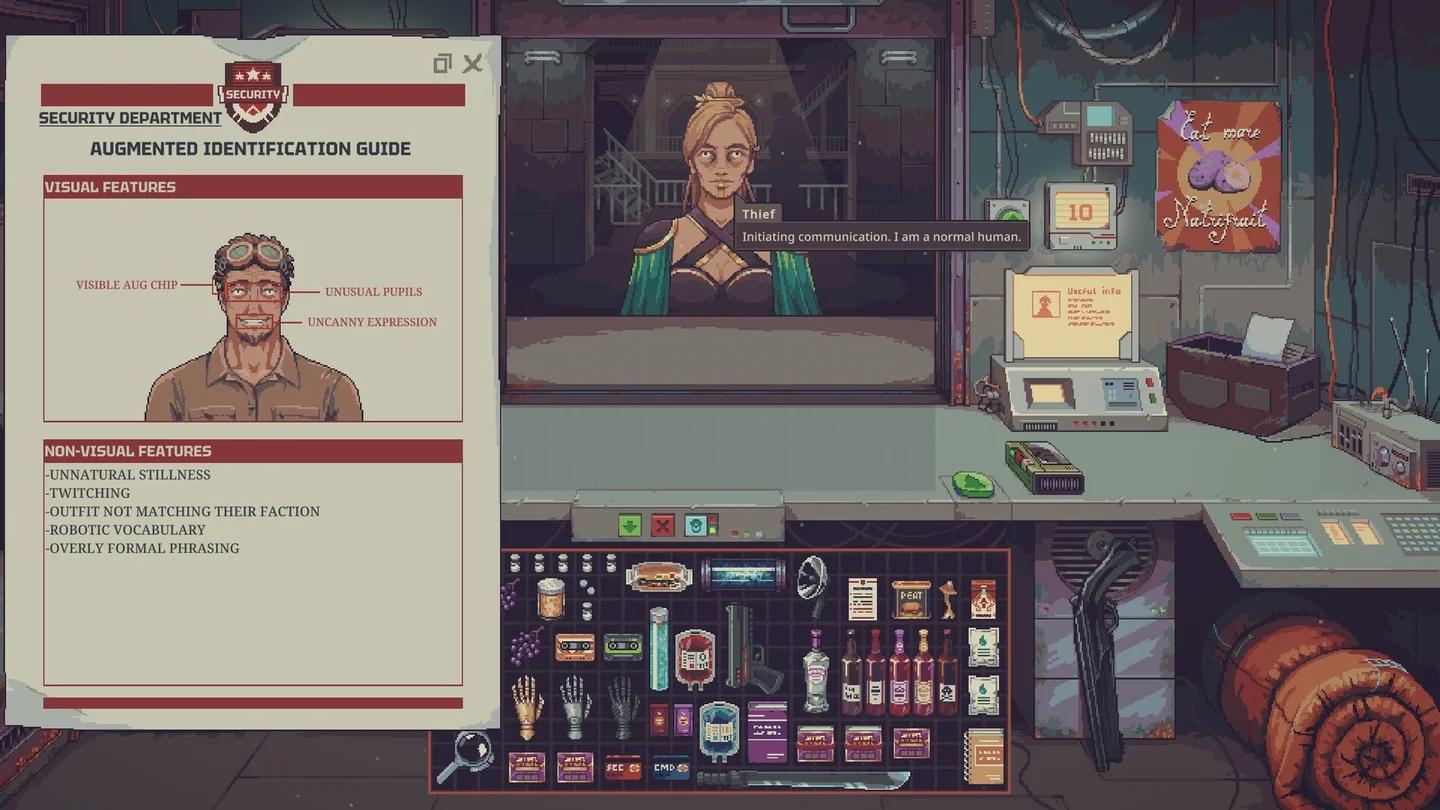
Augs add a different test of judgment. A rogue sentient AI chip compromises its hosts, and recognizing the signs becomes part of dealing with visitors. The shopkeeper has a gun to enforce the factions' shared policy, but both missed warnings and mistaken identification carry consequences. Assessing customers becomes as consequential as appraising their goods.
The RPG choices also extend to commercial ethics: counterfeit goods can pass as genuine, and vulnerable customers can receive help or exploitation. Probably Stolen connects these decisions to its shopkeeping systems, making profit depend on what gets sold, who gets served, and which risks the business accepts.