Overview
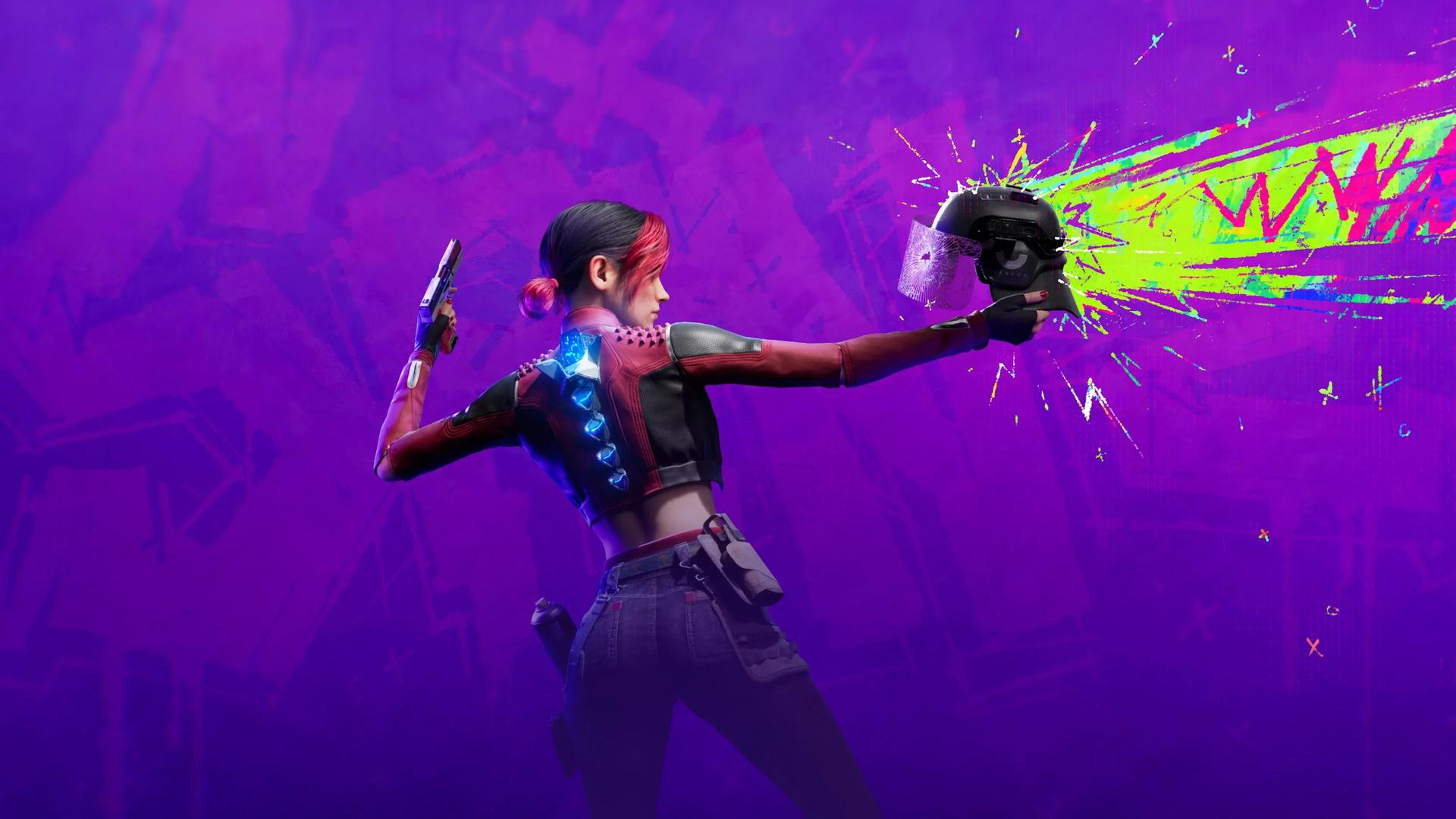
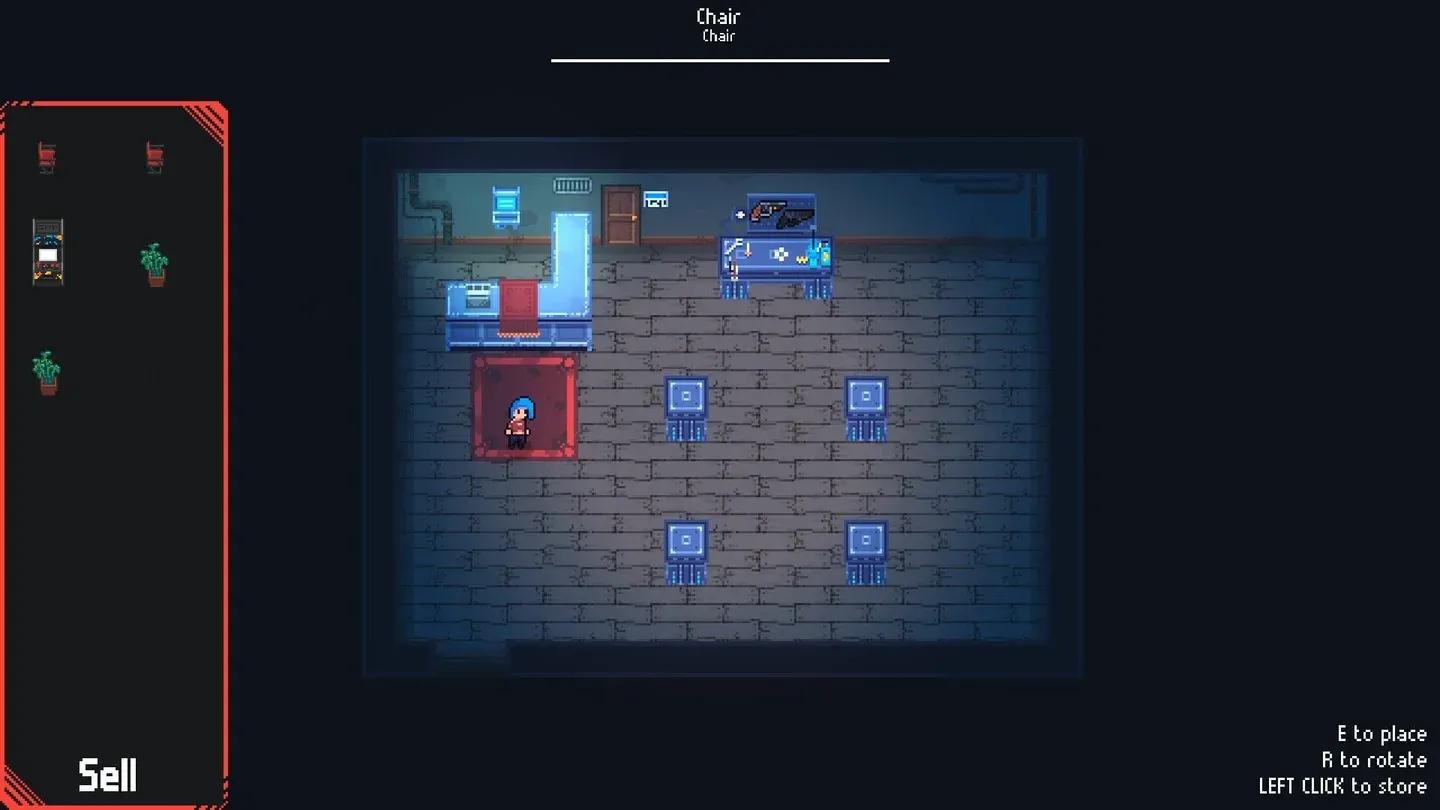
Neon Blight is a 2D cyberpunk roguelite with a gun store management layer built directly into its core loop. Released on July 11, 2022, by solo developer Bleeding Tapes under publisher Freedom Games, the game sits at an unusual crossroads: part run-based shooter, part shopkeeper sim, set in a detailed megacity called Eden. It's available on Windows via Steam and the Epic Games Store, as well as Nintendo Switch.
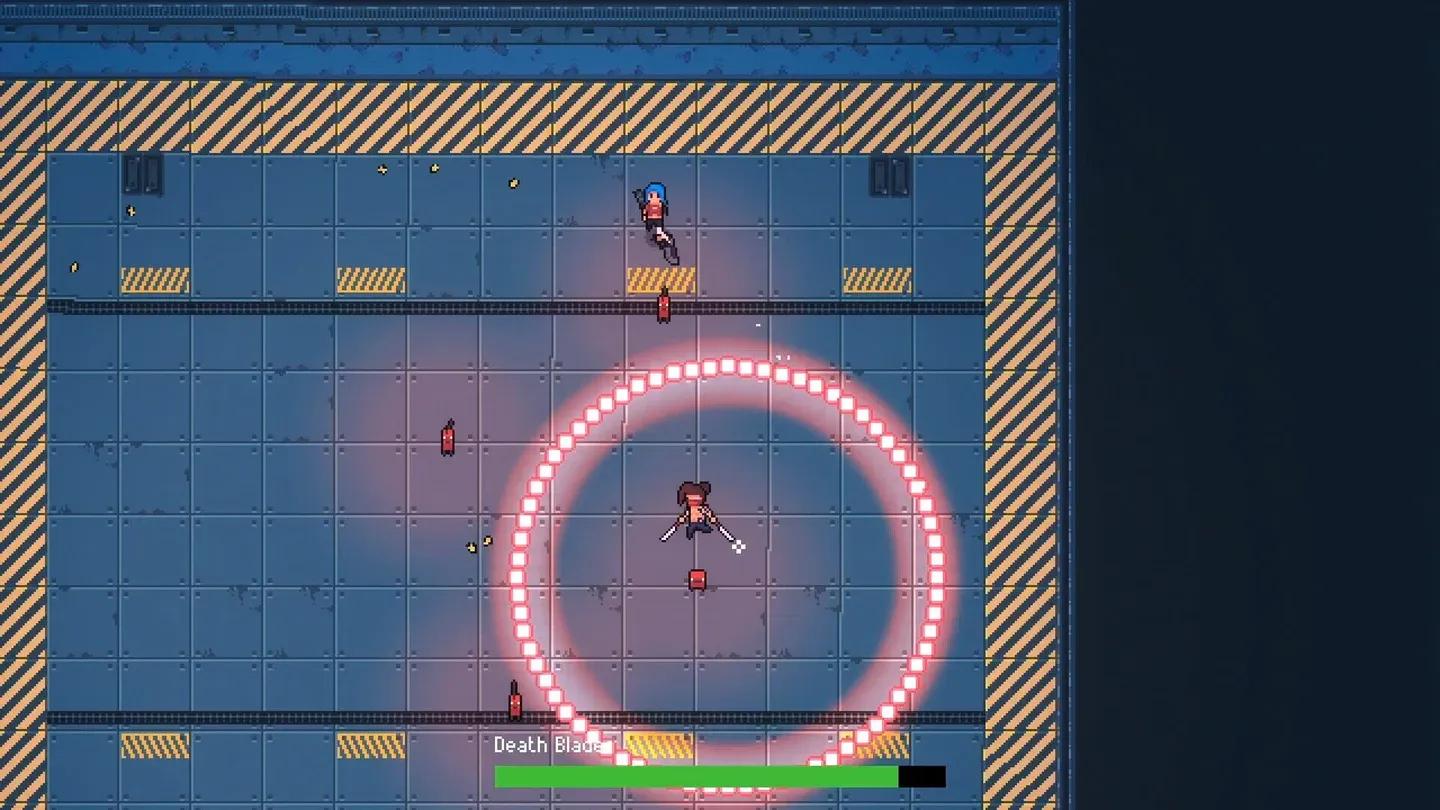
The setup is straightforward. You venture out into the Outerborder, a hostile zone filled with hand-crafted levels, varied enemy types, and boss encounters. Whatever you collect out there feeds back into your gun store, where you sell weapons to characters in Eden and reinvest the profit into better gear. That loop, go out, collect, come back, sell, upgrade, repeat, gives the game a satisfying rhythm that most pure roguelites don't have.
Gameplay and mechanics: what does Neon Blight actually play like?
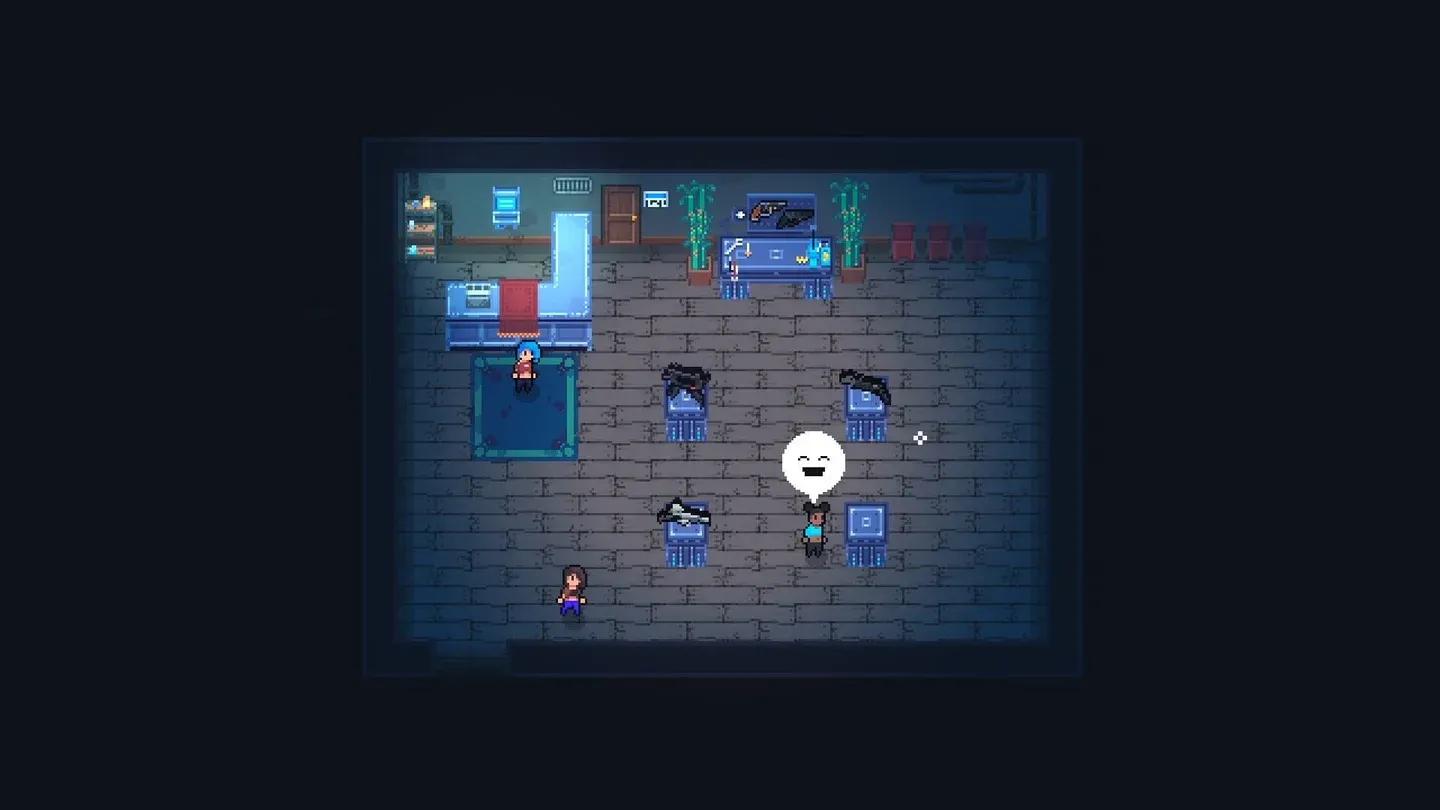
Neon Blight is a roguelite shooter where the gun store isn't just a menu screen between runs. It's a physical space you manage, customize, and grow. The Outerborder runs are the combat half, and they feed directly into the economic half back in Eden. Neither side feels like filler for the other.
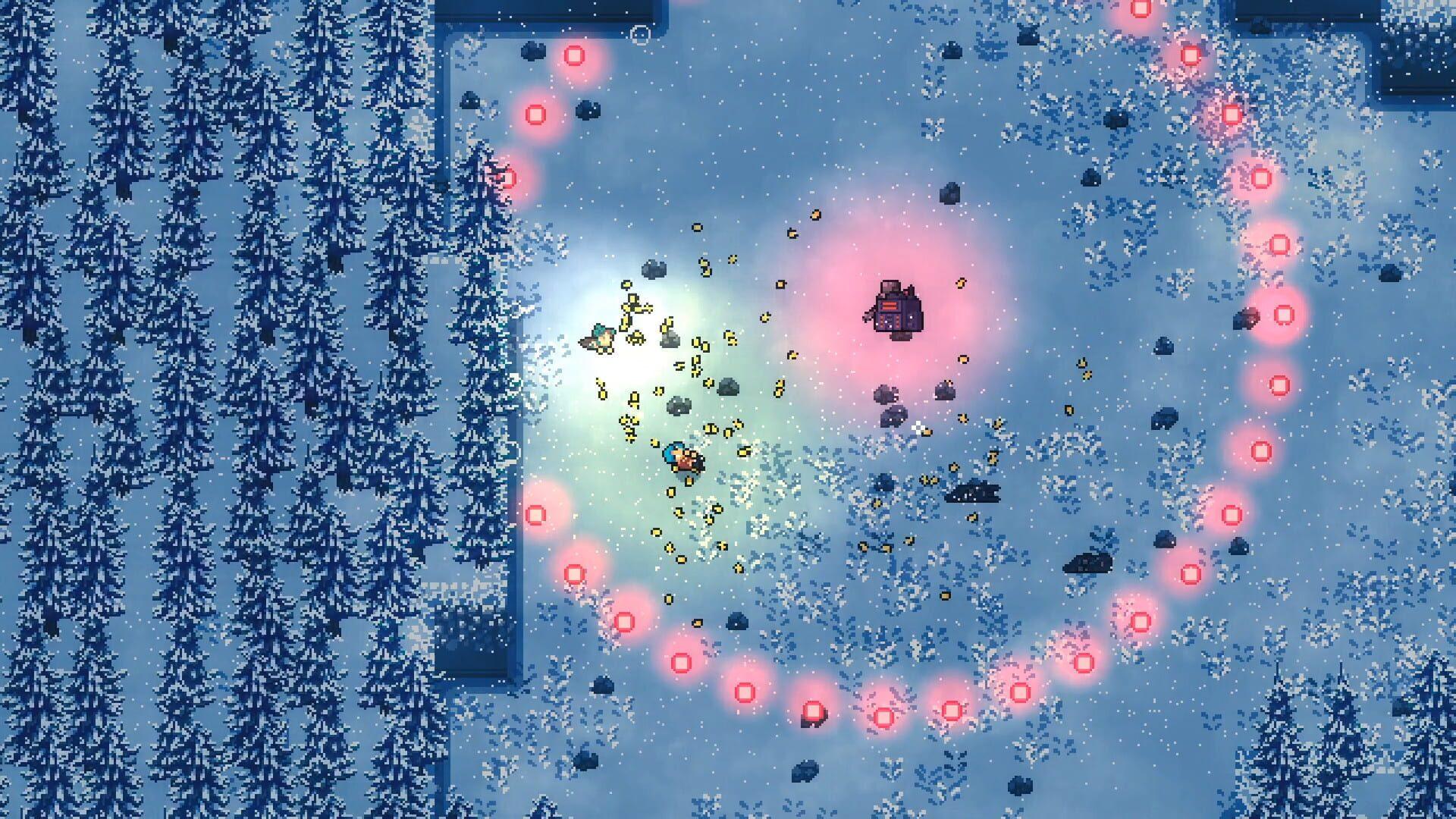
Key features at a glance:
- Hundreds of upgradeable guns to collect
- Hand-crafted levels with hidden secrets and puzzles
- Unique boss fights gating progression
- Stat-affecting items with diverse effects
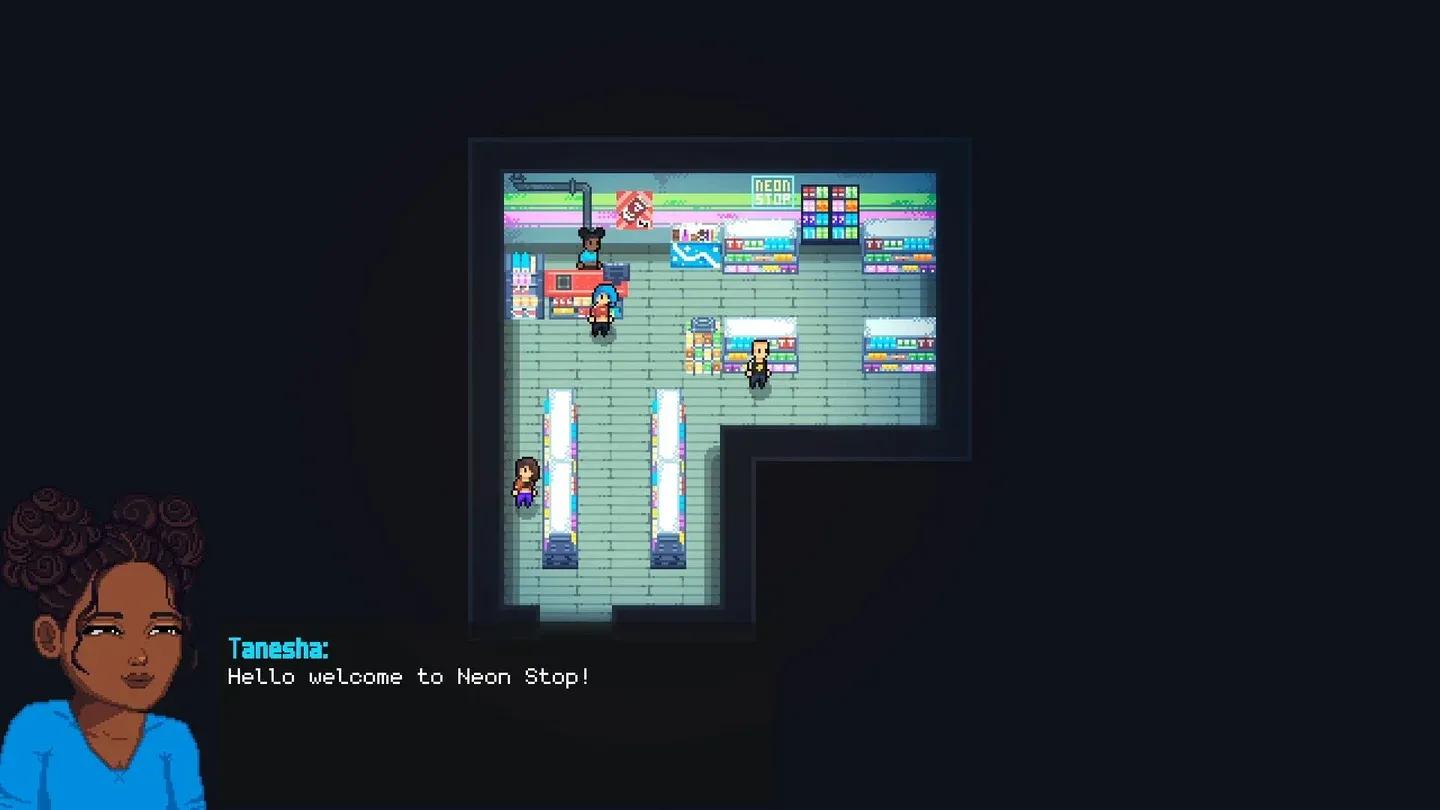
- Branching dialogue and quests with named characters
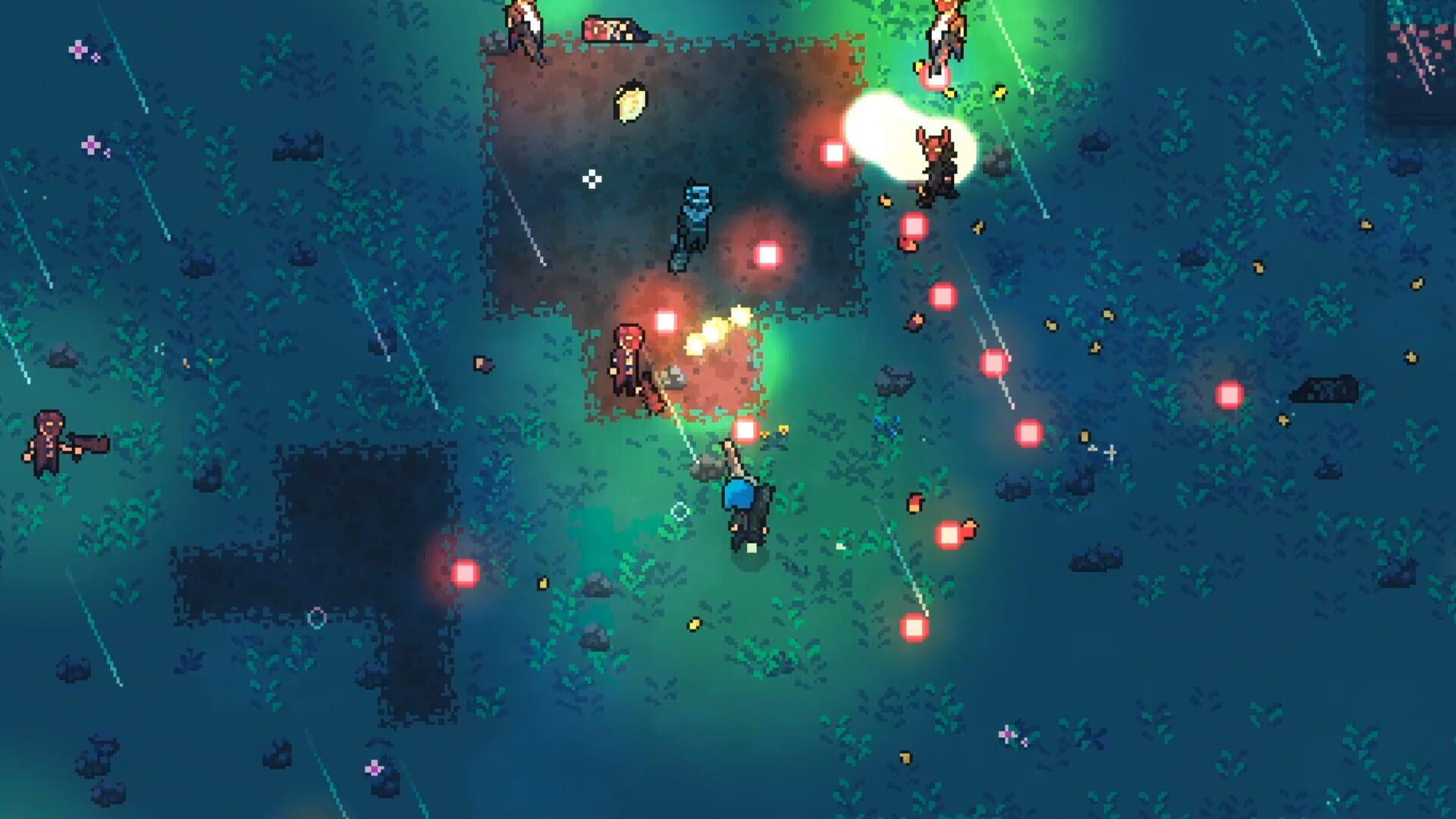
Combat is gun-focused, as you'd expect, but the variety in the weapon roster keeps individual runs feeling different. Finding a rare weapon in the Outerborder carries weight because it has real value back at the shop, either as something to keep and upgrade or something to sell for profit. That dual-purpose design makes loot feel meaningful in a way that pure roguelites sometimes miss.
World and setting: Eden and the Outerborder
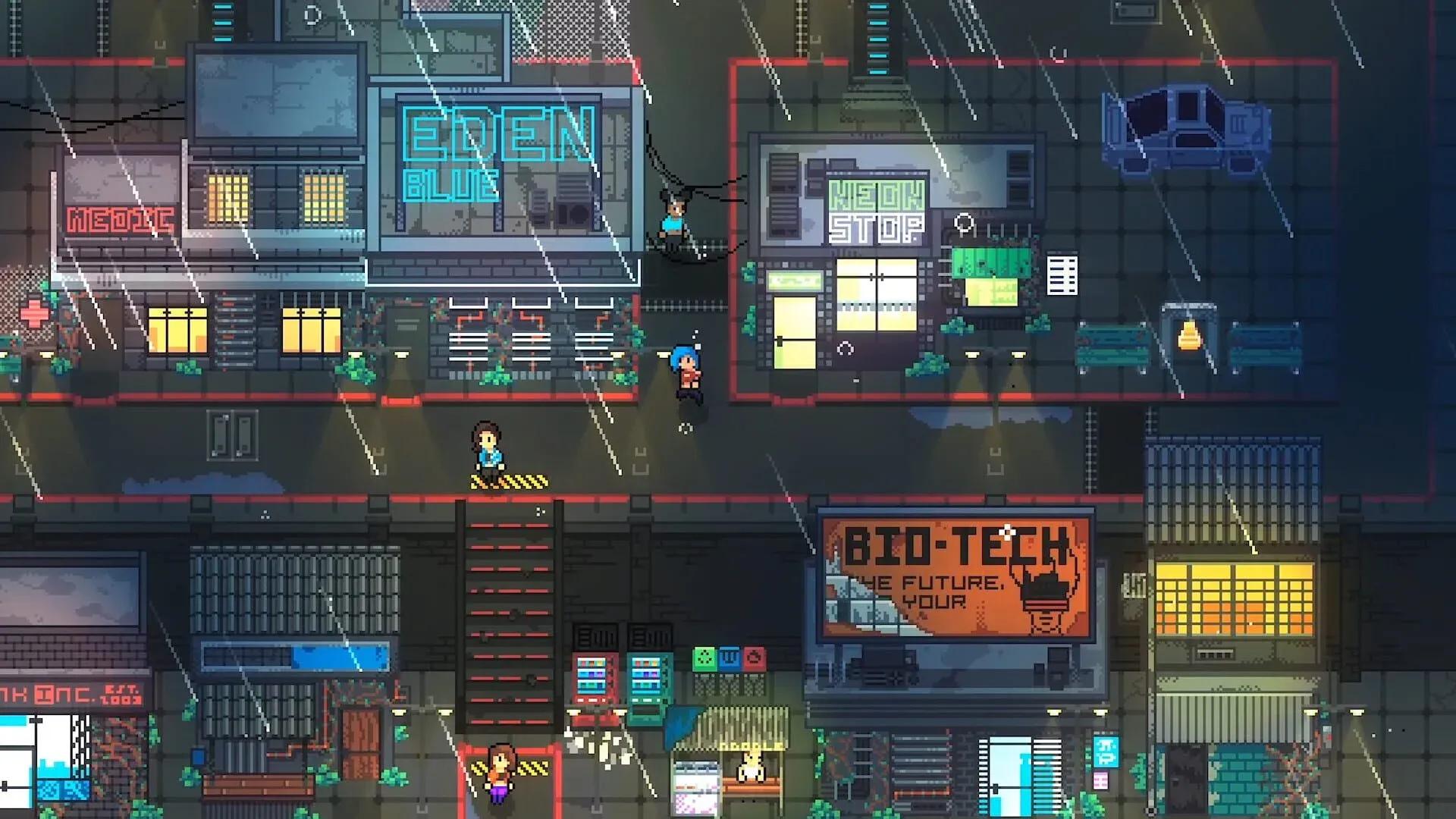
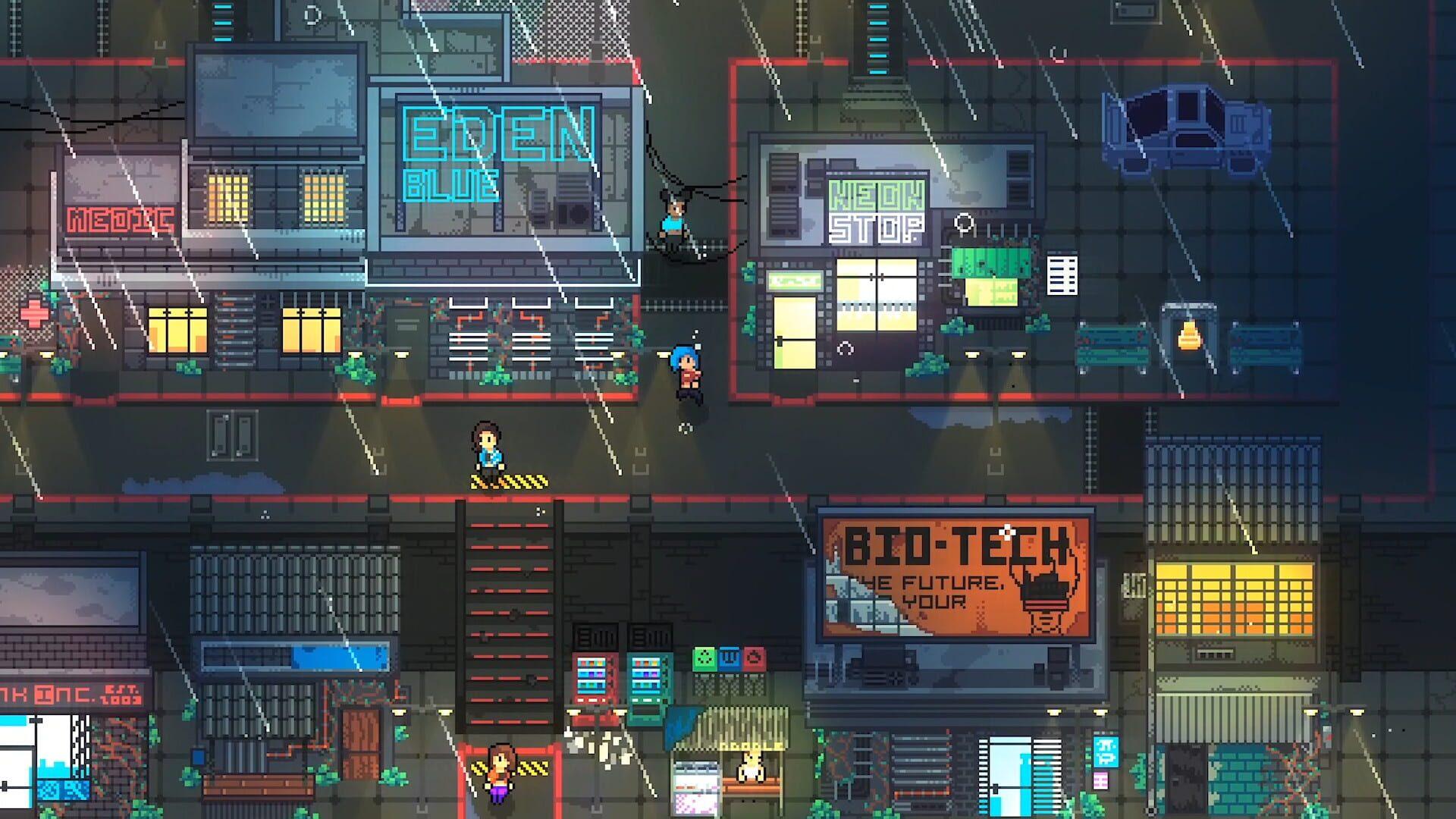
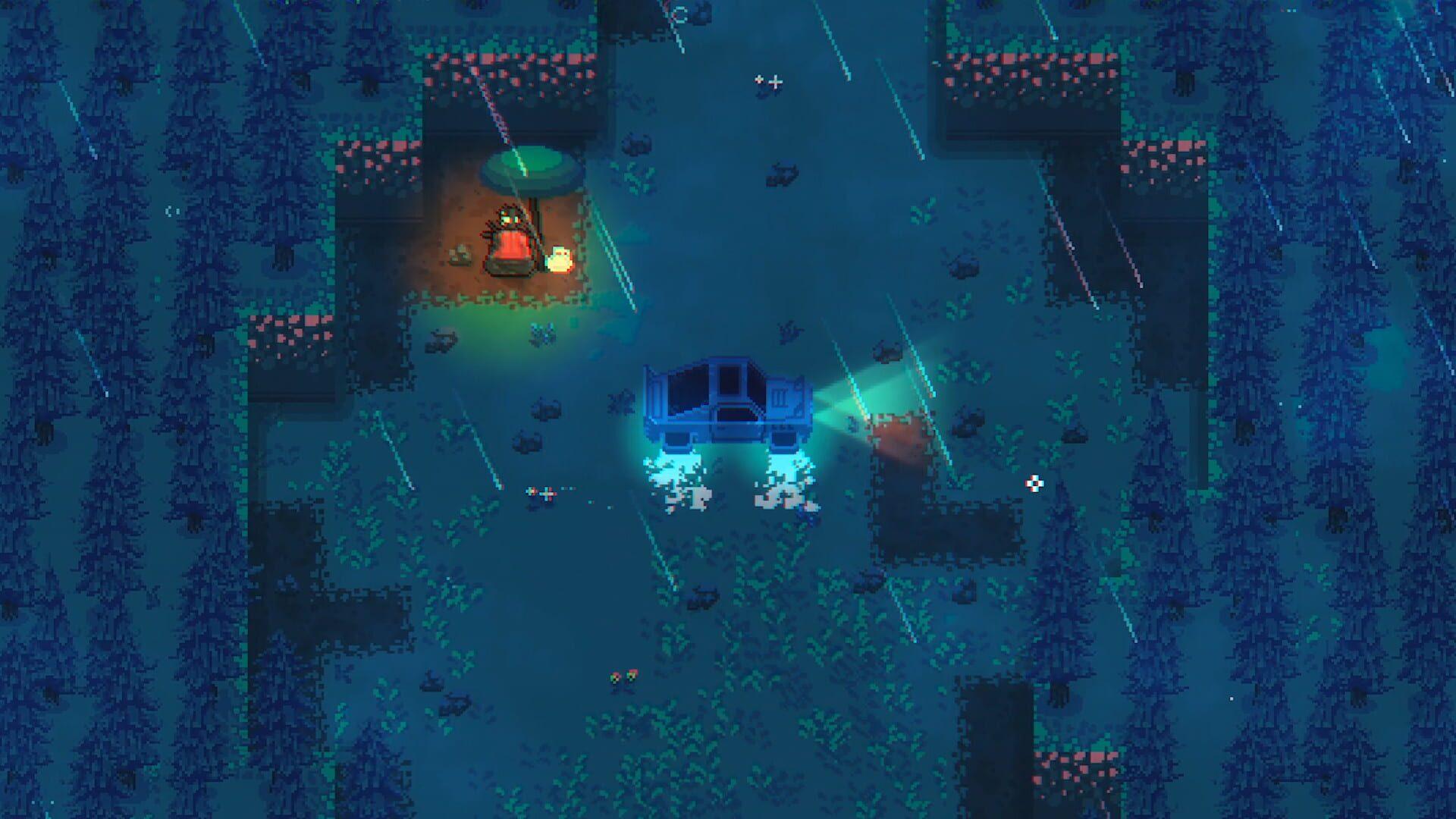
Eden is the beating heart of Neon Blight's world. Hidden in the underbelly of a megacity, it's populated with characters who have their own dialogue trees and quests, giving the hub more personality than the average roguelite safe room. The art style leans into classic 2D pixel aesthetics with a cyberpunk color palette, keeping the visual identity consistent across both the shop and the combat zones.
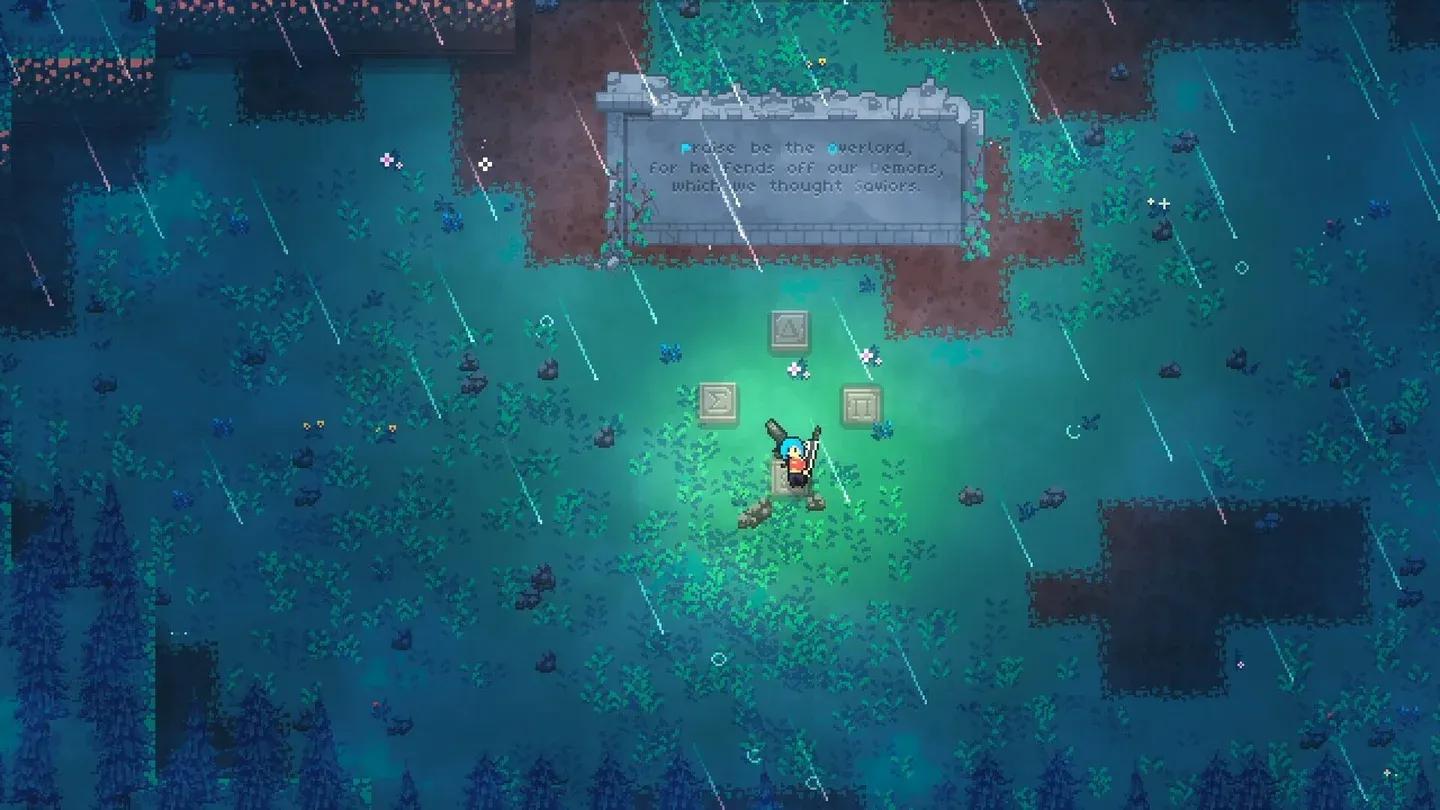
The Outerborder contrasts sharply with Eden's relative safety. Different areas bring different enemy types and environmental challenges, and hidden secrets reward players who explore rather than rush. Boss encounters mark progression milestones, each one standing between you and what the game calls the ultimate weapon.
Is Neon Blight worth playing on Nintendo Switch?
Yes, the Switch version runs the same content as the PC release. The game's 2D structure and relatively contained level design translate well to handheld play, and the gun store management side of things works fine with controller input. Players who prefer portable sessions get the full experience without meaningful cuts.
Content and replayability
The roguelite structure naturally encourages repeat runs, but Neon Blight adds staying power through its progression systems. Upgrading guns, unlocking new shop customizations, and working through character quests give each session a sense of forward momentum beyond just surviving longer. The hundreds of guns in the roster mean builds vary significantly between runs, which is what you want from this genre.
Conclusion
Neon Blight earns its place in the cyberpunk roguelite space by doing something genuinely different. The gun store management loop isn't a gimmick bolted onto a shooter. It's the connective tissue that makes each run matter. Bleeding Tapes built a game where collecting weapons has economic stakes, where exploration has rewards, and where Eden feels like an actual place rather than a loading screen. For fans of roguelite shooters looking for a mechanic that changes the feel of the genre, Neon Blight is worth the time.