
PUBG Esports Points come only from results at the PUBG Global Series (PGS). Under the 2027 system for PUBG: BATTLEGROUNDS, Regional League performance gets teams into PGS, while results on that global stage build the points total that counts toward the PUBG Global Championship (PGC).
The distinction matters because each of the four phases requires fresh qualification. A team's points accumulate across the year, but a previous PGS appearance does not secure the next one. Here's how teams earn points, what Regional Leagues contribute, and which PGC qualification details are still to be announced.
How do teams earn PUBG Esports Points?
Teams earn PUBG Esports Points through their results at PGS. That makes reaching PGS the gateway to earning points: every team must first qualify through its Regional League for the corresponding phase.
The announced route has two competitive steps:
- Regional League: Results determine which teams advance to that phase's PGS.
- PGS: Results award PUBG Esports Points, which contribute to the season-long race for PGC qualification.
If your usual gaming reading focuses on adventure games, start with the tournament names. PGS means PUBG Global Series, the competition where these points are earned. PGC means PUBG Global Championship, the year-end championship those points help teams qualify for.
Does qualifying for PGS award points by itself?
The announced basis for earning PUBG Esports Points is performance at PGS. Regional qualification supplies the opportunity to compete there; the points come from the team's PGS results. The points distribution will be announced separately, so there is no published placement-to-points table to apply yet.
PGS results determine points
Do Regional League results award PUBG Esports Points?
No. Regional League results do not award PUBG Esports Points. Their role is to decide which teams reach PGS during each phase. This replaces the previous arrangement, where regional results awarded PGC Points and global results awarded PGS Points.
| Competition | Previous points system | Announced 2027 system |
|---|---|---|
| Regional League | Results awarded PGC Points | Results determine qualification for the corresponding PGS; no PUBG Esports Points are awarded |
| PGS | Results awarded PGS Points | Results award PUBG Esports Points |
That changes what you need to follow when checking a team's season. Regional standings tell you whether it reaches the next global event. Its PGS results determine the points it adds toward PGC qualification. Both matter, but they serve different purposes.
Which regional competitions are changing?
The 2027 regional structure also changes the starting point for several teams:
- EMEA splits into Europe, Eurasia, and MENA.
- Americas splits into North America and South America.
- India joins as a new competitive region.
Established teams and new challengers compete through their Regional Leagues. The PUBG Esports Team will announce each league's detailed format and schedule separately.
Do Global Partner Teams receive guaranteed PGS places?
The Global Partner Team (GPT) program shifts toward collaborative in-game items and marketing activities in 2027. Its partnership role no longer includes guaranteed PGS participation.
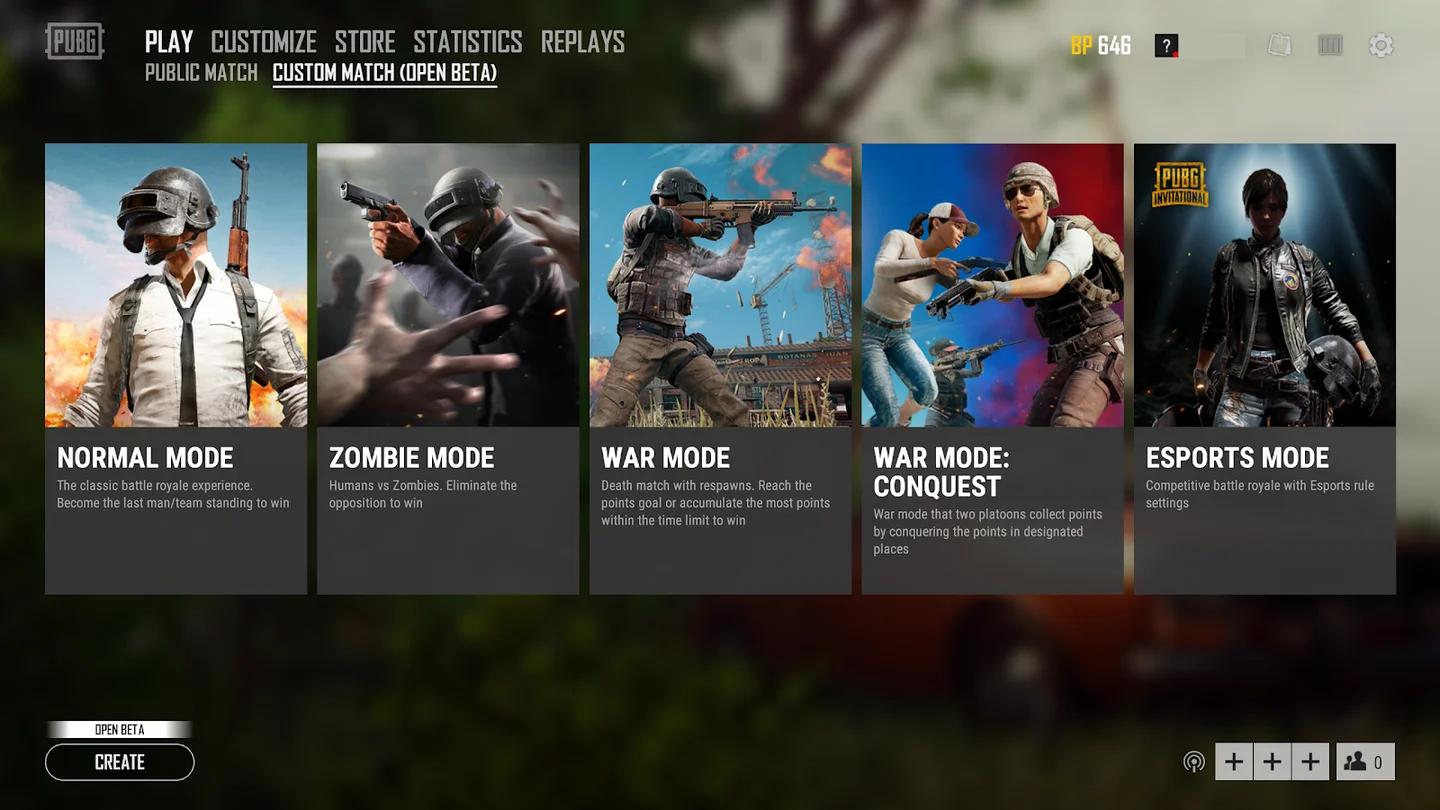
Regional routes into PGS
Do PUBG Esports Points accumulate throughout the year?
Yes. PUBG Esports Points build across the year through PGS results. Qualification operates phase by phase, while the points race runs across the season. Those are the two timelines to keep separate when following a team.
A PGS appearance in Phase 1 does not guarantee participation in Phase 2. The team must qualify again through the next Regional League. Its PUBG Esports Points, however, contribute to the accumulated annual total used toward PGC qualification.
How do the four phases work?
Each phase pairs a Regional League with a corresponding PGS event. The structure repeats four times, giving teams four opportunities to earn their way onto the global stage.
| Phase | Qualification route | Planned 2027 window |
|---|---|---|
| Phase 1 | Regional League: Phase 1 → PGS: Phase 1 | Late March to early May |
| Phase 2 | Regional League: Phase 2 → PGS: Phase 2 | Mid-May to mid-June |
| Phase 3 | Regional League: Phase 3 → PGS: Phase 3 | Early August to mid-September |
| Phase 4 | Regional League: Phase 4 → PGS: Phase 4 | Late September to early November |
The PUBG Nations Cup is planned for early July, between Phases 2 and 3. PGC follows the four-phase season, with a planned window of late November to early December.
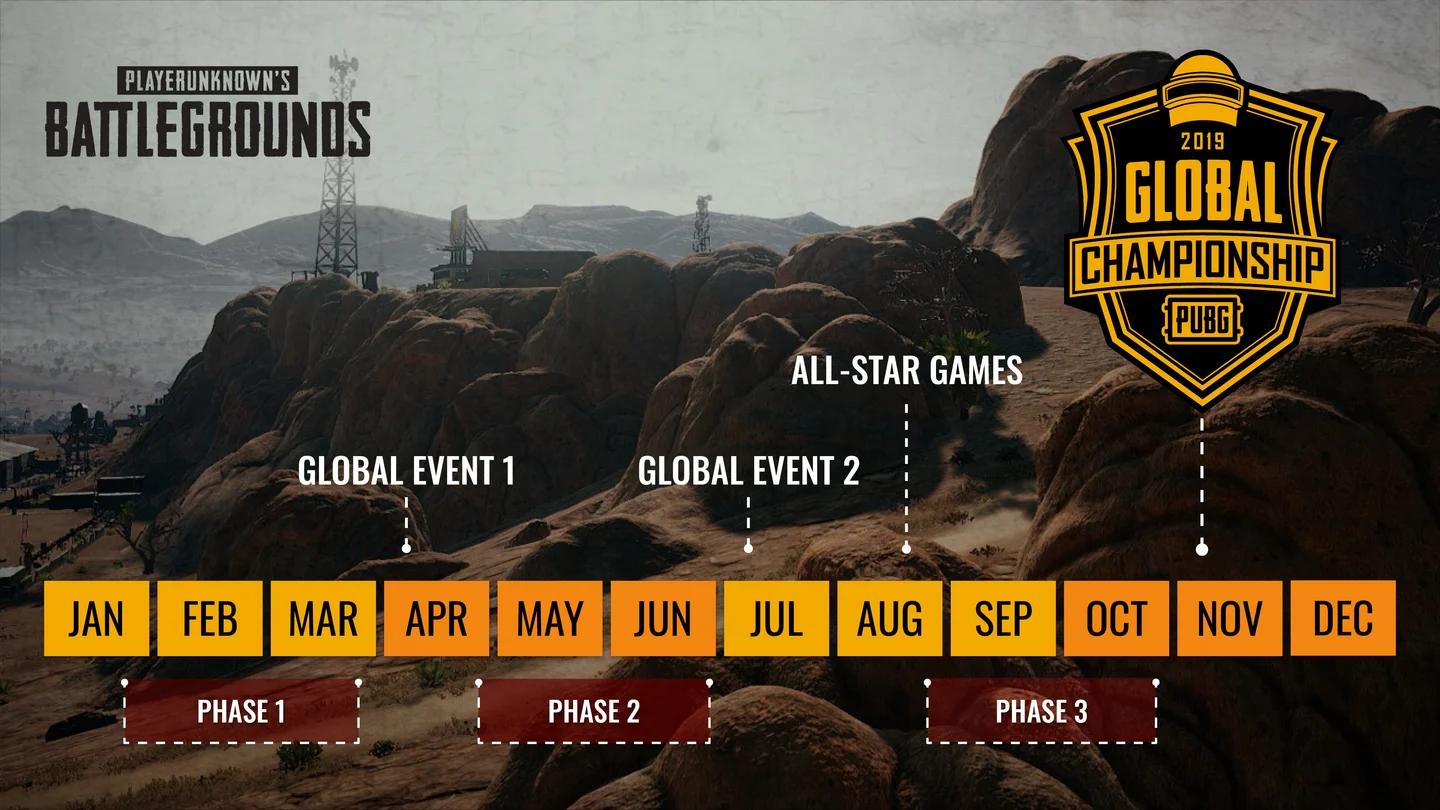
Four phases, one points race
For changes on the playable side of PUBG, the Update 40.2 anniversary breakdown covers that update and its events.
How do PUBG Esports Points count toward PGC qualification?
A team's accumulated PUBG Esports Points count toward qualification for PGC. The October 28, 2026 announcement establishes that connection, but leaves the points distribution and detailed PGC qualification system for a separate announcement.
That means the route is established, while the exact qualification calculation is still to come. Regional League results determine access to PGS, and PGS results generate the annual points total that contributes toward reaching PGC.
What should you track during the season?
Use these questions to follow a team's progress without mixing regional qualification with the year-long points race:
- Did the team qualify through its Regional League for the current phase's PGS?
- What result did it achieve at that PGS?
- What is its accumulated PUBG Esports Points total once the points distribution is published?
- What requirements does the separately announced PGC qualification system set?

The route toward PGC qualification
The practical takeaway is fresh qualification, cumulative points: follow each Regional League to see who reaches PGS, then follow PUBG Esports Points for the year-long PGC race. For more help understanding PUBG: BATTLEGROUNDS, explore our strategy guide collection.