

Advertisement

Overview
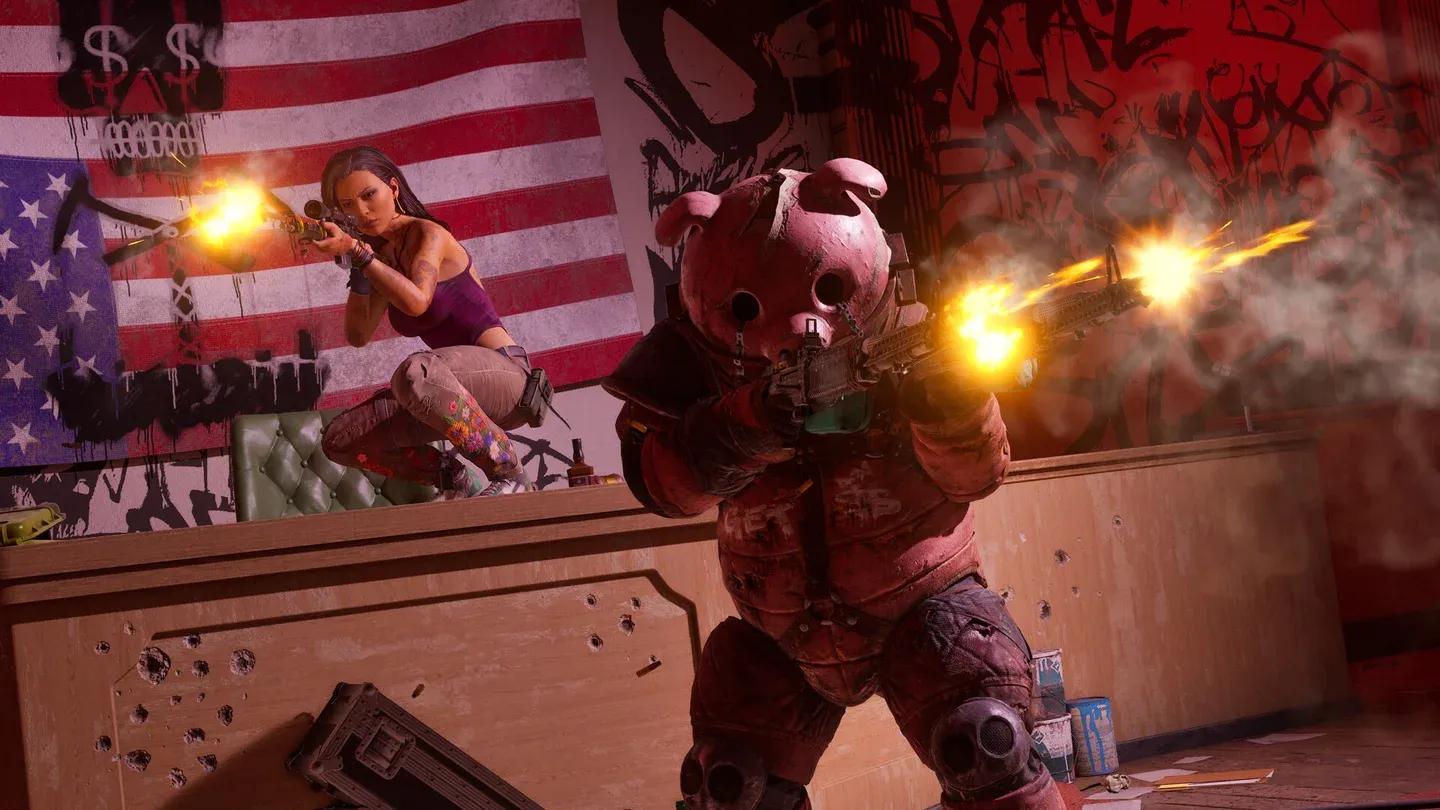
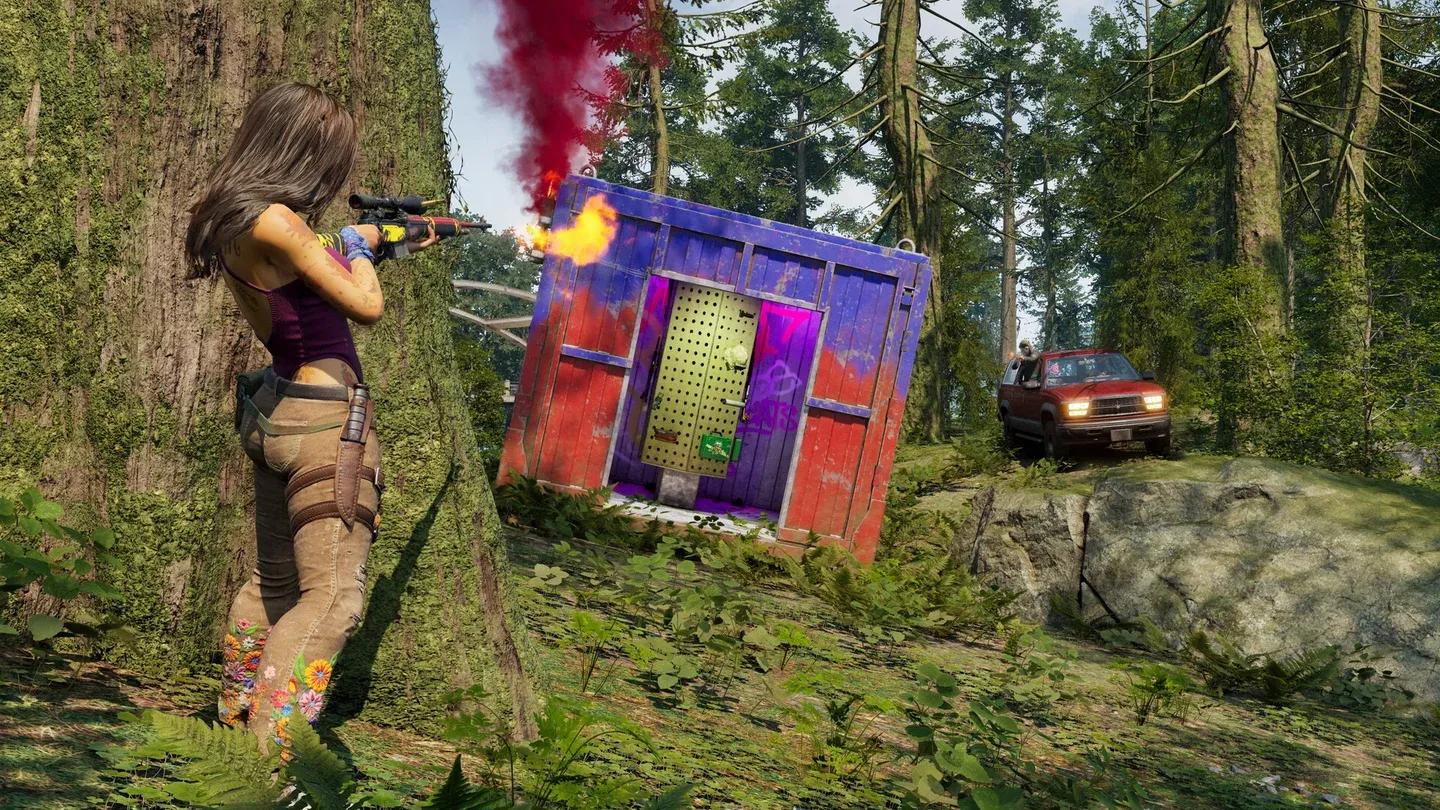
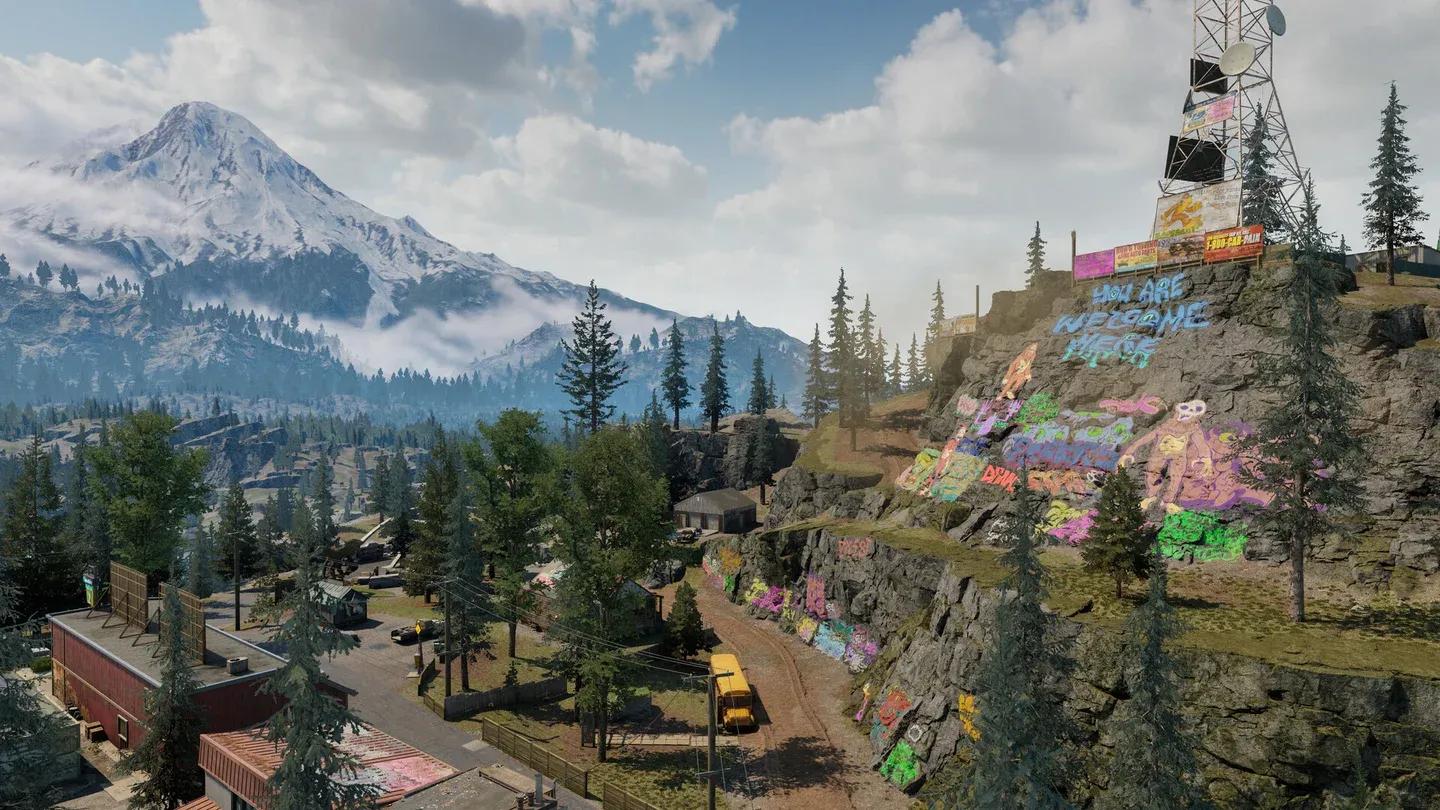
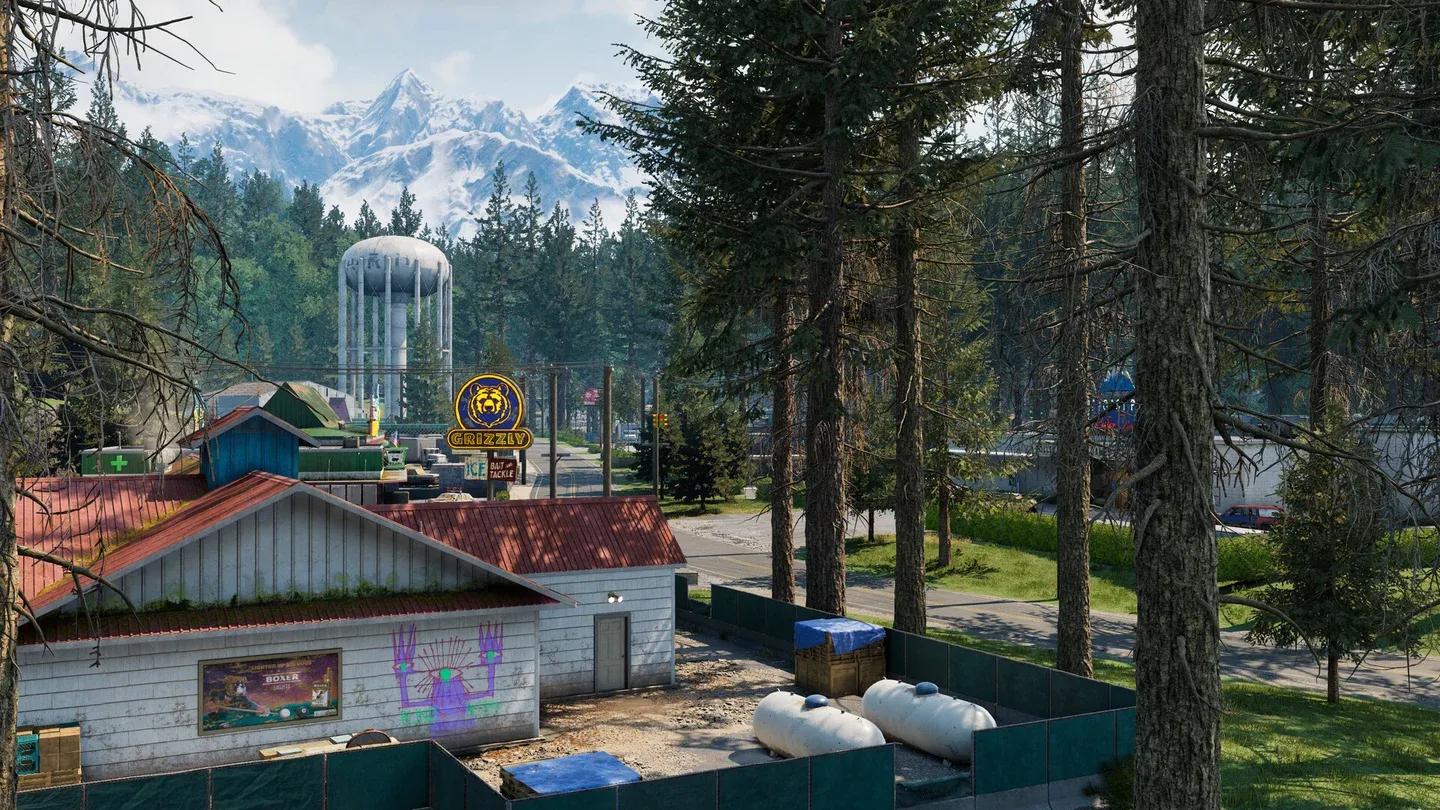
PUBG: DED.NET is a multiplayer FPS developed by PUBG Madison and published by KRAFTON, Inc. that fuses competitive shooter gameplay with roguelite run-based progression. The setting is 1990s Cascadia, a fictional region drenched in grunge aesthetics, body horror, and occult undertones. It's a long way from the chicken dinners of the original PUBG, and that distance feels intentional.
The core premise is straightforward: survive a run, scavenge what you can, earn abilities, and outlast everyone else. What makes DED.NET distinct is that a lost match doesn't reset your progress entirely. Resources and progression carry forward, meaning every death shapes the next attempt. The roguelite loop gives the competitive format a different kind of tension.
Gameplay mechanics: how does the roguelite FPS loop actually work?
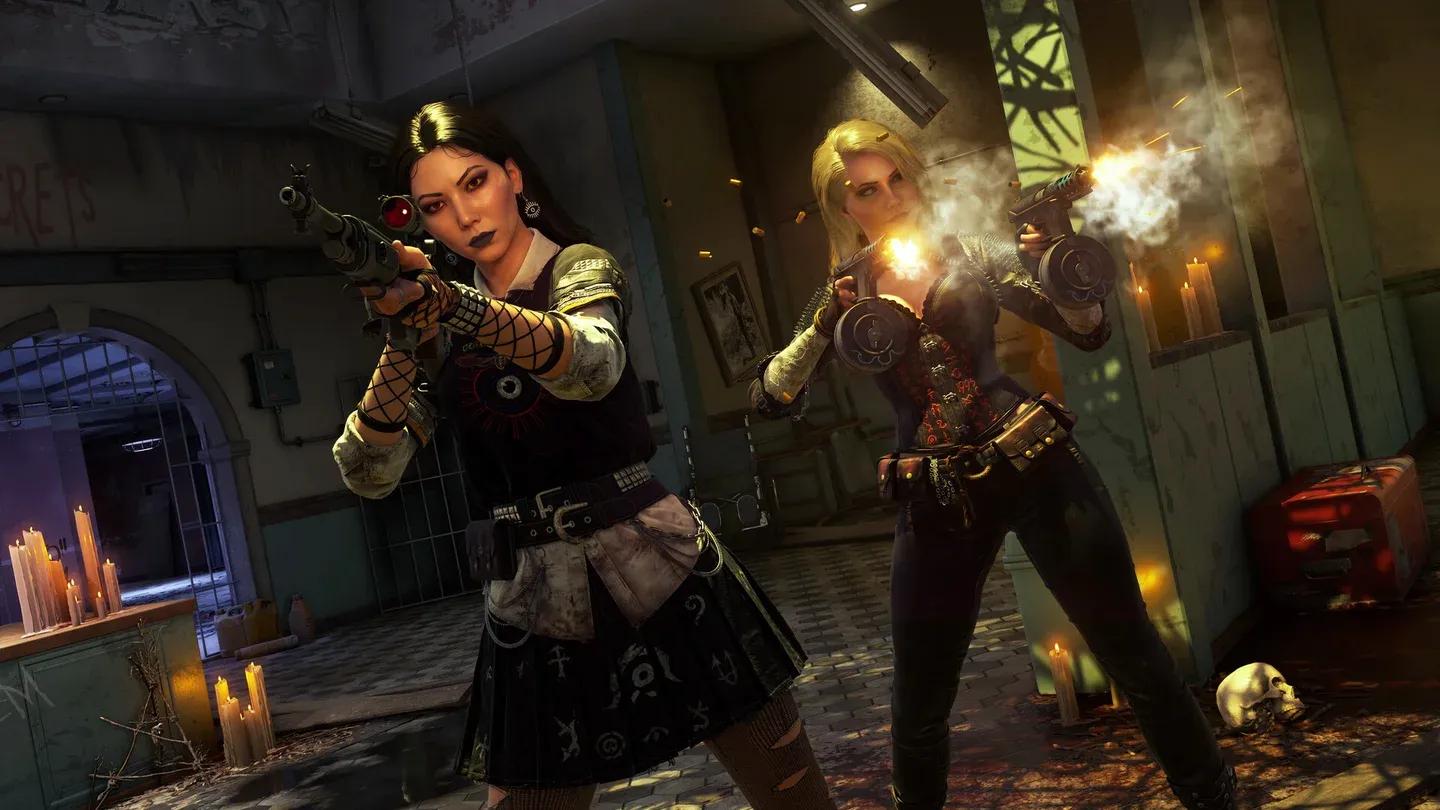
Each run through Cascadia functions as both a competitive match and a progression layer. Players scavenge gear and resources during a run, treat injuries to stay in the fight longer, and earn abilities that change how combat plays out. The ability system lets players mix and match dozens of options, so no two builds play identically.
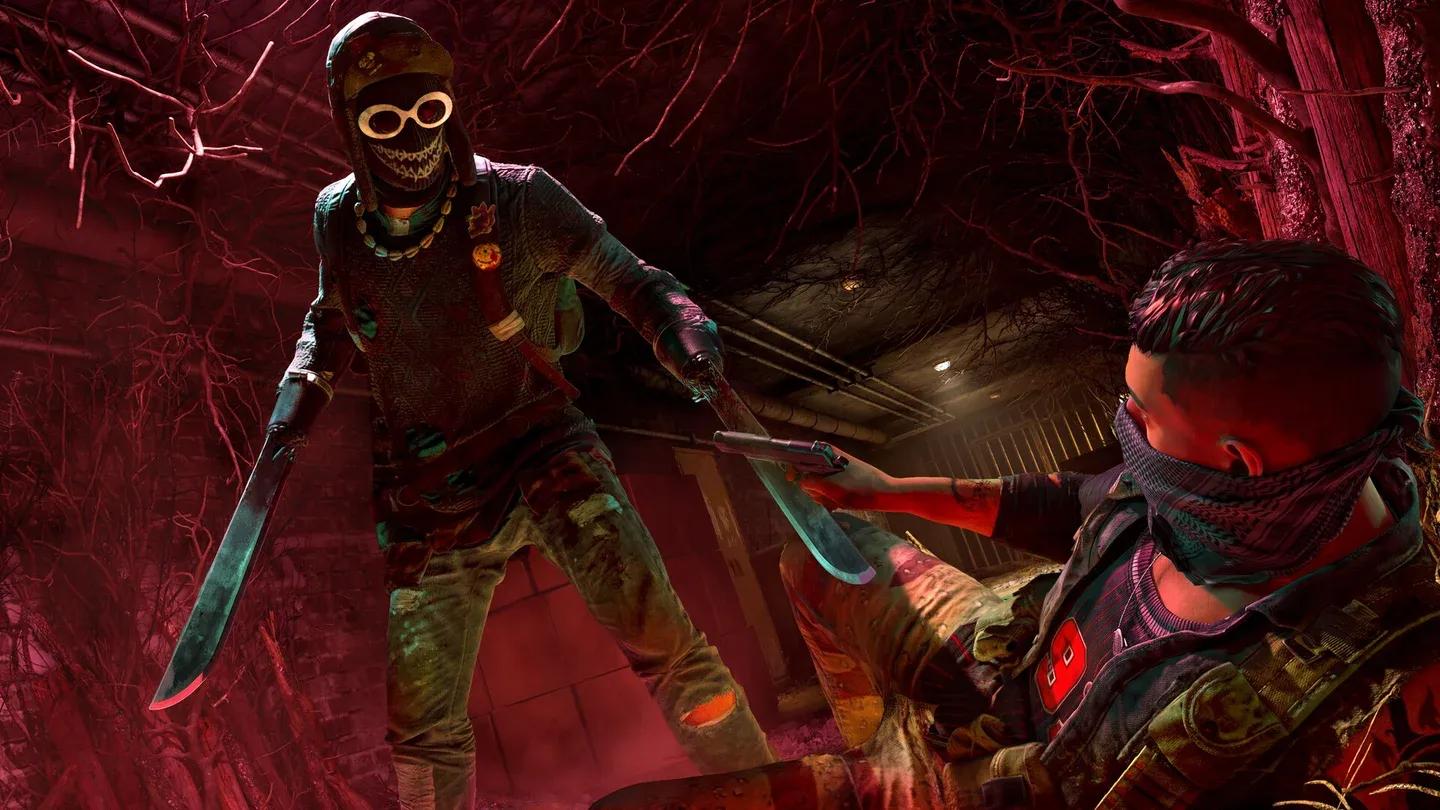
Key mechanics confirmed for DED.NET:
- Roguelite run progression with persistent carry-over
- Dozens of mix-and-match abilities
- Injury treatment mid-run
- Rival player sabotage via payphone hacking
- Cannibalism for health recovery
The unorthodox tactics are where things get memorable. Car doors can be ripped off and used as improvised riot shields. Hacking payphones drains rival players' in-run currency. Playing dead is a legitimate strategy. These aren't gimmicks layered on top of standard FPS combat; they're baked into how the game expects you to think.
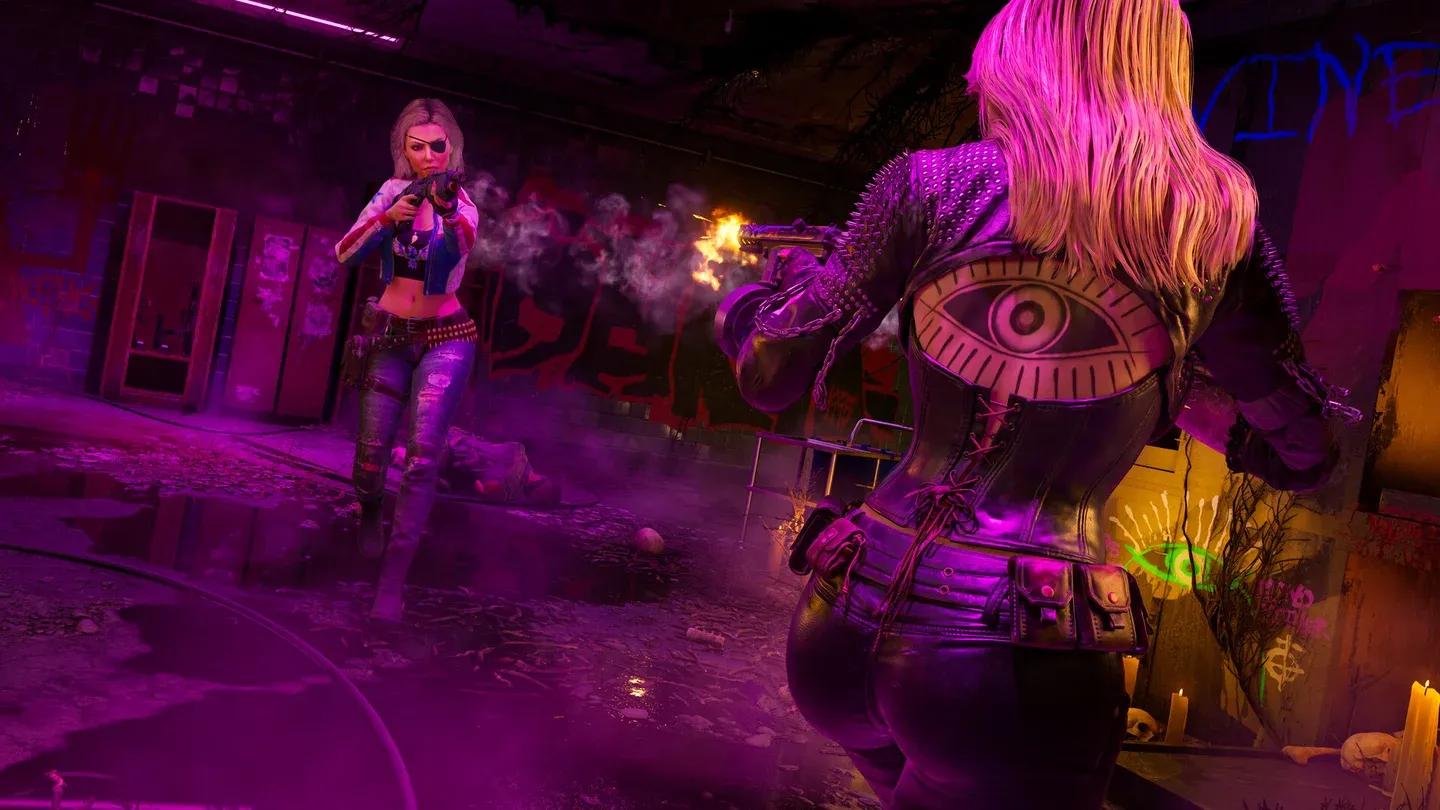
World and setting: what is 1990s Cascadia?
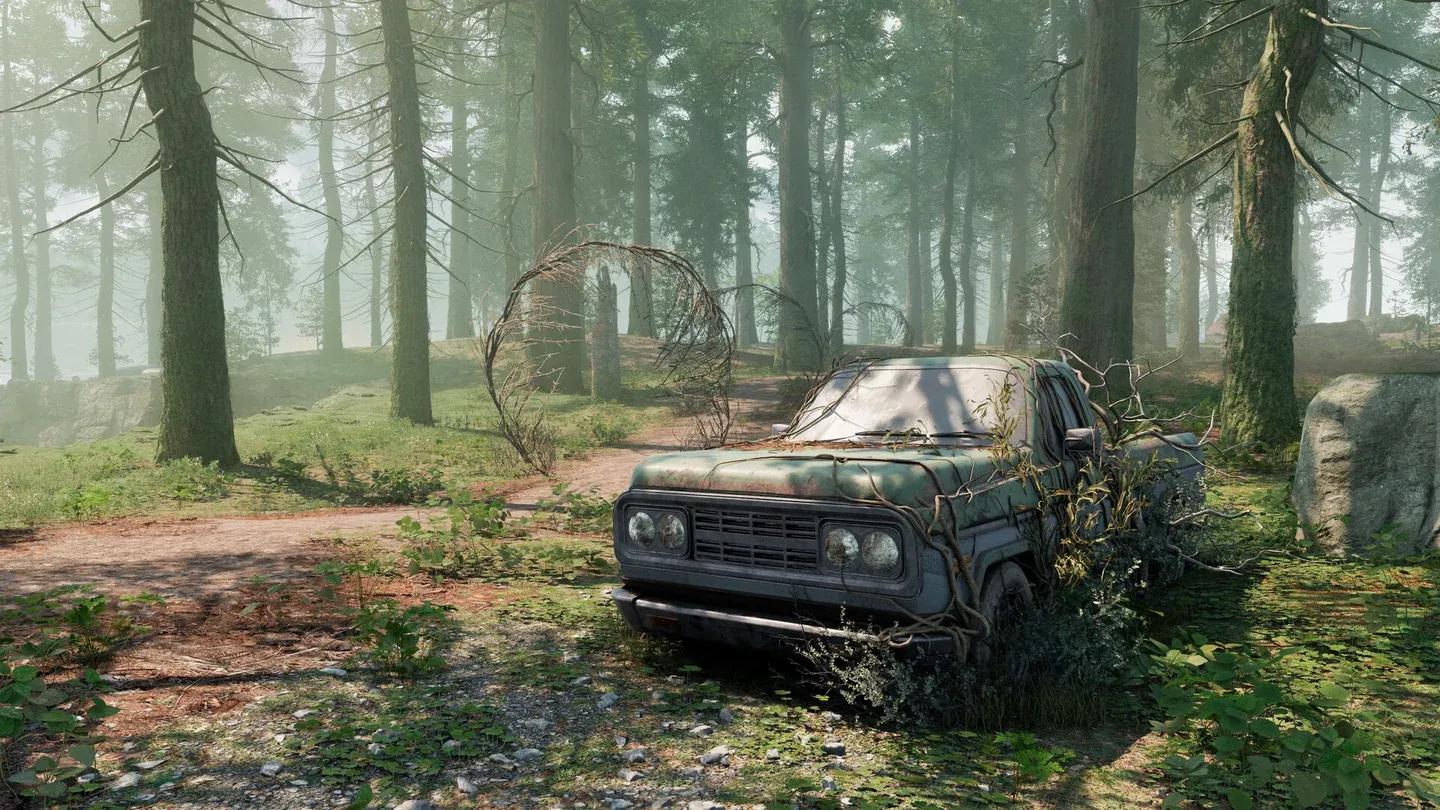
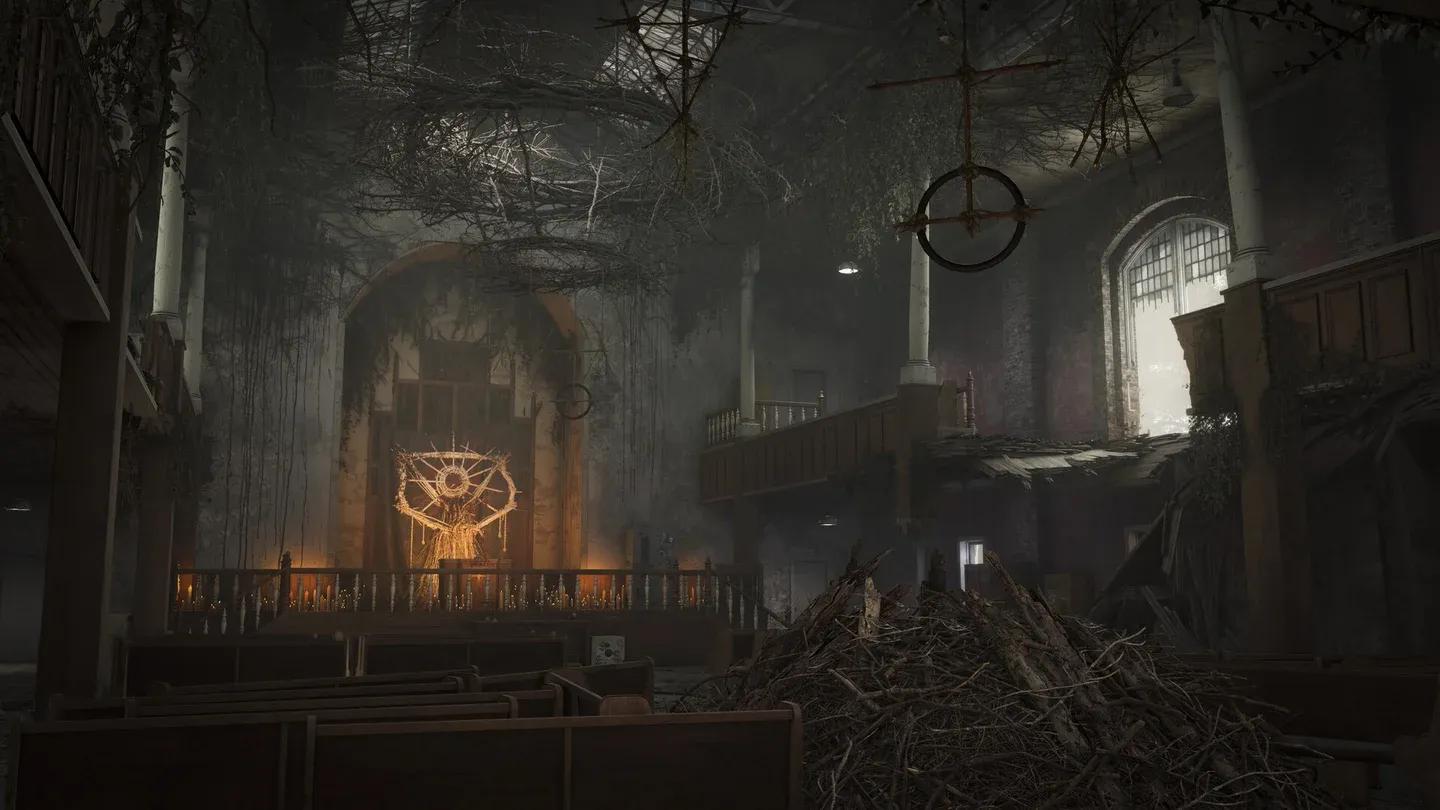
Cascadia in DED.NET is not a realistic recreation of the Pacific Northwest. It's a heightened, horror-inflected version of a specific cultural moment: the grunge era, with all the atmosphere that implies. The soundtrack leans into that aesthetic, and the visual tone matches. Body horror and occult imagery are consistent threads throughout the world design.
The setting does real work for the roguelite structure. Because the world feels unstable and strange, the idea that death changes you and sends you back altered fits naturally. The fiction and the mechanics reinforce each other rather than sitting in separate boxes.
Innovation and unique features
DED.NET is doing something that hasn't been attempted in quite this configuration before. Multiplayer FPS games with roguelite progression exist, but layering that structure onto a PUBG-style competitive format, inside a horror-inflected 1990s setting with this level of tactical weirdness, is a distinct combination. The cannibalism mechanic alone signals that PUBG Madison isn't trying to make a safer version of the original game.
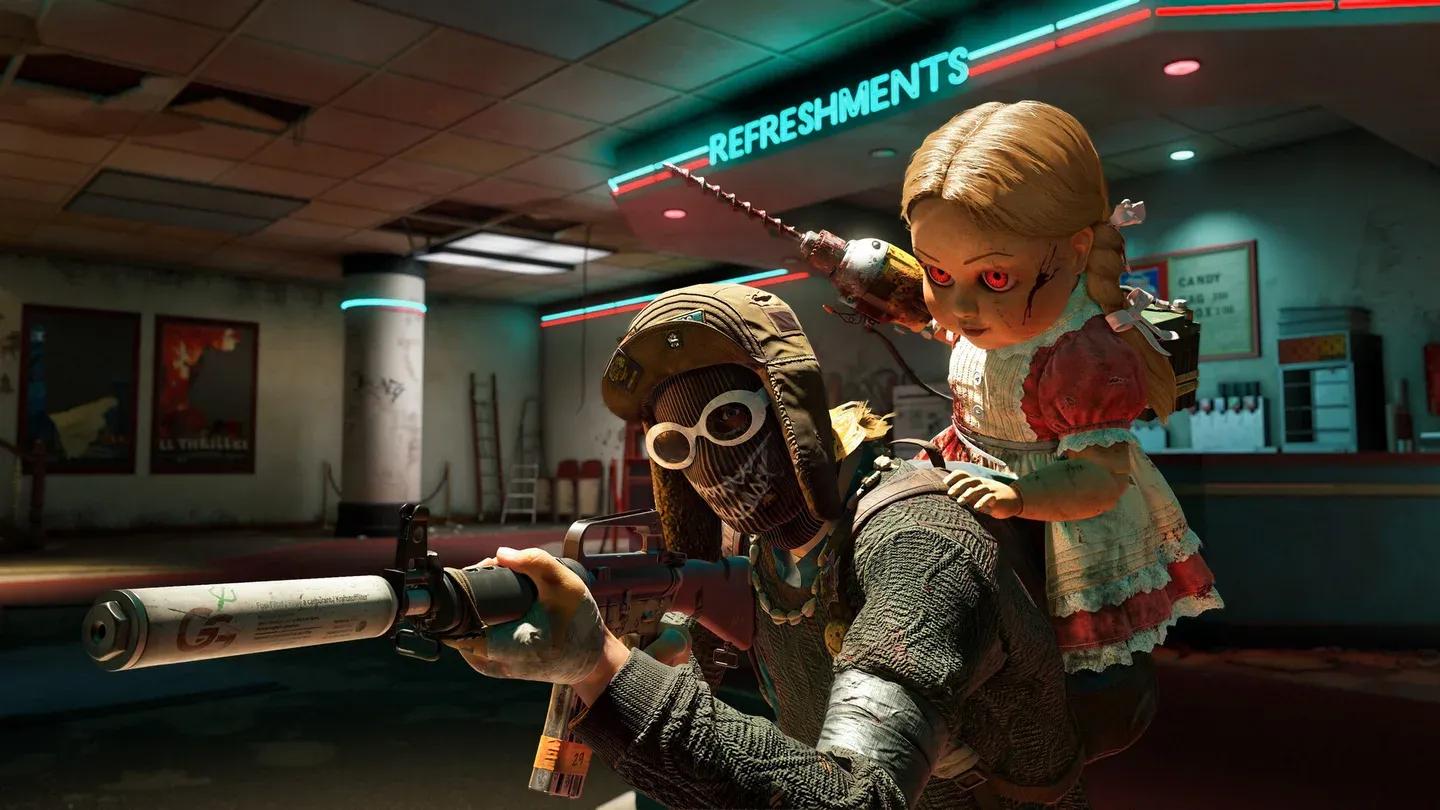
The run-based structure also addresses one of the most persistent frustrations in competitive shooters: the feeling that a loss is purely wasted time. In DED.NET, losing a match feeds the next run. That design choice has real implications for player retention and replayability. Players who struggle in early runs accumulate advantages over time, which lowers the barrier without removing the competitive edge for players who master the systems fastest.
DED.NET is currently in development for PC via Steam, with no release date confirmed. For a game built around the premise that death is only the beginning, the wait might just be part of the experience.
System Requirements
| Requirement | Minimum | Recommended |
|---|---|---|
| OS | Windows 11 64-bit | Windows 11 64-bit |
| Processor | Intel Core i5-8400 or AMD Ryzen 5 2600 | Intel Core i7-10700 or AMD Ryzen 5 5600X |
| Memory | 16 GB RAM | 16 GB RAM |
| Graphics | NVIDIA RTX 2060 SUPER 8 GB or AMD Radeon RX 6600 8 GB | NVIDIA RTX 3060 8 GB / RTX 2070 8 GB or AMD Radeon RX 6600 XT 8 GB |
| DirectX | Version 12 | Version 12 |
| Storage | 50 GB available space | 50 GB available space |