
Advertisement

Overview
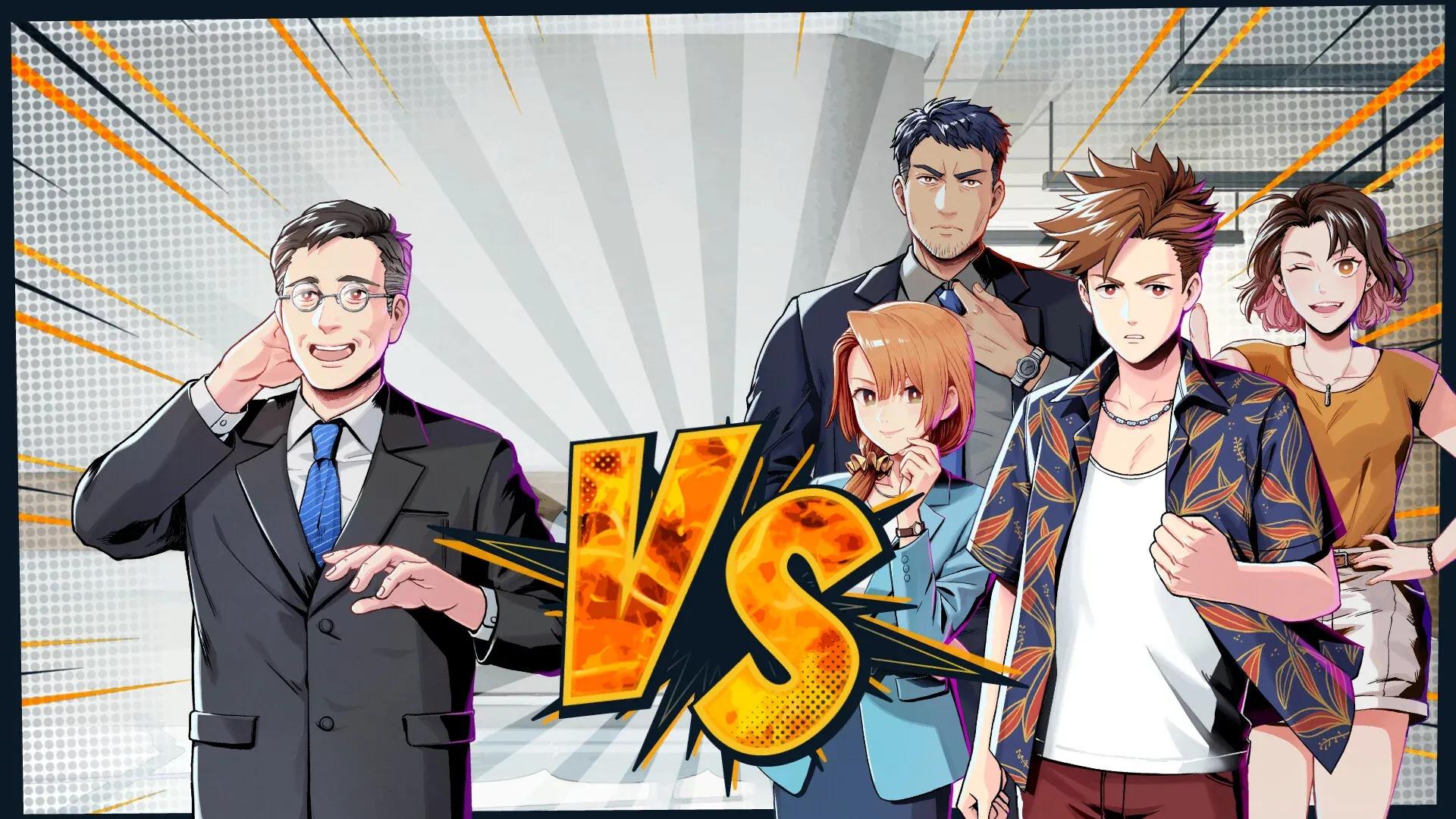
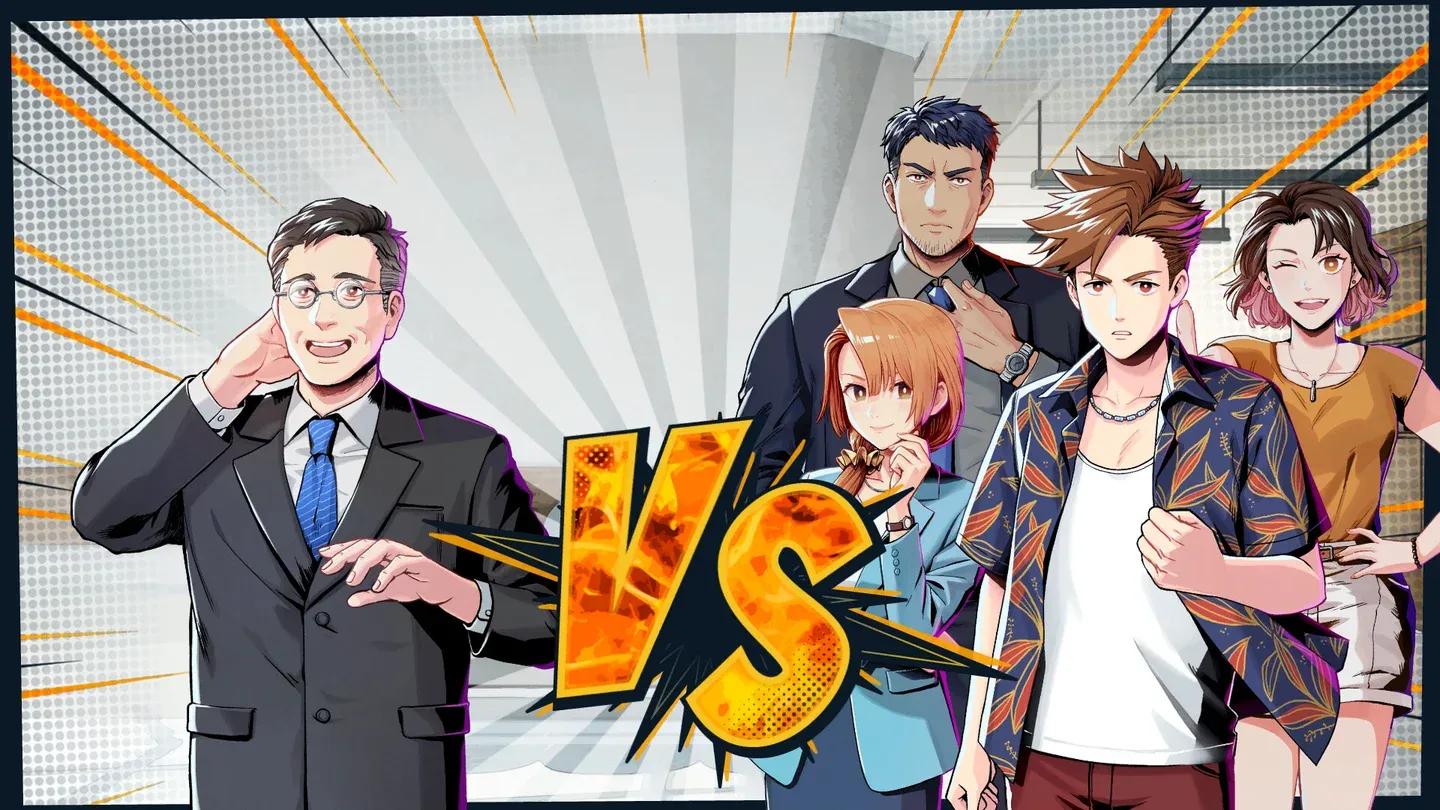
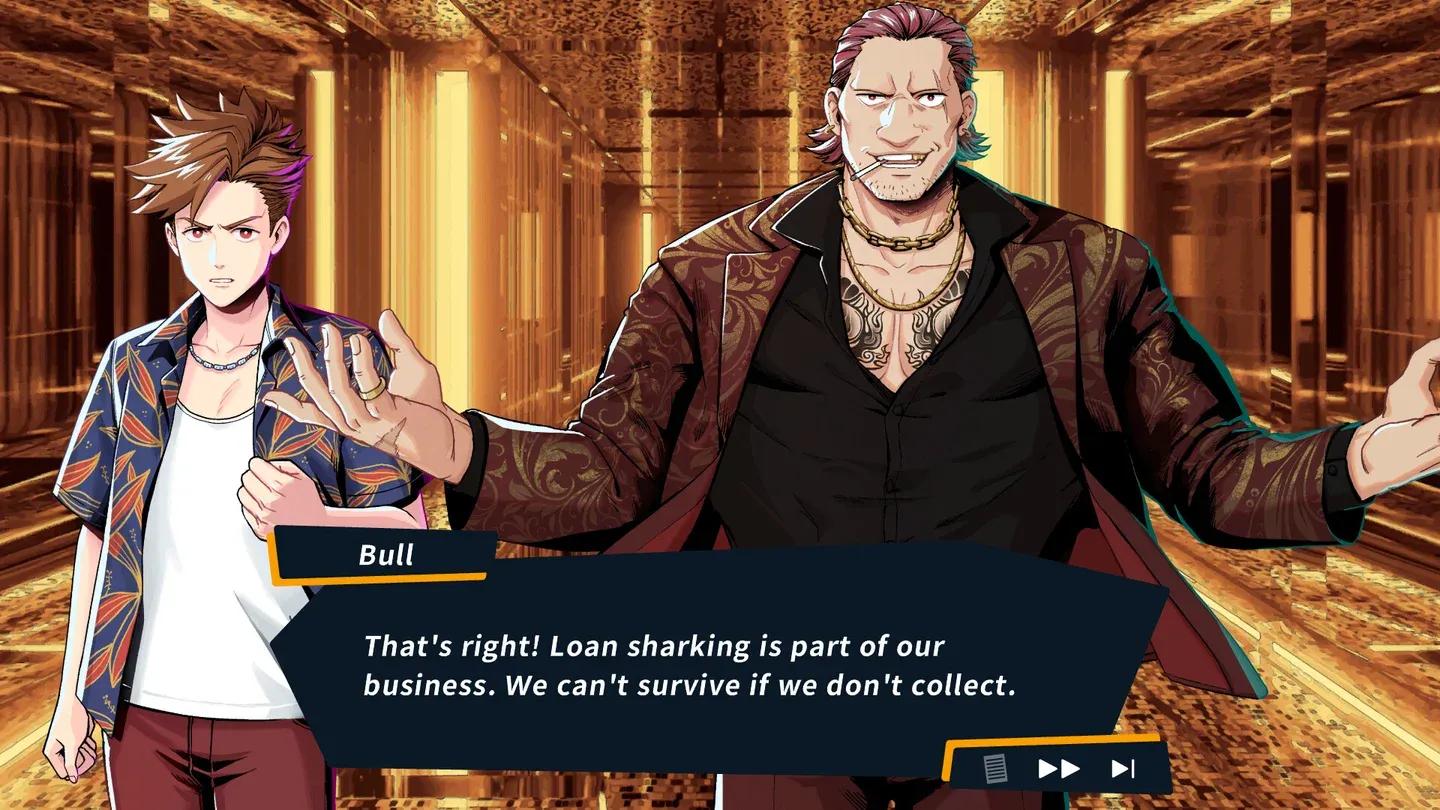
Re:Burn The Bonfire of Taiwan is a licensed anime-style reimagining of the popular Taiwanese soap opera of the same name, developed by Toii Games and published by Eastasiasoft Limited. The game turns the original show's family rivalry drama into an interactive visual novel experience, giving players direct control over how each chapter unfolds. Choices made throughout the story can lead to canonical endings pulled straight from the source material or entirely new game-exclusive outcomes that the original show never explored.
Re:Burn The Bonfire of Taiwan content image
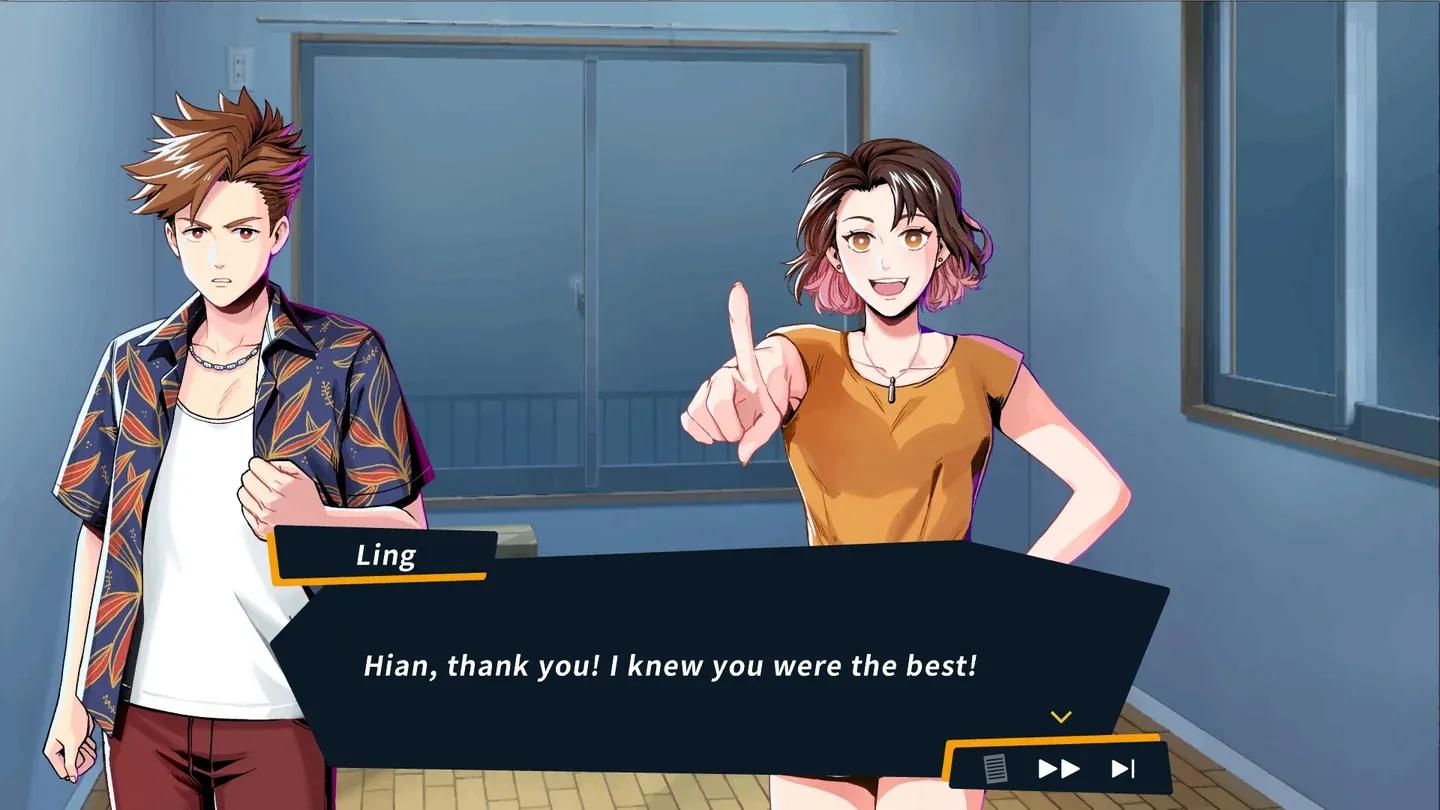
The game spans multiple chapters, each playable from different character perspectives. That structure means a single playthrough only scratches the surface, as switching viewpoints reveals new context, different dialogue, and alternative paths through the same events. Chapters can be replayed after clearing them, so the narrative space stays open long after an initial run.
Re:Burn The Bonfire of Taiwan content image
Gameplay and mechanics
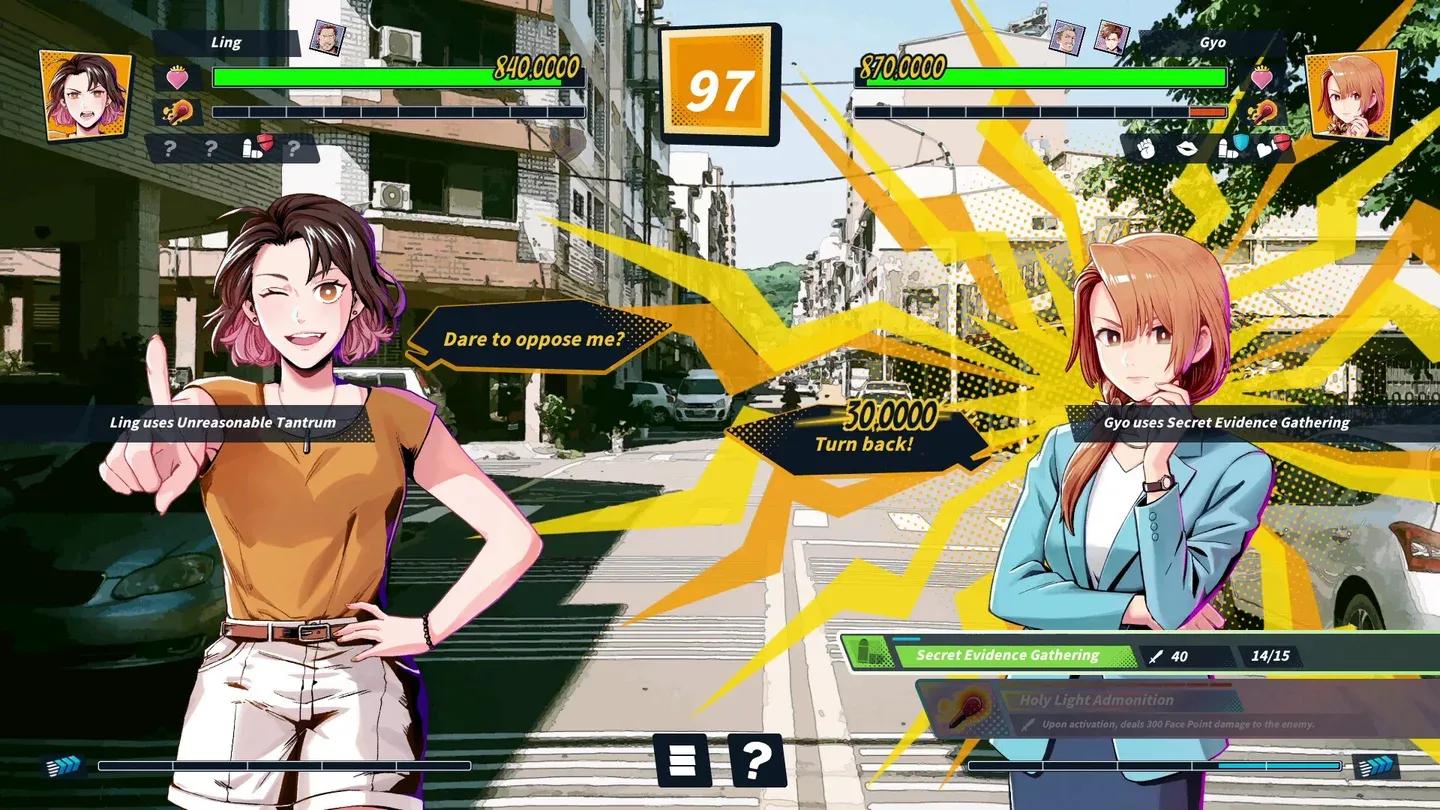
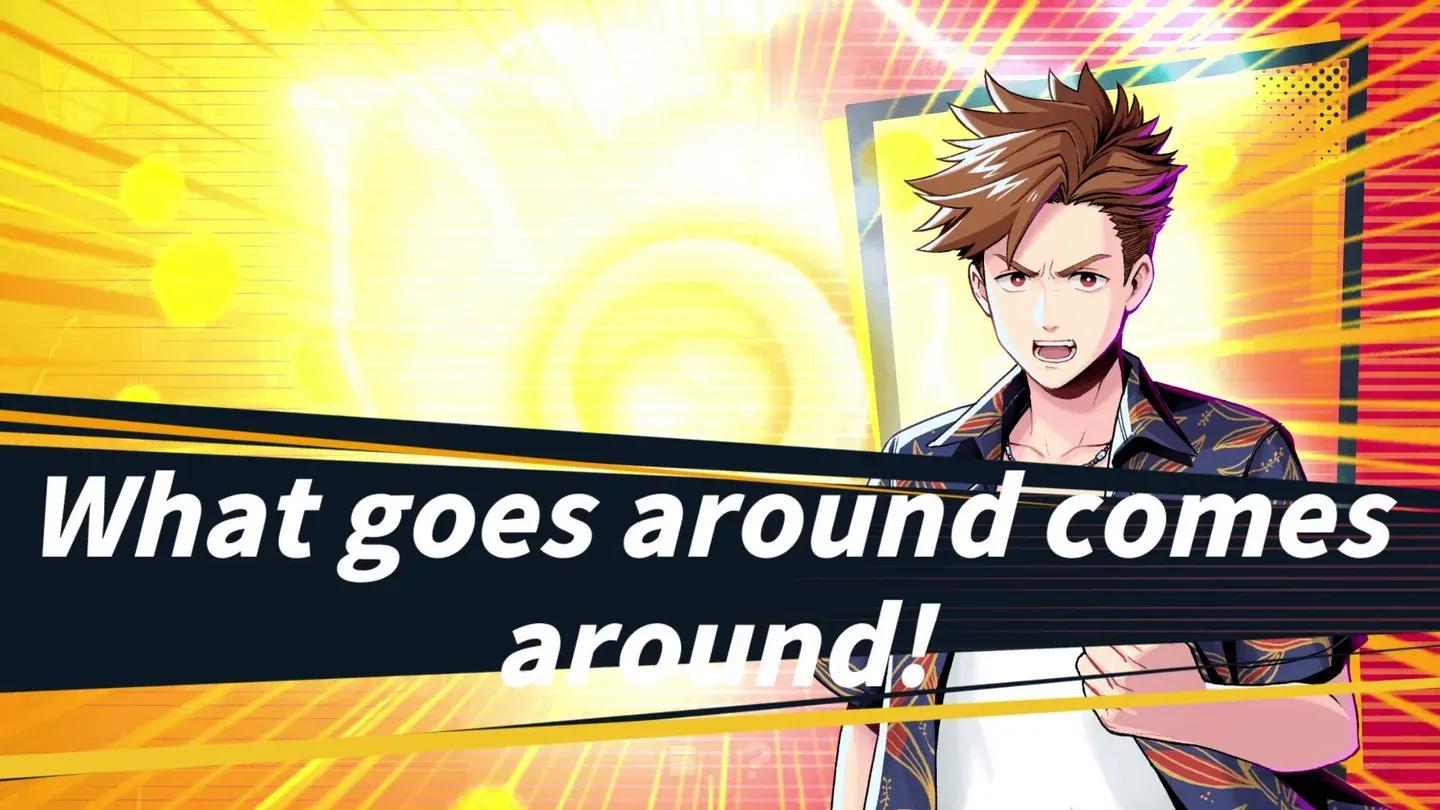
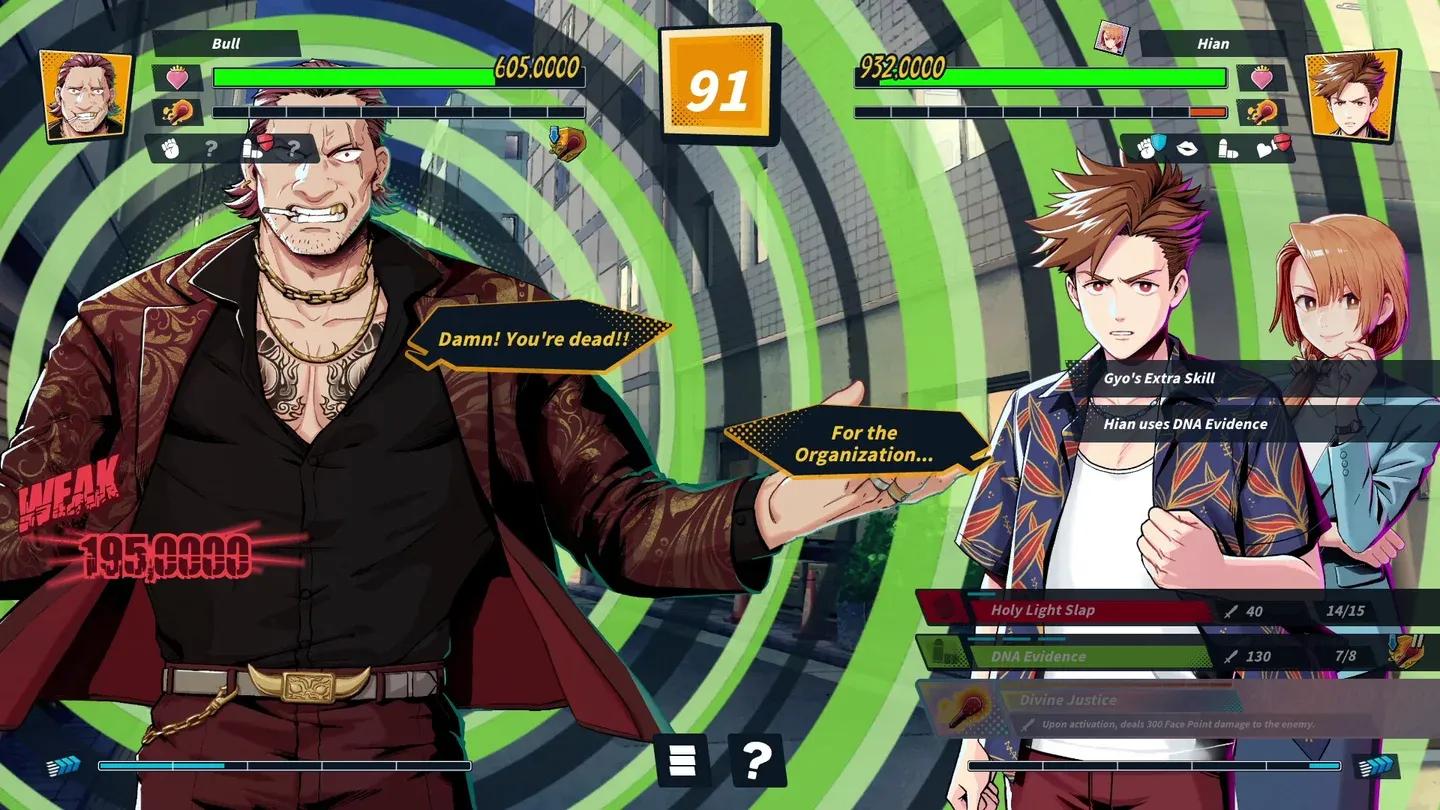
Re:Burn handles conflict in ways that go beyond standard visual novel dialogue trees. When confrontations arise, players can choose between direct combat or a war of words with rival characters treated as "boss" encounters. The game's item system adds another dimension to these moments:
- DNA test results to challenge family claims
- Divorce agreements as negotiating tools
- Property deeds to shift power dynamics
- Ally support skills for critical confrontations
- City map navigation between key story beats
This mix of item-based argumentation and character support skills gives Re:Burn a light strategy layer that separates it from purely passive visual novel experiences. The city map also adds a small degree of spatial agency, letting players move through locations rather than simply selecting scenes from a menu.
Romance and relationship management
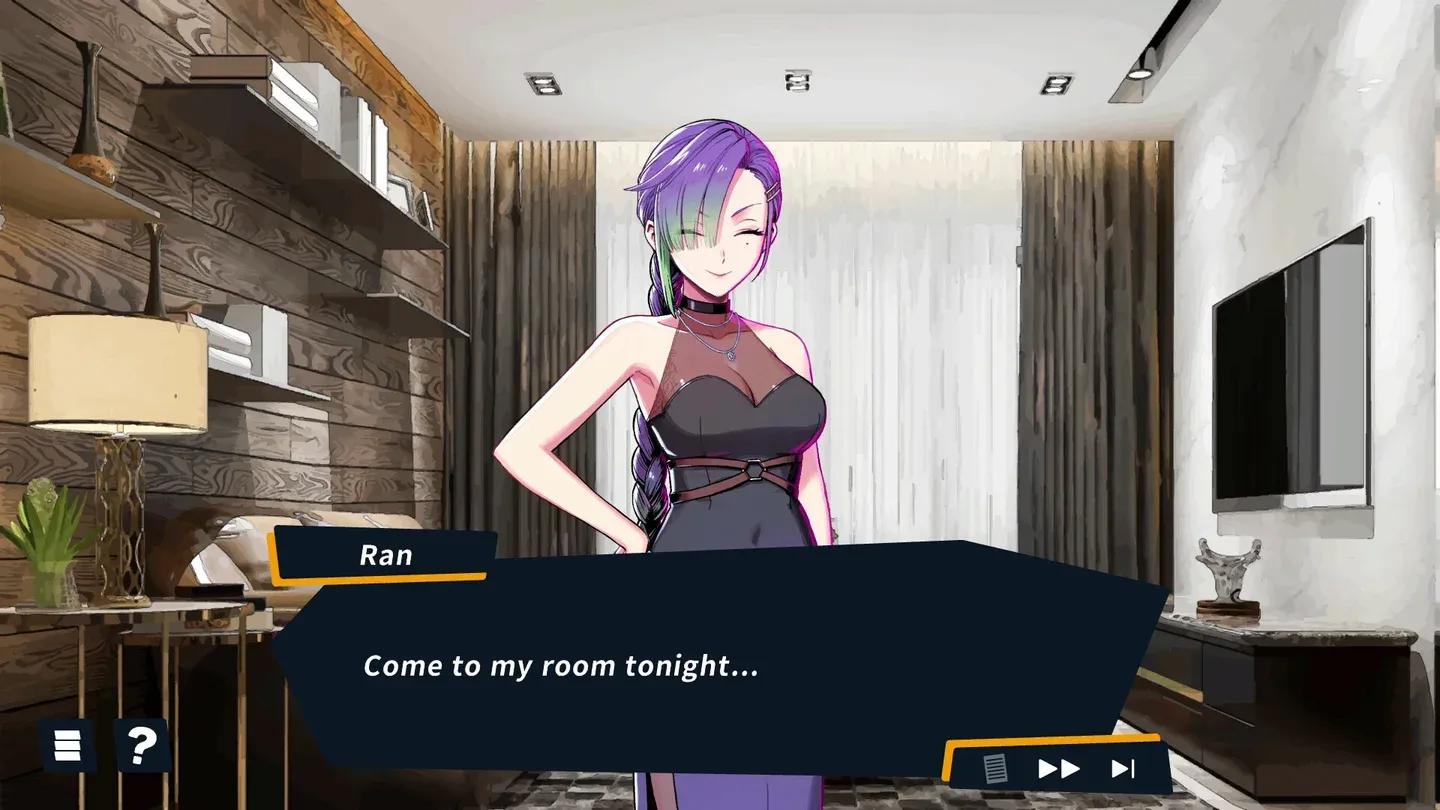
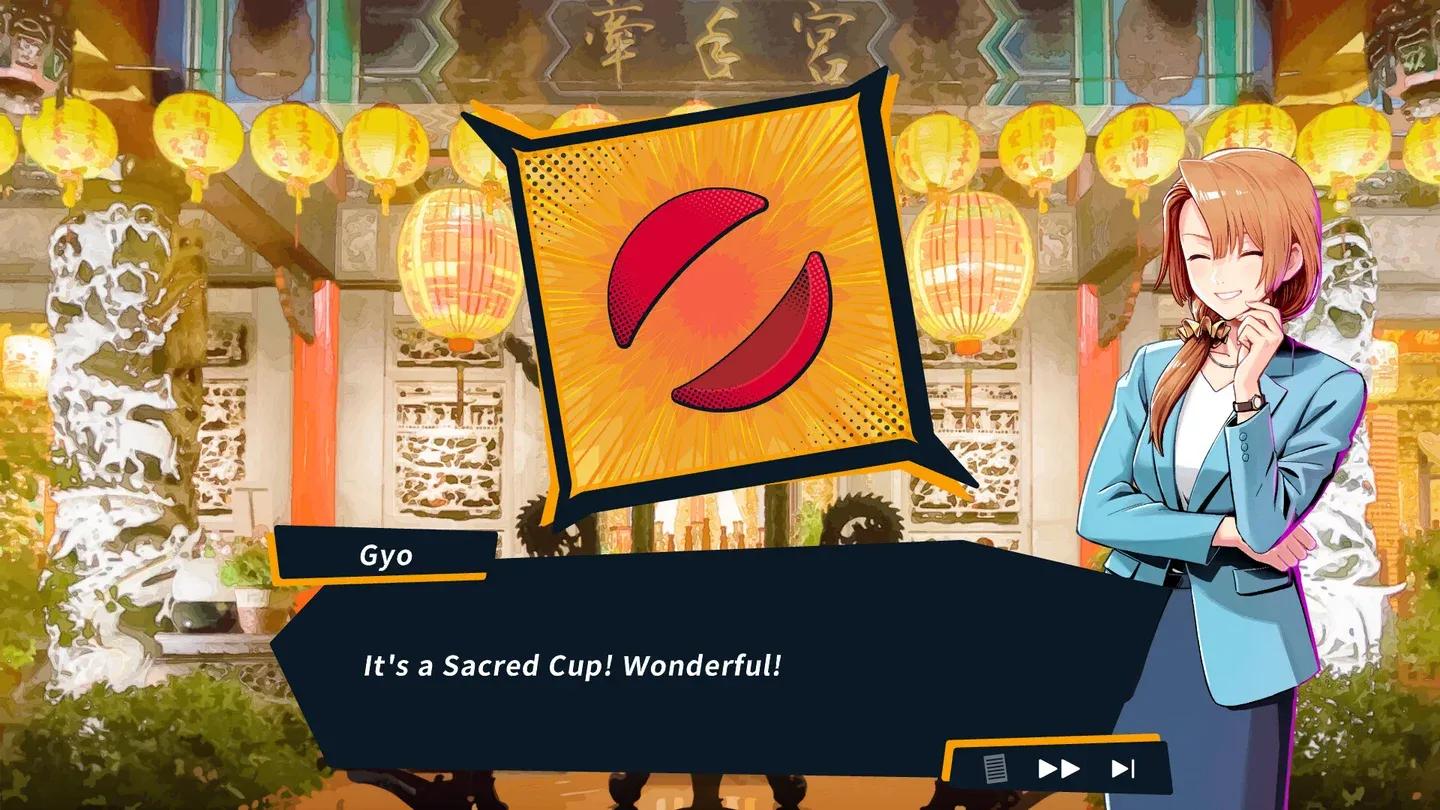
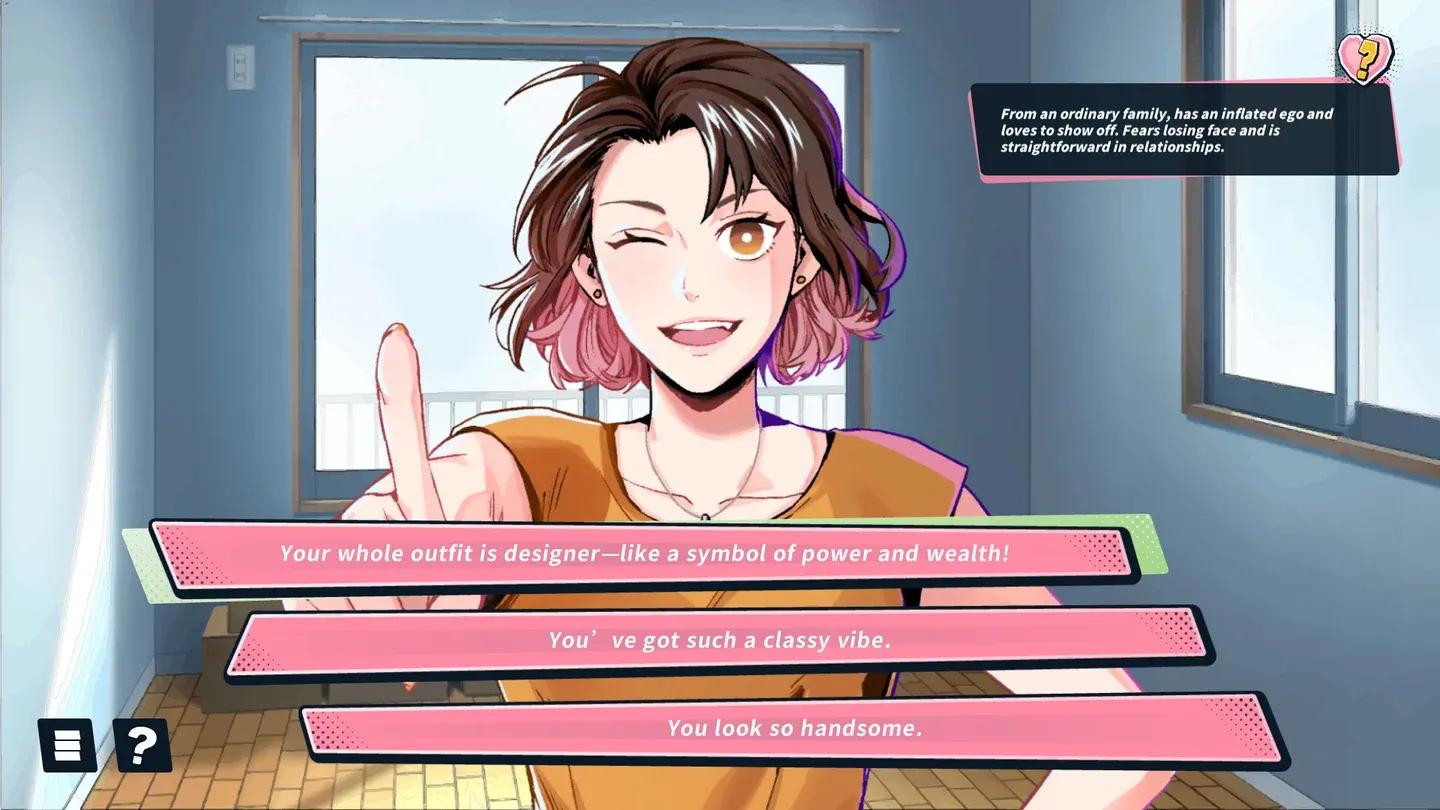
Romance is central to the drama, and Re:Burn takes it seriously as a gameplay system. Players can actively develop or sabotage relationships between characters, going on dates or visiting the Love Temple to push pairings in specific directions. These decisions carry weight across chapters, shaping which endings become accessible and how other characters respond to the player's choices.
Re:Burn The Bonfire of Taiwan content image
The relationship system rewards players who pay attention to character dynamics rather than rushing toward a single outcome. Getting characters together takes deliberate choices, and breaking them up is equally intentional. That tension between romantic possibilities gives the drama its replay value beyond just hunting for different story endings.
What makes Re:Burn worth replaying?
Replayability in Re:Burn comes from several interlocking systems working together. The multi-perspective chapter structure means the same scene can play out with entirely different context depending on which character you control. Unlockable live-action clips from the original Taiwanese soap opera serve as rewards for reaching canonical endings, which gives fans of the source material a concrete reason to chase those specific outcomes.
Game-exclusive endings offer something the show never provided, creating narrative destinations that exist only in Re:Burn. Combined with the relationship management system and the item-based confrontation mechanics, cleared chapters rarely feel redundant on a second pass. The anime art style and cast of characters drawn from a real licensed property give the game a distinctive identity that straightforward original visual novels often lack.
Re:Burn The Bonfire of Taiwan content image
Visual and audio design
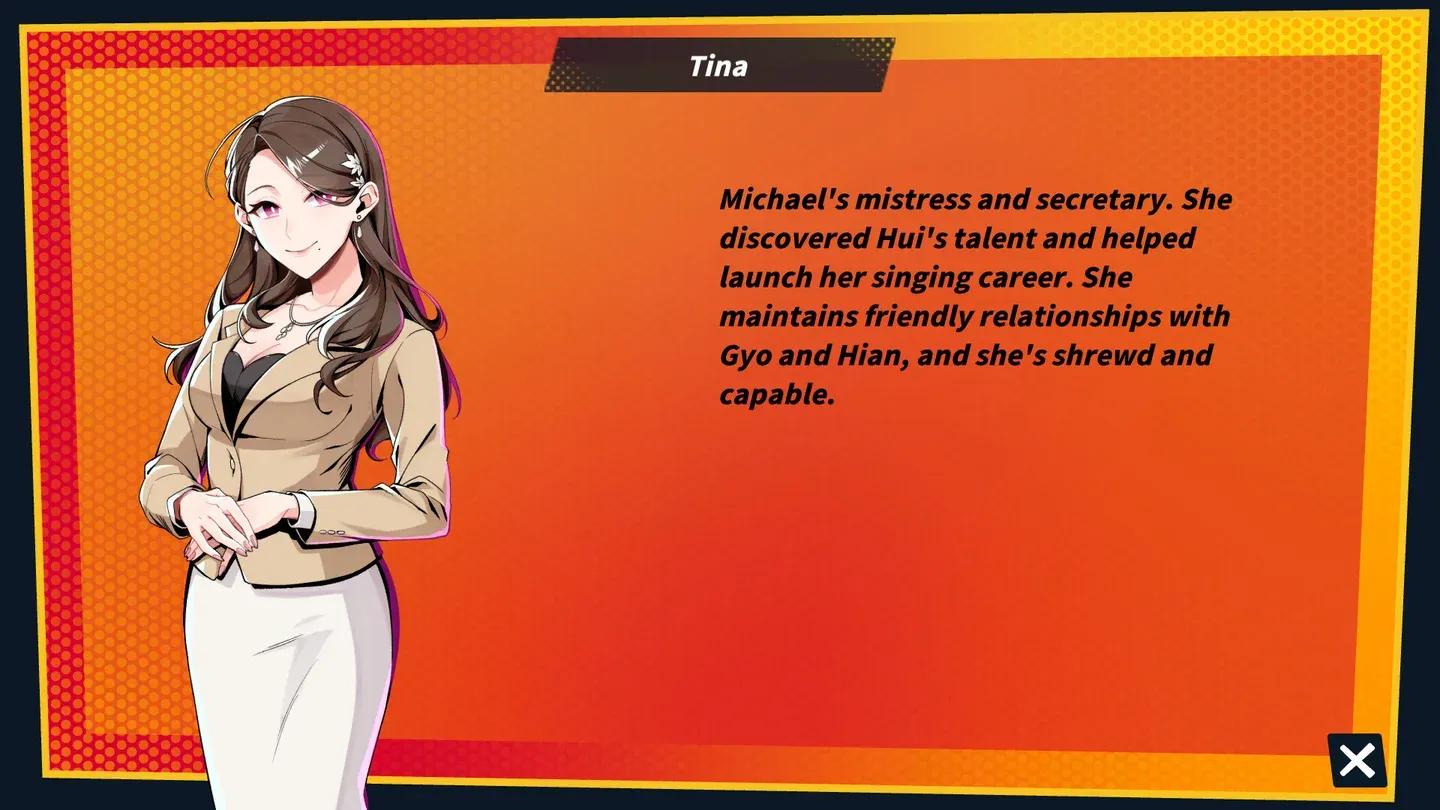
Toii Games translates the original soap opera's cast into anime aesthetics, giving familiar dramatic archetypes a stylized look that suits the interactive format. The visual presentation leans into the theatrical nature of the source material, with character designs built around the kind of expressive, exaggerated drama that soap operas run on. The unlockable live-action clips create an interesting contrast between the anime presentation and the real-world footage, reinforcing the game's identity as a bridge between the original series and a new format for a new audience.