Overview
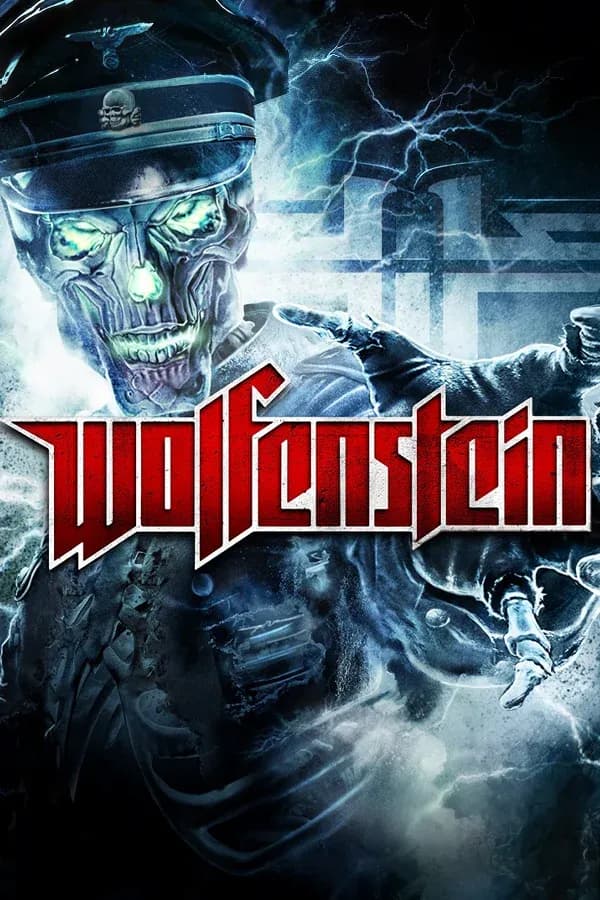
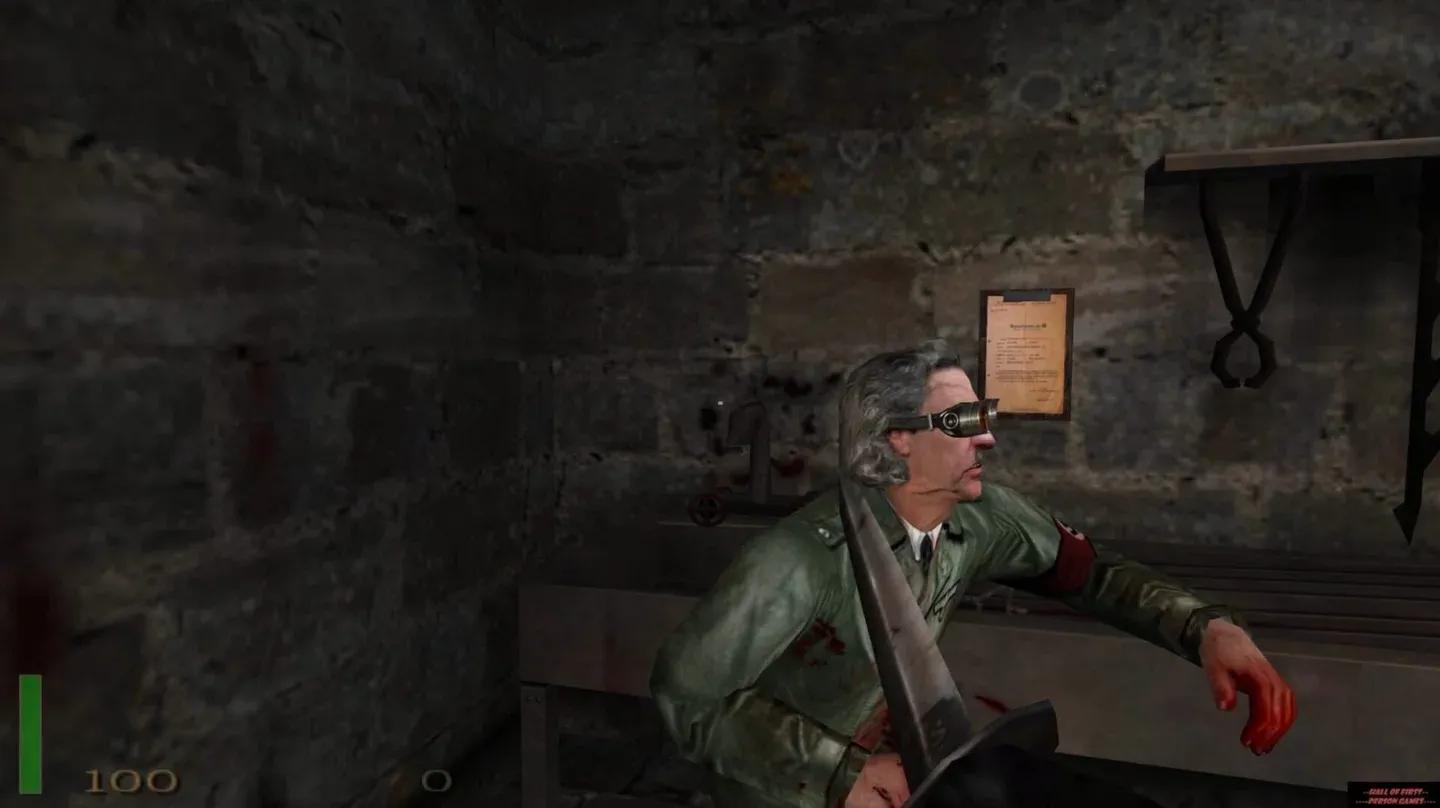
Return to Castle Wolfenstein, developed by Gray Matter Interactive and published by id Software in November 2001, is a first-person shooter reboot of the original Wolfenstein 3D. Set during World War II, the game follows B.J. Blazkowicz on a mission to dismantle Himmler's secret program that mixes military science with the occult. Castle dungeons, Egyptian tombs, and Nazi research facilities make up a campaign that shifts tone from gritty wartime thriller to something closer to pulp horror.
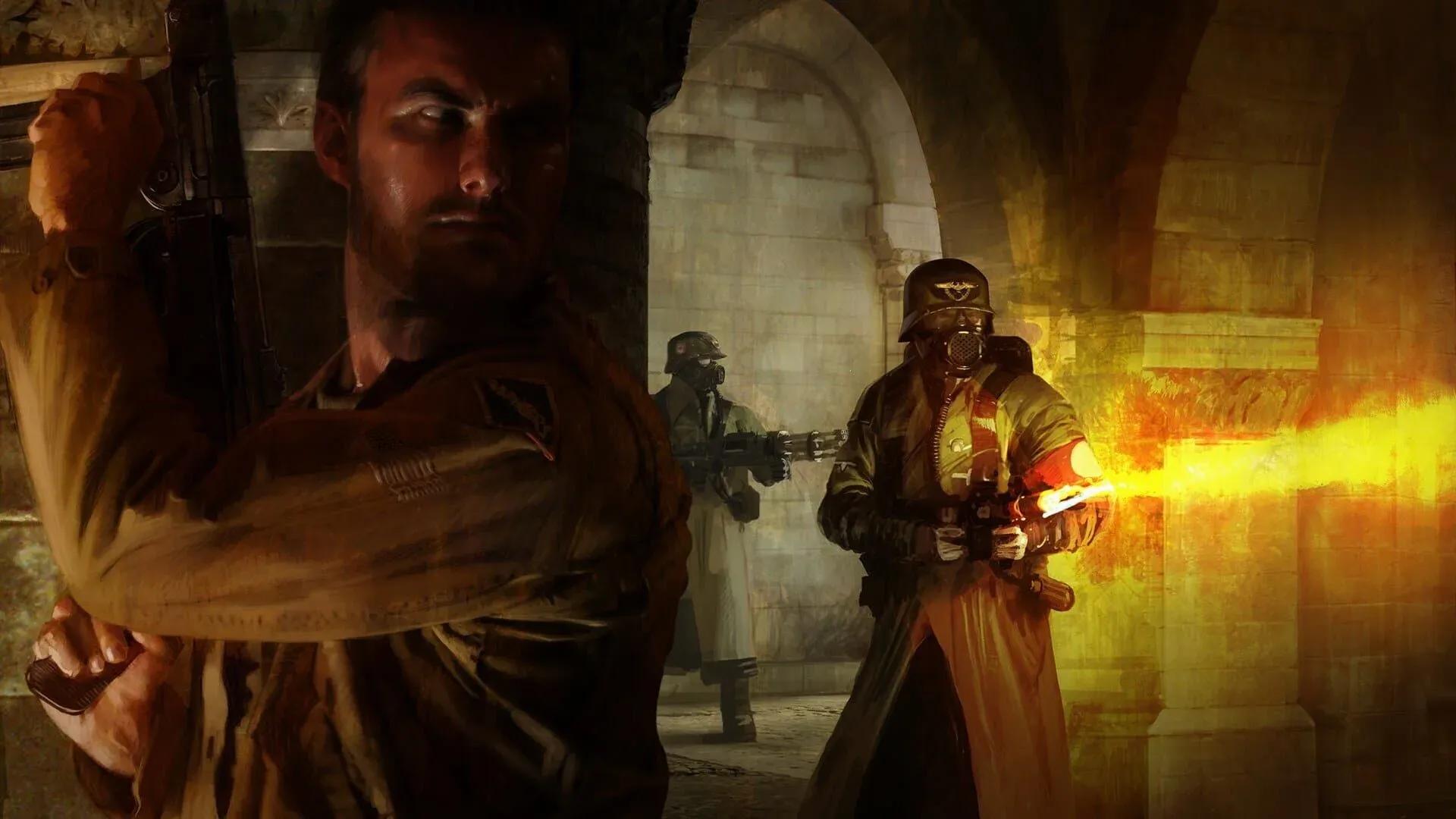
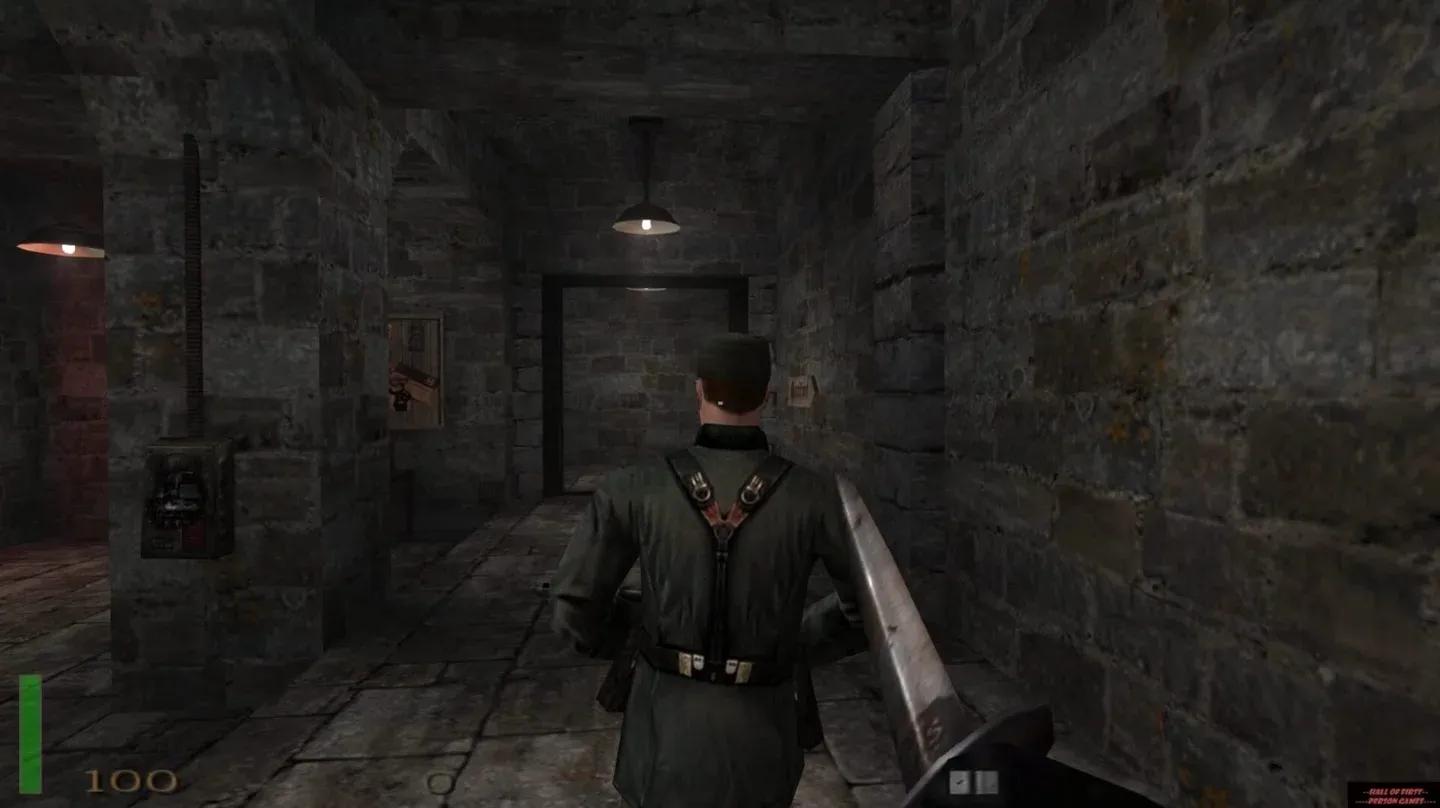
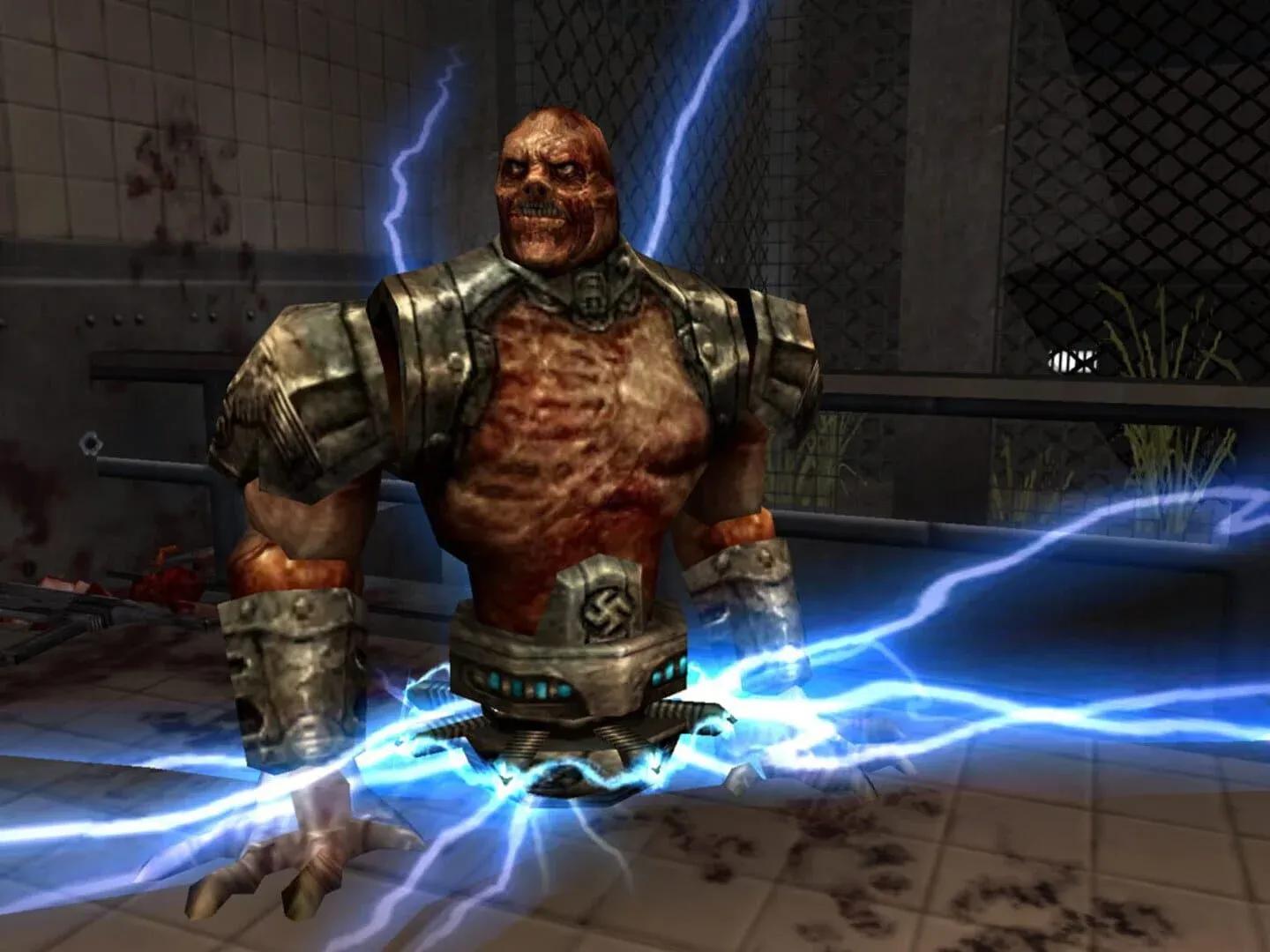
The single-player campaign runs about 10 to 12 hours and covers six distinct chapters. Each chapter introduces new enemy types, from standard Wehrmacht soldiers to resurrected super-soldiers and the terrifying Übersoldat. The pacing moves between stealth-optional sections, where a silenced Sten gun earns its keep, and full-scale firefights that reward positioning and weapon selection over run-and-gun play.
Return to Castle Wolfenstein content image
Gameplay and mechanics
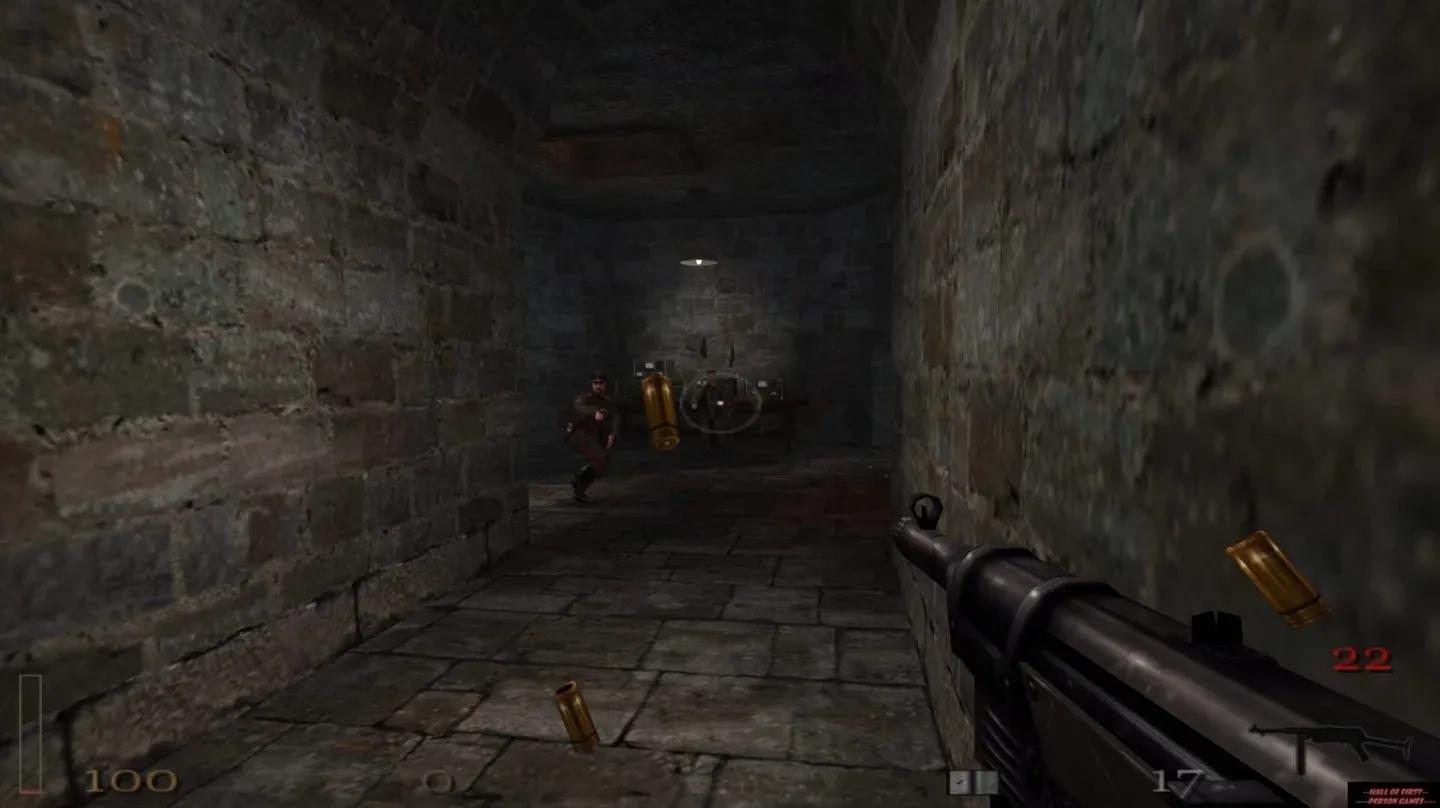
The core FPS mechanics hold up well for a game from 2001. Blazkowicz carries a loadout drawn from authentic WWII hardware:
Return to Castle Wolfenstein content image
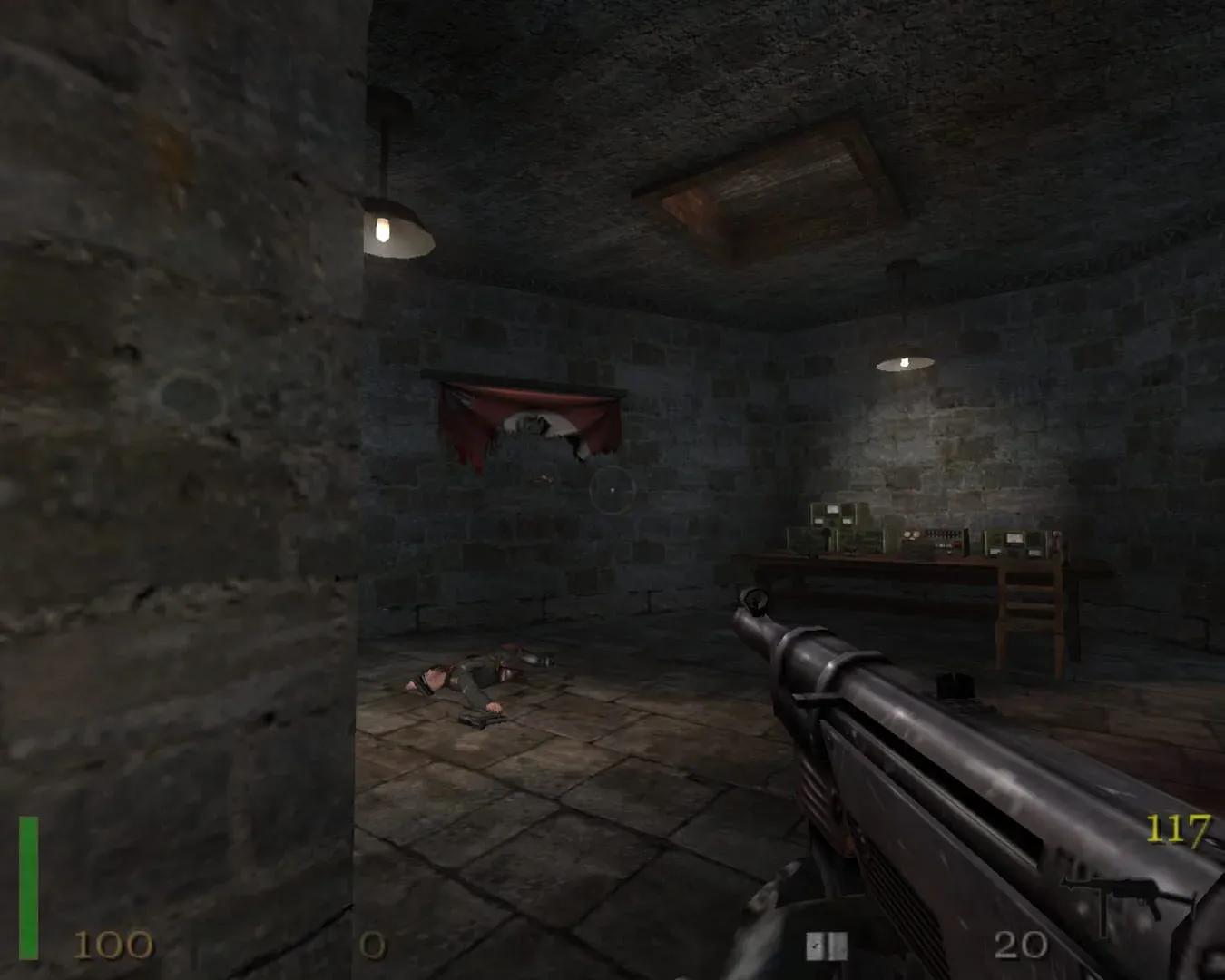
- Luger P08 pistol and MP 40 submachine gun
- Mauser rifle with sniper scope
- Flamethrower and Venom minigun
- Dynamite and stick grenades
- Silenced Sten for stealth sections
Enemy AI reacts to sound, uses cover, and calls for reinforcements, which was a meaningful step forward at release. Health packs and armor pickups replace regenerating health, so resource management matters throughout each level. The game runs on a modified Quake III Arena engine, which gives movement a snappy, responsive feel that still distinguishes it from slower-paced military shooters.
World and setting
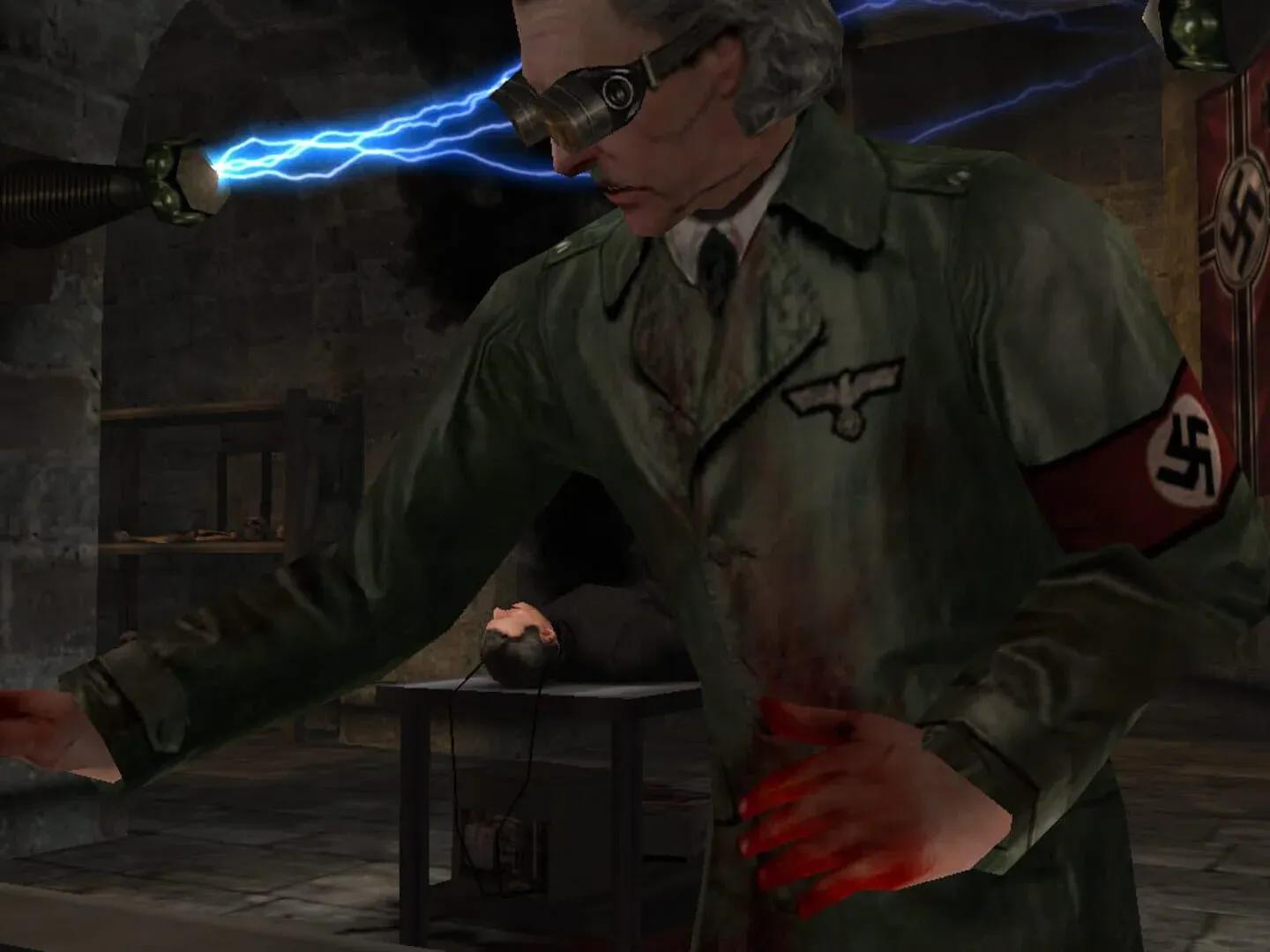
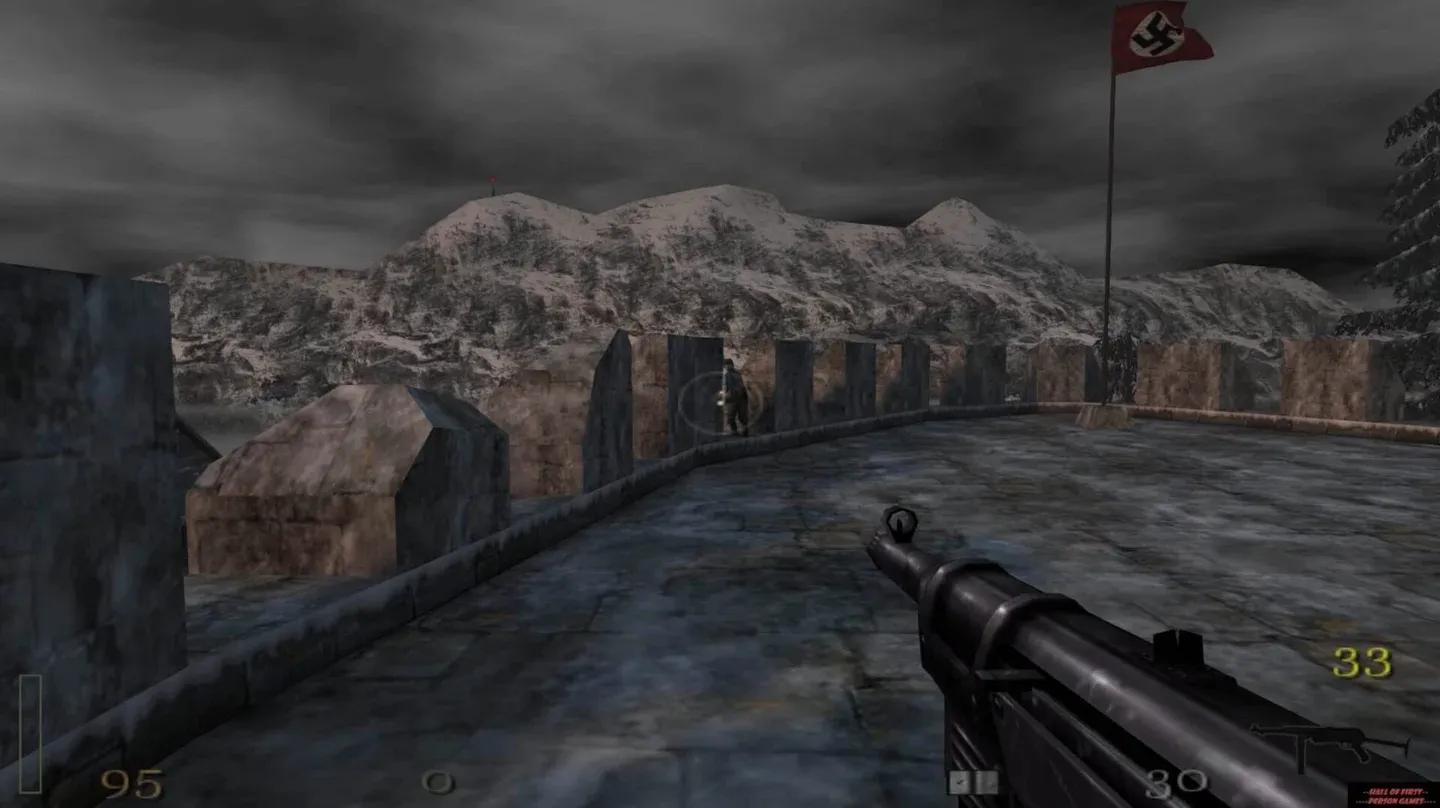
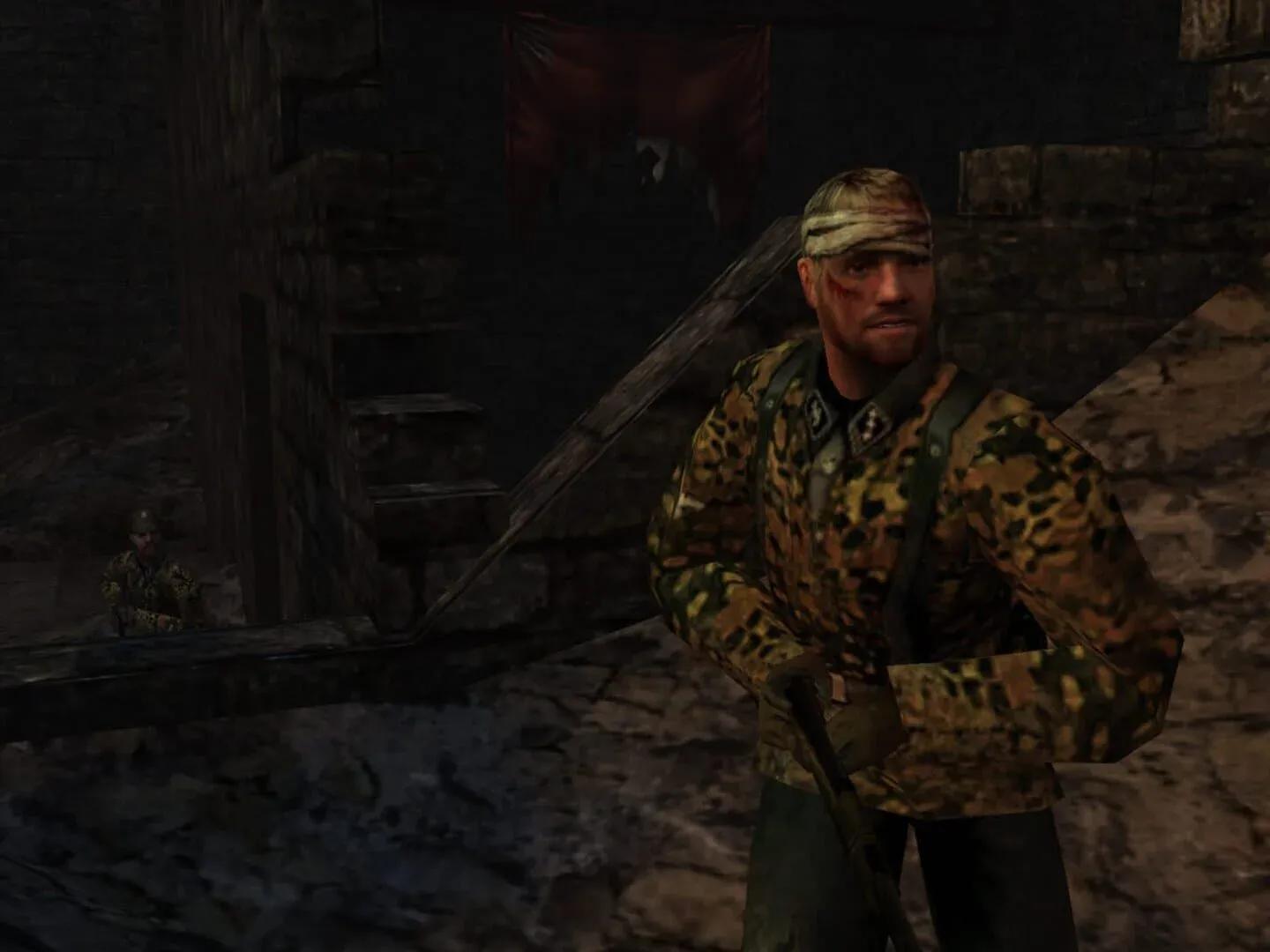
The occult angle is what separates Return to Castle Wolfenstein from the wave of grounded WWII shooters that followed it. Himmler's SS Paranormal Division isn't just window dressing. By the mid-campaign, players are fighting reanimated medieval knights and genetically engineered super-soldiers, not just German infantry. The game commits fully to its pulpy premise without apologizing for it.
Return to Castle Wolfenstein content image
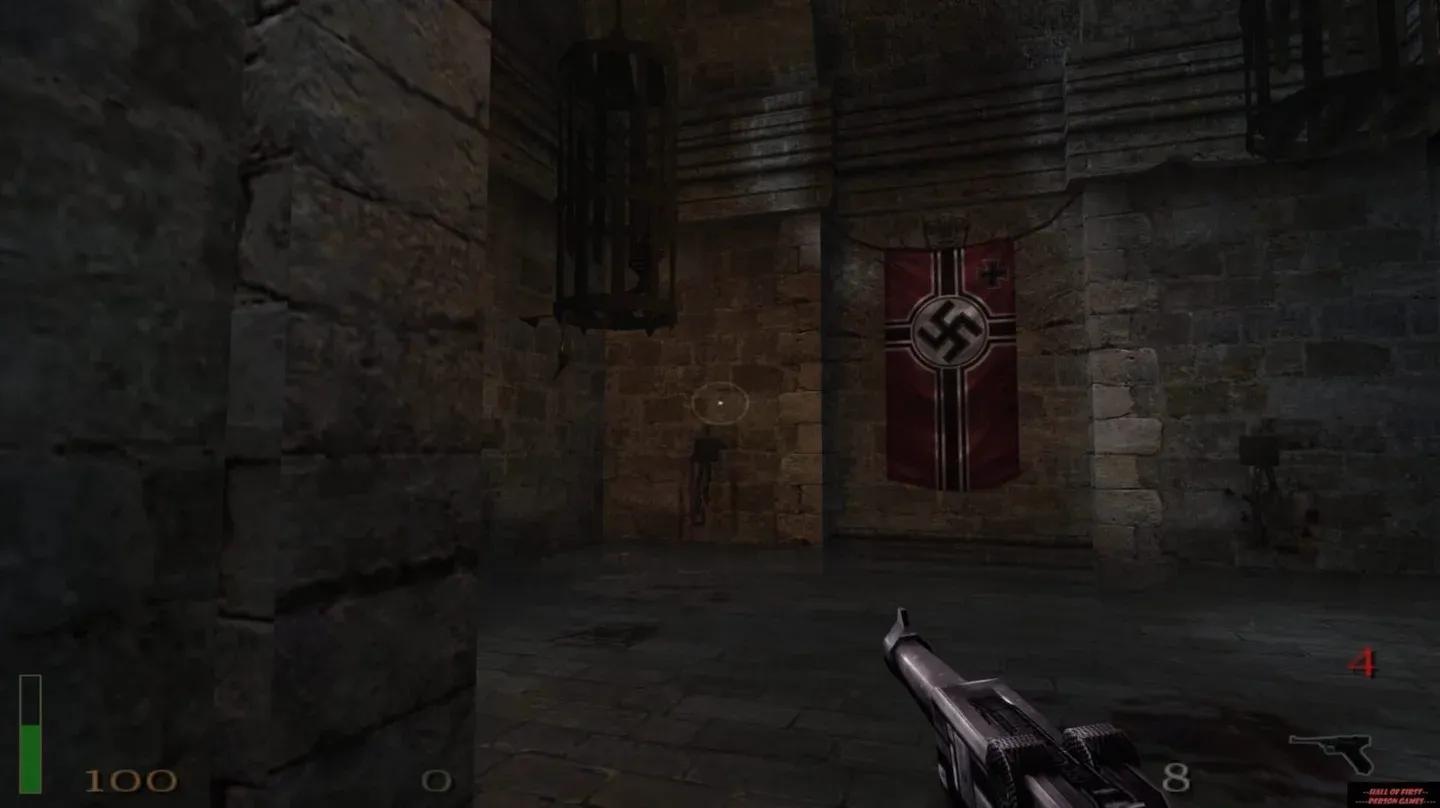
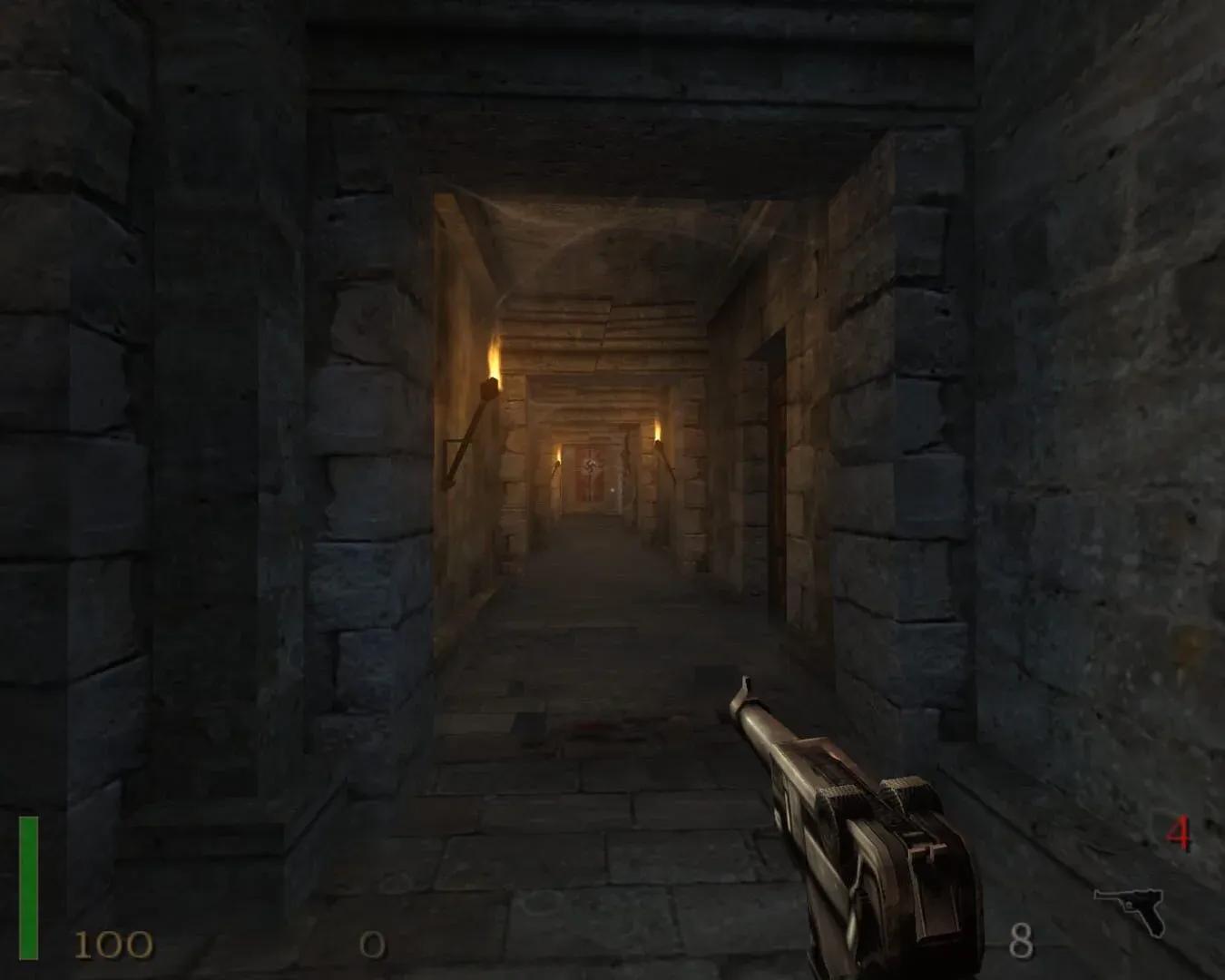
Level design reflects the tonal range. Early chapters inside Castle Wolfenstein feel claustrophobic and tense. Later sections open into Egyptian dig sites and remote research complexes that give the action room to breathe. Objectives vary from escorting a scientist to deactivating a prototype weapon, keeping the mission structure from going stale.
Multiplayer and social
The multiplayer component splits players into Axis and Allies teams, each working through a set of objectives rather than simple deathmatch. One team plants explosives or steals documents; the other defends. This objective-based structure anticipated the design philosophy that Splash Damage would later expand into the standalone Wolfenstein: Enemy Territory in 2003, which released as a free download and built a dedicated competitive community that lasted years.
Return to Castle Wolfenstein's multiplayer maps include distinct class roles, with engineers, medics, and soldiers each serving a function that rewards coordination. The mode never reached the mainstream staying power of Halo or Counter-Strike during the same period, but it earned a reputation among players who preferred structured team objectives over kill-count races.
Impact and legacy
Return to Castle Wolfenstein arrived before Halo 2 brought online console shooters to the mainstream and before Call of Duty defined what a WWII FPS could be commercially. Its influence shows up in Enemy Territory's free-to-play model, in the objective-based multiplayer structure that became genre standard, and in the occult-meets-WWII premise that the Wolfenstein series returned to with The New Order in 2014. The game is available on Steam and remains playable on modern Windows systems with minimal configuration, making it an accessible entry point into one of FPS gaming's foundational franchises.
Return to Castle Wolfenstein content image