
Overview
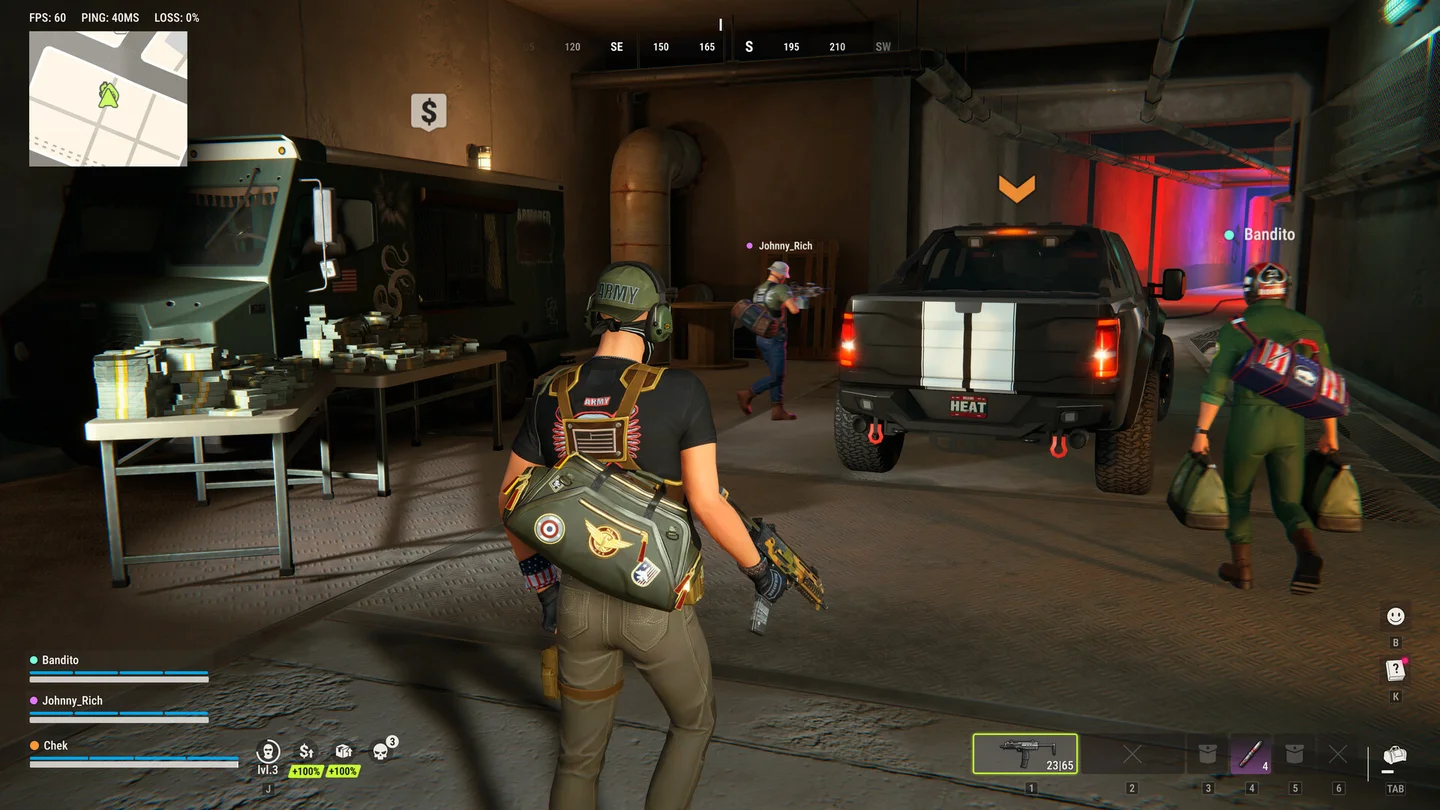
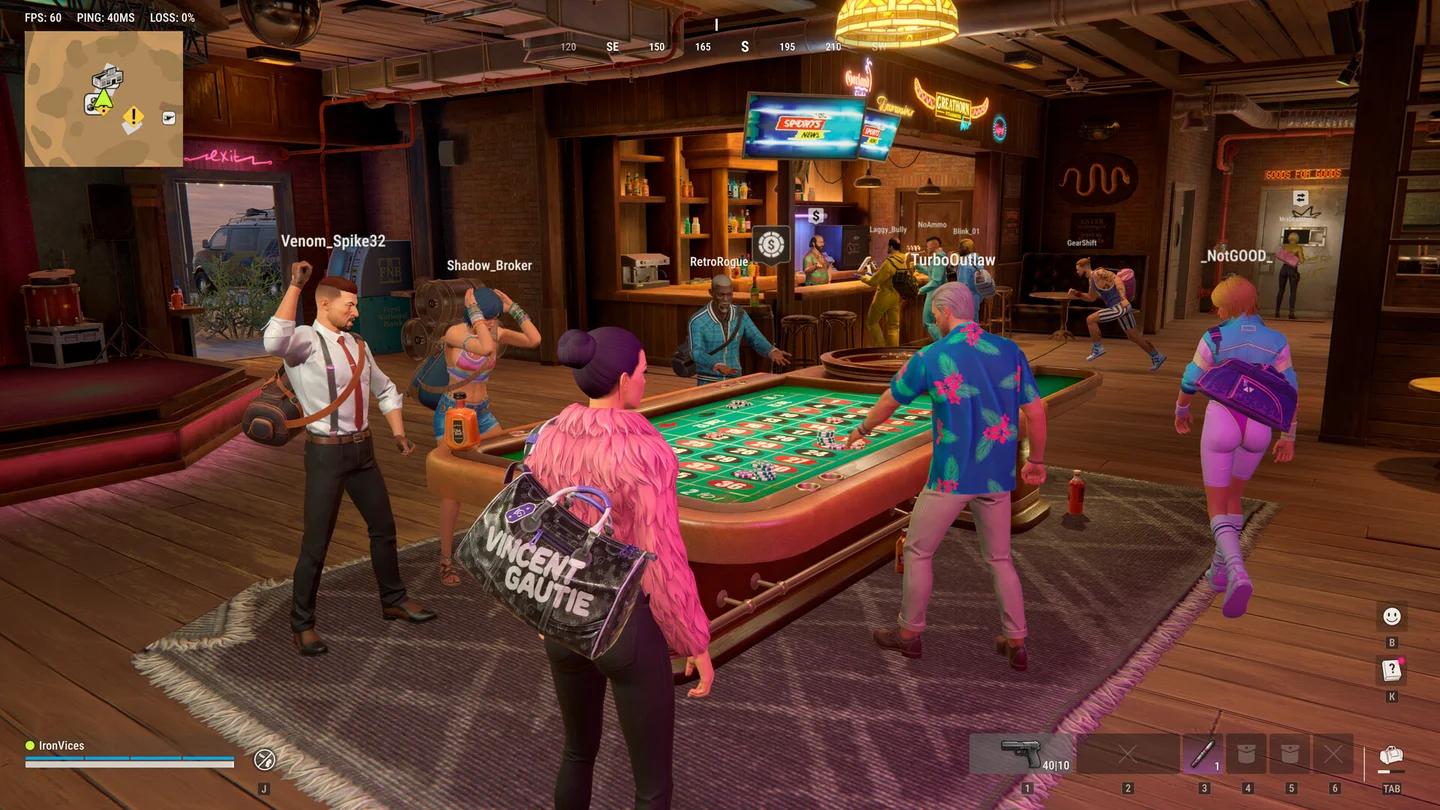
Rob Run is a multiplayer crime sandbox developed and published by Kefir for Windows on Steam. Shooting and robbery sit alongside player-built hideouts and organized crime families. The central struggle involves gaining resources and influence while other players compete to take both away.
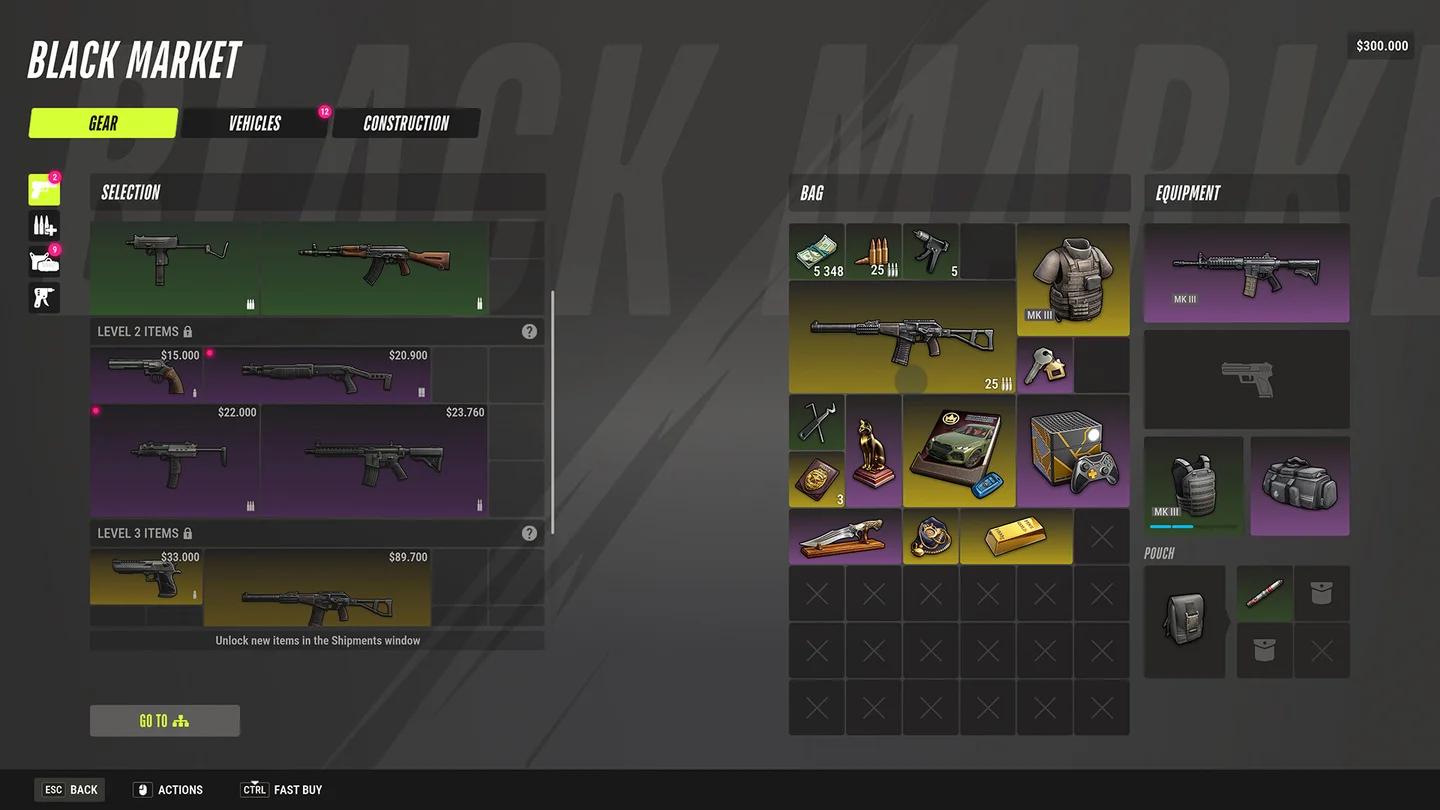
Possessions remain at risk throughout that climb. Players can lose everything they accumulate, so progress involves deciding what to pursue, when to fight, and which confrontations to avoid. Planning matters alongside the ability to land a shot.
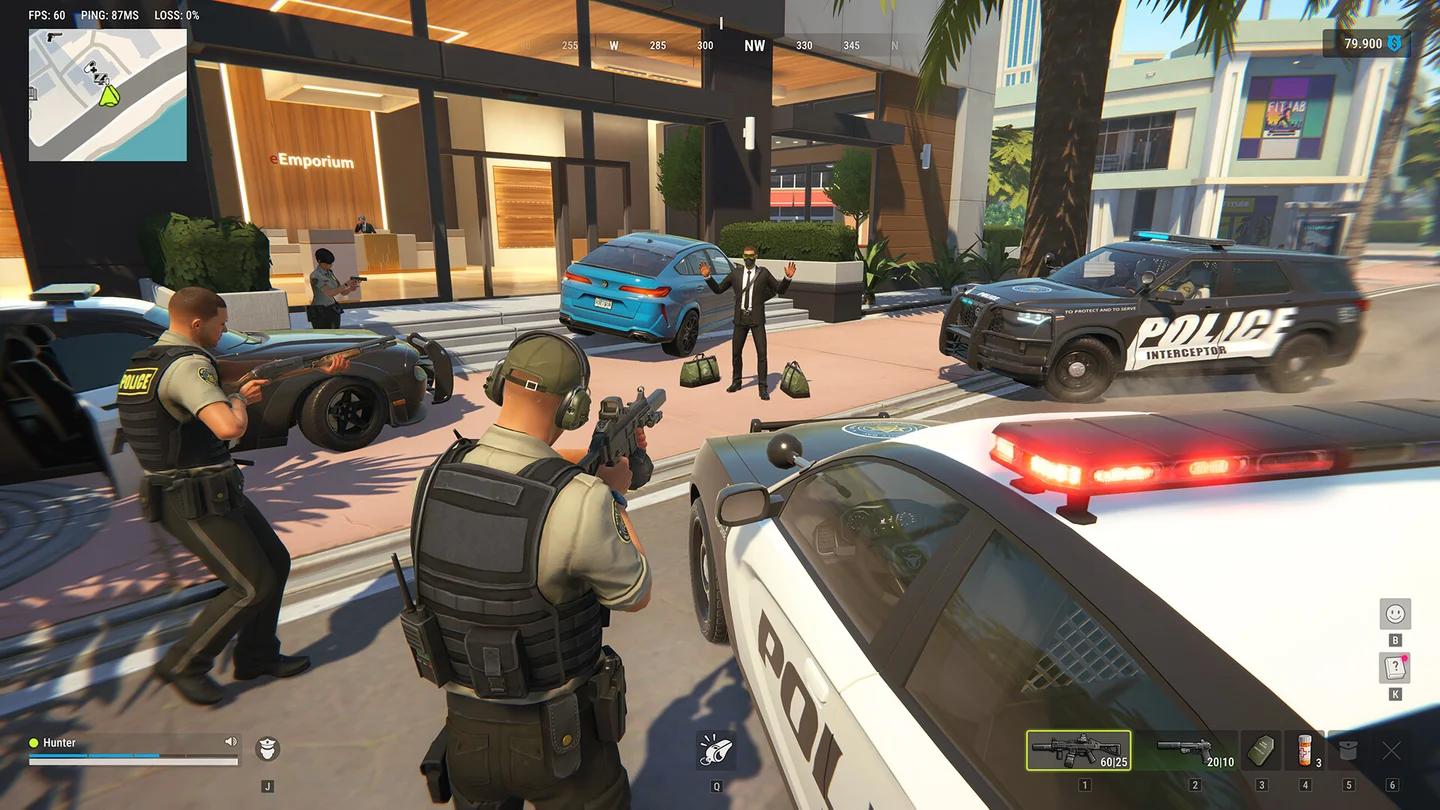
Are the cops controlled by real players?
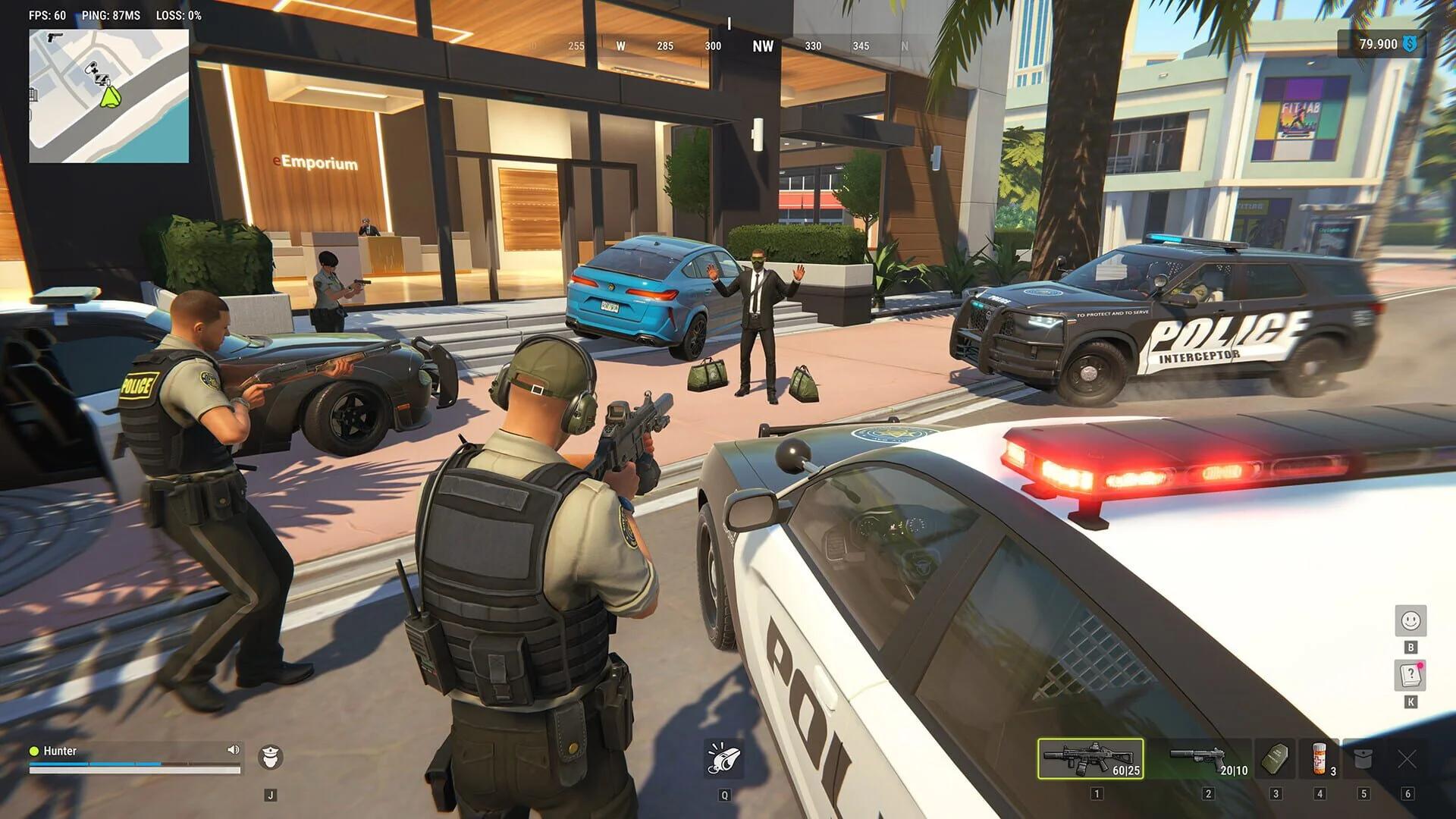
Every cop and criminal in Rob Run is controlled by a human player. The Steam page advertises a setting with 5,000 players, placing law enforcement inside the same multiplayer struggle as the criminals it pursues.
The main criminal activities include:
- Bank robberies
- Rival hideout raids
- Police chases
- Armed shootouts
Direct combat is not mandatory in every encounter. Players can seek another approach when police make an open confrontation too dangerous. Human opponents bring their own goals to these situations, making the decision to engage part of the challenge.
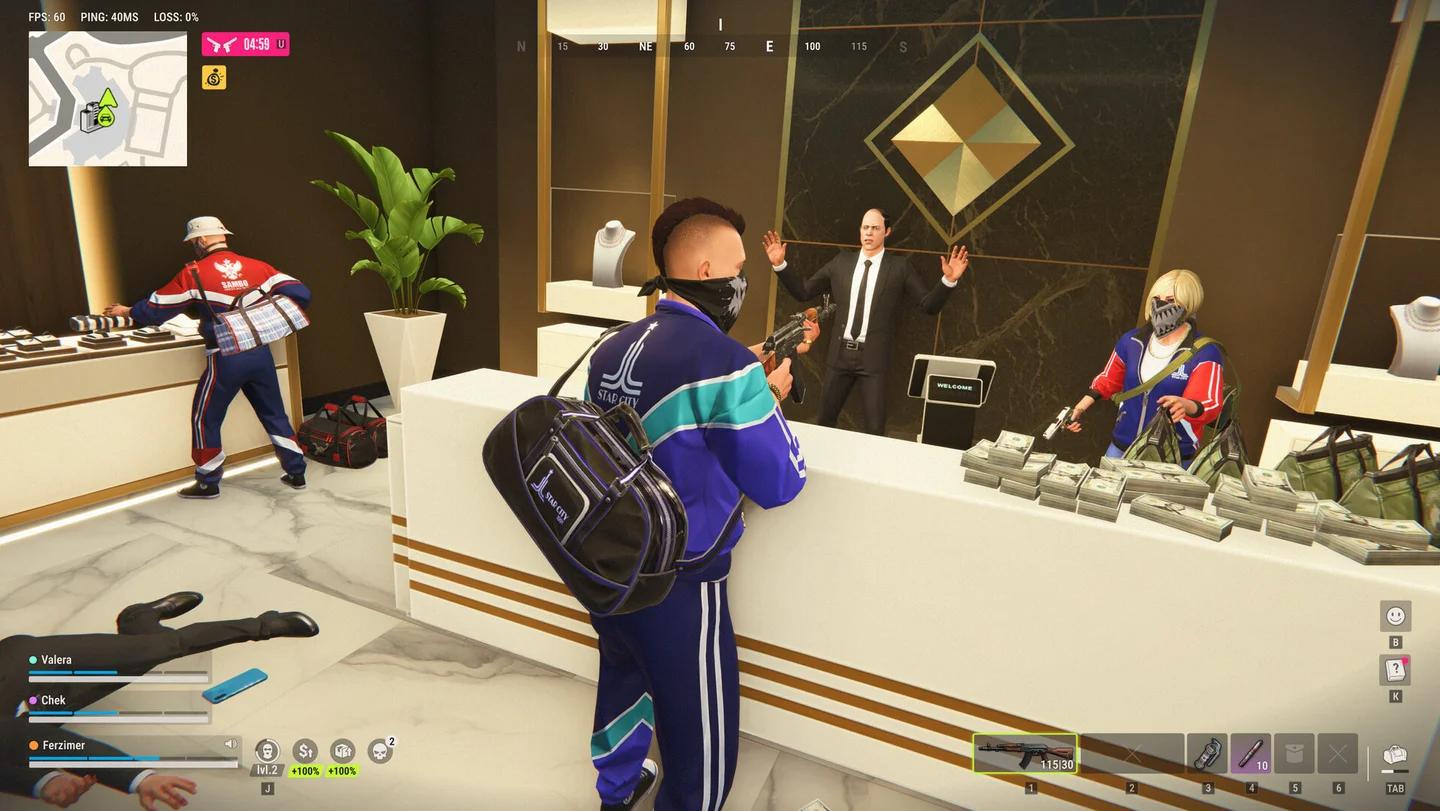
Clans and territorial control
Players can create a crime family or join an established clan. Clan organization includes assigning roles and coordinating raids, giving members specific responsibilities within a larger operation.
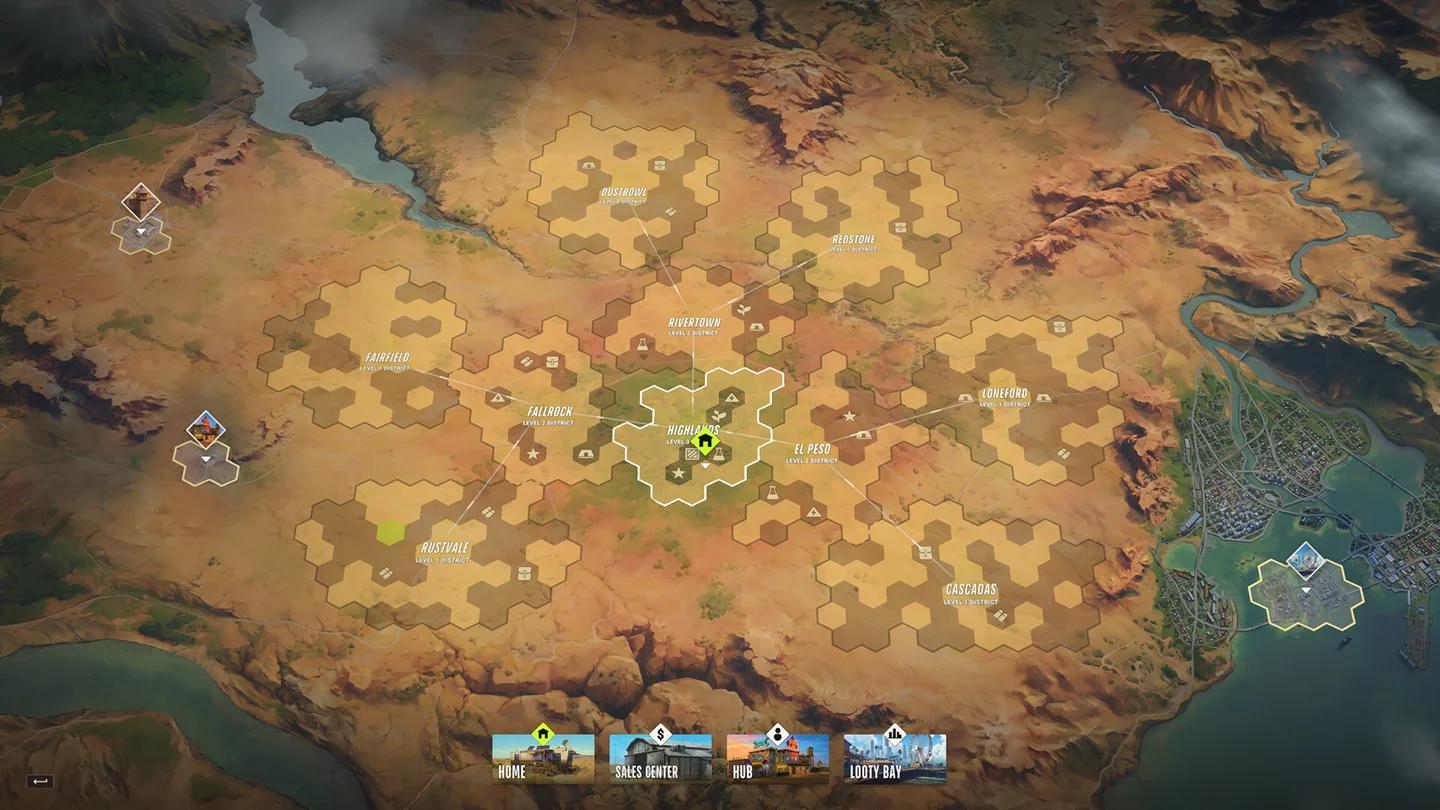
Territory provides a shared objective for these groups. Gang wars contest control, while negotiated truces offer a diplomatic option alongside armed conflict. An organization can pursue influence through both fighting and agreements with rivals.
Solo play remains possible, but cooperation supports larger ambitions. Betrayal also forms part of the criminal setting, so choosing allies involves judging other players' interests as well as their willingness to help.
Building and defending a hideout
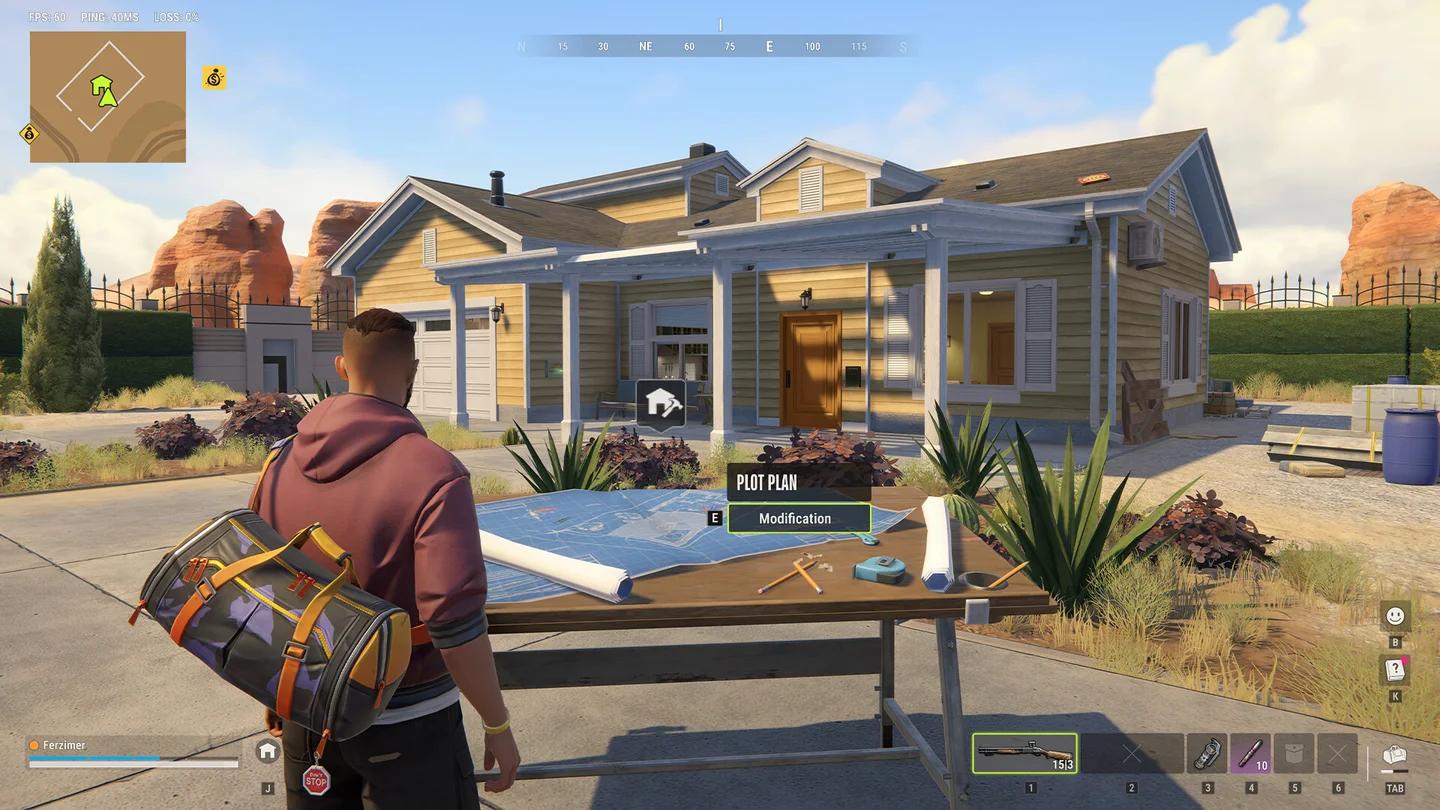
Hideouts are bases that players build and upgrade. They provide storage for loot and vehicles, with space for workbenches and safes. Base building adds a place to invest resources outside street-level encounters.
Those properties also become targets. Raiding connects the possessions held inside a hideout with the ambitions of rival criminals, putting a developed base directly inside the game's competitive loop.
More elaborate hideouts attract more intruders. Expansion therefore carries a trade-off: a better-equipped property offers more facilities and storage while drawing attention from players looking for something to steal.
Progression and server wipes
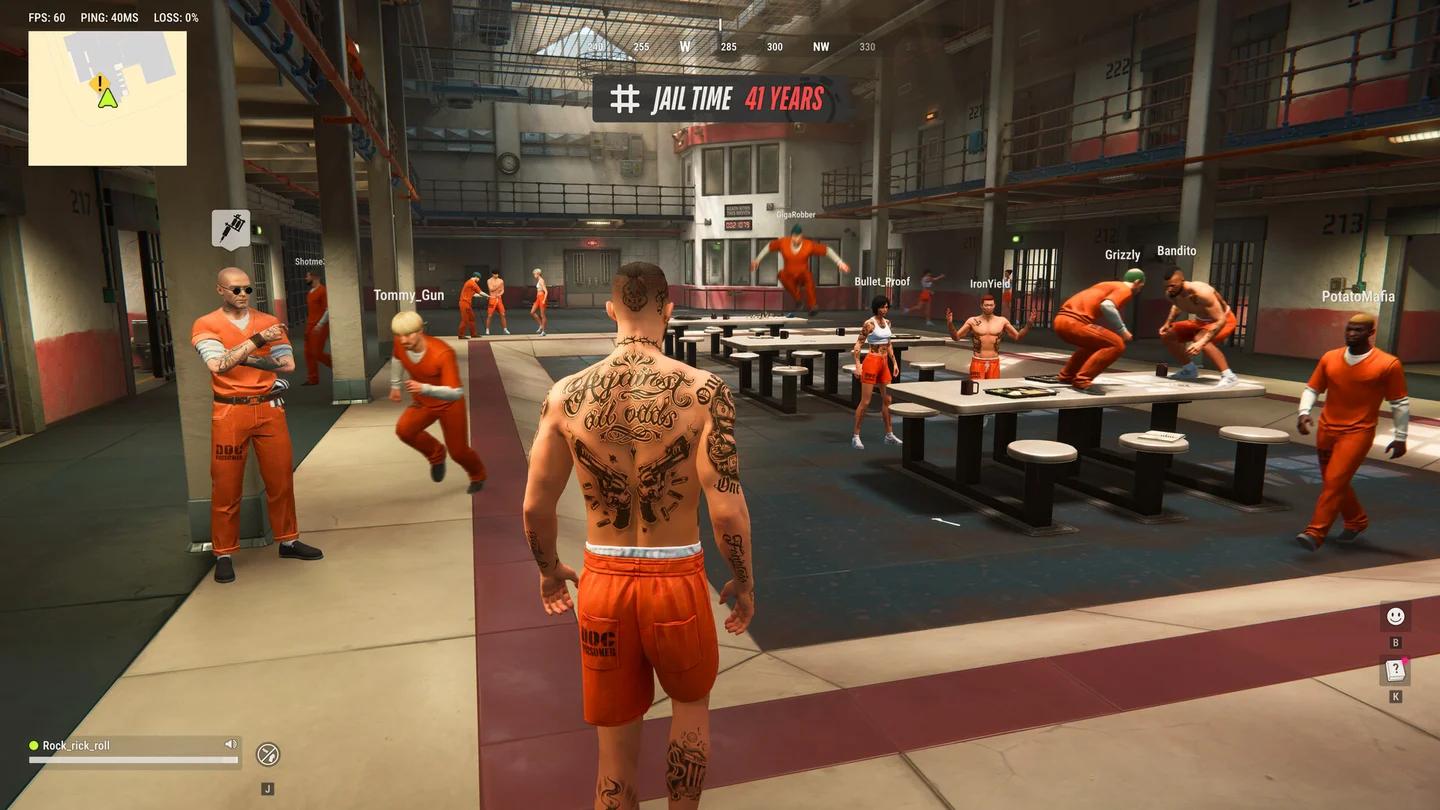
Server wipes restart the contest for power. Rob Run allows a criminal to rise to the leadership of the server's largest organization within a week, but that climb does not establish a permanent position.
The next run starts with knowledge gained from earlier conflicts and relationships formed with other players. This multiplayer crime sandbox makes room for another attempt with familiar allies and a revised plan, whether the immediate objective is rebuilding an organization or taking territory from a rival clan.