
Advertisement

Overview
Cellar Door Games released Rogue Legacy 2 on April 28, 2022, and it stands as one of the most fully realized roguelite platformers available across PC, PlayStation, Xbox, Nintendo Switch, and more. The core concept is deceptively simple: you die, you pick a new heir from a randomized selection of children, and you spend whatever gold you earned to upgrade the family manor before diving back in. That loop sounds familiar, but the execution runs much deeper than the premise suggests.
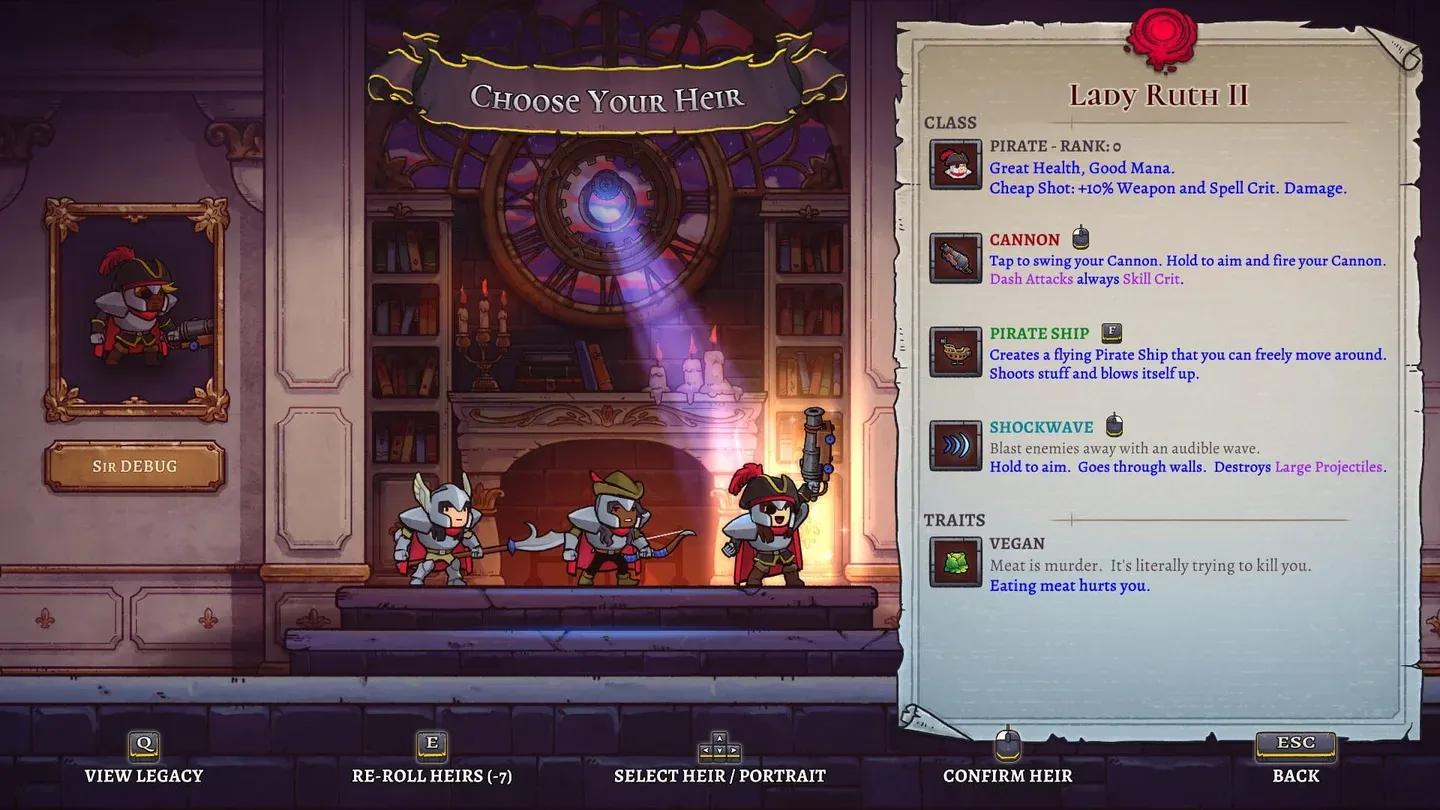
The genealogical system is what separates Rogue Legacy 2 from the broader roguelite crowd. Each heir comes loaded with traits that range from tactically interesting to genuinely funny. One character might be a Ranger with far sight. The next could be a Boxer with ADHD, which makes the on-screen action speed up. These traits aren't just flavor text; many actively change how a run plays out, forcing real adaptation rather than muscle-memory repetition.
Rogue Legacy 2 content image
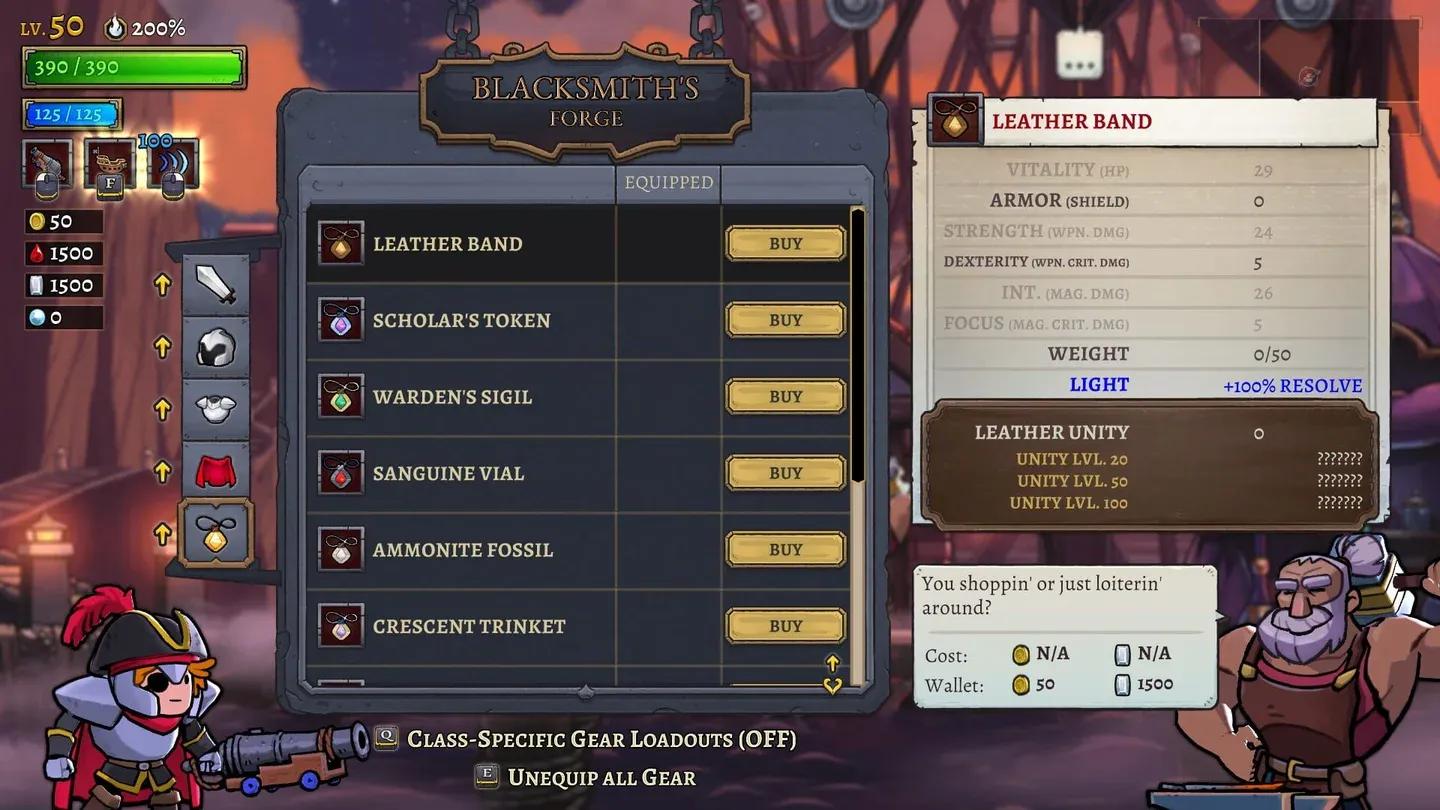
The manor upgrade system provides the persistent progression layer that keeps every failed run feeling productive. Gold converts into permanent stat boosts, new room unlocks, and class improvements. Even a disastrous five-minute run adds something meaningful to the family tree.
Gameplay and mechanics
Key features at the center of Rogue Legacy 2's design:
Rogue Legacy 2 content image
- 15+ distinct classes including Ranger, Boxer, Mage, and Valkyrie
- Randomized traits affecting each heir's stats and behavior
- Persistent manor upgrades carrying over between deaths
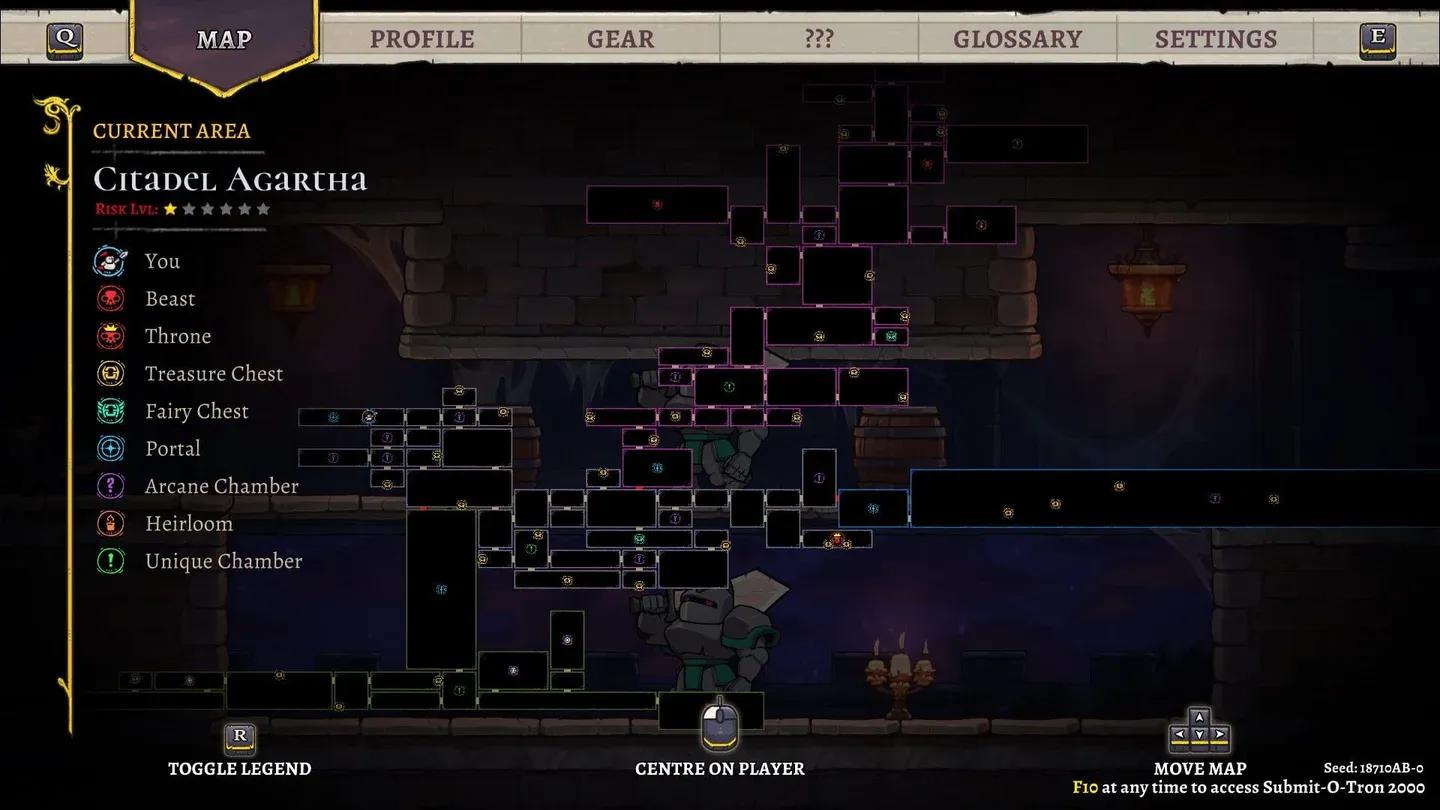
- Procedurally generated biomes that rearrange each run
- Heirloom system unlocking permanent traversal abilities
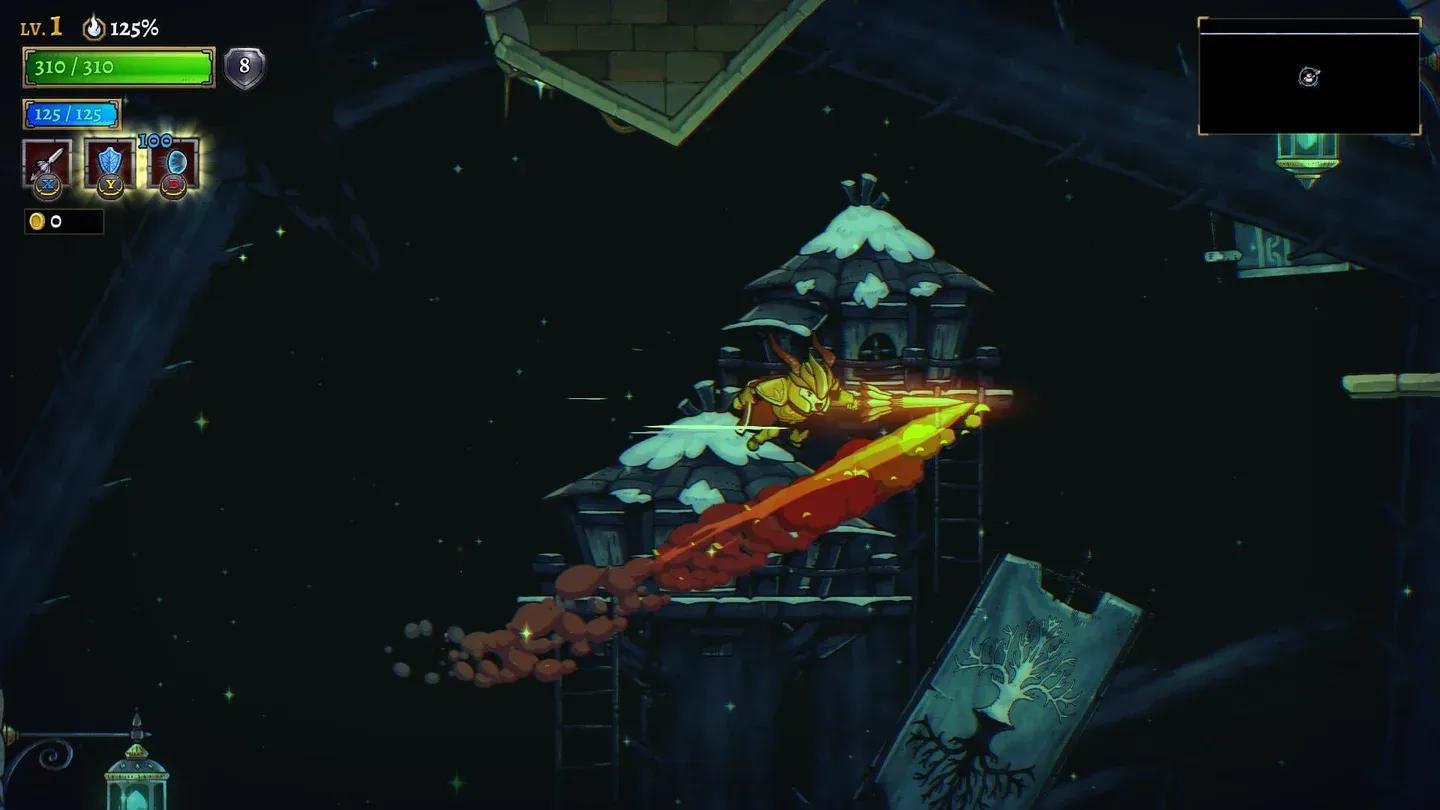
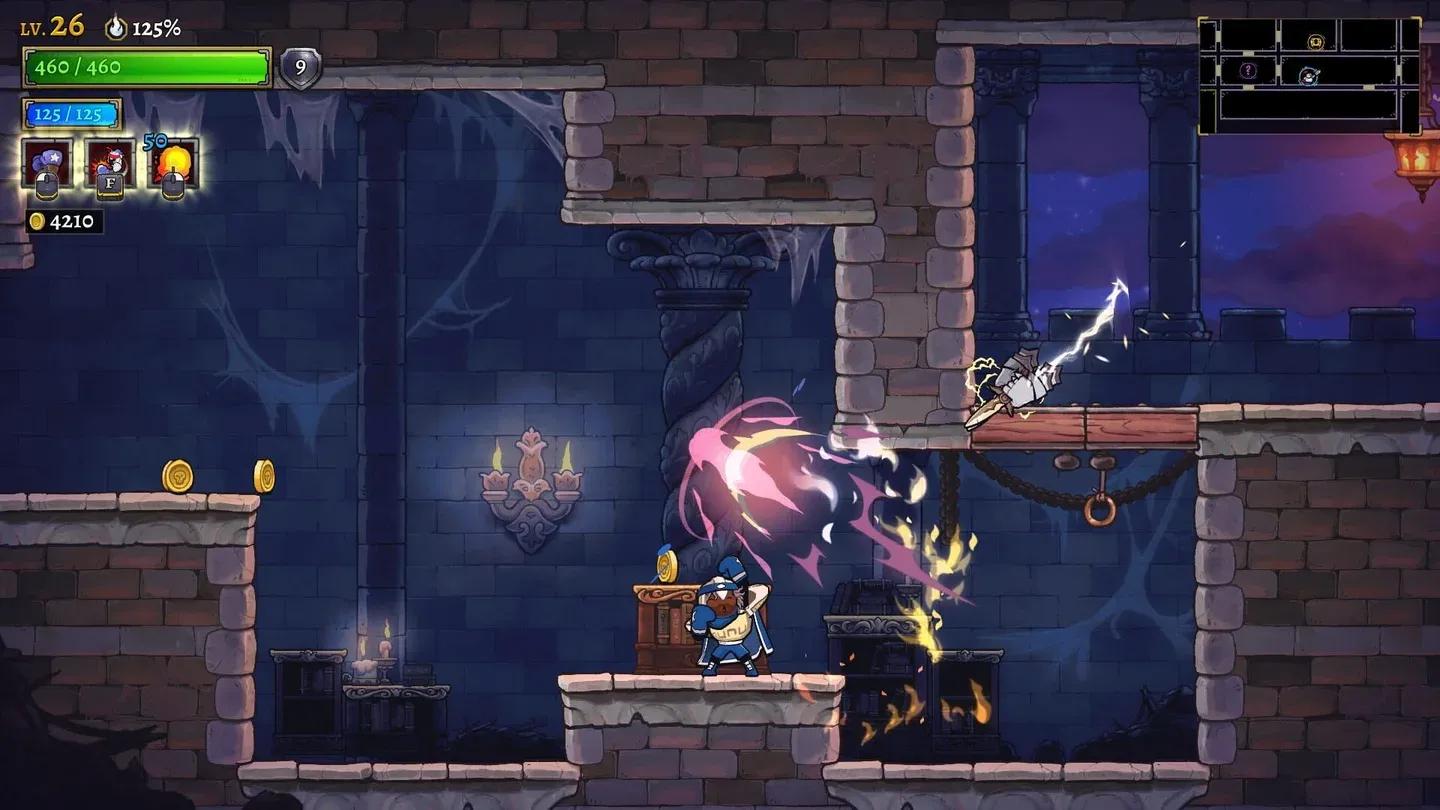
The combat feels tight and responsive, built on a foundation of platformer precision with RPG depth layered on top. Each class plays distinctly enough that switching heirs doesn't feel like starting over. A Valkyrie charges through enemies in ways a Mage simply can't replicate, and learning when to commit to a class versus banking gold for upgrades is where most of the strategic thinking lives.
Rogue Legacy 2 content image
The difficulty scales through Resolve, a system that lets players increase challenge incrementally rather than hitting a hard wall. This gives the game a genuinely flexible difficulty range without resorting to separate easy or hard modes, which keeps the roguelite structure intact for players at every skill level.
What makes replayability work here?
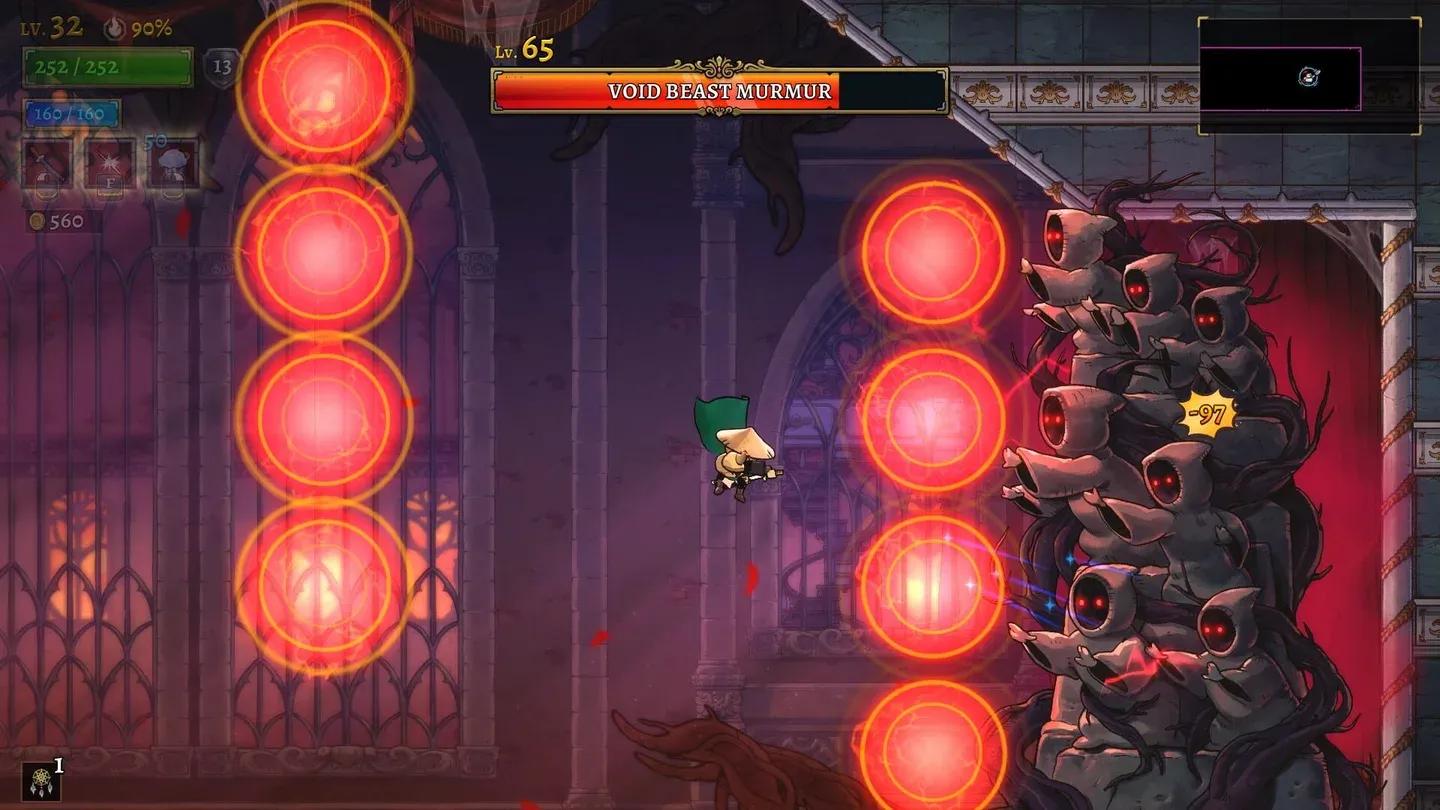
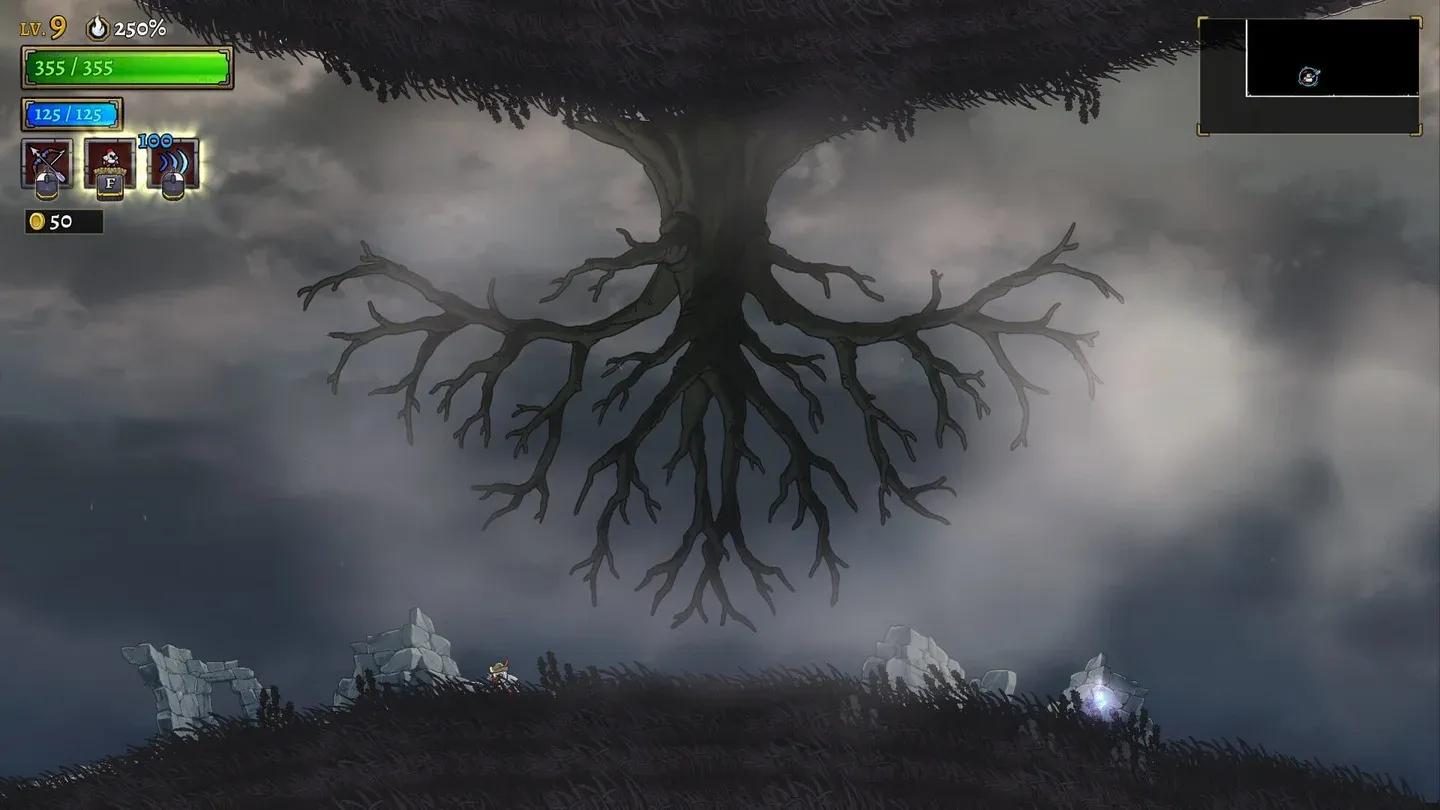
Rogue Legacy 2's replayability comes from the intersection of procedural generation and the trait system. No two heirs are identical, no two runs share the same map layout, and the biomes themselves each carry distinct enemy sets, environmental hazards, and boss encounters. The game includes five major biomes, each with its own visual identity and a boss fight that demands specific pattern recognition.
Beyond the main run structure, the Heirloom system adds a meta-progression layer that gradually expands what heirs can do in the world. Unlocking a double-jump or a dash ability doesn't just make combat easier; it opens previously inaccessible areas in earlier biomes, rewarding players who backtrack with additional loot and lore fragments.
Visual and audio design
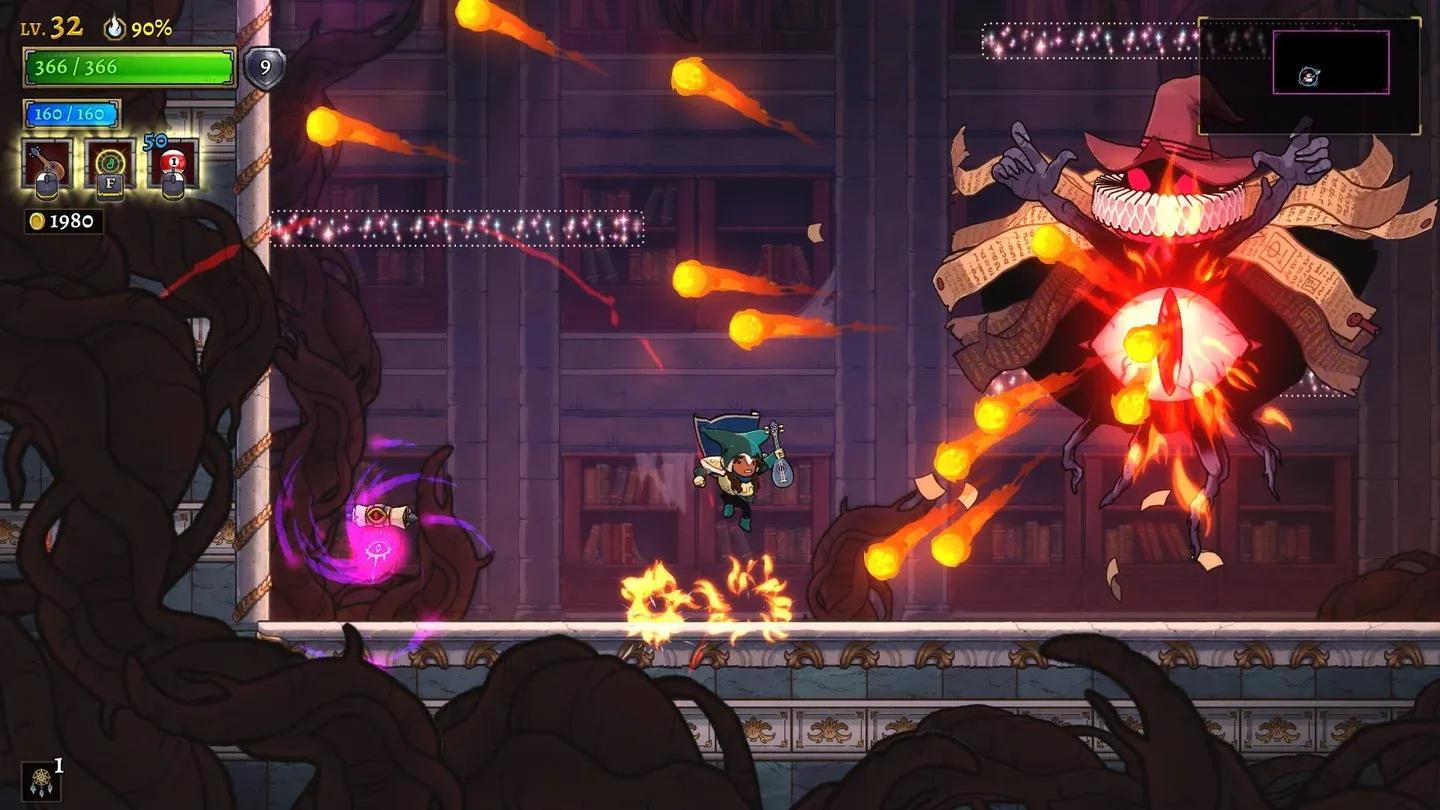
The art direction leans into a hand-drawn aesthetic that reads clearly even during hectic combat sequences. Character designs are expressive and distinct, which matters when you're cycling through dozens of heirs across a session. The color palette shifts meaningfully between biomes, making each area feel like a different chapter rather than a reskin of the same corridor.
The soundtrack matches the tone without overwhelming it. Combat tracks carry enough energy to push a run forward, while the quieter manor sections dial back the intensity in a way that makes returning to the action hit harder by contrast.
Rogue Legacy 2 content image
Content and replayability
For players who finish the main campaign, Rogue Legacy 2 offers a New Game Plus structure that stacks additional challenges onto completed runs. The class roster and trait pool are large enough that returning players regularly encounter heir combinations they haven't seen before, which keeps the randomized-run format from going stale. With a 4.34 rating from over 2,400 PlayStation Store reviews and broad availability across every major platform, the game has built a player base that's stayed engaged well past launch.