
Romestead has seven gods, and each one doubles as a progression system disguised as a religion. The Altar is not decoration. It unlocks buildings, farming automation, dungeon routes, and world tier changes. New players routinely dump rare items into it without reading the objective text, then wonder why nothing happened. This guide breaks down exactly how offerings, sacrifices, and favor work, which gods to prioritize, and how to stop leaving rewards unclaimed at the altar screen.
How does the god system work in Romestead?
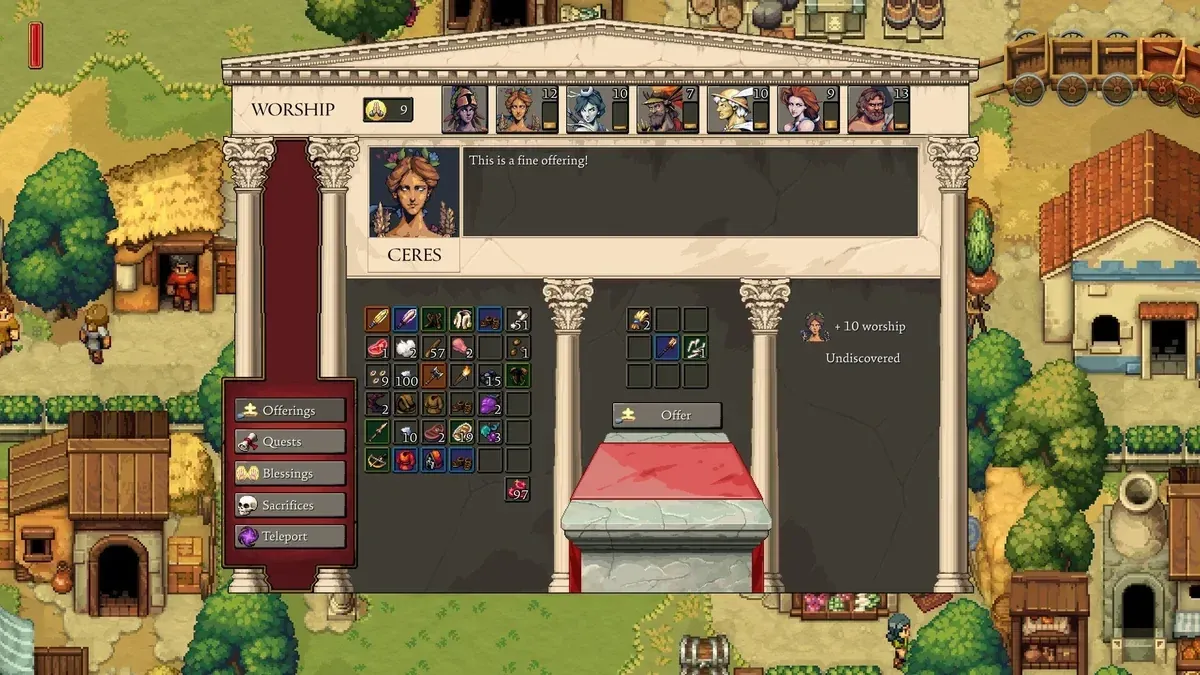
Every god in Romestead is accessed through the Altar, which you build during the early tutorial. Once the Altar is up, you can start making offerings to different deities. Each offering contributes toward that god's worship meter, and filling the meter earns Worship Points you spend on blessings and buffs.
Gods start as mysterious figures and become fully revealed through continued worship. You can level multiple gods at the same time, but only one blessing can be active at a time, so you will need to pick the one that fits your current situation.
The seven gods in Romestead, listed in order of appearance, are:
- Minerva (goddess of wisdom)
- Ceres (goddess of agriculture and crops)
- Diana (goddess of nature, hunting, and the moon)
- Mars (god of war)
- Mercury (god of speed, innovation, and trade)
- Venus (goddess of love and beauty)
- Vulcan (god of fire and forge)
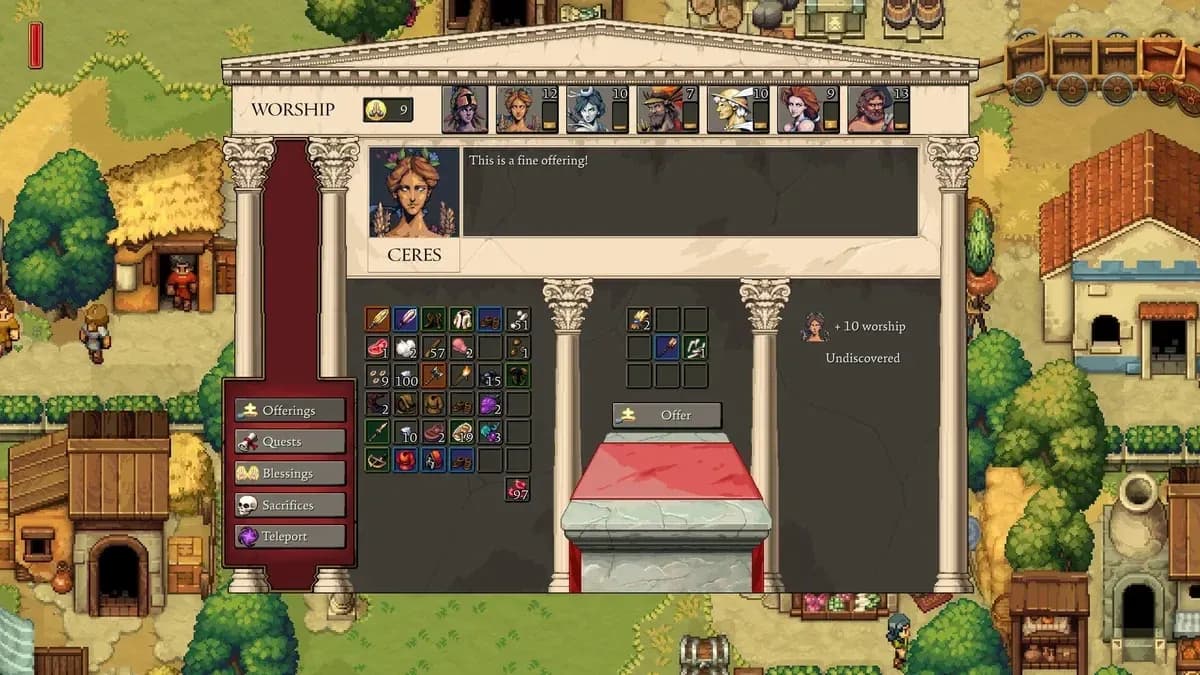
Altar worship meter progress

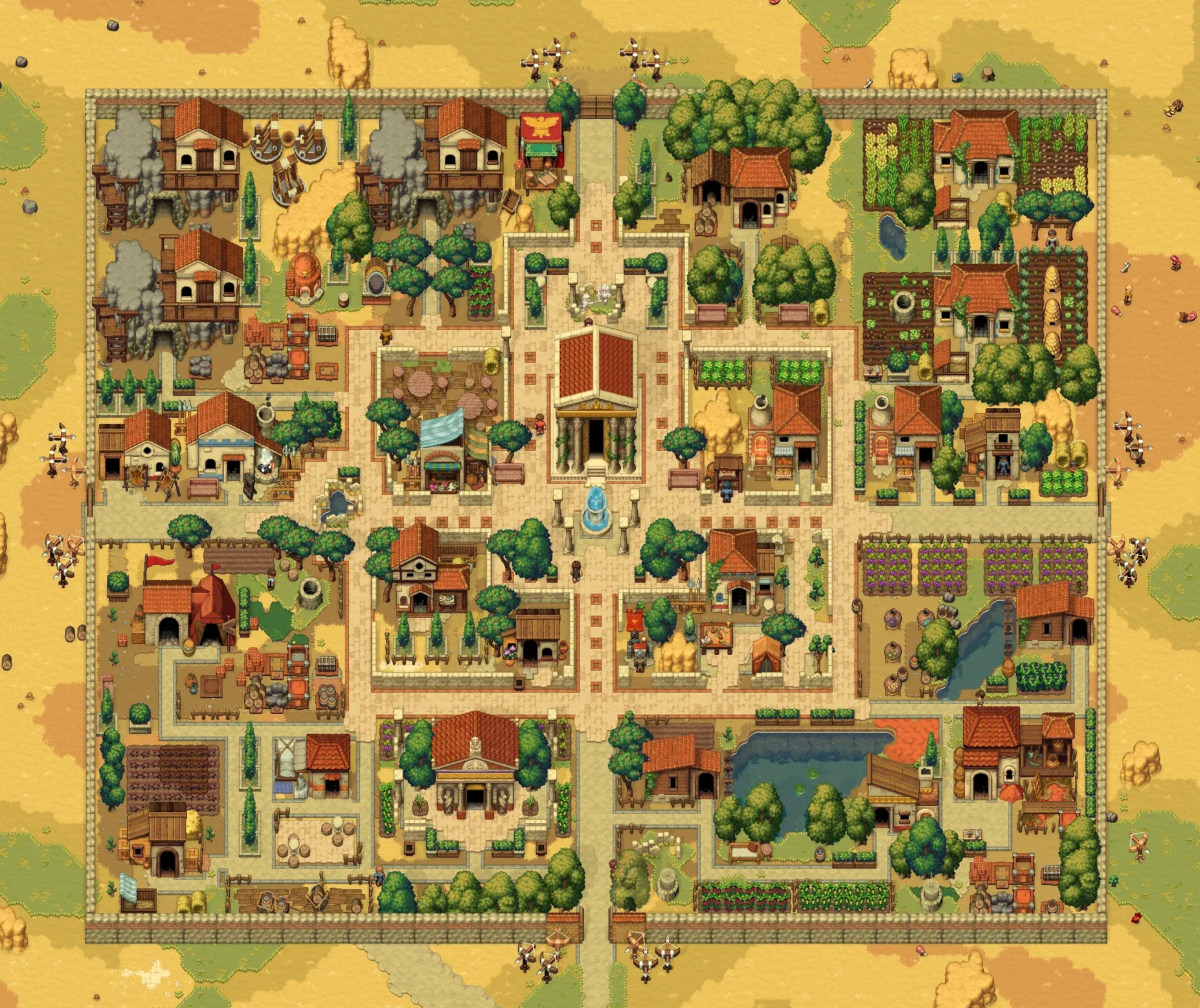
What is the difference between offerings, sacrifices, and favor?
These three terms get mixed together constantly, and confusing them leads to wasted resources.
| Term | What It Does | Player Rule |
|---|---|---|
| Offering | Specific item given to a god objective at the altar | Read the objective text first. Some offerings unlock buildings or world progression. |
| Sacrifice | A broader, higher-cost altar commitment | Treat it as a serious resource spend. Never sacrifice rare items without reading the active objective. |
| Favor | Points spent on god-related buffs and practical bonuses | Pick the buff that fixes your current bottleneck, not just the highest damage number. |
| Quest item | A required item like Guardian's Eye or The Moonstring that keys a specific god route | Store it safely and bring it to the correct altar objective. Do not treat it like normal loot. |
| Claim reward | The final UI step after completing an altar objective | Do not leave the altar until this is done, then check the Workbench for new construction options. |
The safest habit is to pause any time an item looks boss-related, artifact-related, or tied to a god name. The altar regularly uses specific items as progression keys, and spending them elsewhere before completing the objective means restarting that route from scratch.
What does each god accept as offerings?
Each deity has preferred offering categories that reflect their domain. Farming players will naturally feed Ceres. Combat-focused players accumulate Mars offerings just by playing aggressively.
Ceres offerings
Ceres is the easiest god to level consistently because farming resources come in naturally:
- Bread, Flour, Wheat, Seeds, Saplings
- Grapes, Bay Leaf, Garum, Honeycomb, Olive Oil
Diana offerings
Diana rewards hunters and ranged players:
- Raw Game Meat, Cured Hide, Leather, Wool
- Chanterelle Mushroom, Poison Mushroom, Strange Crab Meat
- Rotted Arquies Bow, Skeleton Bow, Leather Hood
Mars offerings
Mars takes combat loot directly:
- Bone, Flint Pilum Head, Scattered Spoils of War
- Lobber Wristguards, Rusted Copper Gladius, Rusted Copper Hasta
Mercury, Venus, and Vulcan offerings
These three have smaller offering pools but matter for specialized builds:
Mercury: Basic Cargo, Root Boots
Venus: Chest, Fine Accessory, Energy Potion, Minor Health Potion
Vulcan: Coal, Copper Bar
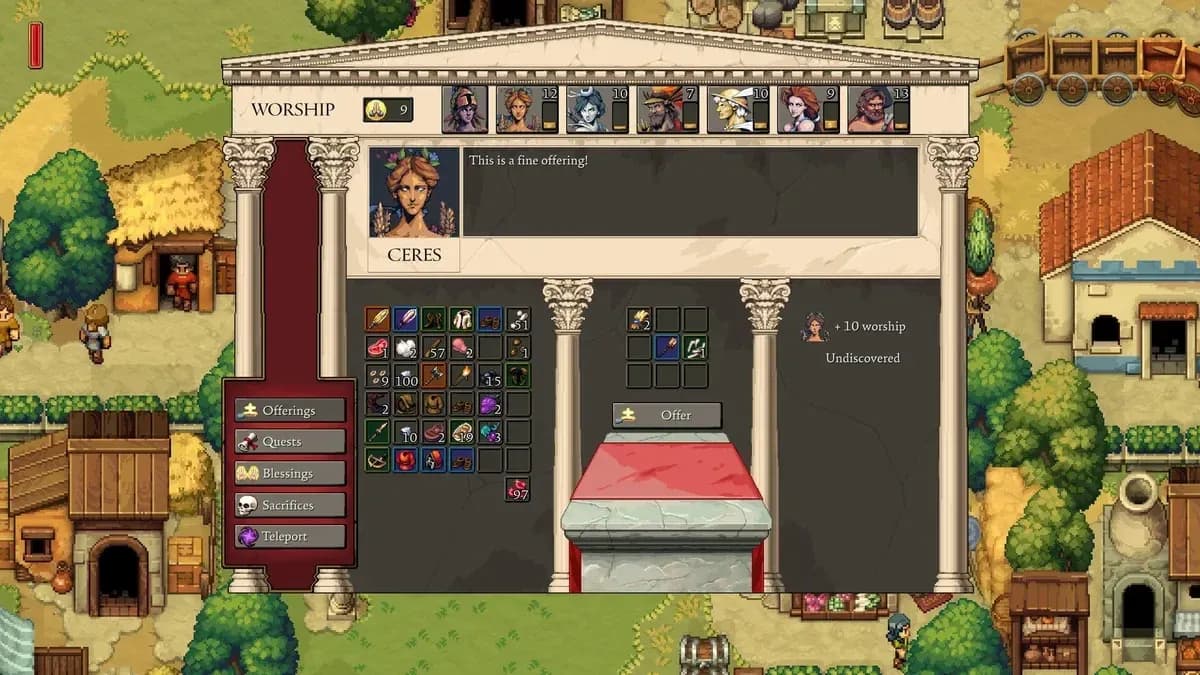
Offering selection at the altar
How to use the Altar without missing rewards
This is where most players lose progress silently. Placing the item is not the final step.
- Open the Altar and select the active god objective.
- Read the objective text to find the required item, crop, boss drop, or dungeon artifact.
- Insert the required item into the offering slot.
- Claim the reward after the objective completes. This step is easy to miss.
- Return to the Workbench and open Construction Mode to check for new buildings or upgrades.
If you completed an offering and nothing seems to have changed, one of two things happened: you did not claim the reward, or you never checked the Workbench afterward. New construction options appear there, not on the altar screen.
What are the key early god objectives?
Three altar objectives matter most in early progression because they unlock core systems.
| Objective | Requirement | What It Unlocks |
|---|---|---|
| The Giant Owl / Guardian's Eye | Defeat the Guardian of Minerva, offer the Guardian's Eye | Minerva progression, major early construction routes |
| Honoring the Soil | Offer 40 wheat | Farmstead, farming automation route |
| The Moonstring | Find and offer the dungeon artifact | Well, which supports Farmstead watering |
Guardian's Eye is the first proof that boss drops are progression keys. After defeating the Giant Owl, the fight is not over until you offer the eye, claim the reward, and check the Workbench.
Honoring the Soil is why you should not spend every crop the moment you harvest it. If Farmstead is your next goal, save 40 wheat and complete the altar objective before anything else.
The Moonstring sends you into a dungeon for an artifact. That artifact unlocks Well, and Well connects directly to Farmstead watering. A farming problem is sometimes a god progression problem in disguise.
Guardian's Eye unlocks construction
For a full breakdown of how to defeat the bosses tied to these objectives, check the Romestead boss locations guide.
What is Profane Artifice and what does the Temple of Vulcan do?
Profane Artifice appears as an altar or progression clue tied to crafting and artifact routes. If you see it in your objective text, treat it as a required step, not flavor text. Check which god objective mentions it, identify whether it requires a dungeon artifact or crafted item, and do not sacrifice rare materials until you know exactly what the route needs.
The Temple of Vulcan follows the same logic. Vulcan-related objectives are not solved by random offering spam. They typically ask for a specific artifact, crafted object, or Workbench unlock. Before spending anything, confirm what the altar objective actually requires and whether the reward needs to be claimed before new construction options appear.
How should you spend favor?
Favor is where god progression starts affecting your daily play loop. The mistake most players make is picking buffs that sound powerful in isolation instead of picking the one that removes their actual bottleneck.
| Favor Option | Effect | Best When |
|---|---|---|
| Lignator | +30% overall Axe Power | Wood gathering is slowing base expansion |
| Cuniculator | +30% overall Pickaxe Power | Mining and stone collection are the wall |
| Construction Plan | +25% construction hit area and +25% more progress | You are building constantly and it feels slow |
| Power Napper | Laying in a bed regenerates HP | You keep returning from fights damaged |
| Far Reach | Hooks have 20% speed and range | Mobility and exploration start mattering |
Note that these numbers are from Early Access and may shift with updates. The choice logic stays the same regardless: fix the bottleneck you actually have.
Which god should you level first?
There is no single correct answer, but the decision gets easier when you match the god to your current problem.
- Ceres if food shortages are limiting your settlement. Farming materials come naturally, making her the most consistent early option for most players.
- Mars if nightly raids and combat pressure are becoming unmanageable. Combat loot feeds Mars automatically during aggressive play.
- Minerva if you want to push the first major boss route and open early construction paths. The Guardian's Eye objective is the clearest early progression unlock in the game.
- Mercury if travel speed, trade, and economy efficiency are the bottleneck.
- Vulcan if crafting and smelting are your primary activities.
For a deeper look at how each god's blessings interact with your build, the Romestead gods unlock and leveling guide covers which offerings level each deity fastest and how to upgrade your altar.
Common altar mistakes to avoid
| Mistake | Better Approach |
|---|---|
| Treating the altar like a donation box | Only offer items after reading the active objective text |
| Leaving before claiming the reward | Always claim before closing the altar UI |
| Spending all wheat before Honoring the Soil | Save 40 wheat when Farmstead is your next goal |
| Ignoring dungeon artifact objectives | Treat artifact routes as required progression, not optional loot |
| Picking favor based on raw numbers | Choose the buff that removes your current bottleneck |
| Assuming nothing unlocked because the screen looks the same | Check the Workbench in Construction Mode after every major offering |
For everything else about surviving your first hours, the Romestead beginner's guide covers professions, biomes, and the core survival loop in full detail. And if you want to keep building on what you learn here, the full Romestead strategy guide collection has dedicated guides for every major system.