
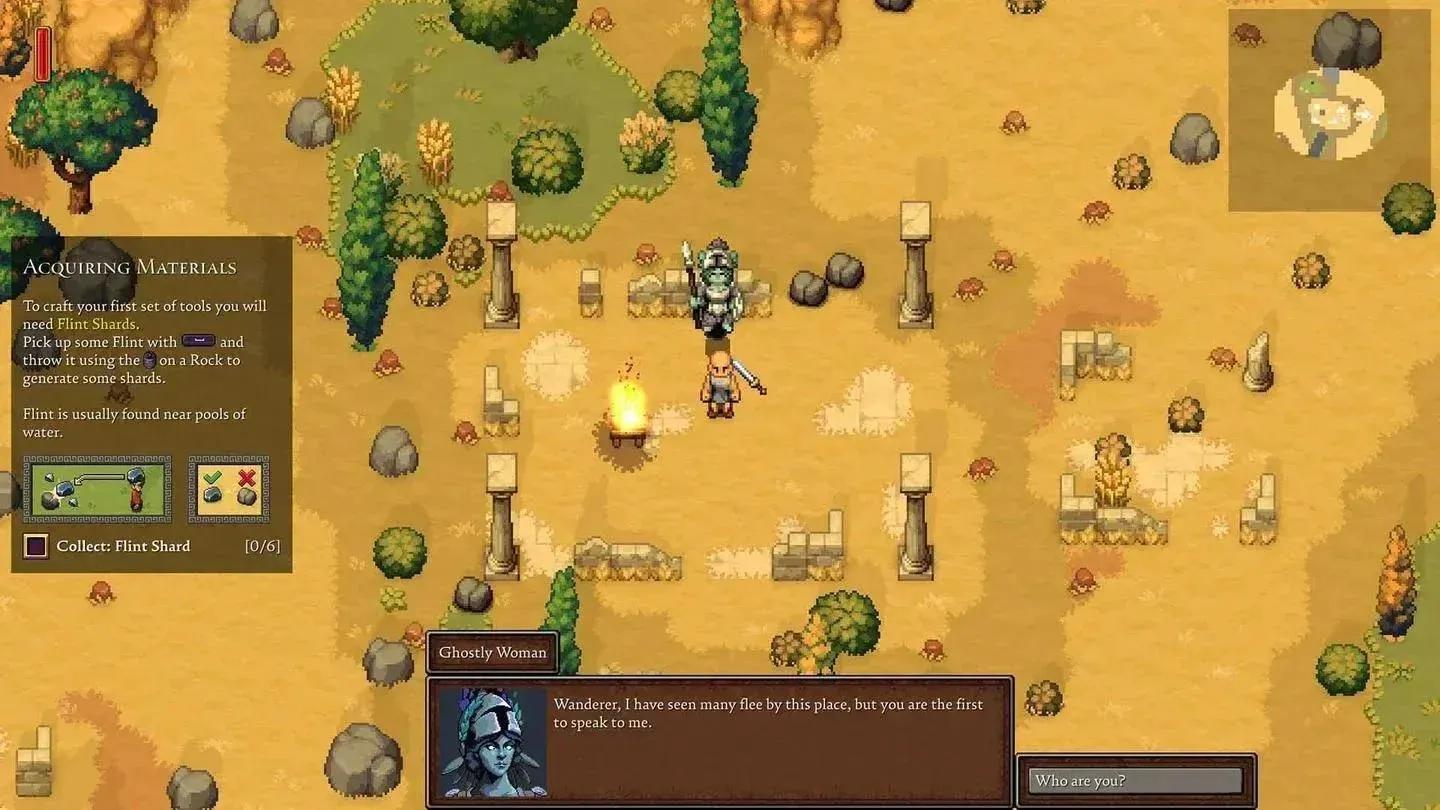
The god system in Romestead is not a side activity you check once and forget. Every building unlock, crafting station, and settlement upgrade ties back to the Altar. Offer the right items to the right gods, earn Worship Points, spend those points on blessings, and your settlement accelerates. Get it wrong and you burn through rare drops that could have pushed a god several levels at once.
How does the worship system work in Romestead?
Gods level up through offerings made at the Altar. Each item carries a fixed experience value, and rarer items, especially those pulled from chests or boss encounters, deliver far larger jumps than common materials. A Scattered Spoils of War is worth 200 experience to Mars, while a single Bone gives only 2. That gap matters when you are deciding what to hold and what to spend.
Every time a god gains a level, you receive one Worship Point. Spend those points to climb that god's blessing tiers. Costs scale as you go deeper: typically 1 point for the first tier, then 2, then 3, so early unlocks are cheap and later ones demand sustained offerings over time.
Two structural requirements gate the stronger blessings. You need to build a Carpenter's Workshop first, then upgrade the Altar to level 2 before deeper tiers become available. Only one blessing can be active at a time, which matters in co-op: the whole party shares whichever buff is running.
Altar worship point screen

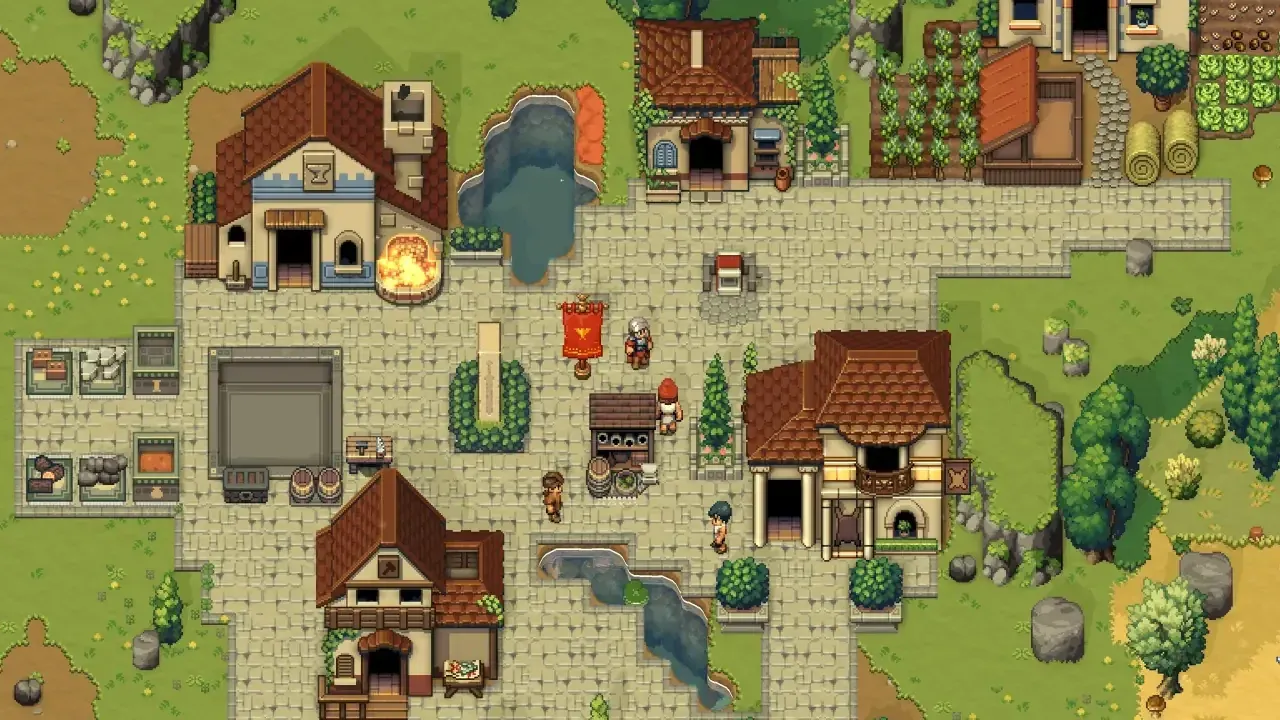
All god offerings and experience values
Each god accepts items tied to its theme. Here are the complete offering tables with experience values.
Ceres offerings (farming and food)
| Offering | Experience |
|---|---|
| Seeds (Olive, Cabbage, etc.) | 0.1 |
| Sapling | 0.1 |
| Wheat | 2 |
| Flour | 2.5 |
| Bread | 4 |
| Olive Oil | 5 |
| Honeycomb | 10 |
| Garum | 12.5 |
| Bay Leaf | 15 |
| Grapes | 25 |
Diana offerings (hunting and ranged combat)
| Offering | Experience |
|---|---|
| Raw Game Meat | 5 |
| Poison Mushroom | 6 |
| Wool | 10 |
| Leather | 15 |
| Skeleton Bow | 15 |
| Chanterelle Mushroom | 16 |
| Strange Crab Meat | 30 |
| Leather Hood | 42.5 |
| Cured Hide | 50 |
| Rotted Arquites Bow | 150 |
Mars offerings (melee and defense)
| Offering | Experience |
|---|---|
| Flint Pilum Head | 0.5 |
| Bone | 2 |
| Rusted Copper Gladius | 150 |
| Rusted Copper Hasta | 150 |
| Scattered Spoils of War | 200 |
| Lobber Wristguards | 840 |
Mercury, Venus, and Vulcan offerings
| God | Offering | Experience |
|---|---|---|
| Mercury | Root Boots | 52.5 |
| Mercury | Basic Cargo | 200 |
| Venus | Chest | 25 |
| Venus | Minor Health Potion | 35 |
| Venus | Energy Potion | 40 |
| Venus | Fine Accessory | 200 |
| Vulcan | Coal | 5 |
| Vulcan | Copper Bar | 50 |
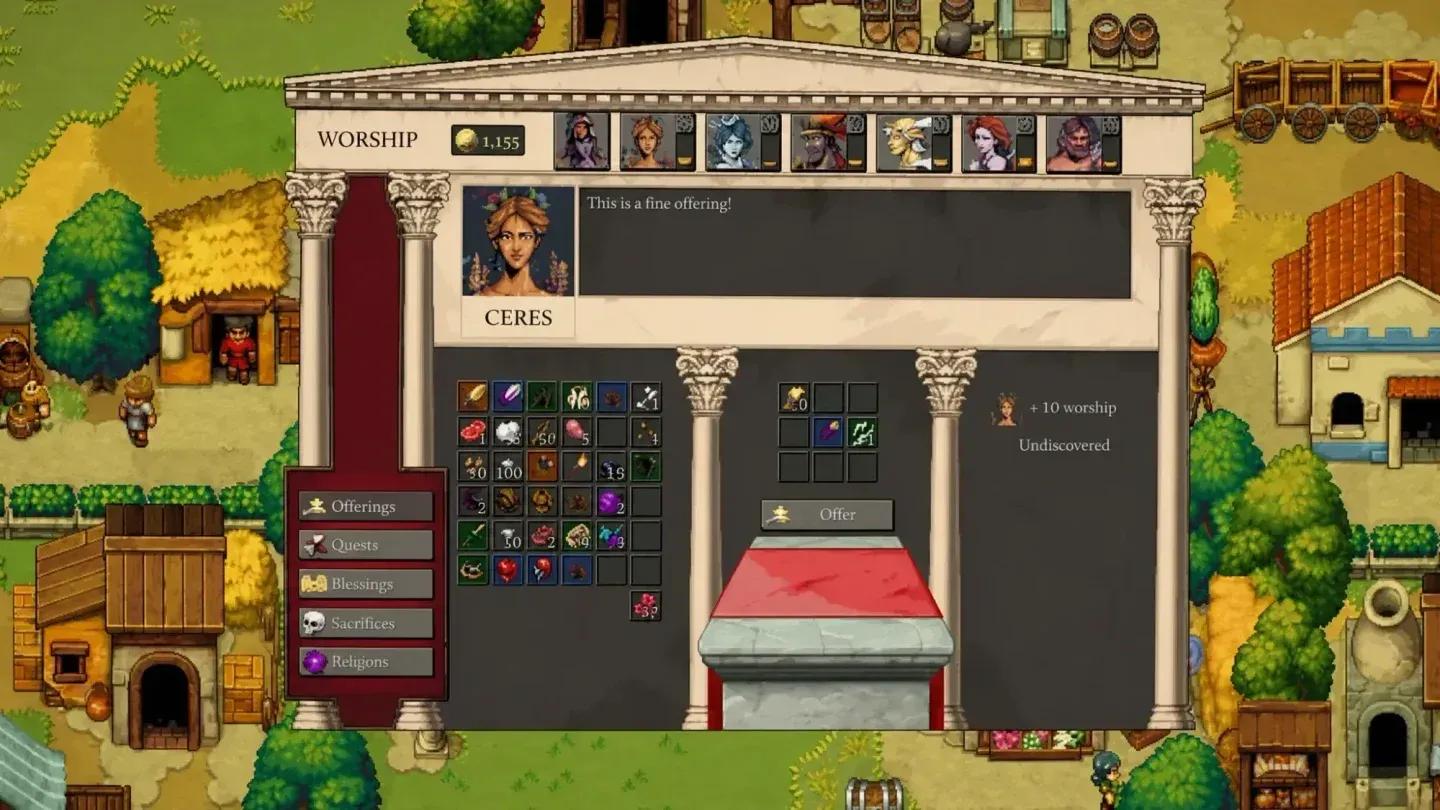
Offering XP values by god
What does each god's blessing tree unlock?
Spending Worship Points on a god climbs a tiered tree. Lower tiers open buildings and small stat bumps; deeper tiers grant a named Blessing and meaningful combat or production multipliers.
| God | Focus | Key unlocks across tiers |
|---|---|---|
| Ceres | Farming and food | Farmstead, Bakery, Watermill, Garum Dolium, +25% to +50% crop bonuses, Blessing of Ceres (+25% Health), +10 throwing damage |
| Diana | Ranged combat | Lumber Yard and Leatherworker upgrades, ranged attack and crit damage, 10% chance to keep arrows, Blessing of Diana (+10% Ranged), +2 energy regen |
| Mars | Melee and defense | Automatic Scorpio and upgrades, melee attack, armor, crit chance, knockback resist, Blessing of Mars (+10% Melee), slashing and bludgeoning bonuses |
| Mercury | Trade and magic | Market upgrades, -5% vendor prices, +5% road movement, magic attack, University Lv.2, Blessing of Mercury (+10% Magic) |
| Venus | Citizens and utility | Attack speed, energy, Wine Dolium, citizen expertise and efficiency, Monument, Blessing of Venus (+10% Health/Energy) |
| Vulcan | Forge and construction | Stone, Concrete, and Marble Walls, Quarry and Clay Pit upgrades, Blacksmith upgrades, armor and fire resist, Blessing of Vulcan (+15% Armor) |
| Minerva | Wisdom and strategy | Tied to the Guardian's Eye boss route; unlocks Material Storage, Blacksmith, Carpenter's Workshop, Altar Lv.2, and Feathered armor recipes |
Because only one blessing runs at a time, pick the god that solves your current bottleneck rather than spreading points thin. A +15% Armor blessing from Vulcan means nothing if your settlement is starving.
For a deeper breakdown of how each blessing tier interacts with settlement progression, the Romestead gods guide covering unlocks and leveling covers blessing costs and upgrade paths in detail.
Which god should you worship first?
The honest answer: match the god to the problem your settlement has right now.
| Your current bottleneck | Worship this god | Why |
|---|---|---|
| Food shortages and crop yield | Ceres | Unlocks Farmstead, Bakery, and crop yield bonuses for stable food supply |
| Stone walls and building upgrades | Vulcan | Unlocks Quarry, stronger walls, armor bonuses, and construction support |
| Nightly raids and melee pressure | Mars | Unlocks Automatic Scorpio plus melee, crit, and armor bonuses |
| Ranged attacks and arrow supply | Diana | Best ranged damage, Leatherworker upgrades, and arrow efficiency |
| Economy and vendor costs | Mercury | Market upgrades, cheaper vendor prices, road movement speed, magic damage |
| Citizen productivity | Venus | Citizen expertise, attack speed, energy, and wine-related unlocks |
The fastest early path is committing to one god, usually Ceres for food stability or Vulcan for stone and walls, banking a few Worship Points, then expanding into Mars, Diana, Mercury, and Venus once your Altar reaches level 2 and your Carpenter's Workshop is built.
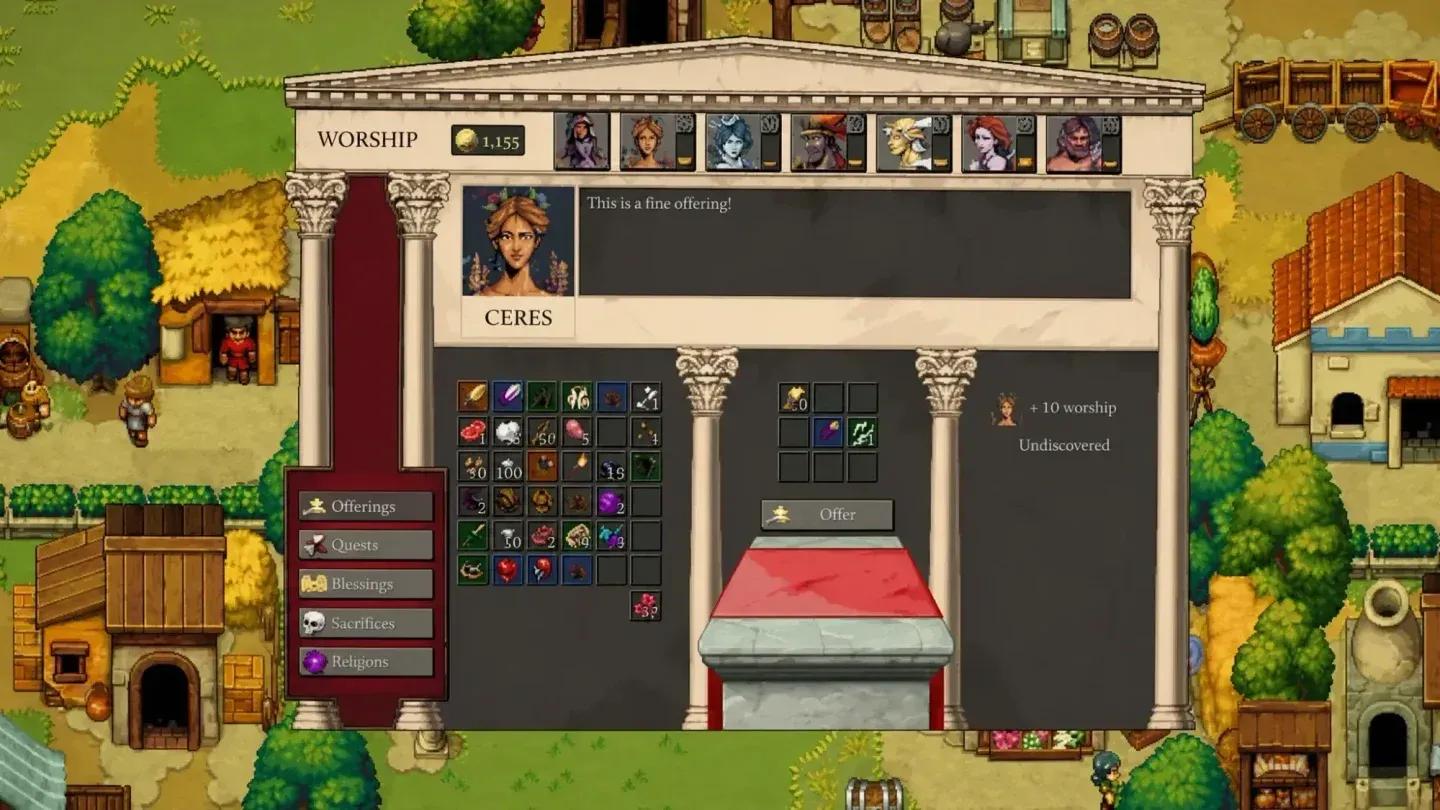
Blessing tier upgrade screen
World quests: what each god actually asks for
Beyond the passive offering system, each god has specific World Quests with exact item requirements that unlock buildings. These are not optional flavor. Completing them is how you access core construction options.
Minerva quest chain
The Giant Owl asks you to defeat the Guardian of Minerva and offer the Guardian's Eye at the Altar. The reward unlocks Material Storage, Blacksmith, Carpenter's Workshop, Empty House Lv.2, Material Storage Lv.2, Altar Lv.2, and Feathered armor recipes at the Leatherworker.
Virgli's Poem requires offering a Granite Tooth and unlocks Brick Oven, Carpenter's Workshop Lv.2, Altar Lv.3, Tectonic armor and weapon recipes at the Blacksmith, and the Tectonic Arcuballista at the Leatherworker.
Profane Artifice asks for a Core Vessel found near the volcano and unlocks the Temple, Carpenter's Workshop Lv.3, Altar Lv.3, Flamen Volcanalis gear recipes, the Malleus Mechanicus, and Flamen Volcanalis Spellblade at the Blacksmith.
Ceres quest chain
- Honoring the Soil: Offer 20 Wheat. Unlocks Farmstead.
- Fruits of the Harvest: Offer 5 Olives, 5 Pine Nuts, 2 Cabbage. Unlocks Bakery.
- Honoring the Craft: Offer Emperor's Salad, Mushroom Skewer, 5 Bread. Unlocks Watermill.
- Honoring the Art: Offer Scorpion Skewers and Moretum and Bread. Unlocks Garum Dolium.
Diana quest chain
- The Moonstring: Offer the dungeon artifact The Moonstring. Unlocks Well, which feeds Farmstead watering.
- Hunting Armaments: Offer a Sagittarii Bow, Bronze Arcuballista, 500 Flint Arrows, and 200 Bronze Arrows. Unlocks Leatherworker Lv.2.
Mars quest chain
- Sanguis Celeste: Offer Crystallized Blood found in a dungeon. Unlocks Clay Pit.
- Declaration of War: Win a raid using a Declaration of War. Unlocks Pottery.
Mercury quest chain
- Art of Trade: Offer a Denarius. Unlocks Market.
- Significant Pursuit: Offer a Traveler's Coin and Research Paper. Unlocks University.
Venus quest chain
- The Scent of Memory: Offer Amor Redivivus. Unlocks Beer Dolium.
- In Vino Veritas: Offer 10 Grapes, 5 Beer, a Drum, and a Lyre. Unlocks Wine Dolium.
Vulcan quest chain
- The Copper Consistency: Offer 5 Copper Bars. Unlocks Quarry.
- Fueling the Fires: Offer 5 Coal, 10 Wood Planks, 10 Wood Sticks. Unlocks Automatic Scorpio.
- Proving Your Worth: Offer Bronze Helmet, Bronze Chestplate, Bronze Greaves, and Bronze Cart. Unlocks Blacksmith Lv.2.
How to use the Altar without losing progress
New players consistently lose progress at the Altar by stopping one step too early. Offering the item is not the final step.
- Open the Altar and read the active objective before donating anything. The text tells you exactly which item the god currently wants.
- Insert the required offering. Confirm the item was accepted.
- When the god gains a level, a Worship Point appears in the worship menu. Spend it on a blessing tier.
- Claim the reward. If you skip this step, nothing unlocks.
- Return to the Workbench and open Construction Mode. Many altar rewards appear there as new building options, not on the altar screen itself.
If you completed an offering and nothing seems to have changed, you either skipped the claim step or did not check the Workbench afterward. That accounts for almost every "the altar didn't work" complaint.
For a full breakdown of early survival mechanics that work alongside the god system, the Romestead beginner's guide covers professions, biomes, and base building in depth.
Common god and altar mistakes
| Mistake | Better approach |
|---|---|
| Dumping rare items without reading the objective | Check the active quest text before every offering |
| Leaving the Altar before claiming the reward | Always claim before closing the UI |
| Spending all wheat before Honoring the Soil | Reserve wheat when Farmstead is your next goal |
| Treating dungeon artifact quests as optional | If a god asks for an artifact, that dungeon run is a progression requirement |
| Picking blessings only for combat stats | Choose the buff that removes your actual current bottleneck |
| Ignoring Minerva's chain entirely | The Guardian's Eye quest unlocks Altar Lv.2, which gates every deeper blessing tier |
Bosses connect directly to the god system. The Guardian of Minerva drops the Guardian's Eye, but the progression only moves forward after you offer it and claim the reward. Later bosses follow the same pattern. Check whether their drops tie to a god objective before treating them as vendor trash.
For more on navigating boss encounters and the locations where they spawn, the Romestead boss locations guide has every spawn trigger covered.
For everything else across the full game, browse the complete Romestead strategy guides collection.