
Advertisement

Overview
Ruin Raiders is a turn-based tactical roguelike developed by OverPowered Team and published by Freedom Games, released on October 14, 2021, for PC (Steam and Epic Games), Nintendo Switch, and Android. The premise is simple but unforgiving: lead military squads into the ruins of an ancient civilization on a one-way mission, fighting floor by floor through procedurally generated environments that shift with every playthrough. The inspirations are visible and worn proudly, drawing from games like XCOM, Darkest Dungeon, and Mutant Year Zero, yet Ruin Raiders carves out its own identity through the combination of base-building, crafting, and squad progression.
The core loop revolves around descending deeper into ruins that never look the same twice. Each run reshuffles the layout, enemy placement, and loot, so tactical knowledge carries over even when the map doesn't. That design choice is what separates Ruin Raiders from simpler grid-based games: experience compounds across runs through unlockable raider classes, upgraded race abilities, and a base that grows more capable the further you push.
Gameplay and mechanics: what does a run actually look like?
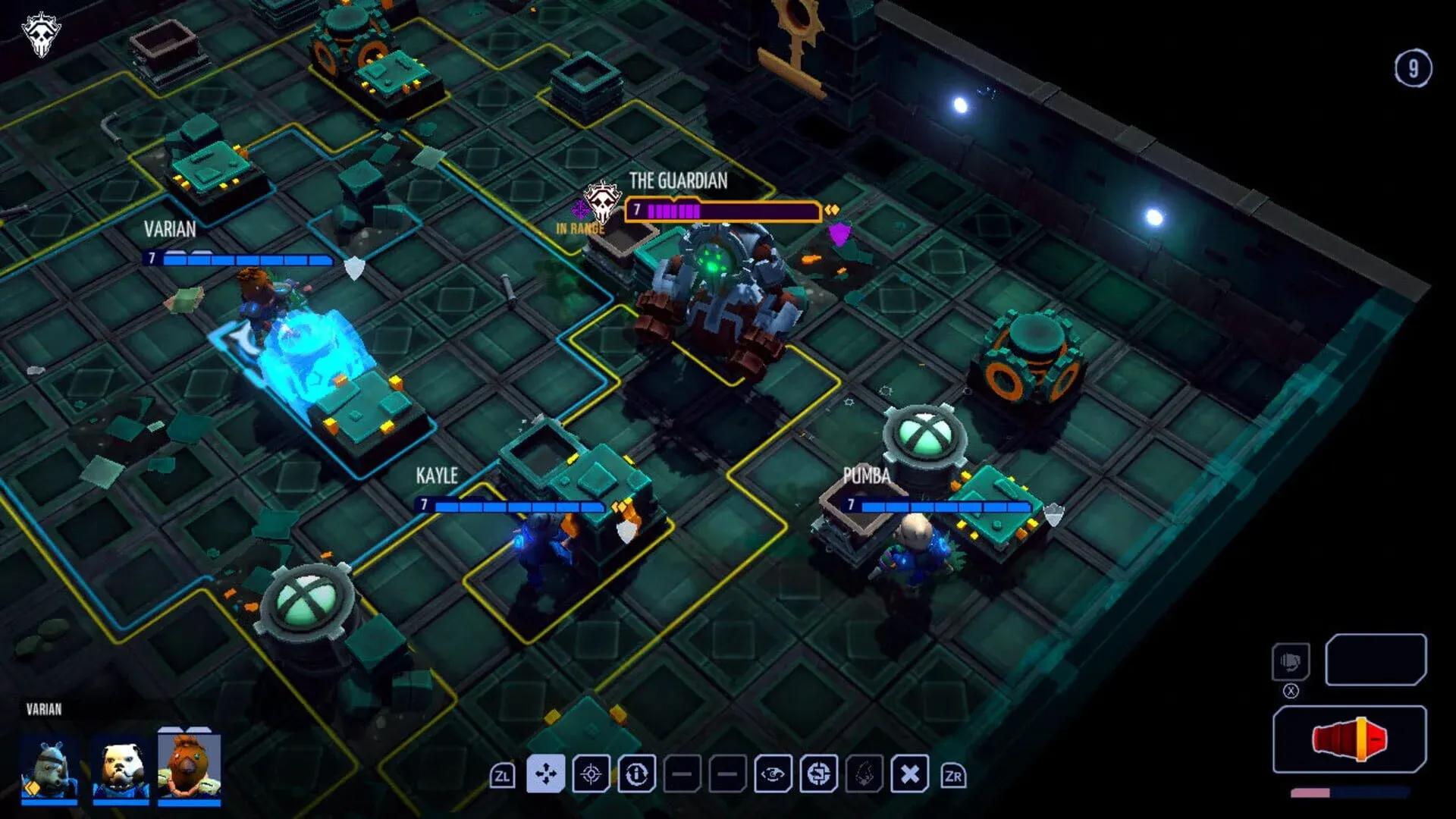
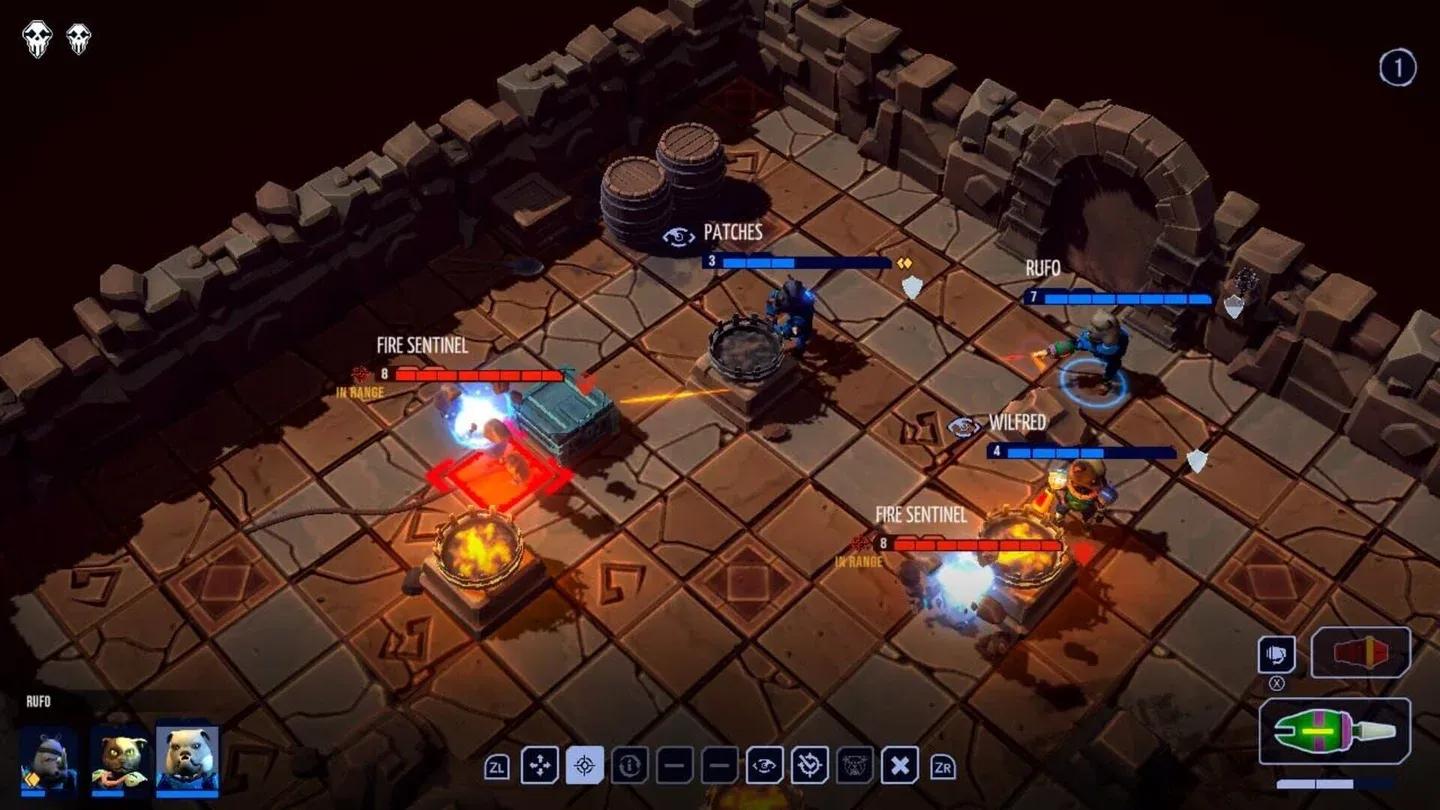
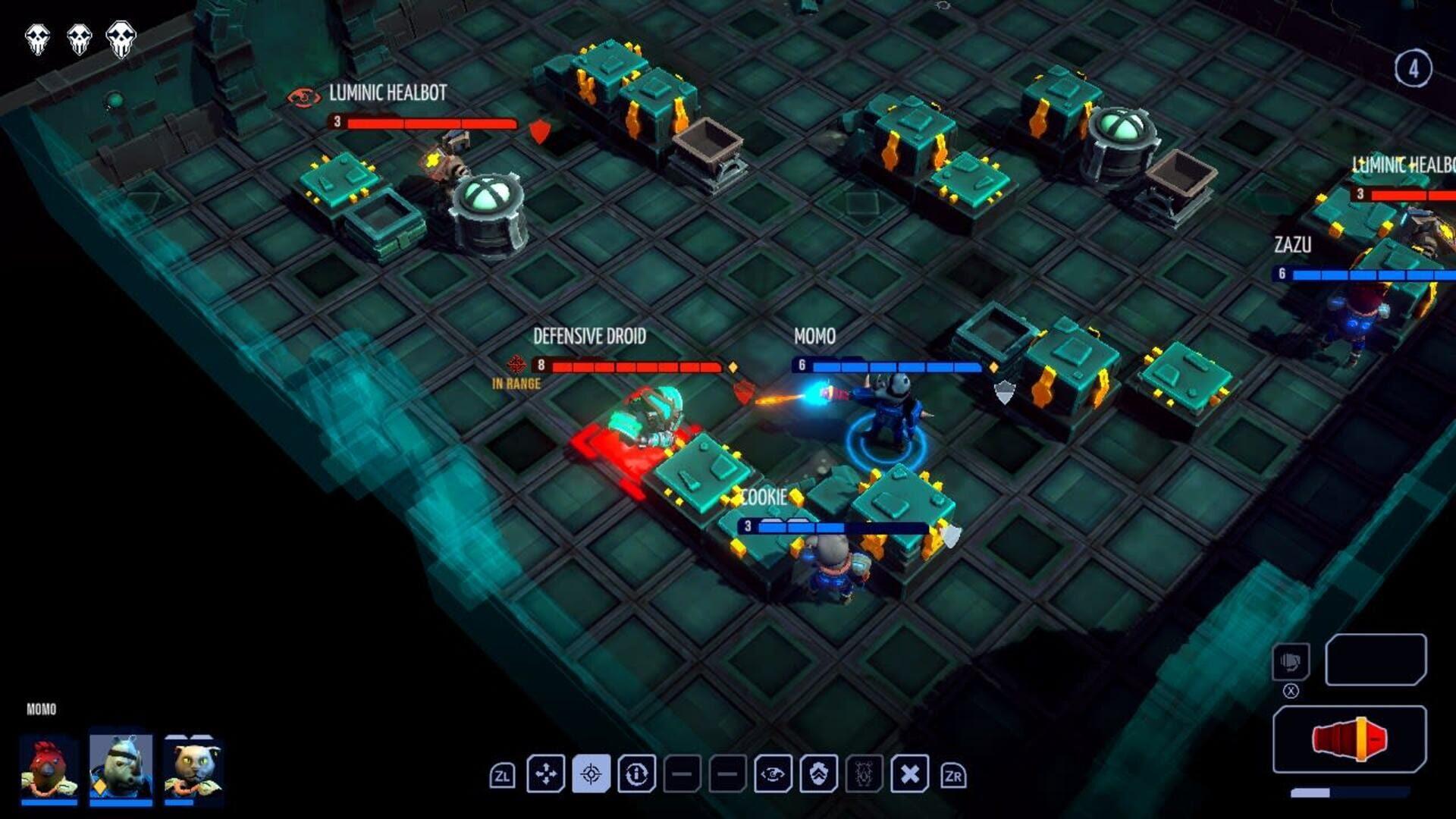
A typical run in Ruin Raiders begins at the top of the ruins and pushes downward through multiple floors, each packed with enemies and punctuated by unique boss encounters. Combat is turn-based and grid-positioned, demanding that players manage squad placement, action economy, and resource expenditure carefully. Rushing gets your squad killed fast.
Key mechanics include:
- Procedurally generated floors with shifting enemy layouts
- Over 100 weapons, grenades, and accessories to loot, craft, and equip
- Unlockable raider races with upgradeable class abilities
- Strategic base that expands to provide permanent upgrades
- Unique bosses on each major floor transition
The crafting system adds a layer of depth that most roguelikes skip. Rather than relying purely on what the loot gods hand you, players can craft and upgrade their own equipment, which matters a lot when a run starts going sideways and the item pool isn't cooperating. Weapon upgrades and unit leveling give individual raiders a sense of identity that makes losing them sting more than expected.
Content and replayability
Procedural generation is the backbone of Ruin Raiders' replayability, but the unlockable content is what gives it staying power. New races open up as players progress, each bringing different ability sets that change how squads are built and how combat is approached. A run with one racial composition plays out very differently from a run built around another, which keeps the meta from going stale.
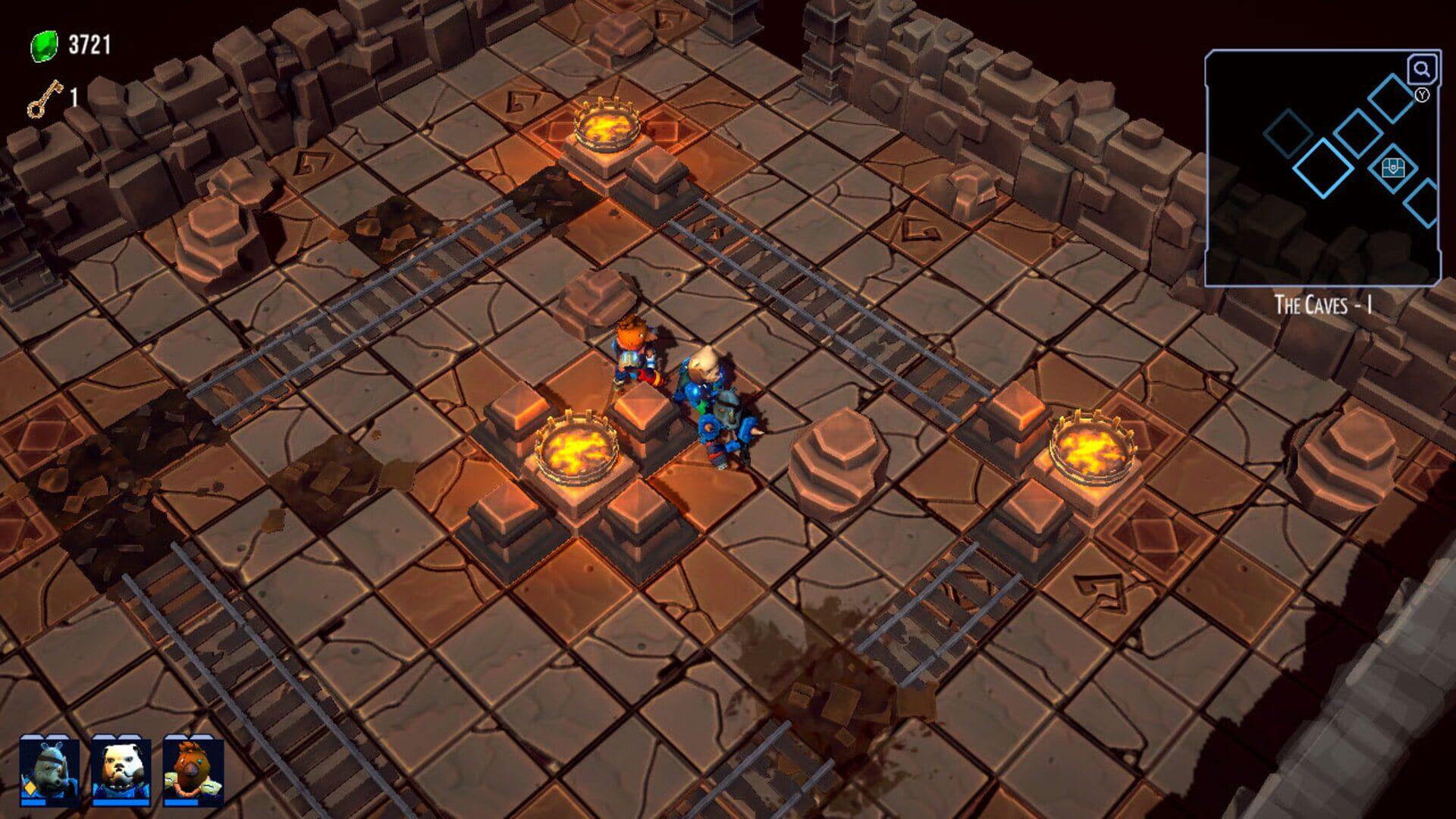
Scattered throughout the ruins are old writings that piece together the story of the catastrophe that destroyed the civilization players are excavating. It's environmental storytelling done economically, rewarding exploration without padding the runtime with cutscenes or dialogue walls.
Visual and audio design
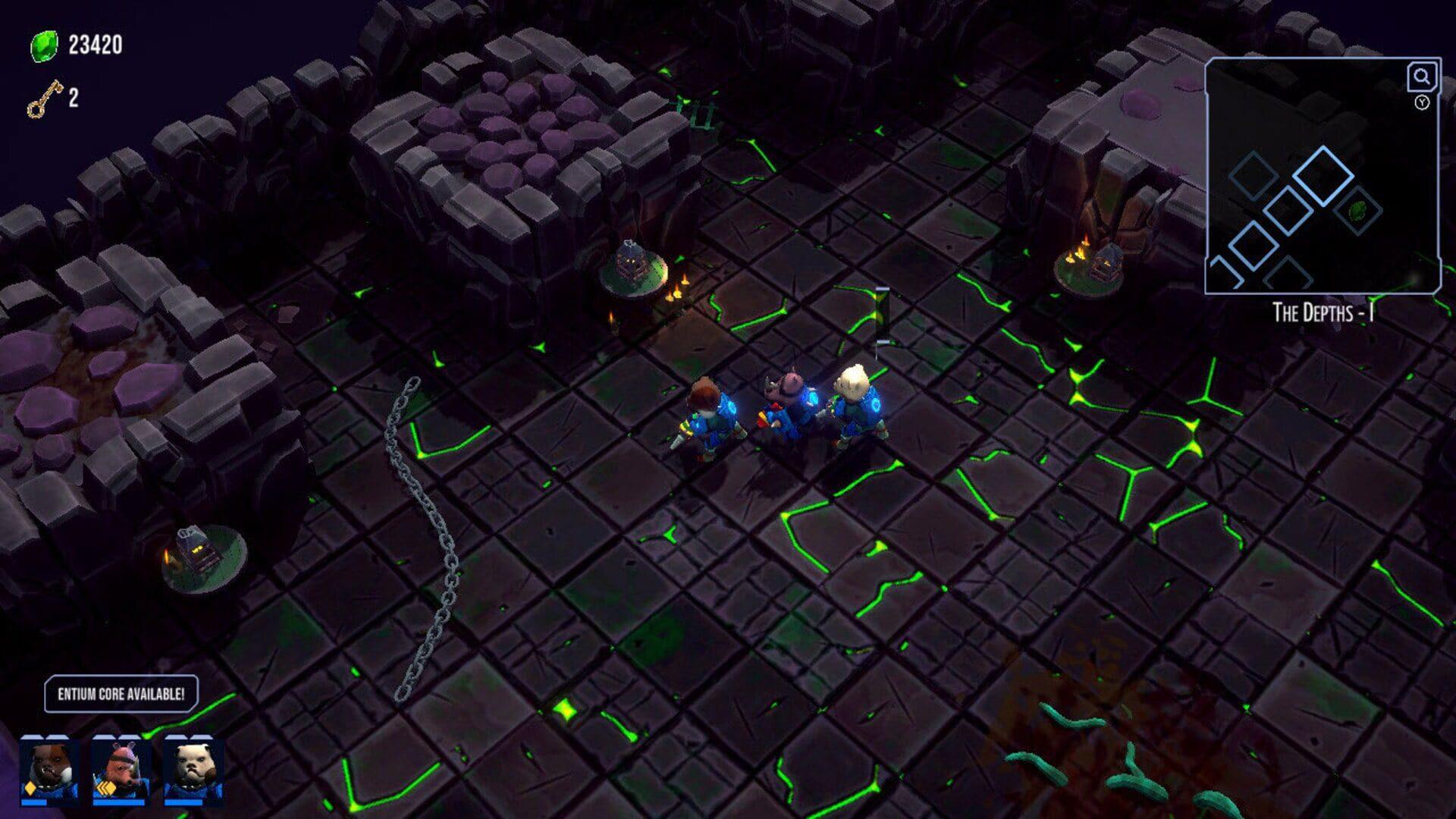
OverPowered Team is a small studio based in Madrid with a team of five, and Ruin Raiders reflects that scale in its art direction: clean, readable, and functional rather than flashy. The visual style prioritizes clarity in combat, which matters in a game where misreading a grid position can cost you a raider. The ruins shift in atmosphere as players descend deeper, moving from structured upper floors toward darker, demon-packed depths that signal the increasing danger.
Conclusion
Ruin Raiders delivers a focused, replayable turn-based tactical roguelike experience that earns its place alongside the genre touchstones it draws from. The combination of procedural generation, squad crafting, base-building, and unlockable raider classes gives it genuine depth without overcomplicating the core loop. For players who want a strategy game that respects their time while demanding their full attention, Ruin Raiders is a solid entry point and a rewarding long-term challenge across PC, Nintendo Switch, and Android.