

Advertisement

Overview
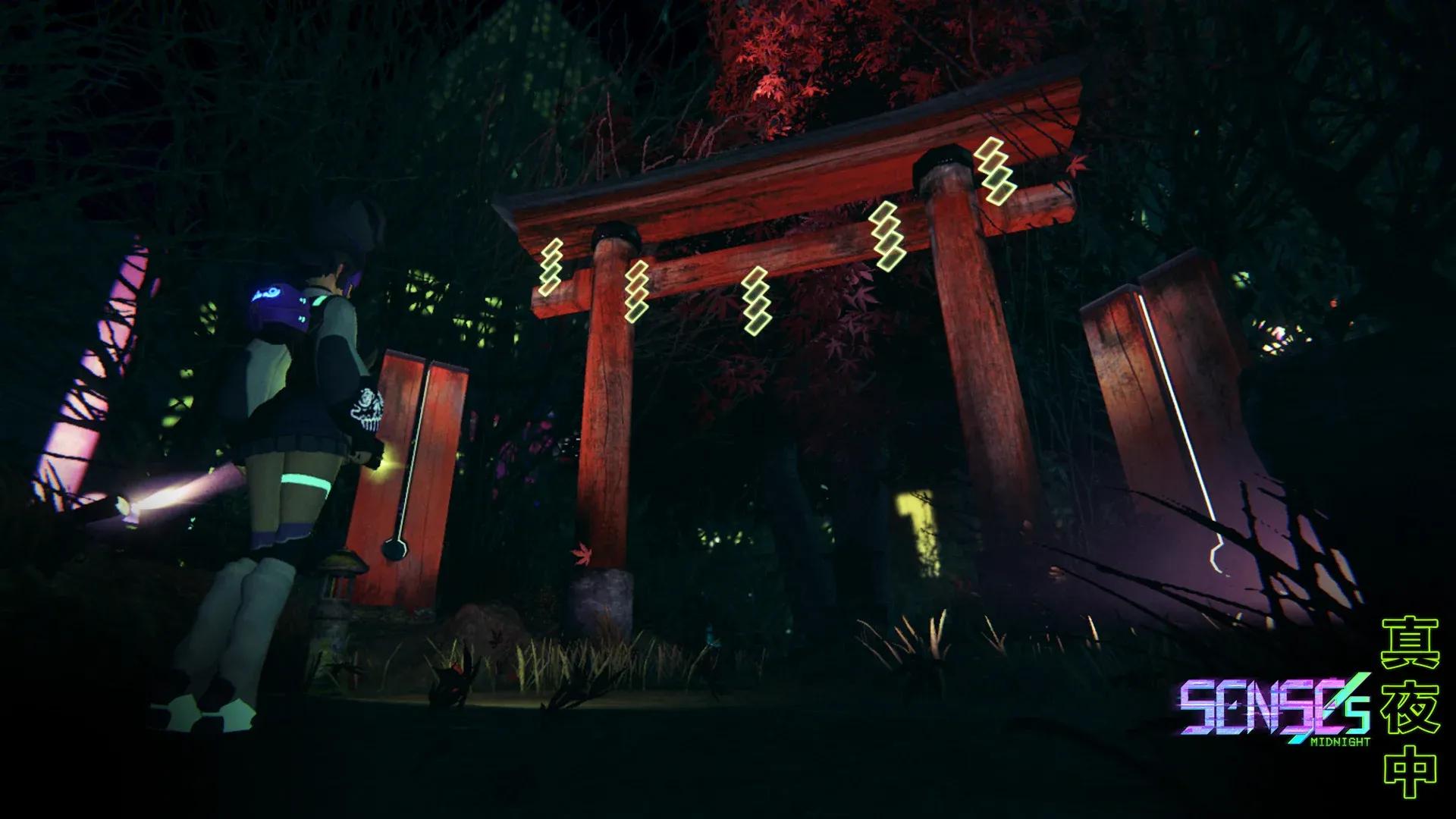
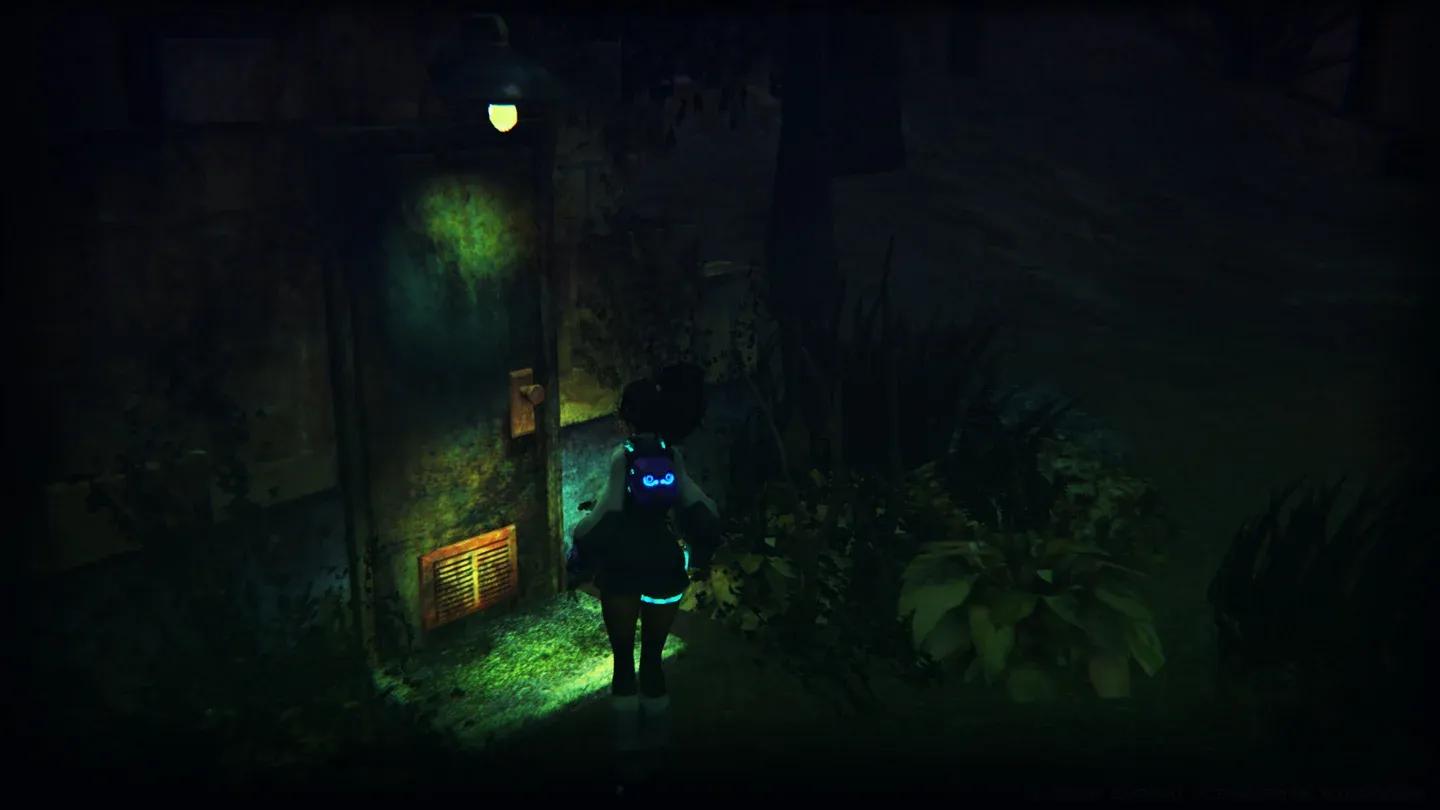
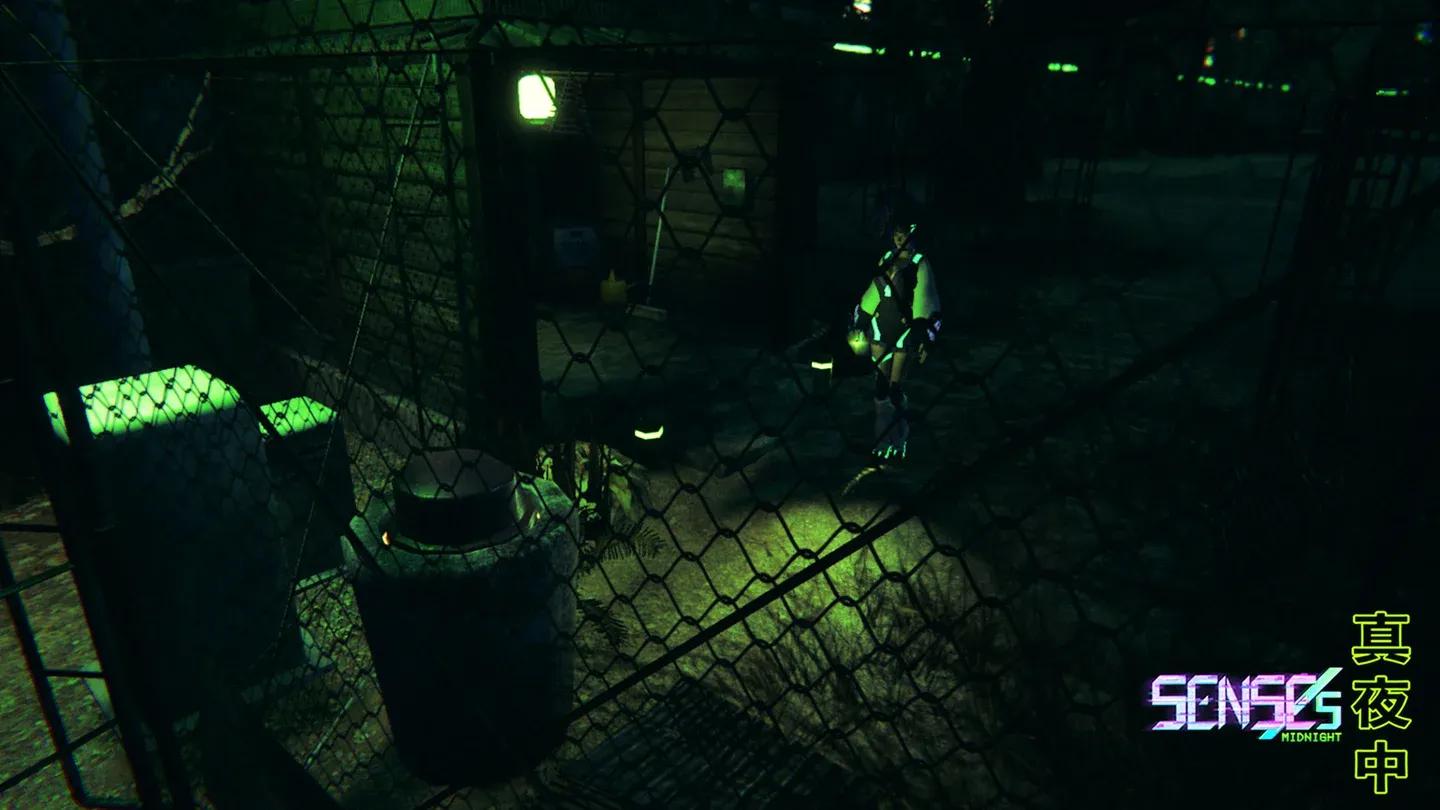
Senses: Midnight is a 3D survival horror game developed by SUZAKU Games that commits fully to the design philosophy of late-1990s and early-2000s horror classics. Fixed camera angles frame every corridor and clearing of the abandoned Ikebukuro Walking Park, while tank controls govern protagonist Uesugi Kaho's movement through the dark. The game wears its Fatal Frame and Resident Evil influences openly, and that's precisely the point.
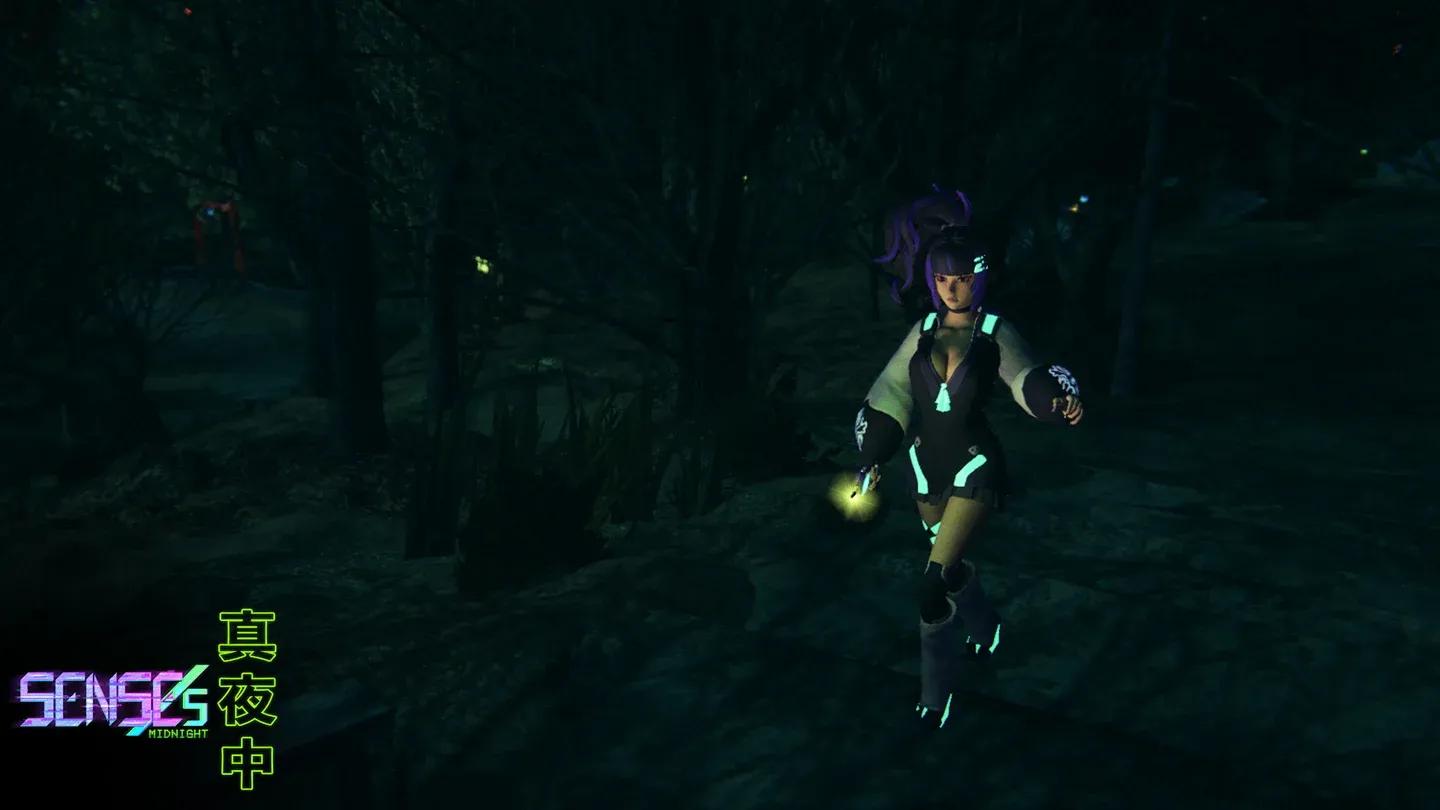
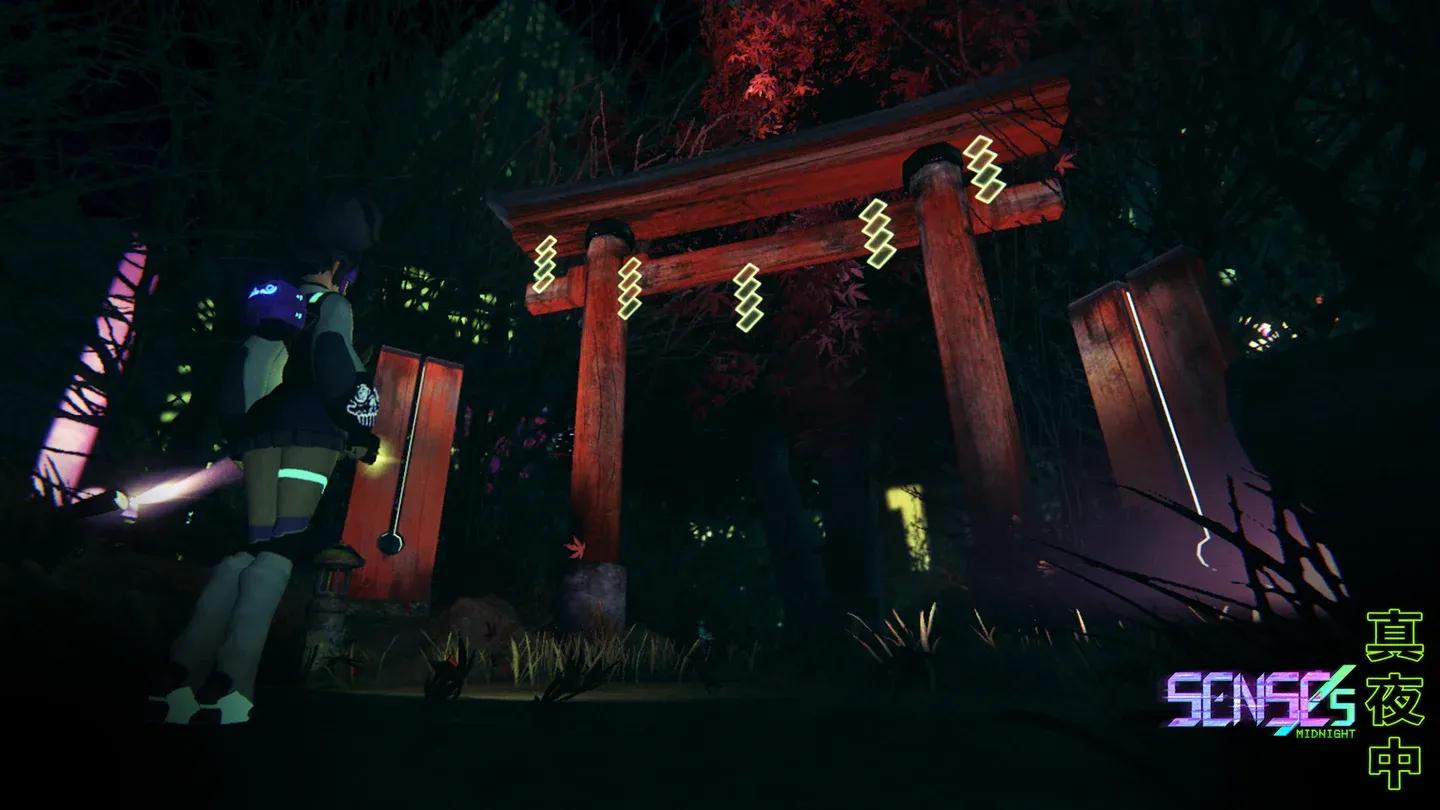
Kaho is a college student and member of her school's occult research club. Returning to Japan for a family visit, she accepts a dare from her fellow club members to investigate an urban legend: the Midnight Door of Ikebukuro Walking Park. Entering the long-abandoned park just before midnight and opening that door turns out to be a serious mistake. What follows is a tense, atmospheric crawl through a location dripping with dread and supernatural threat.
This is also the first entry in an anthology-style sequel to Sense: A Cyberpunk Ghost Story, expanding SUZAKU's horror universe while standing on its own as a complete experience.
Senses: Midnight content image
Gameplay and mechanics
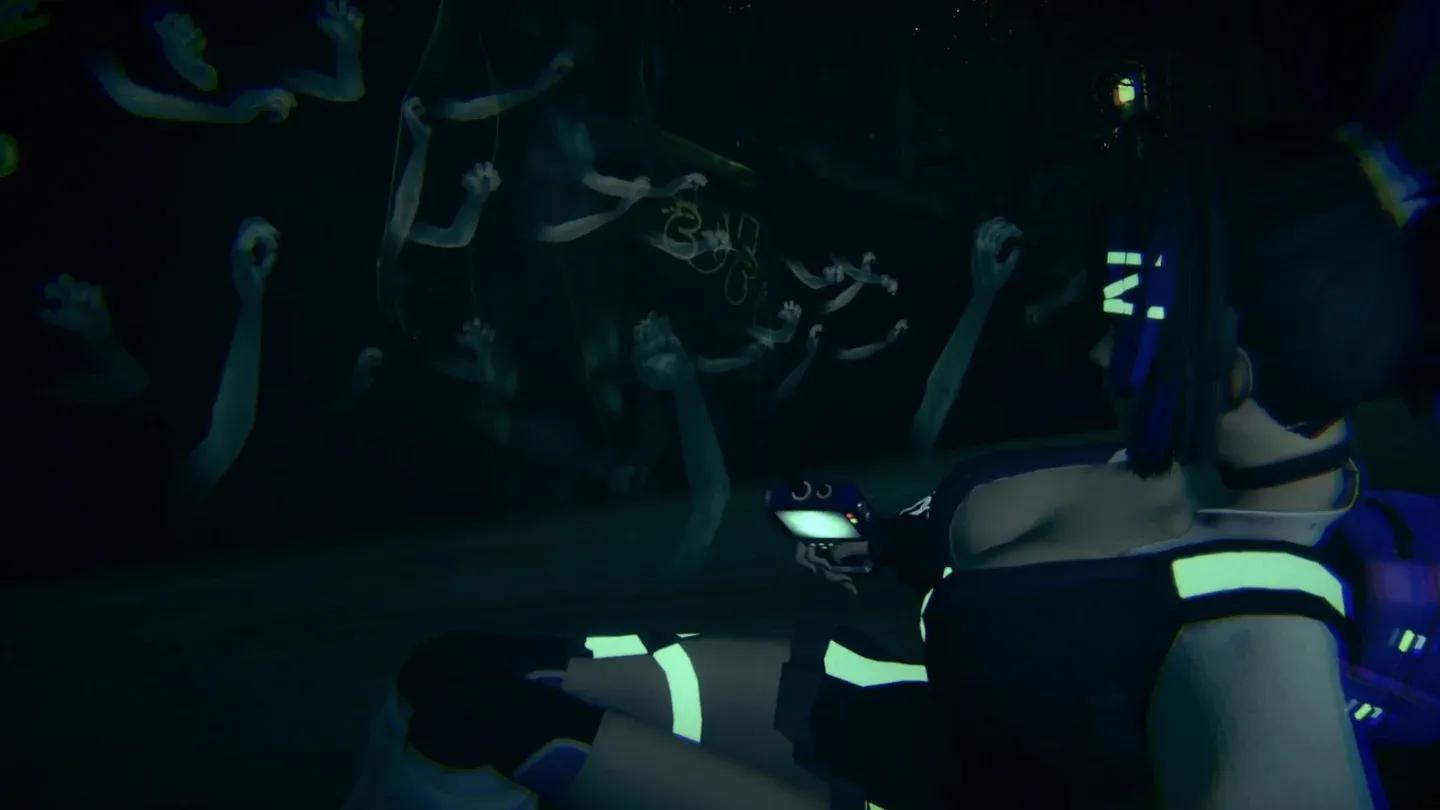
Senses: Midnight keeps its survival horror design principles tight. Key mechanics include:
Senses: Midnight content image
- Limited inventory slots requiring careful resource management
- A single save location adding genuine risk to every run
- Hiding spots to temporarily evade pursuers
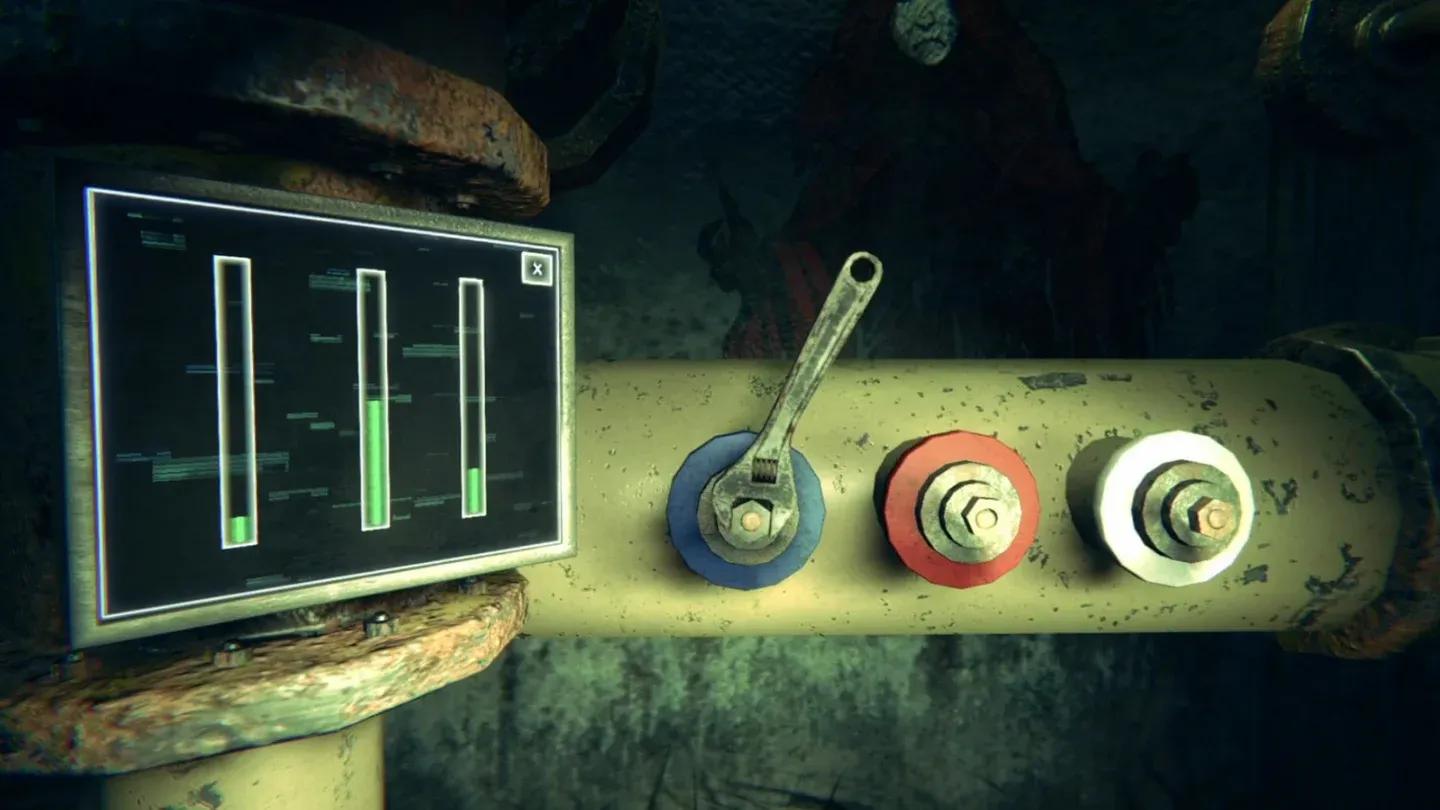
- Puzzles that can alert vengeful spirits if solved carelessly
- Environmental storytelling delivering lore through exploration
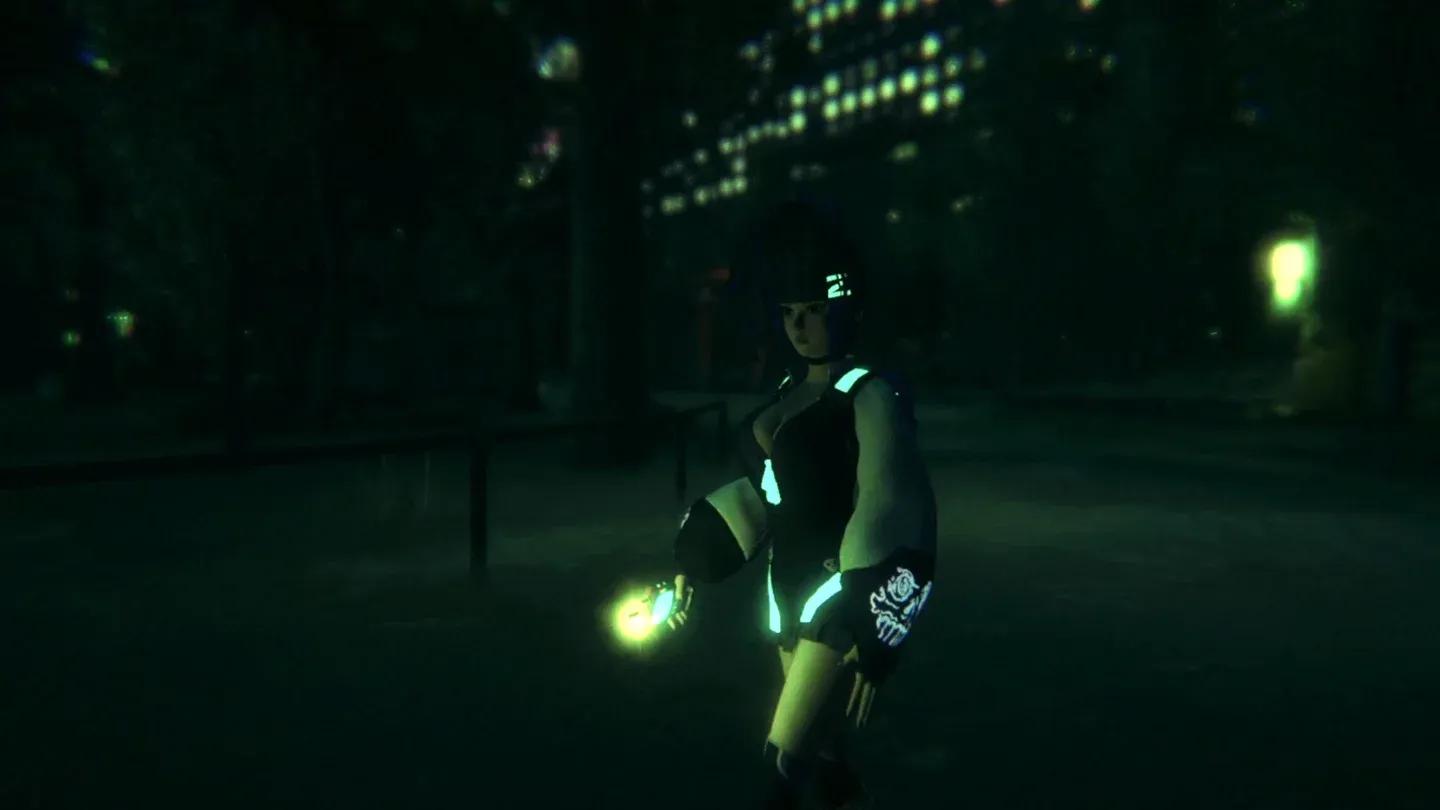
The limited inventory system forces real decisions. Picking up a new item means thinking hard about what you leave behind, and backtracking through spirit-haunted paths to retrieve something you dropped is never a comfortable experience. Every slot matters.
Senses: Midnight content image
What is the main threat in Senses: Midnight?
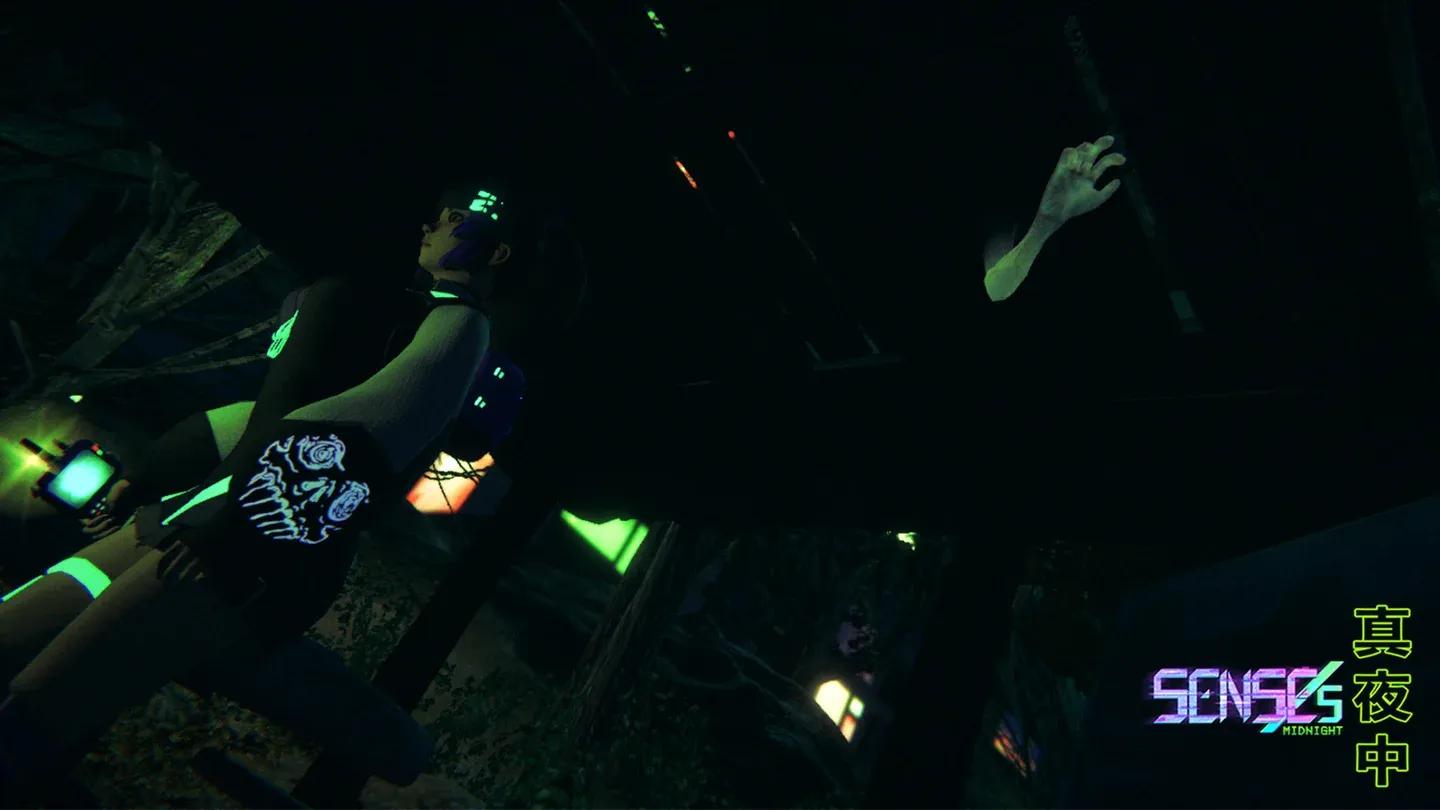
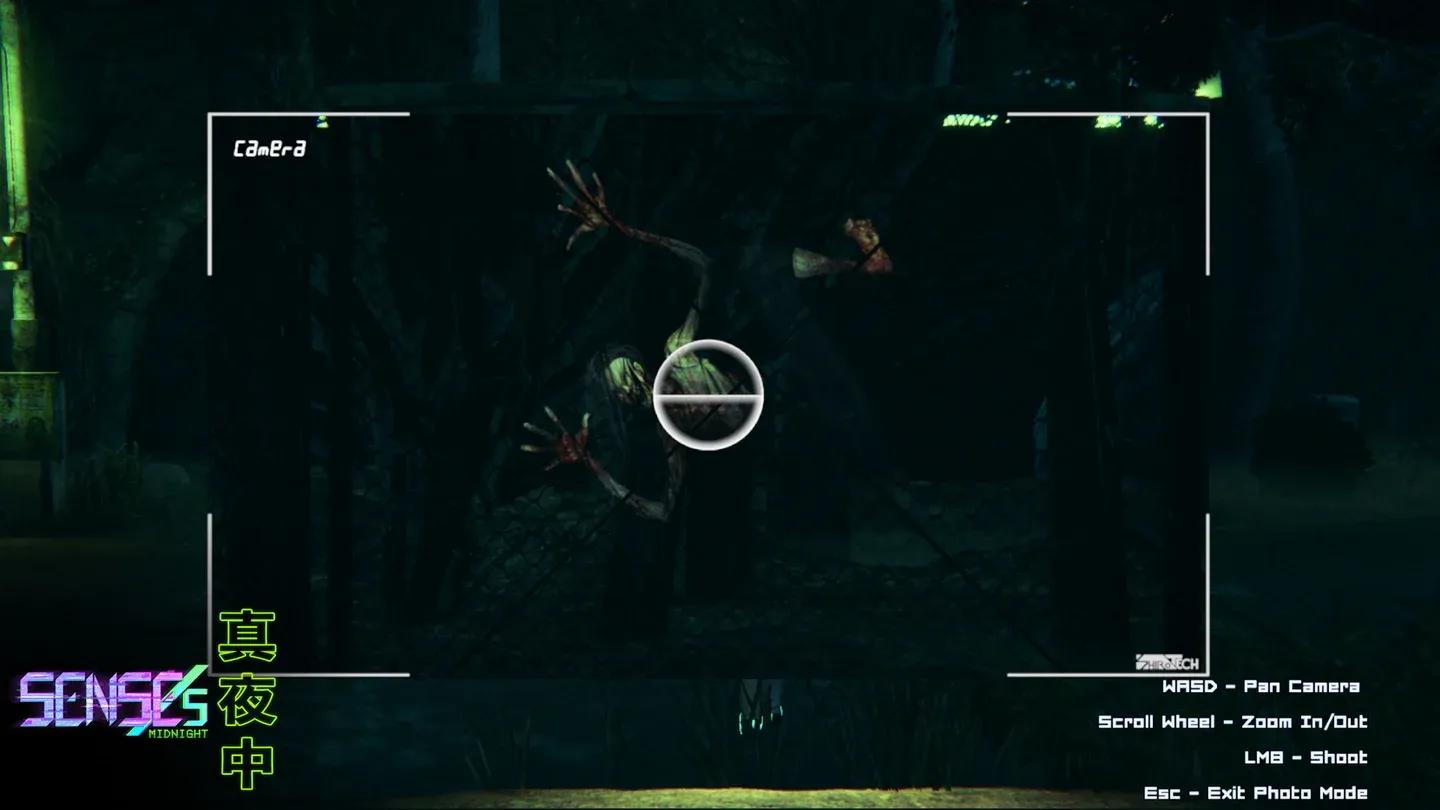
The central antagonist is a relentless Onryo, a vengeful spirit drawn from Japanese folklore, that stalks Kaho throughout the park. The Onryo does not give up and does not follow a predictable patrol route, which keeps the tension high across the entire game. Hiding spots offer temporary relief, but they are not guaranteed safety. The game's single save point means a bad encounter can cost significant progress, a design choice that amplifies the stakes of every moment spent in the park.
The atmosphere leans heavily on environmental dread rather than jump scares. The Ikebukuro Walking Park feels genuinely abandoned and wrong, with the fixed camera angles doing much of the heavy lifting in building unease. A camera that cuts to a new angle just as something moves at the edge of the previous frame is a trick the classic era used well, and Senses: Midnight applies it effectively.
Senses: Midnight content image
World and setting
Ikebukuro Walking Park sits in the real Tokyo district of Ikebukuro, grounding the supernatural events in a recognizable urban context. The park's history and the origin of the Midnight Door are told through the environment itself rather than cutscenes or exposition dumps. Notes, objects, and the layout of the space build a picture of what happened there and why the Onryo remains.
The Japanese urban legend framework gives Senses: Midnight a distinct identity within the survival horror genre. Onryo mythology carries specific cultural weight, and SUZAKU Games uses that material seriously rather than as surface decoration. The result is a horror game that feels rooted in a particular tradition rather than generically spooky.
System Requirements
| Requirement | Minimum |
|---|---|
| OS | Windows 10 |
| Processor | Intel I5 |
| Memory | 16 GB RAM |