Advertisement





Overview
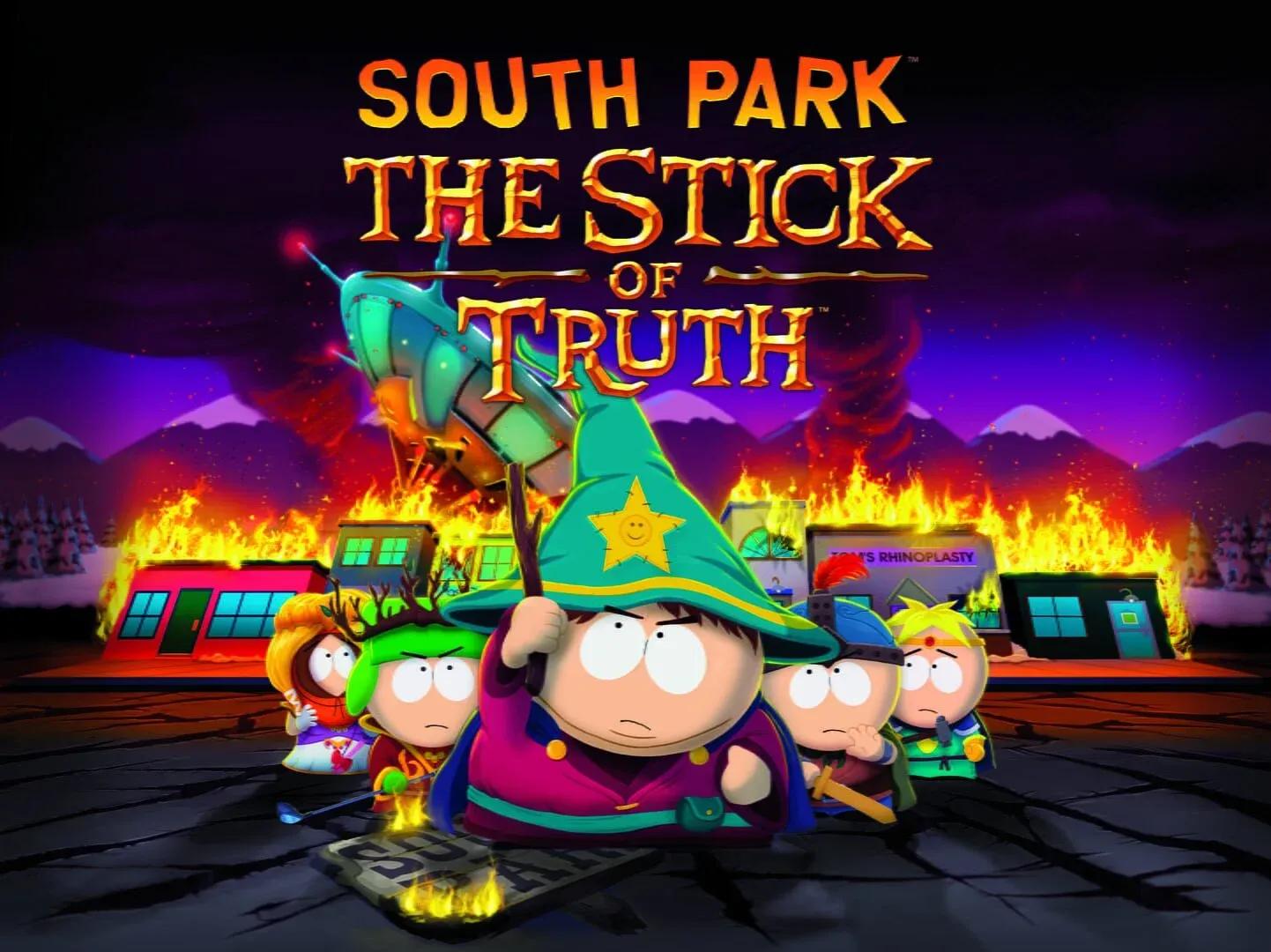
South Park: The Stick of Truth puts players in control of the New Kid, a silent newcomer to the small mountain town of South Park, Colorado. What starts as a neighborhood kids' fantasy game controlled by Cartman's "wizard king" faction and Kyle's elven army quickly escalates into something far bigger and stranger. Trey Parker and Matt Stone co-wrote the script alongside Obsidian, and it shows: the game feels less like a licensed cash-in and more like a feature-length episode.
Obsidian's involvement is the reason the gameplay holds up. The studio behind Fallout: New Vegas brought genuine RPG craft to a property that could have been a shallow novelty. The result is a 10 to 15 hour adventure that takes its mechanics seriously while letting the South Park absurdity run completely unchecked.
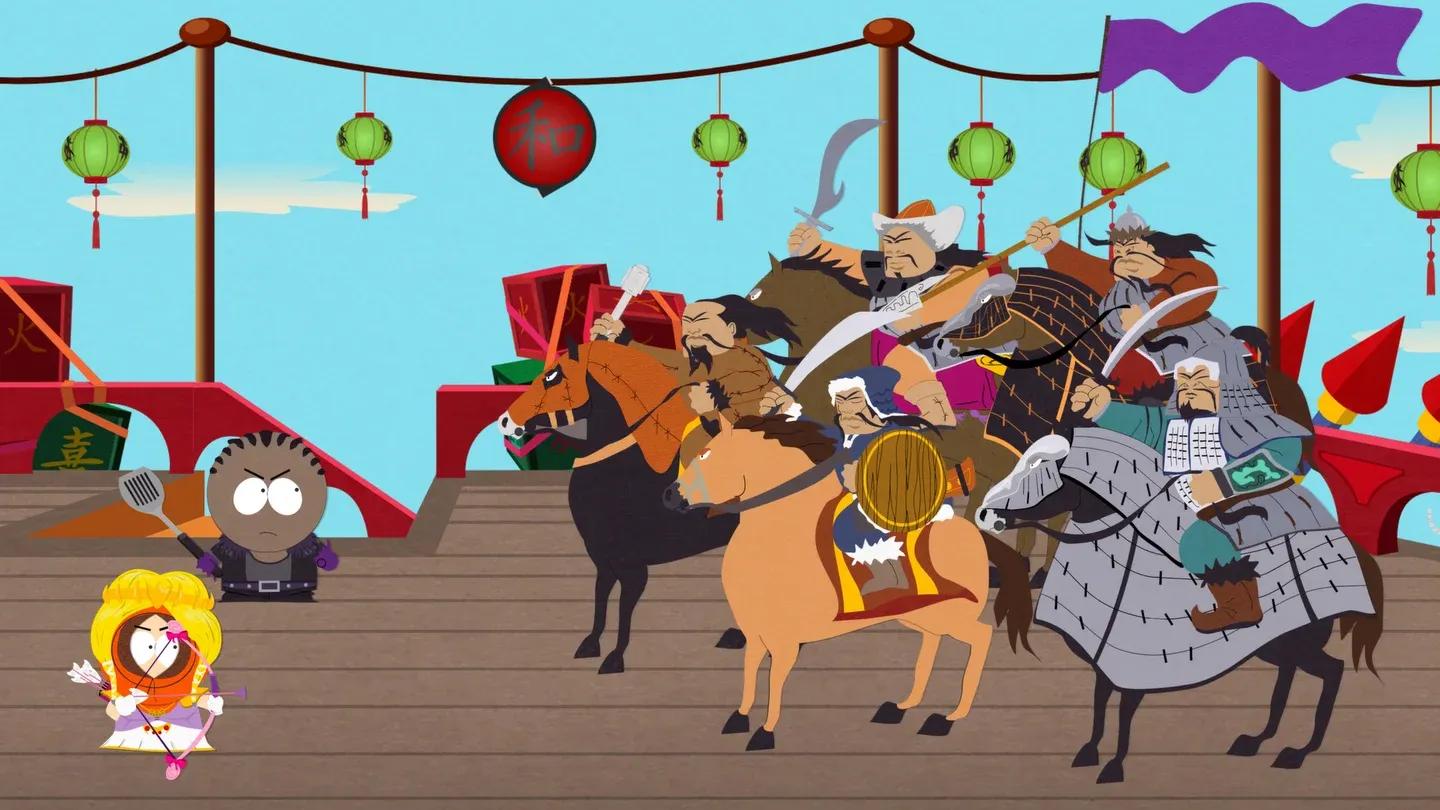
South Park™: The Stick of Truth™ content image
Gameplay and mechanics
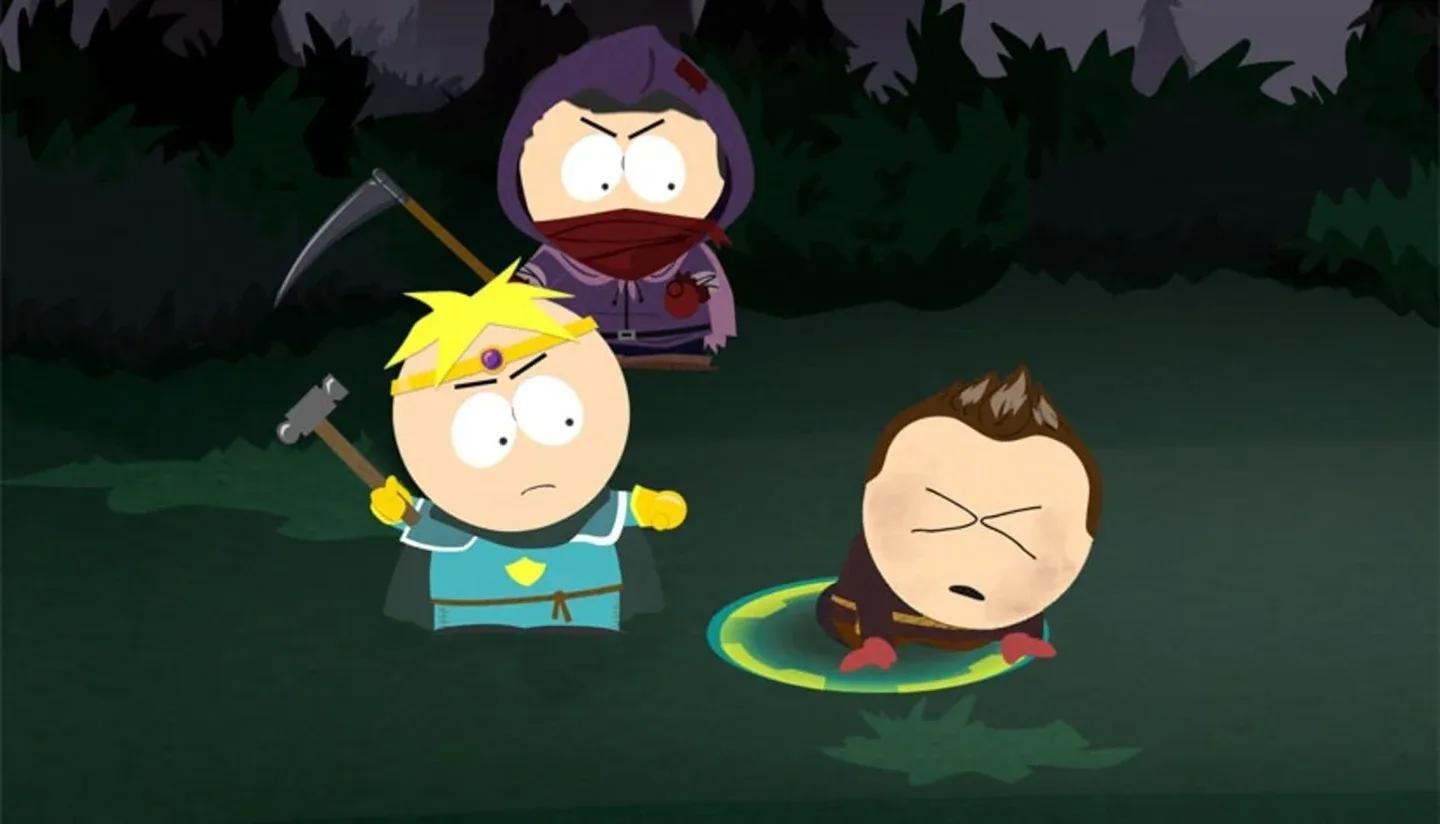
The combat system borrows from classic JRPGs and adds timed button inputs to every action, meaning attacks, blocks, and abilities all require active participation rather than passive menu selections. Key features of the combat include:

South Park™: The Stick of Truth™ content image
- Timed attacks for bonus damage
- Blocking and counter mechanics
- Summon abilities featuring series characters
- Status effects tied to weapon types
- Equipment-based stat progression
Character classes include Fighter, Mage, Thief, and Jew (yes, really), each with distinct ability sets. The New Kid's equipment and companions change how encounters play out, and the game rewards players who learn the timing windows rather than just grinding levels.
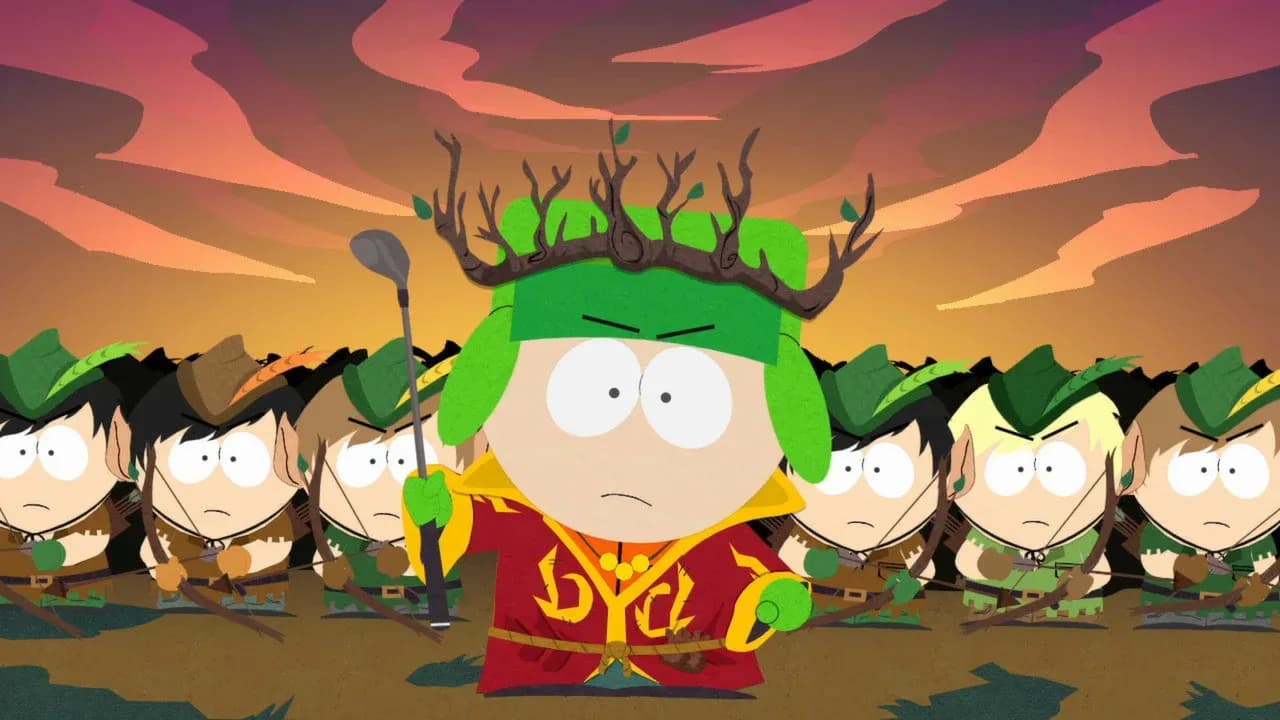
South Park™: The Stick of Truth™ content image
World and setting
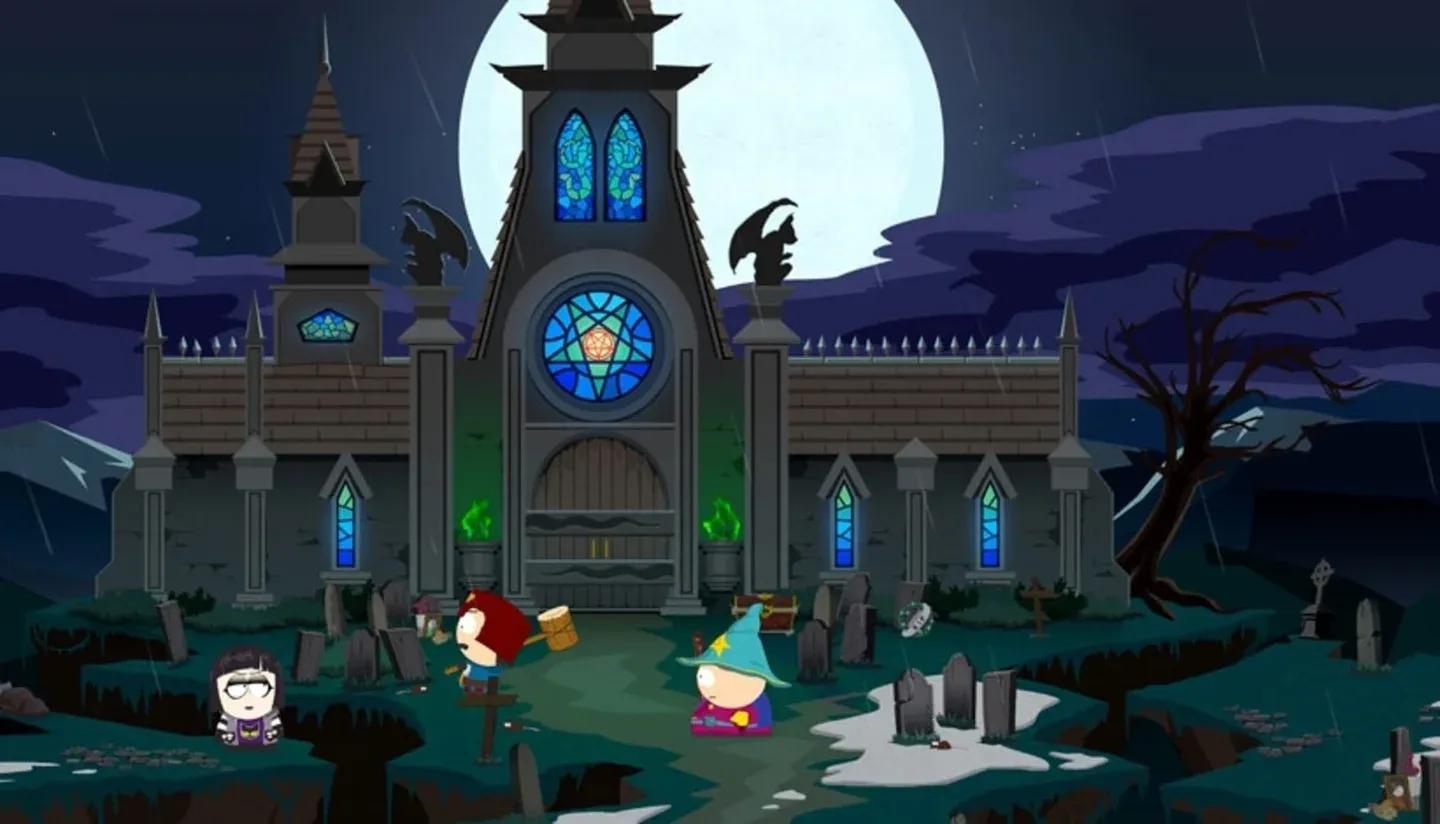
The entire town of South Park is explorable, and Obsidian reconstructed it with unusual fidelity to the animated series. Kenny's house, Cartman's basement, the school, City Wok, and dozens of other recognizable locations are all present and packed with interactive details. The 2D art style directly replicates the show's animation, which is a deliberate and effective choice: the game looks exactly like an episode.
Side quests send the New Kid into basements, sewers, and government facilities, each with their own absurd setups. The writing doesn't soften the show's edge for a gaming audience, and the ESRB's Mature rating covers content that genuinely earns it.
Is The Stick of Truth worth playing for non-fans?
Players unfamiliar with South Park will still find a competent turn-based RPG with solid mechanics and consistent comedic writing. The humor is specific and often referential, but the game never relies entirely on prior knowledge to land its jokes. The RPG systems are approachable without being shallow, and the pacing keeps things moving without overstaying its welcome.
For series fans, the game functions as a love letter to over 17 seasons of material. Characters, running gags, and locations from across the show's history appear throughout, and the density of references rewards long-term viewers without alienating newcomers.

South Park™: The Stick of Truth™ content image
Impact and legacy
Released in March 2014 after a troubled development that included publisher changes and delays, The Stick of Truth holds a Metacritic score in the high 80s across platforms and remains one of the most positively received licensed games of its generation. It demonstrated that a licensed property could be adapted into a genuine RPG rather than a promotional product. The game's success led directly to South Park: The Fractured But Whole in 2017, with Ubisoft continuing as publisher. Available on PC, PlayStation, Xbox, and Nintendo Switch, it remains broadly accessible across modern platforms.
System Requirements
| Requirement | Minimum | Recommended |
|---|---|---|
| Processor | Intel Pentium Dual-Core E2180 @ 2.0 GHz or AMD Athlon64 X2 3800+ @ 2.0 GHz | Intel Core2Duo E4400 @ 2.0 GHz or AMD Athlon64 X2 4400+ @ 2.3 GHz or better |
| Memory | 2 GB GB RAM | 4 GB RAM |
| Graphics | nVidia GeForce 8800GT or AMD Radeon HD2600XT (512MB VRAM with Shader Model 4.0 or higher) | nVidia GeForce 9800GT or AMD Radeon HD4870 (512MB VRAM with Shader Model 4.0) or better |
| DirectX | Version 9.0c | Version 9.0c |
| Storage | 6 GB available space | 6 GB available space |