
Advertisement

Overview
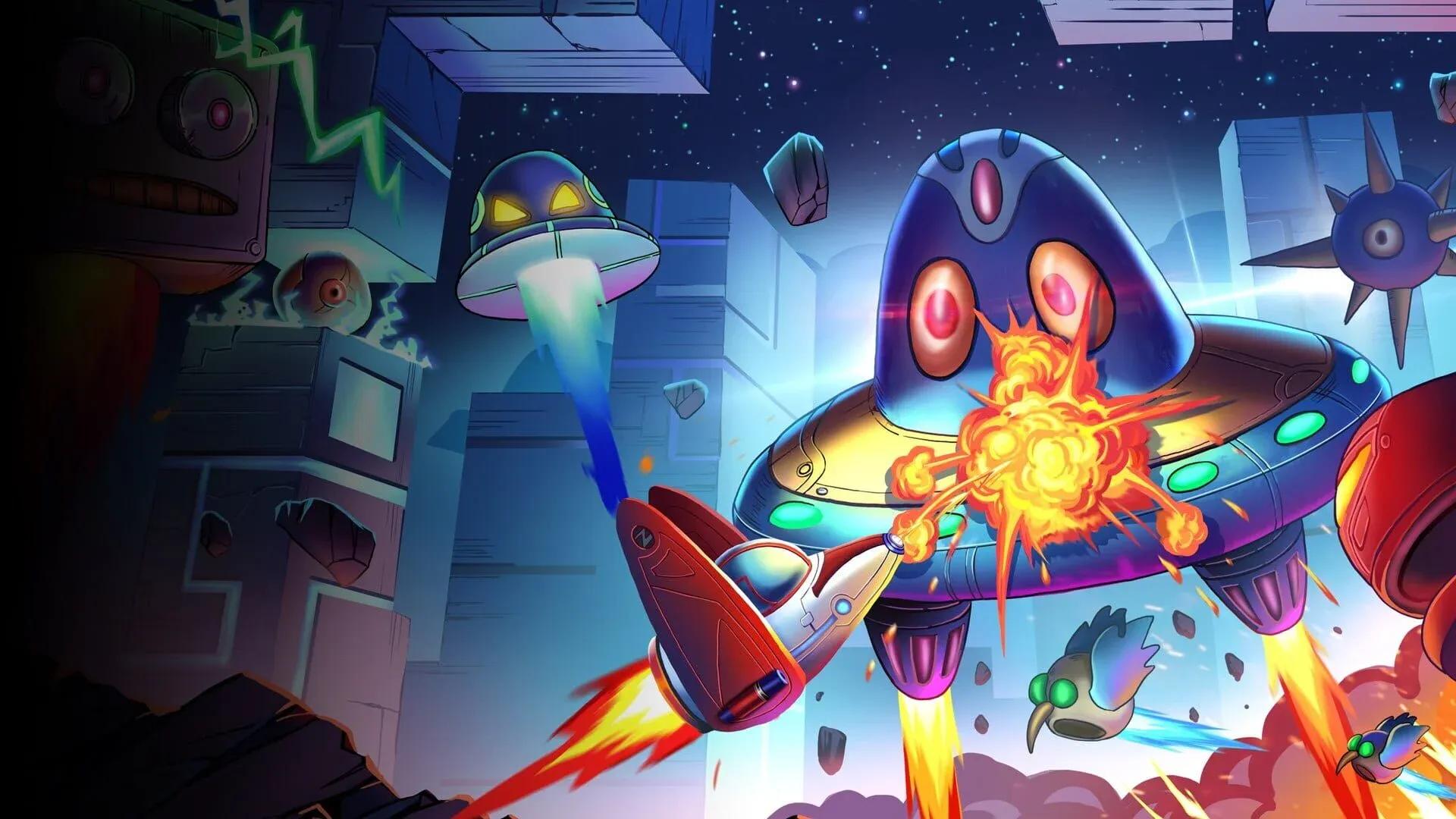
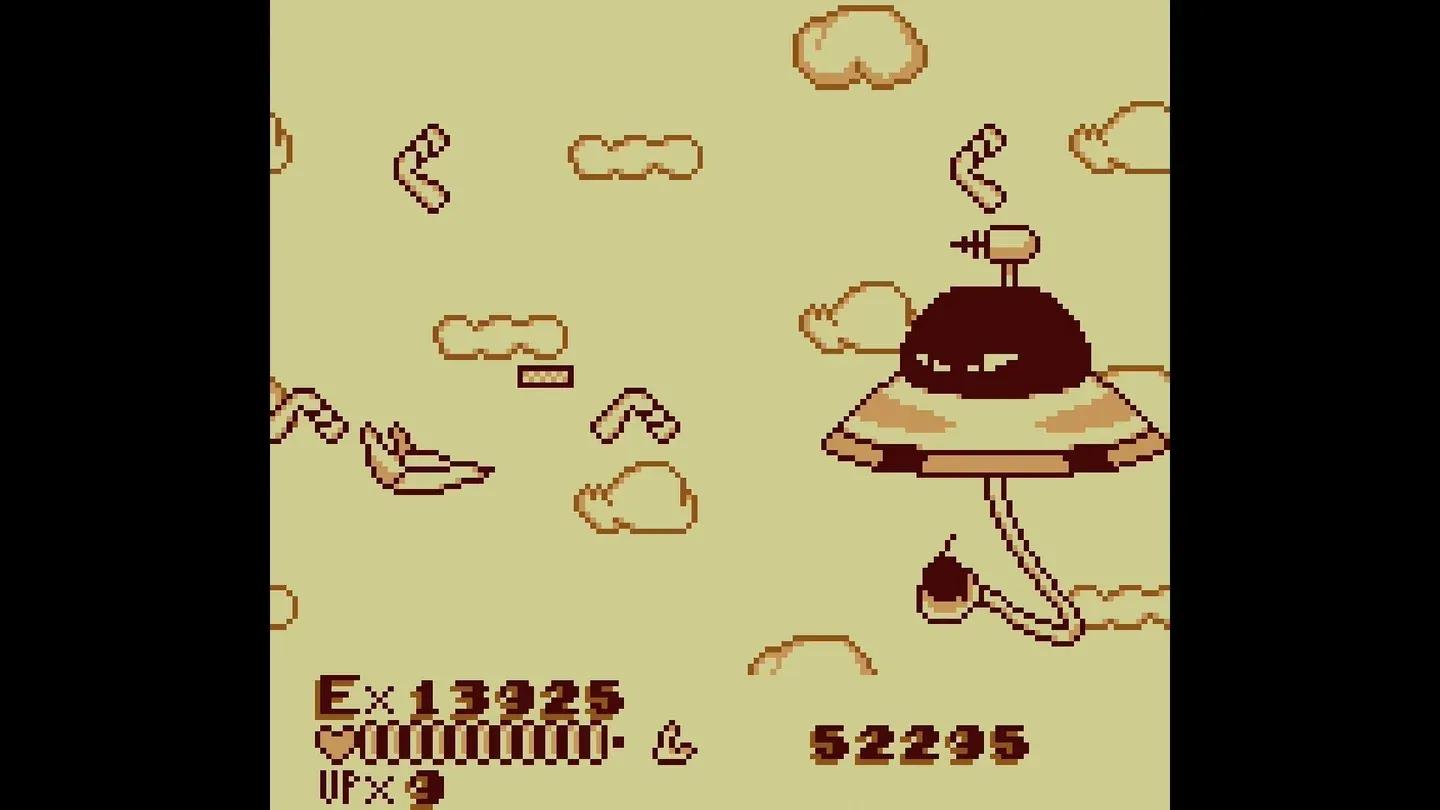
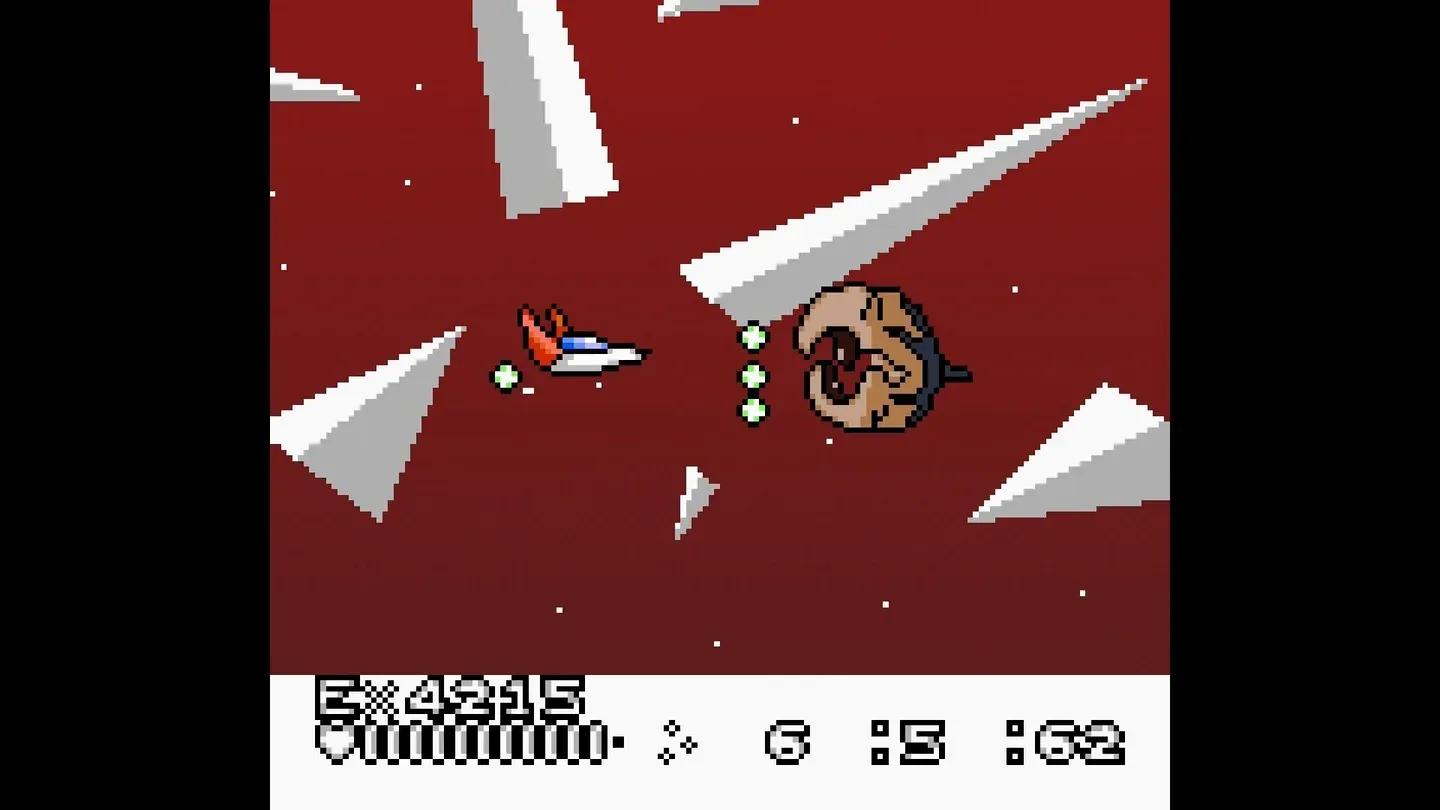
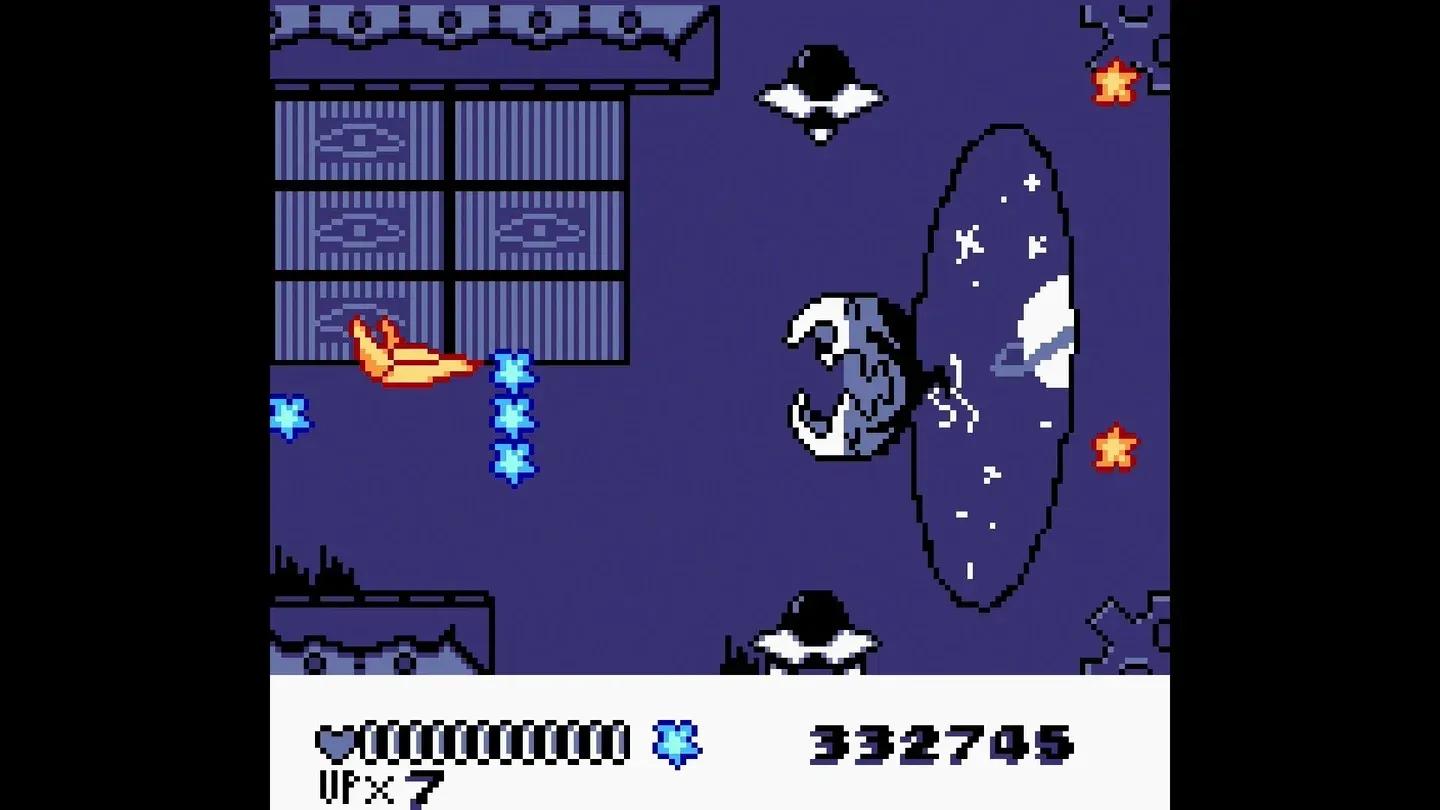
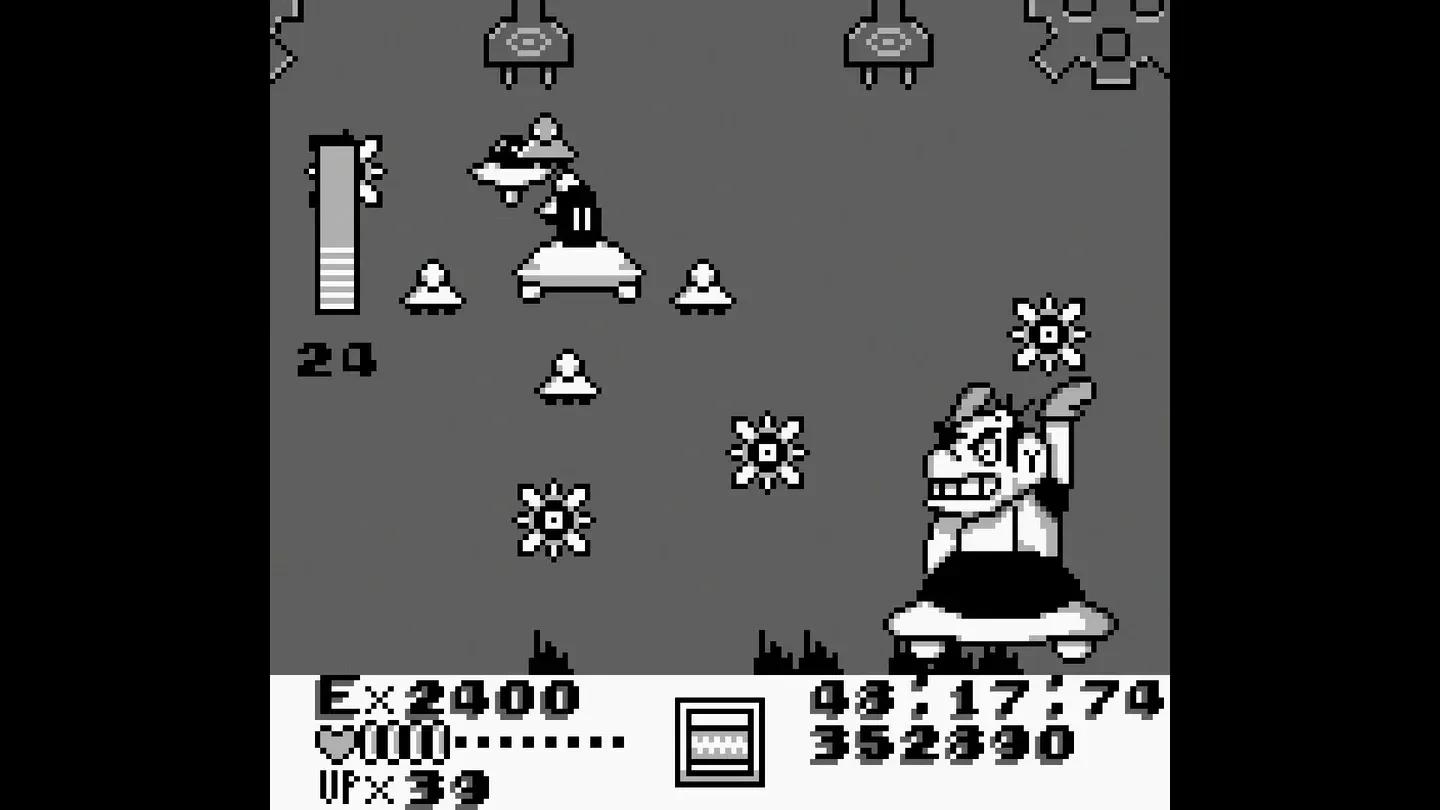
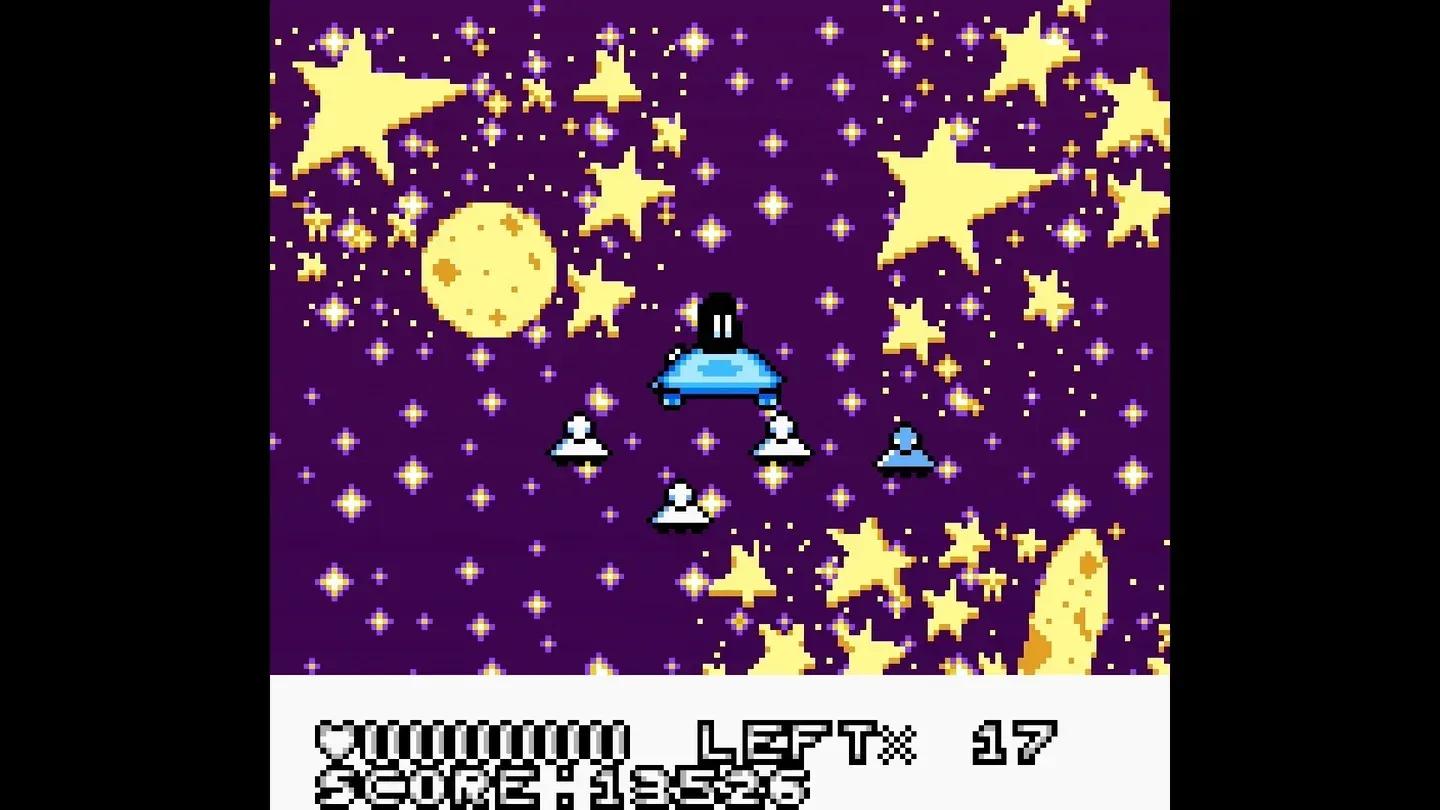
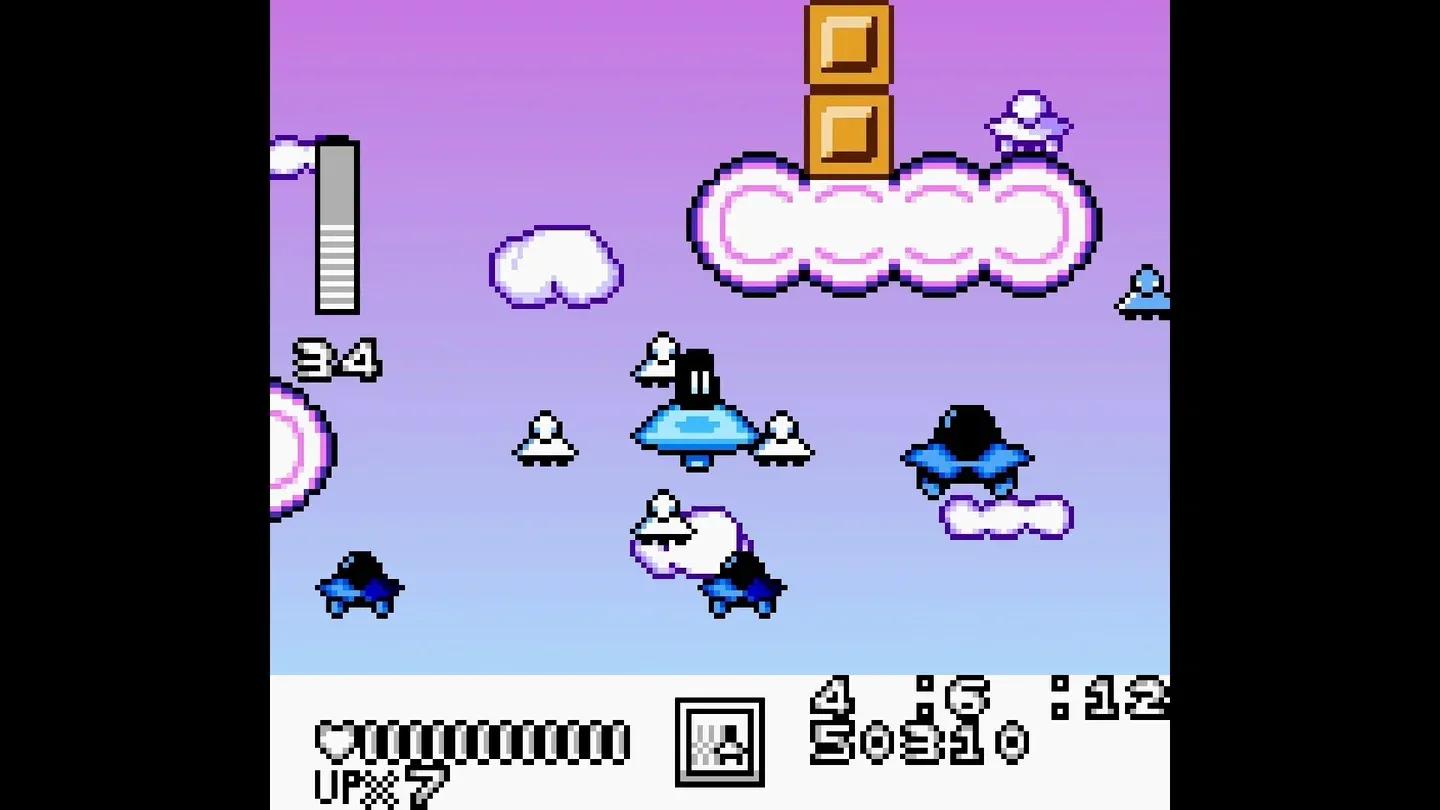
Spacewing War is a side-scrolling shoot'em up developed by Pneuma Games and published by Eastasiasoft Limited, built explicitly around the feel of classic handheld genre games. The 4-tone pixel art presentation is a deliberate aesthetic choice, evoking the limited palette of original Game Boy hardware while still giving each of the 7 stages a distinct visual identity, from star fields and cloudy skies to choppy tropical coastlines.
The alien invaders come from Planet Mavros, and the premise stays cheerfully pulpy throughout. Light-hearted sci-fi storytelling runs alongside the shooting without ever getting in the way of the action. Unexpected narrative twists unlock as you progress, giving completionists a reason to push through every campaign the game has to offer.
Spacewing War content image
Gameplay and mechanics
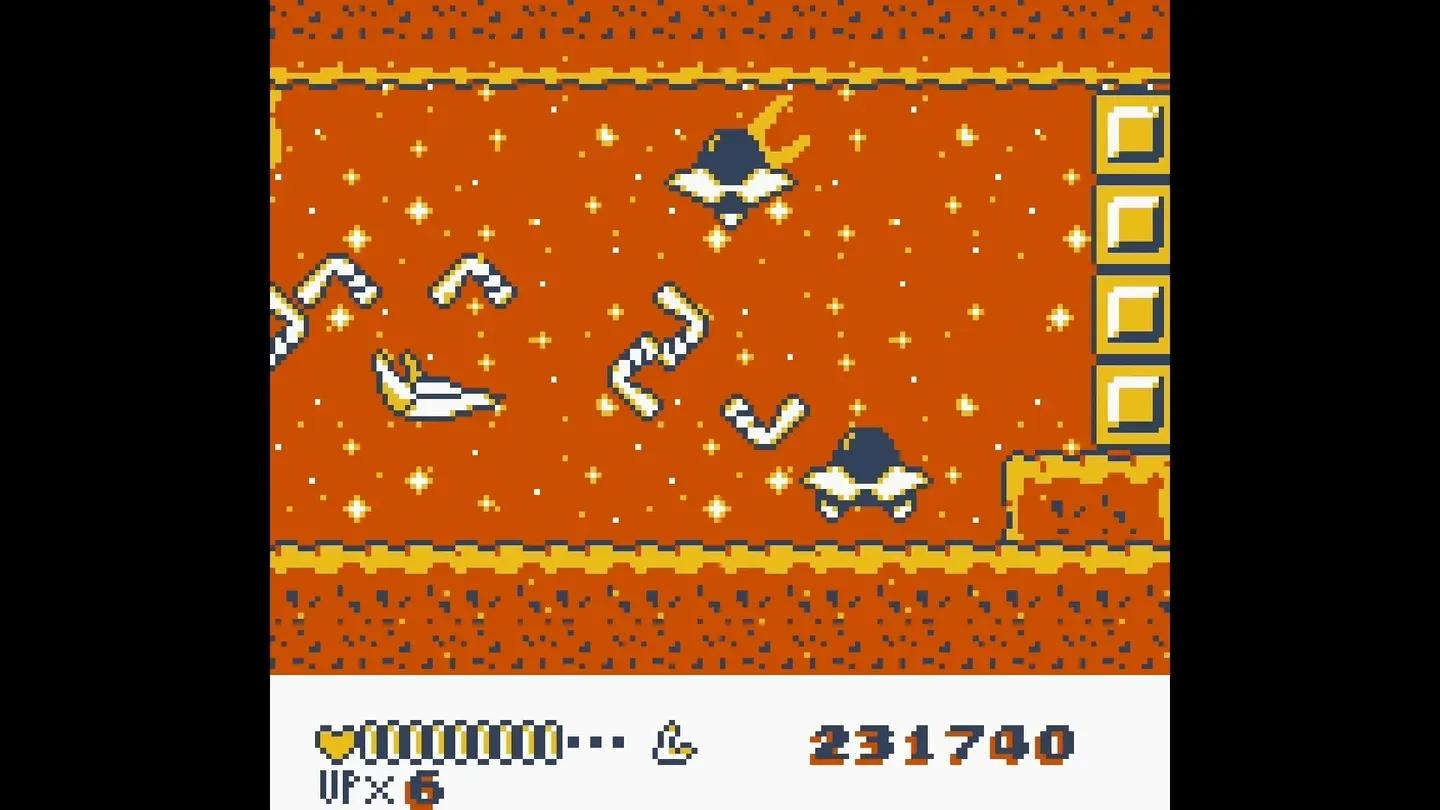
The core loop is tighter than it first appears. Spacewing War arms you with a rotating selection of shot types, ranging from basic blasters to boomerang projectiles, and the game builds puzzling stage obstacles around the assumption that you'll switch between them deliberately. This weapon-juggling system is where most of the mechanical depth lives.
Spacewing War content image
Key features at a glance:
- 7 stages with puzzle-driven obstacles
- Multiple distinct shot types including boomerang projectiles
- Power-ups scattered throughout each level
- Massive boss encounters
- Unlockable campaigns tied to progression
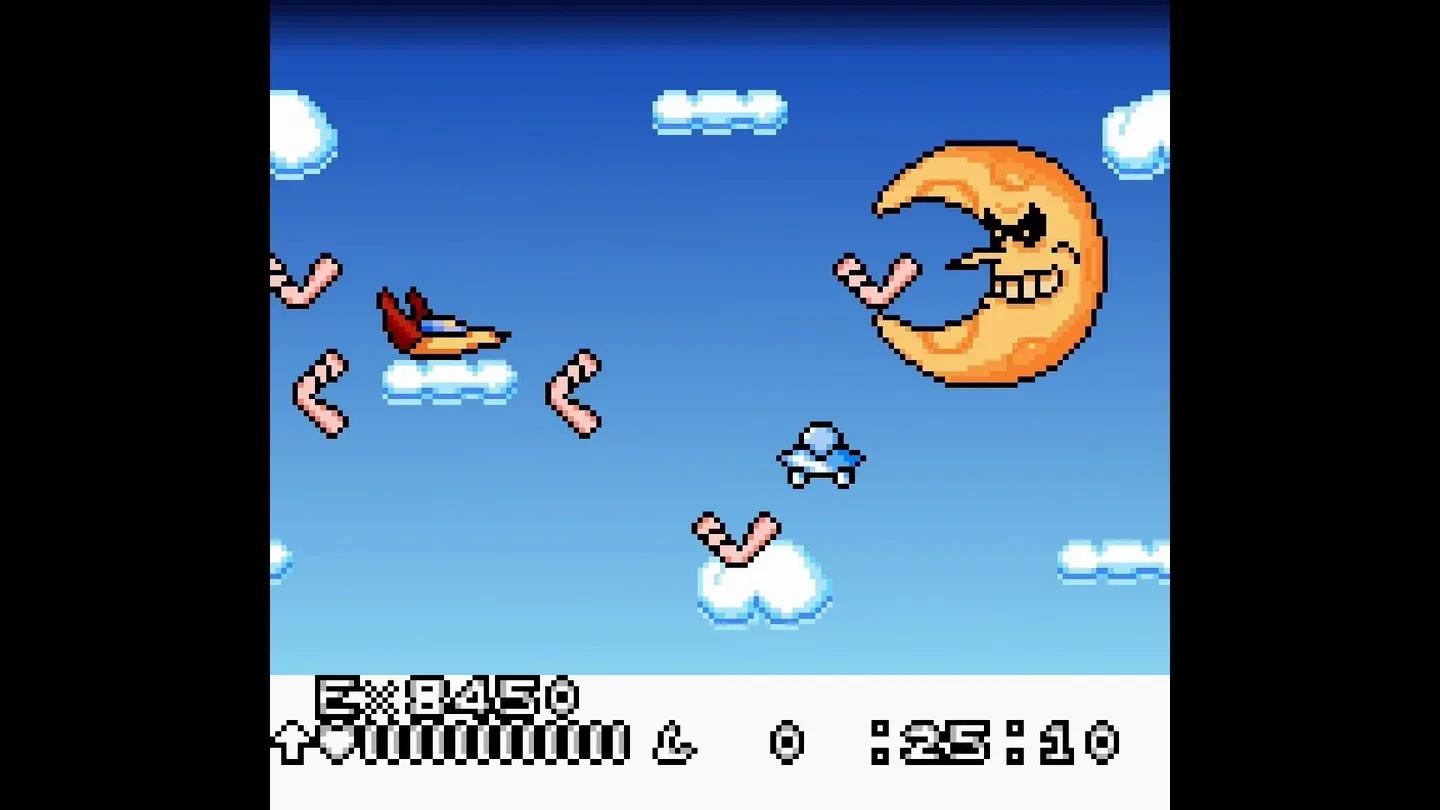
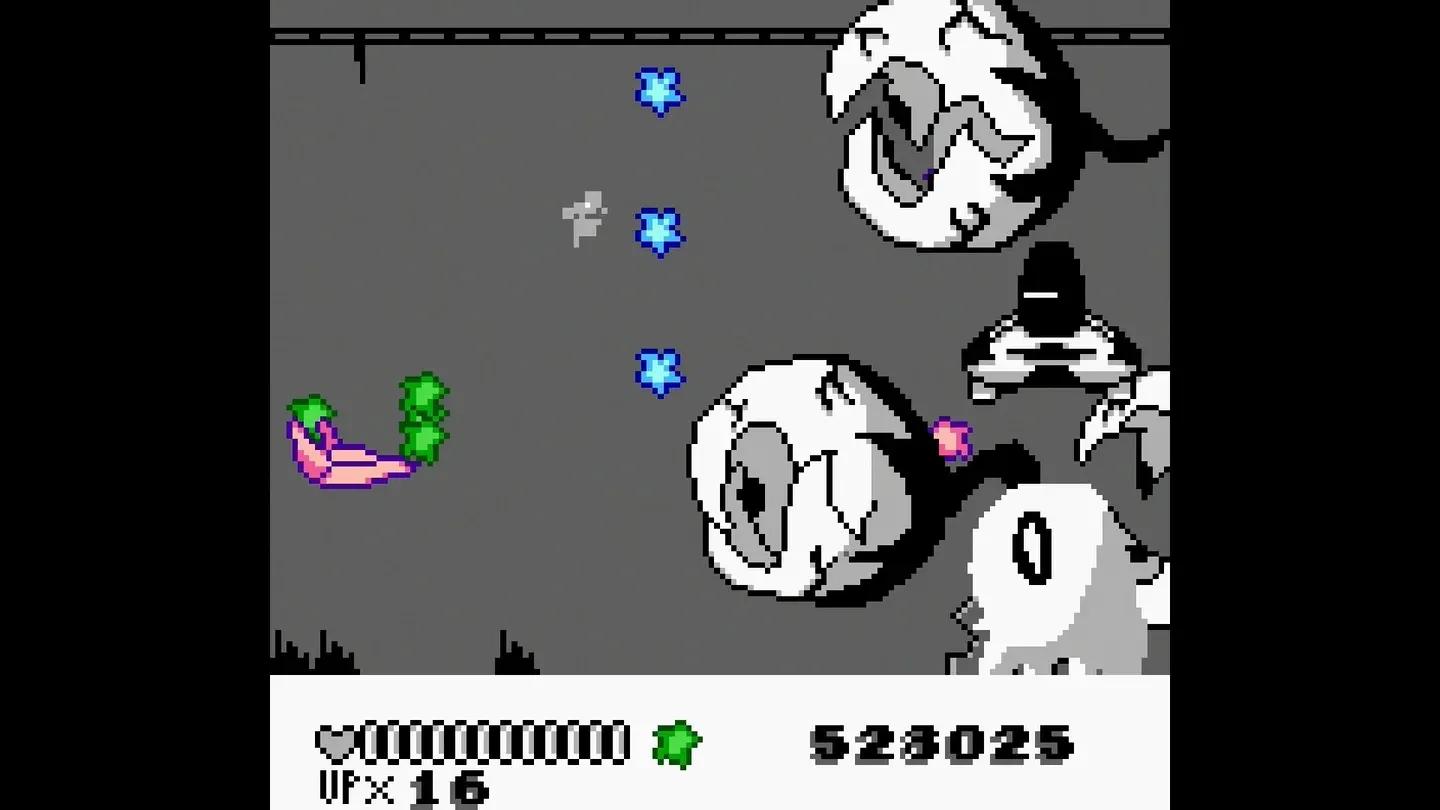
Bosses are large, readable, and designed to punish players who stick to a single weapon. Switching shot types mid-fight is the intended strategy, not an optional trick. That design philosophy separates Spacewing War from shmups that reward pure memorization over active decision-making.
Spacewing War content image
What makes Spacewing War worth replaying?
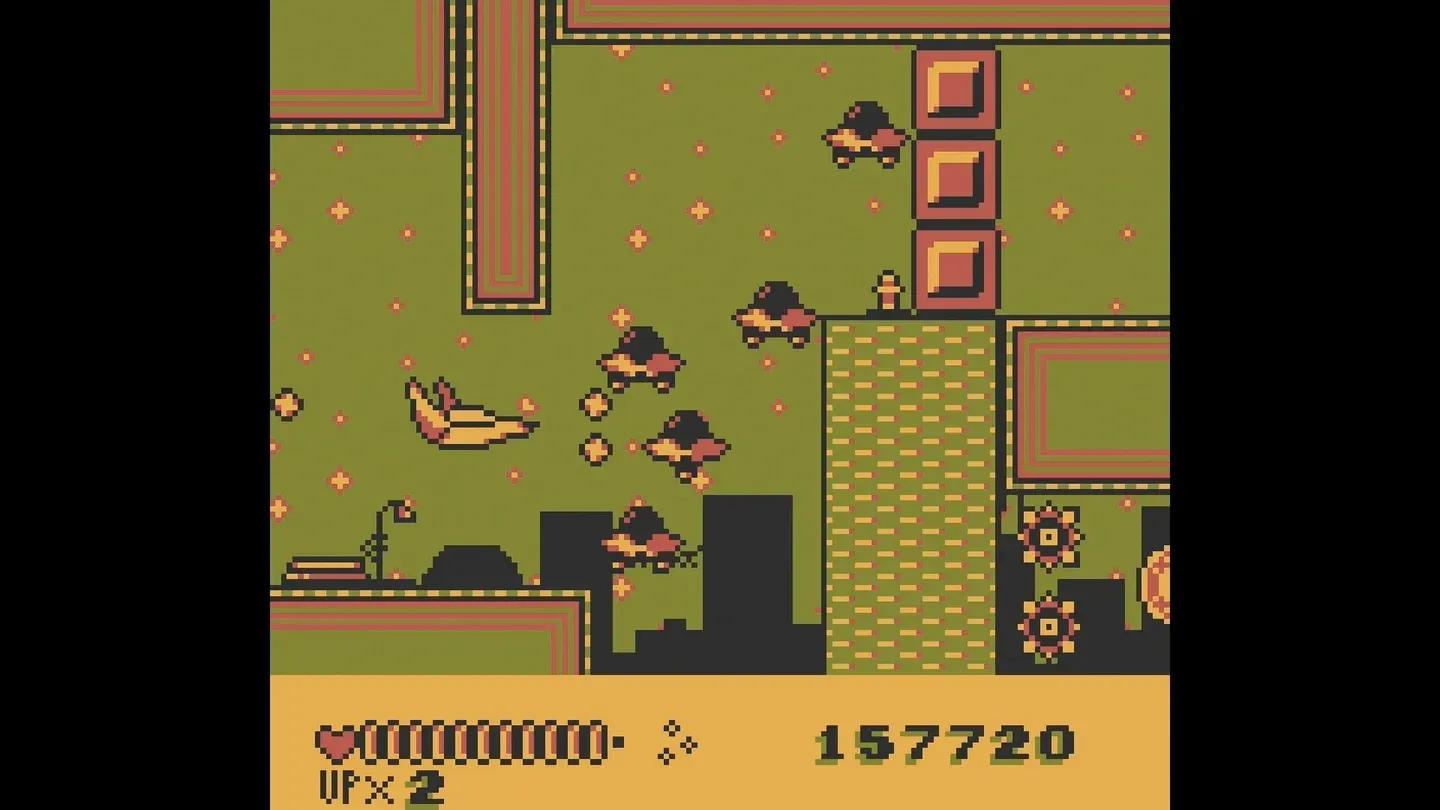
Replayability comes from two directions. First, the 40 color palettes give every run a different visual feel without changing any mechanics, which is a low-friction way to keep the presentation fresh. Second, secrets are distributed across the stages in ways that reward exploration rather than pattern recognition alone. Hidden content feeds into unlocking additional campaigns, so clearing the base game is genuinely just the beginning.
The pixel art style also holds up well across the game's supported platforms: PC via Steam, Xbox, PlayStation, and Nintendo Switch. The Switch version in particular suits the game's handheld DNA well, letting players experience the arcade shooter format in the same physical context that originally inspired it.
Visual and audio design
The 4-tone pixel art is consistent and deliberate. Stage variety is handled through environmental themes rather than palette changes, so tropical coastlines feel meaningfully different from space corridors even within the same visual constraints. The art direction commits to the retro aesthetic without leaning on nostalgia as a substitute for actual design work.
Spacewing War content image
Spacewing War doesn't try to be anything it isn't. The deceptively simple controls hide a weapon-juggling system with real depth, the sci-fi narrative adds personality without overstaying its welcome, and 40 unlockable color palettes give the game genuine replay hooks beyond a first clear. For fans of retro shoot'em up games who want mechanical substance behind the pixel art surface, Spacewing War delivers a focused, well-crafted arcade experience across every platform it calls home.
System Requirements
| Requirement | Minimum |
|---|---|
| Processor | 2Ghz |
| Memory | 2 GB RAM |
| Graphics | DirectX Compatible video card |