
Advertisement

Overview
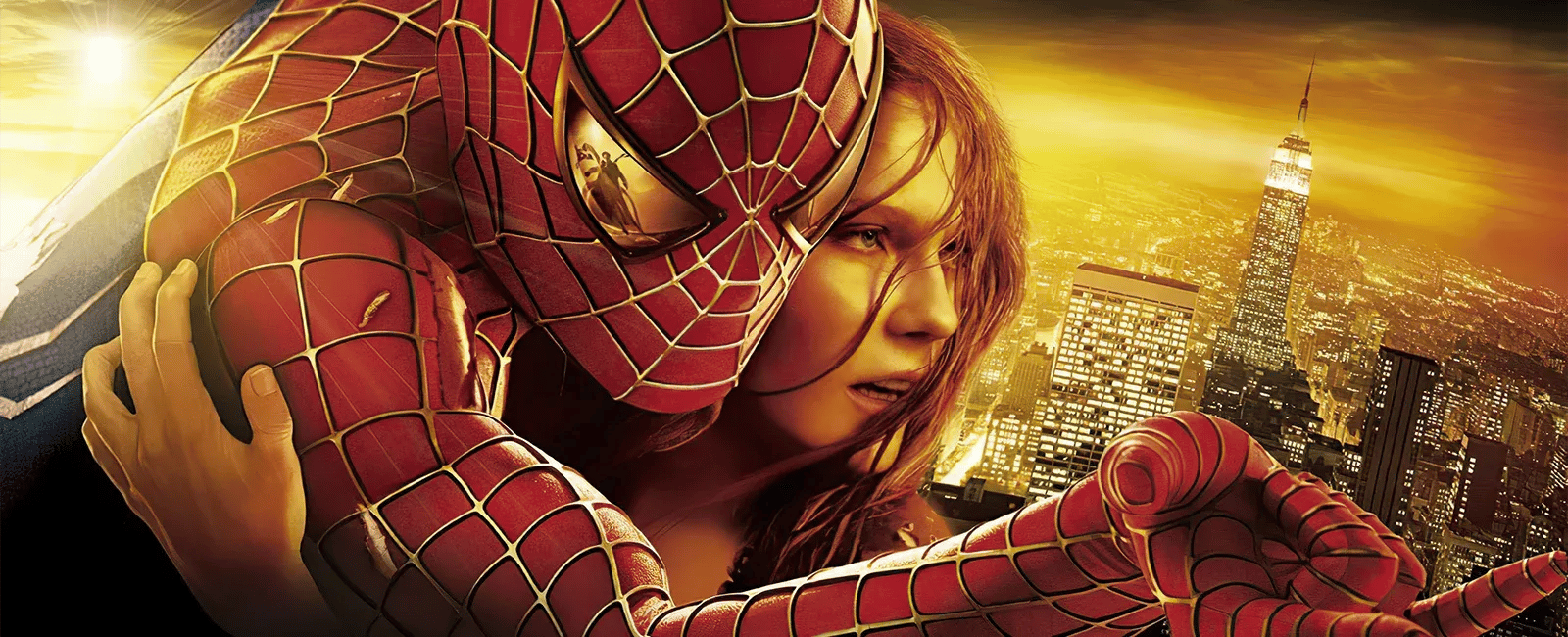
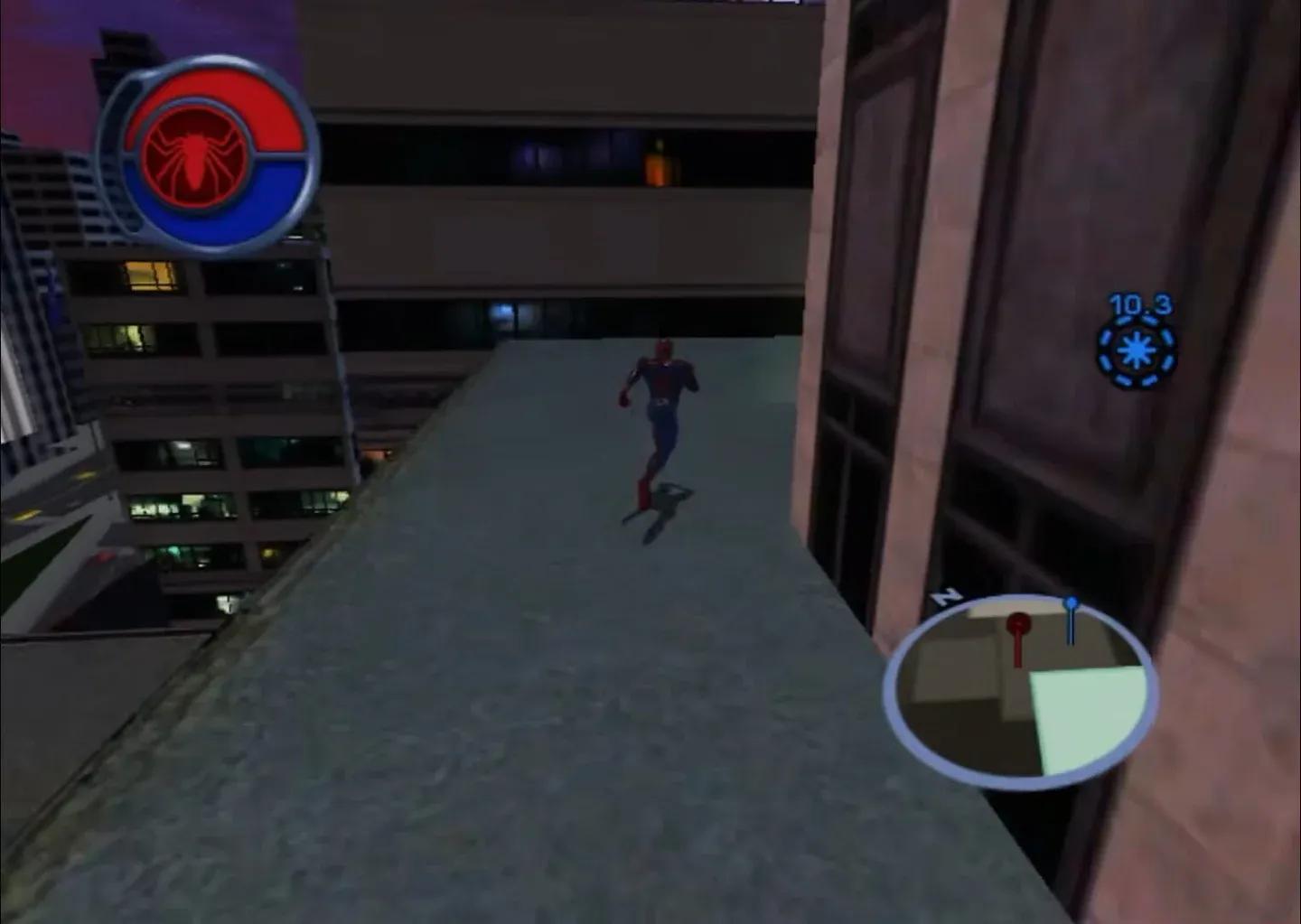
Spider-Man 2, released on June 28, 2004, is a third-person open-world action-adventure game developed by Treyarch and published by Taito. Loosely following the plot of the film, the game expands well beyond its source material, giving players a sprawling version of New York City that includes Manhattan, Roosevelt Island, Ellis Island, and Liberty Island to explore freely.
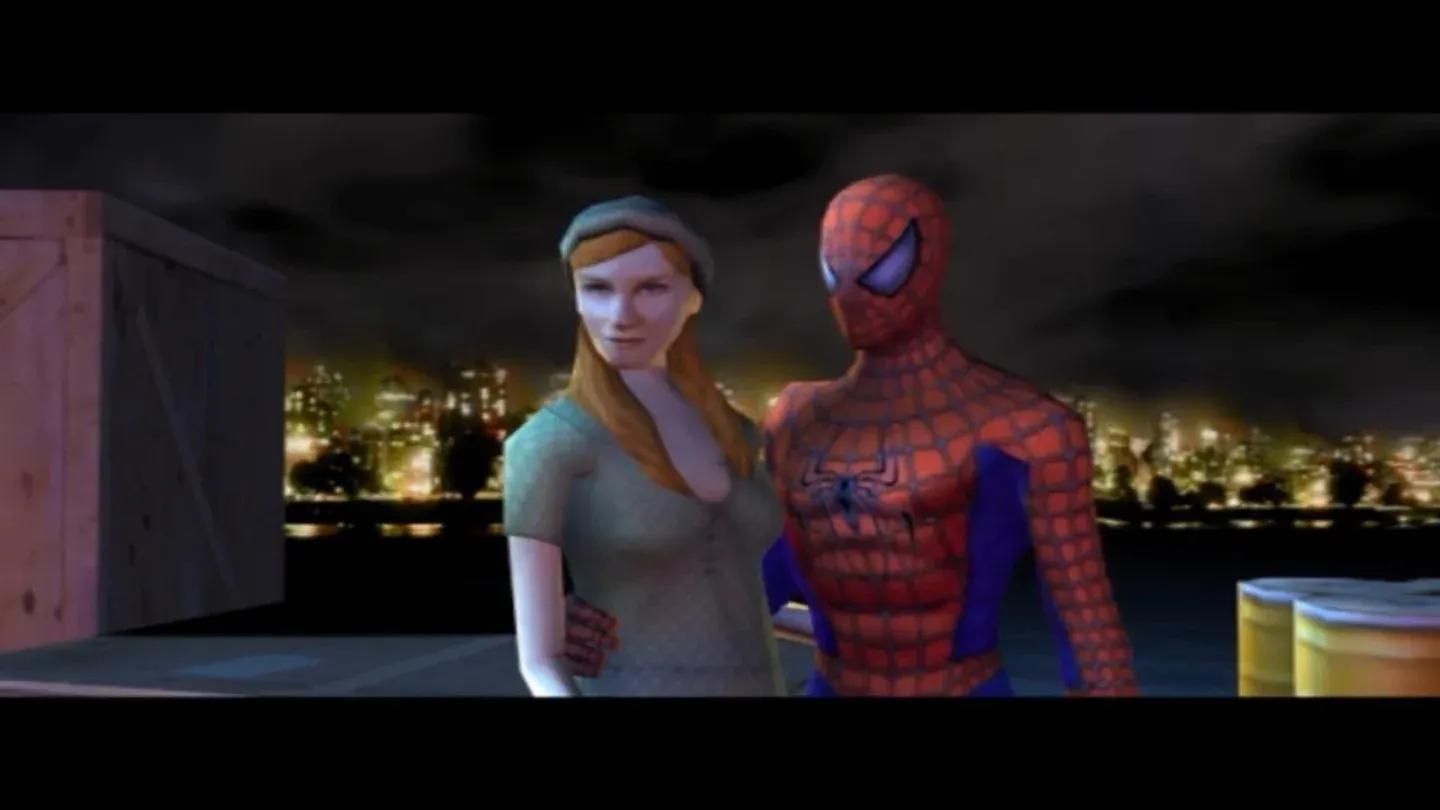
The story pits Spider-Man against Doc Ock as the primary antagonist, but the real draw is the roster of additional Marvel villains woven into original storylines. Vulture, Shocker, Rhino, and Mysterio each get their own missions, and completing the main campaign unlocks a bonus warehouse mode where players can fight waves of enemies and bosses, including the exclusive villain Calypso.
Spider-Man 2 content image
What makes the web-swinging so different from other superhero games?
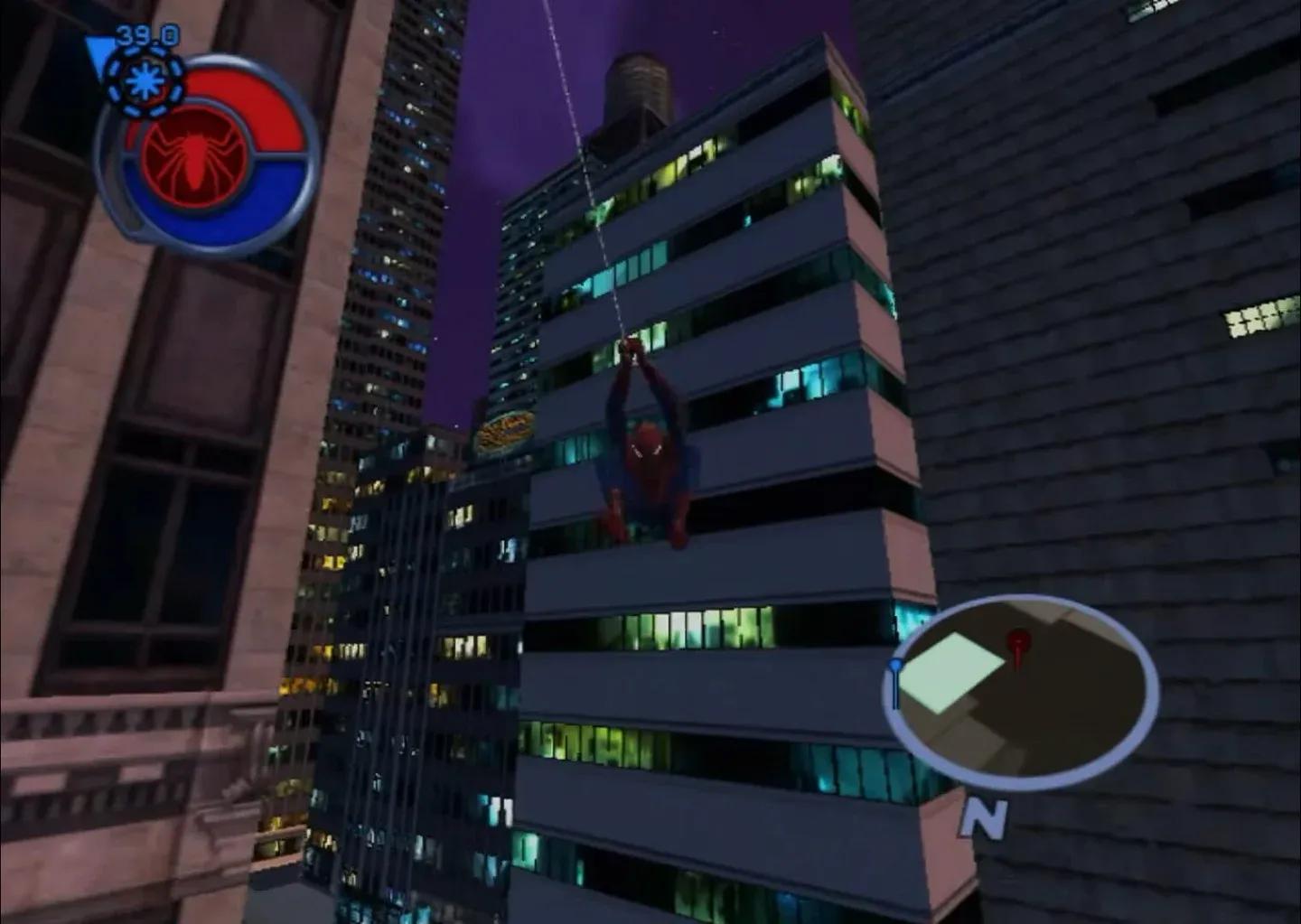
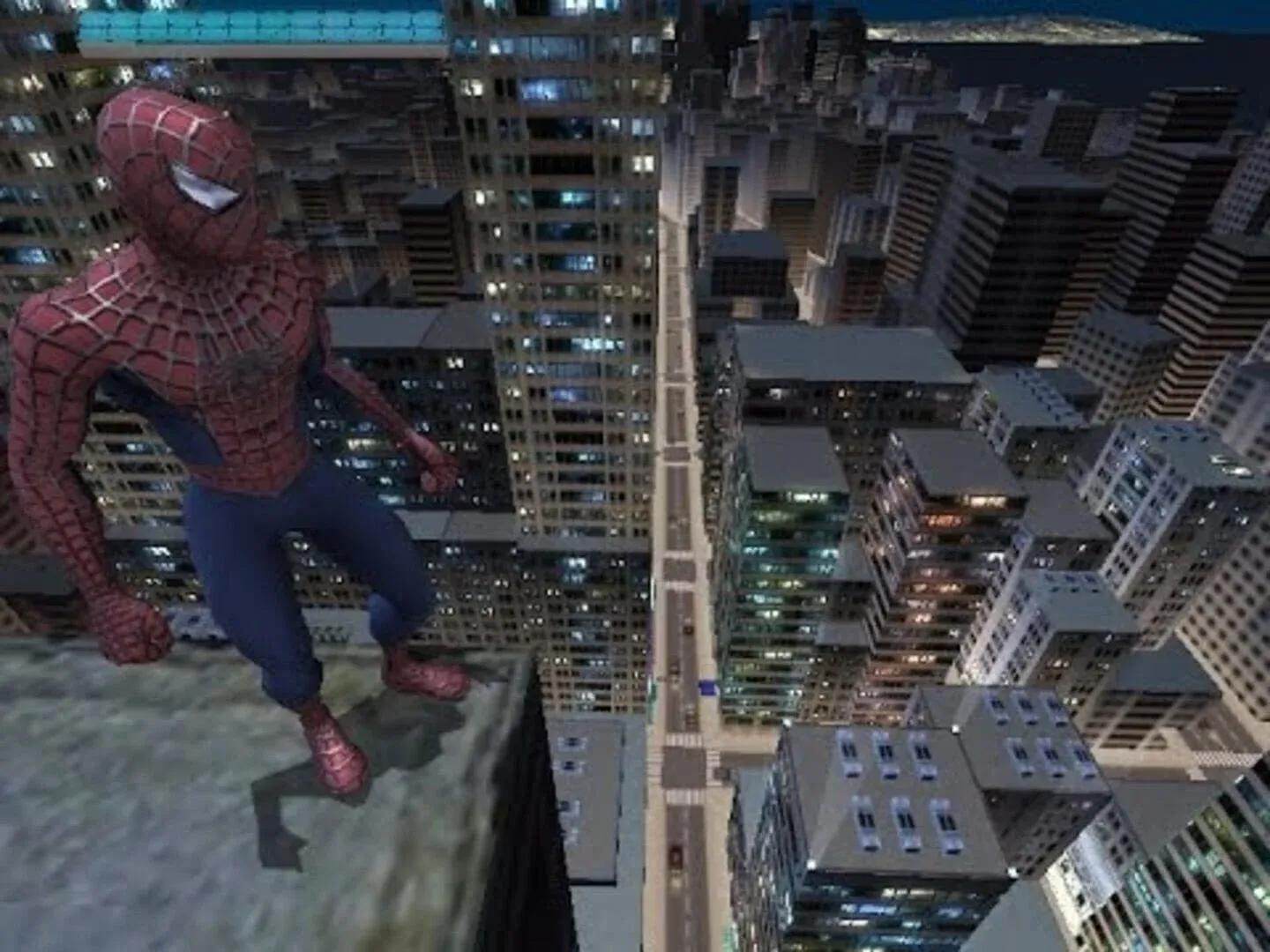
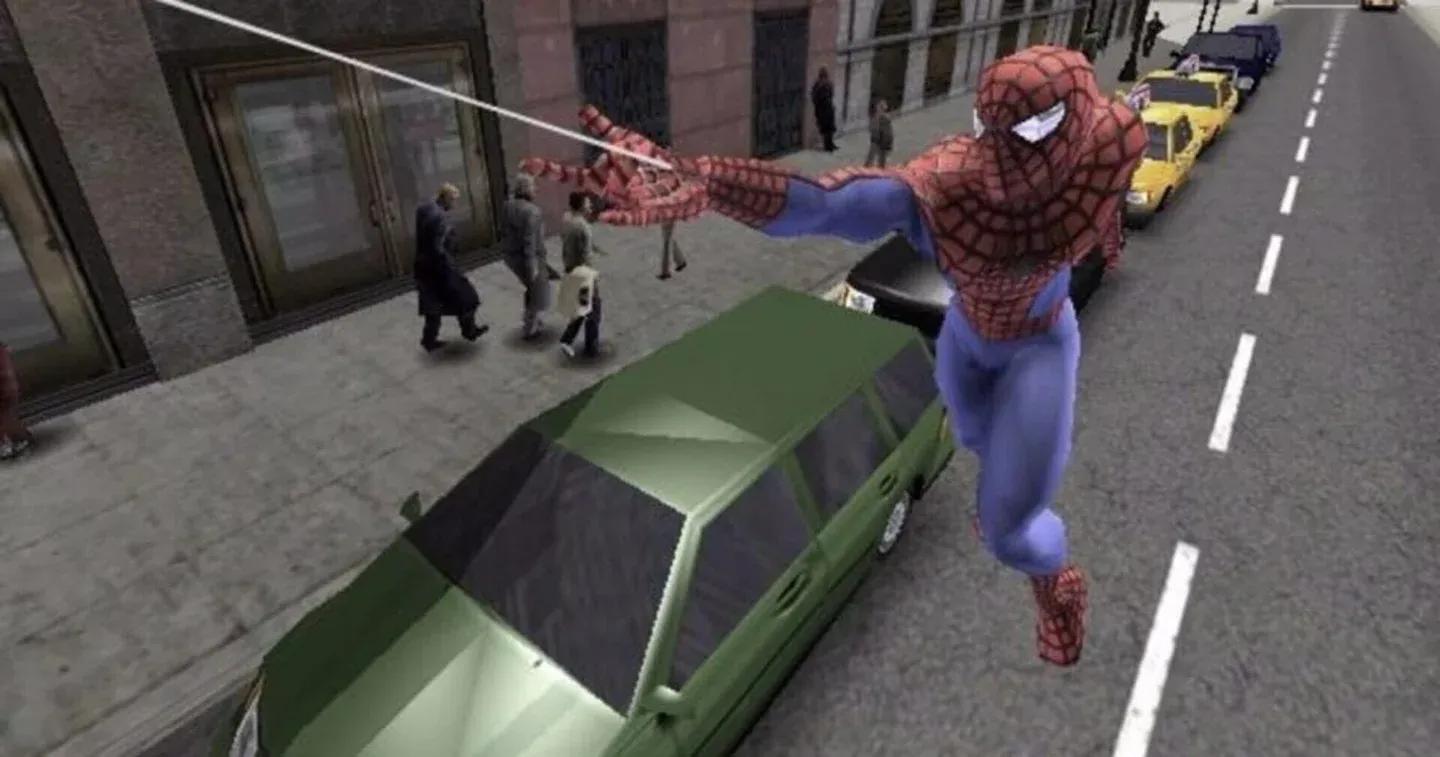
The short answer: physics. Spider-Man 2 introduced a momentum-based web-swinging system that had never been done in the genre before. Webs attach to actual buildings, meaning you need real structures above you to swing. Swing too low over an open park and you'll drop. Build speed by timing your releases correctly and you can cross entire city blocks in seconds.
Spider-Man 2 content image
Key mechanics that define the experience:
- Physics-based web attachment to real geometry
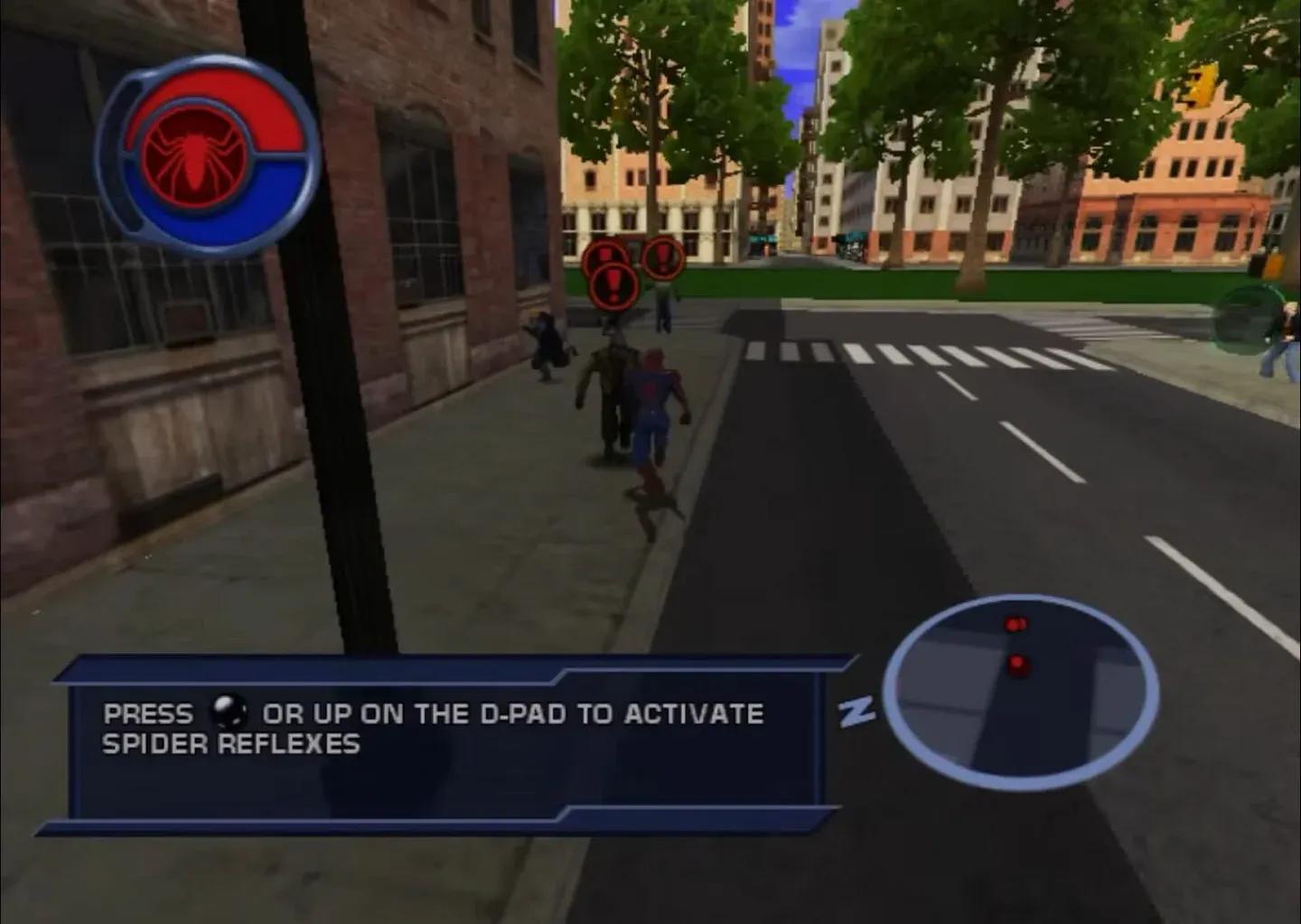
- Spider-sense time-slow for dodging incoming attacks
- Wall-crawling across all vertical surfaces
- Combo-based melee combat with timed dodges
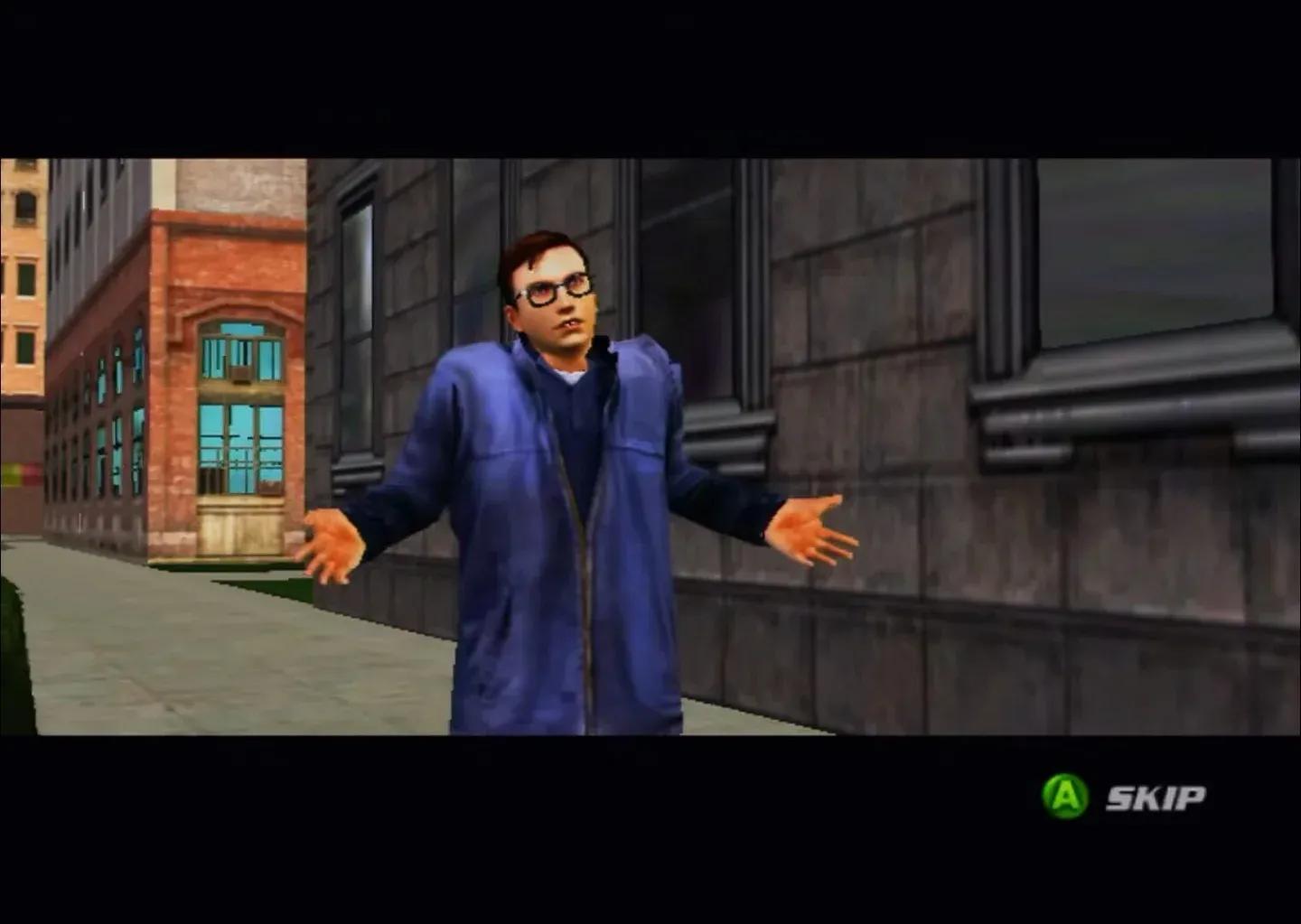
- Side missions triggered by random pedestrians across the map
This wasn't just a gimmick. It fundamentally changed how players moved through the world, turning traversal into a skill worth mastering rather than a button you hold down.
World and setting
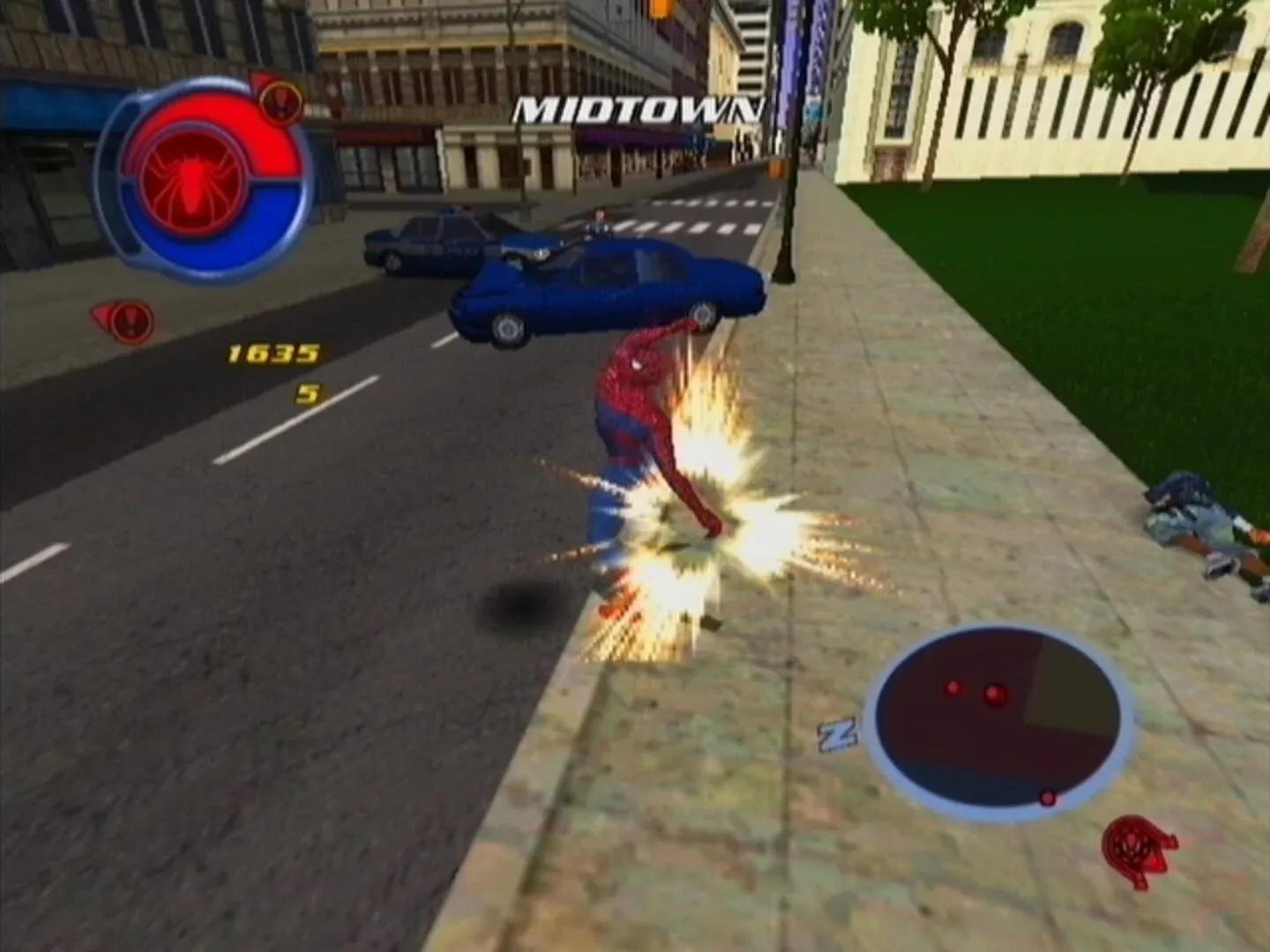
The open-world version of New York City in Spider-Man 2 was the largest environment ever built for a superhero game at the time of its release. The city is dense with pedestrians, criminals, and random events that pull you off the main story constantly. A construction worker falls from scaffolding. A speeding car needs stopping. Someone needs an escort to the hospital.
Spider-Man 2 content image
These side missions feed into a hero point system that gates chapter progression, so free-roaming the city isn't optional padding. It's baked into how the game moves forward. The 19 story levels extend the film's narrative with original content, giving the game a lifespan that goes beyond a simple movie tie-in.
Combat and progression
Combat in Spider-Man 2 rewards patience. Enemies telegraph attacks, and the spider-sense mechanic lets players slow time briefly to react. Stringing together combos, timing dodges, and mixing aerial attacks with ground strikes keeps fights engaging rather than repetitive.
Spider-Man's abilities can be upgraded throughout the campaign, adding new combo moves and improving existing ones. The progression feels earned rather than automatic, and the upgrade system gives players a reason to complete side content beyond hero point requirements.
Spider-Man 2 content image
Content and replayability
Beyond the main campaign, the post-game warehouse mode adds genuine replay value. Players face escalating waves of enemies and bosses pulled from the main story, plus the Calypso encounter that exists nowhere else in the game. For players who want to keep swinging after the credits roll, Manhattan remains fully open, with side missions still available and the traversal system rewarding enough to justify aimless exploration.
Spider-Man 2 holds up as one of the defining open-world superhero games of its era, and its physics-driven web-swinging mechanics directly influenced how the genre approached movement for years afterward.