Advertisement

Overview
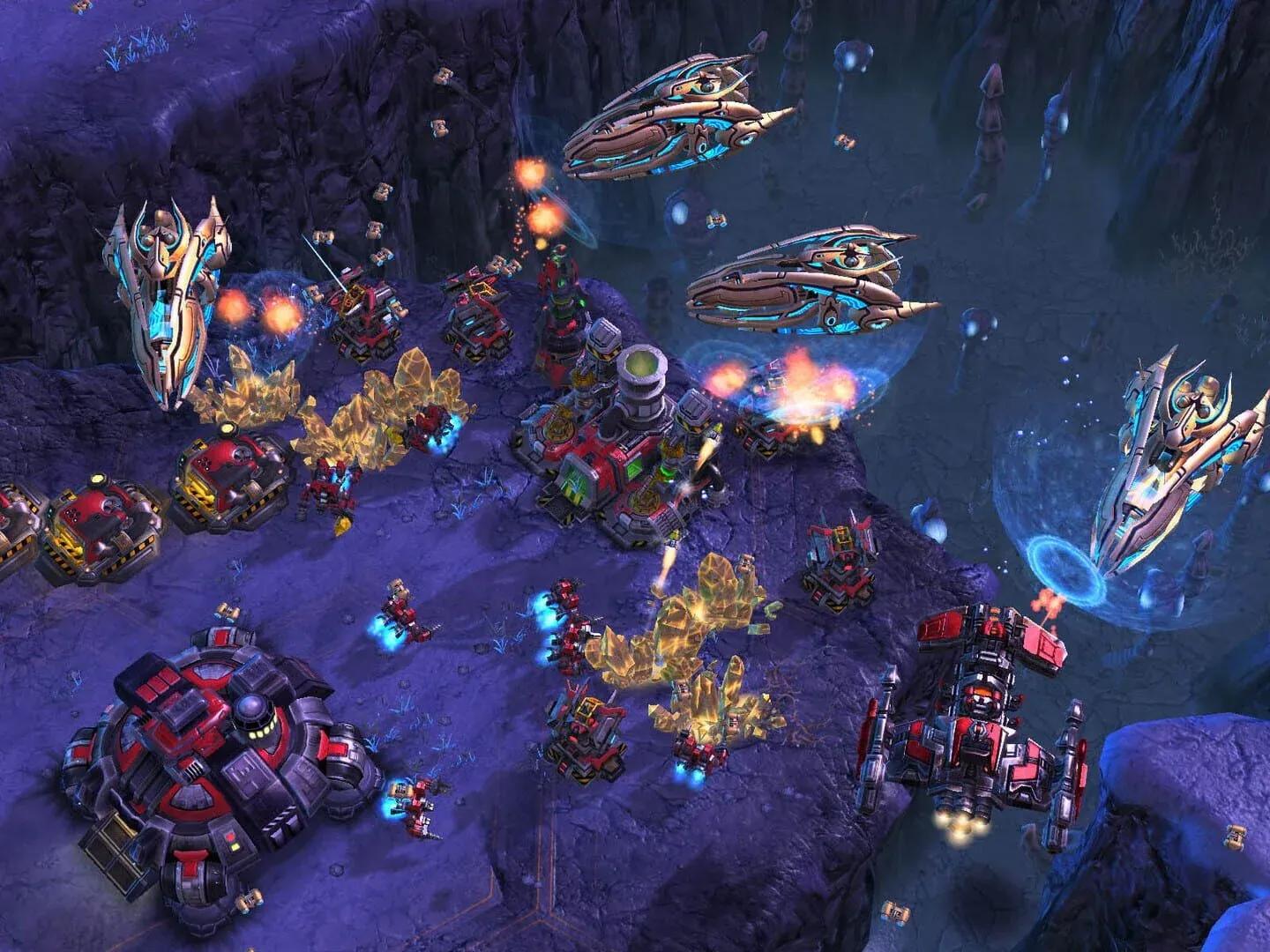
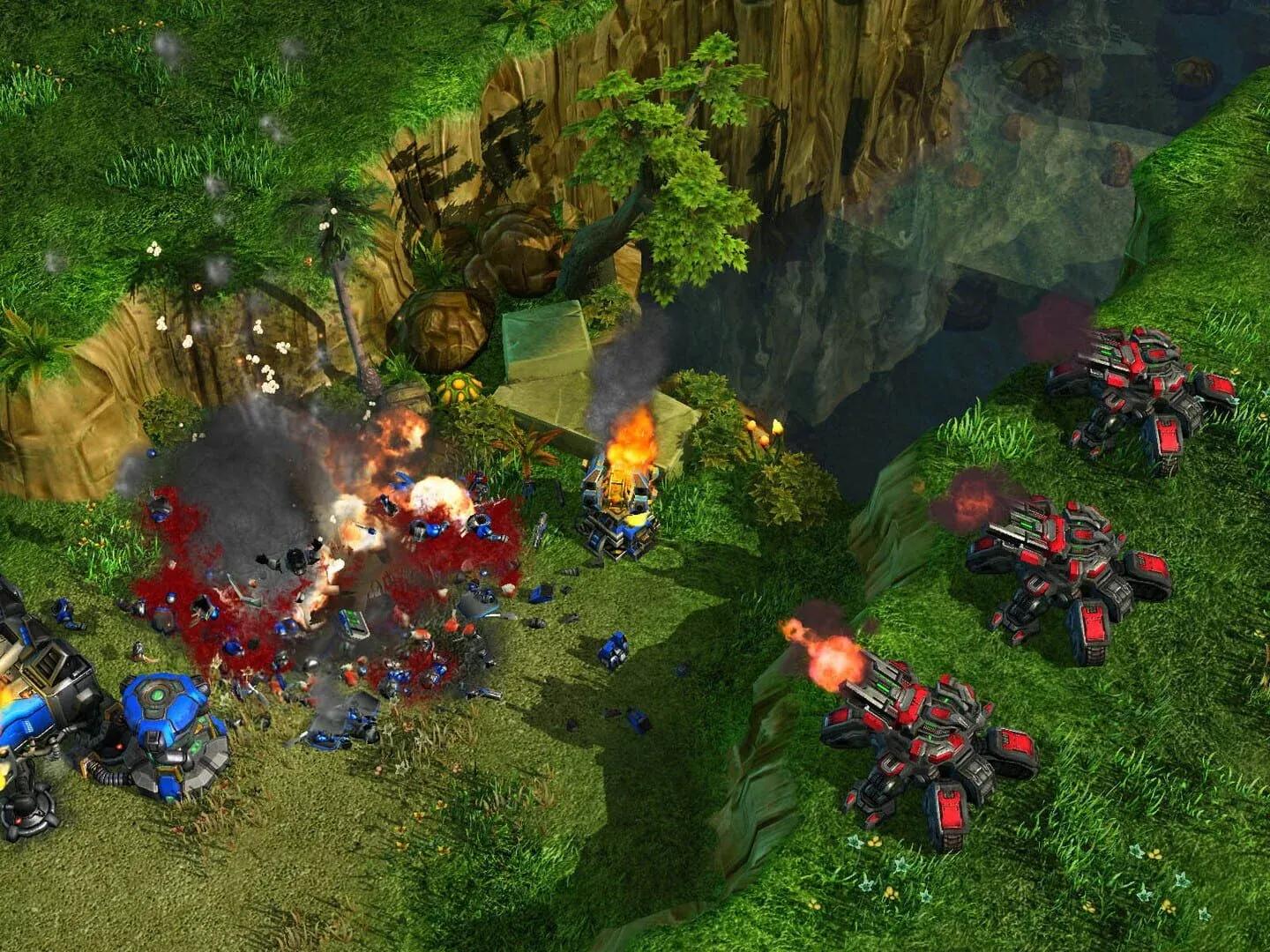
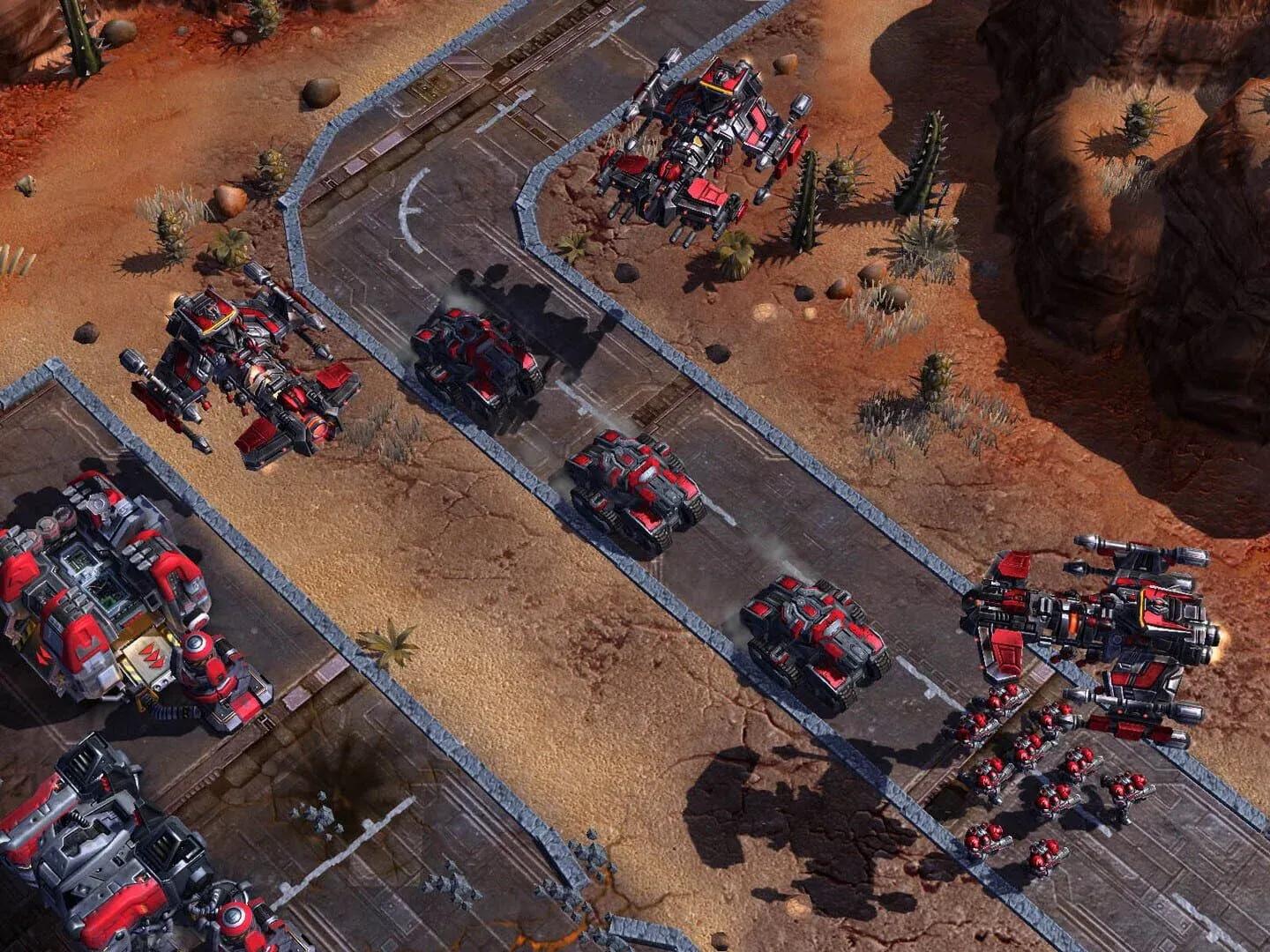
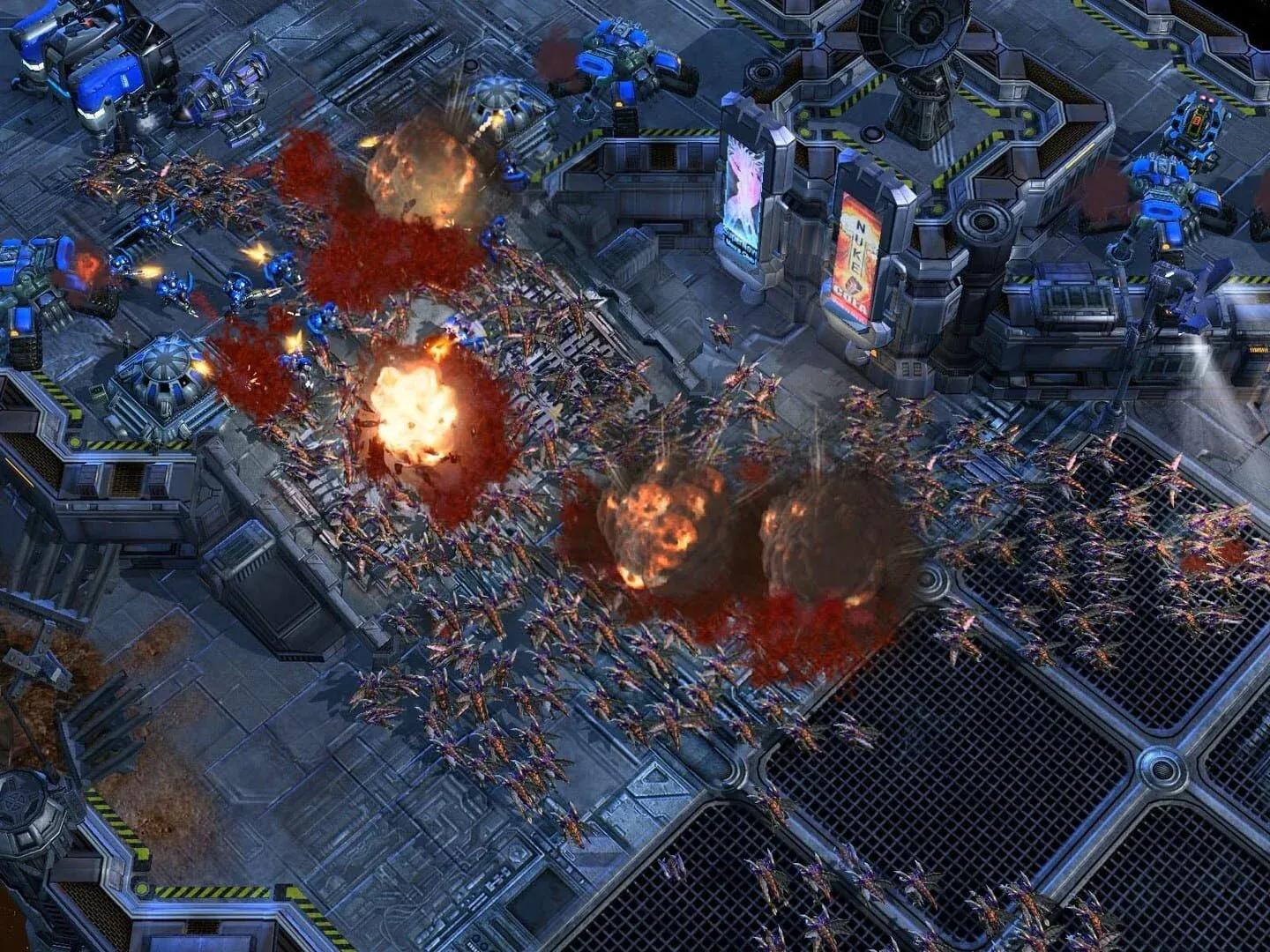
StarCraft II: Wings of Liberty is Blizzard Entertainment's 2010 sequel to one of the most influential real-time strategy games ever made. It puts three asymmetric factions, the Terran, Zerg, and Protoss, against each other in a game built around resource gathering, base construction, and army management at speeds that reward both strategic planning and raw mechanical skill. The single-player campaign ships with a full story arc, and the competitive multiplayer has sustained a professional esports scene for well over a decade.
The game went free-to-play in November 2017, which removed the last barrier between new players and one of the deepest RTS experiences on PC. Wings of Liberty covers the Terran perspective, with Heart of the Swarm and Legacy of the Void expanding the story through the Zerg and Protoss respectively. All three campaigns are available, but Wings of Liberty is where the foundation gets laid.
Gameplay and mechanics
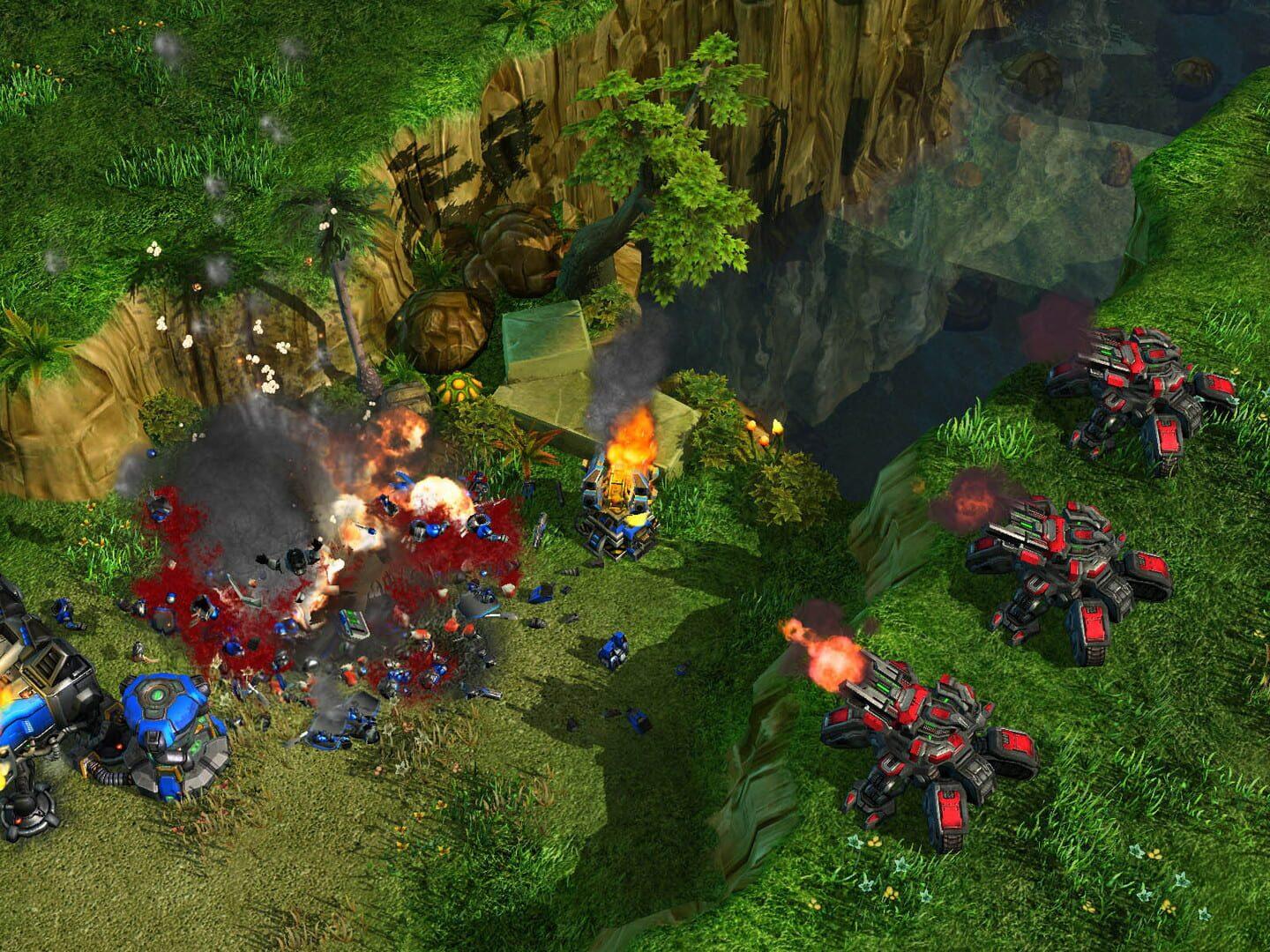
The core loop is familiar to anyone who has touched an RTS: gather minerals and vespene gas, build structures, produce units, and fight. What makes StarCraft II different is how precisely each race breaks that loop in its own direction.
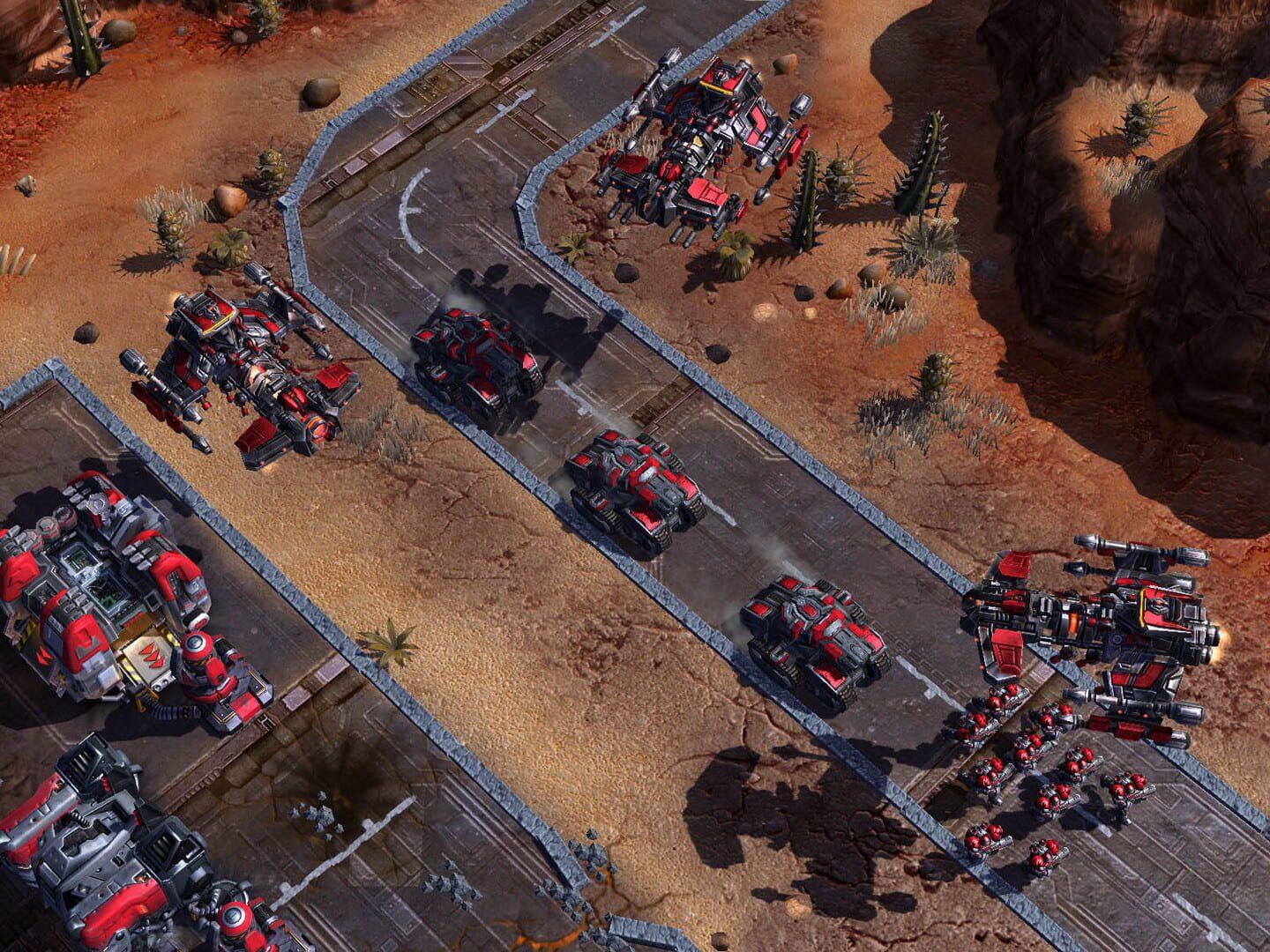
- Terran units can lift off and reposition entire buildings
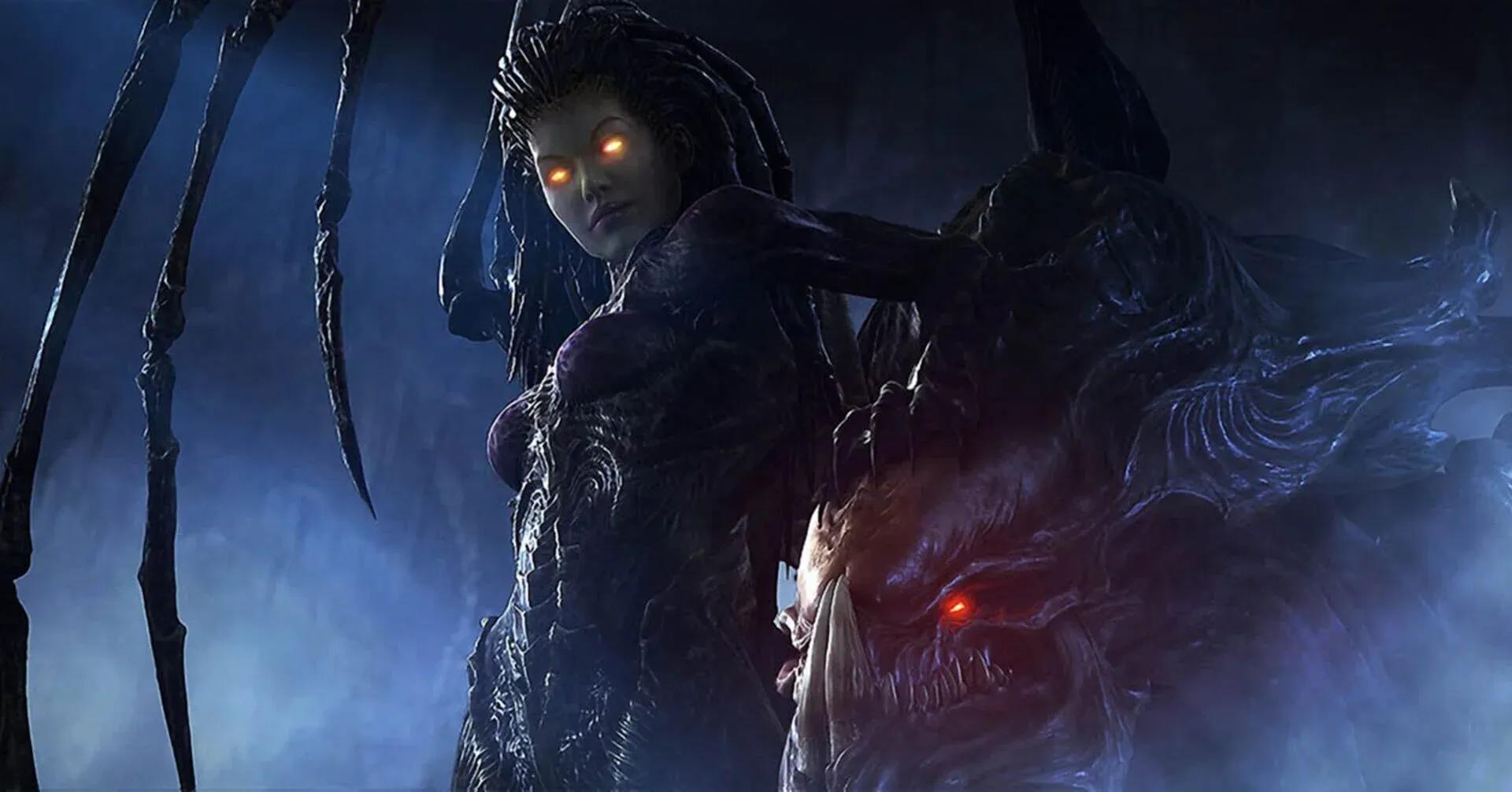
- Zerg expand through creep spread and rapid unit production
- Protoss rely on energy shields and powerful individual units
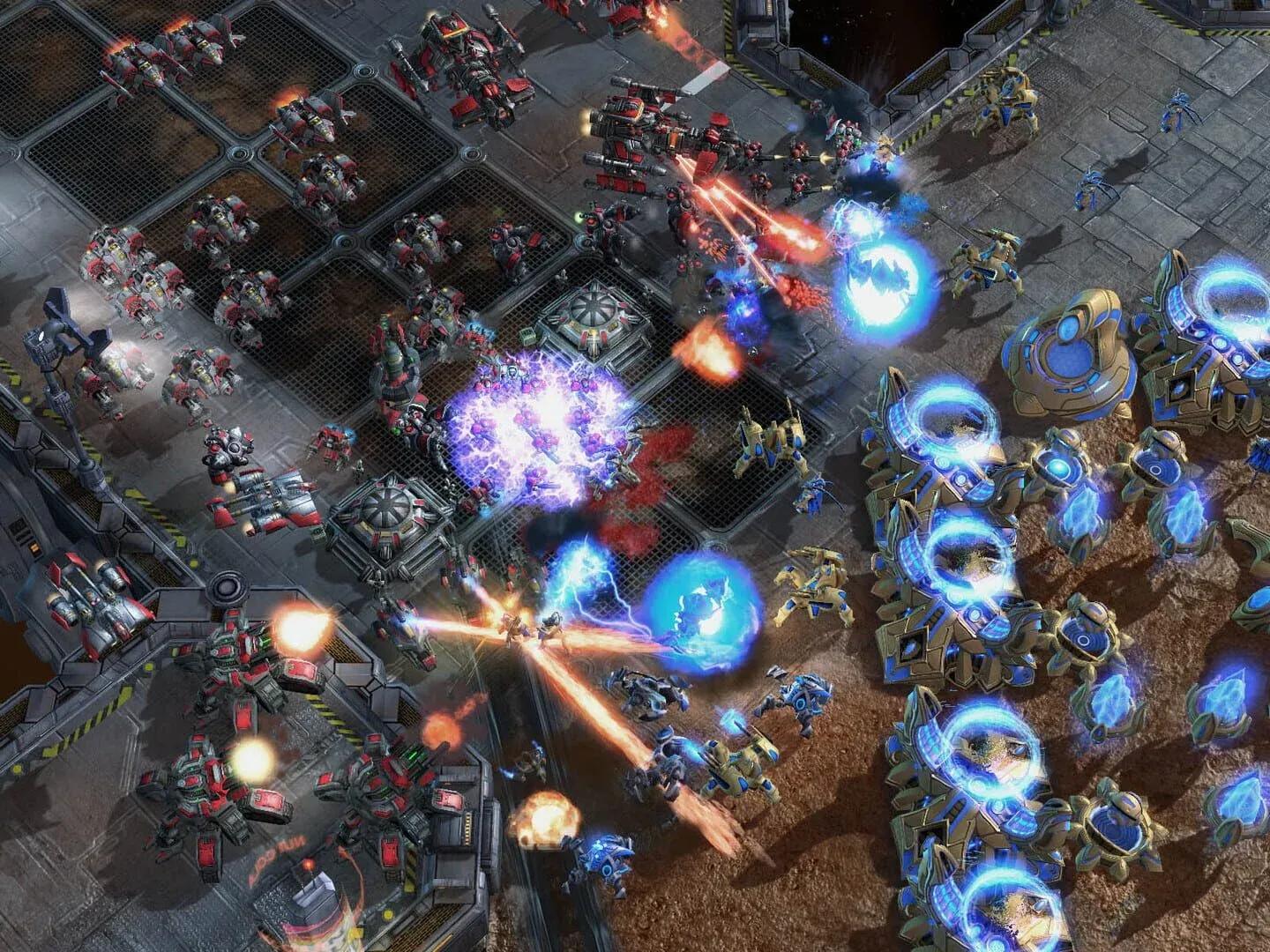
- All three races share the same map but play almost nothing alike
- Matches are decided by macro economy, micro control, and timing attacks
The single-player campaign adds a layer of progression that the base loop doesn't offer in multiplayer. Between missions, Jim Raynor spends credits aboard the battlecruiser Hyperion to unlock units and research upgrades, giving the campaign a light RPG feel that keeps it from becoming a pure skirmish trainer.
What makes the competitive scene worth watching?
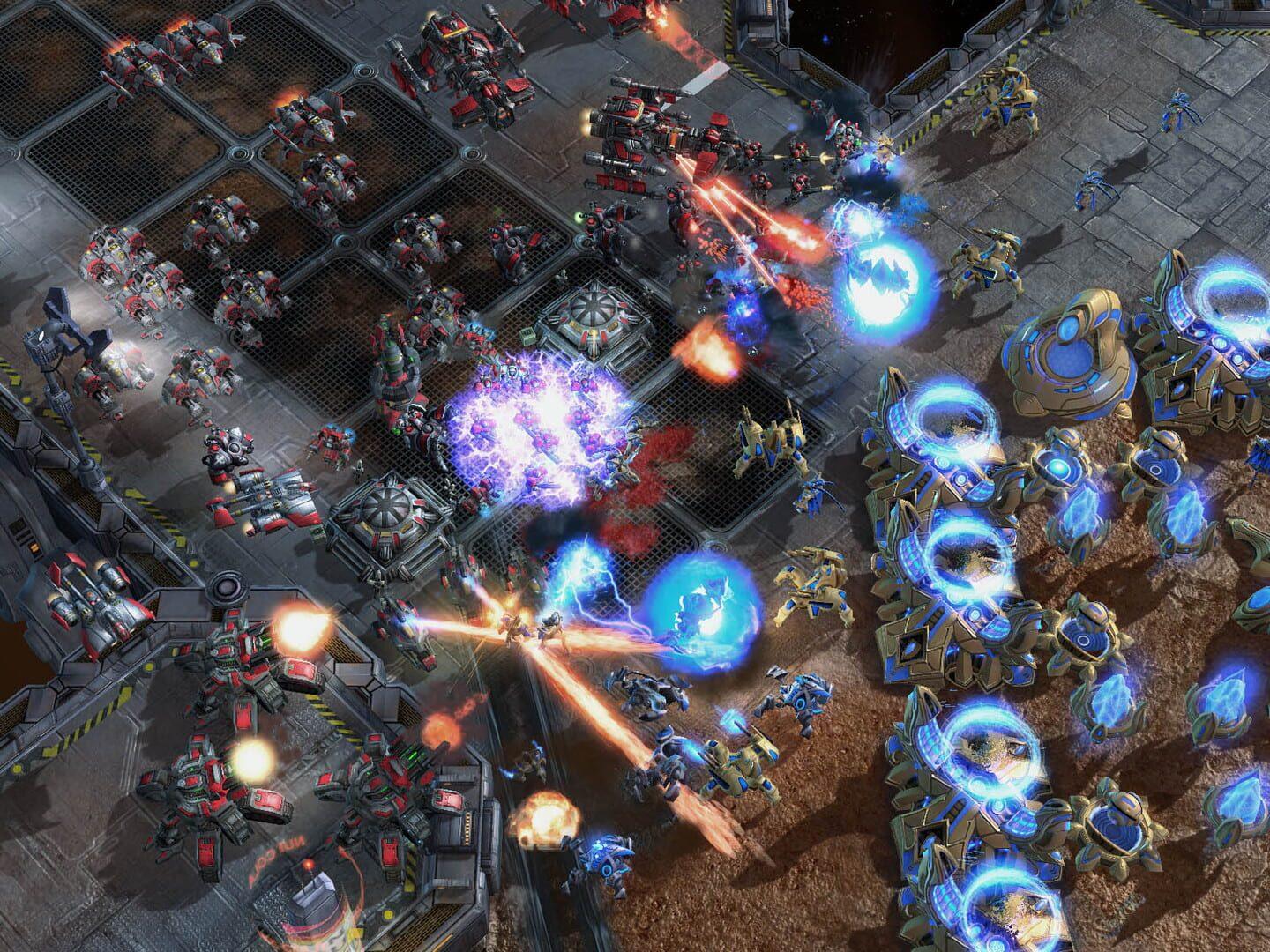
StarCraft II multiplayer runs on a matchmaking ladder that sorts players into leagues from Bronze through Grandmaster. The ranking system is transparent and granular enough that improvement feels measurable, which is part of why the game has held a dedicated competitive community for so long. At the top end, Grandmaster players execute over 200 actions per minute while managing multiple engagements simultaneously, a level of play that turns spectating into something closer to watching a sport than playing a game.
The map editor ships with the full game and has generated thousands of custom modes over the years, including the Arcade, where user-created games range from tower defense to full RPG conversions. That content pipeline has kept the population active long after most games of this age would have gone quiet.
World and setting
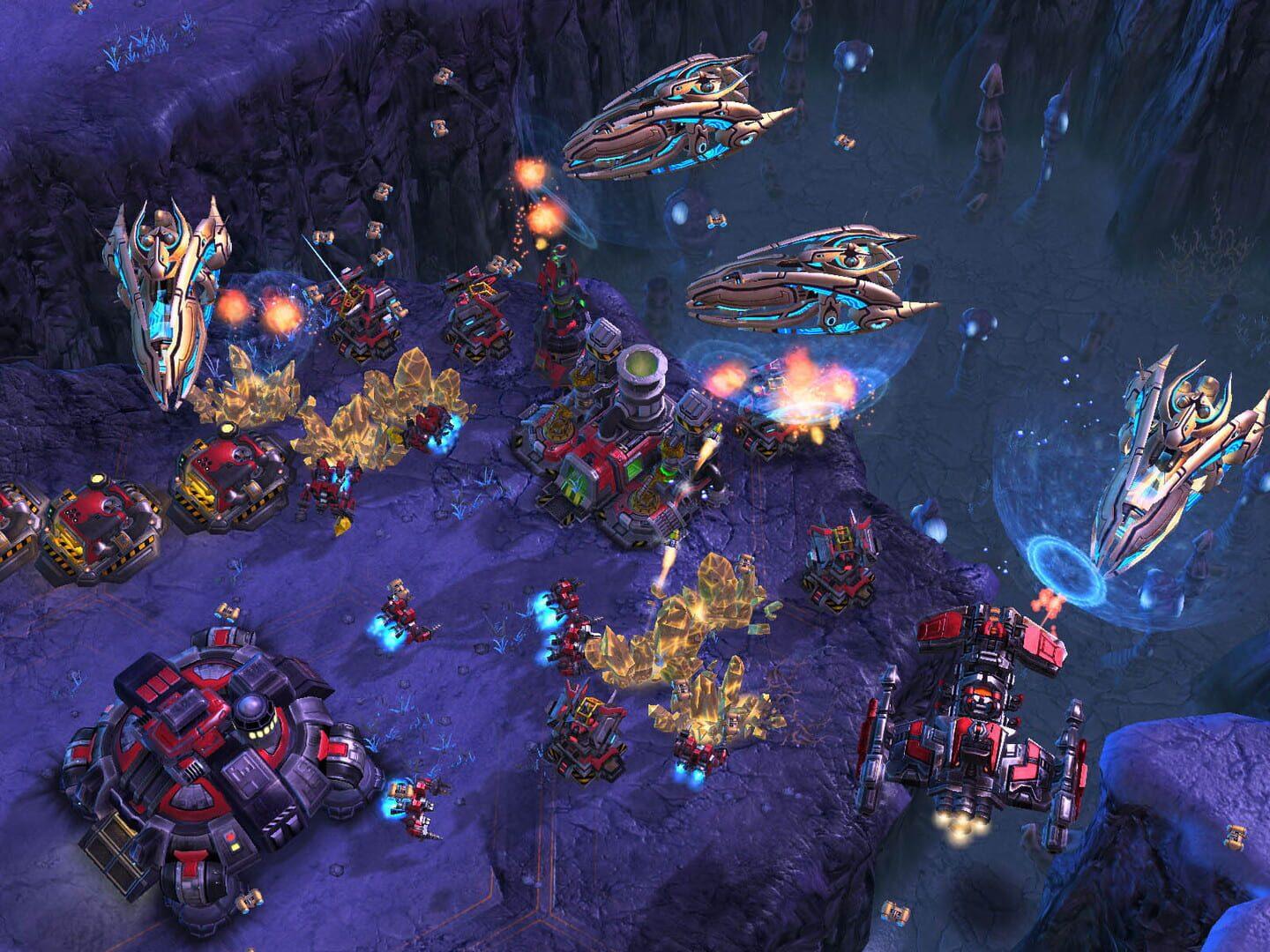
Wings of Liberty takes place four years after the events of Brood War, in a sector of space where the Terran Dominion under Arcturus Mengsk rules through intimidation and propaganda. Jim Raynor operates as a fugitive rebel, which gives the campaign a worn, blue-collar sci-fi tone that sits somewhere between a Western and a war movie. Missions play out across a variety of planets, each with distinct environmental hazards, and the between-mission Hyperion sequences add character depth through optional conversations and a cantina jukebox that plays licensed classic rock.
The Zerg and Protoss appear throughout the campaign as threats, allies of convenience, and mysteries, laying narrative groundwork for the two expansion campaigns without making Wings of Liberty feel like a prologue.
Impact and legacy
StarCraft II remains the benchmark for competitive real-time strategy on PC. The ladder is still active, the esports circuit at the highest level still draws viewers, and the free-to-play model means the barrier to entry is essentially zero on Windows and macOS. For anyone looking to understand what the RTS genre looks like at its ceiling, Wings of Liberty is the starting point that has never been fully replaced.