Overview
Strayed Lights casts you as a newborn flame torn apart by shadows, navigating a hostile world to recover your light and confront the inner demons that have twisted the beings around you. There are no words here, no cutscene exposition, no quest markers explaining what to do next. The game trusts its visual and mechanical language to carry the entire narrative weight, and for the most part, that bet pays off.
Developed and published by Embers, the game launched on April 25, 2023, across PC, PlayStation, Xbox, and Nintendo Switch. At $12.99 on PlayStation, it sits firmly in the impulse-buy tier, which makes its ambition feel even more surprising. The core loop is deceptively focused: move through atmospheric environments, encounter emotion-deformed creatures, and fight your way through them using a color-coded parry system that demands attention and timing rather than button mashing.
Gameplay and mechanics: how does the color combat system work?
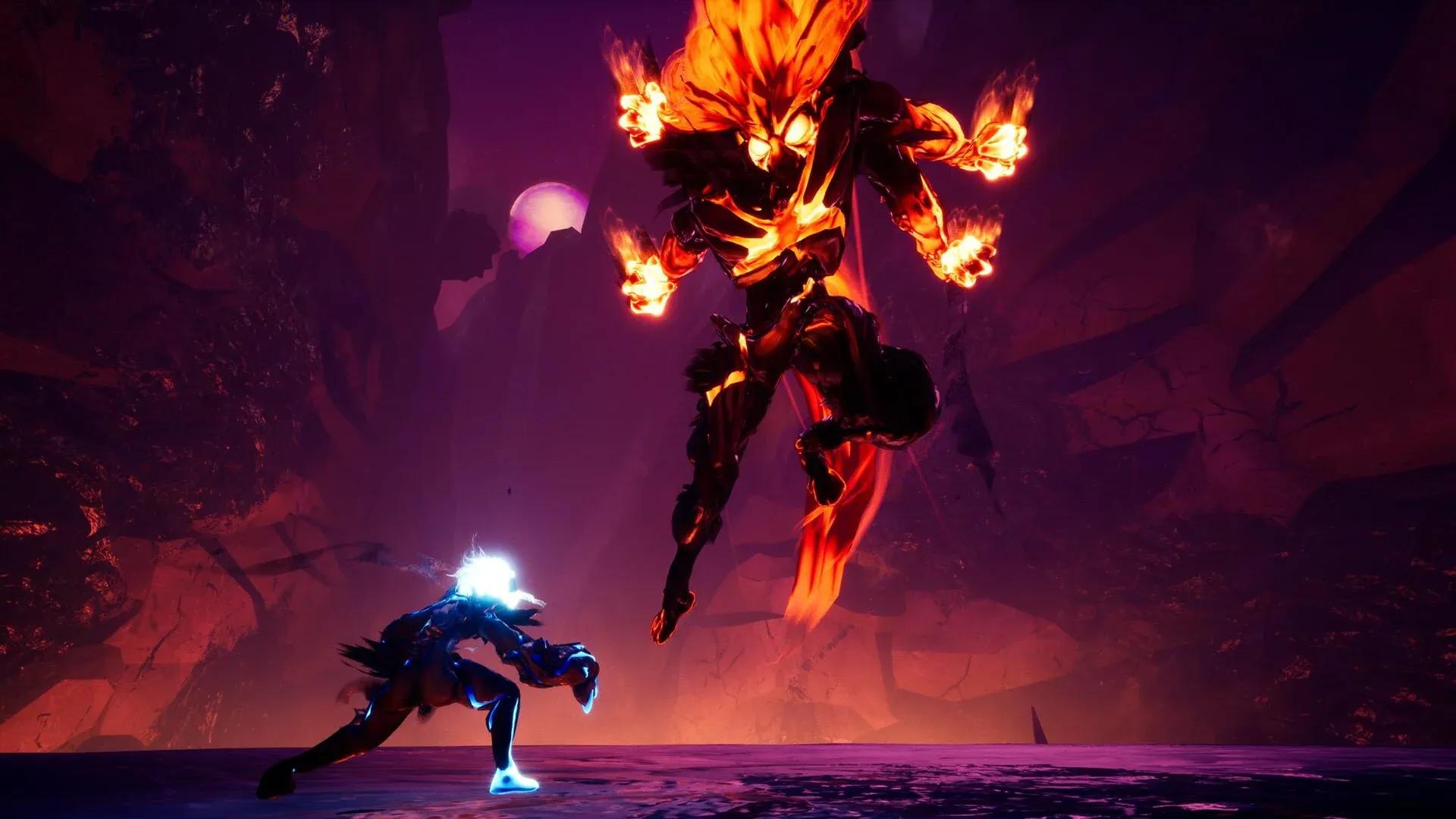
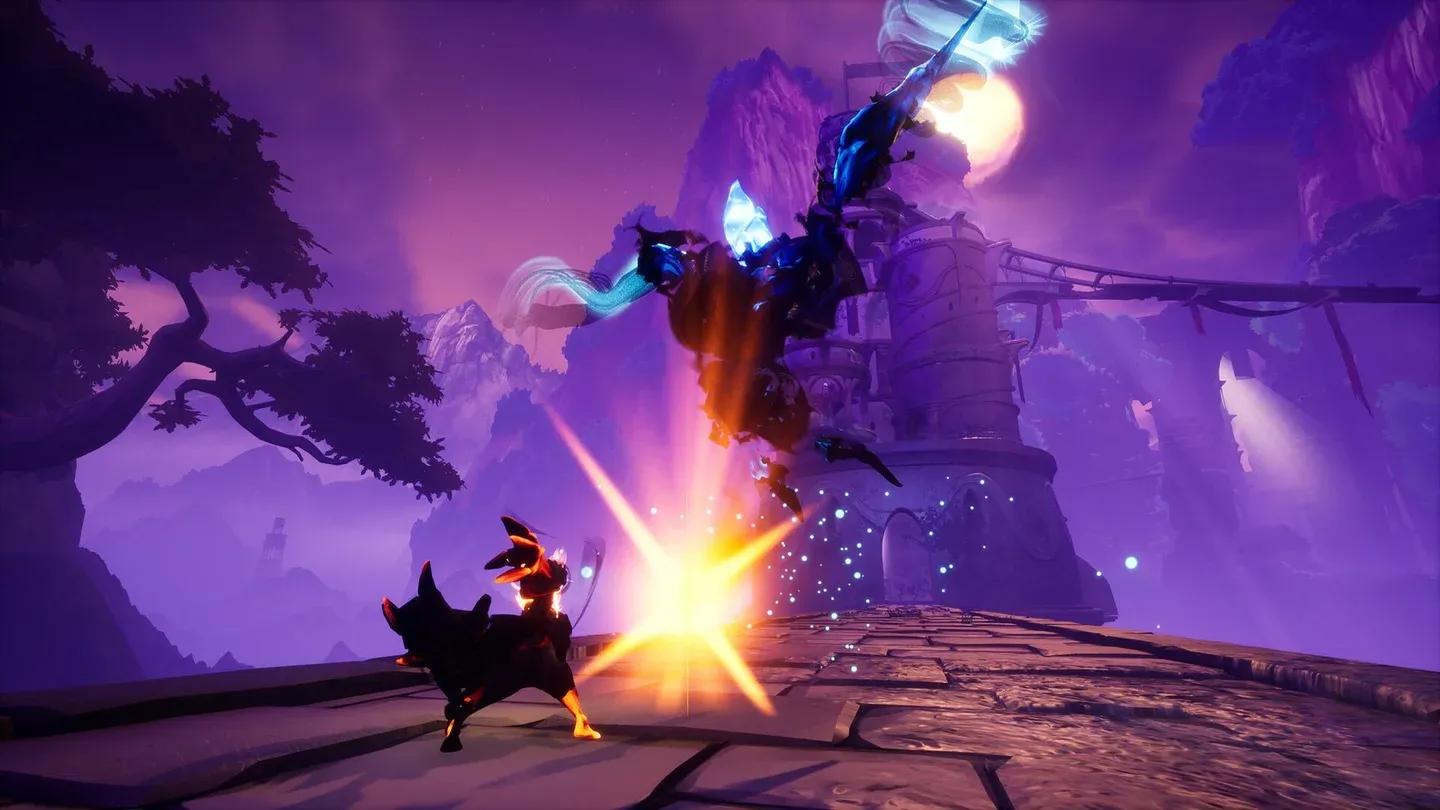
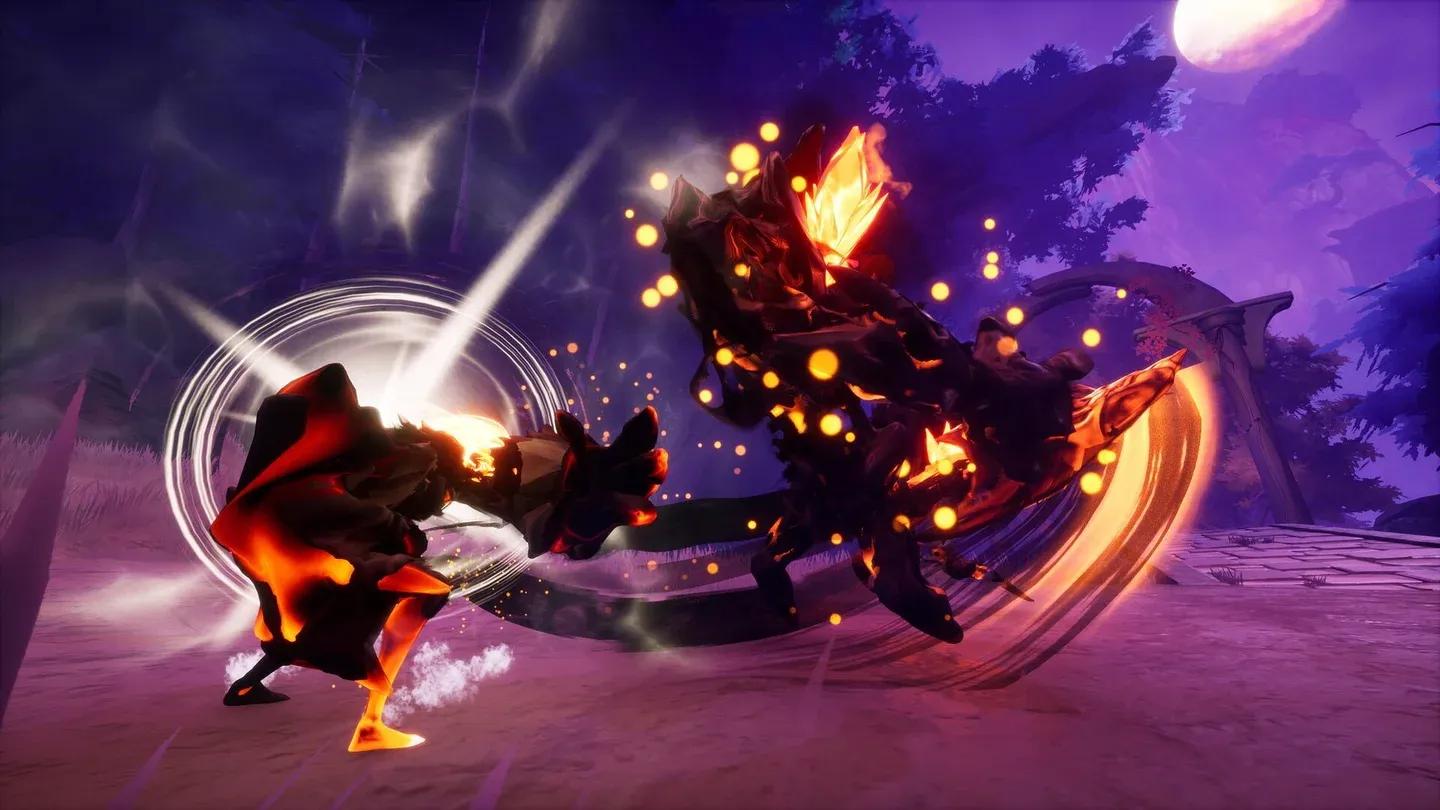
The fighting system is where Strayed Lights earns its identity. Enemies telegraph attacks through color shifts, cycling between warm and cool hues, and matching your own color to theirs lets you absorb and counter their strikes. Get the timing right and you parry cleanly. Get it wrong and you eat the hit.
Strayed Lights content image
Key mechanics at a glance:
- Color-matching parry to absorb enemy attacks
- Ability unlocks as your light grows stronger
- Cinematic one-on-one boss encounters
- Wordless storytelling through animation and environment
- Emotional theming tied to each sibling boss
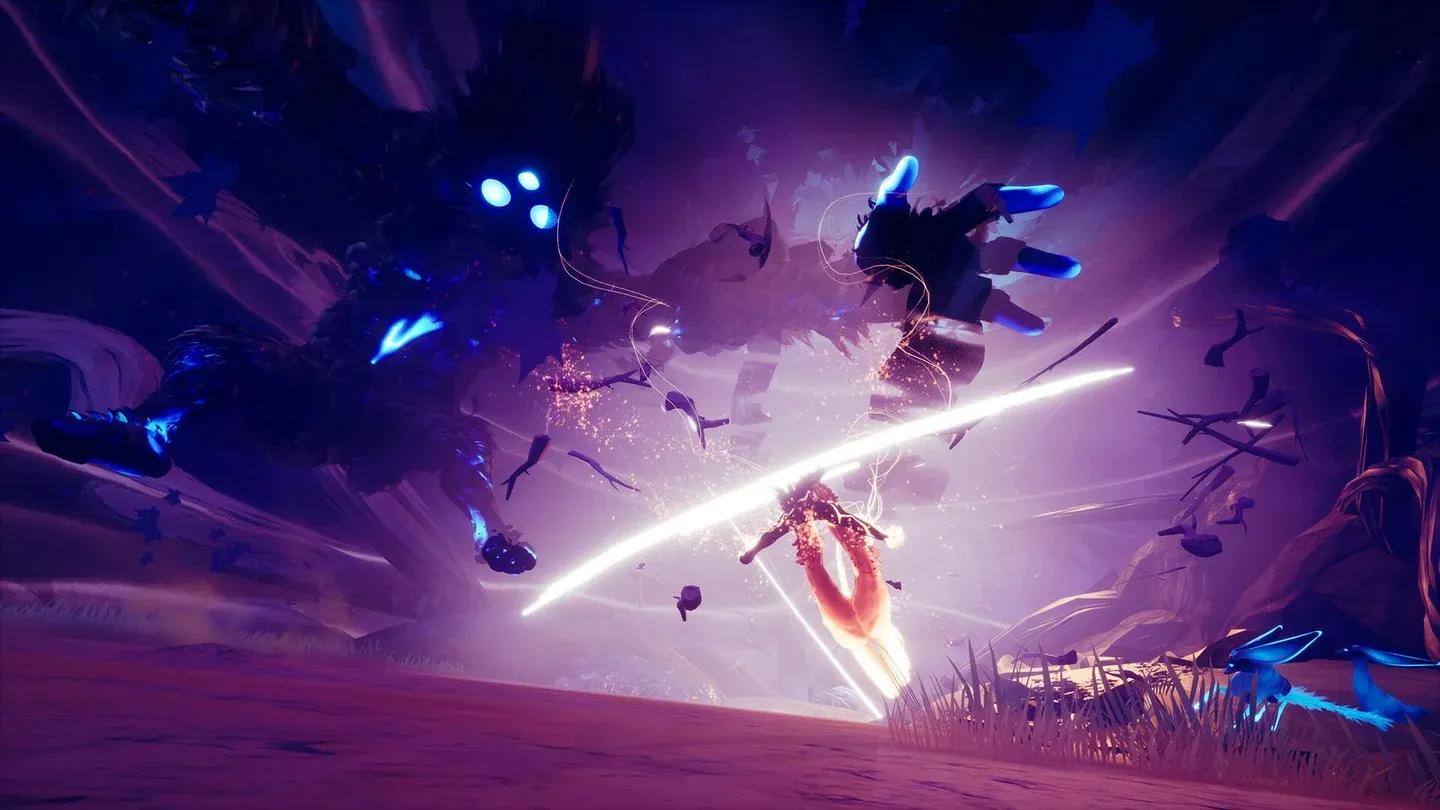
The system sounds simple, but each boss introduces new rhythms and color patterns that force you to adapt. There's a satisfying escalation to the fights, moving from reactive parrying to more confident, flowing exchanges as your abilities expand.
Strayed Lights content image
World and setting: a hostile place told without words
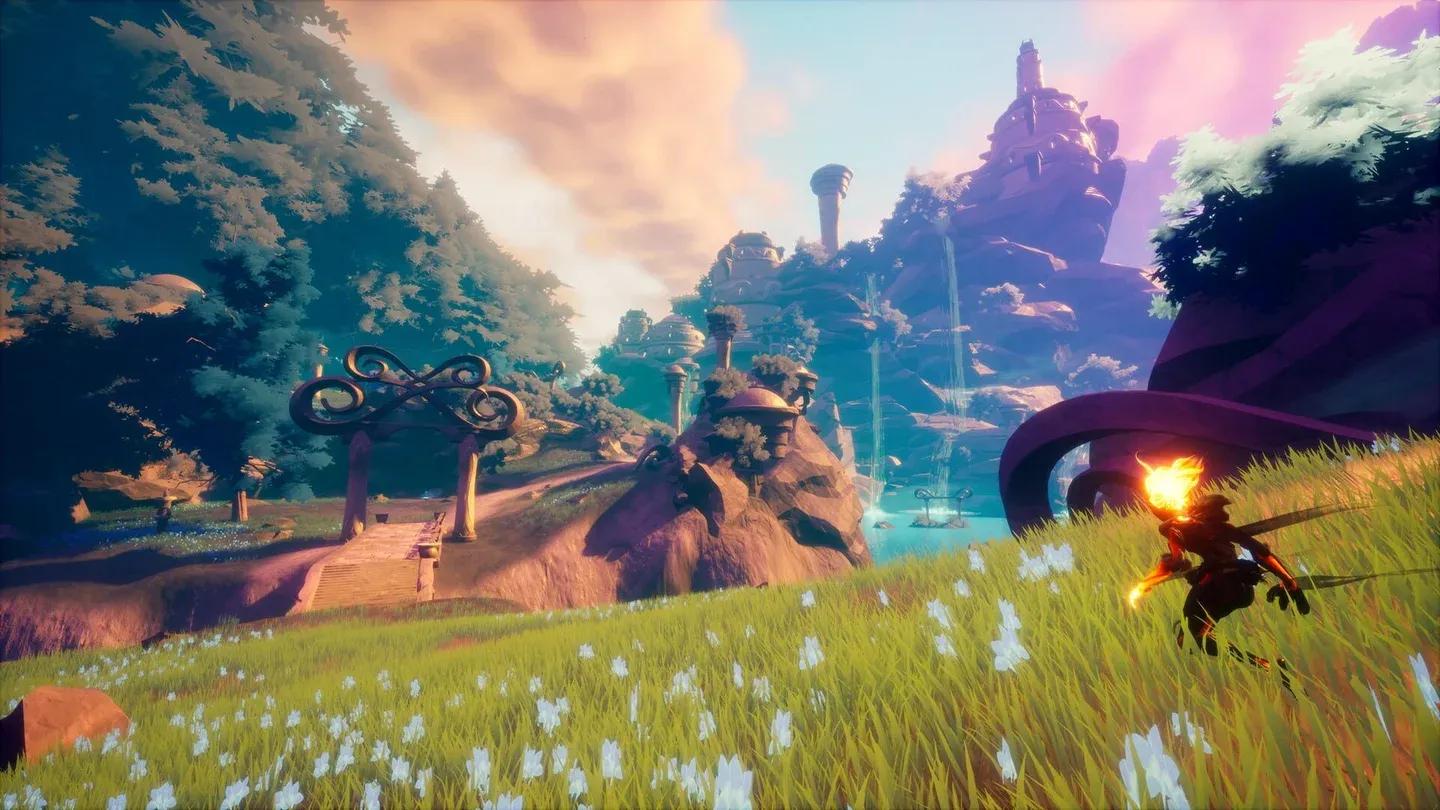
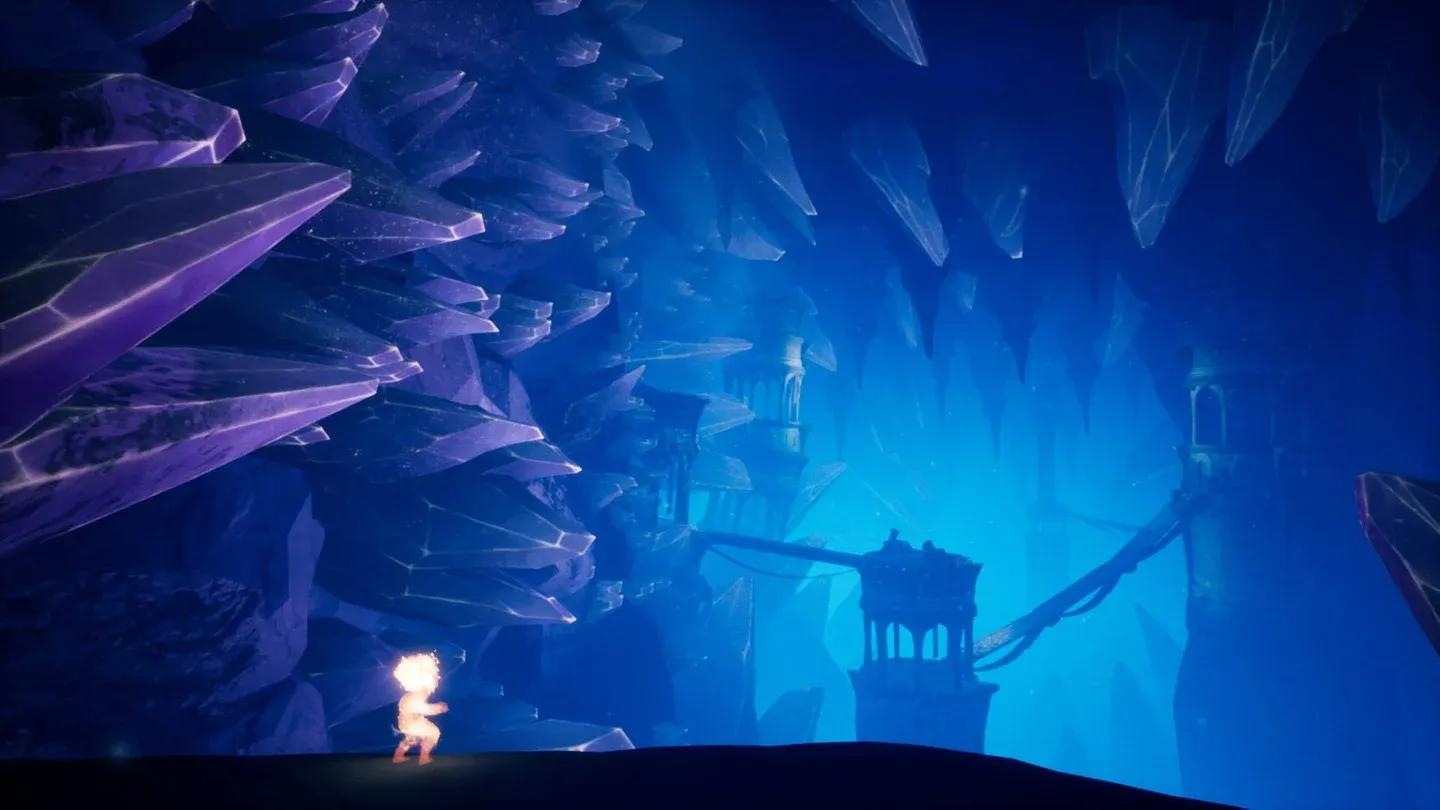
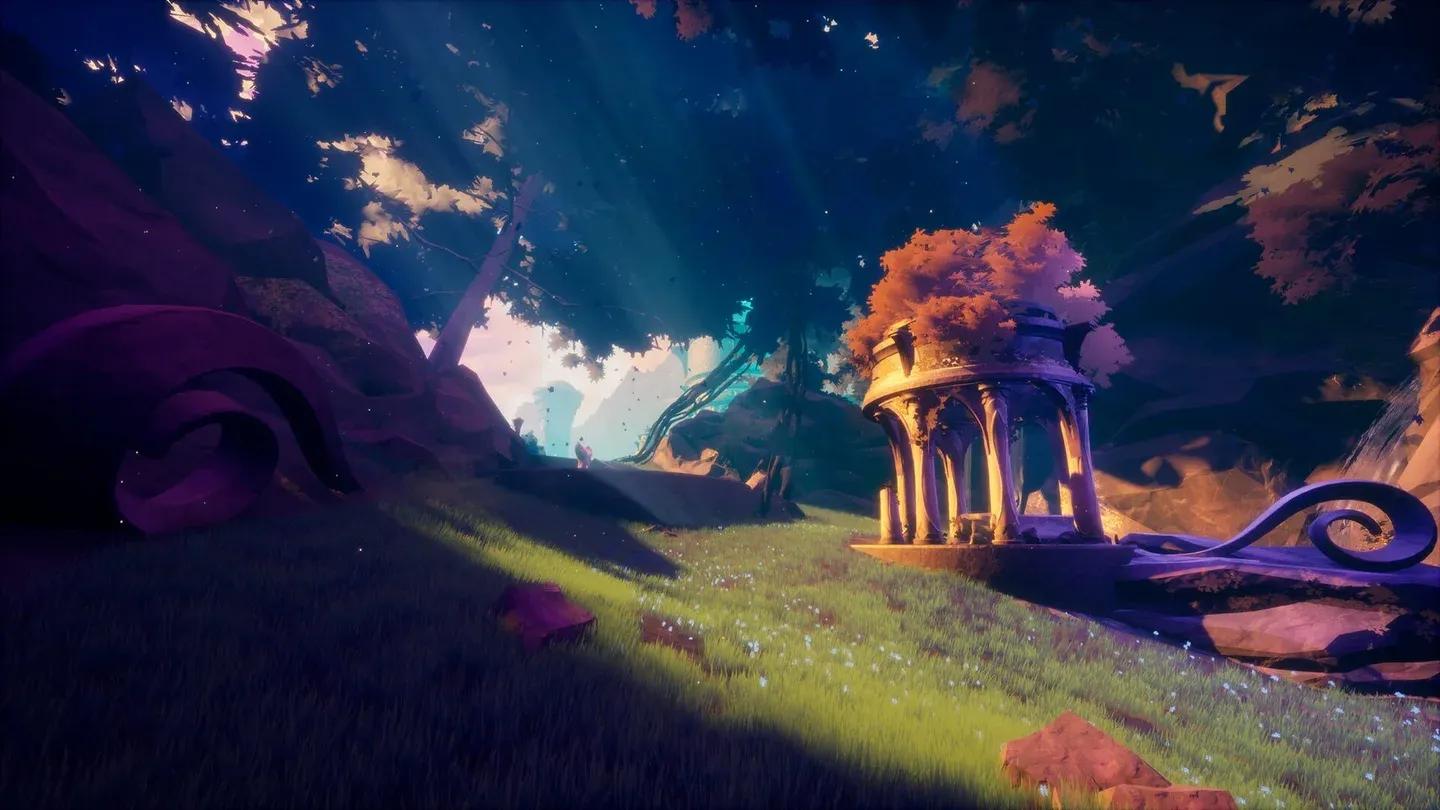
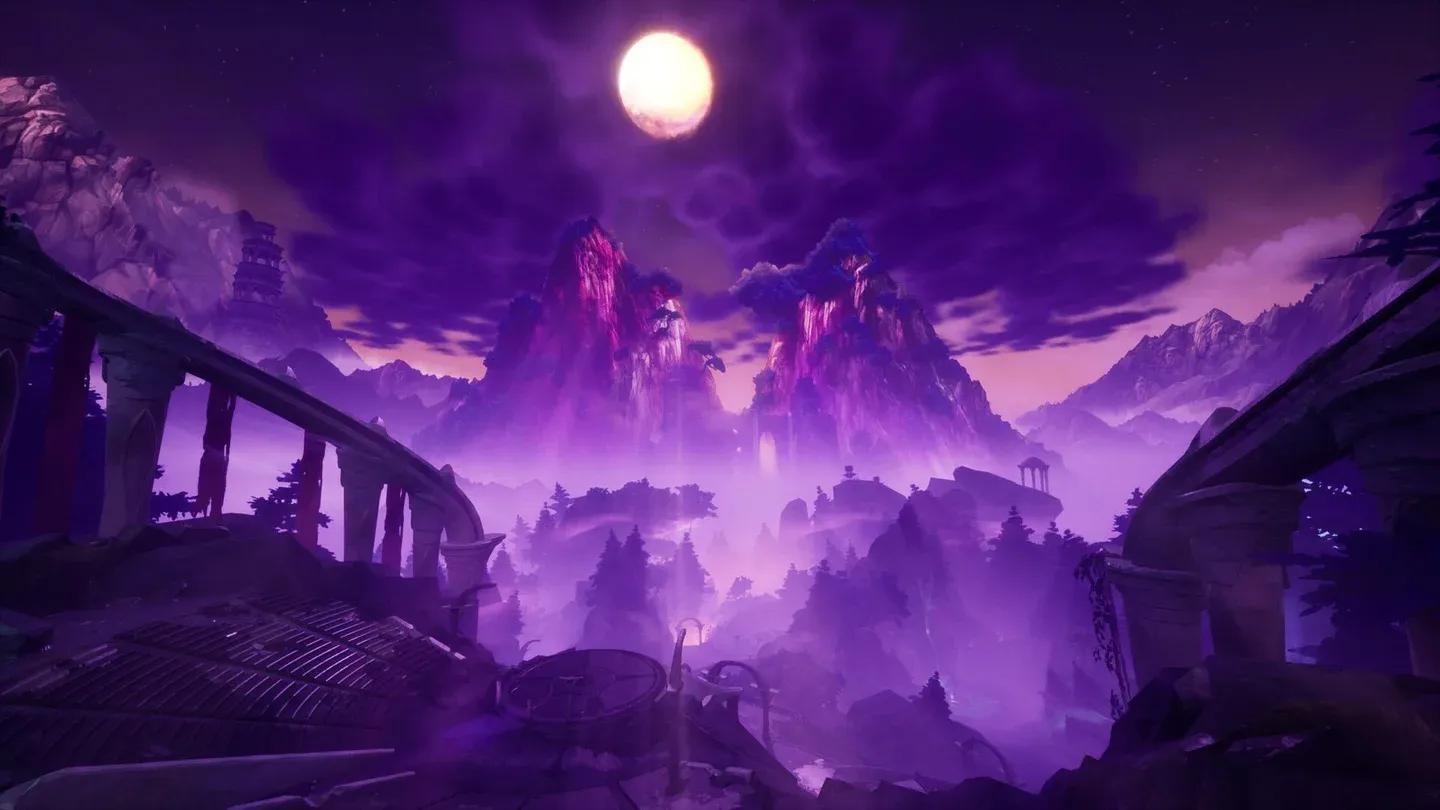
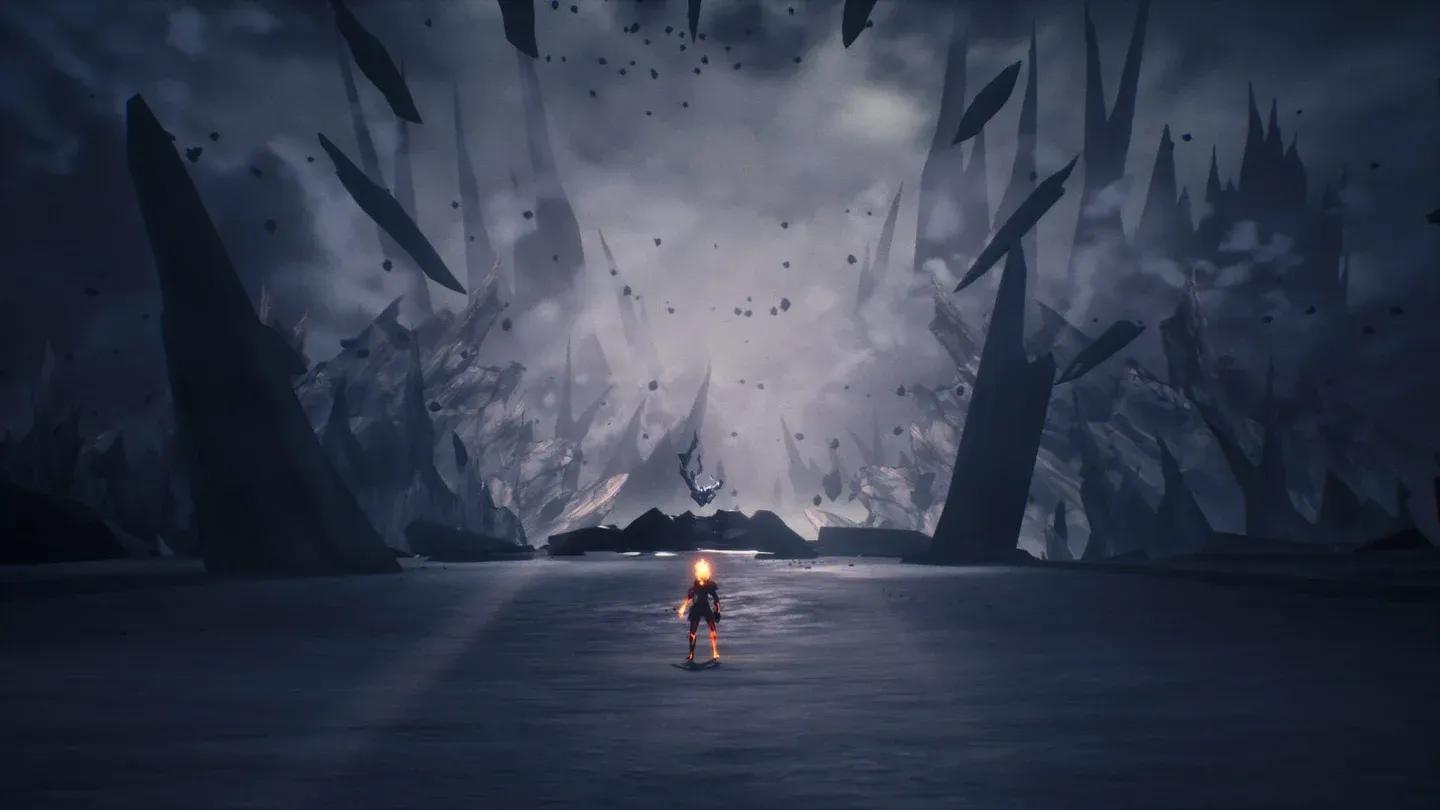
The world of Strayed Lights is built on atmosphere over architecture. Environments shift in tone as you progress, reflecting the emotional states of the creatures inhabiting them. Shadow-choked forests give way to spaces drenched in warm amber light, each zone carrying a distinct mood without a single line of dialogue to explain it.
The sibling bosses are the emotional core of the experience. Each one has been consumed by a specific emotion, grief, rage, fear, and their visual designs reflect that corruption. Pacifying them isn't just a mechanical challenge; it reads as an act of empathy, which gives the combat more weight than you'd expect from a game this short.
Strayed Lights content image
Visual and audio design
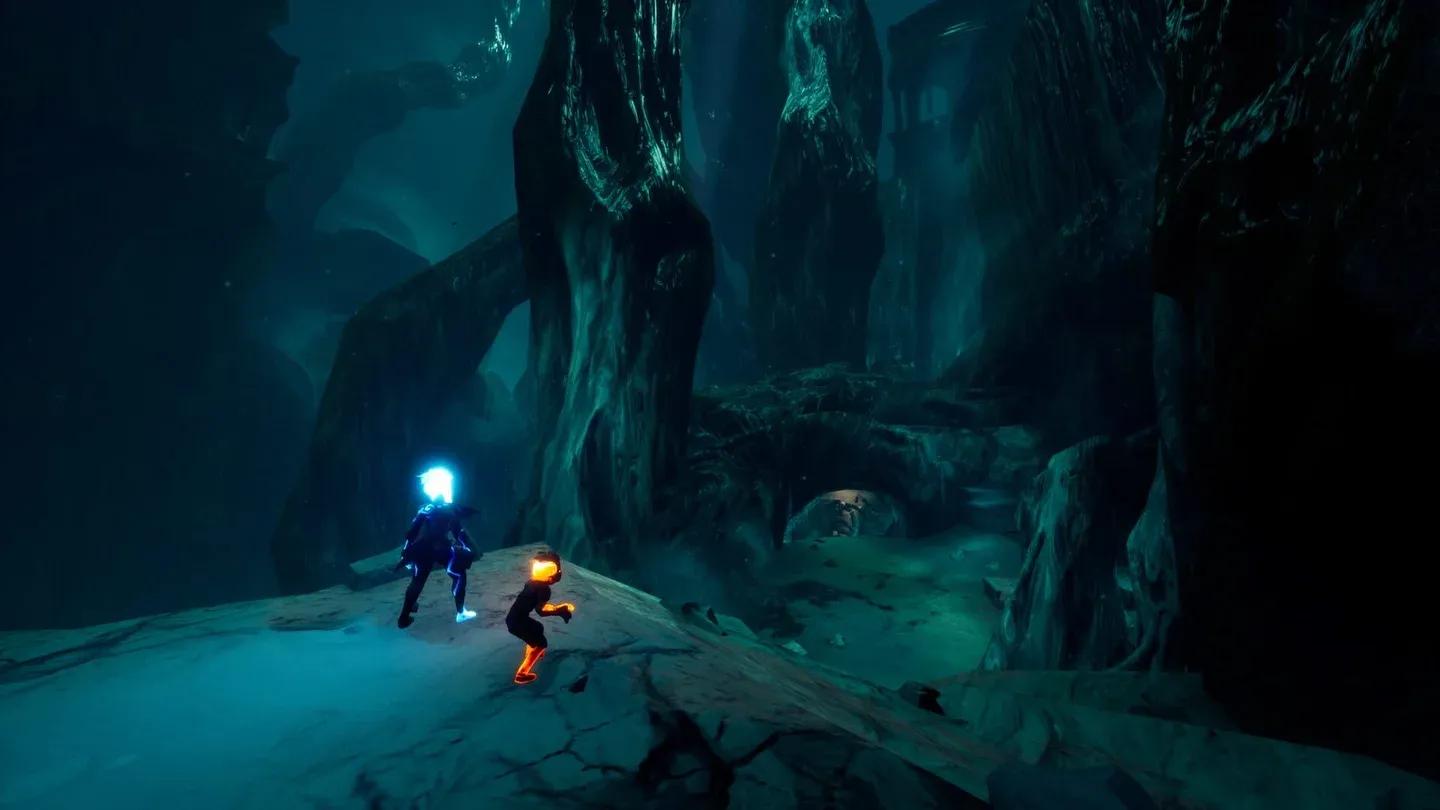
Embers built something visually distinctive on what is clearly a modest budget. The art direction leans into soft, painterly lighting with a strong color contrast between your flame and the shadows surrounding it. Character animations carry emotional nuance that the game's silence depends on entirely, and they largely deliver.
The audio design matches the visual restraint. The score is ambient and understated, swelling during boss encounters without ever feeling overwrought. Sound cues during combat carry functional weight too, reinforcing the color system with audio feedback that helps players read incoming attacks.
Content and replayability
Strayed Lights is a short game. Most players clear it in three to five hours, and there's no traditional endgame loop or procedural content to extend the runtime. The PlayStation store rating sits at 3.94 out of 5 from 196 ratings, which reflects a player base that appreciates what the game does but acknowledges its brevity.
Strayed Lights content image
What the game offers instead of length is a tight, complete experience with no obvious filler. The boss encounters are memorable enough to revisit, and the DualSense haptic feedback on PS5 adds a tactile layer to the parry system that makes the console version feel purpose-built for the hardware. For players who value atmosphere and mechanical focus over runtime, Strayed Lights delivers exactly what it promises.