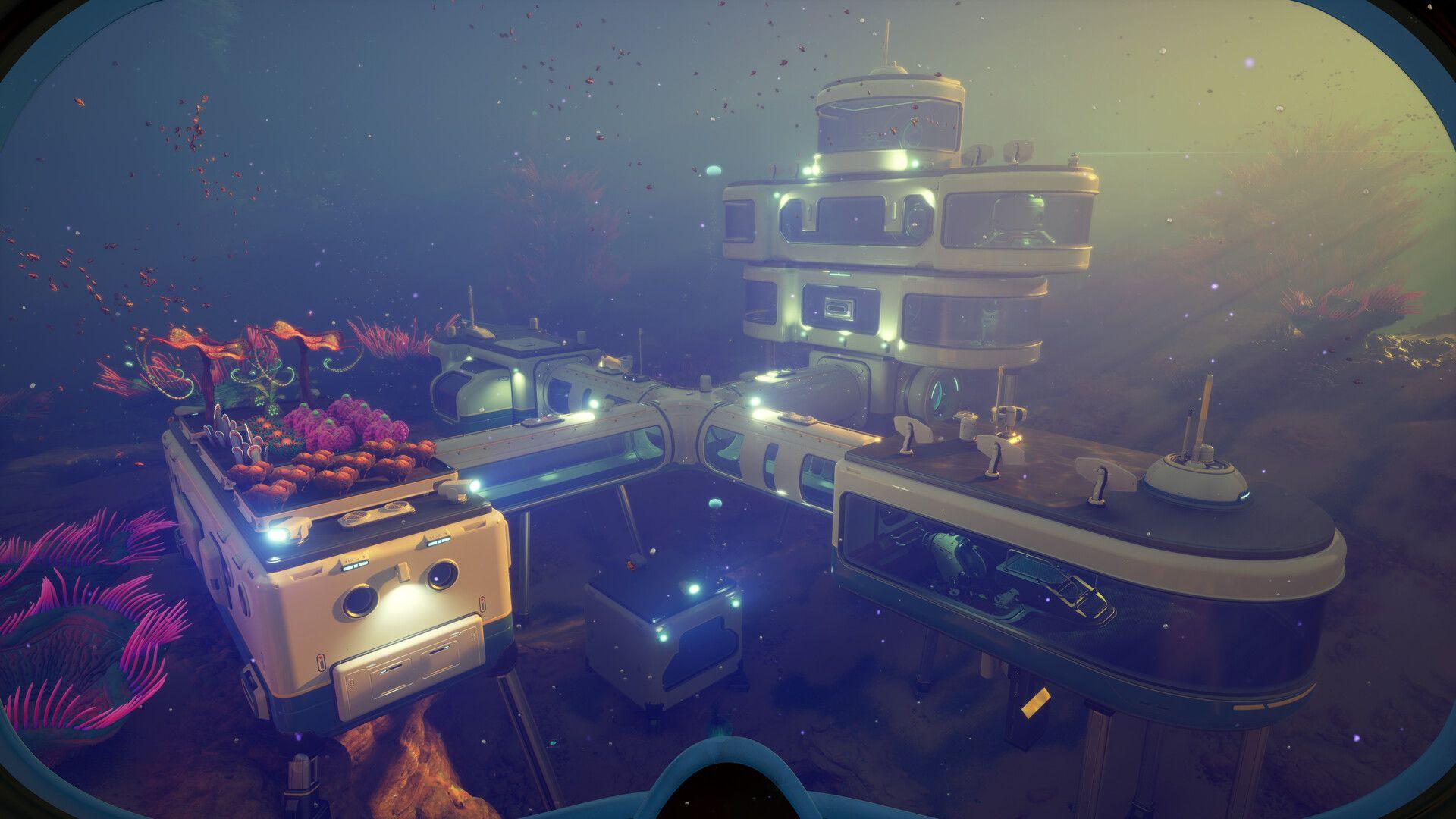


Subnautica 2 drops you into Zazura's ocean with limited resources and a lot of open water in every direction. Picking the right spot for your base matters more than most players realize. Build too far from materials and you'll spend half your oxygen time just commuting. Build in the wrong biome and you'll outgrow the location before you've even powered it properly. This guide covers the best spots for early, mid, and late game, with exact distances and what each location actually offers.
What makes a good base location in Subnautica 2?
Before getting into specific spots, it's worth understanding what separates a good base location from a frustrating one. There will be three priorities shift as you progress:
- Early game: proximity to abundant materials like titanium, copper, and quartz
- Mid game: closeness to wreckages so you can duck back for oxygen during exploration
- Late game: placement in deeper biomes where surfacing is no longer possible
Power is the other factor that every guide agrees on. Solar panels only work during daylight, so being near a strong ocean current for hydro electric turbines keeps your base lit and oxygenated around the clock.
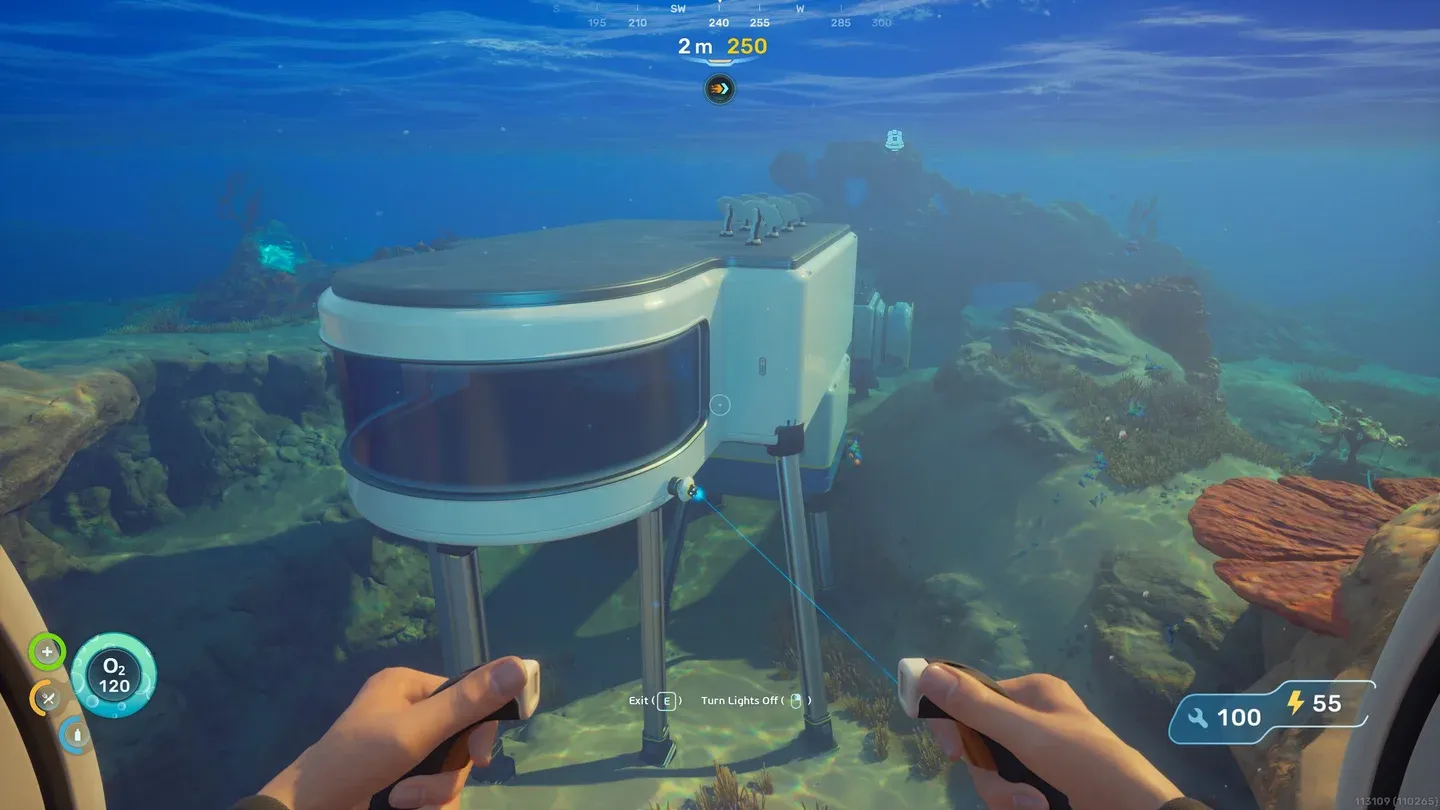
Base placement near starter zone
Early game base locations
Should you build under the Lifepod first?
The short answer is yes, and here's why. Building directly under or next to your Lifepod gives you immediate access to its storage, fabricator, and AI companion NoA without spending resources to replicate those facilities from scratch. Since the Lifepod sits above the water's surface, it supplies unlimited oxygen, which is a genuine lifesaver before you have a powered base running.
The critical detail most players miss: swim approximately 60 meters east of the Lifepod and you'll hit a strong ocean current that runs straight to the surface. Drop a couple of hydro electric turbines there and your base stays powered through the night once you unlock that technology.
Old Habitat: the best resource hub near spawn
Head 300 meters directly north of the Lifepod and look for distinctive rock structures with large jellyfish-like creatures draped over them. You'll receive a PDA notification labeling this area the Old Habitat, and you'll see the ruins of a previous base here.
The area has hostile fish patrolling the surface level, but drop into the caves directly beneath those rock formations and they won't follow you. Down there you'll find dense deposits of copper, silver, and titanium. There's also a small colonist's bunker at the cave bottom where you can grab oxygen while mining. A natural current runs along the seafloor between the two rock structures, making it ideal for turbine placement.
For players focused on gathering silver specifically, our Subnautica 2 silver farming guide covers exactly which cave formations near the Lifepod yield the most consistent results.
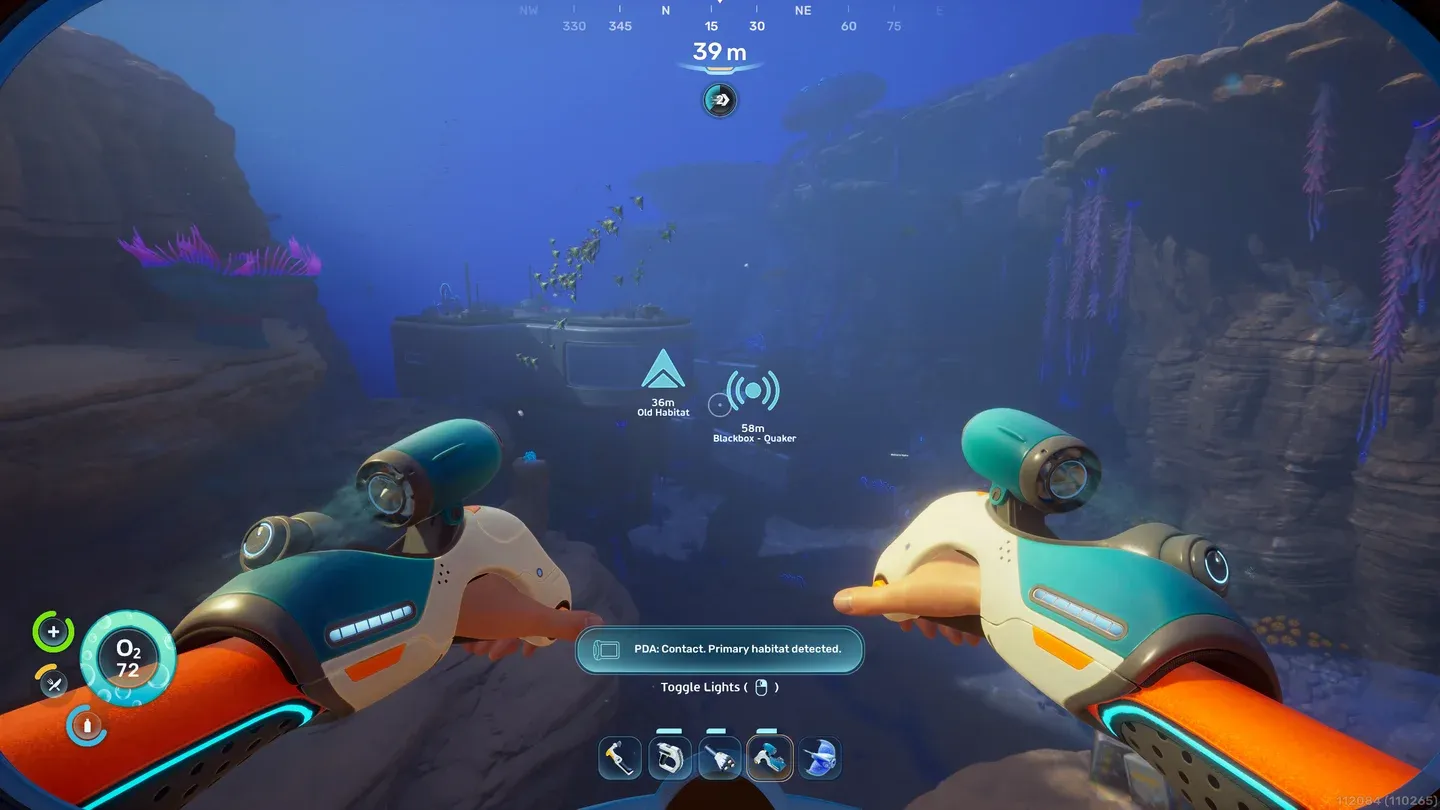
Old Habitat cave resources
Cicada Wreck: lead-heavy and story-aligned
At 400 meters northeast of the Lifepod sits the Cicada Wreck (Lander Garage), a large piece of wreckage that triggers a journal entry when you approach. The water here is murky and the scenery is industrial at best, but the resource density is exceptional.
The area surrounding the wreck contains more lead than almost anywhere else on the current early access map, alongside substantial quartz and copper deposits and smaller amounts of titanium. A long current runs right alongside the wreck, which handles your turbine power needs cleanly.
The strategic bonus: the Cicada Wreck sits northeast, which is the direction the story naturally pushes you. Building here means less back-and-forth travel as you progress.
Mid game: should you build near the Heat Caves?
As the story pushes you northeast into warmer waters, you'll encounter thermal vents that can eventually power a base. The temptation to set up camp here is real. Resist it.
The story moves you past the heat caves fairly quickly toward a more suitable second base location further east. Building anything large near the thermal vents means you'll be abandoning it soon after. Save your materials and wait for the game to signal the right moment, which it does explicitly.
Once you do reach that next area, note that currents there are limited, with only small flows that won't spin a turbine. Unlocking bioreactors before expanding east gives you a reliable power source that doesn't depend on current strength.
For a complete breakdown of how to power and oxygenate any base you build, the Subnautica 2 oxygen and power guide covers every power source and what situations each one suits best.
Late game: go deeper
The best late-game base locations are in deeper biomes, specifically areas too deep to surface from even with full oxygen. These locations exist to support extended deep exploration rather than as permanent homes, but placing a base there removes the need to abort dives early.
The key items to have unlocked before committing to a deep biome base include the Seaglide, Scanner, Repair Tool, and Laser Cutter, along with upgraded oxygen tank equipment. Without these, the deep biome base becomes a liability rather than an asset.
What to craft before placing your first base
Knowing where to build is only half the problem. Having the right materials ready when you arrive saves multiple trips. Based on the progression priorities outlined across both sources, prioritize gathering:
- Titanium for base foundation modules
- Quartz for windows and glass components
- Copper for wiring and electronics
- Silver for advanced components
- Lead for radiation shielding and mid-game crafting
For a full breakdown of every resource and what it builds, check the Subnautica 2 all resources list before your next major build session.
For everything else you need to get established on Zazura, the full Subnautica 2 guides collection covers blueprints, vehicles, tools, and survival systems in detail.