Advertisement

Overview
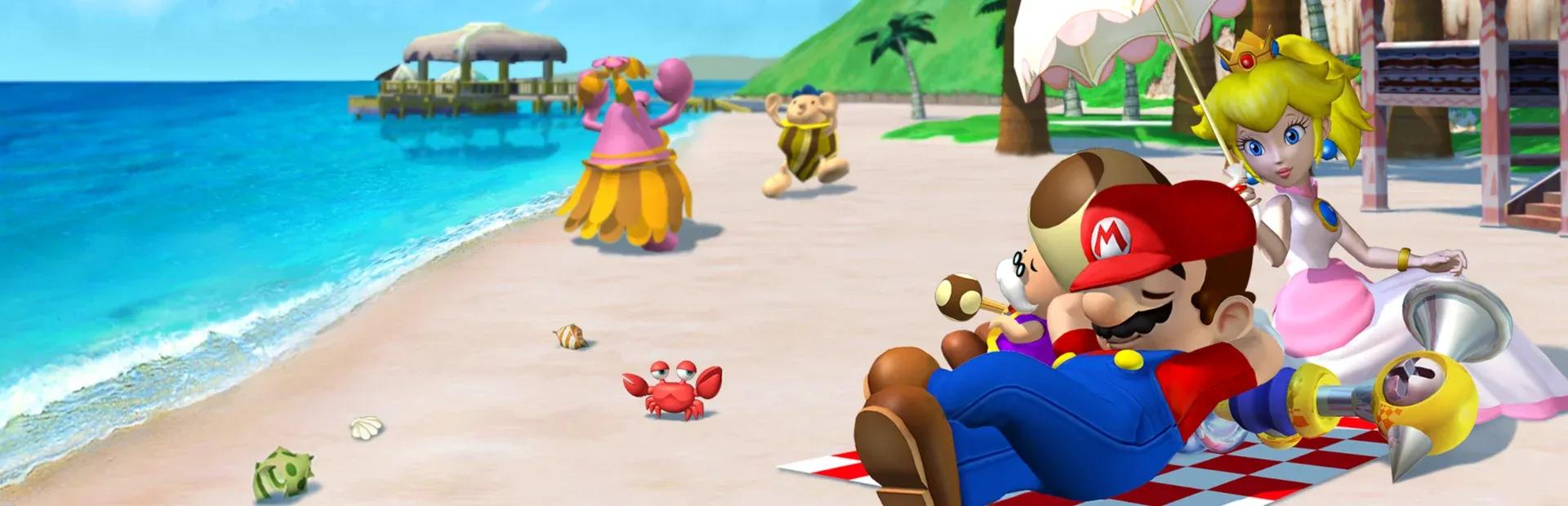
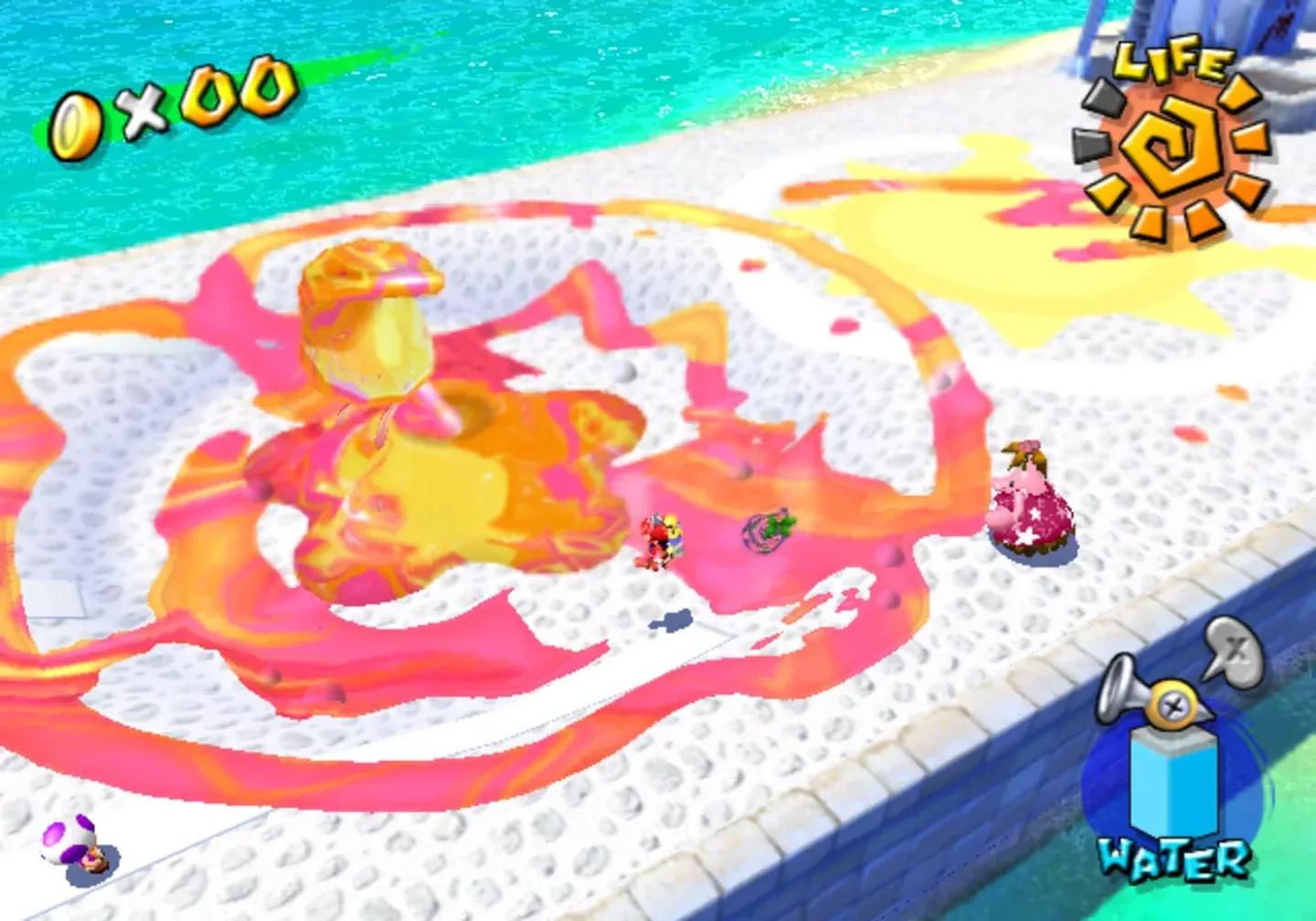
Super Mario Sunshine arrived in 2002 as the follow-up to Super Mario 64, and Nintendo Entertainment Analysis & Development took the franchise somewhere genuinely unexpected: a Mediterranean-style island resort called Isle Delfino. Mario arrives on vacation with Princess Peach and a retinue of Toads, only to find the island coated in toxic graffiti and the locals convinced he did it. The real culprit is Shadow Mario, a mysterious doppelganger with a very familiar silhouette.
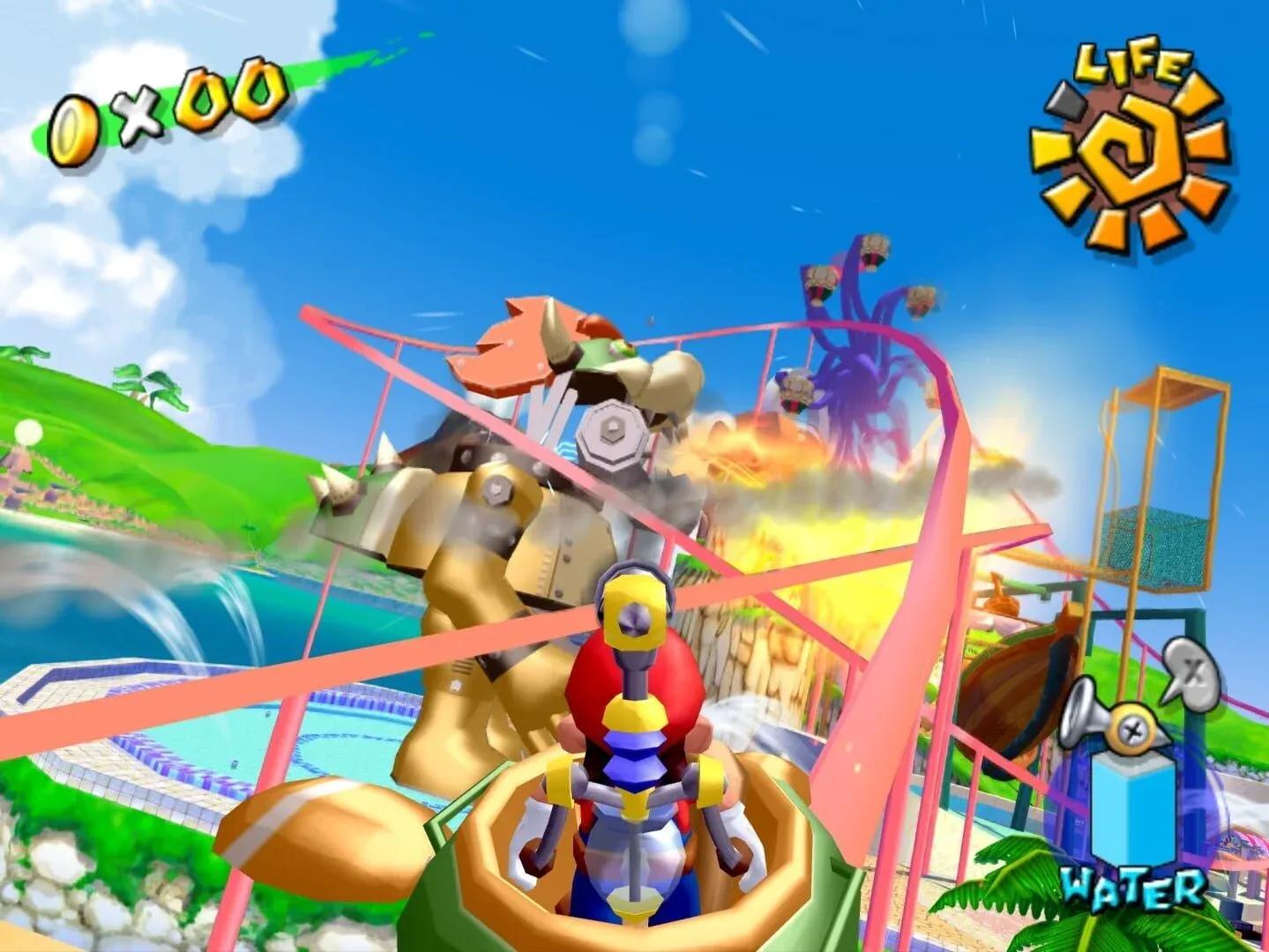
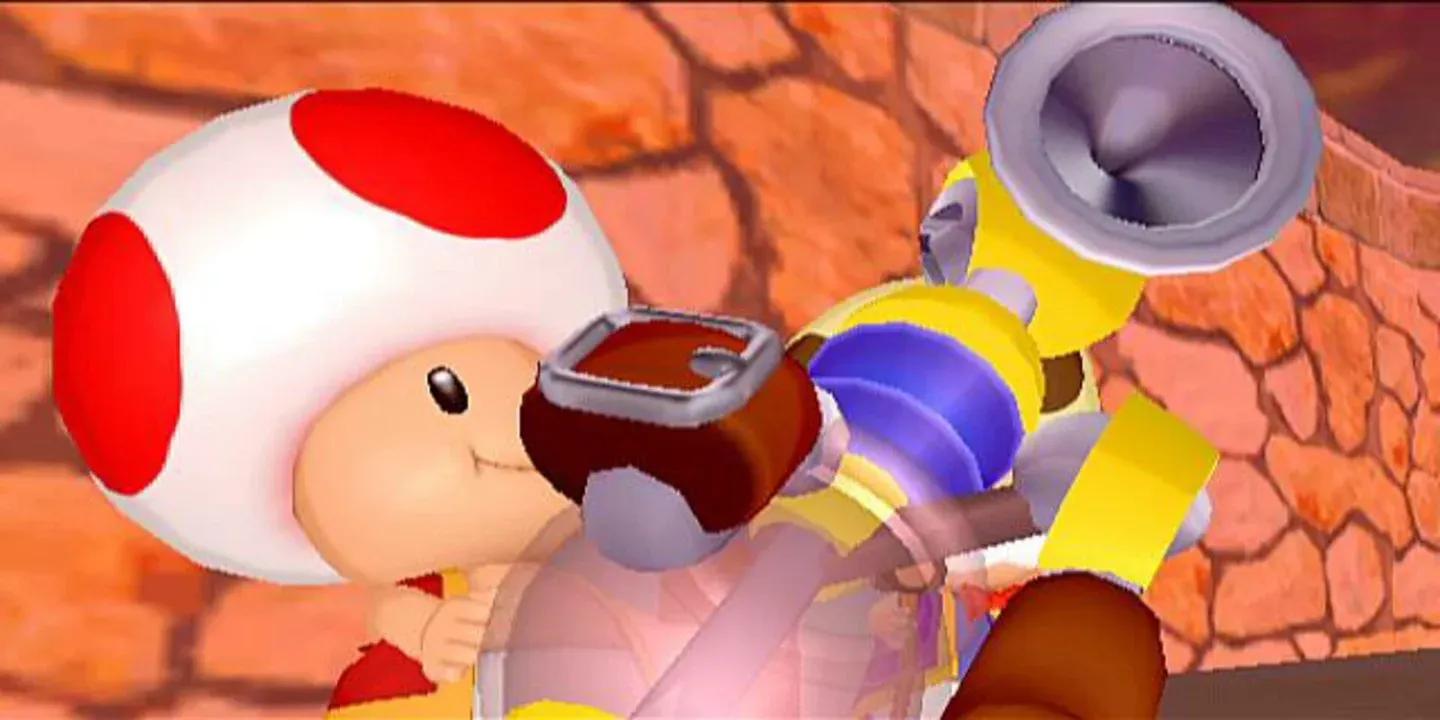
The setup feeds directly into the game's central mechanic. Mario is handed F.L.U.D.D. (Flash Liquidizer Ultra Dousing Device), an invention from Professor E. Gadd's lab, and tasked with cleaning up the island to recover stolen Shine Sprites. Each Shine Sprite acts as this game's equivalent of Power Stars, unlocking new areas and episodes across Isle Delfino's varied locations.
Gameplay and mechanics
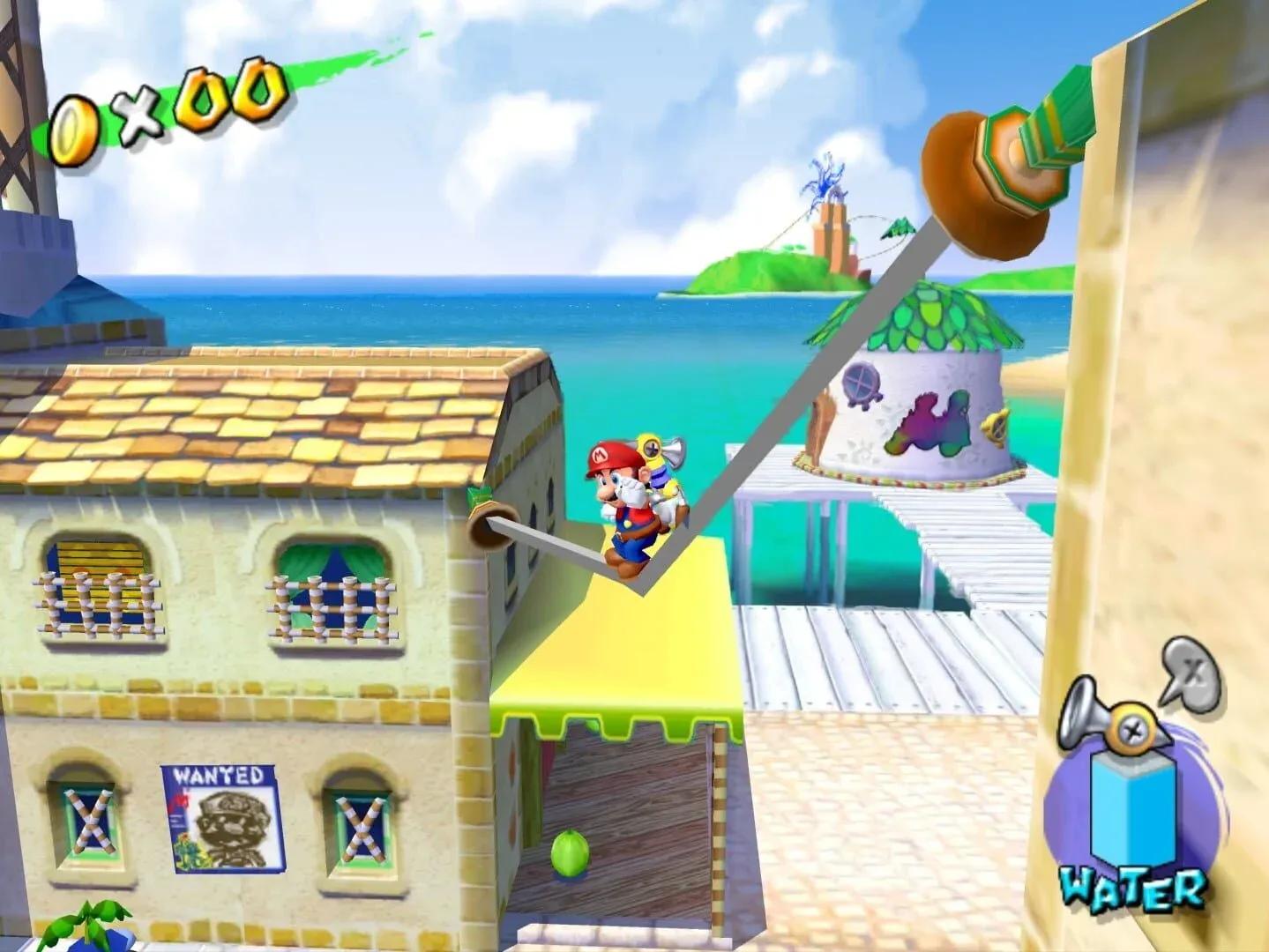
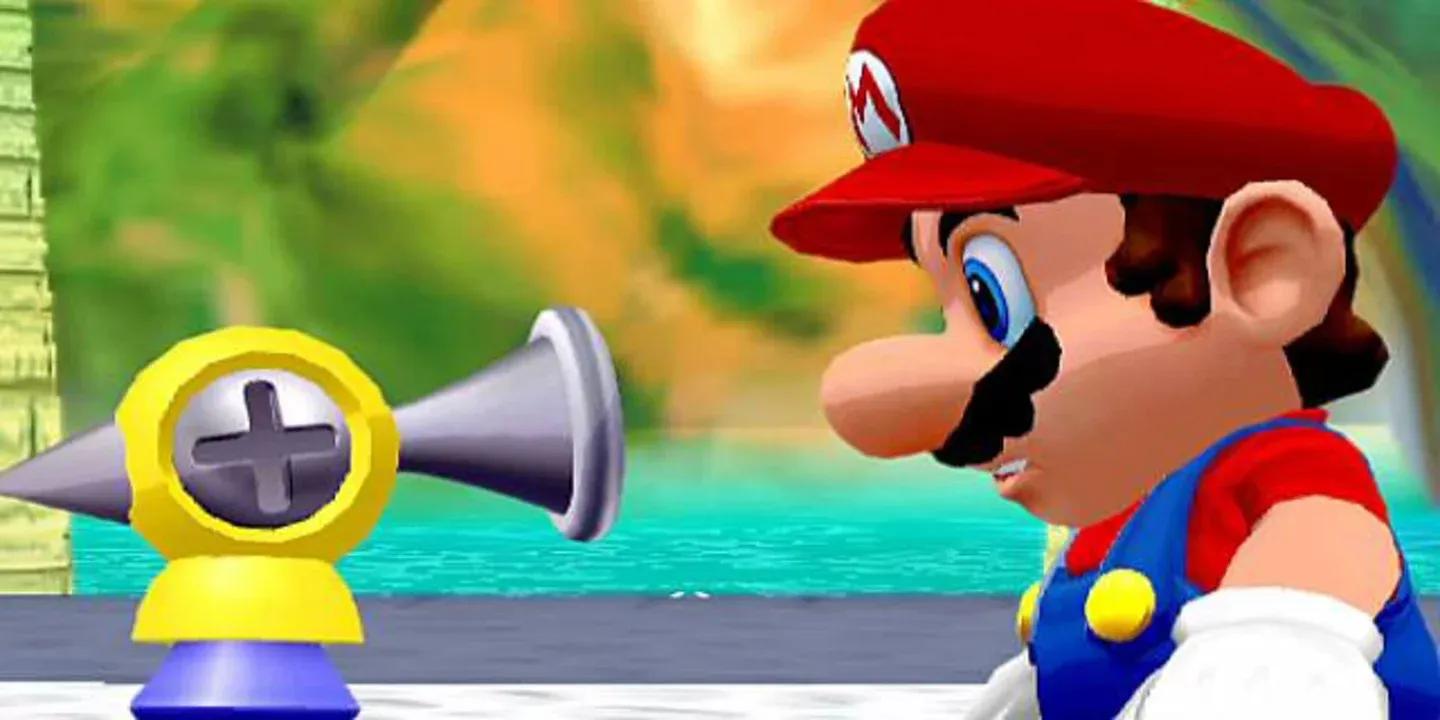
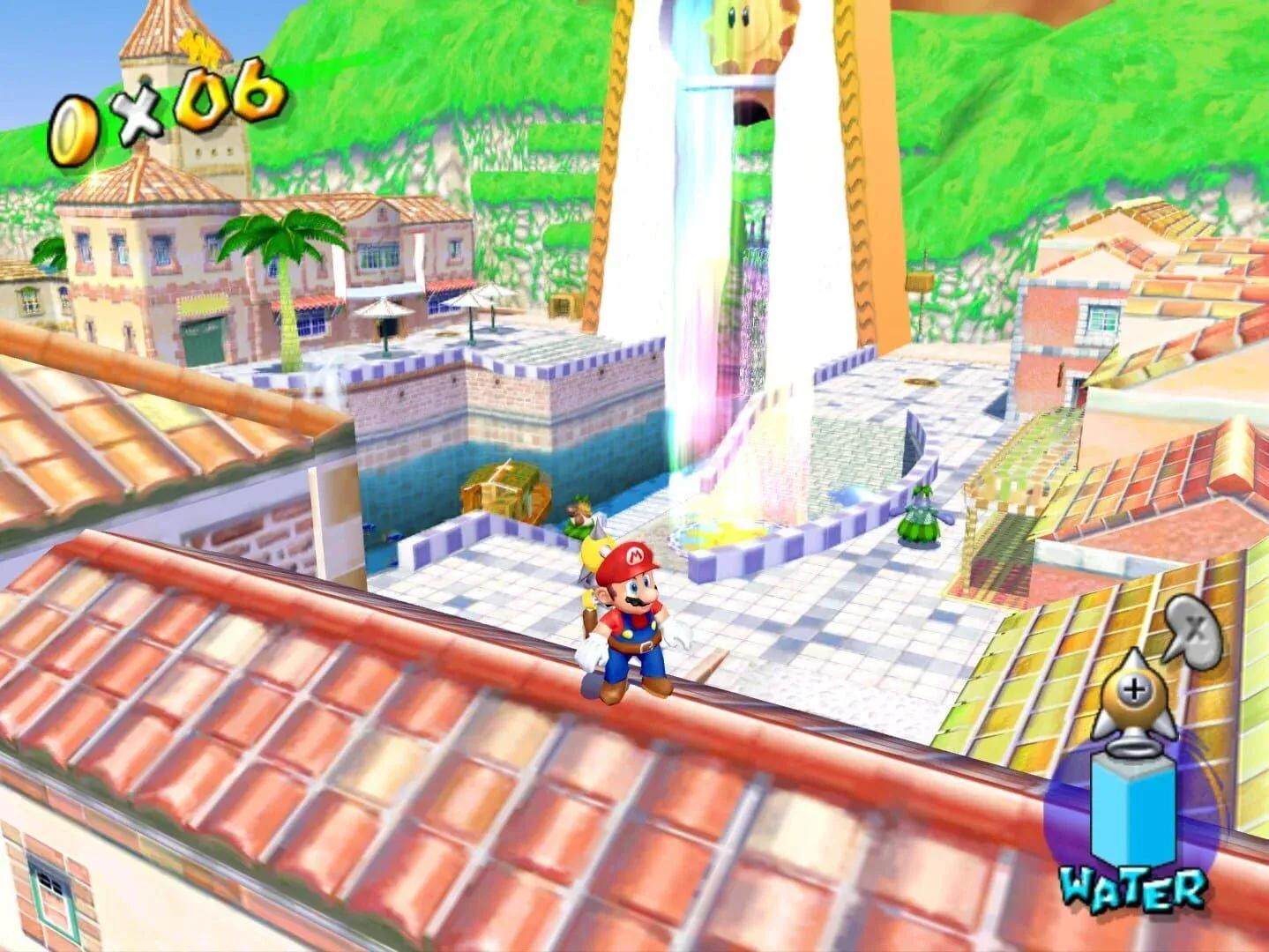
The core loop in Super Mario Sunshine revolves around collecting Shine Sprites across eight main stages, each with multiple episodes that change the objective and sometimes the layout of the level. F.L.U.D.D. comes with swappable nozzles that expand Mario's movement options considerably:
Super Mario Sunshine content image
- Hover Nozzle: sustained airborne movement
- Rocket Nozzle: vertical burst launches
- Turbo Nozzle: high-speed ground dash
- Squirt Nozzle: default cleaning and combat tool
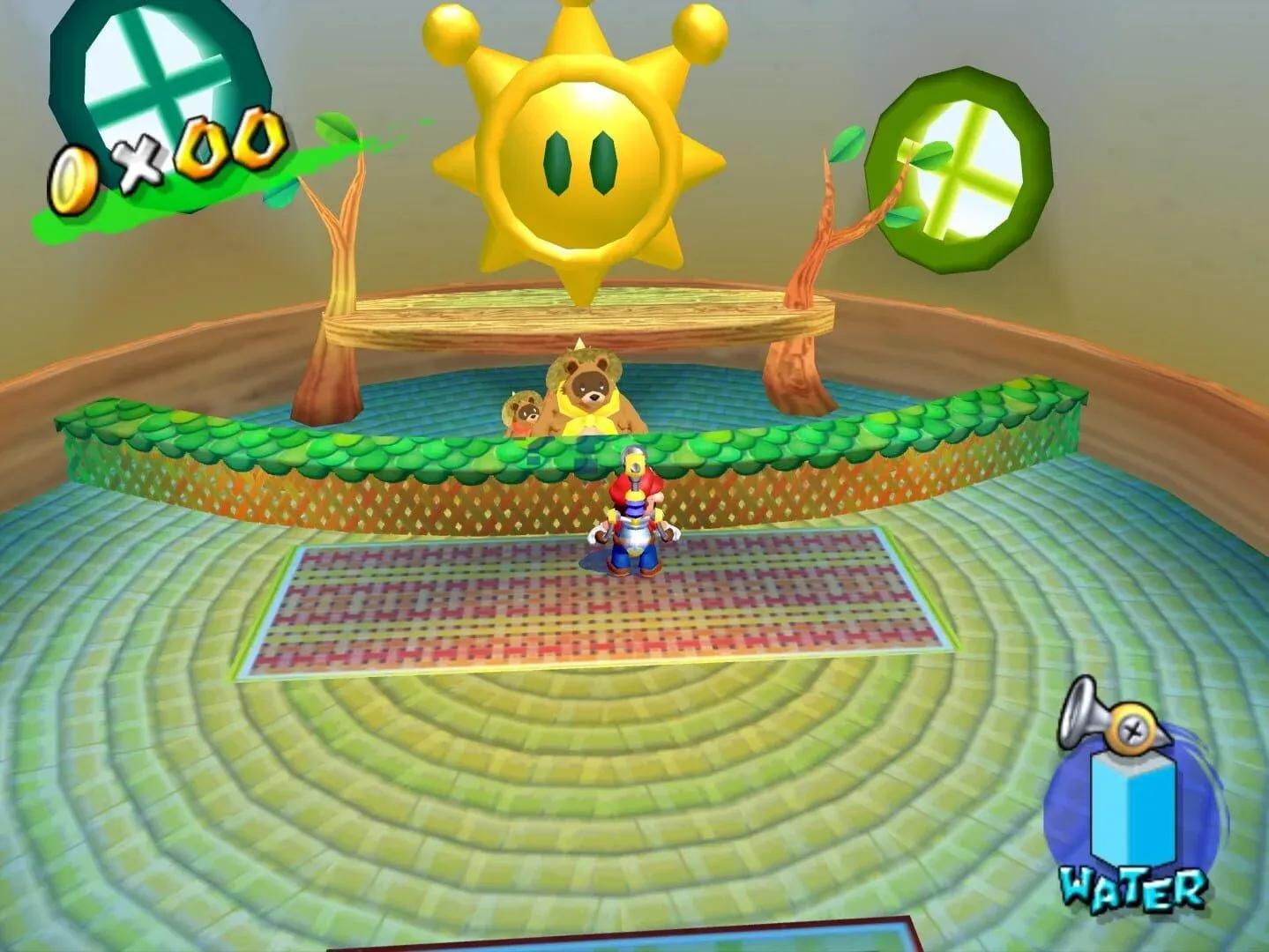
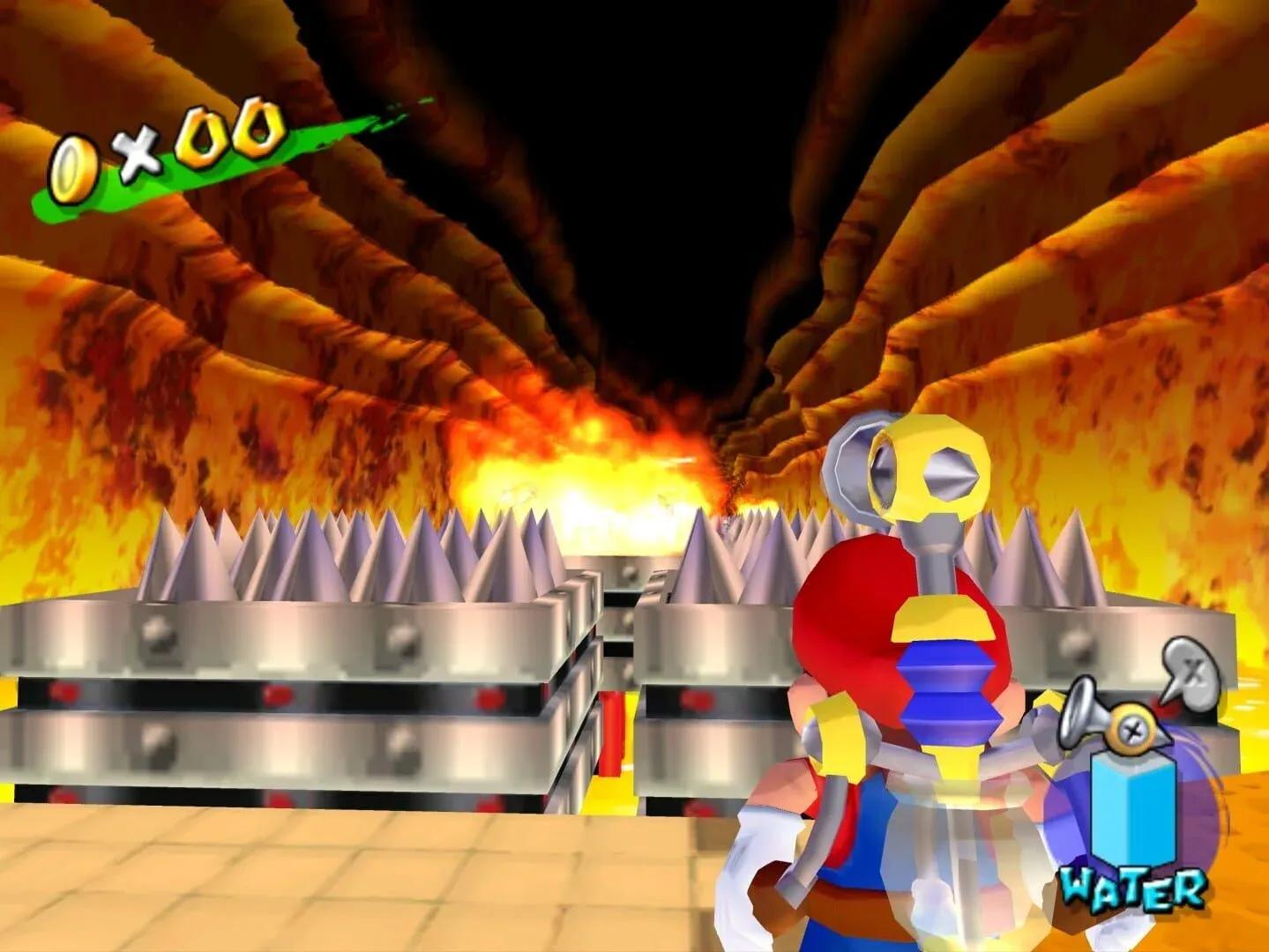
The nozzle system gives the 3D platformer a texture that Mario 64 never had. Hovering over a gap to line up a jump, then rocket-launching to a ledge that seemed unreachable, produces a satisfying rhythm once the controls click. Certain sections strip F.L.U.D.D. away entirely, dropping Mario into abstract obstacle courses that are pure, unforgiving platforming.
Super Mario Sunshine content image
World and setting
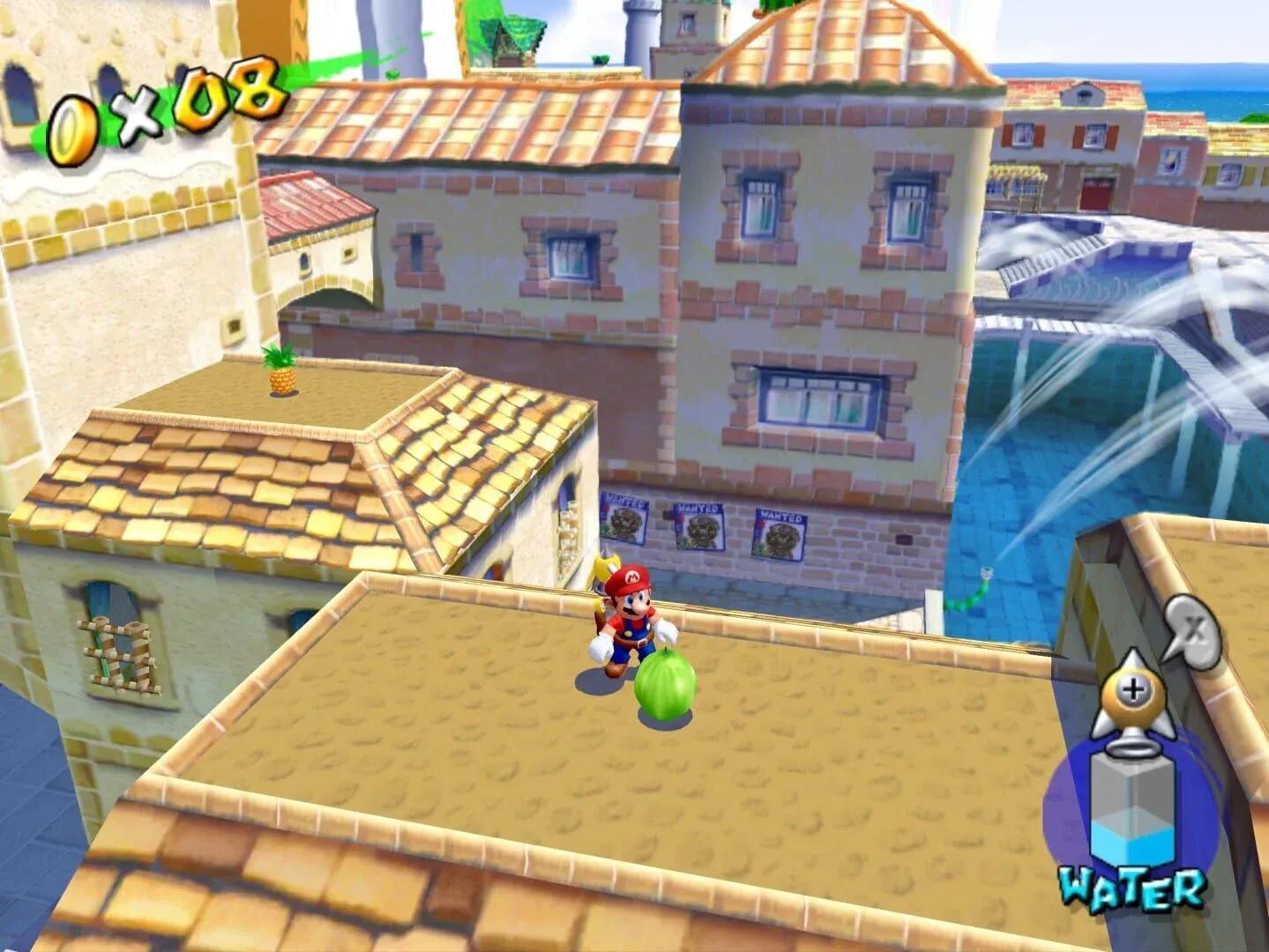
Isle Delfino is one of the most cohesive settings Nintendo has built for a Mario game. The locations reference Italian culture by name and aesthetic: Bianco Hills, Ricco Harbor, Pianta Village, Noki Bay. The island's inhabitants, the round-bodied Piantas and shell-dwelling Nokis, give the world a distinct personality that the Mushroom Kingdom's Toads never quite managed.
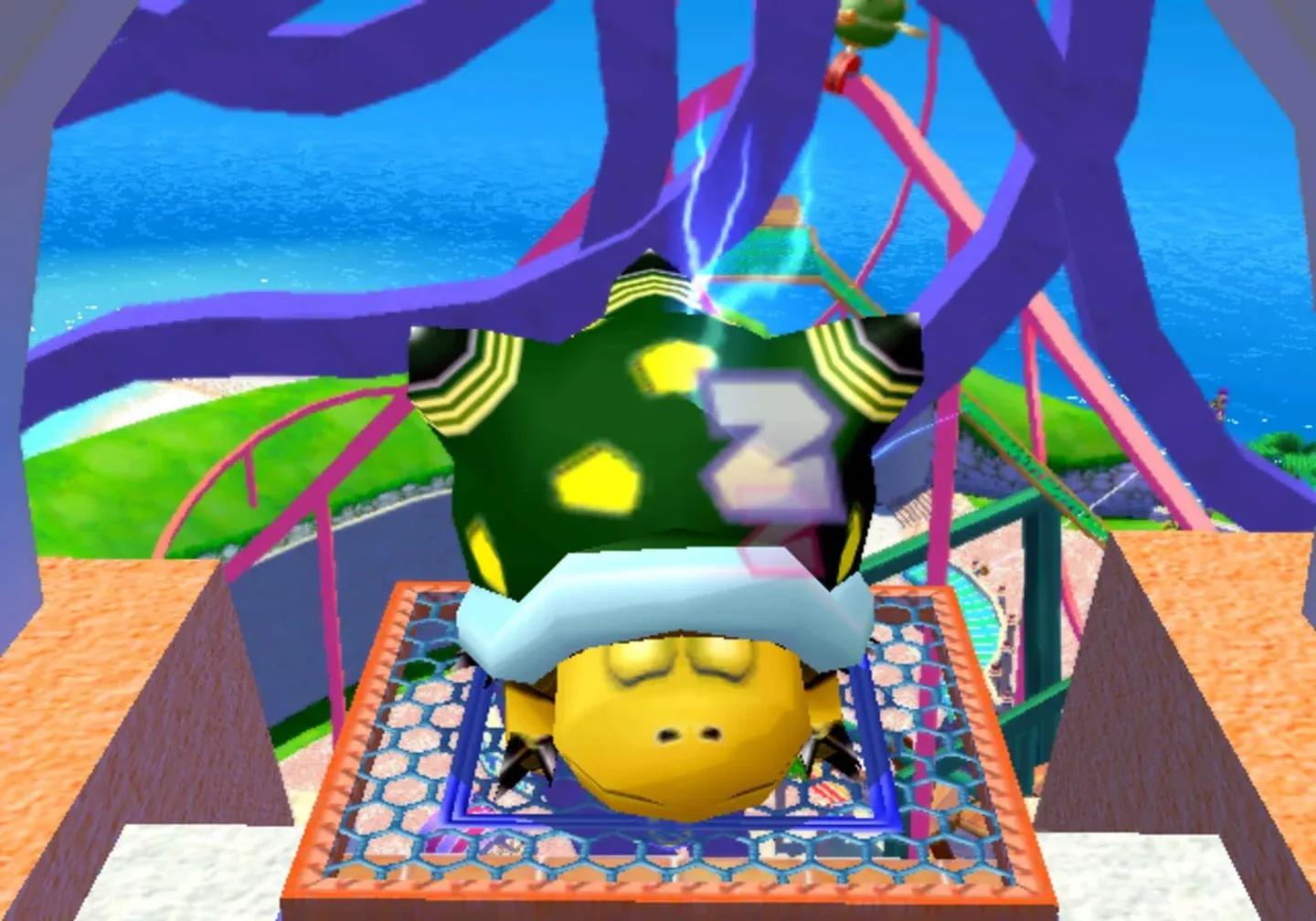
The storyline introduces several characters who went on to become series regulars. Bowser Jr., Toadsworth, Petey Piranha, and Gooper Blooper all appear here for the first time. The game's final confrontation between Mario and Bowser takes place on a floating platform above a volcanic caldera, which is a significant step up in spectacle from what the series had attempted before.
Super Mario Sunshine content image
Innovation and unique features
What separates Sunshine from other entries in the Mario catalog is the specificity of its identity. The tropical setting, the water mechanics, the framing narrative, the Italian cultural references: these elements create something that feels self-contained rather than generic. No other mainline Mario game has tried to replicate the F.L.U.D.D. formula, which makes Sunshine feel genuinely singular in the series.
The game also experiments with structure in ways that feel deliberate. Boss fights recur across multiple episodes before their final resolution, and several Shine Sprites require exploration and observation rather than direct action. Players who return to earlier stages after unlocking new nozzles often find paths that were previously invisible.
Super Mario Sunshine content image
Impact and legacy
Super Mario Sunshine has a complicated reputation. At launch, some players found the controls demanding and certain levels frustrating. Over time, the game developed a dedicated following that values exactly those qualities. The F.L.U.D.D. movement system rewards precision in a way that fewer 3D platformers attempt, and the stage design holds secrets that take multiple playthroughs to fully surface. Its inclusion in the Super Mario 3D All-Stars collection in 2020 introduced it to a new generation, and its standing as the most mechanically distinct 3D Mario game remains intact.