
Advertisement

Overview
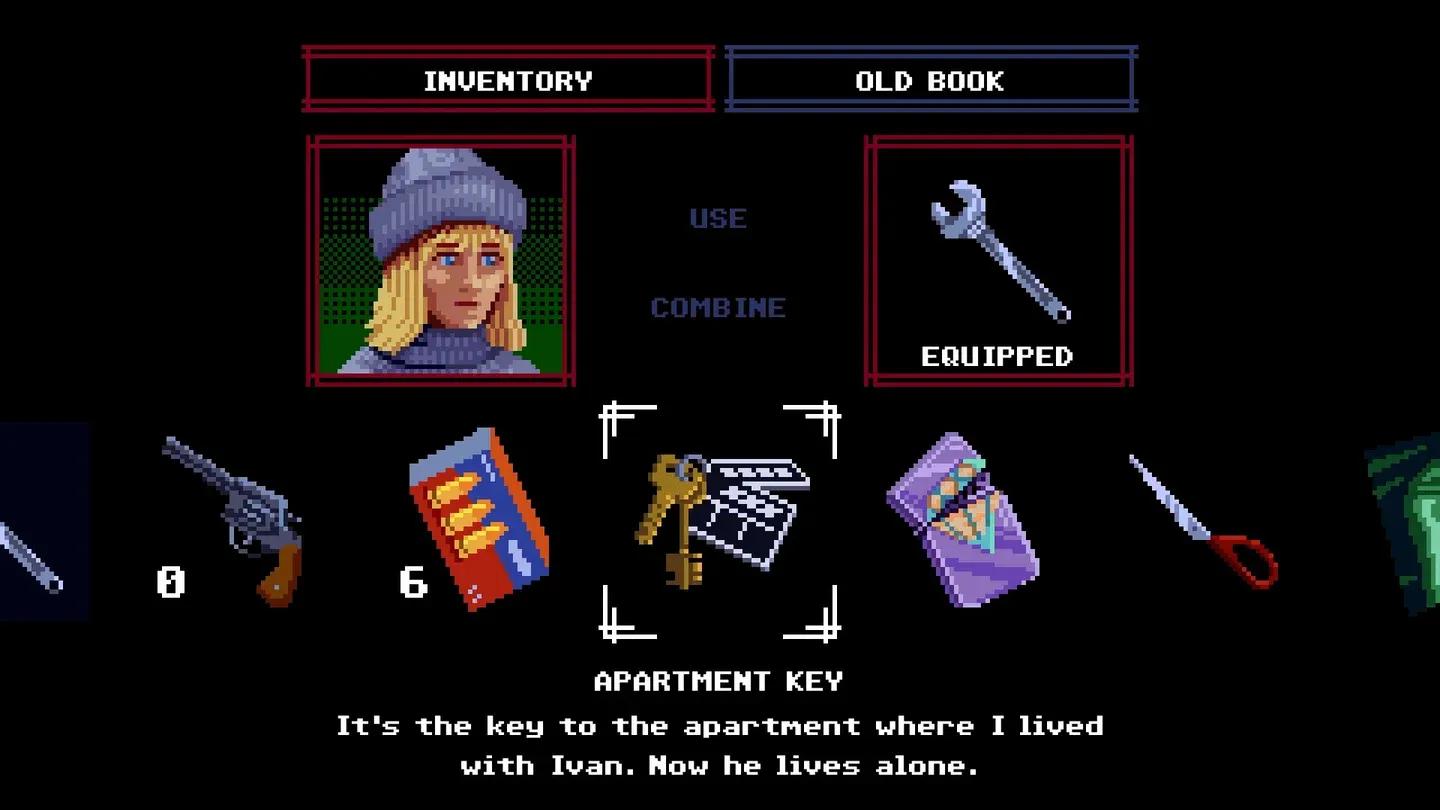
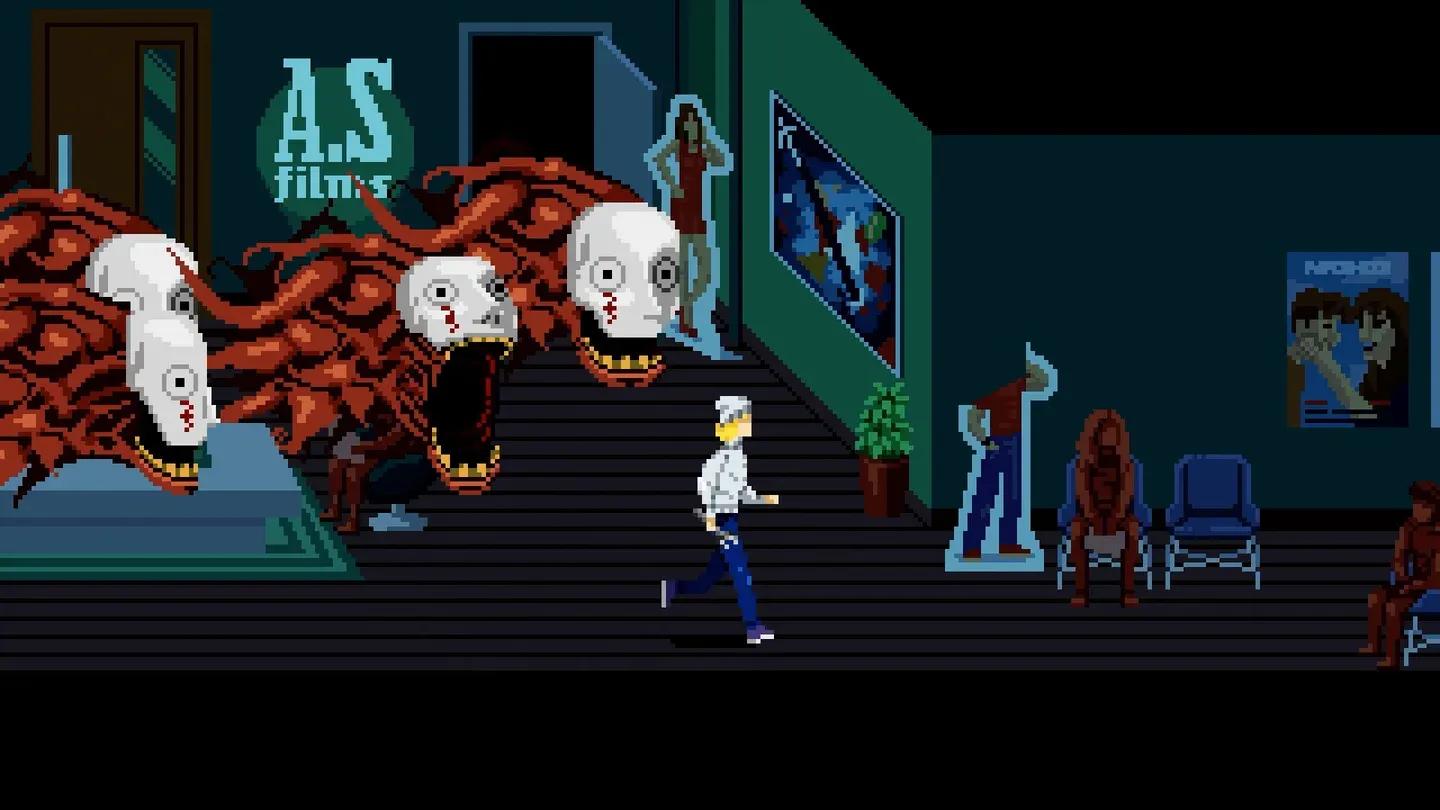
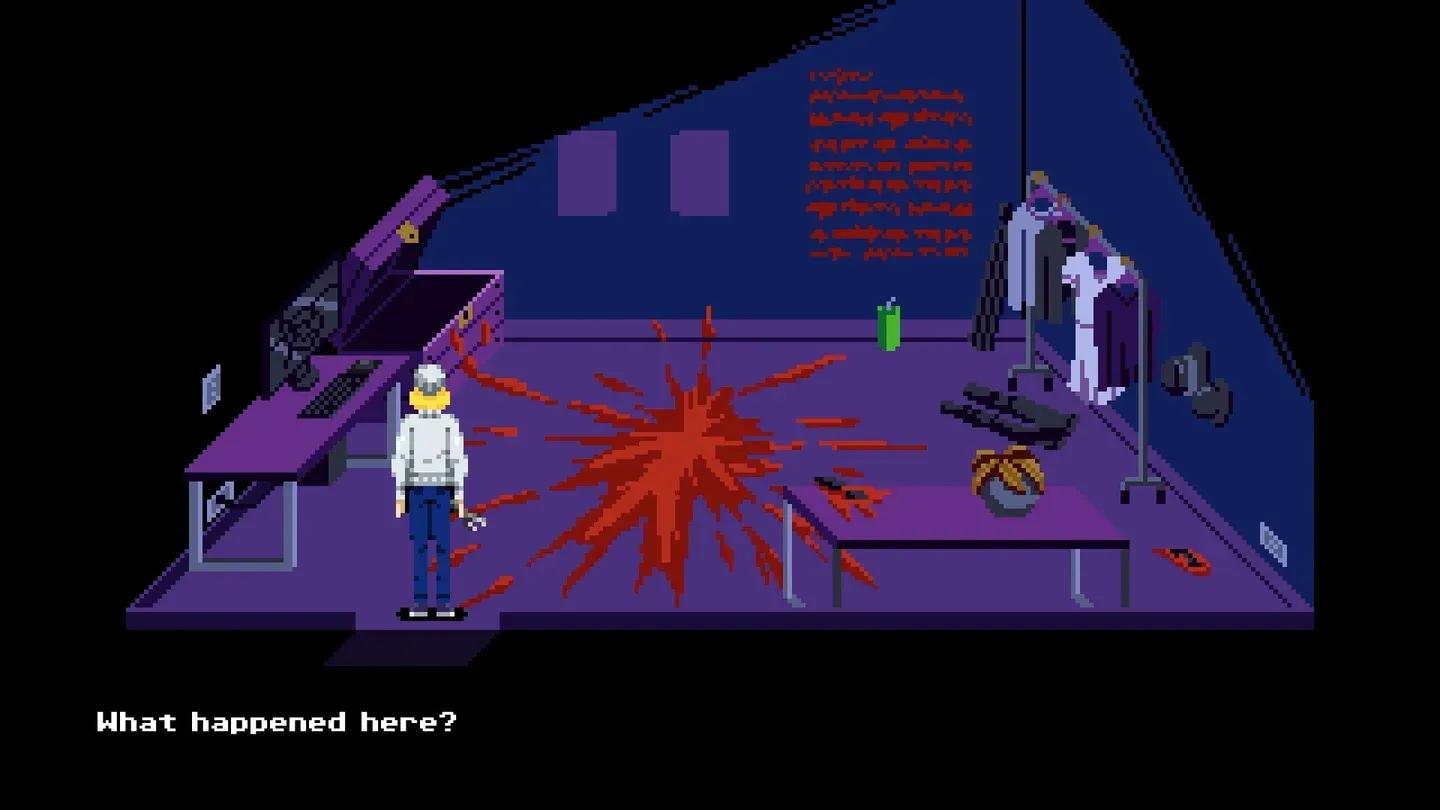
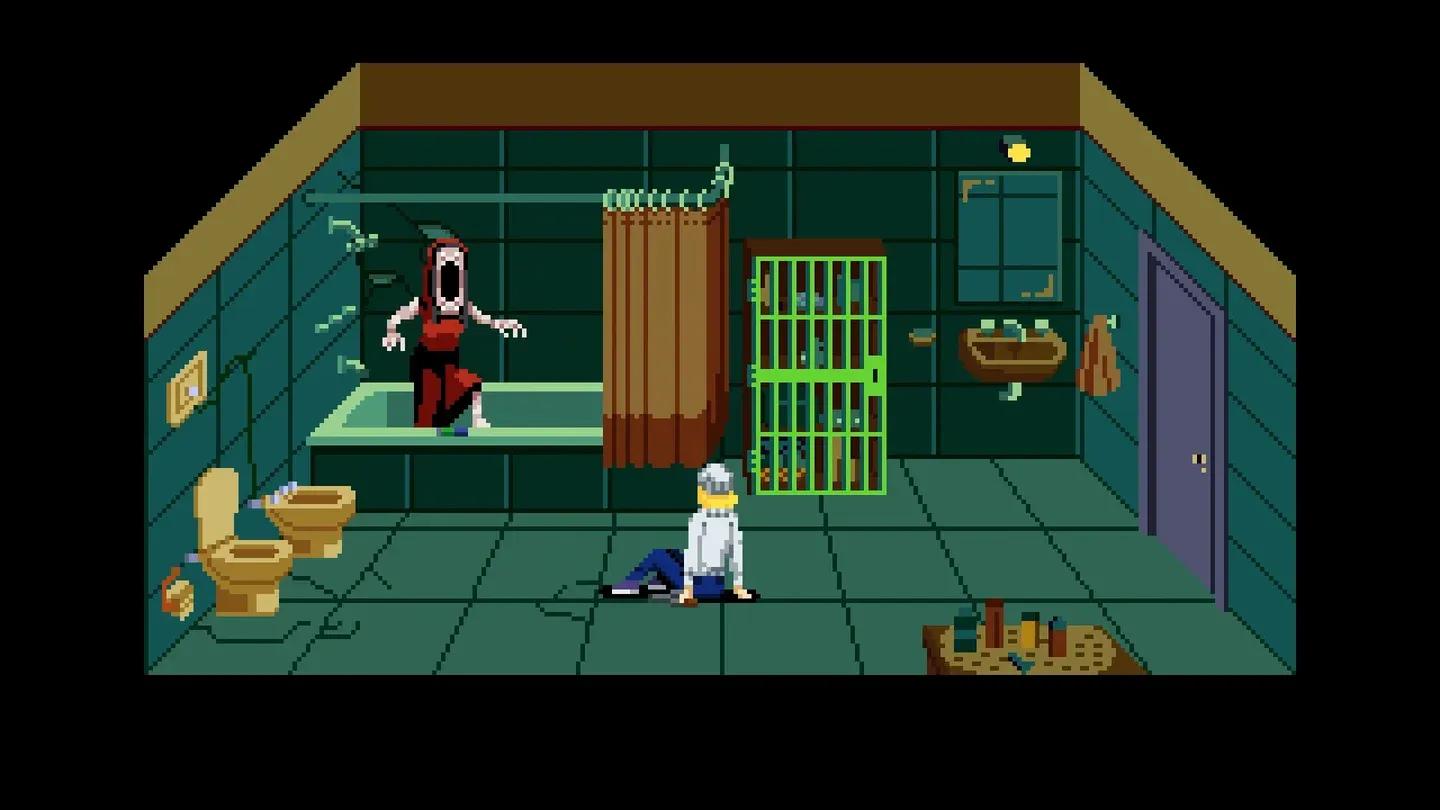
Tenebris Somnia is a survival horror adventure developed by Andrés Borghi and published by New Blood Interactive, built around the tension and resource scarcity that defined classics like Silent Hill and Resident Evil, but rendered entirely in a retro 2D style drawn from the 8-bit and 16-bit era. Players fight horrible creatures, solve environmental puzzles, and push through a world that feels genuinely oppressive despite its pixelated presentation.
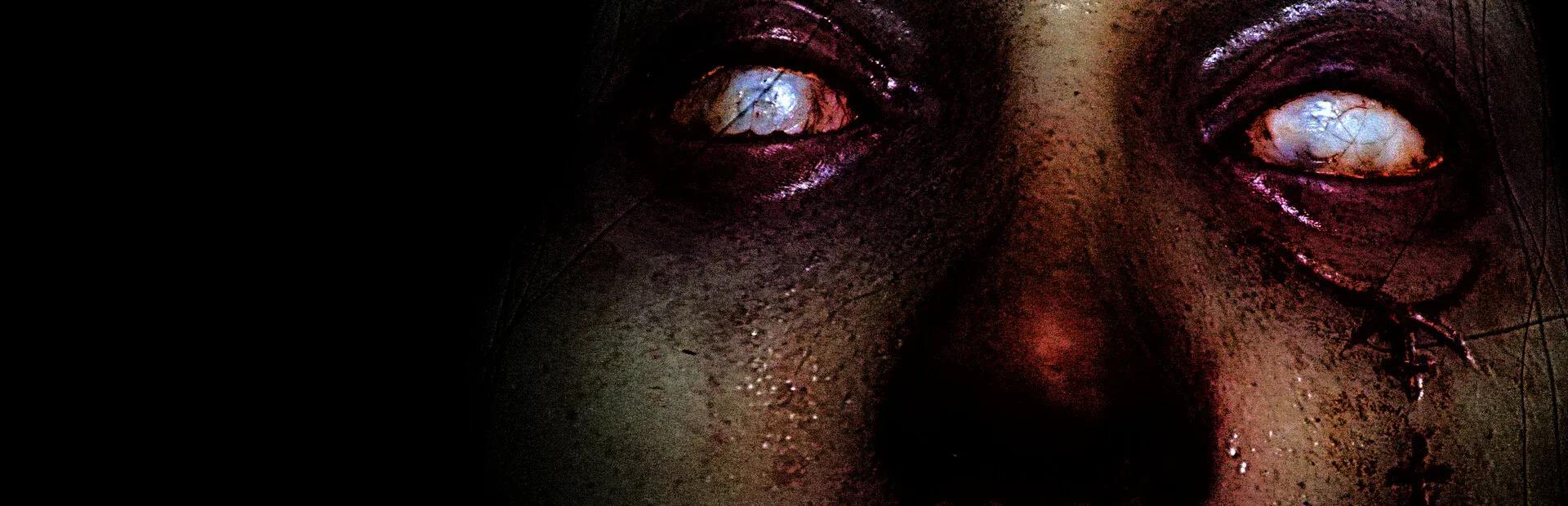
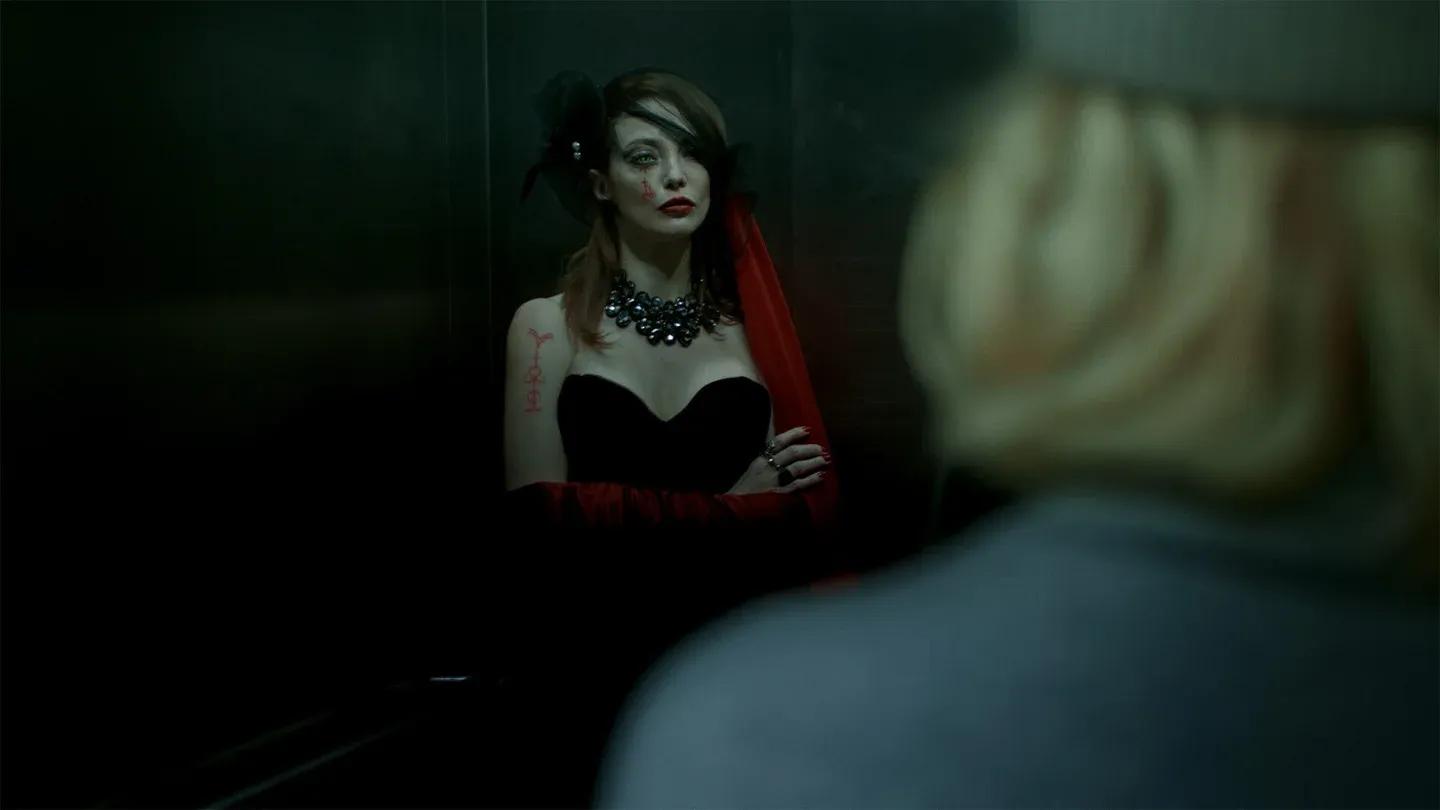
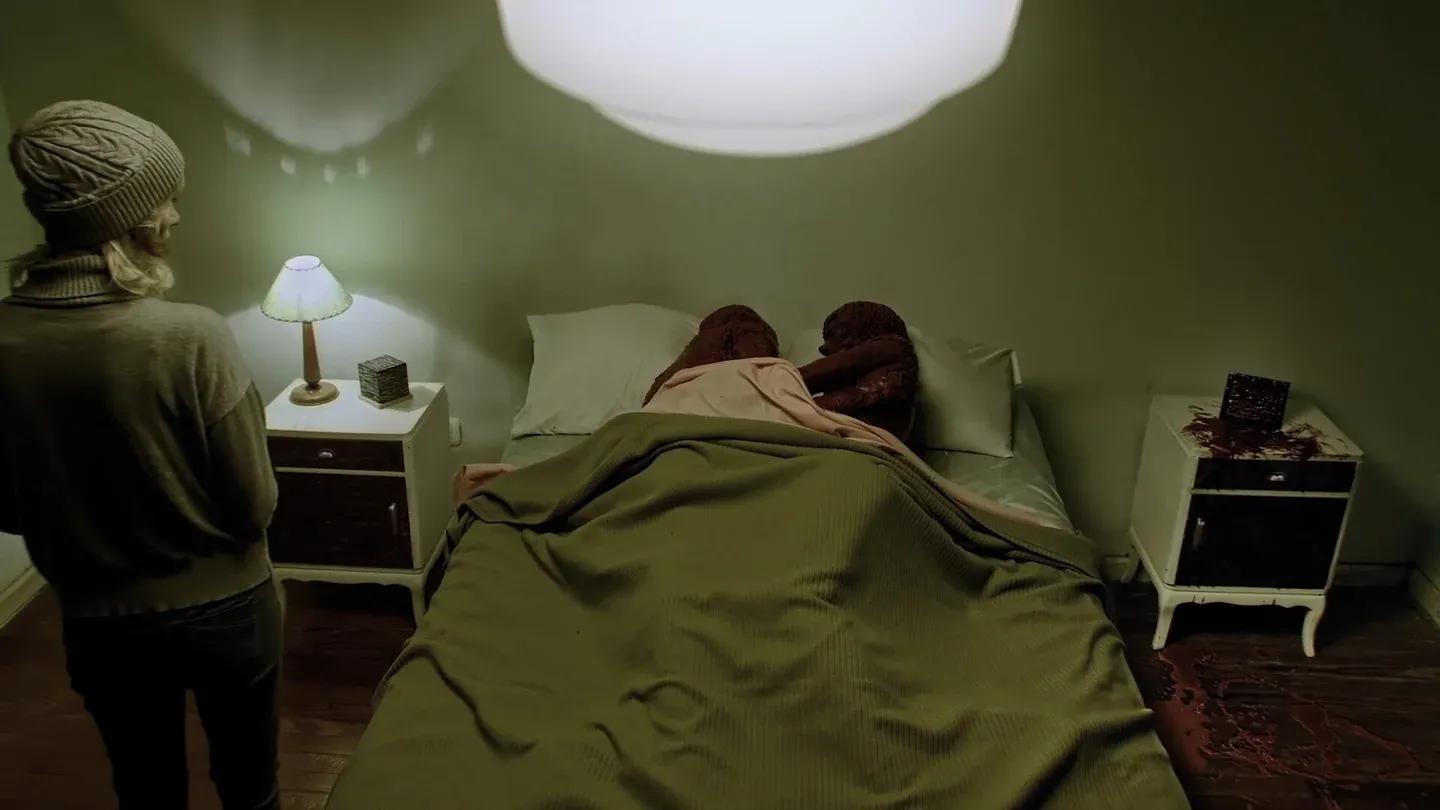
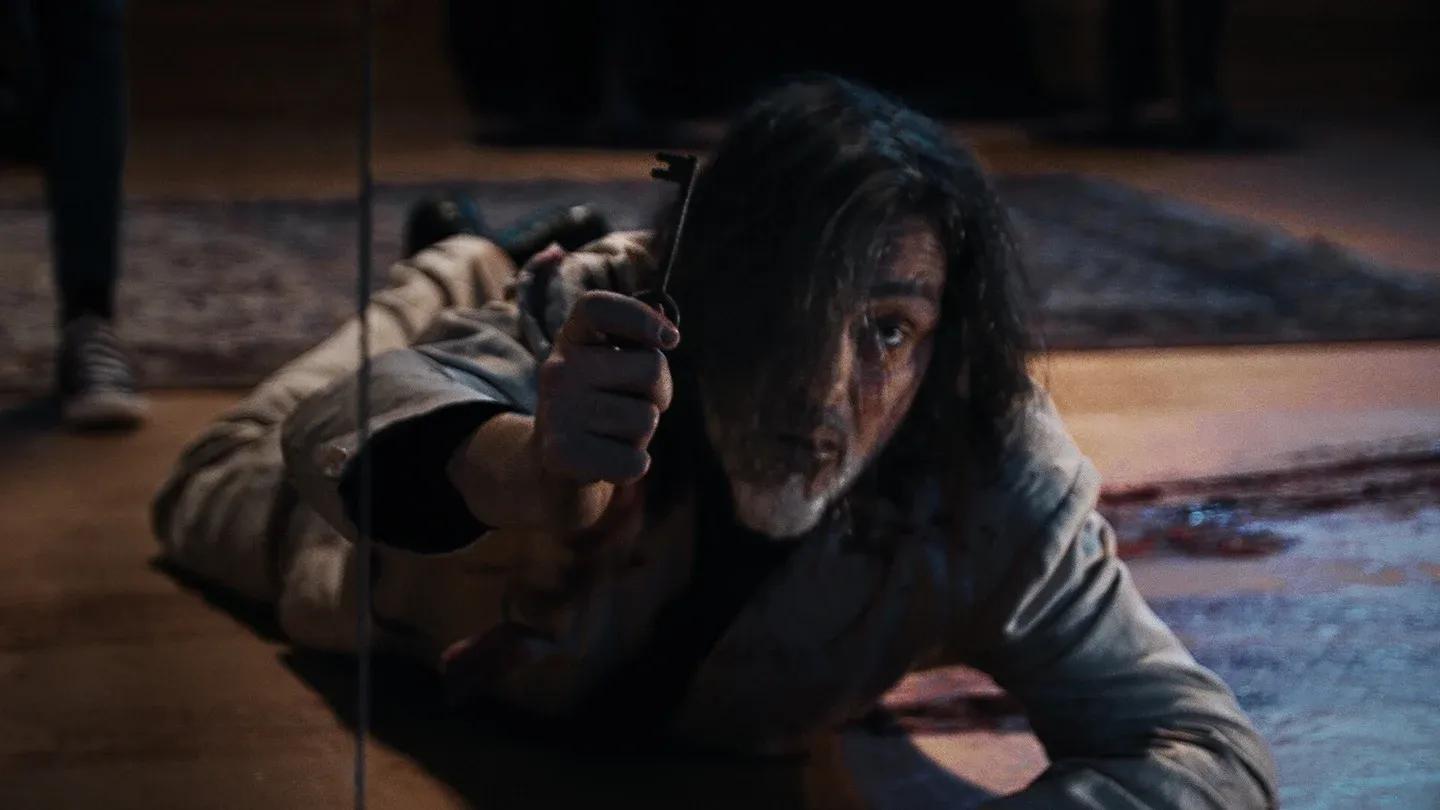
What separates Tenebris Somnia from the crowded field of retro horror is a structural choice that takes real nerve: at key story moments, the game abandons its pixel art entirely and cuts to live-action cinematics filmed with real actors and practical effects by an award-winning film crew from Argentina. The tonal whiplash is intentional, and it reframes everything the player has seen in 2D as something far more unsettling.

New Blood Interactive has built a reputation for publishing games that sit outside easy categorization, and Tenebris Somnia fits that pattern. The game launches October 16, 2026 across PC via Steam, Xbox, PlayStation, and Nintendo Switch.
Gameplay and mechanics
The core survival horror loop in Tenebris Somnia centers on three pillars:
- Puzzle-solving across hostile environments
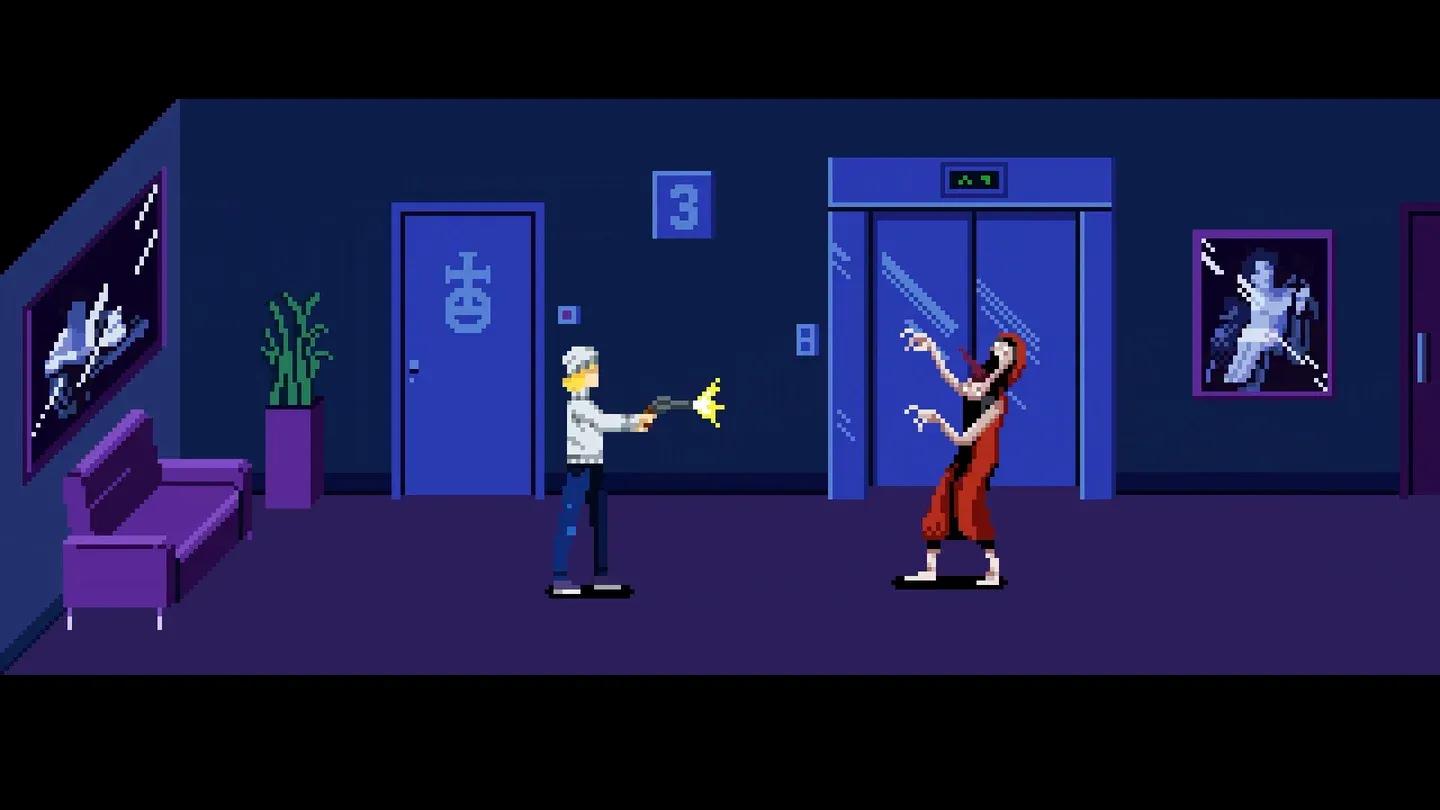
- Combat against grotesque creature designs
- Resource management under persistent pressure
The 2D perspective strips away the camera angles and three-dimensional space that classic survival horror games used to build dread, so Borghi compensates with tight level design and a visual language that communicates threat through pixel art alone. That constraint forces a different kind of tension, one that leans on sound design and environmental storytelling rather than polygonal monster reveals.
What makes the live-action cinematics work?
The live-action sequences are the game's defining gamble. Shot with practical effects rather than digital compositing, they carry a tactile quality that cheap FMV games from the 1990s never achieved. The Argentine film crew behind them brings a cinematic sensibility that treats these moments as genuine short-film production rather than transitional filler.
The contrast between pixel art gameplay and live-action footage creates a dissonance that horror thrives on. Players spend stretches of the game processing danger through an abstracted retro filter, then get yanked into something uncomfortably real. That shift in register is where the game's actual horror lives, not in the creature sprites but in what the cinematics reveal about them.
Visual and audio design
The 8 and 16-bit aesthetic is not nostalgia bait. Borghi uses the pixel art style to keep creature designs ambiguous enough that imagination fills the gaps, a technique the earliest Famicom horror titles stumbled onto by necessity and Tenebris Somnia applies with clear intent. Limited color palettes and chunky sprite work generate a specific kind of unease that high-fidelity graphics often undercut.
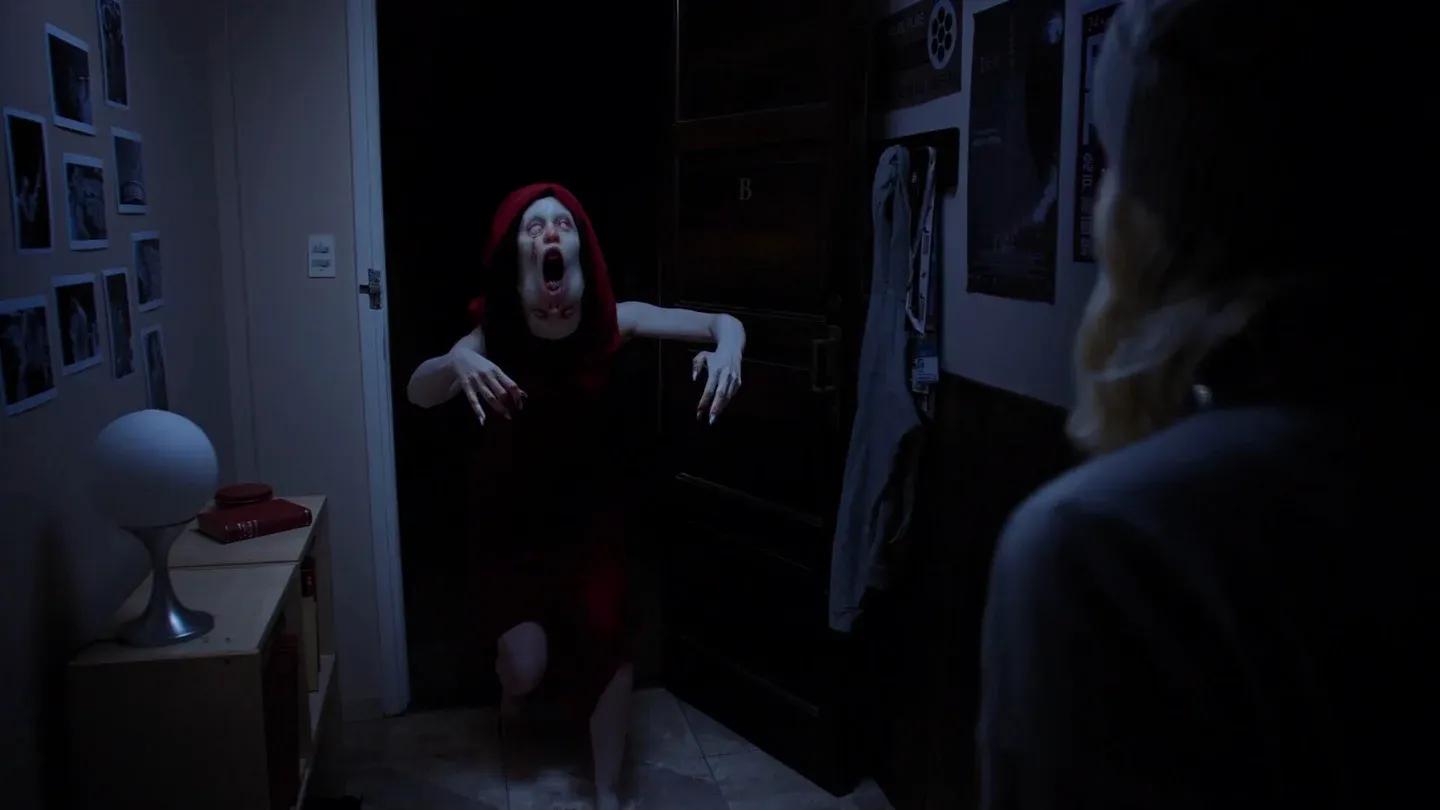
The live-action segments function as a visual counterweight, their grain and physical texture making the pixel world feel more abstract by comparison. Together, the two modes create a horror game that operates on two registers simultaneously, each making the other stranger.