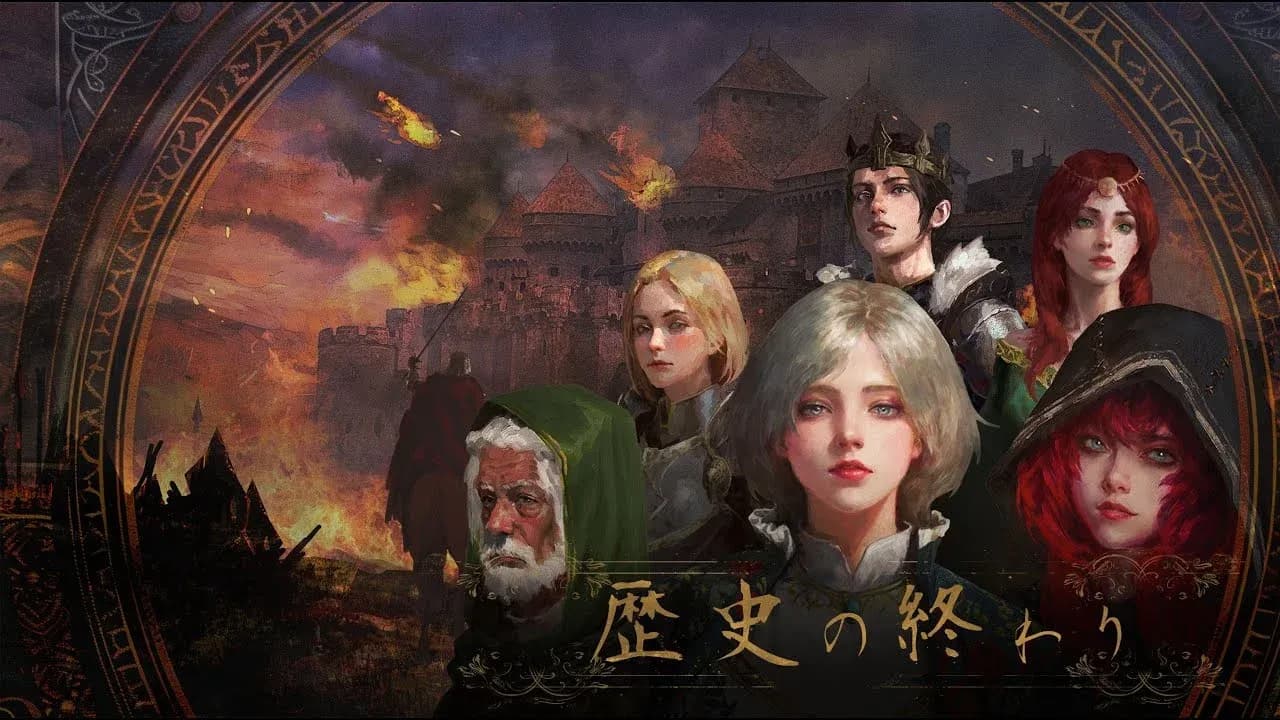
The End of History doesn't try to make the player the center of the world. Instead, it drops you into a living medieval sandbox where every character has a place, every decision has consequences, and the world continues to move forward with or without you.
After spending the first few hours with the game, the biggest takeaway isn't the combat , it's the world. It feels alive. Through the relationships you build, whether good or bad, the game constantly reminds you that your actions carry lasting consequences.
A World That Reacts to Your Actions
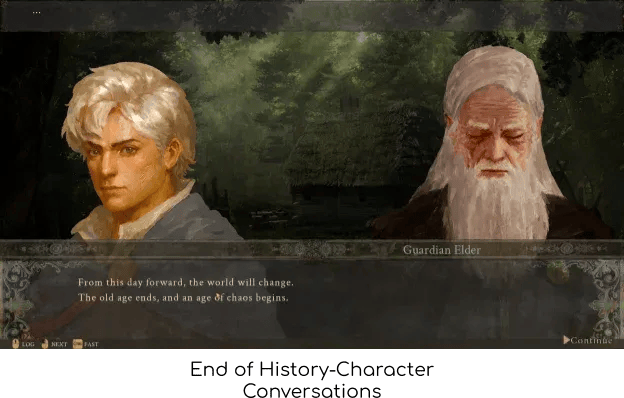
The End of History First Impressions
The standout feature of The End of History is its dynamic world. Every action has the potential to shape your story. Choosing to kill a character doesn't simply remove them from the world , it affects the people around them. Friends, family, and allies can develop a hatred toward you, and over time those rivalries can grow into personal nemeses that continue to influence your journey.
This system makes every decision feel significant. Rather than delivering consequences through scripted dialogue, the game allows its characters to react naturally, making each playthrough feel genuinely unique.
Exploration Always Feels Rewarding
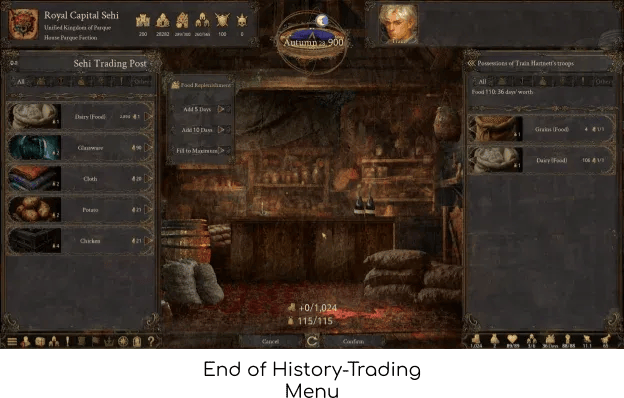
The End of History First Impressions
Exploration is more than just discovering new locations. Every settlement offers fresh opportunities , meeting different people, finding work, or turning a profit through trade.
The trading system is a particular highlight. Buying goods in one town and selling them elsewhere for a profit gives travel a clear purpose and makes exploring the world feel rewarding. Instead of moving from place to place just to uncover the map, every journey has the potential to improve your character's fortunes.
A World Running Out of Time
One mechanic that immediately stands out is that the world is on a timer.
Knowing the world will eventually come to an end changes how you approach the game entirely. There is always a sense of urgency, encouraging you to think carefully about how you spend your time rather than endlessly delaying important decisions. It's a refreshing design choice that adds genuine weight to every choice you make.
Combat Takes a Back Seat
Combat is not what defines the experience here. The mechanics are fairly simple, and that's acceptable because The End of History is clearly more interested in world simulation, player choice, and emergent storytelling than deep action combat. Players looking for a complex fighting system may want to adjust their expectations accordingly.
What Could Be Improved
The game isn't without its rough edges. A few areas stand out as needing attention:
- Character creation feels restrictive. The freedom to allocate your own starting attribute points , rather than having them assigned automatically , would give players a stronger sense of ownership from the outset.
- System explanations are sparse. While discovering mechanics through experimentation is part of the appeal, better tutorials or tooltips would make the opening hours significantly more accessible for new players.
Early Verdict
The End of History makes a strong first impression by focusing on what many sandbox RPGs strive for but rarely achieve: a world that genuinely reacts to the player's actions. The ability to shape relationships, create lasting rivals, profit through trading, and make meaningful choices in a world steadily moving toward its end makes every session feel like part of a larger story.
It's still early, and there are plenty of systems left to explore. But if the opening hours are any indication, The End of History is a sandbox RPG with real potential to deliver compelling, player-driven experiences.
First Impression Score: Promising (6/10)
