Overview
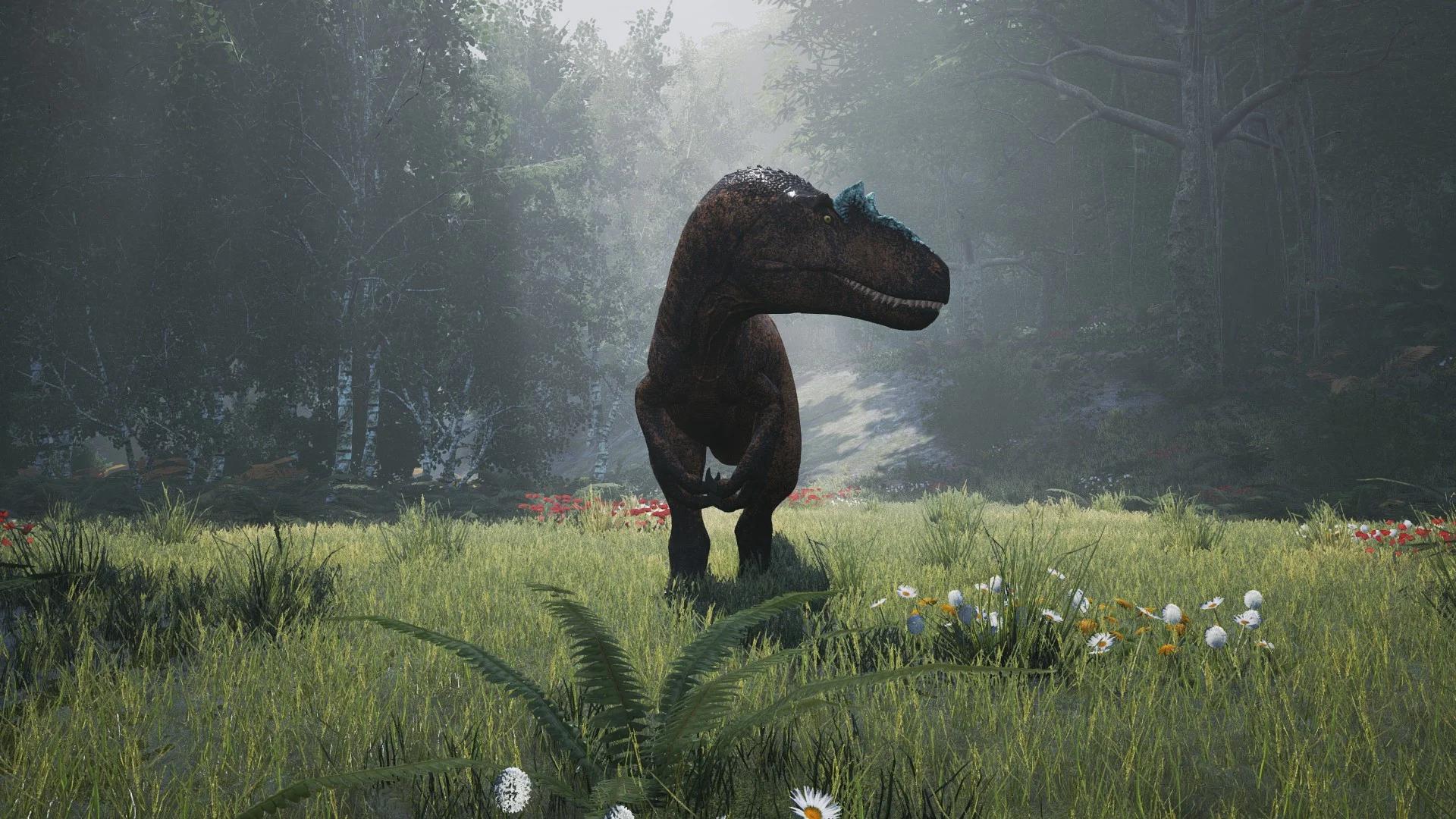
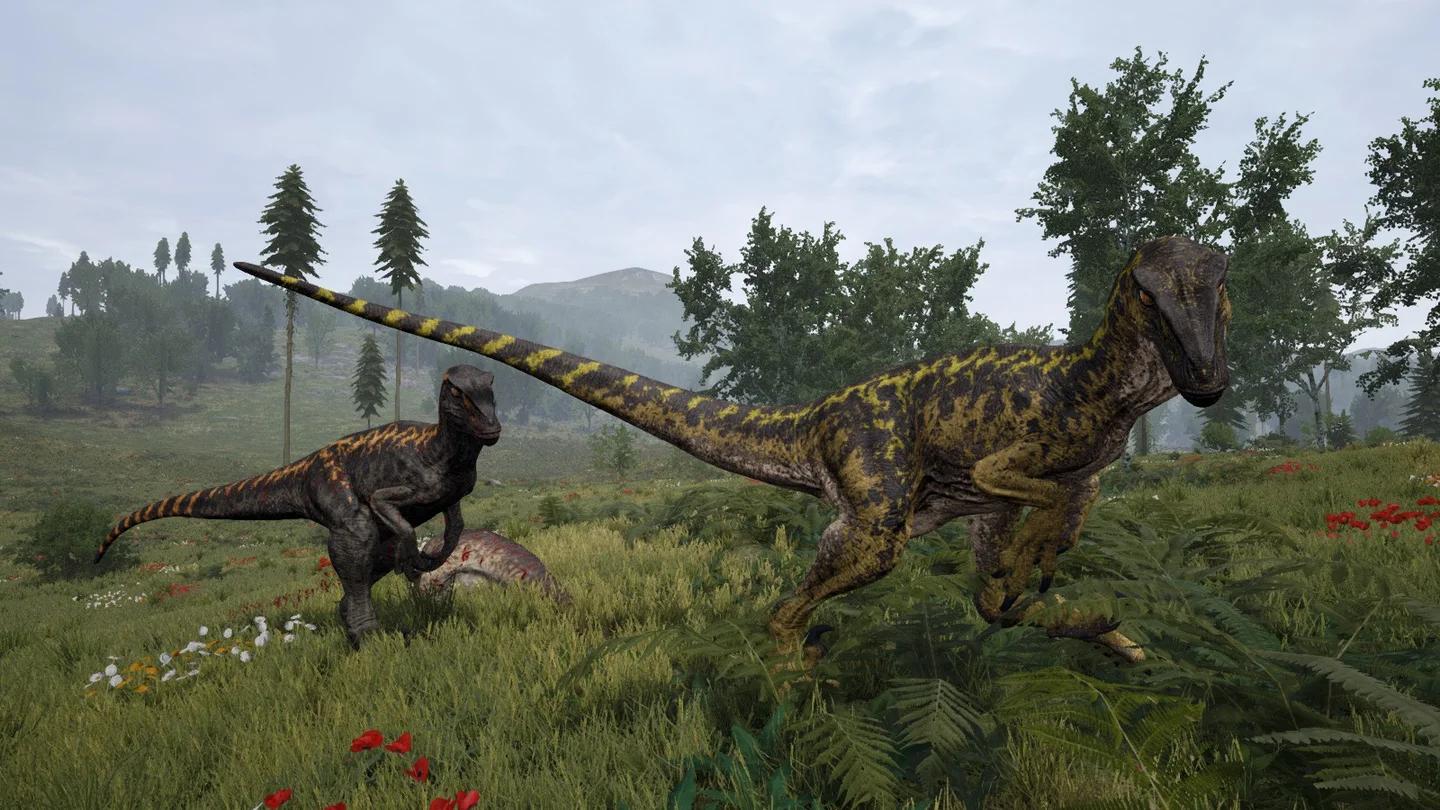
The Isle is an open-world dinosaur survival horror game developed and published by Afterthought LLC for Windows on Steam. Players control prehistoric creatures on multiplayer islands, facing threats from other animals with little guidance. Staying alive demands attention to the surroundings and careful decisions about which encounters are worth risking.
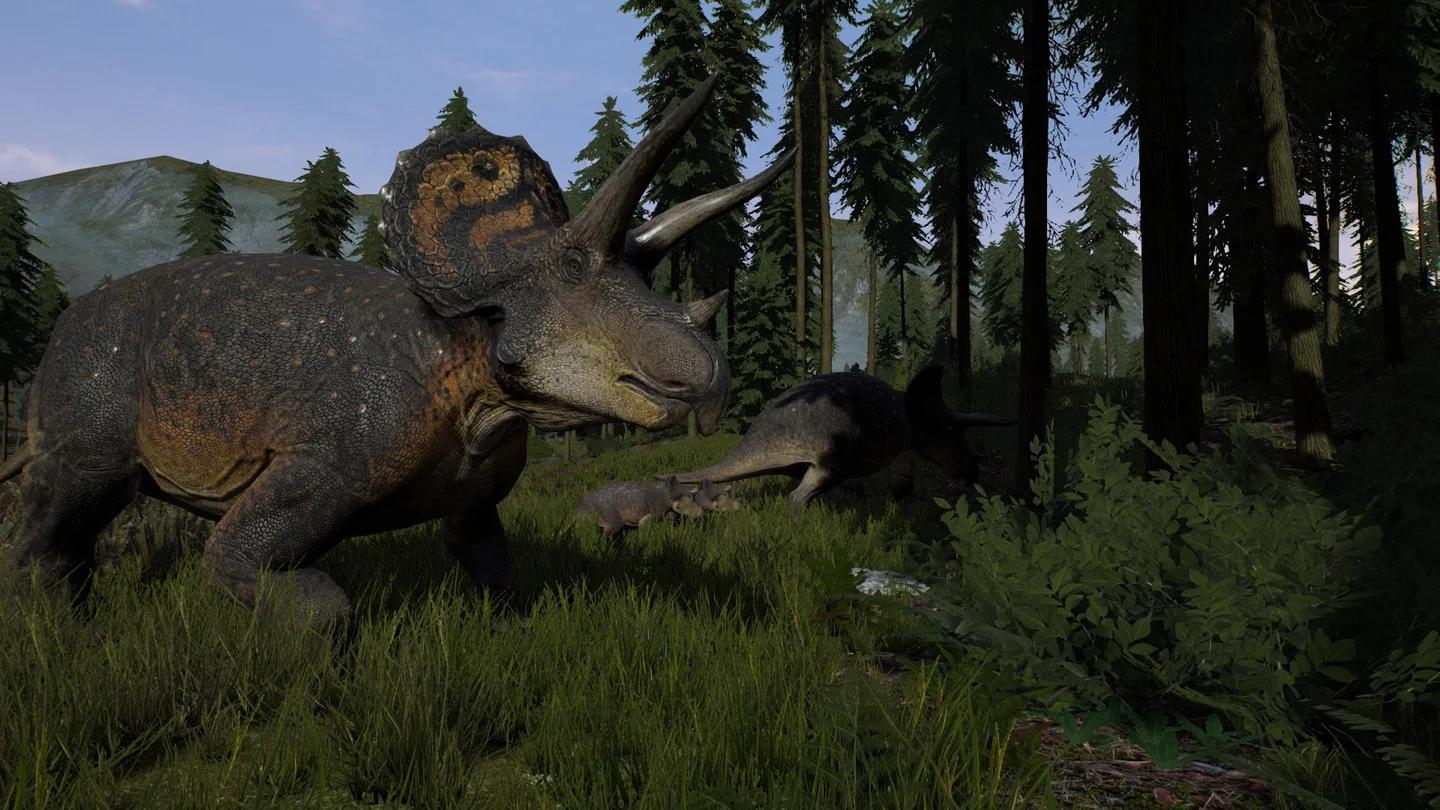
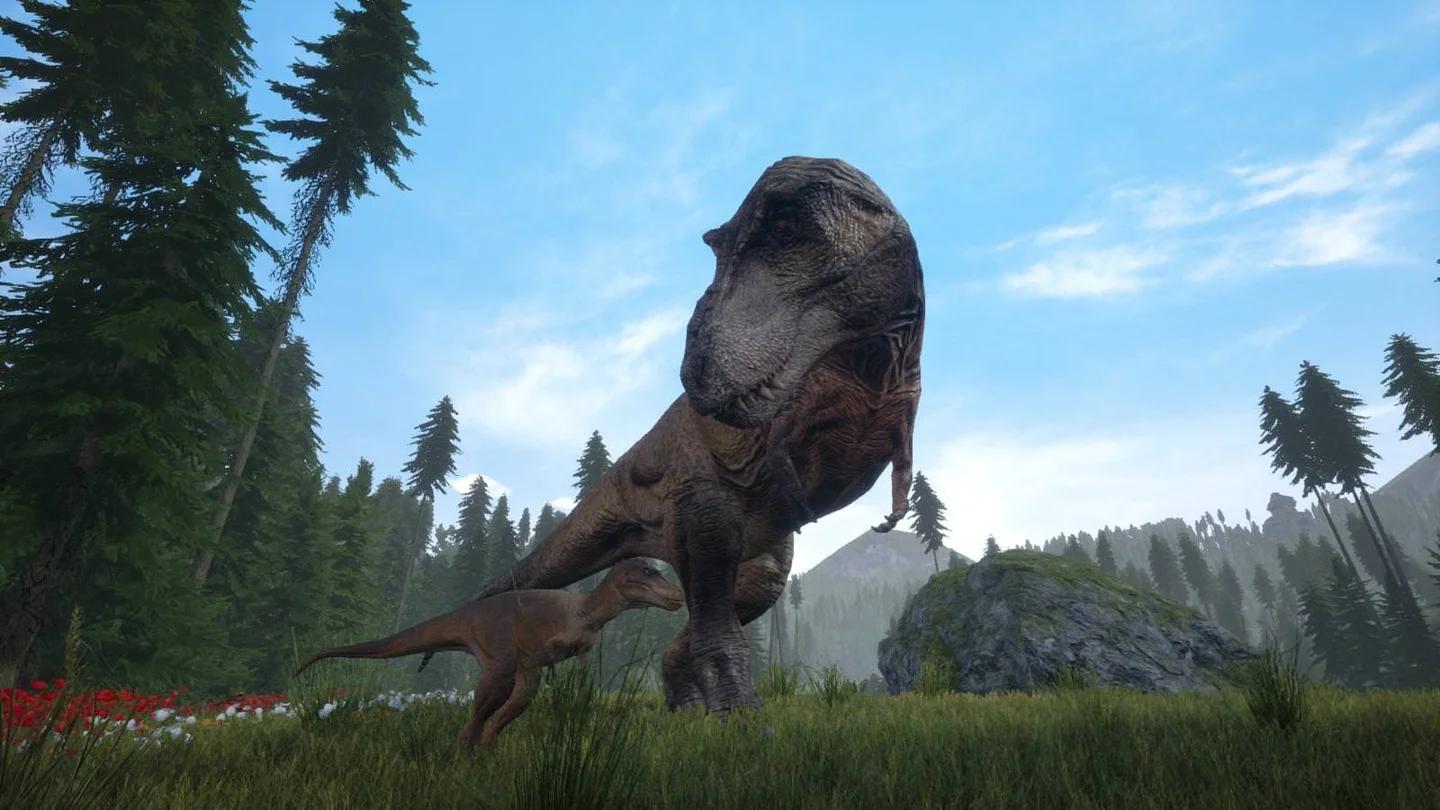
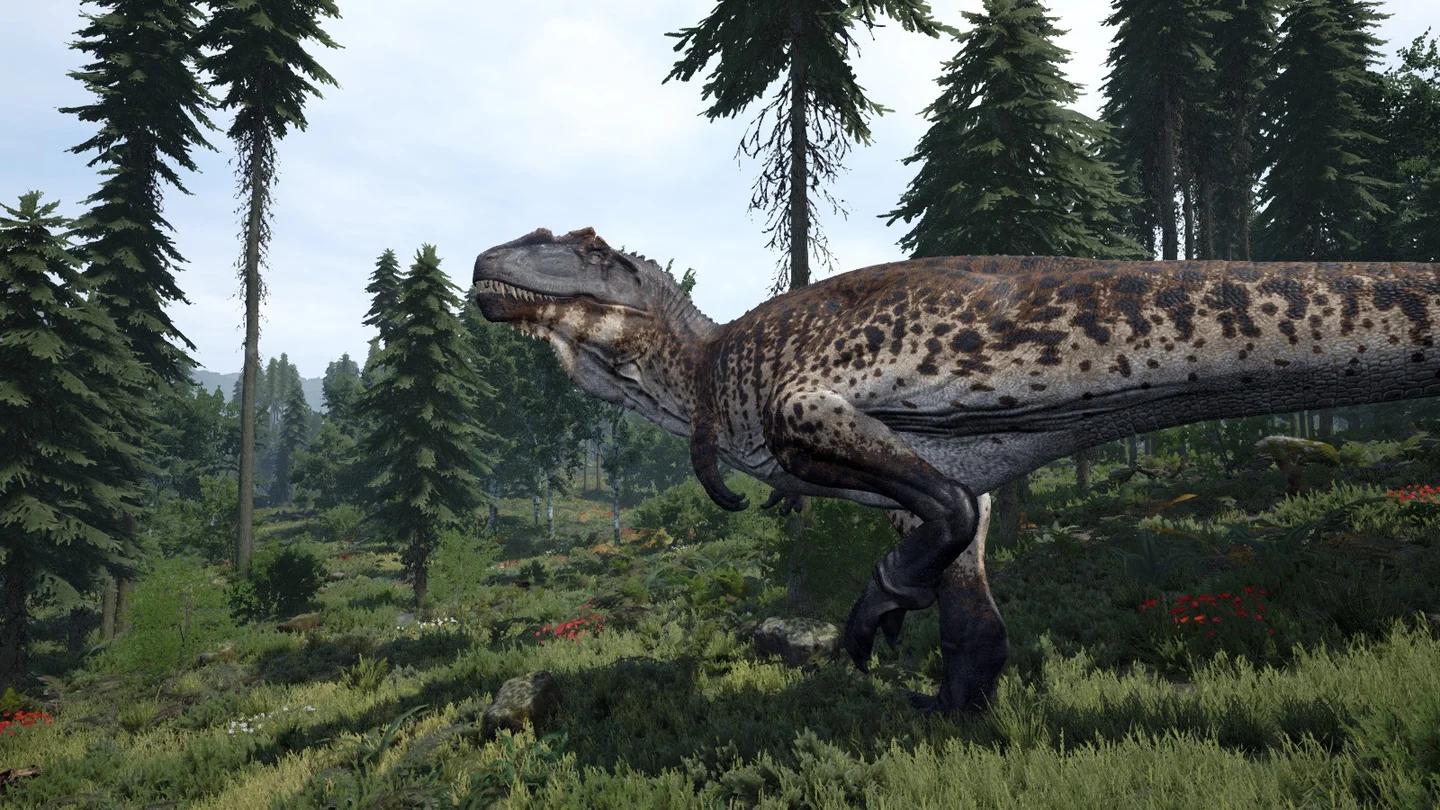
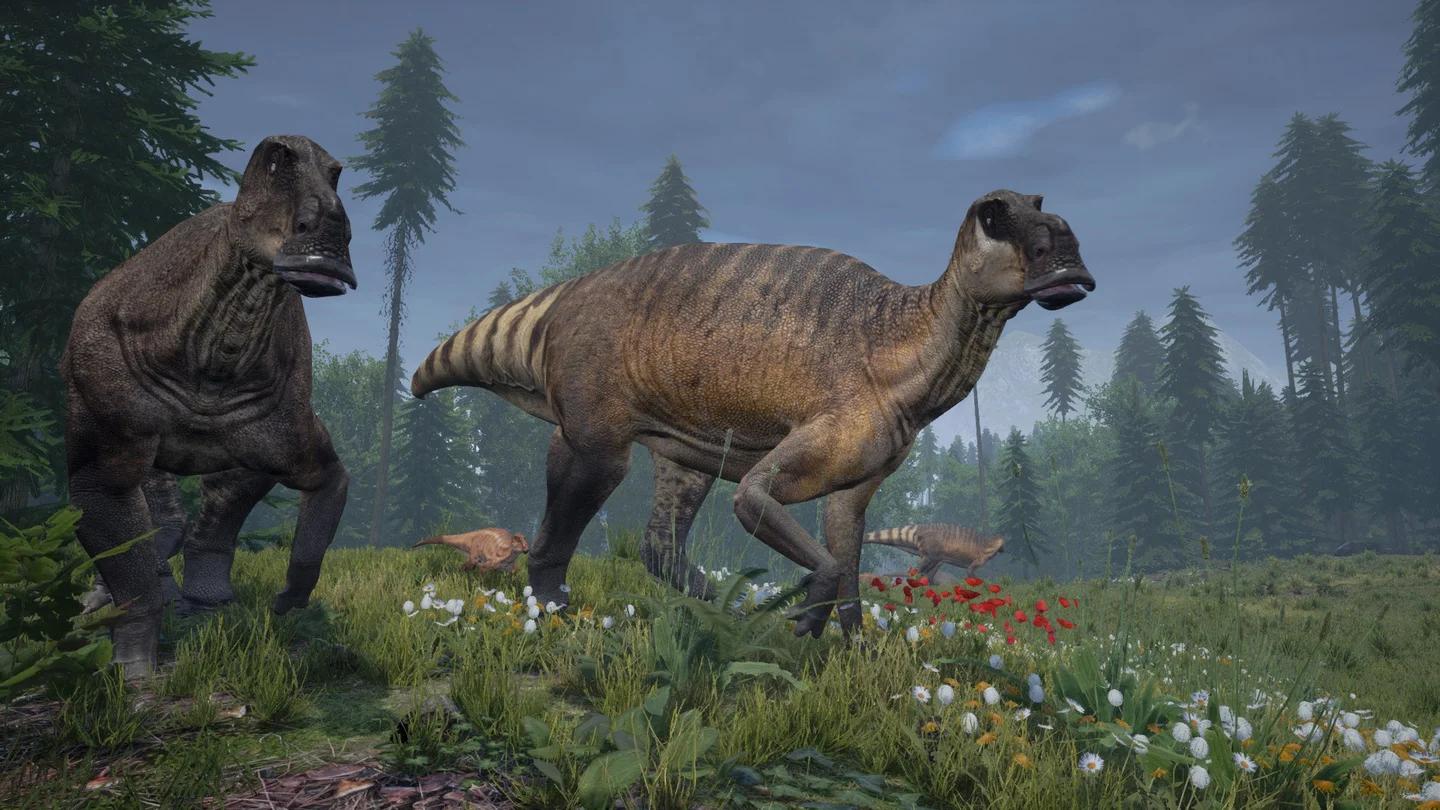
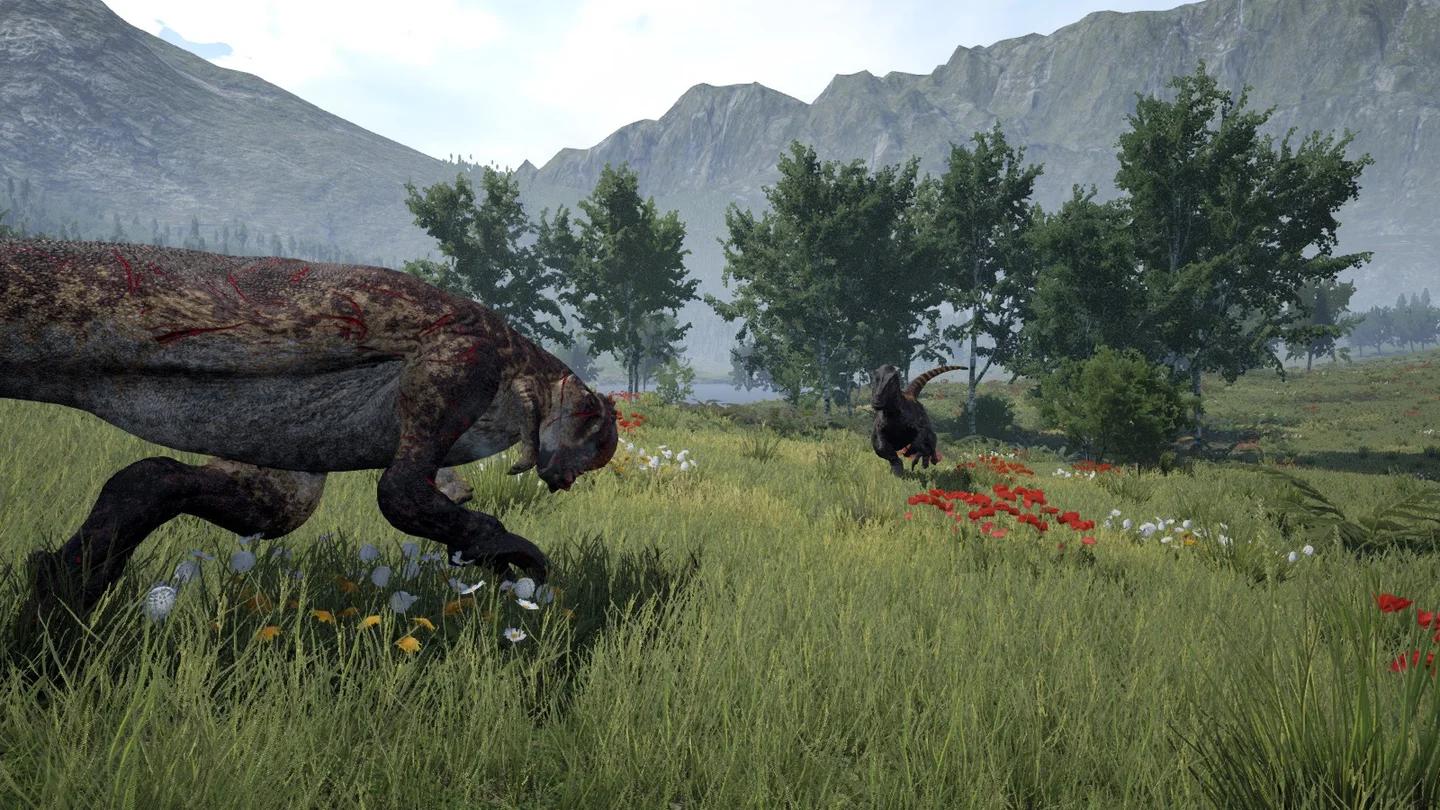
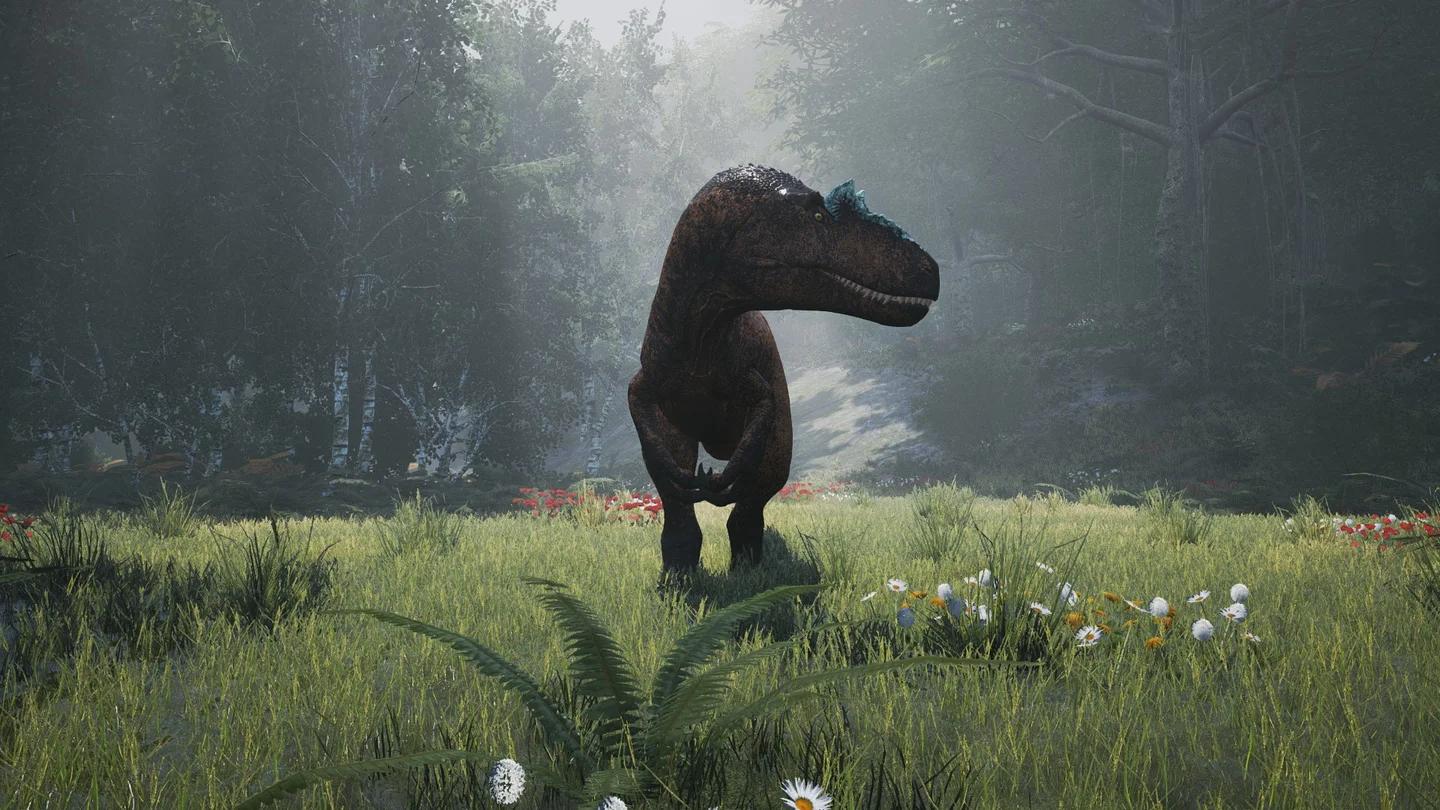
The playable creatures include the small herbivore Dryosaurus and large carnivores such as Tyrannosaurus rex and Allosaurus. Species selection establishes a different place in the food chain, with natural abilities shaping how each animal survives. Playing a predator does not remove the danger posed by other inhabitants.
How do Survival and Sandbox work?
Survival follows a dinosaur through several life stages, while Sandbox allows immediate play as an adult with fewer consequences for dying. The modes offer a choice between developing a vulnerable animal and accessing mature creatures without that lengthy growth process.
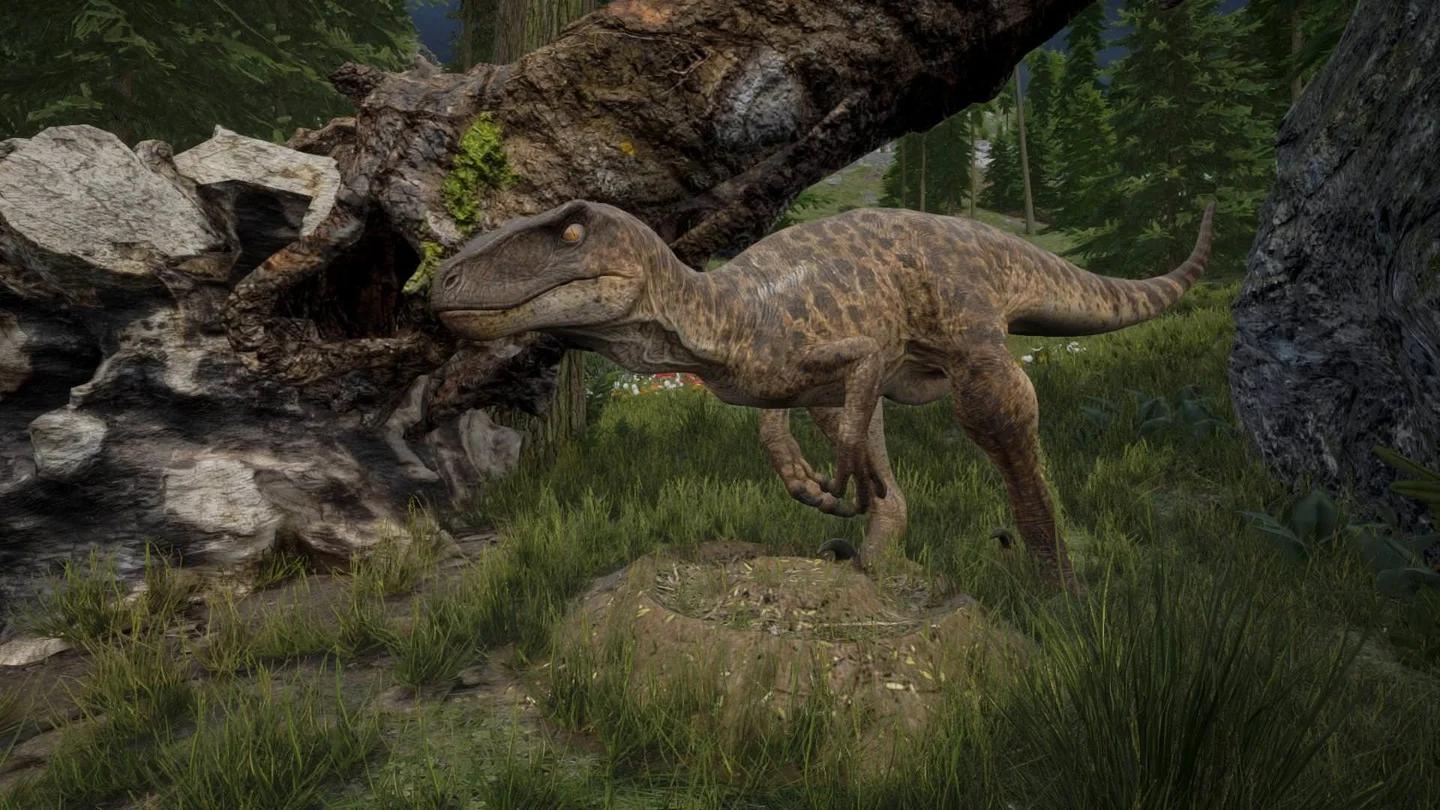
Survival ties increasing strength to reaching maturity. Its slower progression makes caution part of character development: surviving an encounter can be more valuable than starting a fight. The mode supports a smaller selection of creatures because it requires complete life cycles.
Key mechanics and mode differences include:
- Scent-based awareness
- Night vision
- Growth unlocks nesting
- Broader Sandbox dinosaur selection
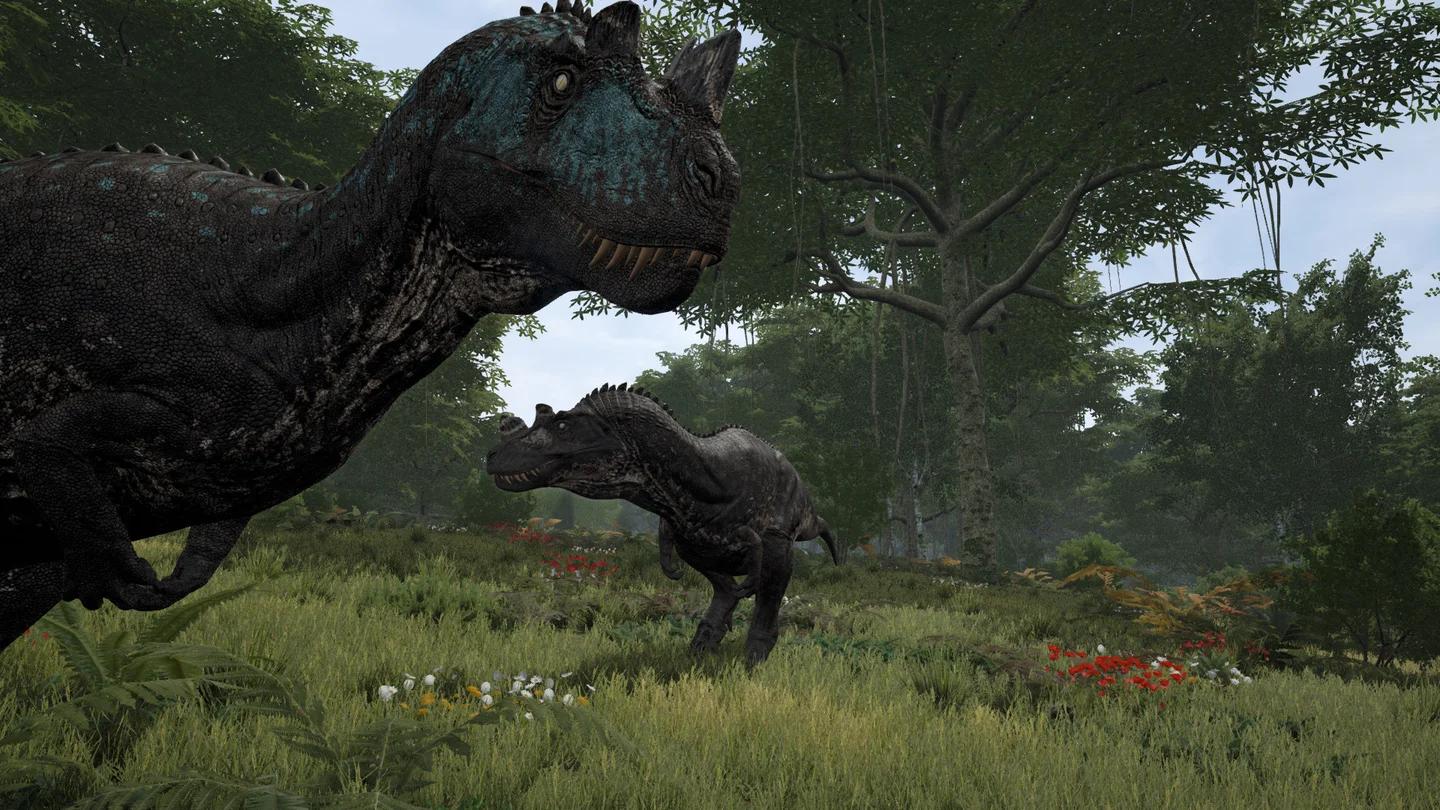
Sandbox removes much of the commitment associated with raising a dinosaur. Players can start as an adult predator or a large herbivore, making it the more direct option for exploring different animals without completing their juvenile stages first.
Multiplayer packs, herds, and territory
The Isle's multiplayer servers can accommodate more than 100 players. Those inhabitants create the pressure behind its ecosystem: another dinosaur can represent a hunting opportunity, a possible companion, or a threat that makes an area unsafe.
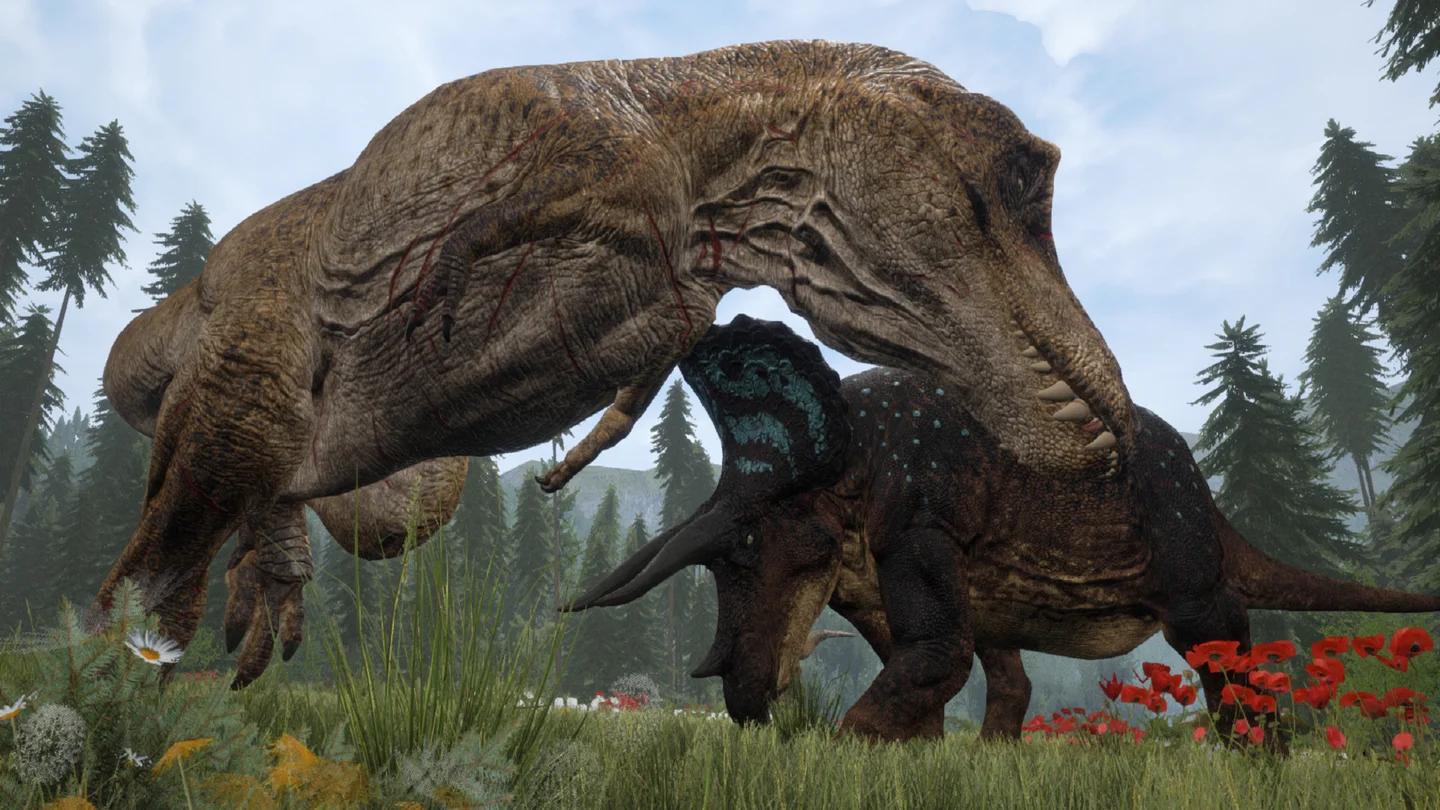
Players can form packs and herds, hunt together, and claim territory. Cooperation changes the scale of an encounter, since confronting a group presents a different problem from approaching an isolated animal. Social decisions sit alongside species abilities as part of survival.
Nesting also extends group activity to defending offspring. Protecting younger dinosaurs creates a shared responsibility beyond finding the next target, while the game's emphasis on uncertain trust keeps cooperation from becoming a guarantee of safety.
An island that tells its story through exploration
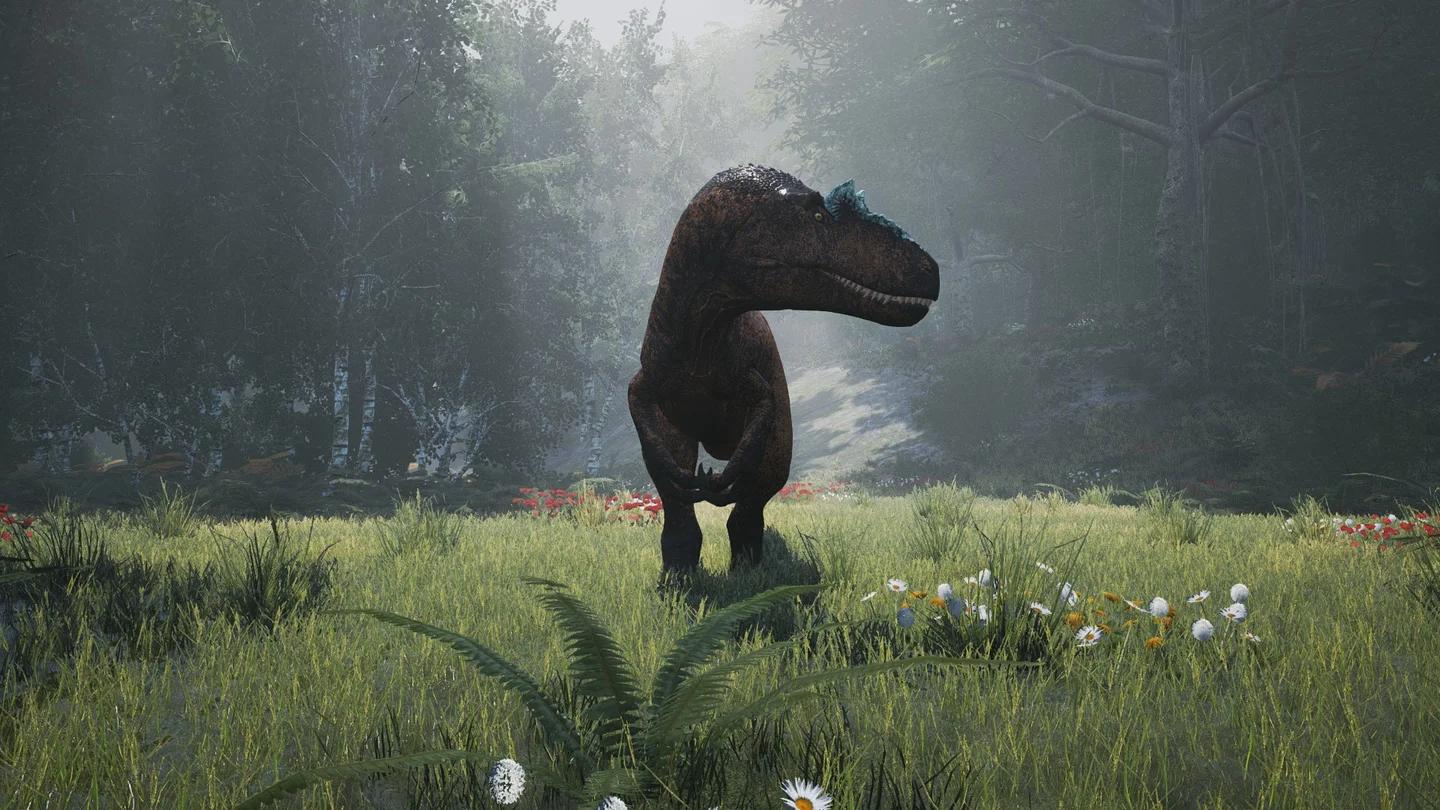
The islands contain dense forests, open plains, mountains, and dark swamps. These environments frame the survival horror setting, placing prehistoric animals among terrain that must be crossed and assessed. Exploration involves watching for danger as well as finding a route through unfamiliar ground.
Ruins introduce evidence of an earlier history. The narrative uses environmental storytelling, raising questions about the dinosaurs' presence and the meaning of AE. Discovering those clues gives exploration a purpose separate from hunting or growing.
The mystery calls for cooperation among players, even within a multiplayer survival game built around predation and distrust. Searching for answers shares space with the immediate demands of staying alive, keeping the island's history connected to the same dangerous world that its dinosaurs inhabit.