
Advertisement

Overview
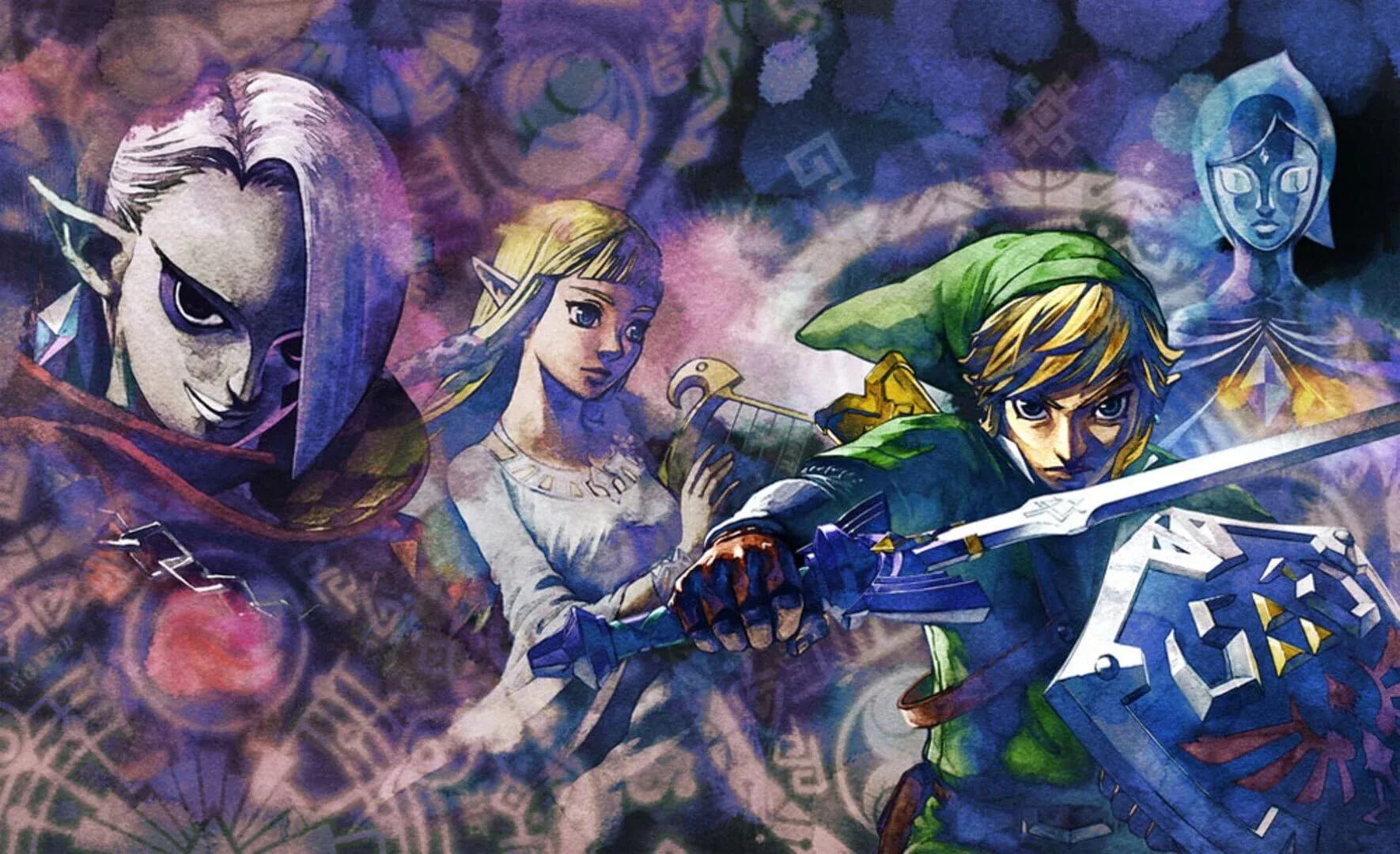
The Legend of Zelda: Skyward Sword launched in November 2011 as the first Zelda game built specifically for the Wii hardware, making the Wii MotionPlus peripheral central to nearly every mechanic rather than treating it as a novelty. Link lives in Skyloft, a community of floating islands perched above an unbroken sea of clouds, with no knowledge of the surface world hidden beneath. When his childhood friend Zelda is pulled into that unknown world by a dark tornado, the entire journey begins.
The story frames Skyward Sword as the earliest chapter in the Zelda chronology, predating Ocarina of Time and explaining the origins of the Master Sword itself. The villain Ghirahim serves as the primary antagonist for most of the game, pursuing Zelda to revive the ancient Demon King Demise. It is one of the more narratively focused entries in the series, with the sword spirit Fi providing constant guidance and lore throughout.
Gameplay and mechanics
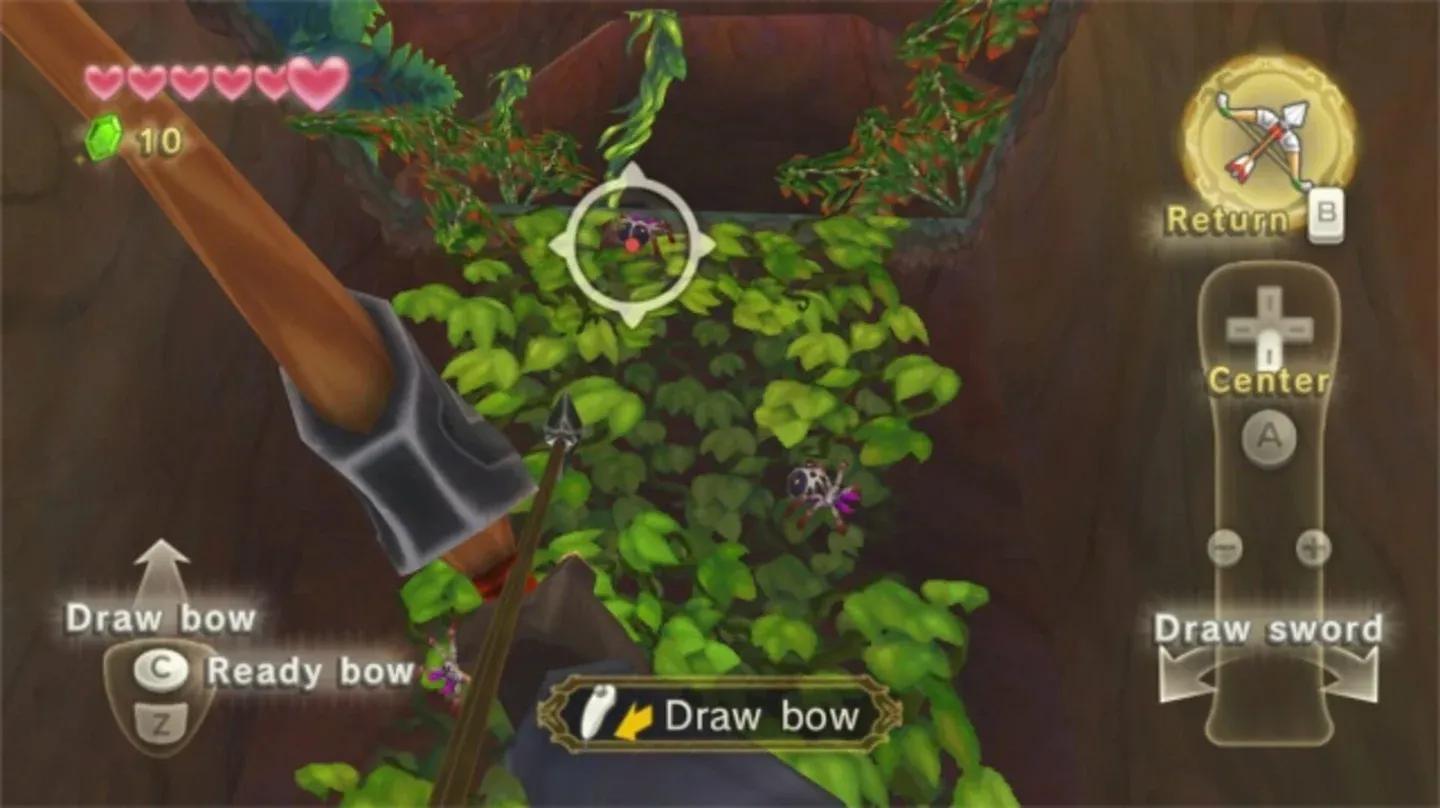
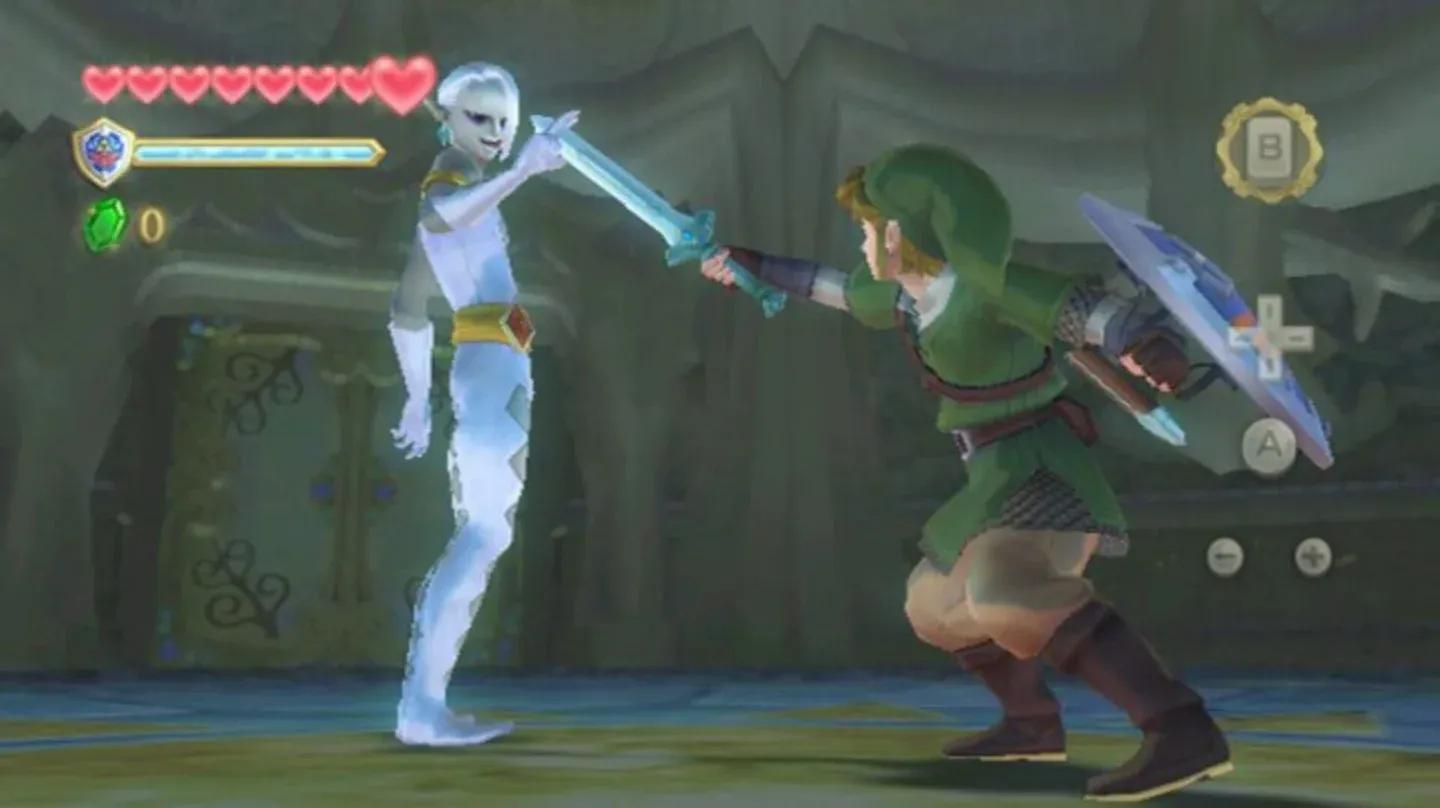
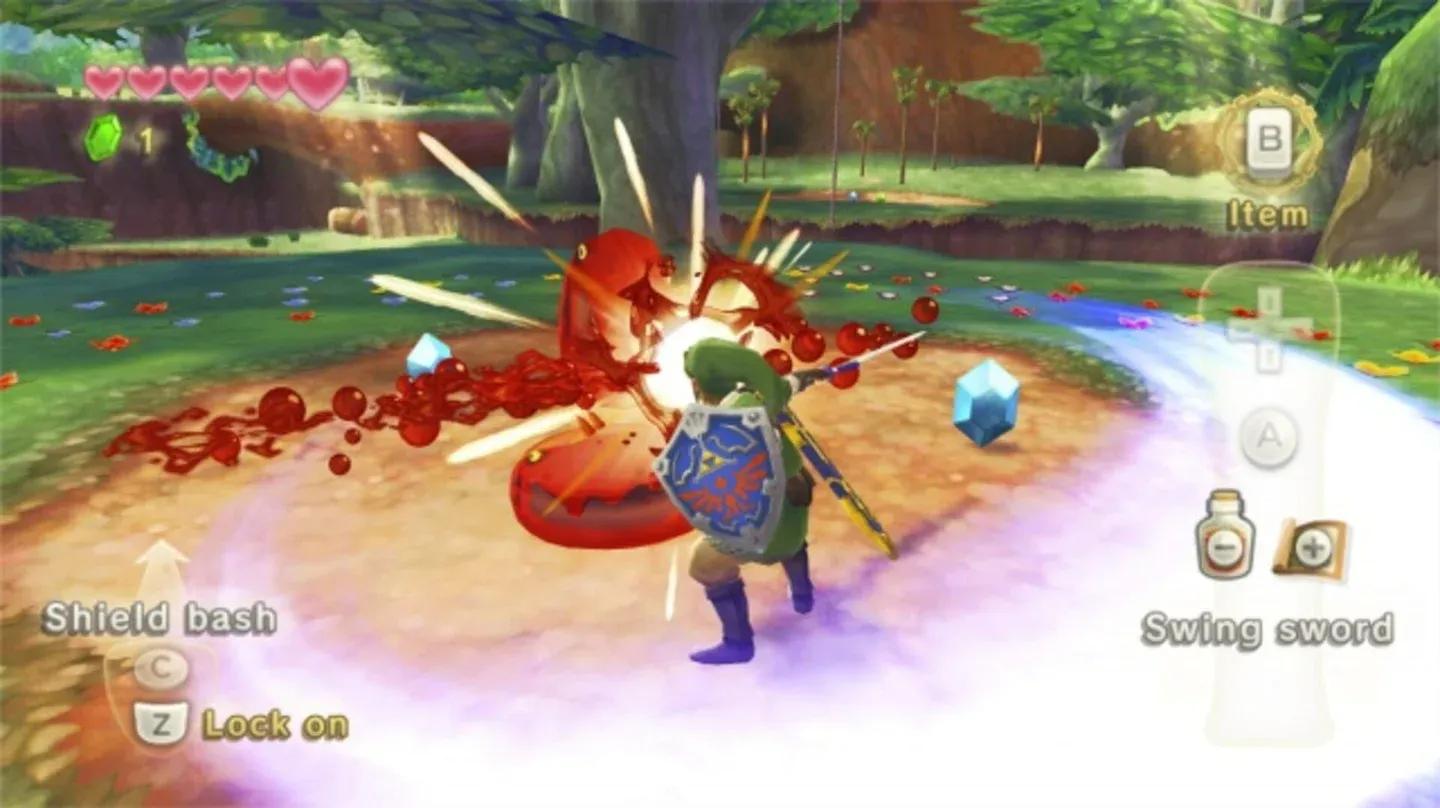
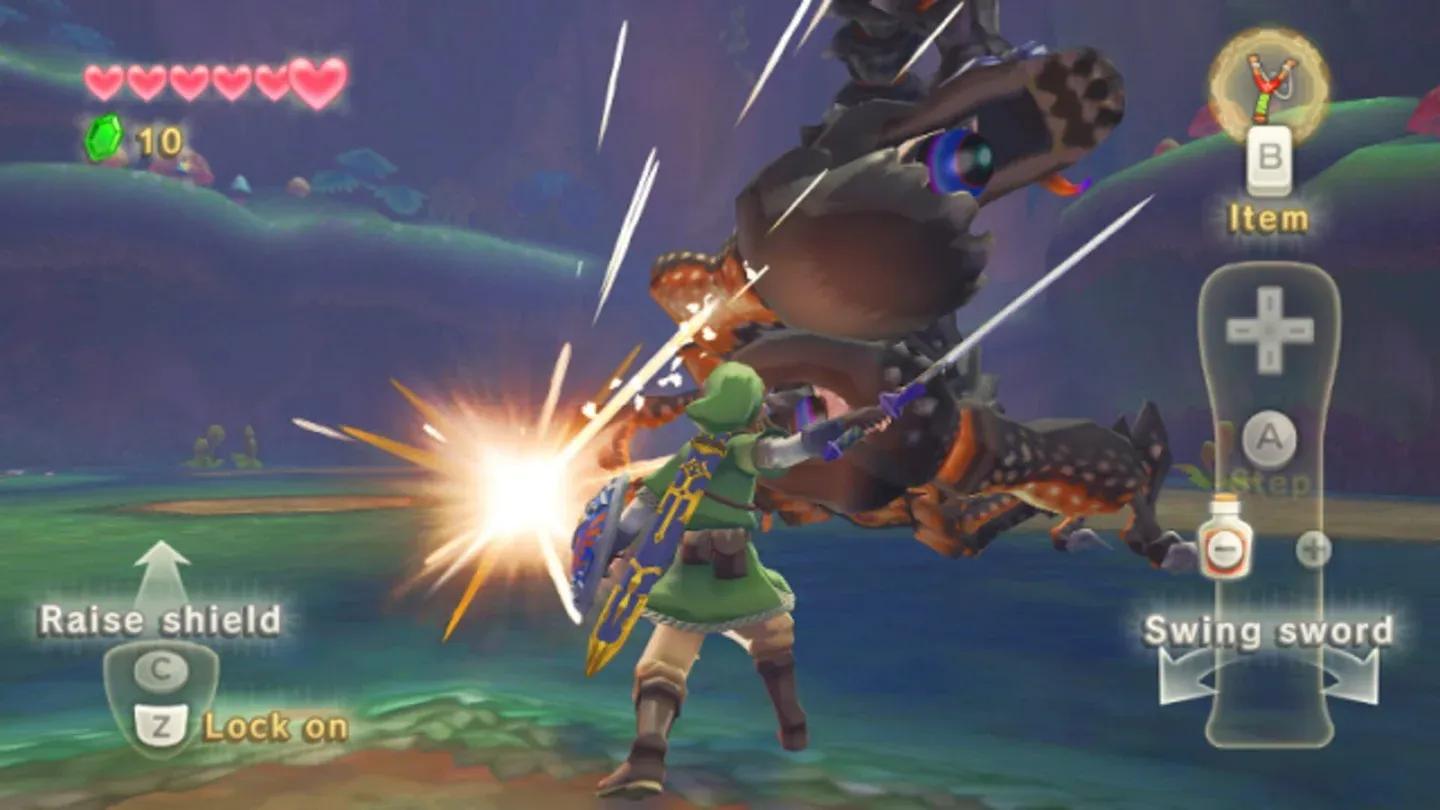
The core combat system asks players to swing the Wii Remote with directional intent. Enemies block specific angles, so the game rewards deliberate, angled strikes over frantic button-mashing. Key mechanics include:
The Legend of Zelda: Skyward Sword content image
- Directional sword slashes tied to Wii MotionPlus
- Stamina meter for sprinting and climbing
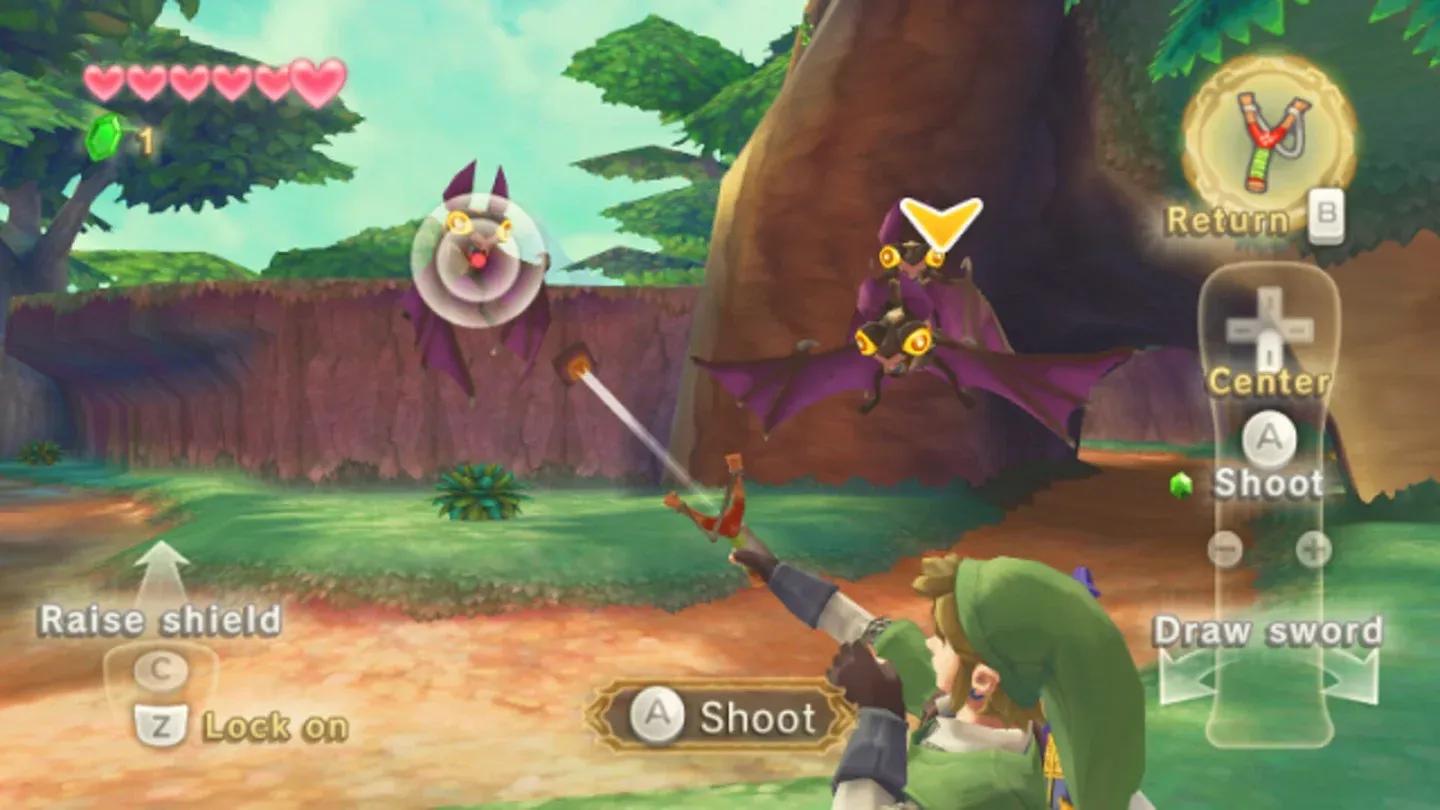
- Beetle, Whip, and Clawshots as dungeon tools
- Revised targeting with the Wii Remote pointer
- Upgradeable items and shield durability
The Legend of Zelda: Skyward Sword content image
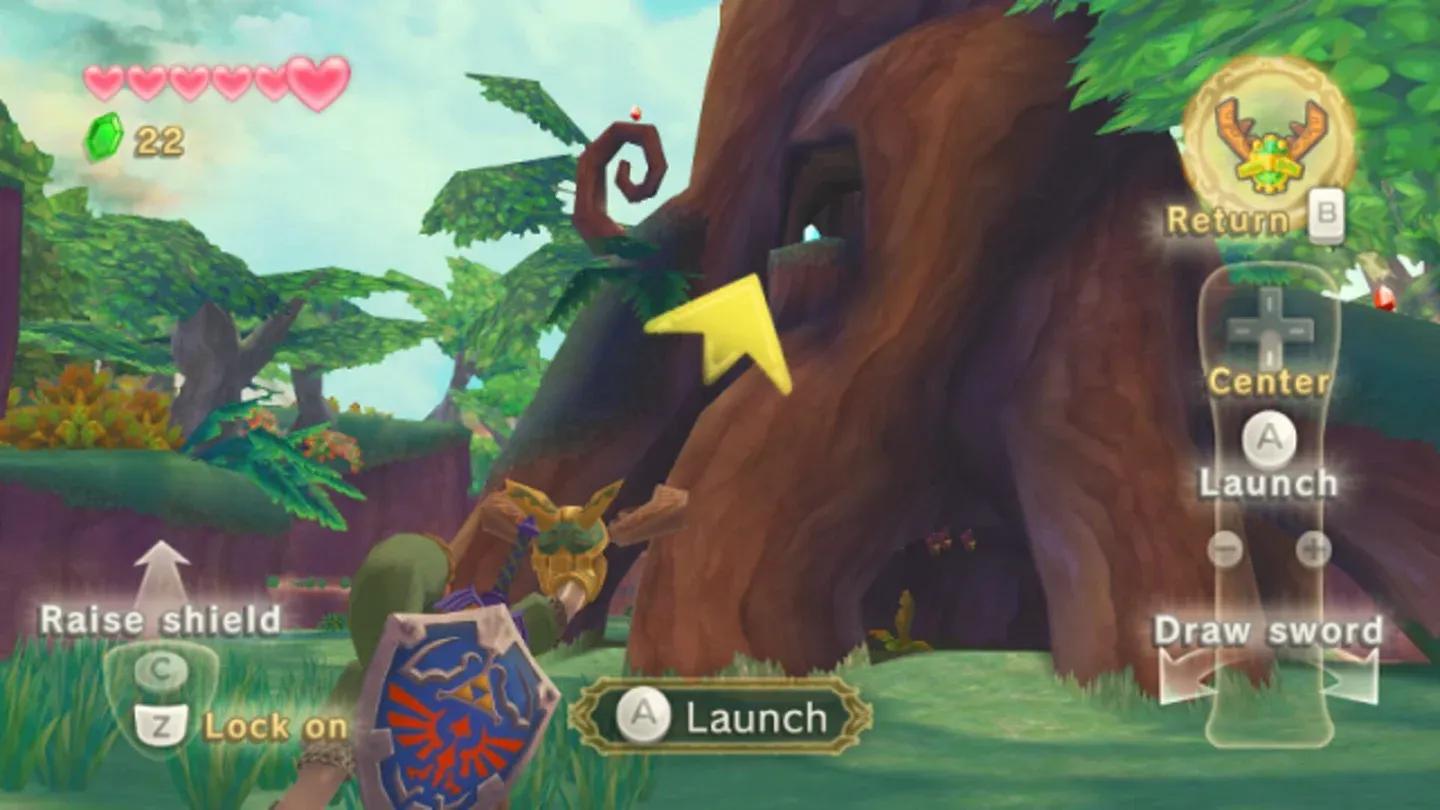
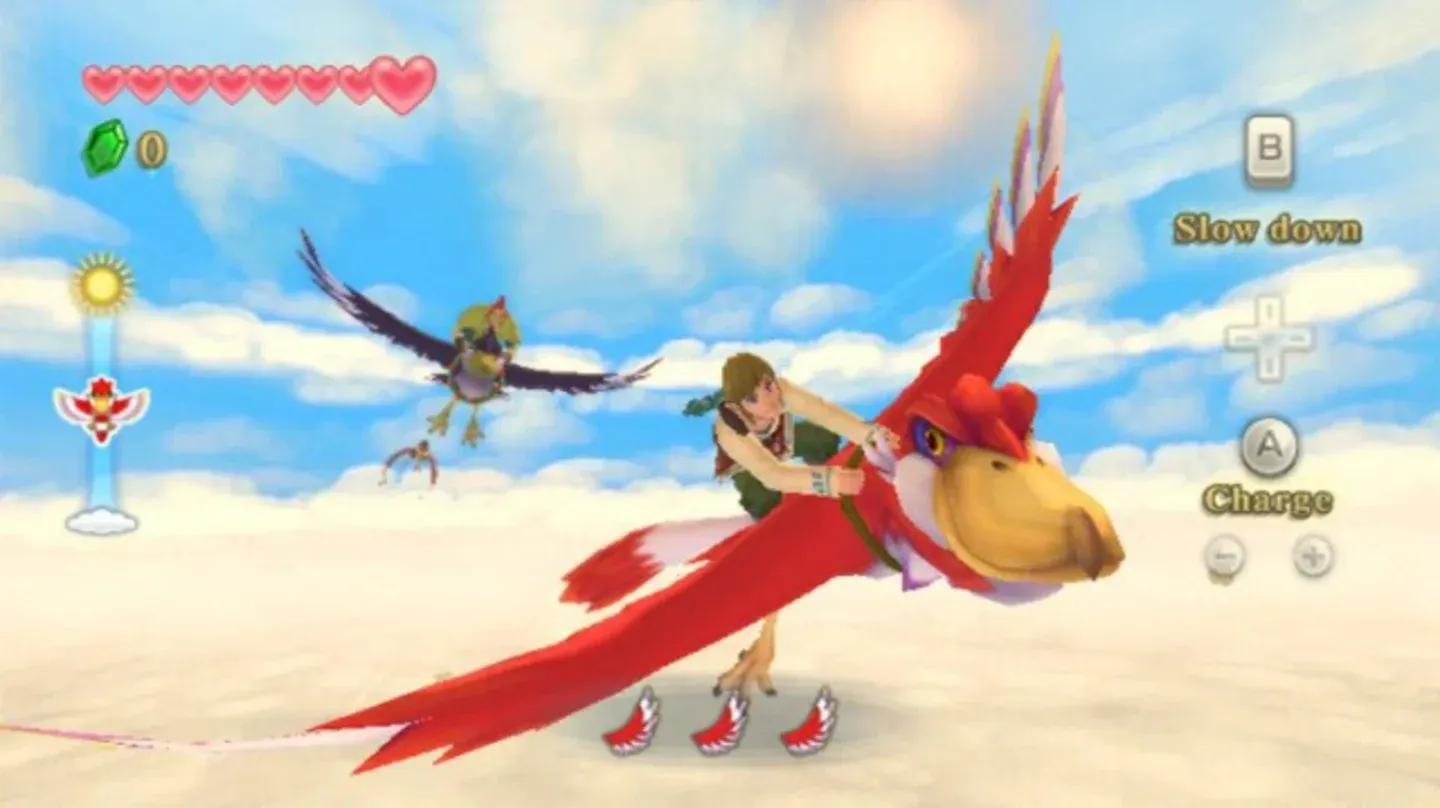
The stamina system also changes how Link moves through the world. Climbing, sprinting, and even rolling consume a stamina gauge, adding a layer of resource management that earlier Zelda games never required. Shields can break, which pushes players to think about equipment more actively than usual.
World and setting
Skyward Sword splits its world into two distinct layers. Skyloft sits above the clouds as a hub full of characters to interact with, side quests to pursue, and a light day-and-night cycle. Below the clouds, the surface world is divided into three main regions: Faron Woods, Eldin Volcano, and Lanayru Desert. Each region wraps around a major dungeon and gets revisited multiple times across the game.
The Legend of Zelda: Skyward Sword content image
The Lanayru Desert section stands out for its time-shifting mechanic, where specific areas toggle between a barren present and a lush, industrialized past. It is one of the more inventive uses of environmental storytelling in the series, and the ancient Timeshift Stones that power the effect make the puzzle design feel genuinely distinct from any previous Zelda game.
Is Skyward Sword worth playing for puzzle fans?
For players drawn to puzzle-adventure games, Skyward Sword delivers some of the most elaborate dungeon design in the Zelda series. The Ancient Cistern and Sandship dungeons in particular are frequently cited as highlights of the franchise. The overworld itself is structured as an extended puzzle space, with obstacles and environmental challenges replacing the open exploration found in earlier entries.
Impact and legacy
Skyward Sword received a high-definition remaster for Nintendo Switch in 2021, which replaced motion controls with a button-based control option and removed several of Fi's more intrusive hint interruptions. The original Wii release holds a Metacritic score of 93, placing it among the highest-rated games of its generation. Its reputation has shifted over the years, with the motion controls drawing persistent criticism while the dungeon design and story continue to earn strong praise from the puzzle-adventure community.
The Legend of Zelda: Skyward Sword content image