Advertisement

Overview
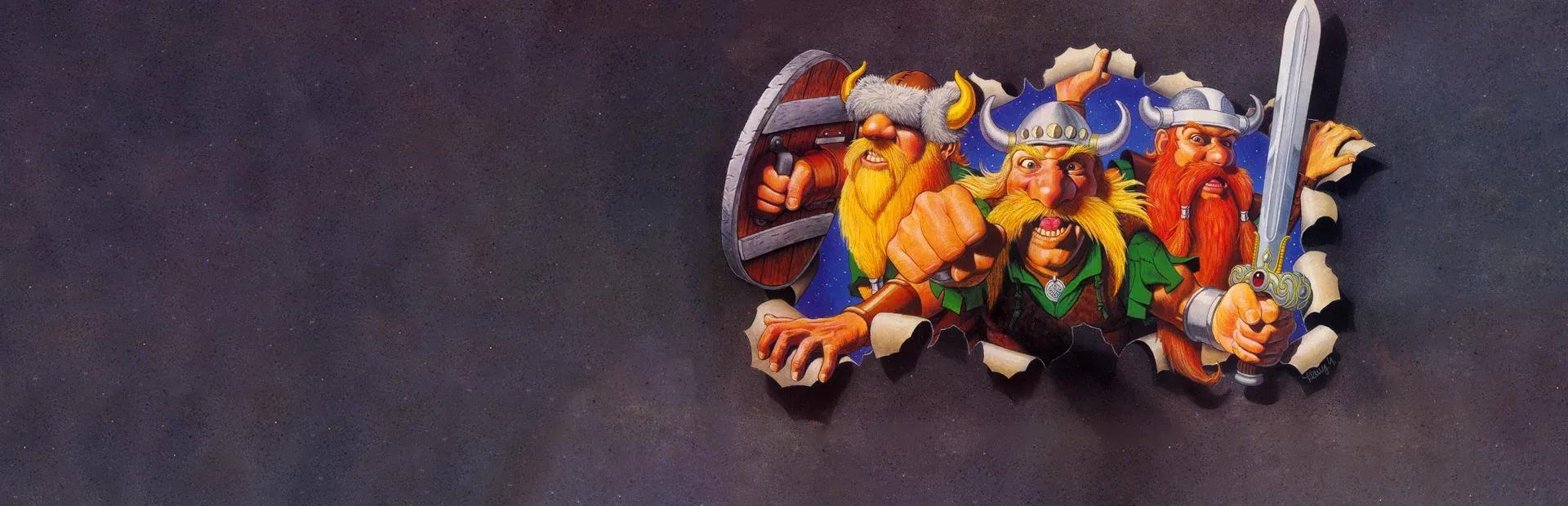
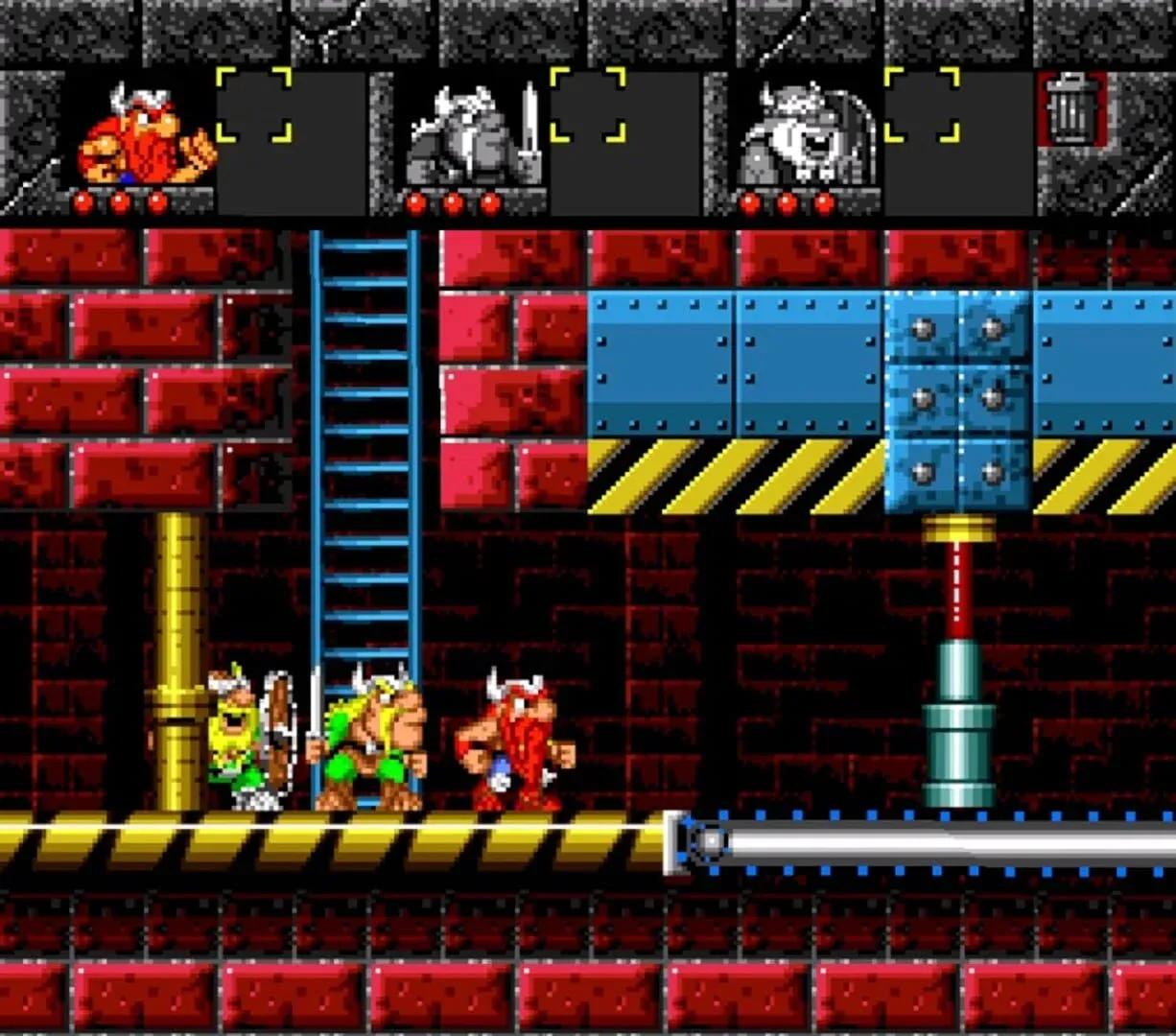
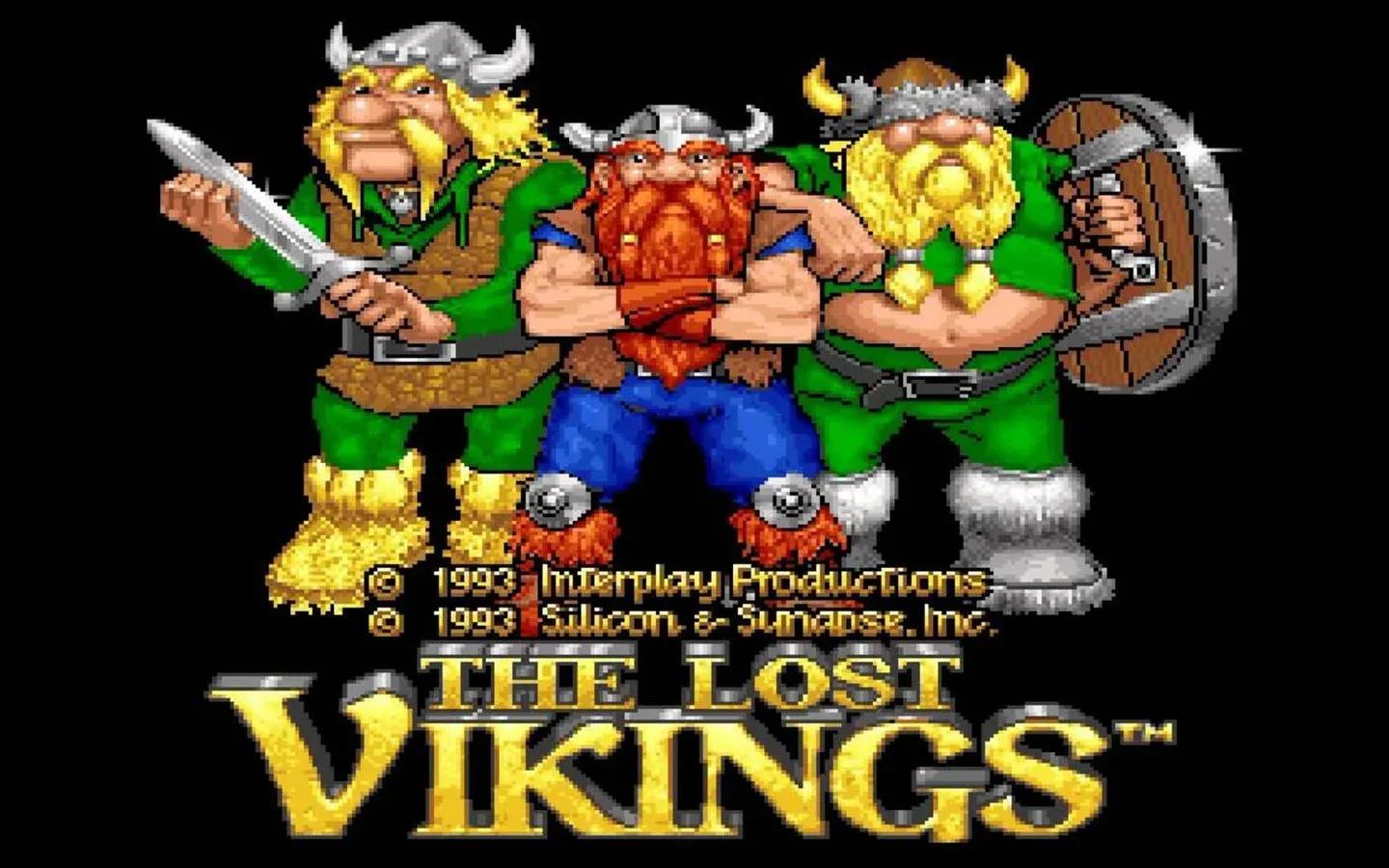
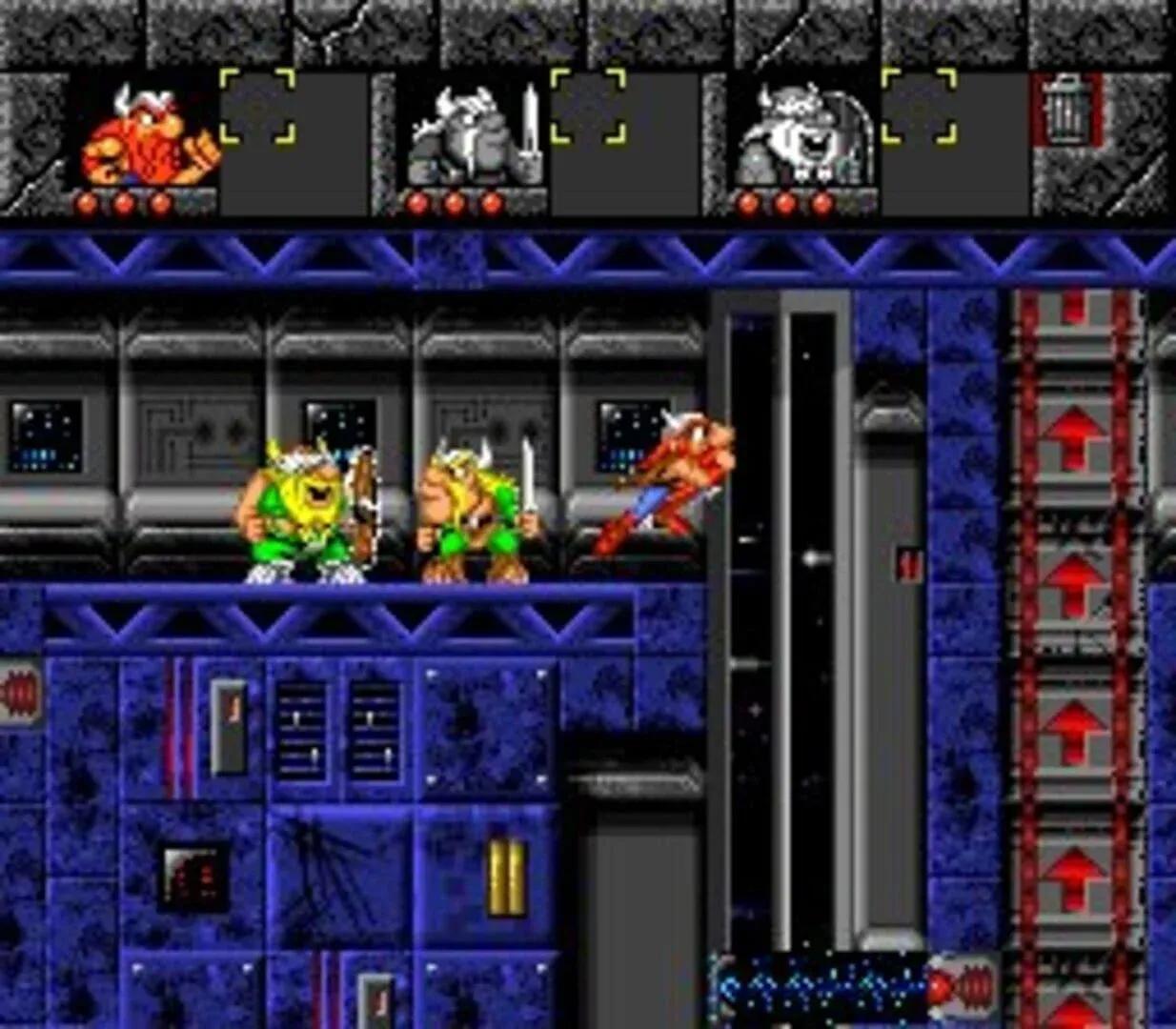
The Lost Vikings is a puzzle-platform game developed by Silicon & Synapse, the studio that later became Blizzard Entertainment, and originally released in 1993. Three kidnapped Vikings, Erik, Baleog, and Olaf, find themselves scattered across alien spaceships, prehistoric jungles, ancient Egypt, and other bizarre time periods after being snatched by Tomator, emperor of the Croutonian empire. Getting them home means controlling all three simultaneously and using their individual strengths to solve every screen.
The game sits in a genuinely rare category. Most platformers of its era rewarded fast fingers. The Lost Vikings rewards careful thinking. Every level is a spatial puzzle that only unlocks when you understand what each Viking can and cannot do, and how their abilities combine.
The Lost Vikings content image
What can each Viking actually do?
This is the question the entire game is built around. Each character brings a distinct set of skills to every screen:
The Lost Vikings content image
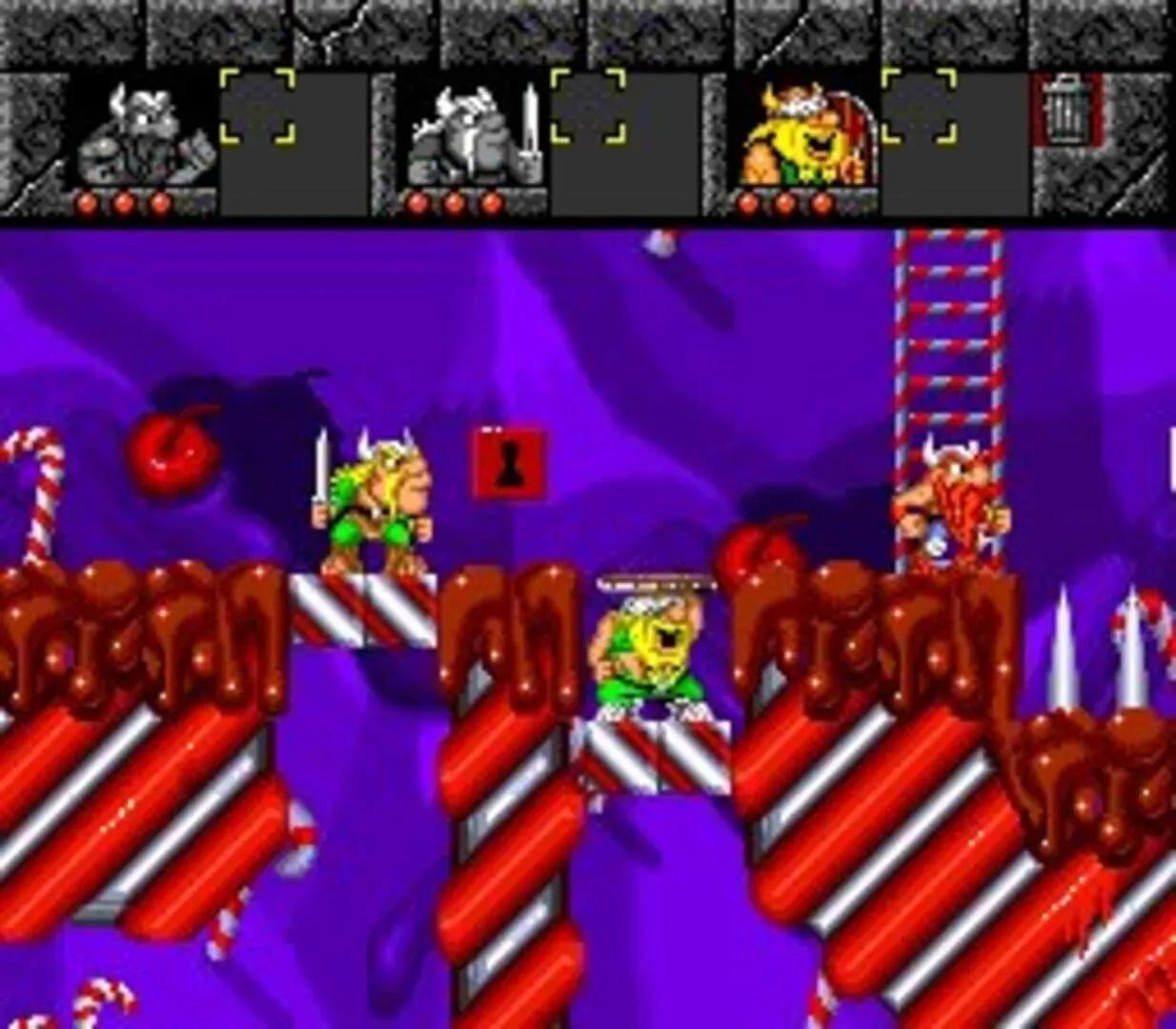
- Erik: runs fastest, jumps, and can bash through walls and enemies with his helmet
- Baleog: kills enemies with a sword or bow, and can trigger distant switches with arrows
- Olaf: blocks enemies and projectiles with his shield, and uses it as a glider or as a platform for Erik
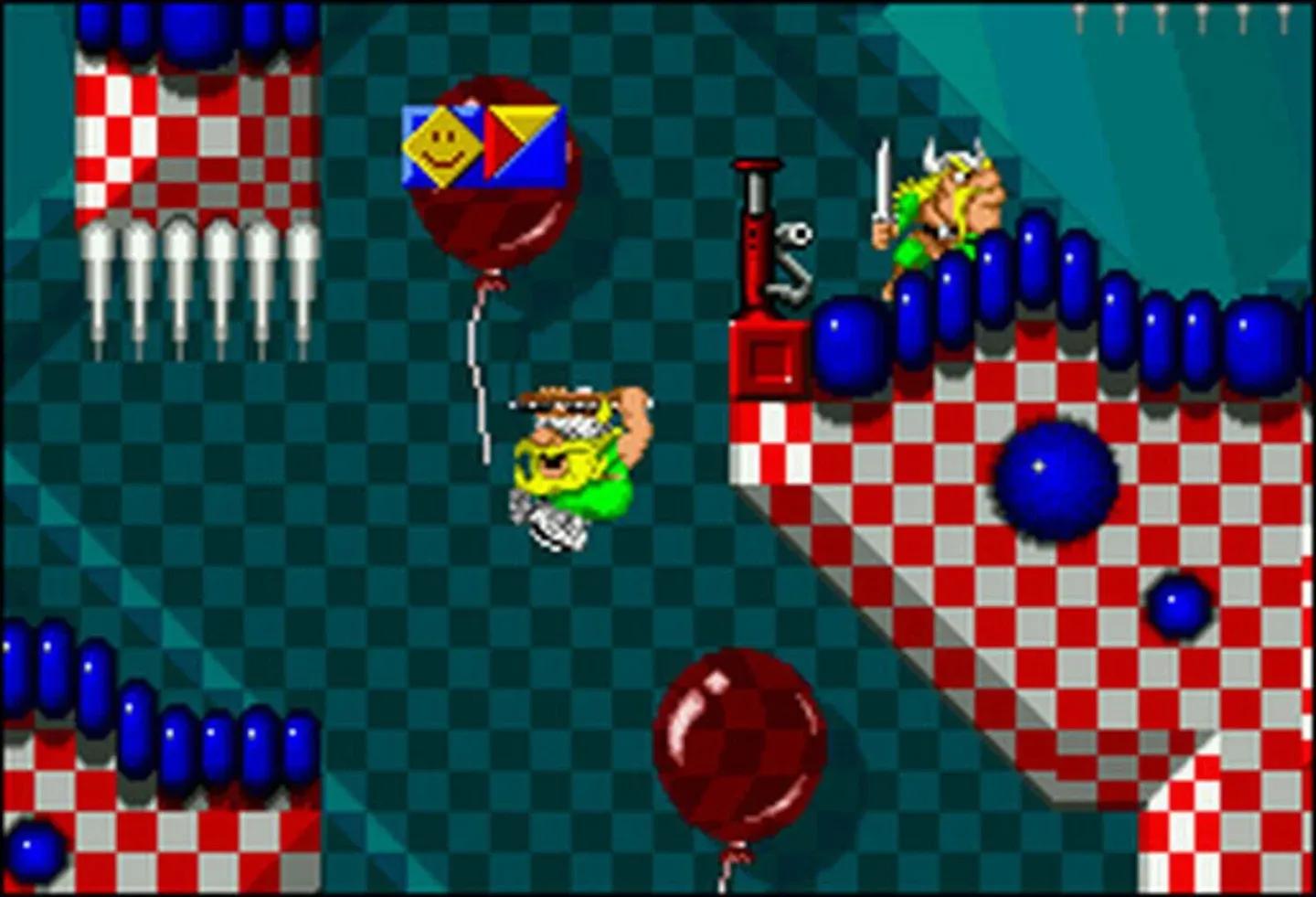
No single Viking can complete a level alone. Olaf's shield gives Erik the height he needs. Baleog's arrows flip switches that neither of the others can reach. The puzzle design forces you to think about sequencing, positioning, and resource management all at once, which is a lot for what looks like a cartoon platformer.
Gameplay and mechanics
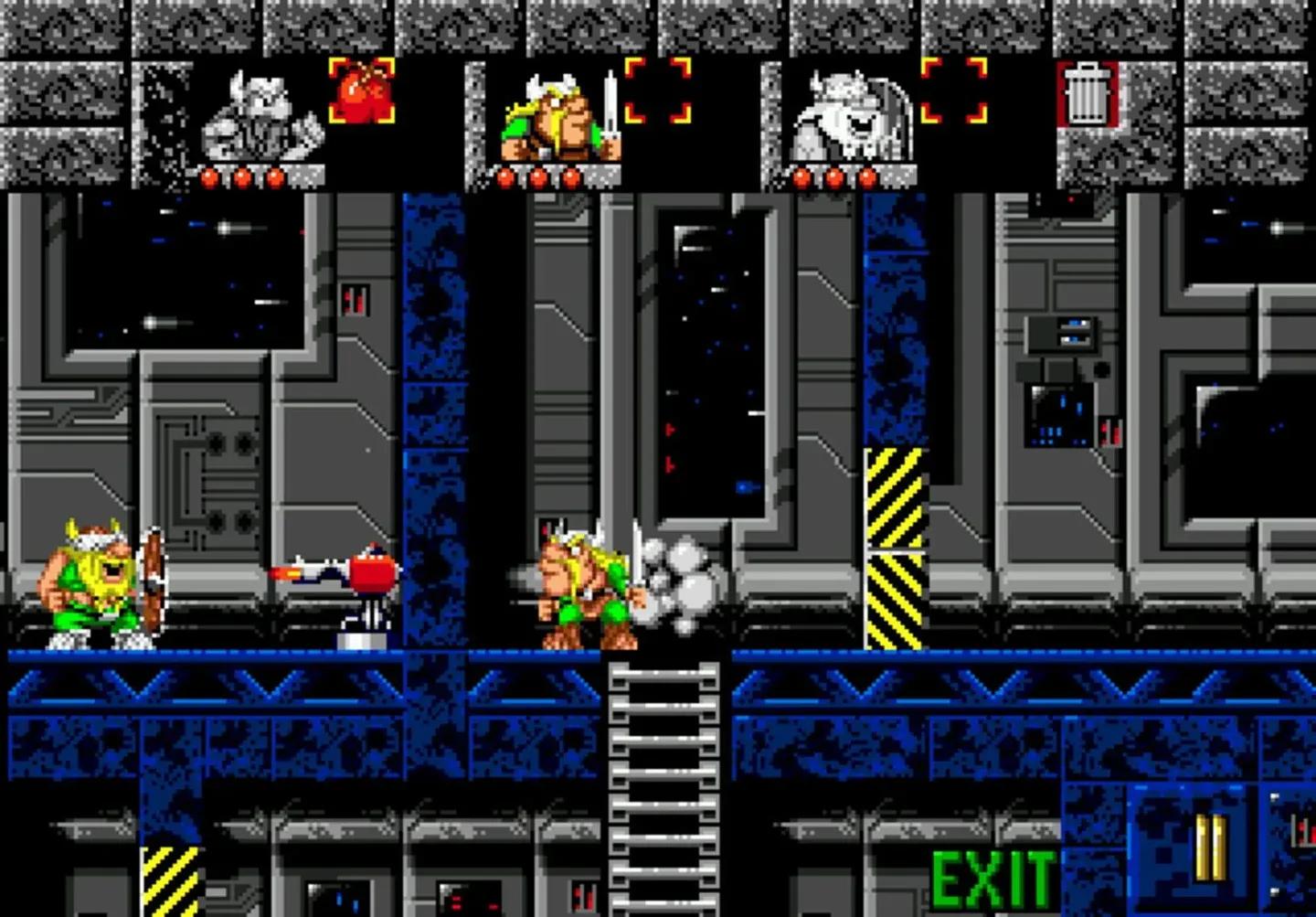
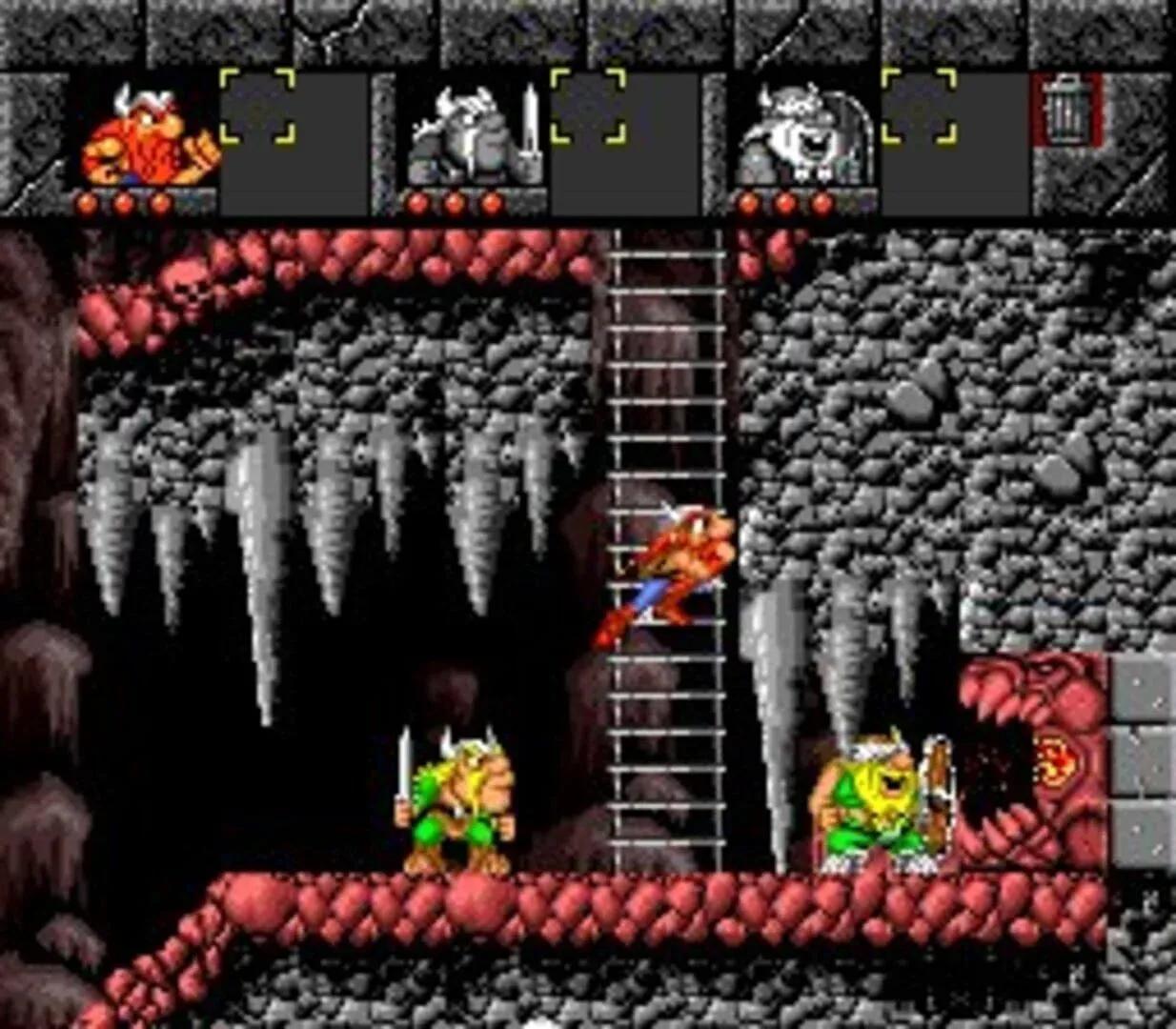
Each Viking carries three health points, which drop from enemy contact or fall damage. Items scattered through levels include keys, bombs, and food that restores health. The game offers infinite retries if a Viking dies, which keeps frustration from becoming the dominant emotion. You can restart a level as many times as needed, and that generosity matters because some solutions require trial and error before the logic clicks.
The Lost Vikings content image
The level design does a solid job of escalating complexity. Early stages introduce each Viking's abilities in controlled environments. Later stages demand precise coordination and careful routing, since getting one Viking stuck on the wrong side of a locked door means backtracking or restarting. The pacing is deliberate, occasionally punishing, and consistently satisfying when a solution finally lands.
Innovation and unique features
For a 1993 game, The Lost Vikings does something most studios still struggle with: it makes multi-character control feel necessary rather than gimmicky. The three-character structure is not a novelty layer on top of a standard platformer. It is the game. Every mechanic exists to serve that central idea.
The game's influence showed up decades later when The Lost Vikings were added as a playable hero trio in Heroes of the Storm, where all three characters operate as separate controllable units. That is a direct acknowledgment of how distinctive the original design was.
The Lost Vikings content image
Impact and legacy
The Lost Vikings holds up as a puzzle-platformer with a clear identity. The characters are memorable, the ability design is tight, and the co-op puzzle structure was ahead of its time for the platform genre. Playing it now on modern platforms including Nintendo Switch, PlayStation, and Xbox, the core design logic still works. The game does not need modern production values to make its point. Three Vikings, one exit, and a screen full of problems that only resolve when you think them through properly.