
Advertisement

Overview
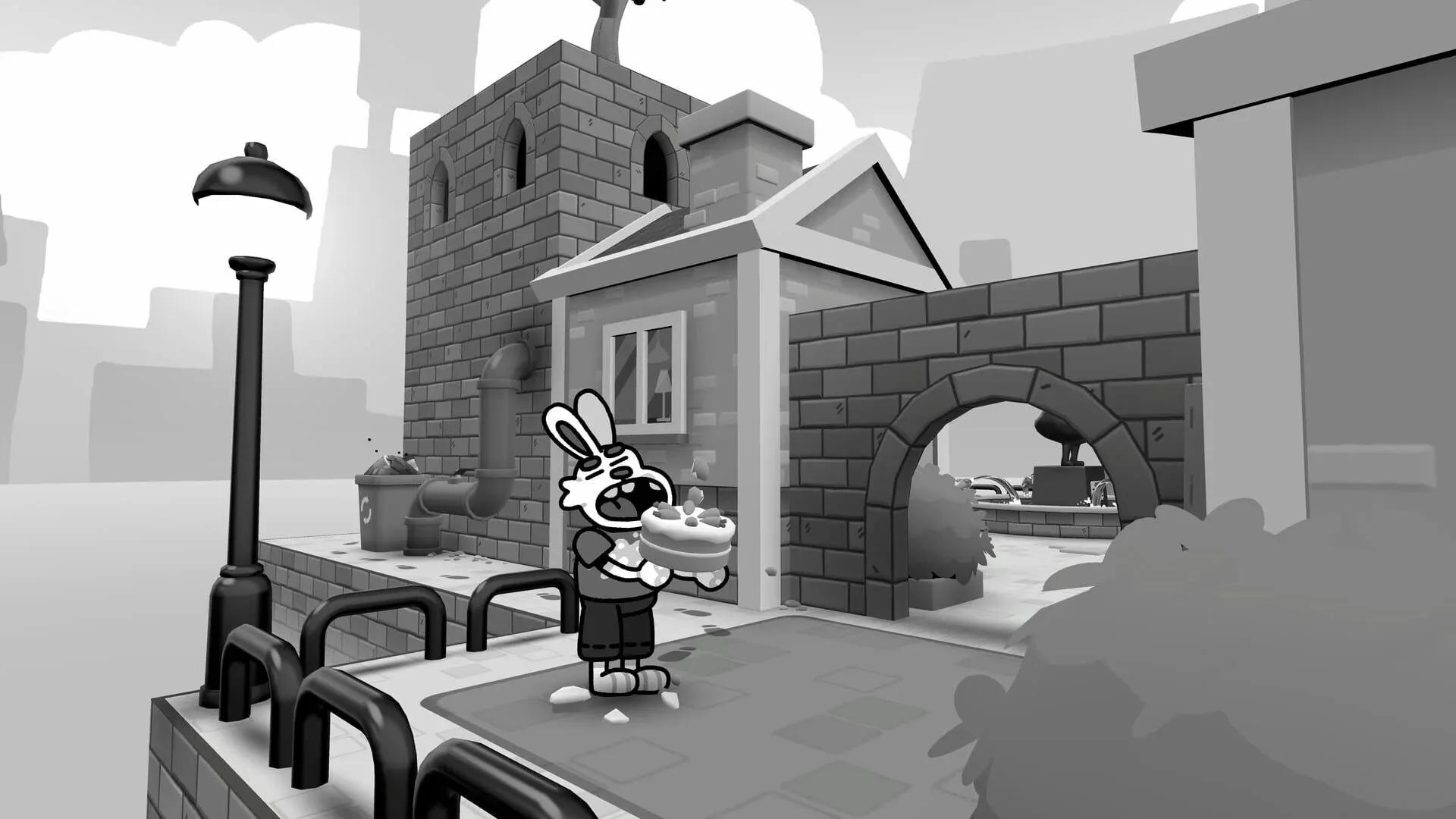
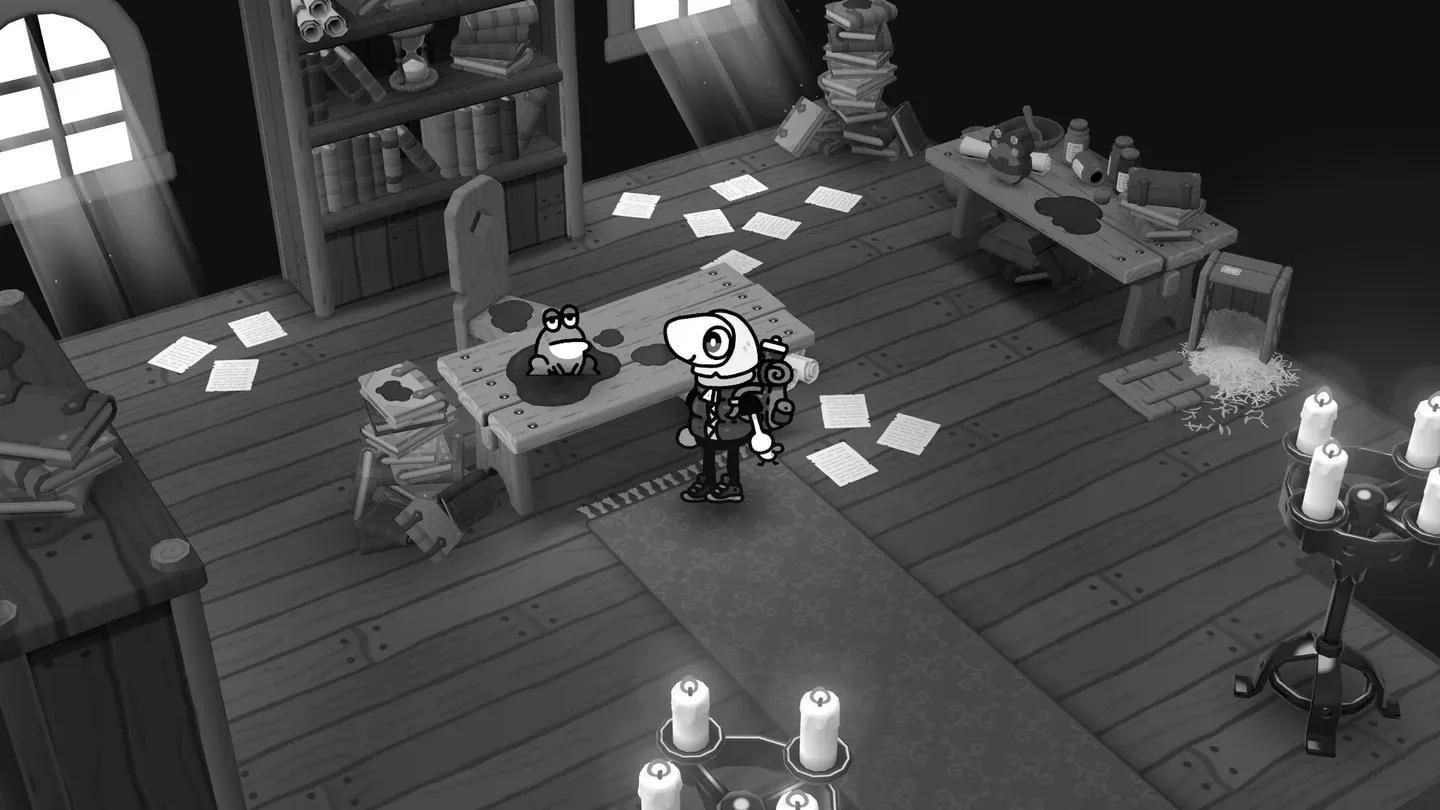
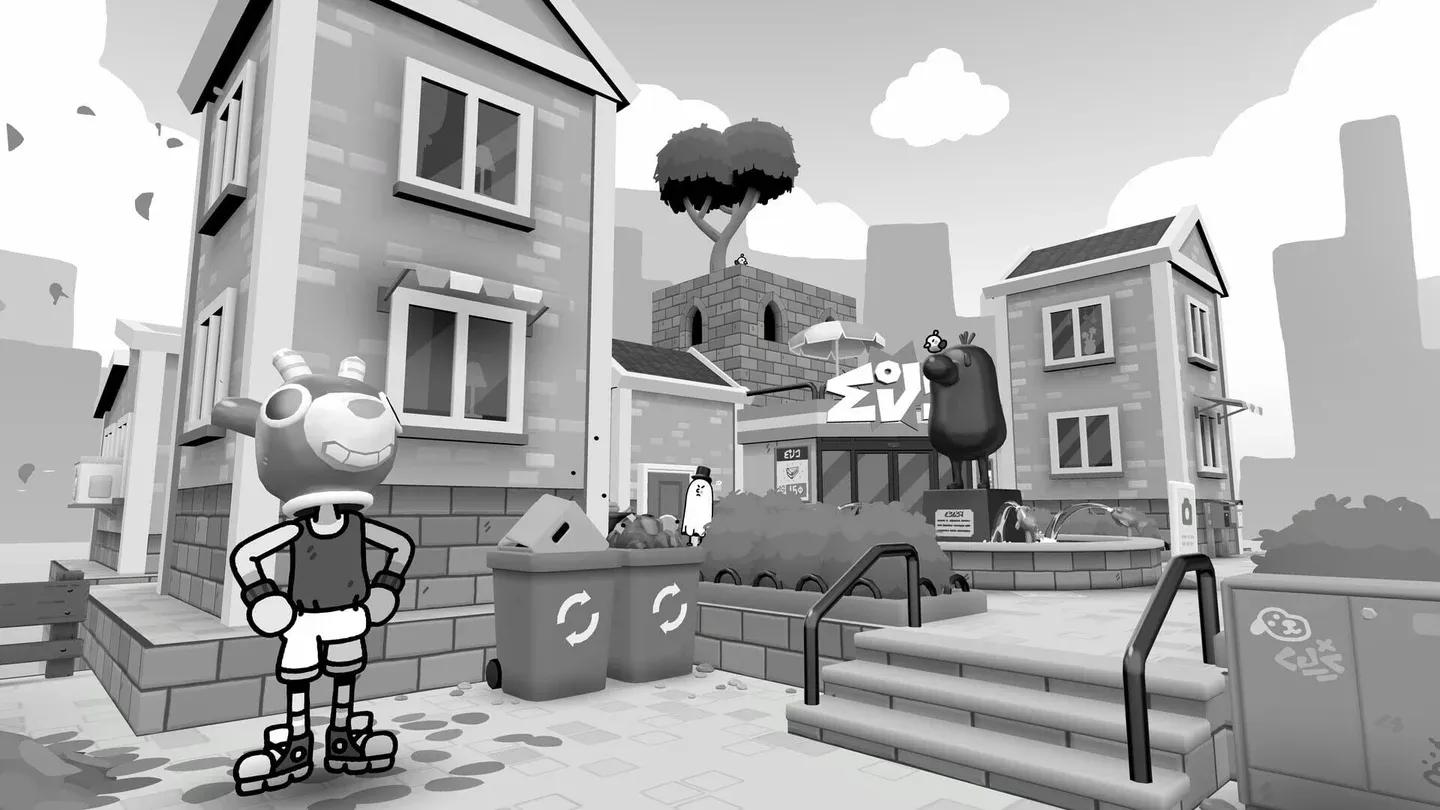
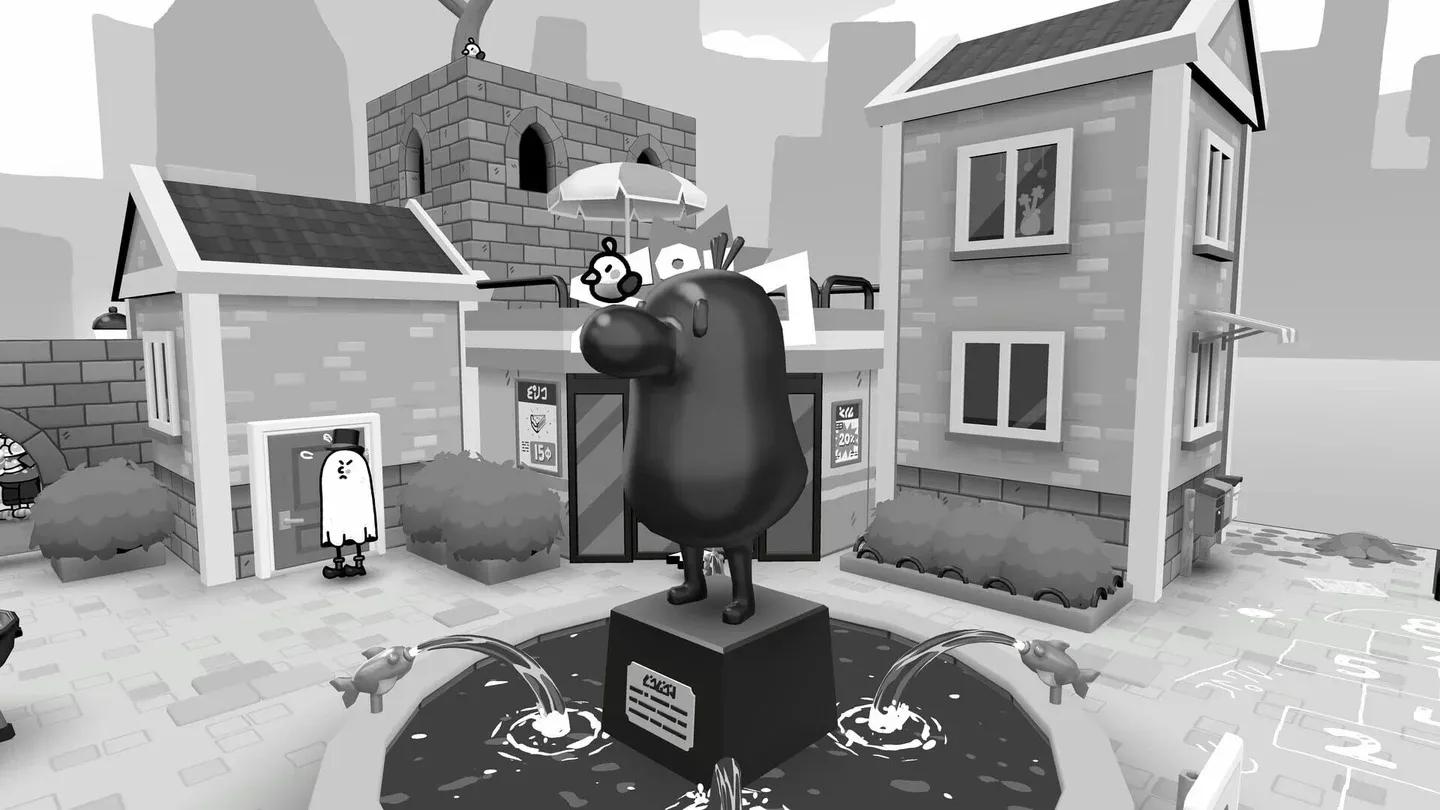
TOEM 2 is a cozy photography adventure game developed and published by Something We Made, released on September 29, 2026, for Windows, macOS, Nintendo Switch, and PlayStation. Players take on the role of a curious photographer setting out to discover and document mysterious natural phenomena called TOEMs, exploring hand-crafted regions filled with hidden paths, eccentric characters, and wildlife waiting to be catalogued.
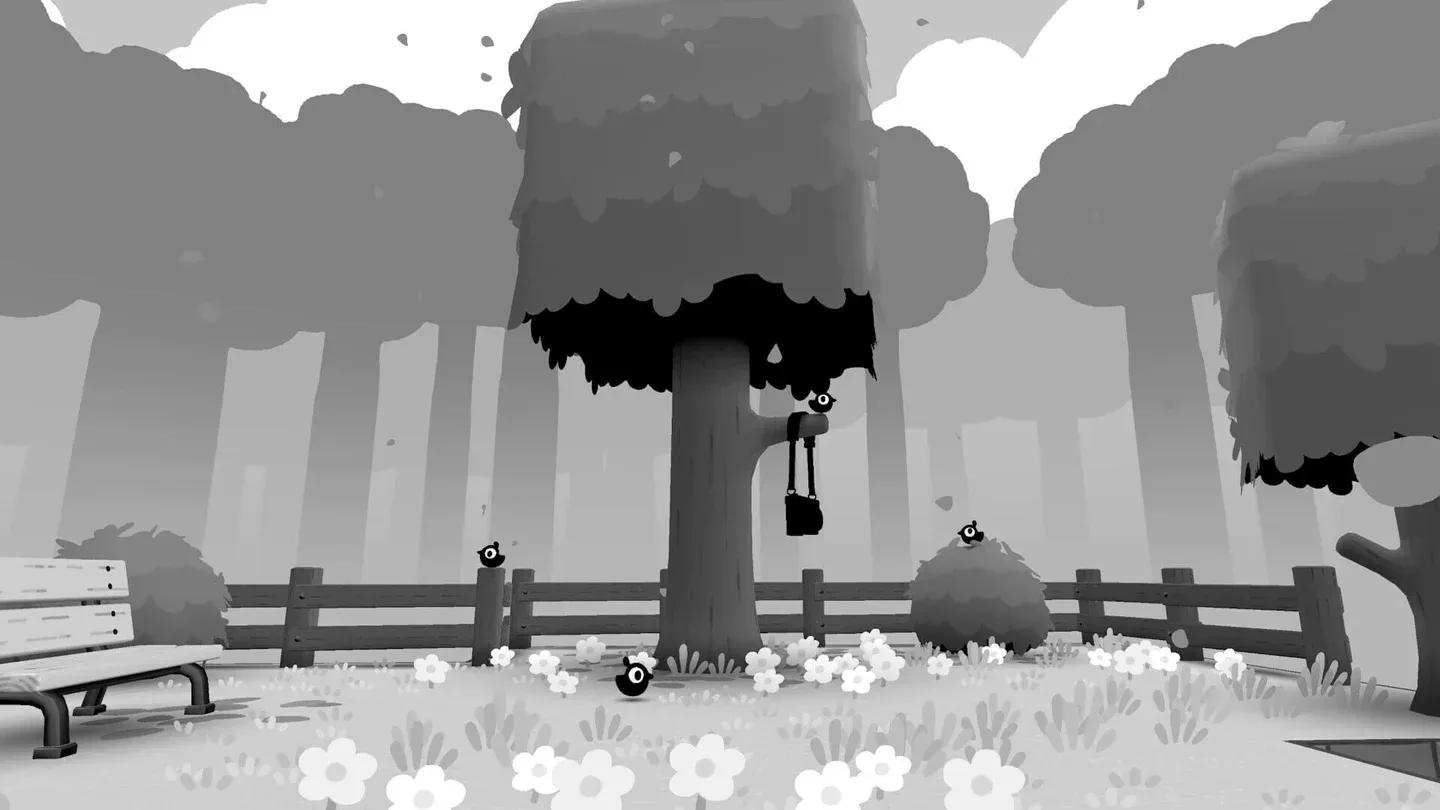
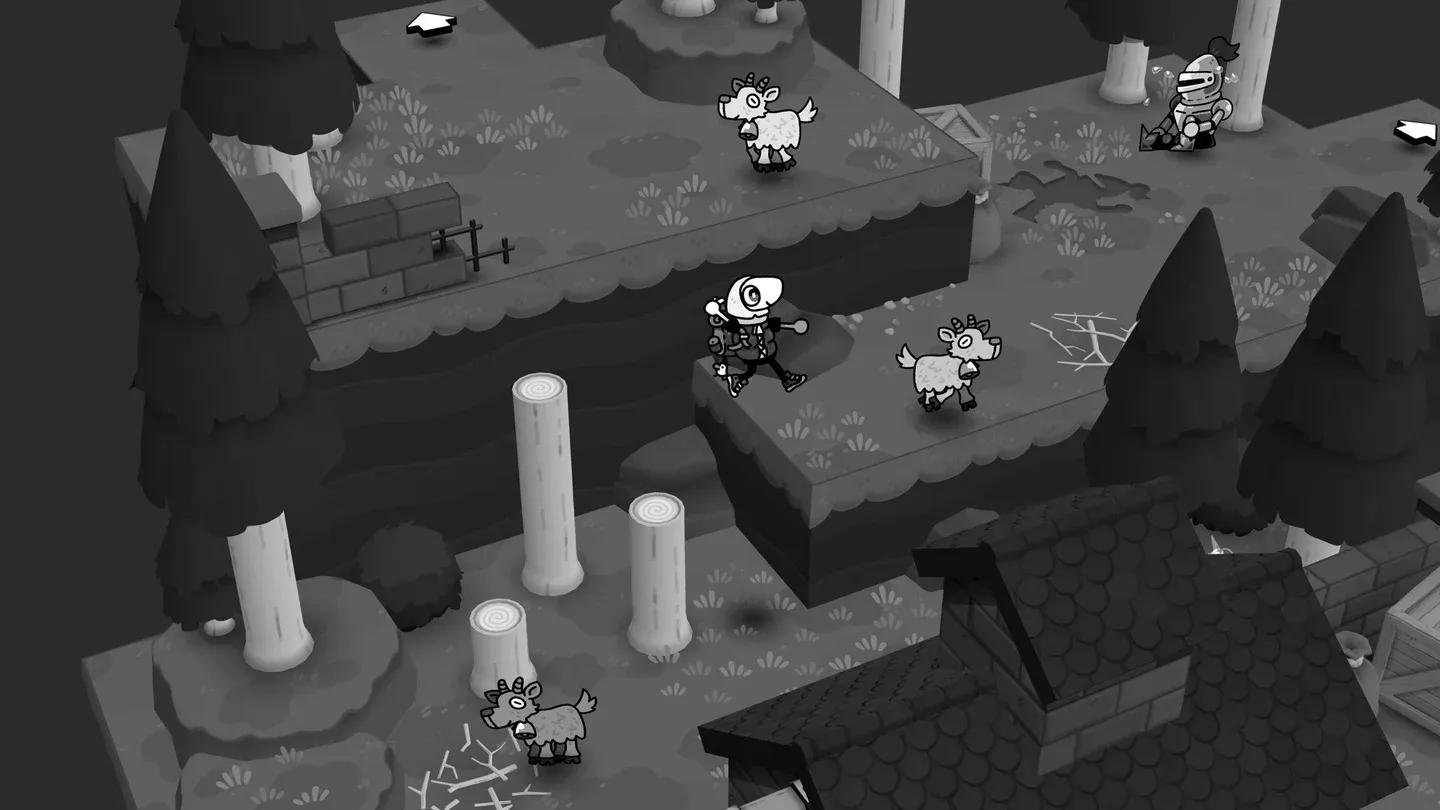
The game builds directly on the foundation of the original TOEM while expanding the platforming and traversal options. Running, jumping, and climbing are now core movement tools, opening up scenic viewpoints and tucked-away secrets that reward players who take the time to look around rather than rush toward objectives. Something We Made designed the world to respond to curiosity, meaning the most interesting finds are rarely on the beaten path.
TOEM 2 is explicitly accessible to newcomers. No prior knowledge of the first game is needed to follow the story or understand the mechanics, which makes it a genuinely low-barrier entry point into the series.
Gameplay and mechanics
The camera sits at the center of everything TOEM 2 does. Key features of the gameplay loop include:
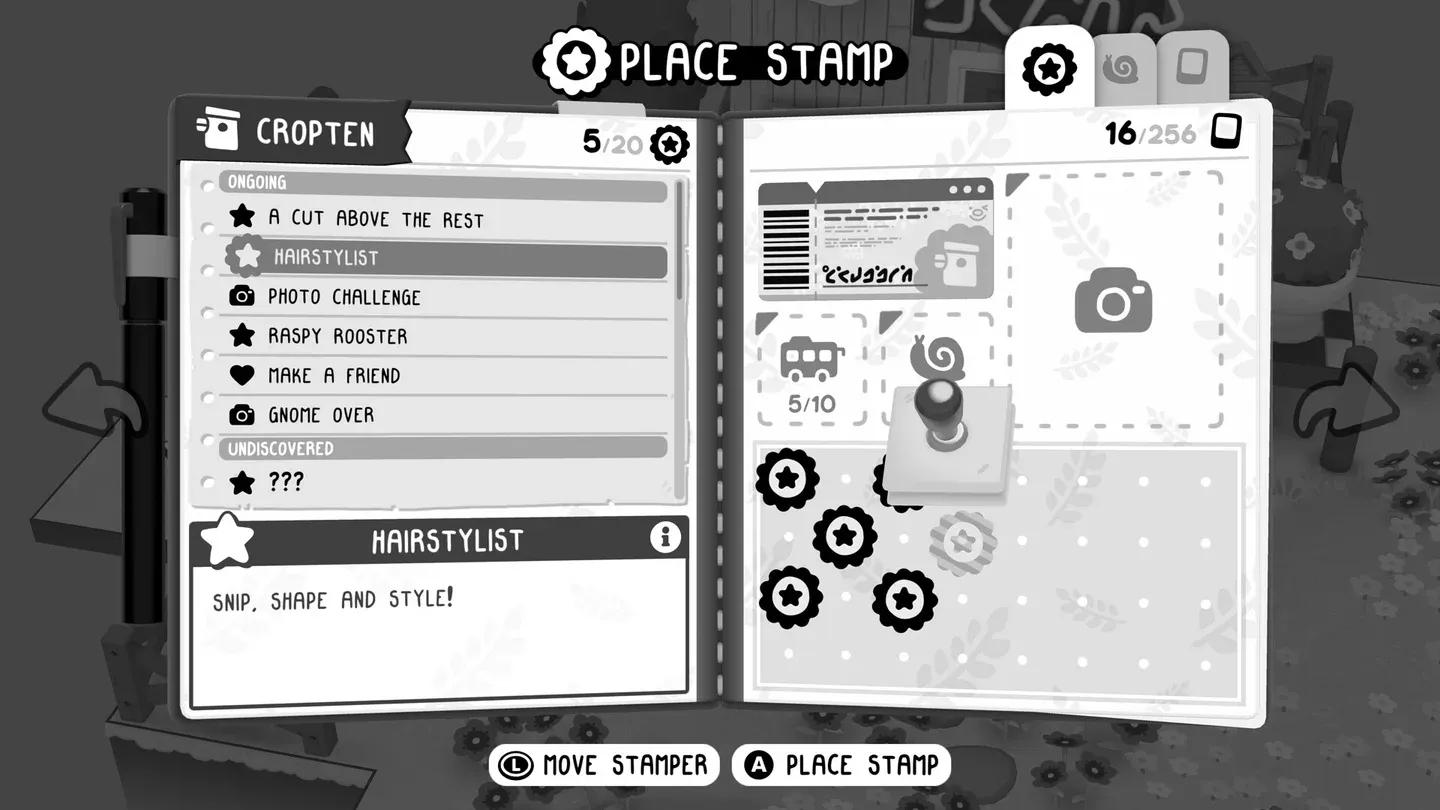
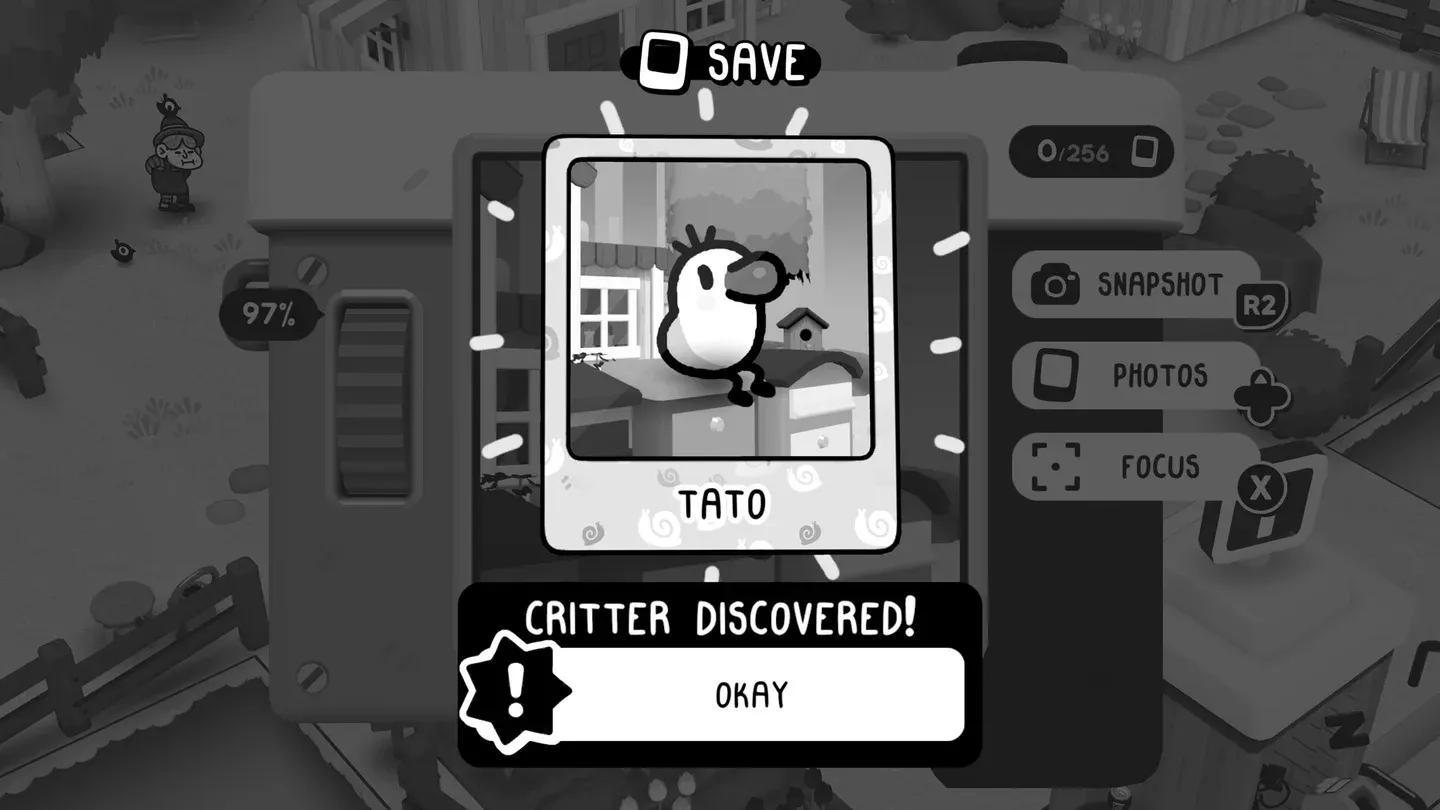
- Photographing TOEMs and wildlife to fill a critter compendium
- Completing quests for characters scattered across each region
- Collecting stamps to unlock new areas
- Using camera attachments to solve region-specific problems
- Discovering hidden paths through platforming and exploration
The biggest mechanical addition over the original is the camera attachment system. Each region introduces new attachments that let the camera interact with the environment in unconventional ways, going beyond simply snapping pictures to solve puzzles. This keeps the tool feeling fresh across the game's different areas rather than becoming repetitive.
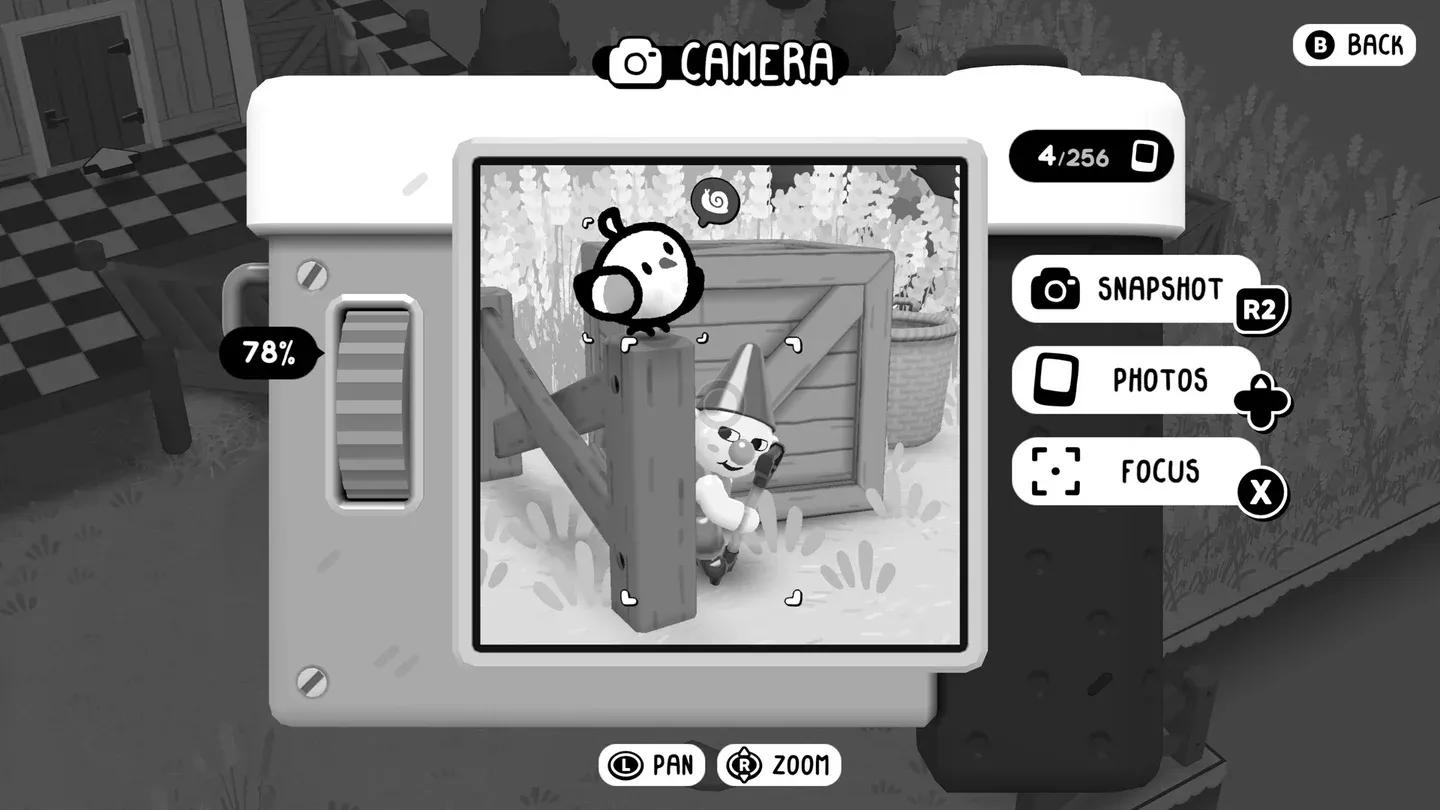
What does the stamp journal system do?
The stamp journal is TOEM 2's primary progression mechanic. Every quest completed, creature documented, and discovery made earns stamps, and collecting enough stamps in a region unlocks the path to the next one. It functions as both a progress tracker and a physical record of the journey, giving the journal a keepsake quality that fits the game's tone.
This system avoids hard locks based on difficulty. Since there are no time limits and no punishing requirements for full completion, players can approach stamp collection at whatever pace suits them. Sitting on a bench and listening to ambient music counts as part of the experience, not dead time.
World, characters, and atmosphere
Each region in TOEM 2 comes with its own cast of quirky characters and critters. Helping these characters and forming connections feeds directly into the stamp system, but the interactions are written to feel worthwhile on their own terms rather than purely transactional. The critter compendium encourages players to pay attention to the smaller details of each environment, the kind of thing that gets overlooked in games built around urgency.
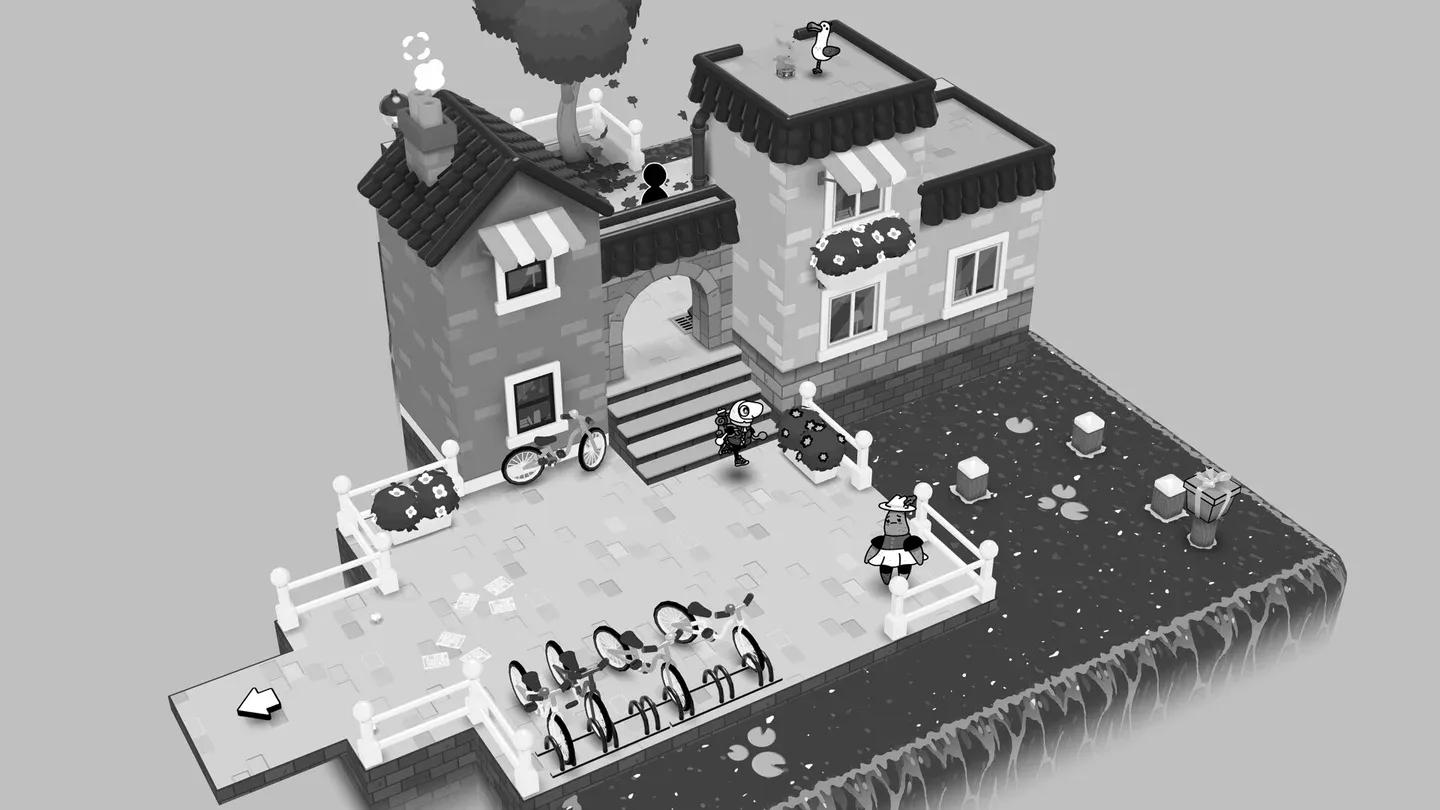
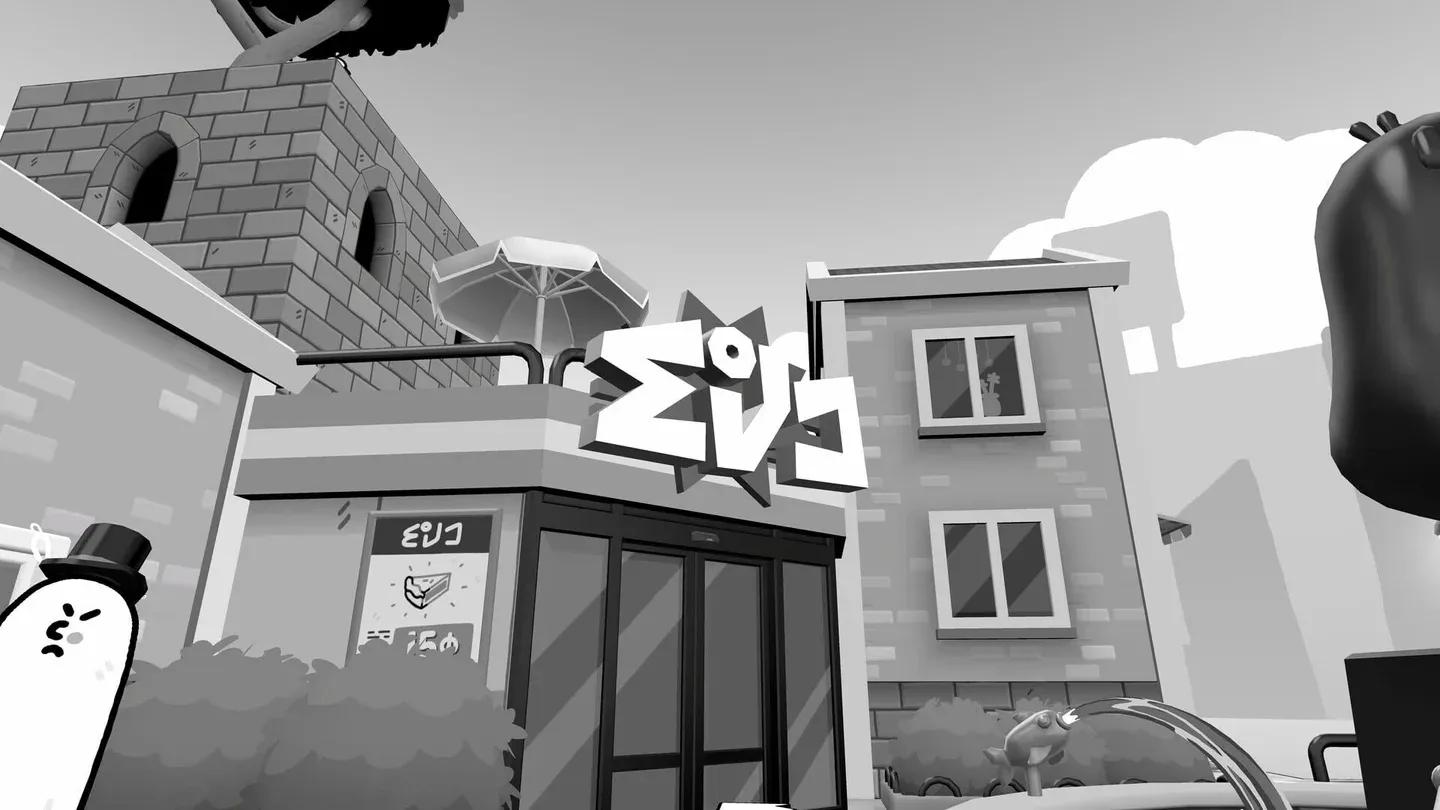
The visual style carries forward the charm of the original while the new traversal options give the environments more vertical depth to explore. Something We Made built TOEM 2 to be experienced without pressure, and that philosophy shapes everything from the level design to the absence of fail states. For players who find most games exhausting rather than relaxing, that design choice is the whole appeal.