

Advertisement

Overview
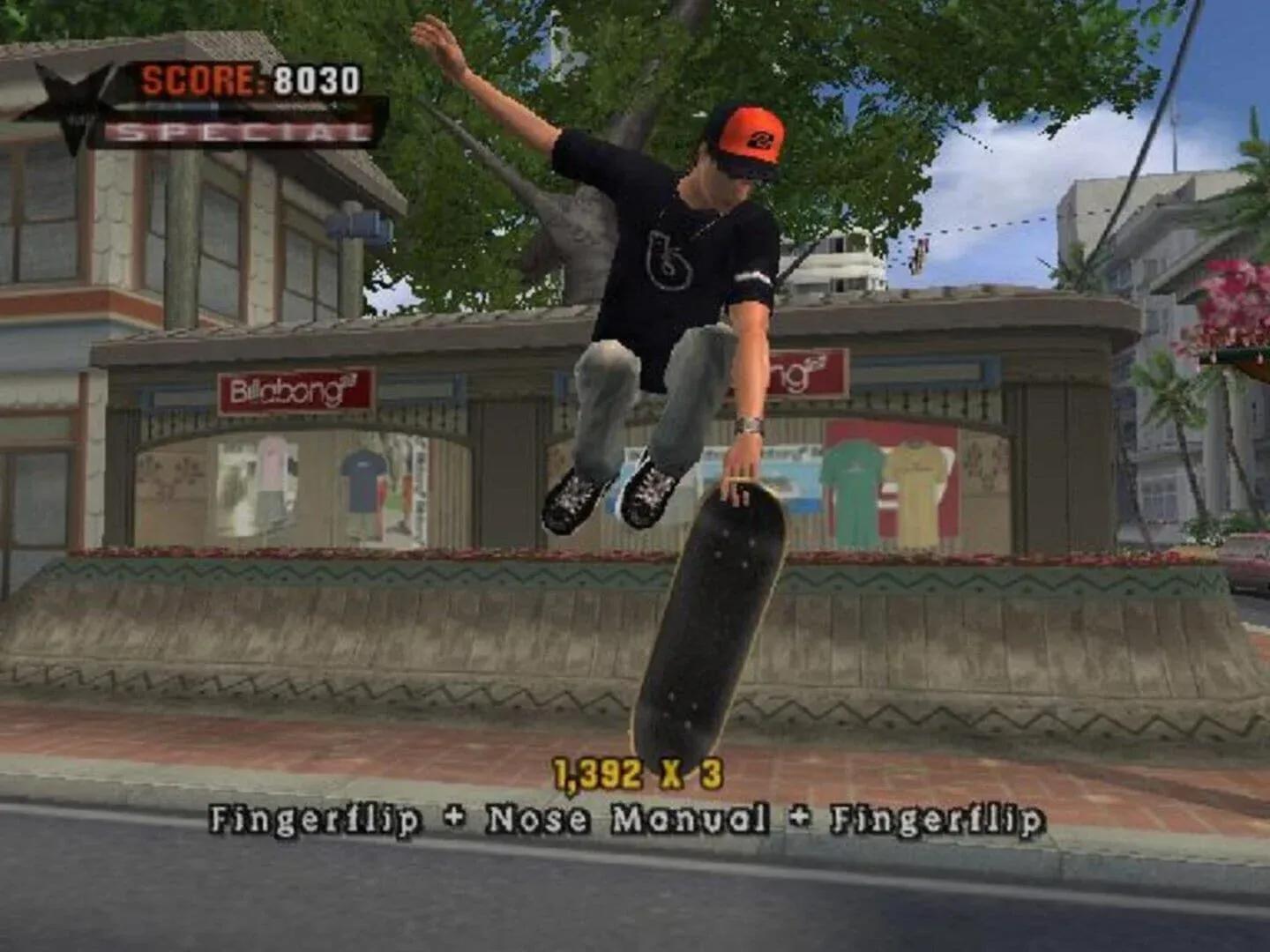
Tony Hawk's Underground arrived in October 2003 and immediately separated itself from every skateboarding game that came before it. Neversoft took the score-attack formula that had defined the series since 1999 and rebuilt it around a created character with an actual origin story. You are not Tony Hawk. You are nobody from somewhere, trying to become somebody.
The shift sounds simple but changes everything about how the game feels. Previous entries dropped you into a level, gave you two minutes, and asked you to chase a high score. Underground gives you a reason to care about the skater on screen because you made them, named them, and put your own face on them using a photo import feature that was genuinely novel for 2003. The story takes that character through nine levels across New Jersey, Manhattan, Tampa, San Diego, Hawaii, Moscow, and beyond, with enough narrative turns to keep the progression interesting.

Tony Hawk's Underground content image
The roster of real pros is still here. Tony Hawk, Bob Burnquist, Elissa Steamer, and the rest of skating's biggest names are playable, but they exist alongside your created skater rather than replacing the need for one. Underground made the personal feel central rather than optional.
Gameplay and mechanics
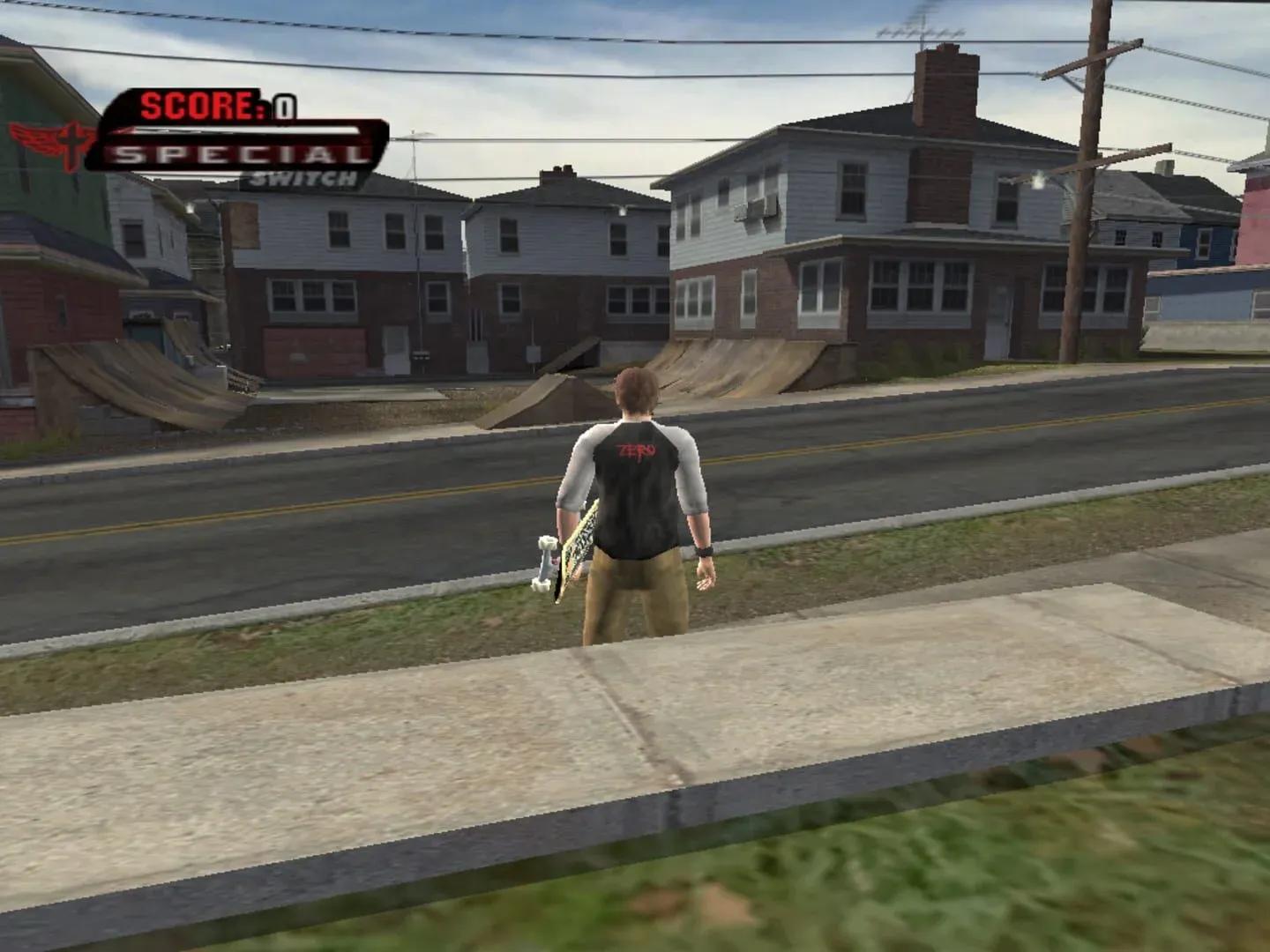
Underground's core mechanics build on what Pro Skater 4 established but add two significant layers. First, your skater can now get off the board. On-foot sections let you walk, run, and interact with the environment in ways that pure skating never allowed. Second, vehicle sections drop you into cars and other rides for specific story beats, adding variety that keeps the pacing from going stale.
Tony Hawk's Underground content image
Key mechanics include:
- Custom trick creation and trick assignment
- On-foot exploration between skating sections
- Vehicle segments tied to story progression
- Photo import for custom skater appearance
- Online multiplayer across multiple modes
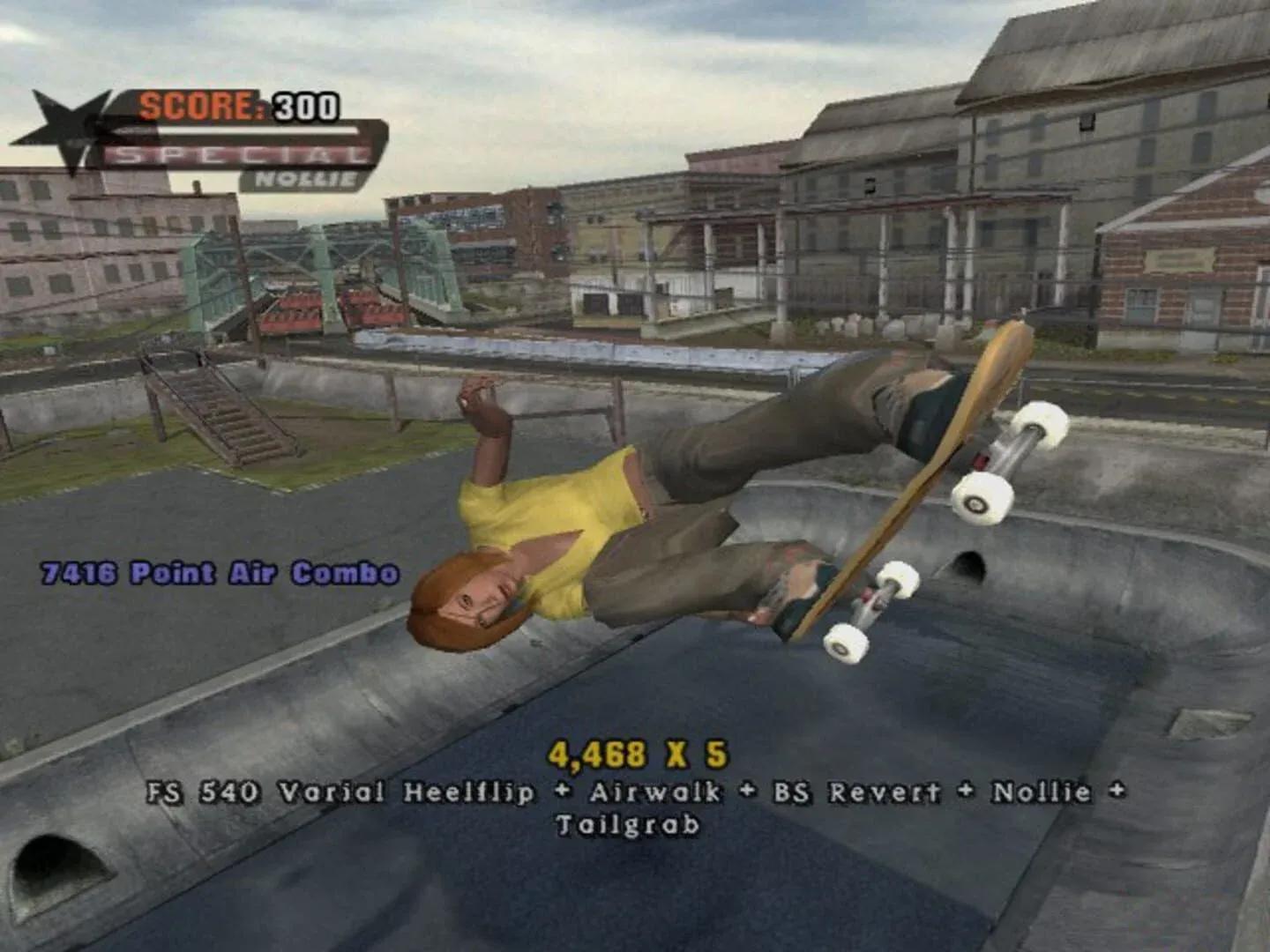
The trick system carries over the manual, revert, and spine transfer mechanics from earlier games, then layers customizable trick slots on top. You can assign specific tricks to specific buttons and build a style that feels personal rather than preset.
Tony Hawk's Underground content image
What makes Underground different from other Tony Hawk games?
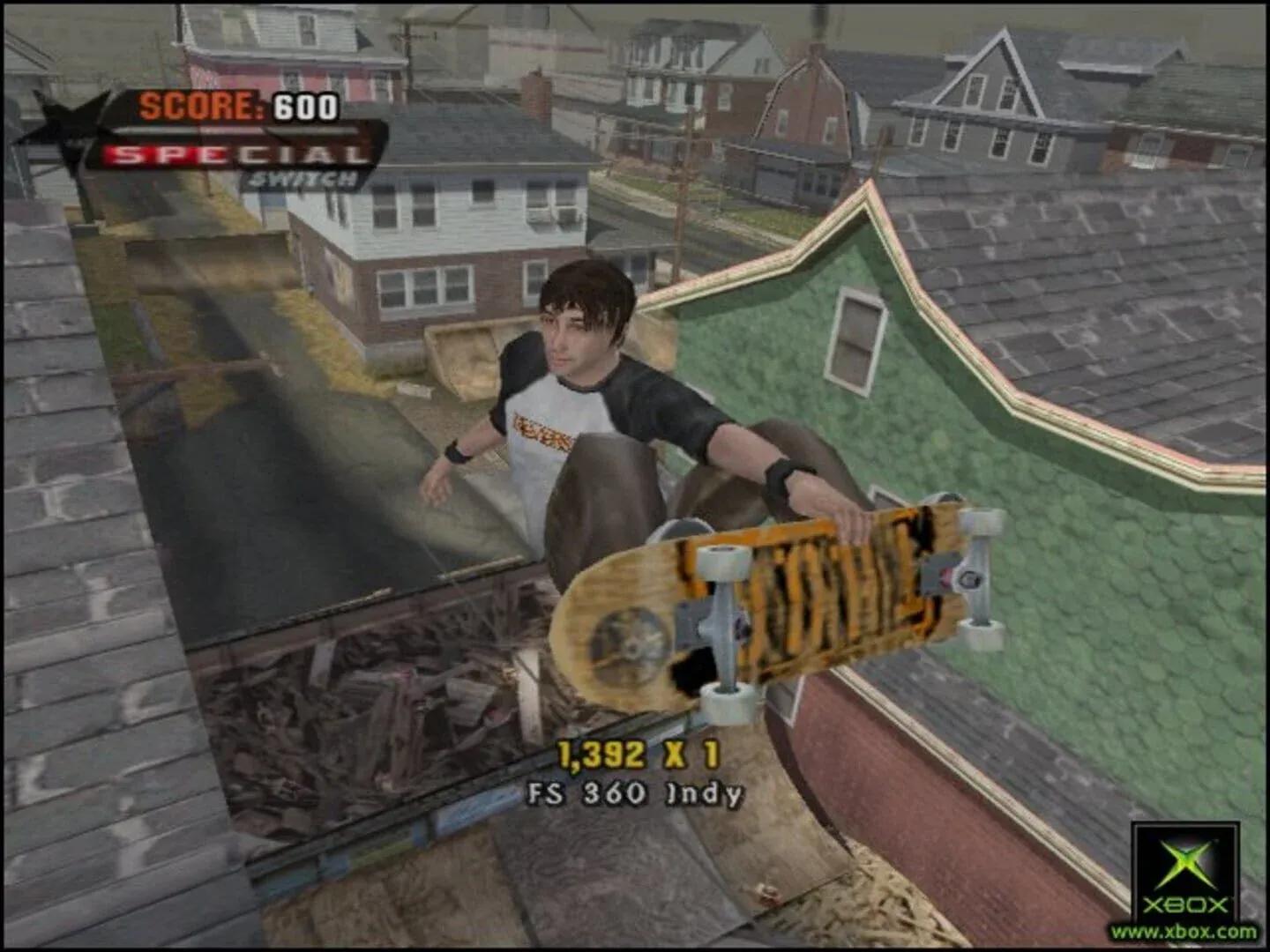
The honest answer is stakes. Every Tony Hawk game before Underground was essentially a sandbox with objectives. Underground has a plot with a beginning, a middle, and an end. Your character has a rival. There are betrayals. The story is not trying to win awards for writing, but it gives every level a reason to exist beyond the scoring targets.
Tony Hawk's Underground content image
The on-foot and vehicle additions also matter more than they might look on paper. Being able to walk through a level changes how you read the space. You notice geometry differently when you are not always on a board. The vehicle sections are brief but they break the rhythm in ways that make returning to skating feel like coming home.
Multiplayer and social features
Underground shipped with online play on both Xbox and PC, a meaningful feature for a skateboarding game in 2003. The online modes let players compete in score challenges and trick contests, extending the game's life well beyond the single-player campaign.
The custom skater system adds a social dimension even in local play. Swapping created characters, comparing trick loadouts, and showing off photo-imported faces gave players something to talk about that went beyond raw scores. Online or off, Underground understood that personalization drives engagement in ways that borrowed identities never could.
Impact and legacy
Underground sits at the point in skateboarding game history where ambition outpaced convention. The series had peaked commercially with Pro Skater 3 and needed to evolve. The answer was not better graphics or more levels but a fundamentally different relationship between the player and the skater on screen. That decision aged well. The story-driven skateboarding adventure format Underground established influenced how developers thought about sports games for years afterward, and the game remains a reference point for what happens when a franchise is willing to rebuild around a new idea rather than polish the old one.