Overview
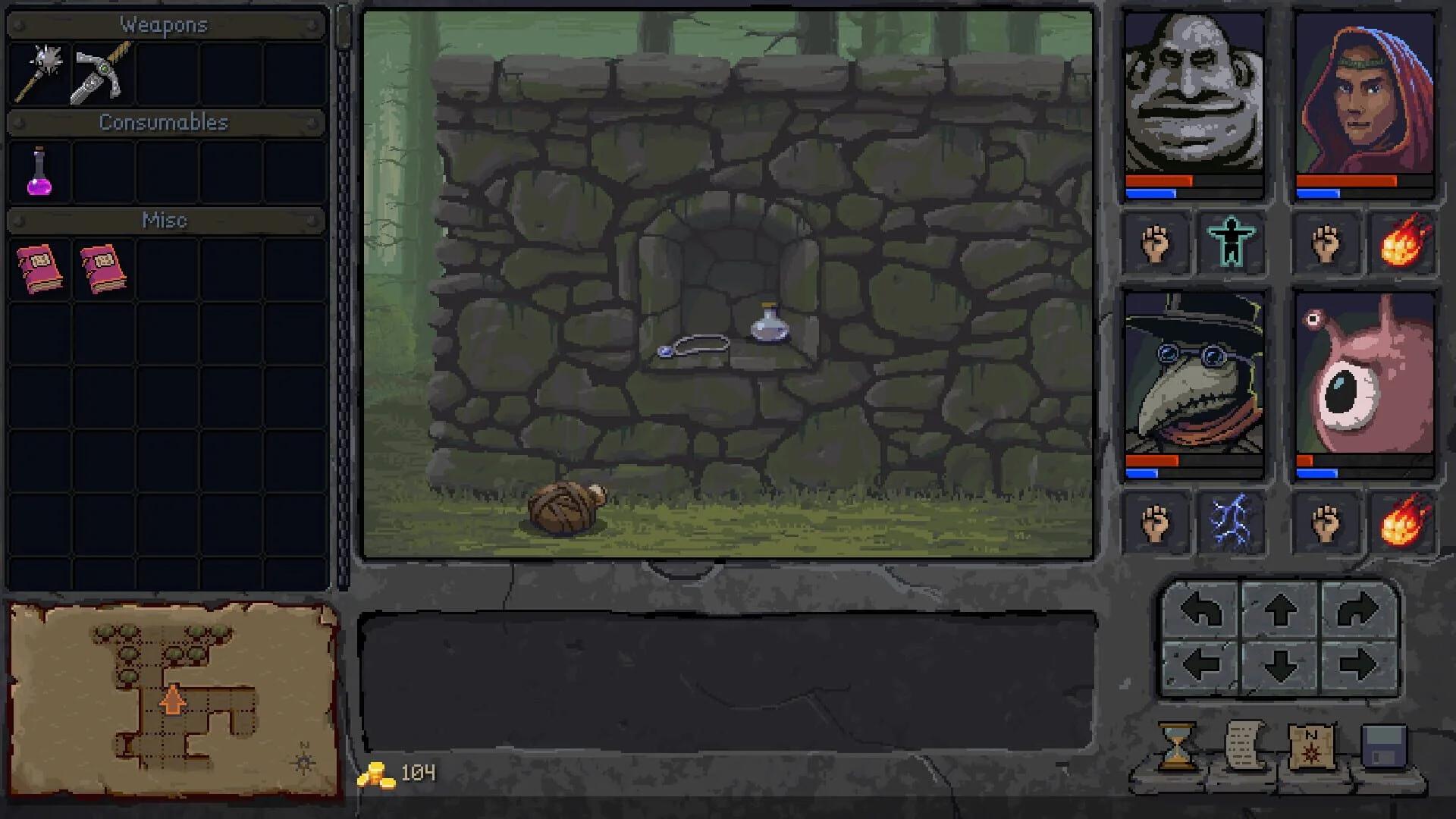
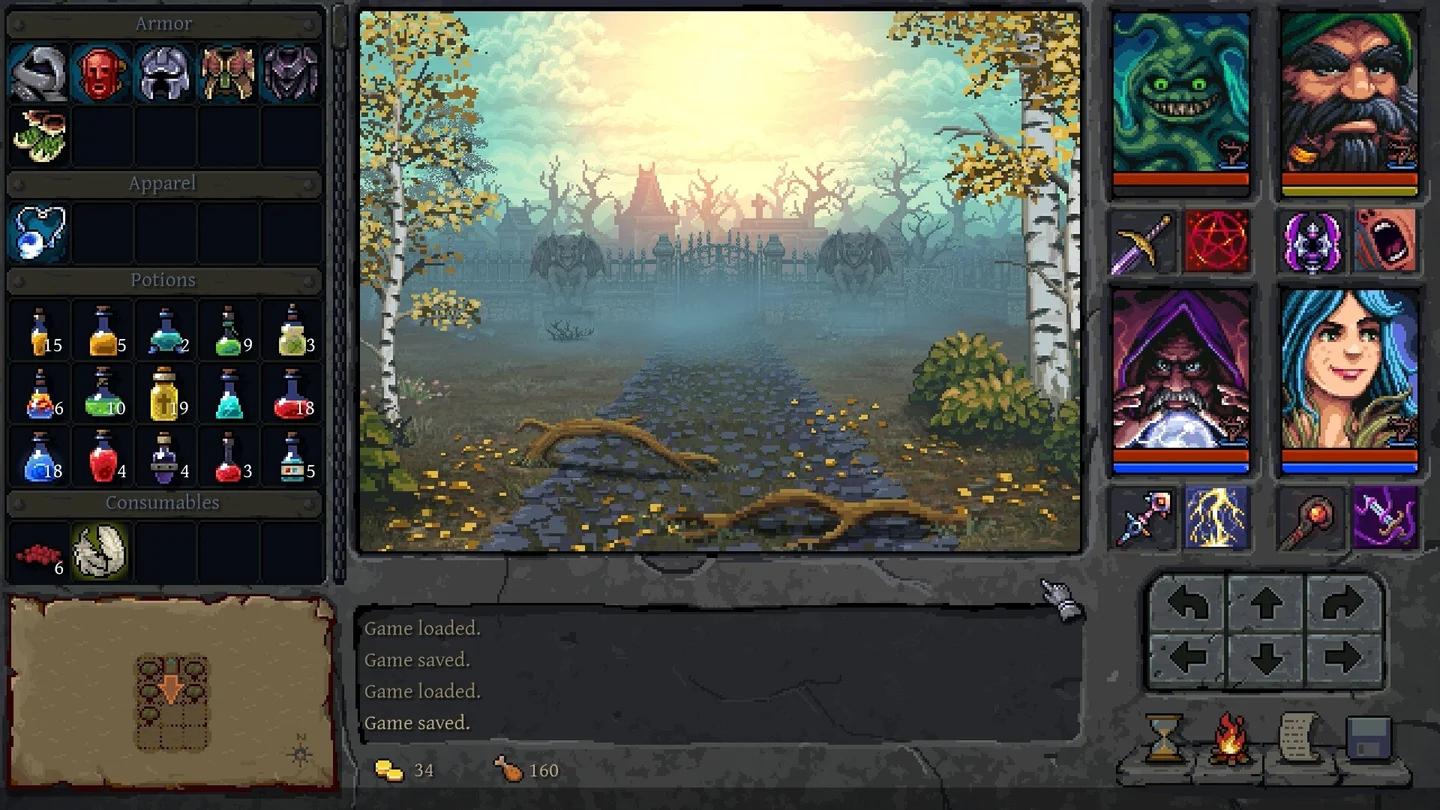
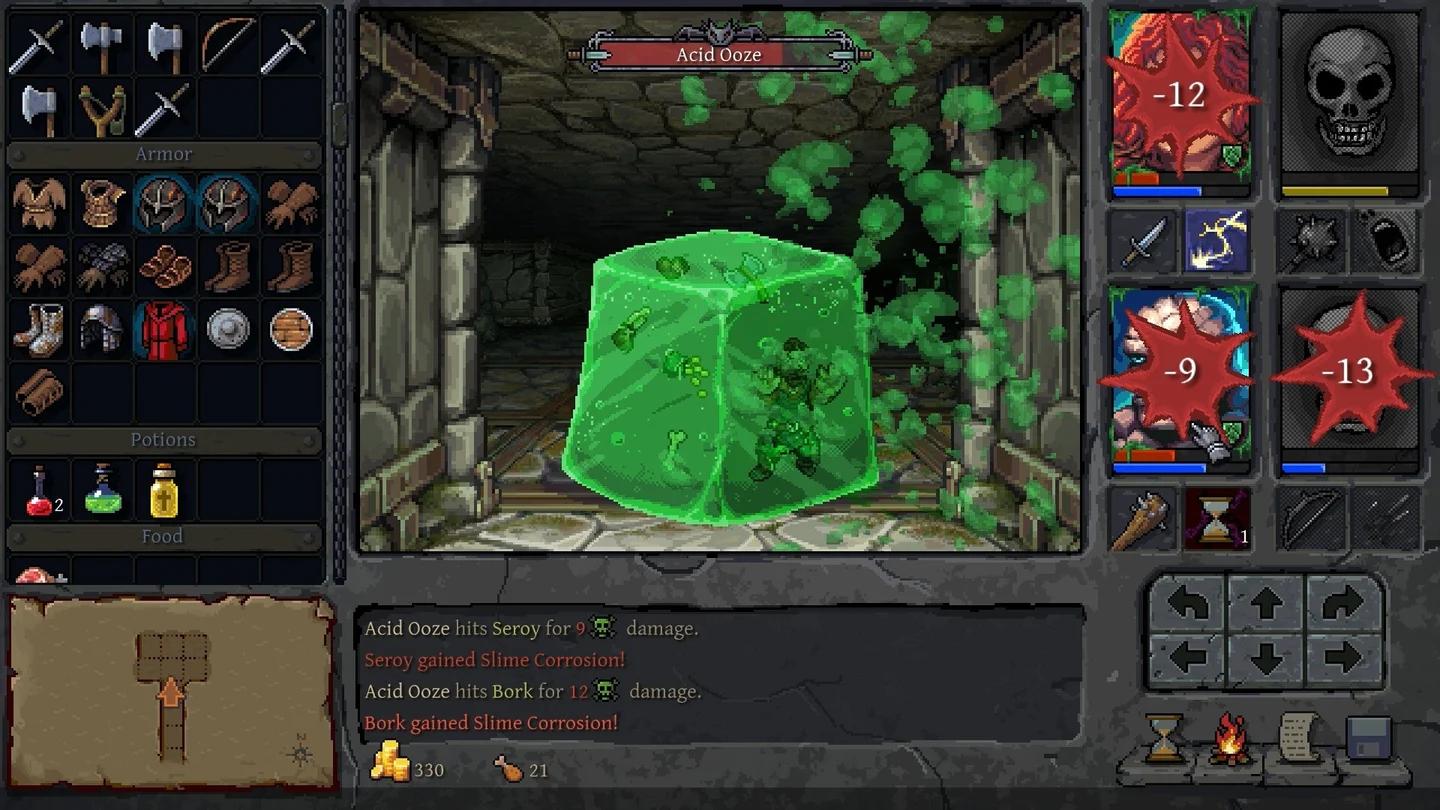
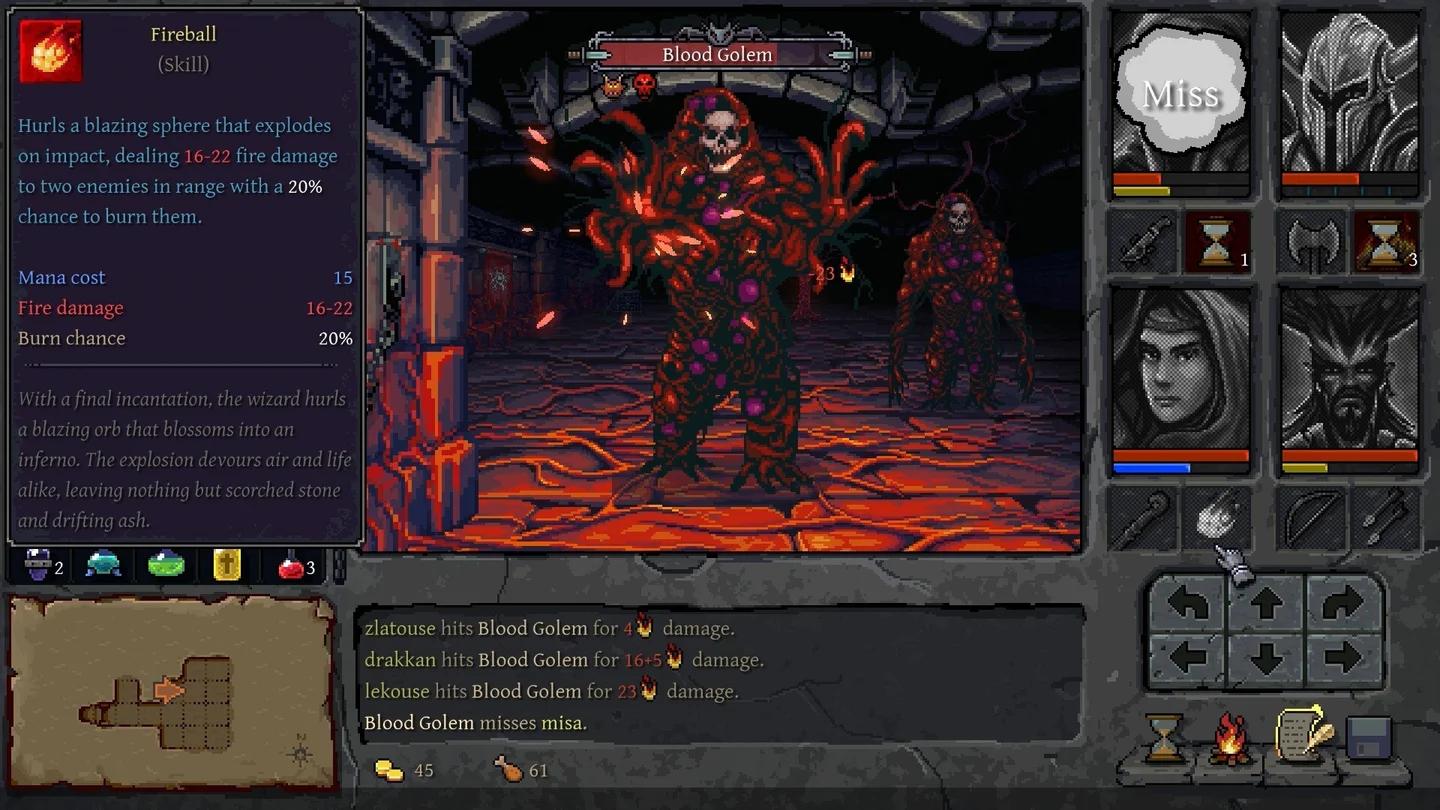
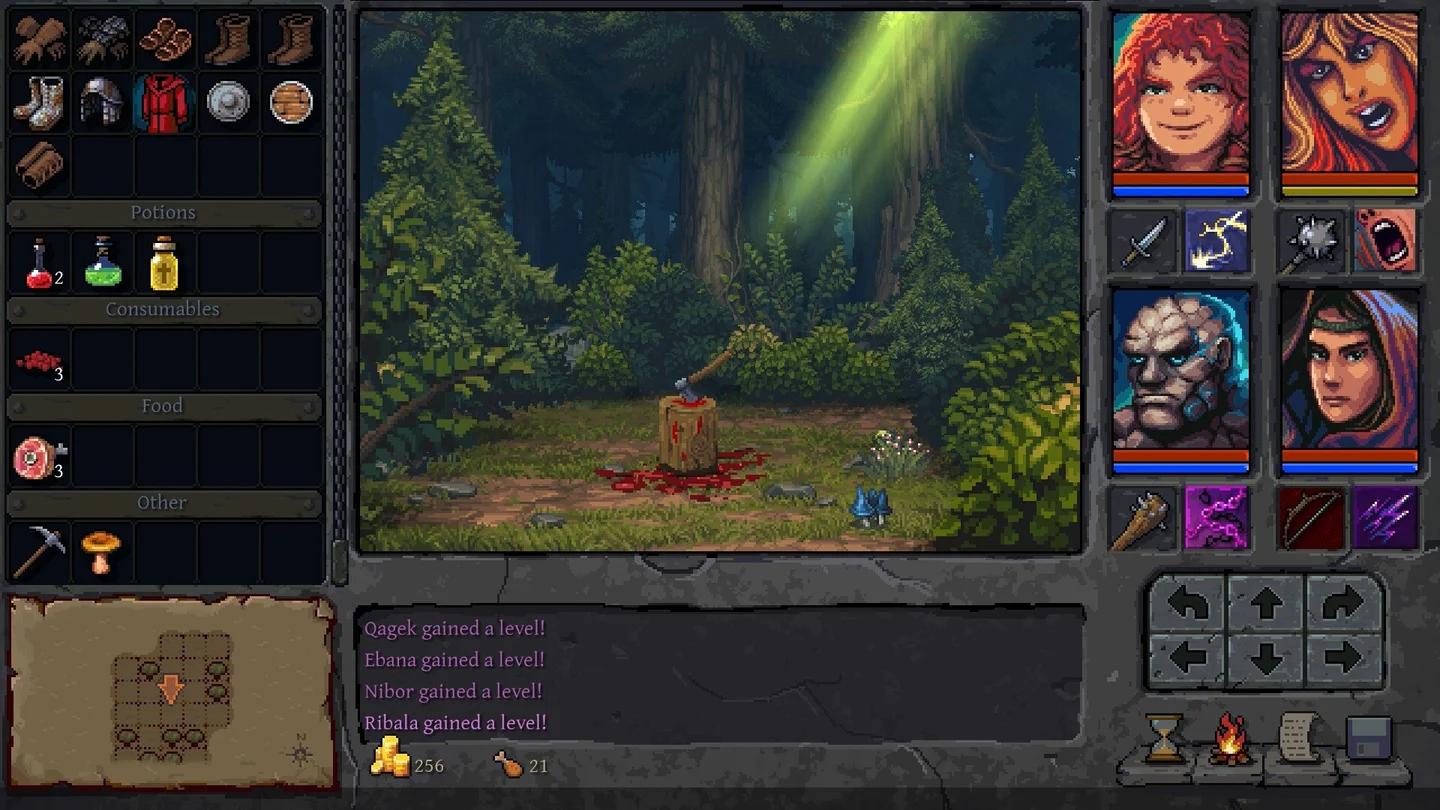
Underkeep is a fantasy dungeon-crawler RPG developed and published by Rake in Grass for Windows, available on Steam. Its design draws on 1990s role-playing games, combining grid-based movement with encounters that emphasize preparation. The adventure moves between fighting, solving puzzles, speaking with locals, and investigating the depths.
The pacing leaves room for careful exploration between battles. Advancing through the dungeon involves more than defeating enemies: concealed routes and optional encounters give the party reasons to investigate beyond the most obvious path. Progress depends on understanding the surroundings as well as handling danger.
How does combat work?
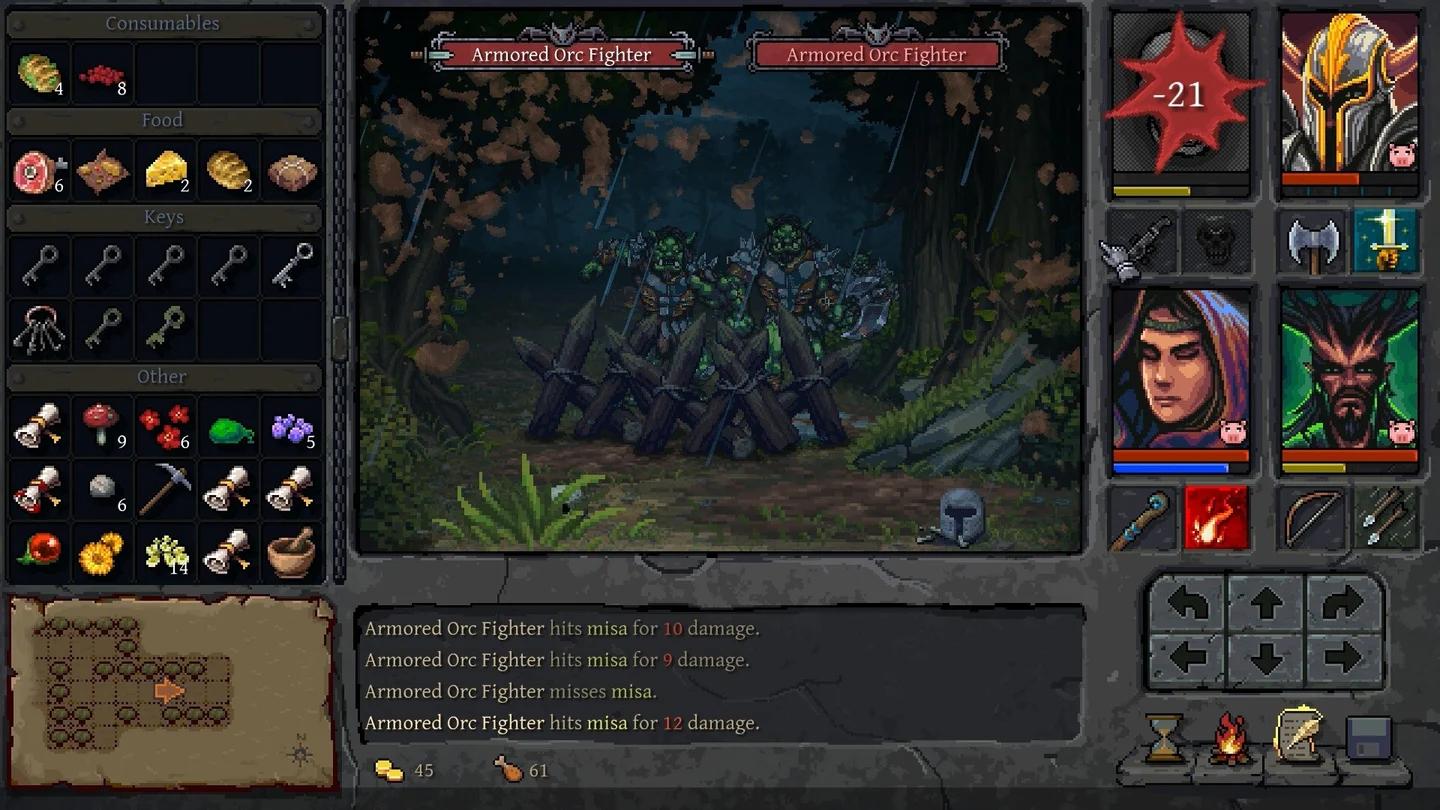
Underkeep uses turn-based combat built around controlling space and managing stamina and mana. Position and resource use shape tactical decisions, while the group's composition determines which strengths and weaknesses enter each encounter.
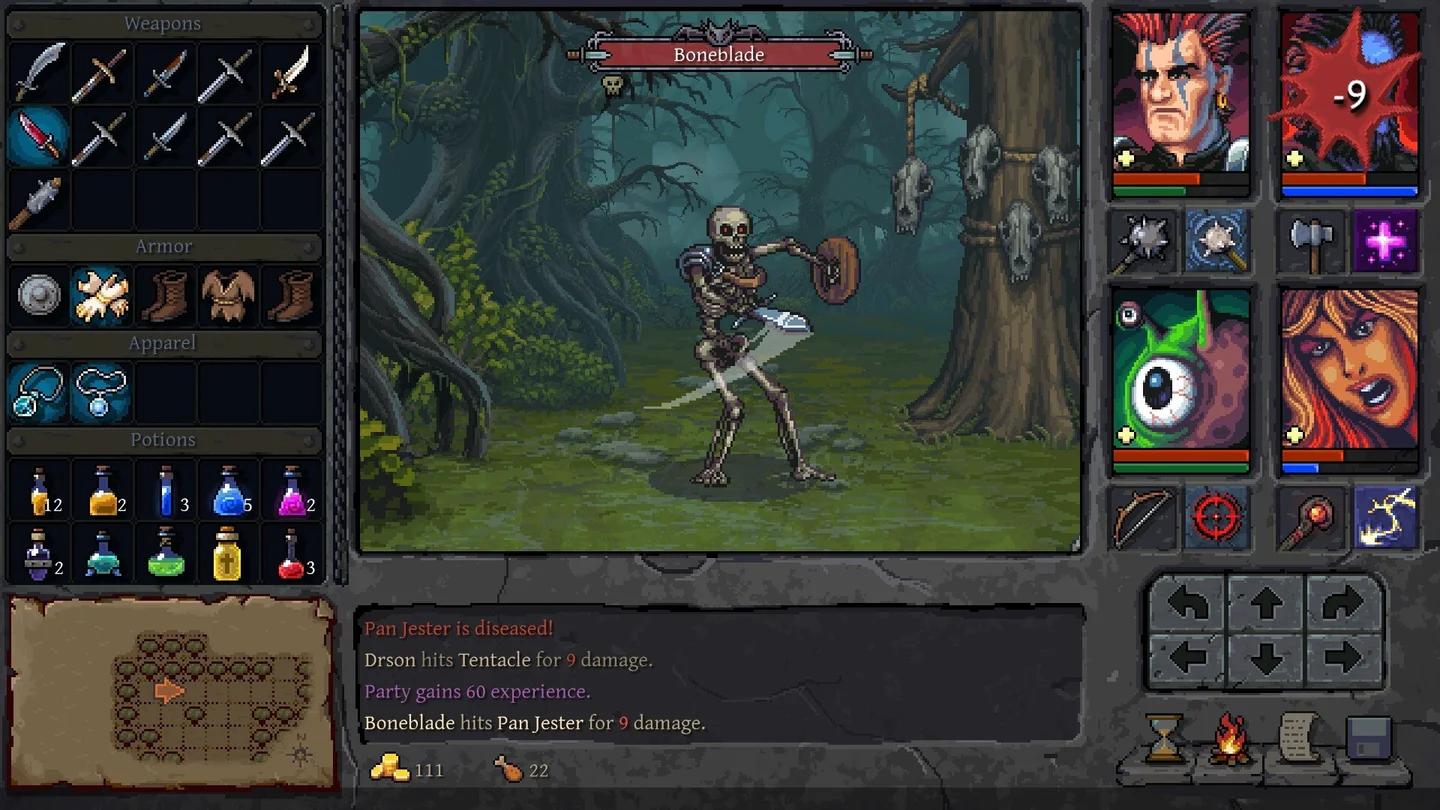
Players select four adventurers whose capabilities need to work together. Party building asks them to consider the whole team, including how one member's strengths can help account for another's limitations. Individual choices affect how the group handles a fight.
Equipment upgrades add another layer of preparation. Choosing the roster and improving its gear are separate decisions: one establishes the party's mix of capabilities, while the other strengthens the adventurers during the descent.
- Four-adventurer party selection
- Turn-based tactical battles
- Spatial control
- Stamina and mana management
- Equipment upgrades
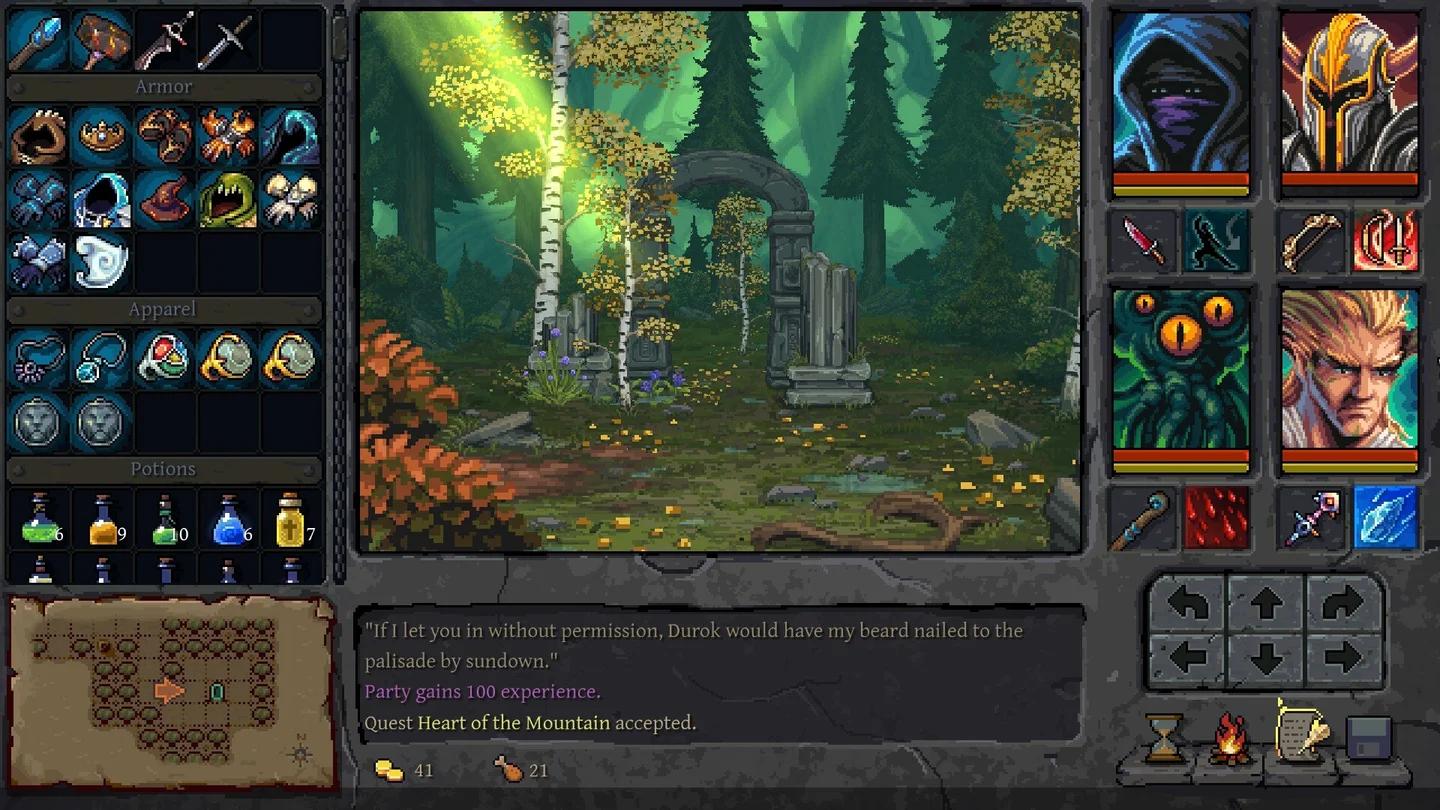
What lies inside the dungeons?
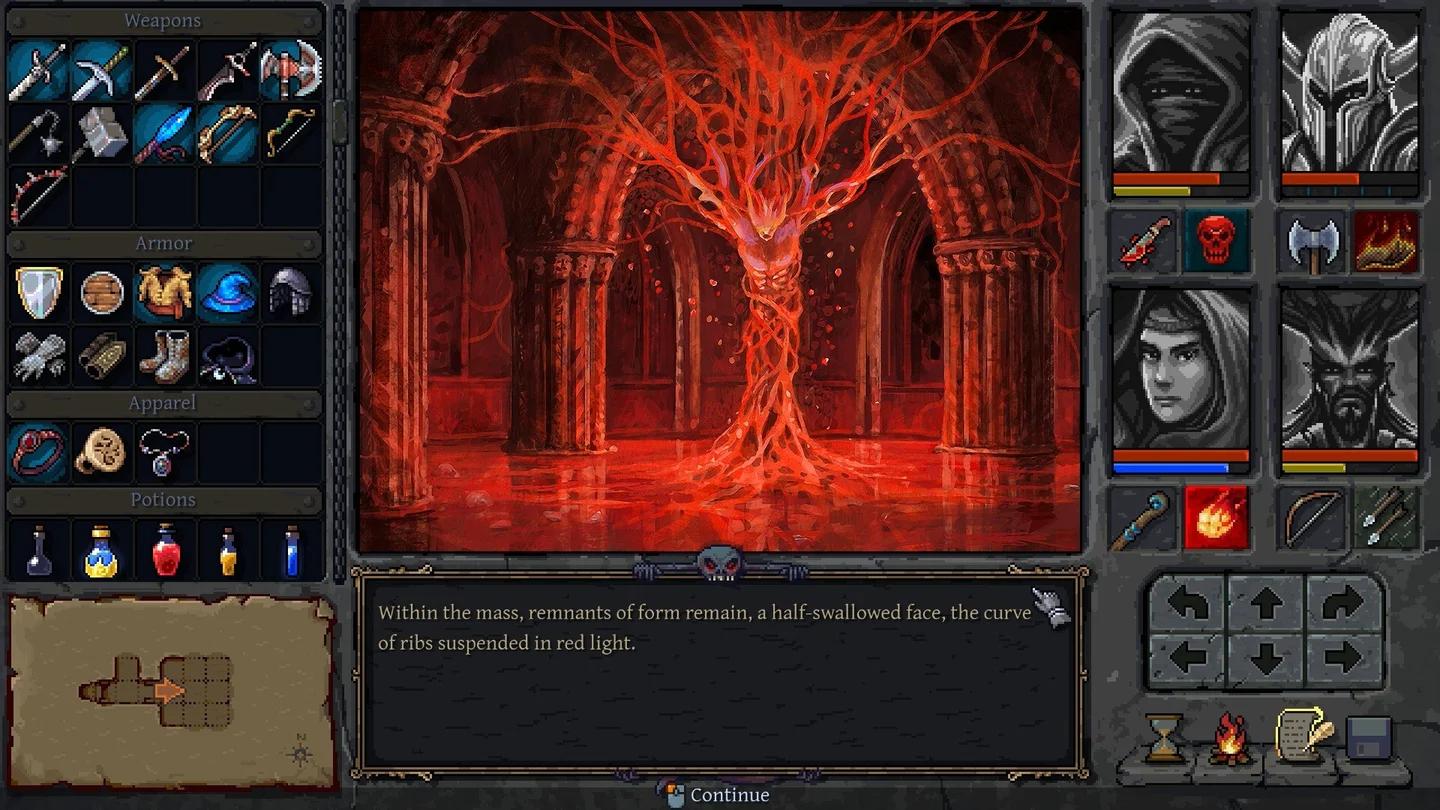
Underkeep uses hand-built dungeon layouts, with deliberately arranged rooms and corridors. Abandoned camps, lingering spirits, strange rituals, and cryptic symbols populate the underground spaces. Conversations with unusual locals add another way to engage with the setting beyond examining rooms or entering combat.
Puzzles belong to the surrounding world and form part of the exploration. The party encounters problems that require investigation alongside threats that require tactical planning, making combat readiness only one part of navigating the depths.
False walls, hidden passages, and concealed alcoves reward attention to the environment. Optional bosses present a different decision: whether to take on an additional encounter. Searching for a route and choosing to confront its dangers remain distinct parts of exploring a dungeon.
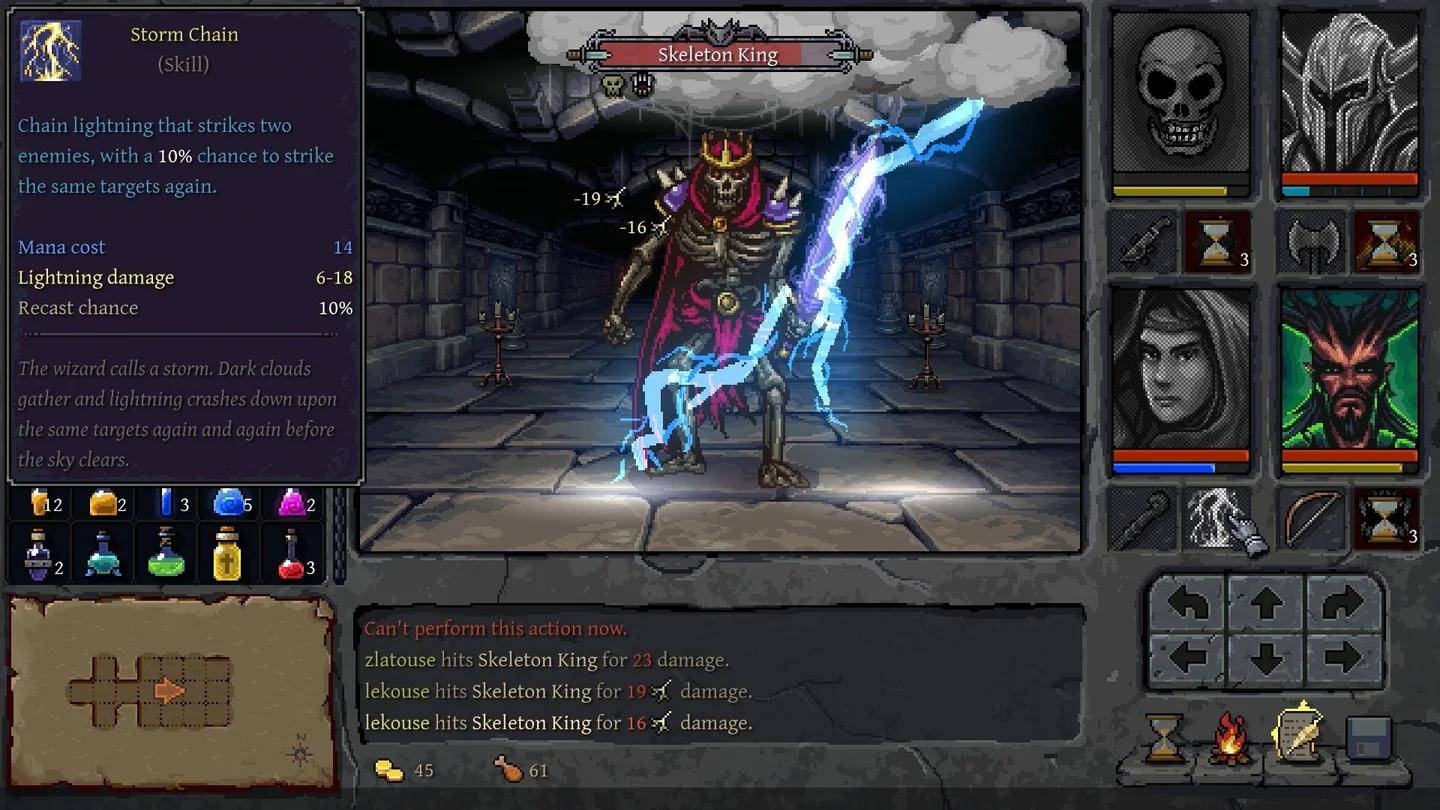
Mapping the descent
The built-in automap tracks the dungeon, while custom markers let players record locations that need another visit. Locked doors, unresolved mysteries, and other points of interest can remain marked as exploration continues elsewhere.
Those annotations support a practical routine: mark an obstruction, investigate accessible corridors, and revisit the recorded location when it deserves another look. Players can keep their own priorities on the map instead of relying entirely on memory to organize unfinished exploration.
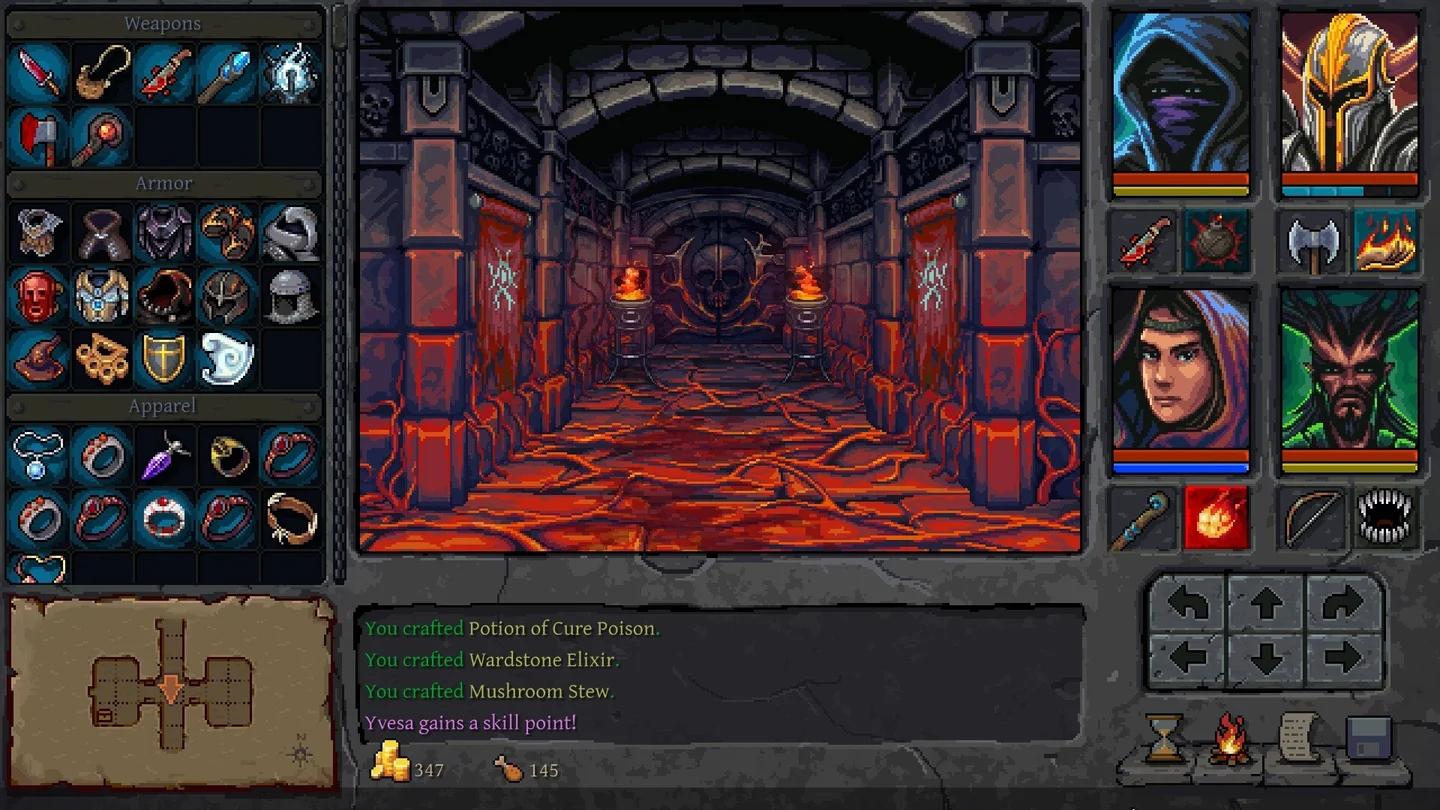
Hand-drawn graphics establish the fantasy world's visual style. Modern controls and clear feedback support the measured pace of grid-based dungeon crawling, with navigation tools handling record-keeping while the party tackles puzzles, hidden routes, and tactical encounters.

