
Advertisement

Overview
Wii Sports arrived with the Nintendo Wii in November 2006 and became one of the most recognizable games in history, shipping bundled with the console in most regions. Developed by Nintendo EAD Software Development Group No. 2, it packages five sports into a single collection: tennis, baseball, golf, bowling, and boxing. Each sport strips its real-world counterpart down to the essentials and maps those movements directly onto the Wii Remote, making the barrier to entry practically nonexistent.
The game's staying power comes from how well it reads physical input. Swinging the remote like a tennis racket or rolling it forward like a bowling ball produces results that feel proportional and satisfying. There's no complex button mapping to memorize, which is exactly why Wii Sports became the game that introduced millions of people to the Wii in the first place.
Wii Sports content image
Gameplay and mechanics
Each sport in Wii Sports is built around a single motion-control concept executed cleanly:
Wii Sports content image
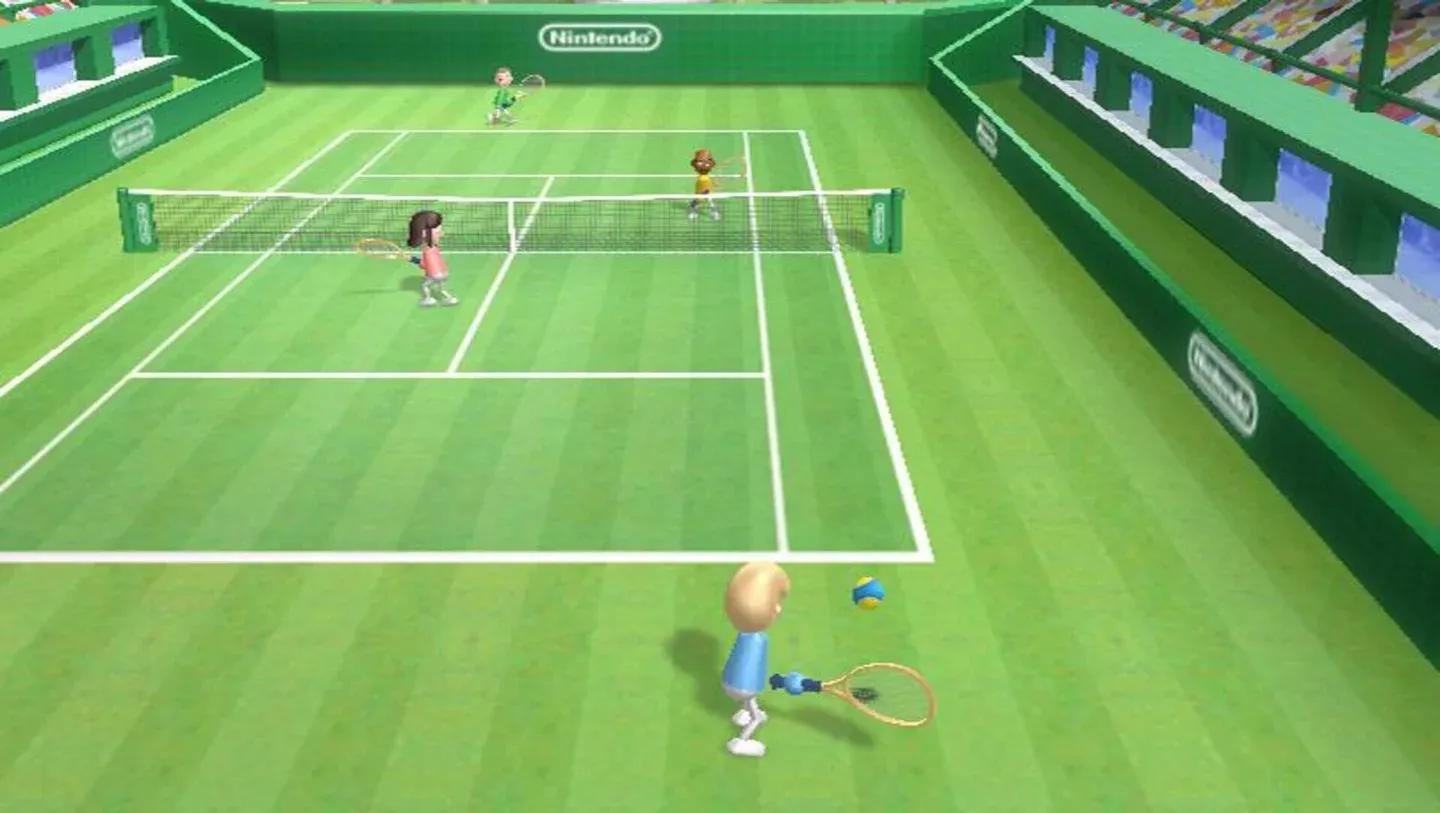
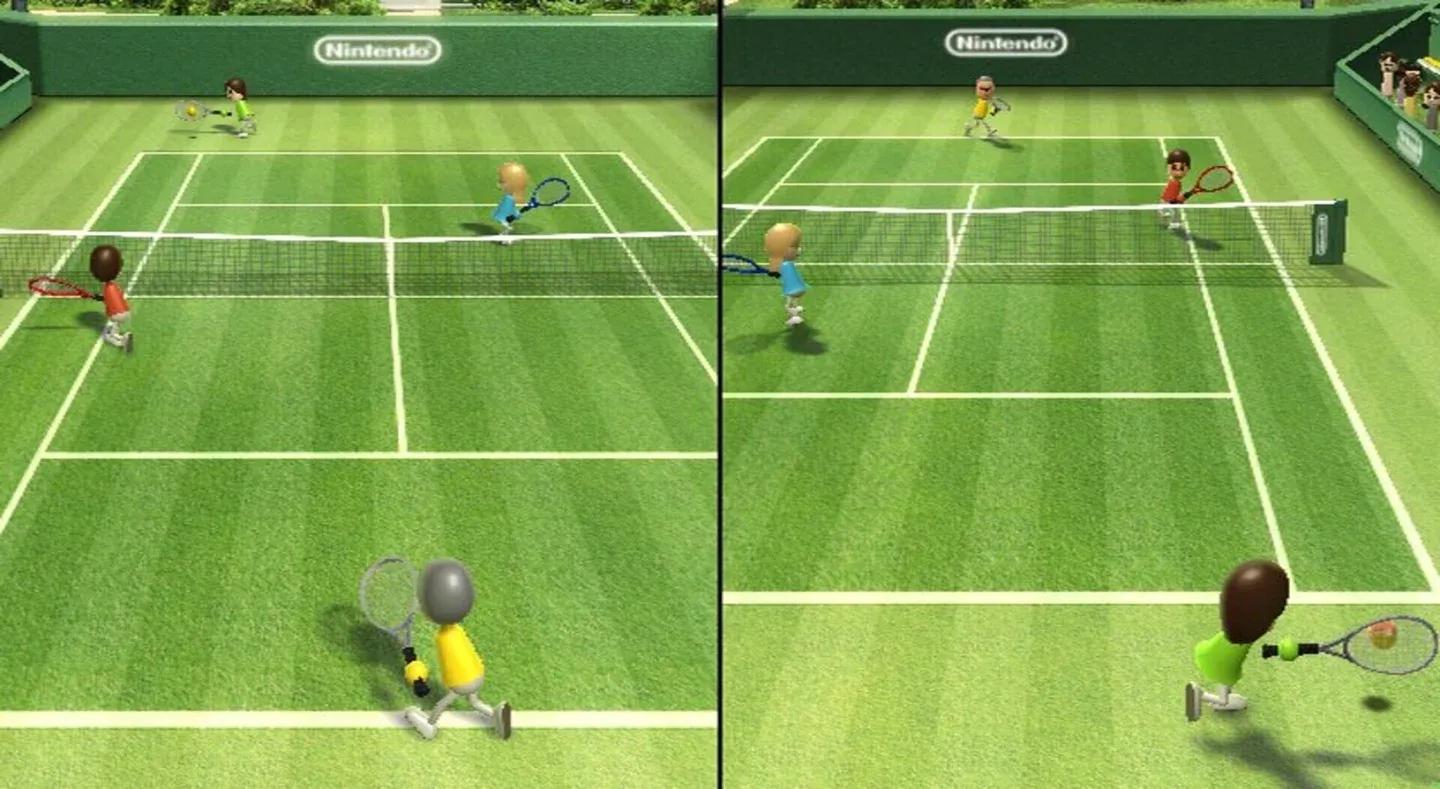
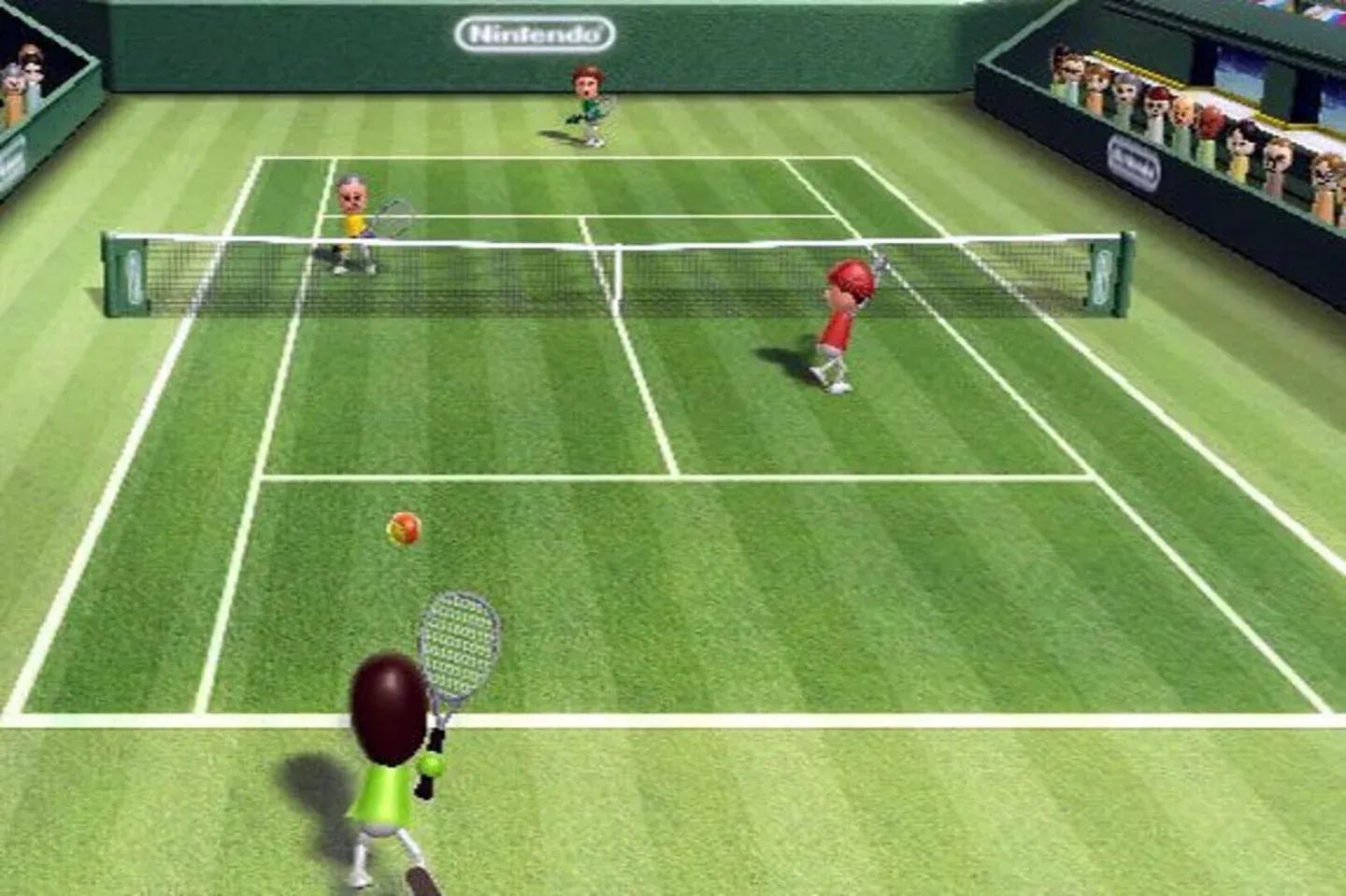
- Tennis: swing timing determines shot direction and power
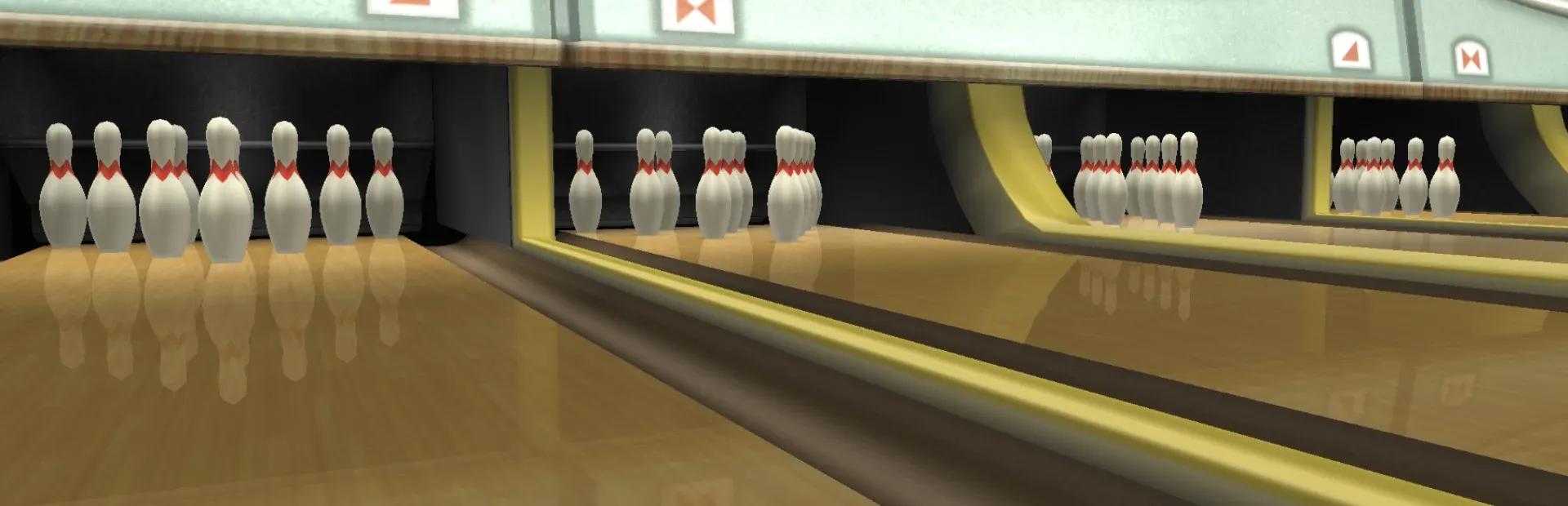
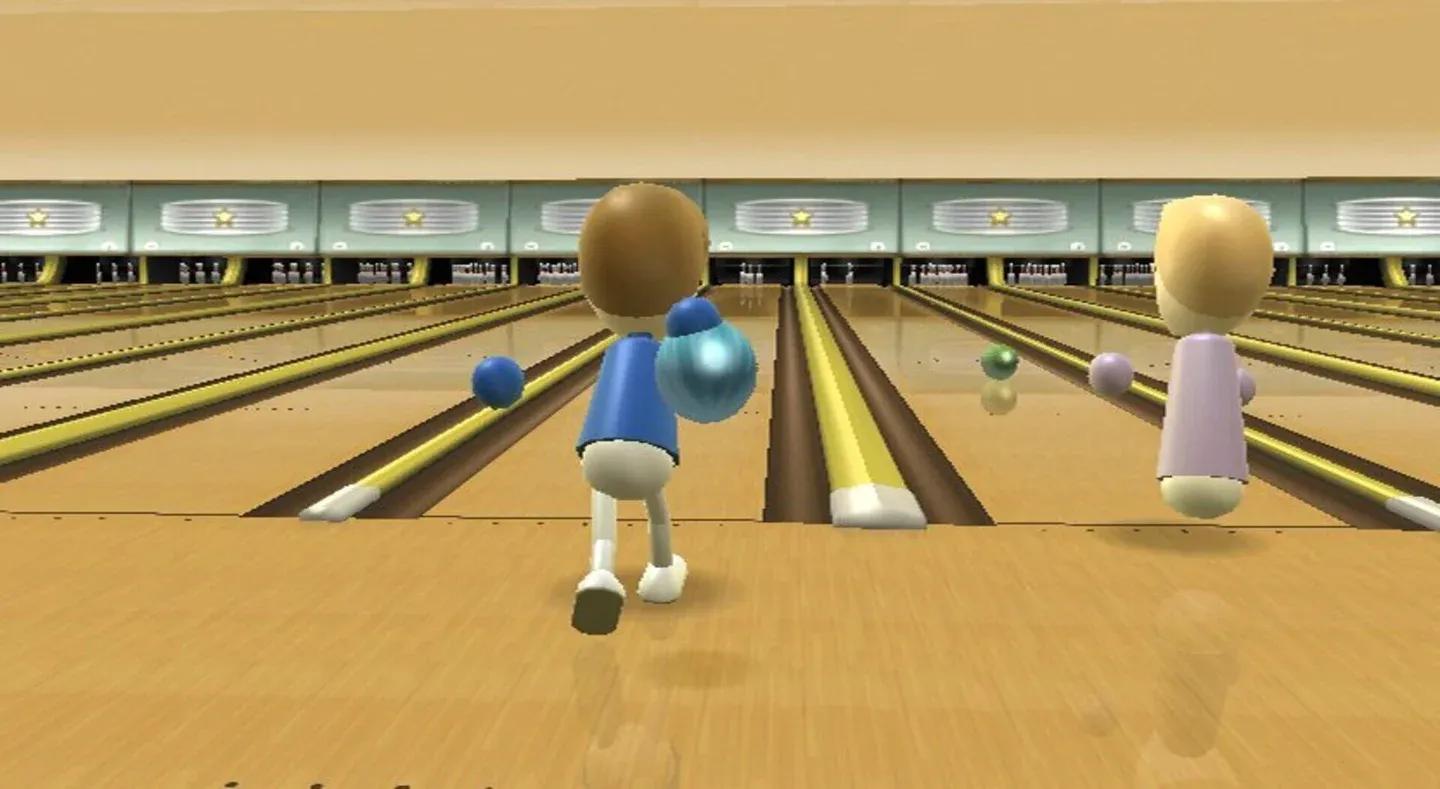
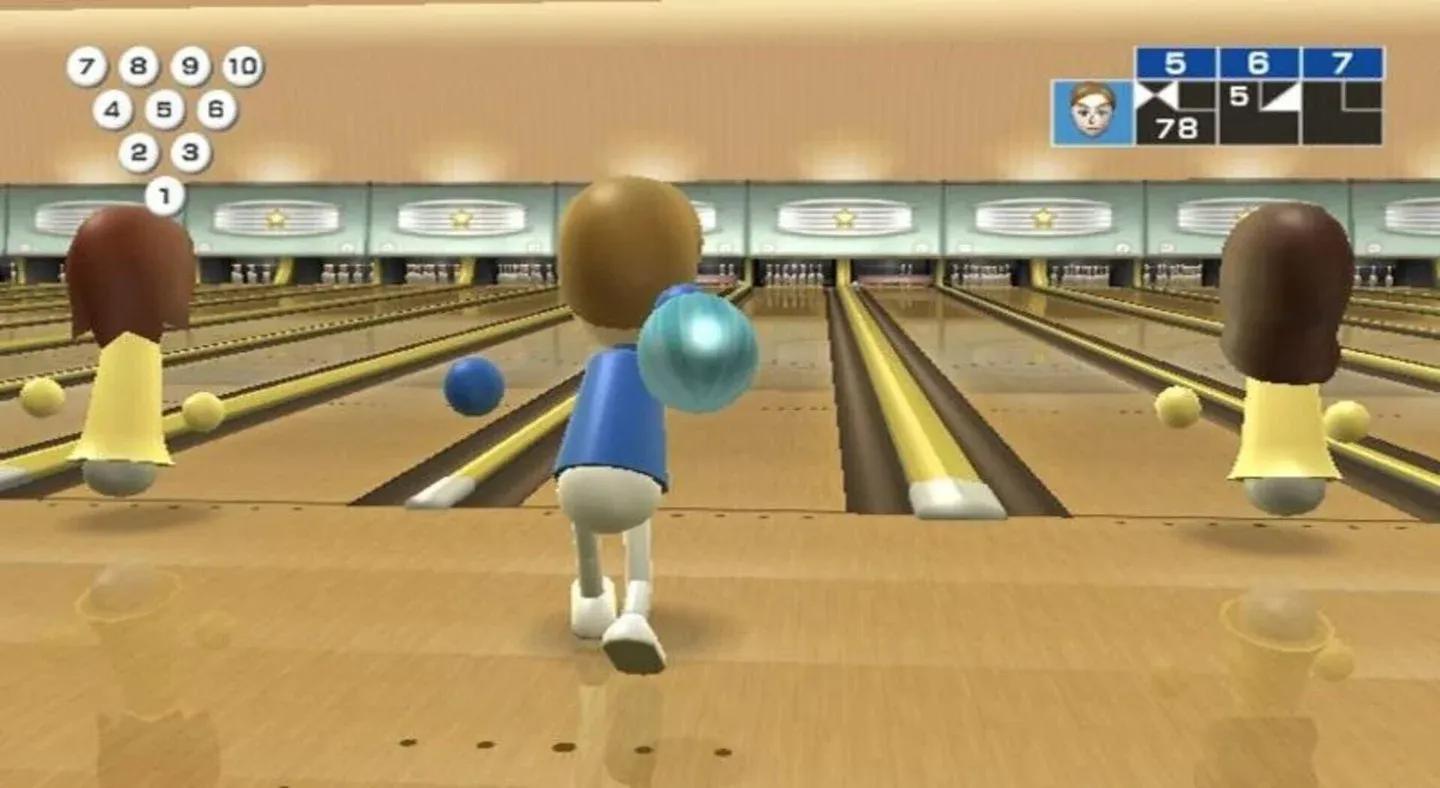
- Bowling: release angle and spin affect ball trajectory
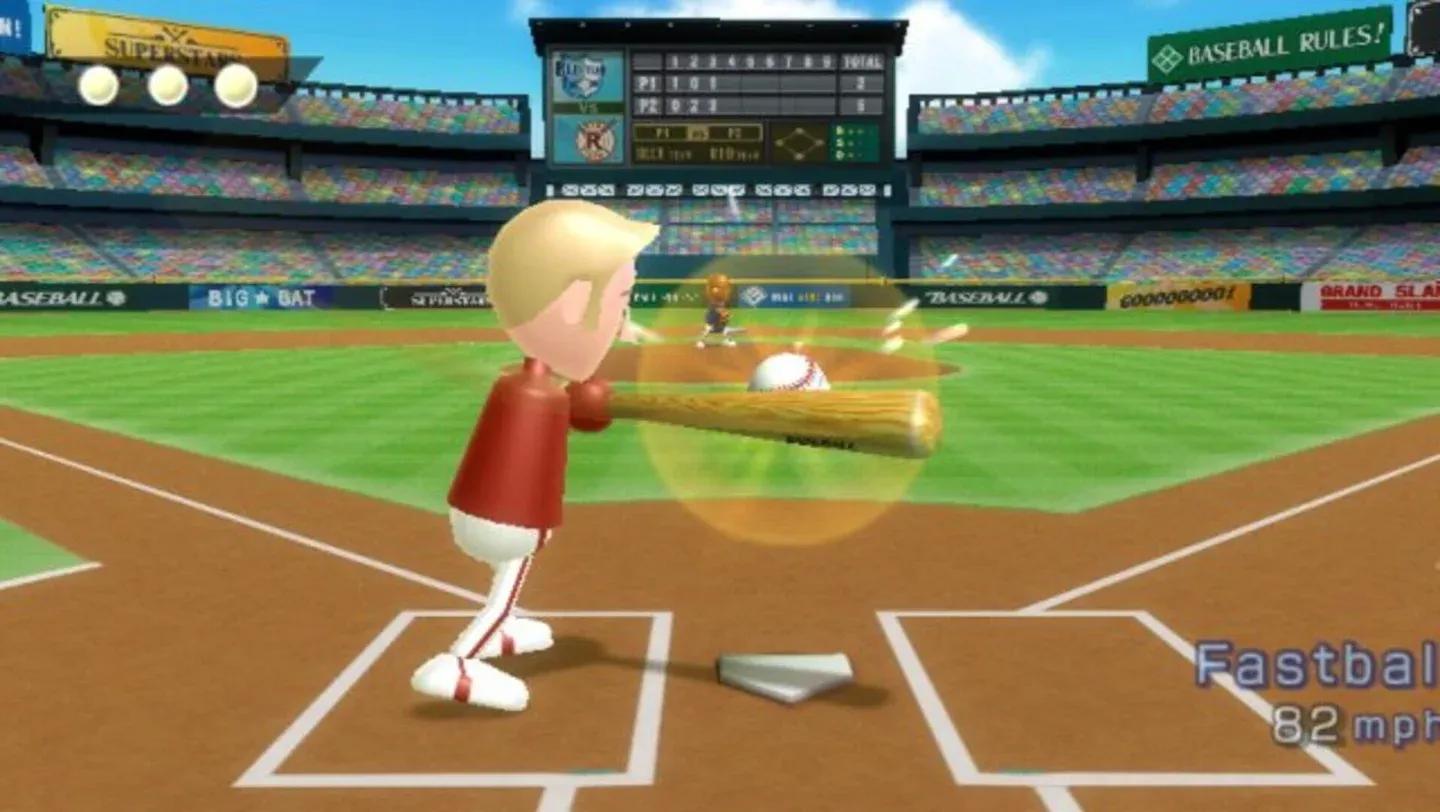
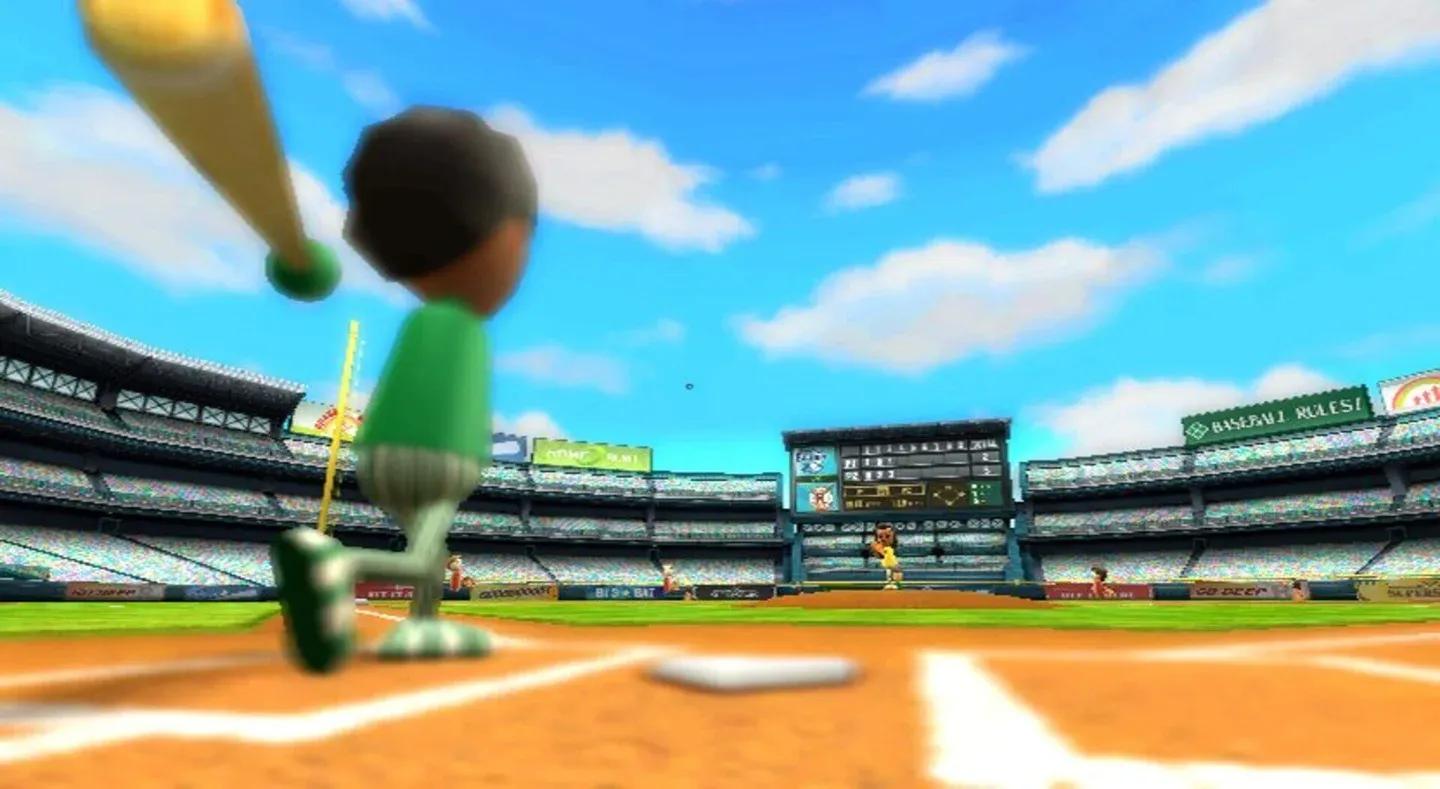
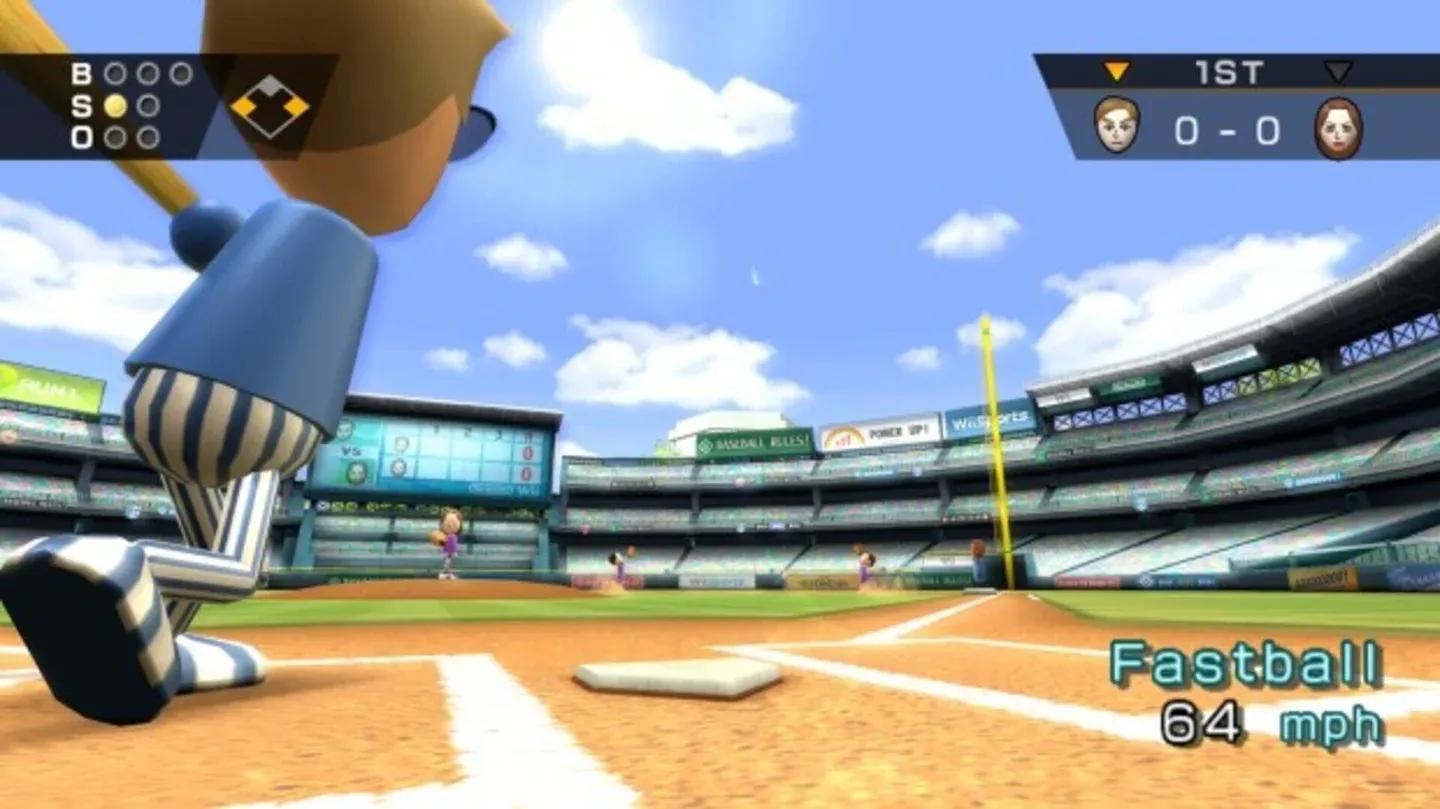
- Baseball: batting timing and pitching motion control gameplay
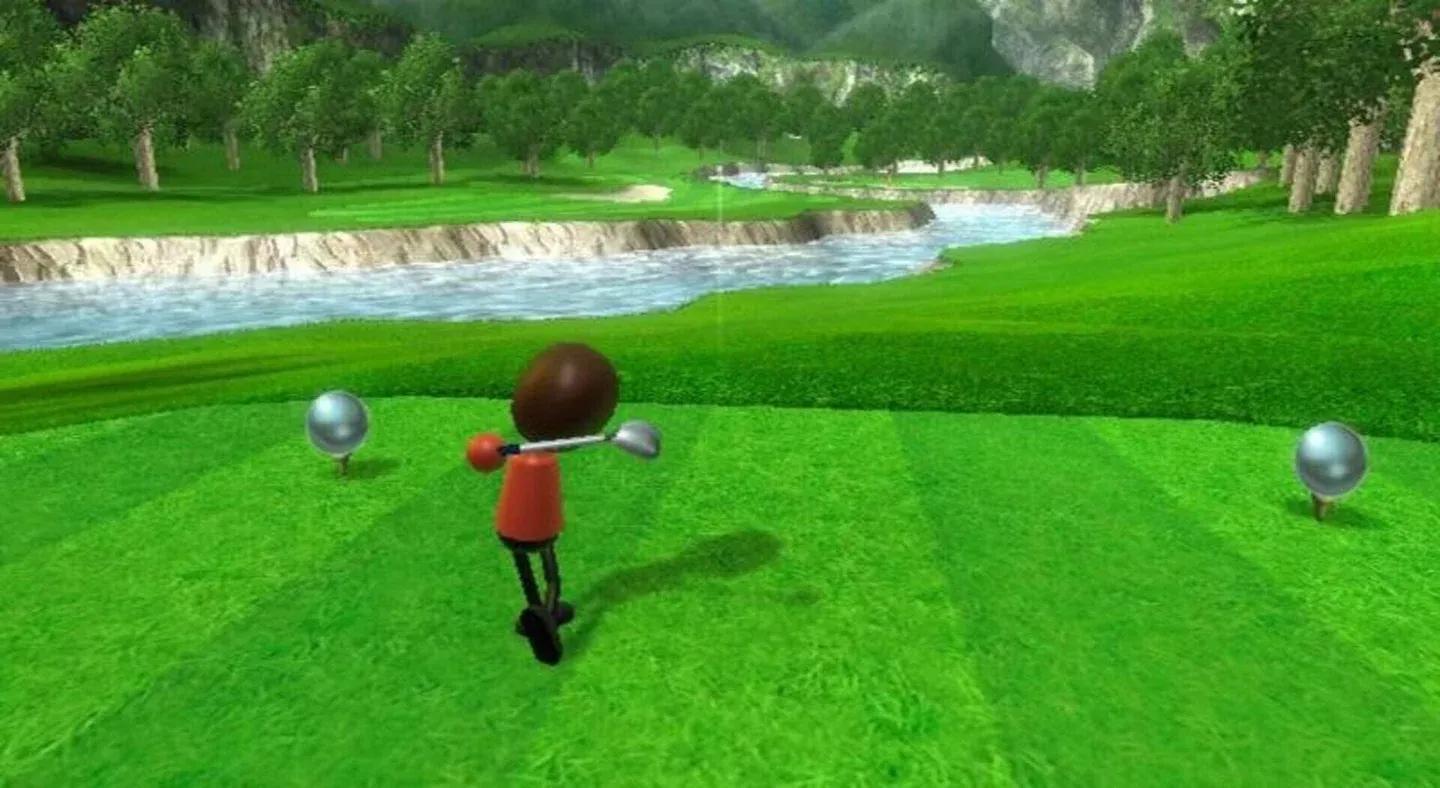
- Golf: backswing and follow-through determine shot distance
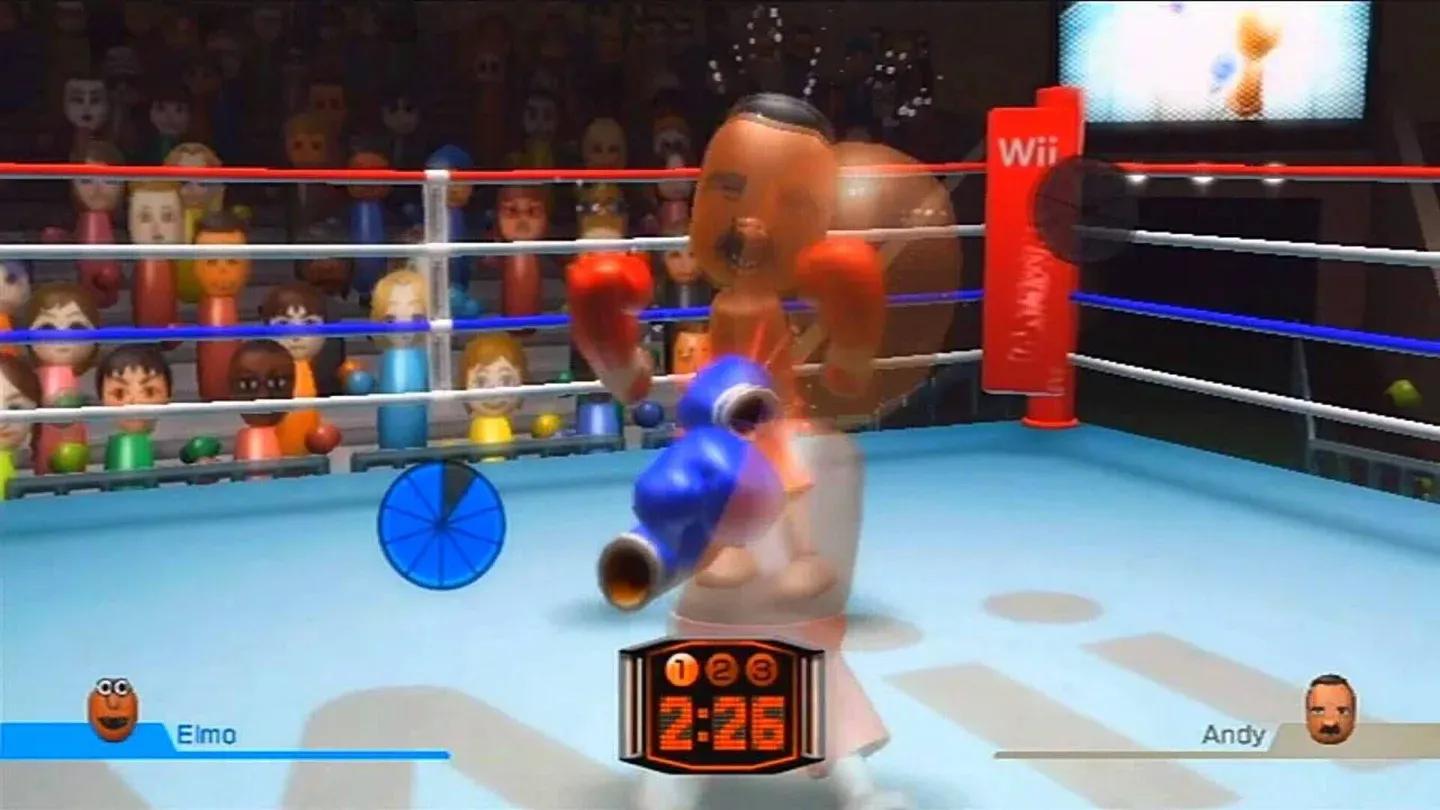
- Boxing: both hands control punches and defensive movement
Bowling is arguably the most refined of the five. The physics respond to subtle wrist rotation, rewarding players who figure out how to hook the ball into the pocket. Golf requires the most precision, demanding a controlled swing arc to land on the green. Boxing, by contrast, is the most physically demanding, asking players to throw actual punches with both hands while ducking incoming blows.
Wii Sports content image
Multiplayer and social appeal
Wii Sports is fundamentally a multiplayer game. The single-player Training modes and Fitness channel offer solo content, but the game's reputation was built in shared spaces. Up to four players can compete in tennis and bowling, while baseball and boxing support two. The Mii avatar system ties directly into the experience, letting players compete as their own custom characters, which adds a layer of personal investment that few sports games of the era matched.
The Skill Level system tracks player performance over time, awarding points for wins and deducting them for losses. Reaching Pro status in any sport unlocks a subtle visual change to the court or course, giving dedicated players something to chase beyond casual play.
Innovation and unique features
Wii Sports didn't just sell hardware; it changed what people thought a video game could be. The motion controls weren't a gimmick in the hands of Nintendo's designers. They were the entire design philosophy. By tying input to physical gesture rather than button presses, the game made sports feel tactile in a way that traditional controllers couldn't replicate at the time.
The Wii Fitness feature, which estimates a player's "Wii Fitness Age" based on performance across three daily tests, was ahead of its time as a casual wellness mechanic. It gave players a reason to return daily without the pressure of a traditional progression system.
Wii Sports content image
Impact and legacy
Wii Sports sold over 82 million copies, making it one of the best-selling video games ever released. It defined the Wii's identity as a social, accessible platform and remains a reference point for motion-controlled gaming. The sports simulation genre owes a measurable debt to the design principles Nintendo established here: reduce complexity, amplify physicality, and make the first five minutes feel like the best five minutes. That formula still holds up.