Overview
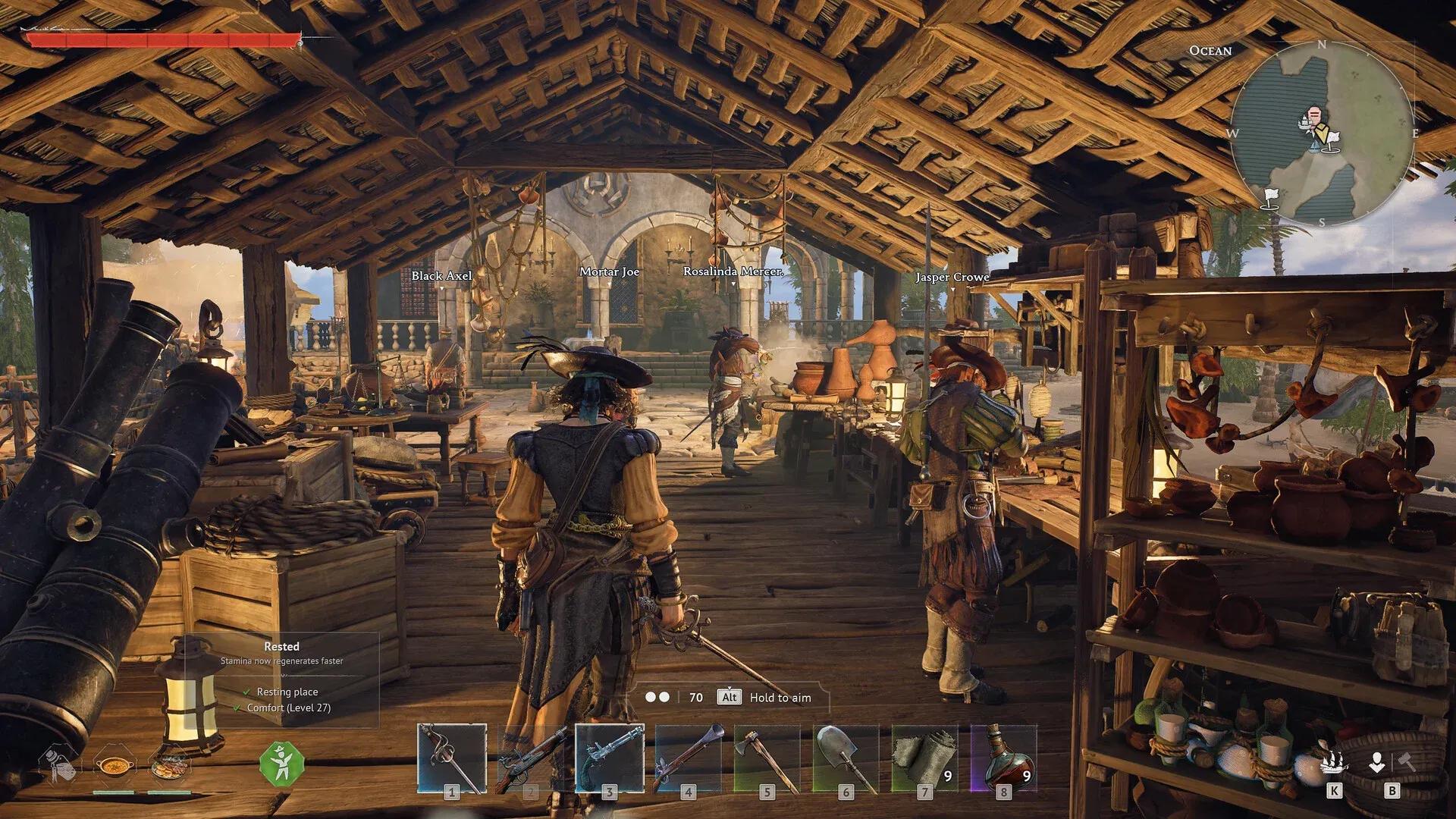
Windrose establishes itself as a survival-focused action RPG that captures the brutal romance of pirate life through interconnected gameplay systems. The procedural world generation ensures each playthrough presents unique challenges, while the soulslike combat framework demands precision and pattern recognition from players facing down powerful adversaries. The integration of ship-based gameplay with traditional survival elements creates a distinctive loop where resource management directly impacts both seafaring capabilities and combat readiness.
The game's structure supports both solo adventurers and cooperative crews, with systems designed to accommodate different playstyles. Players navigate between terrestrial exploration and maritime navigation, with each environment presenting distinct threats and opportunities. The crafting and building mechanics tie directly into progression, requiring strategic decisions about resource allocation across multiple interconnected systems.
What Makes the Combat System Unique?
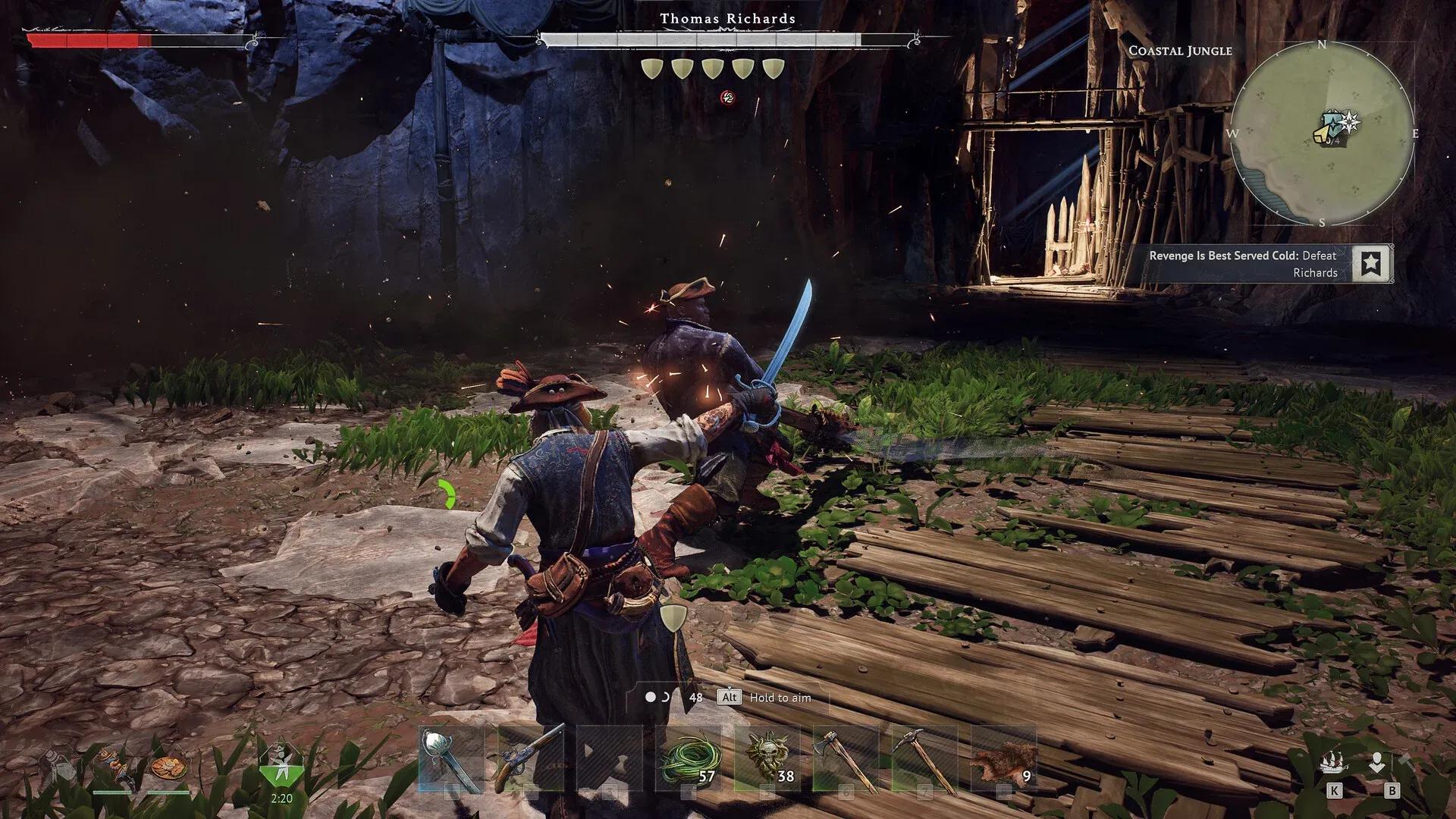
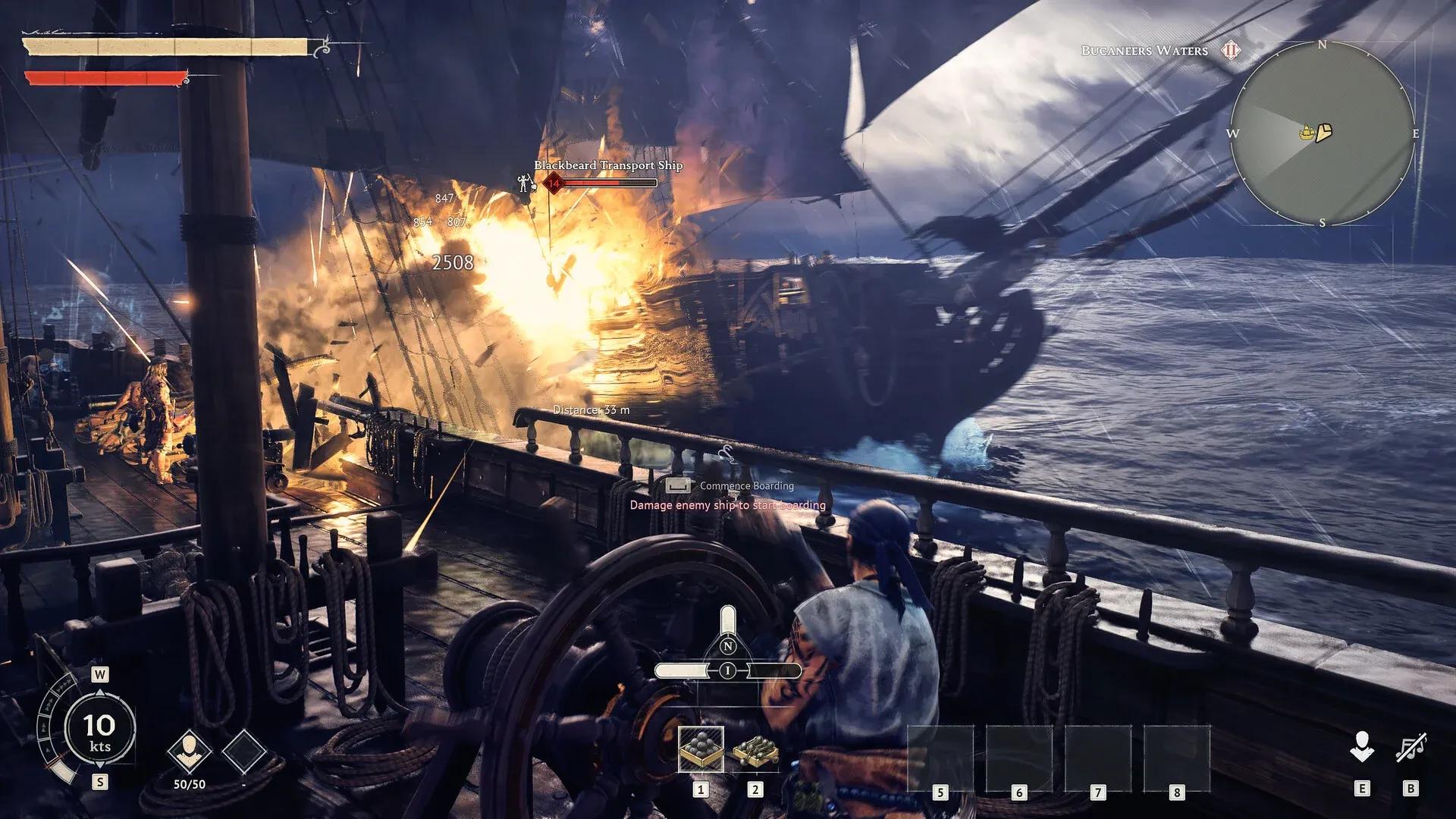
The soulslike combat design brings deliberate, methodical encounters to the pirate setting. Boss battles serve as major progression gates, testing players' mastery of timing, positioning, and resource management. Unlike traditional action RPGs that favor button-mashing, Windrose rewards patience and observation, forcing players to study enemy patterns before committing to attacks.
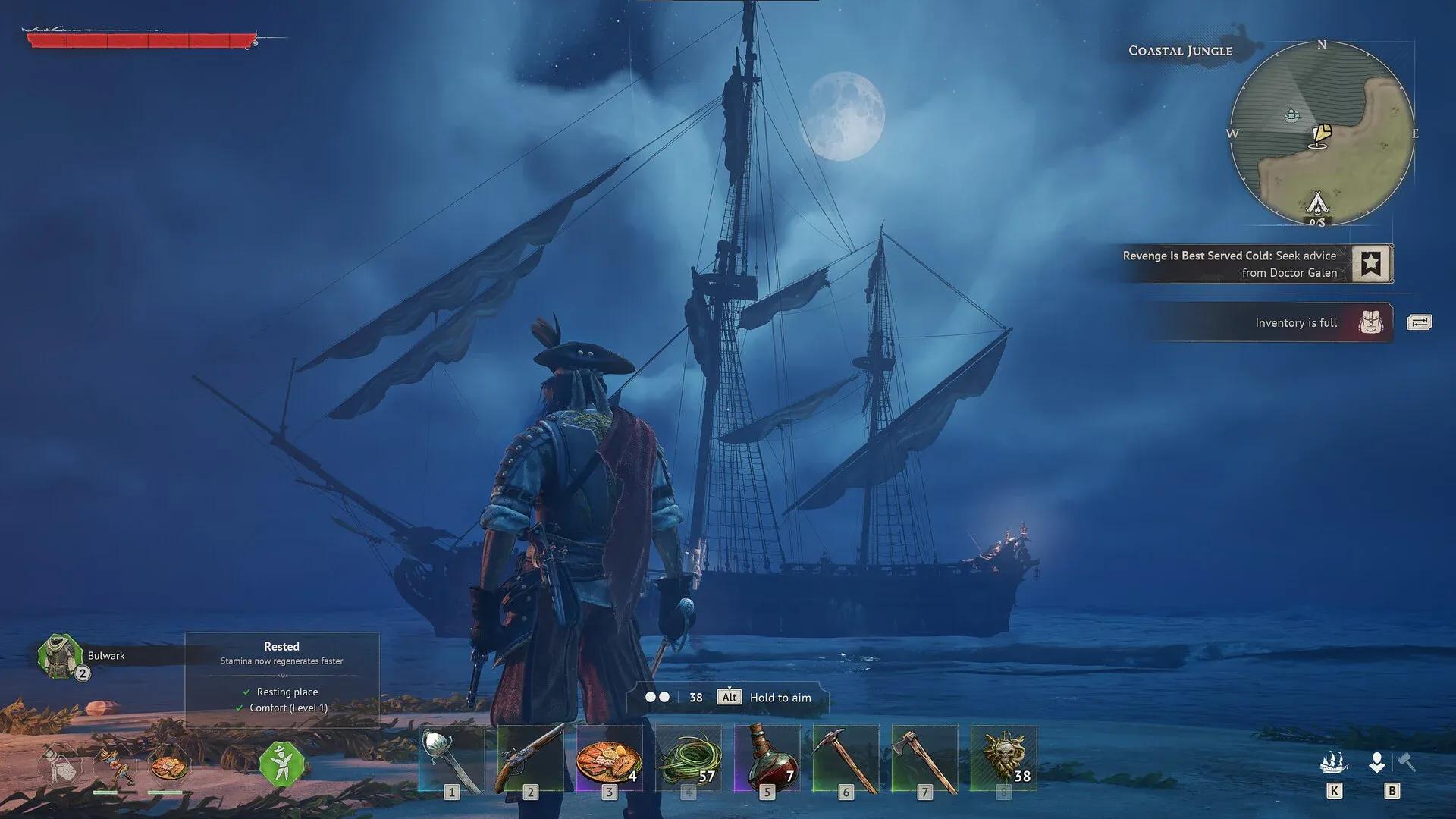
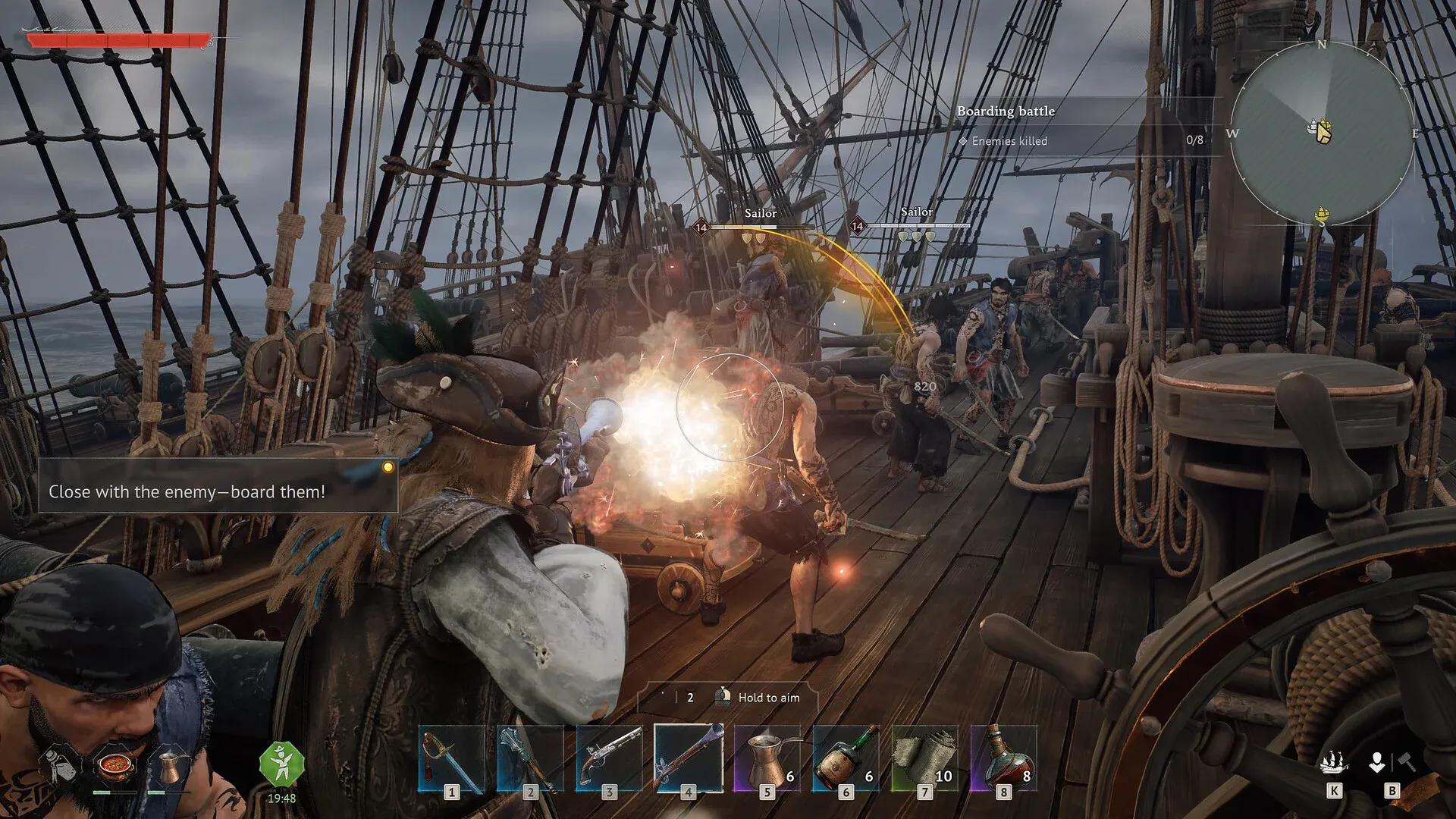
Combat encounters shift dramatically between land and sea engagements. Naval battles introduce variables like wind direction, ship positioning, and crew coordination that fundamentally alter tactical approaches. The transition between these two combat modes prevents mechanical monotony while demanding versatility from players who must excel in both arenas.
Windrose
Survival and Crafting Systems
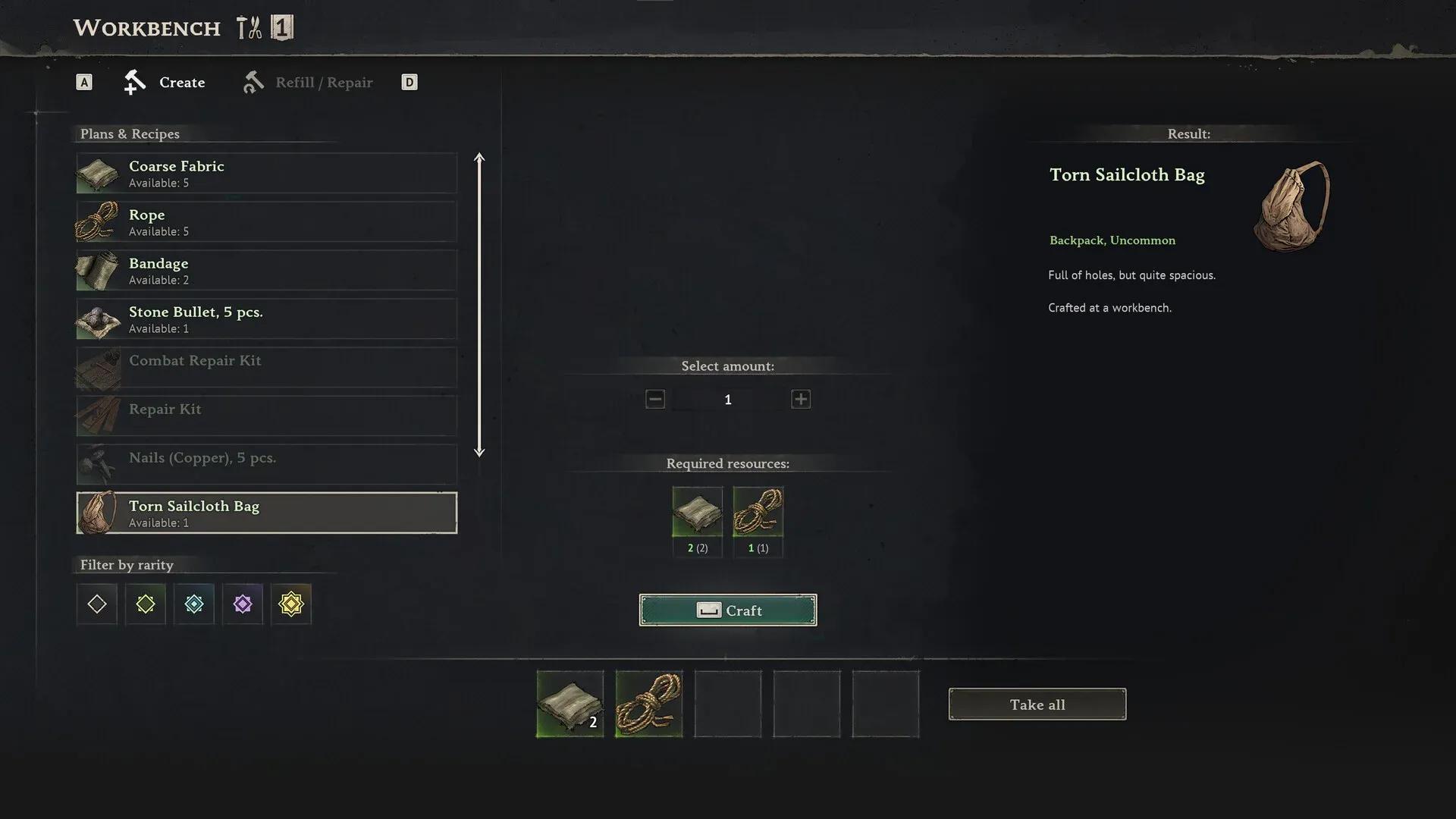
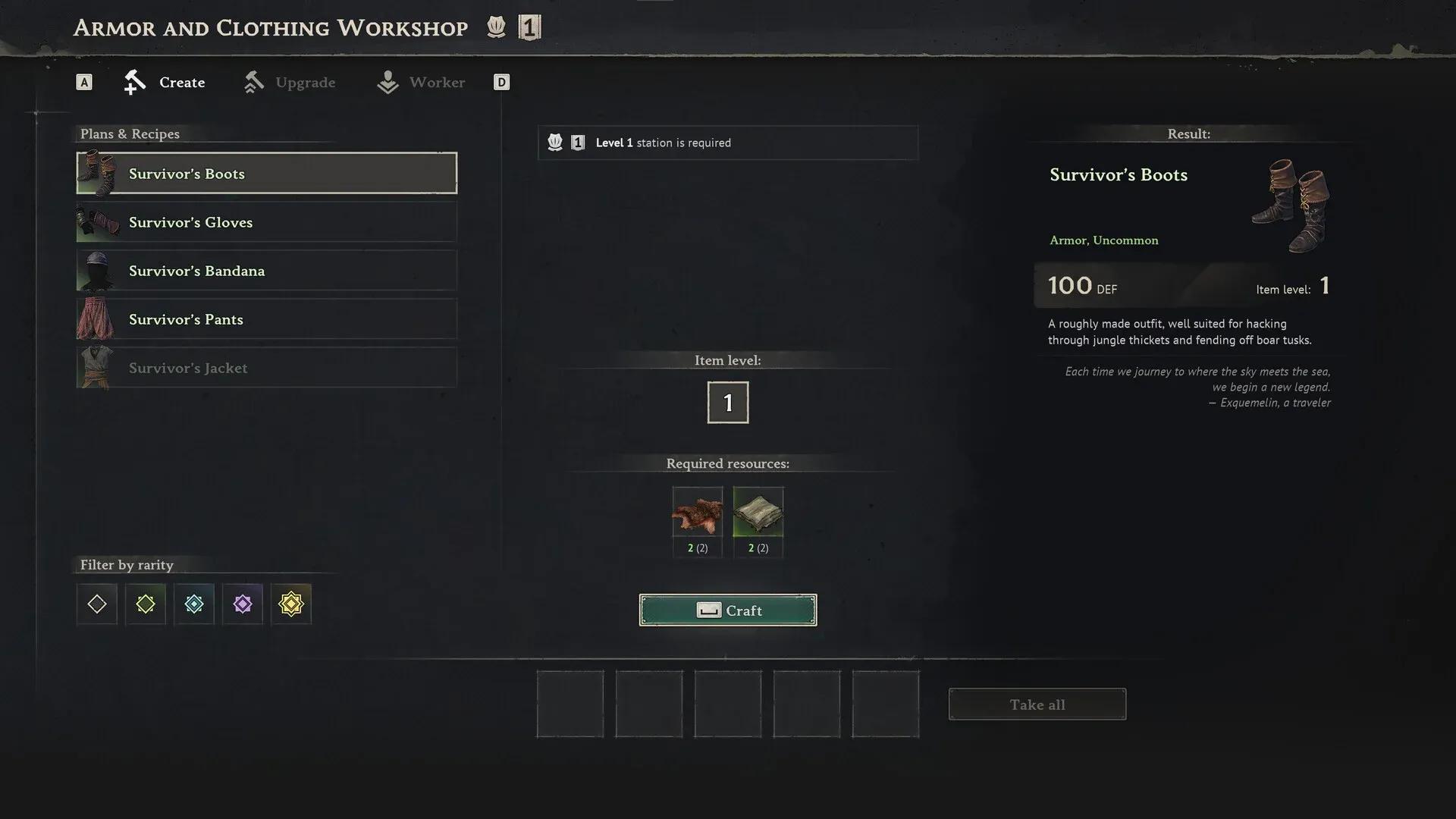
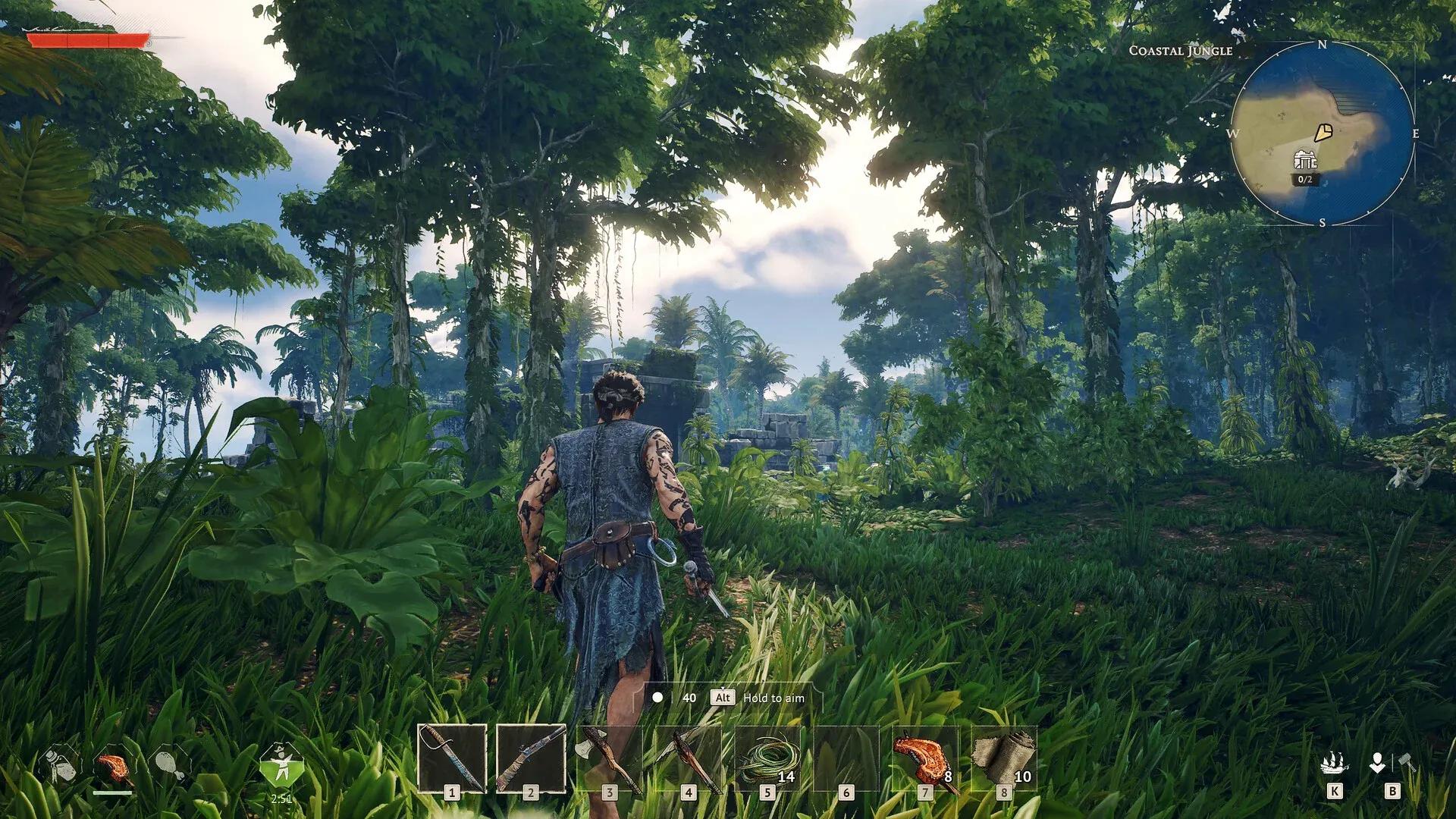
Resource gathering forms the backbone of progression, with materials scattered throughout the procedural world requiring exploration and risk-taking to acquire. The crafting system encompasses weapon creation, ship upgrades, and base construction, creating multiple resource sinks that prevent simple linear advancement.
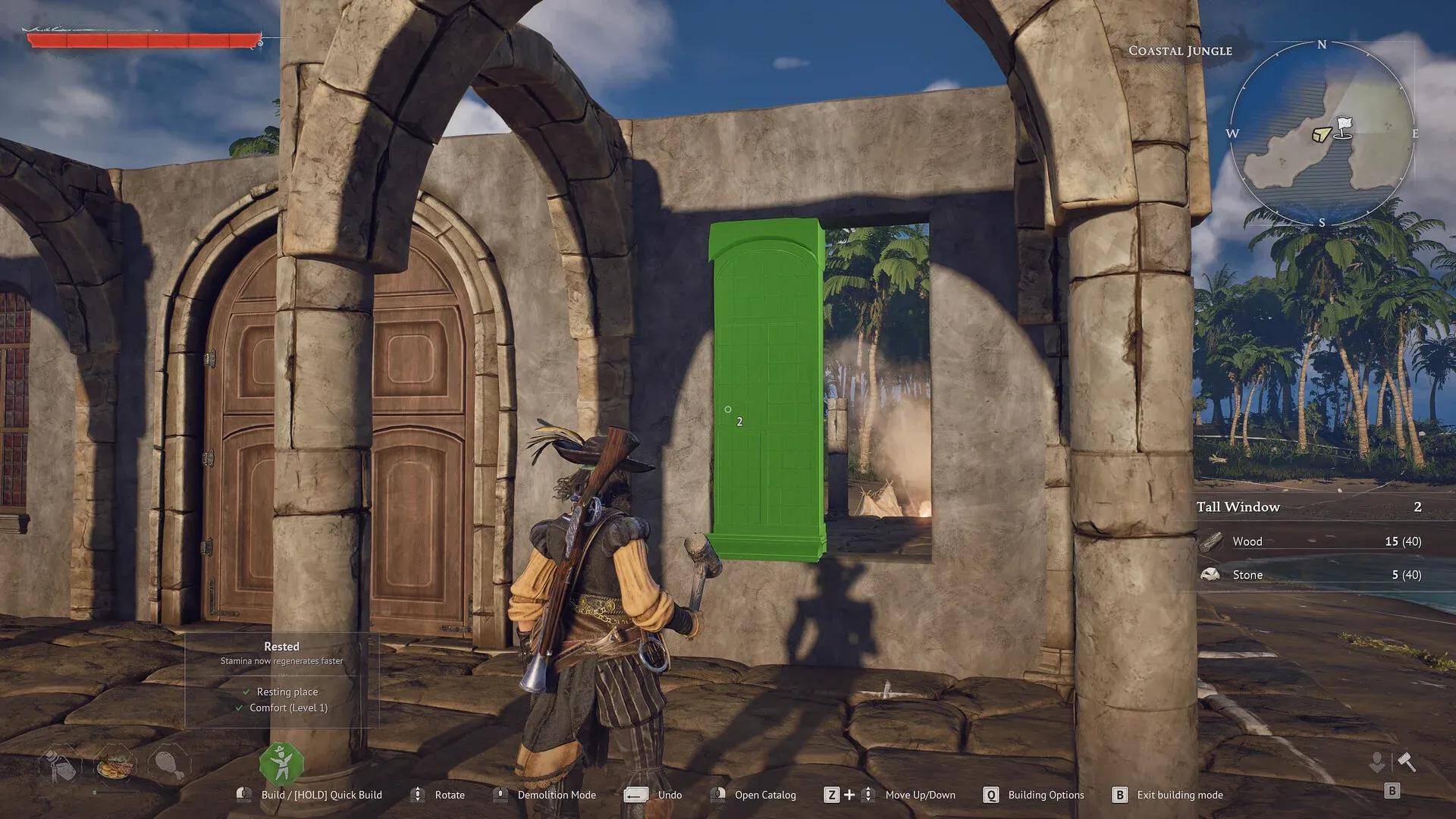
Building mechanics allow players to establish safe havens within the dangerous world. These constructed bases serve practical purposes beyond aesthetic customization, functioning as storage facilities, crafting stations, and strategic respawn points. The permanence of player-built structures contrasts with the procedural world generation, creating personalized anchors within ever-changing environments.
Windrose
Exploration and World Design
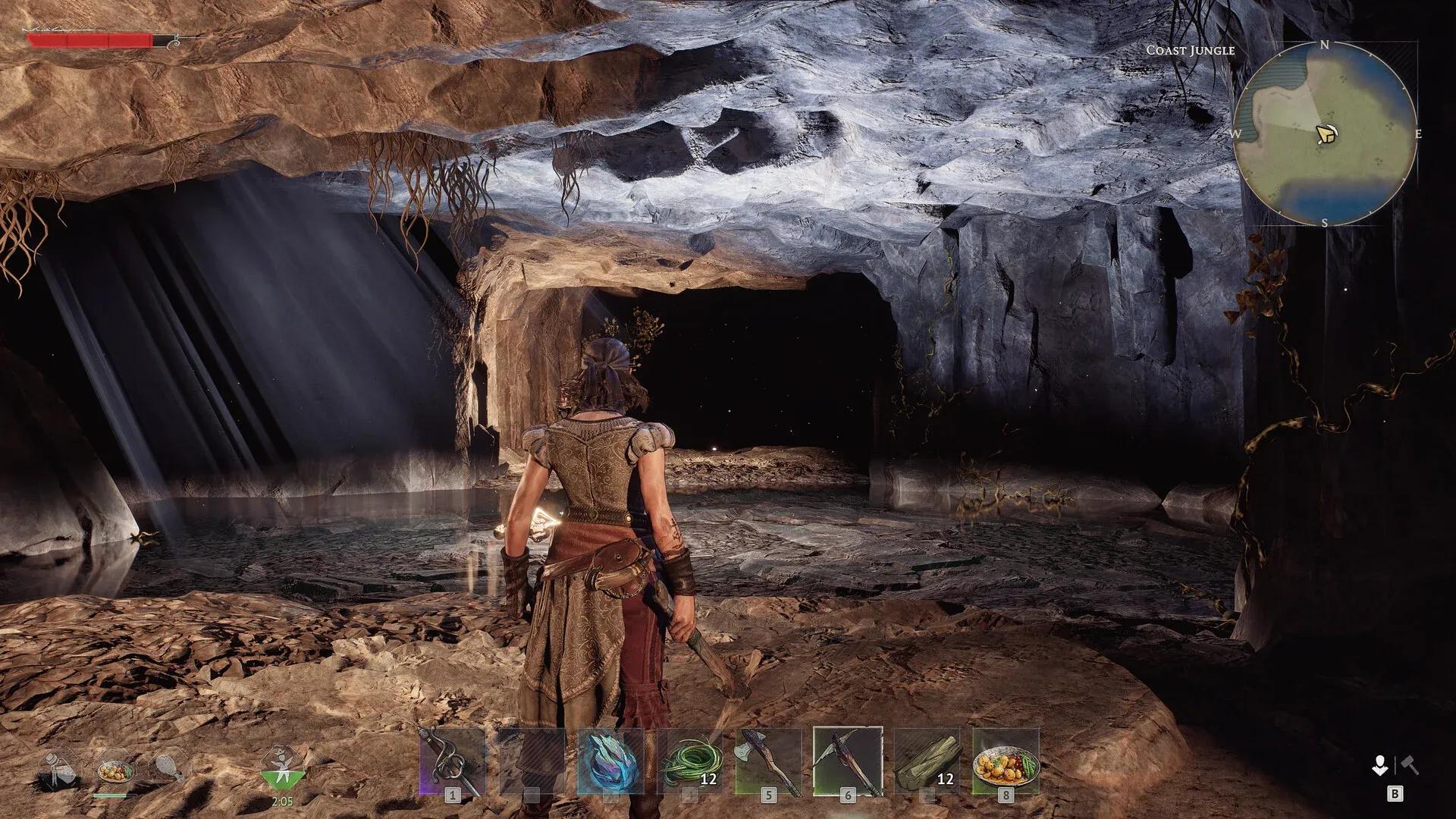
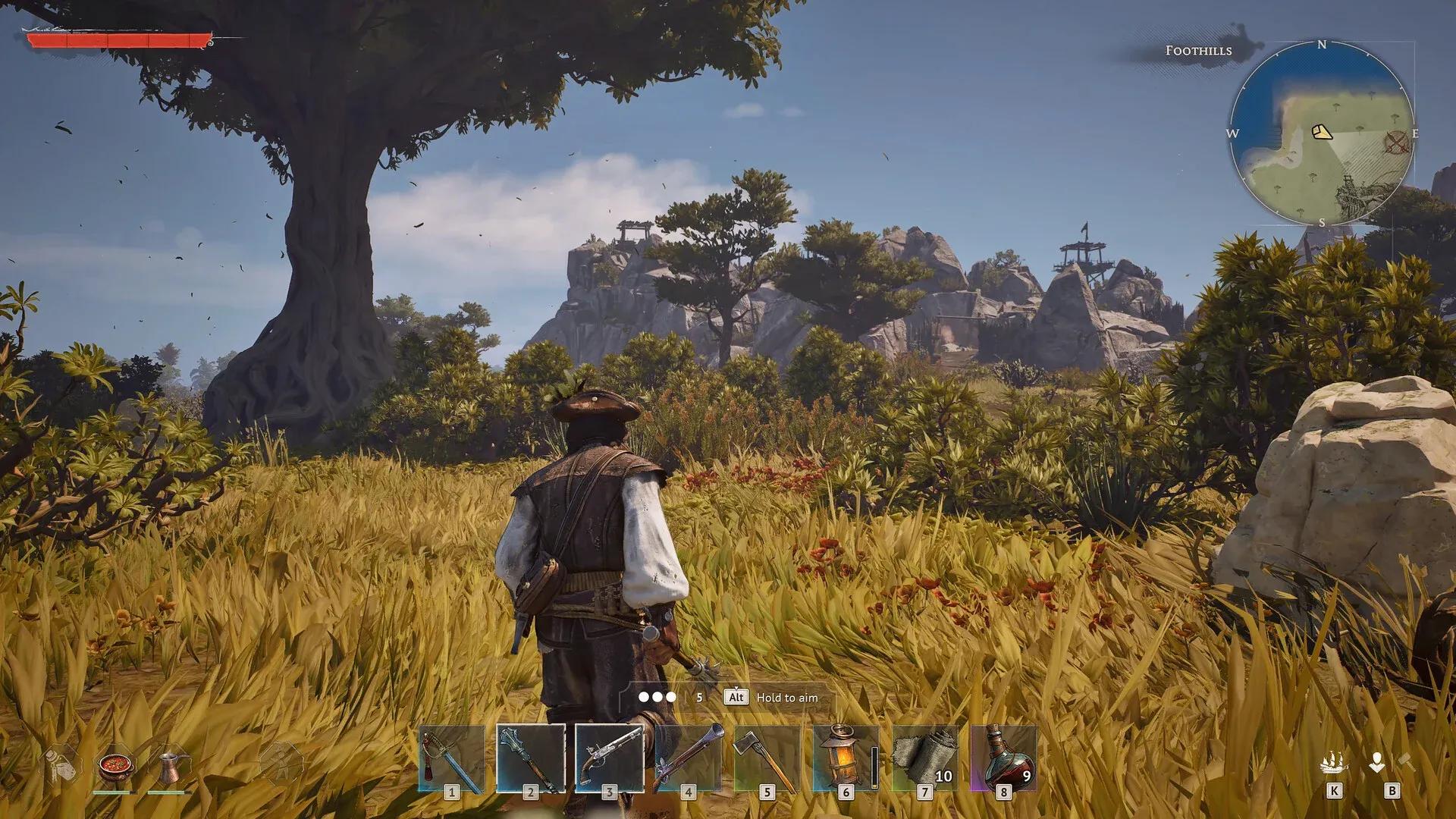
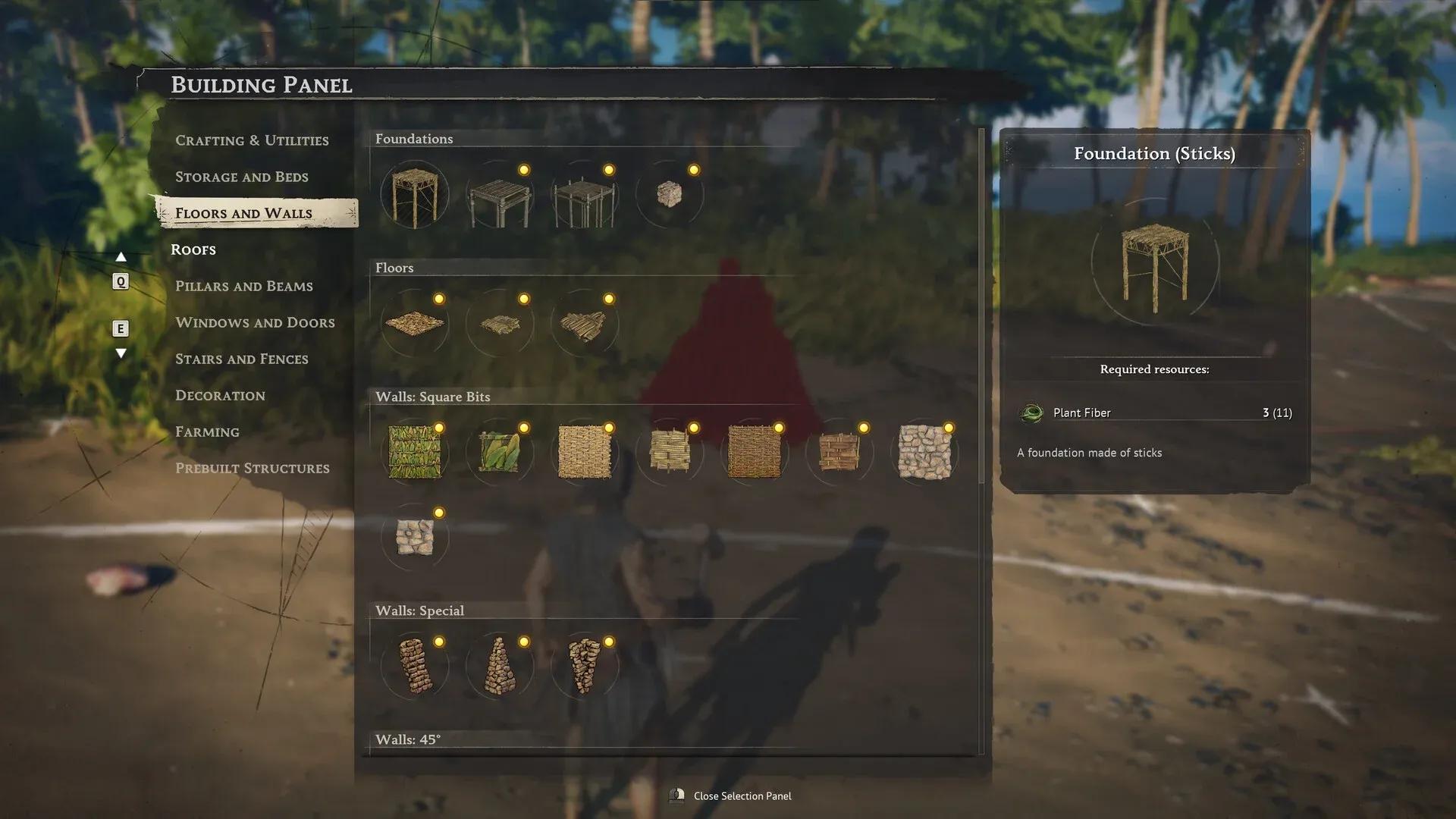
The procedural generation technology ensures geographical variety without sacrificing handcrafted quality. Islands, coastlines, and open waters combine to create diverse biomes that demand different survival strategies. Navigation becomes a skill in itself, requiring players to chart courses, manage supplies, and anticipate environmental hazards.
The open-world structure encourages non-linear progression, allowing players to tackle challenges in varied orders based on preparedness and risk tolerance. This freedom extends to ship customization, where players can prioritize speed, firepower, or cargo capacity depending on their preferred approach to piracy and exploration.
Windrose
Multiplayer Integration
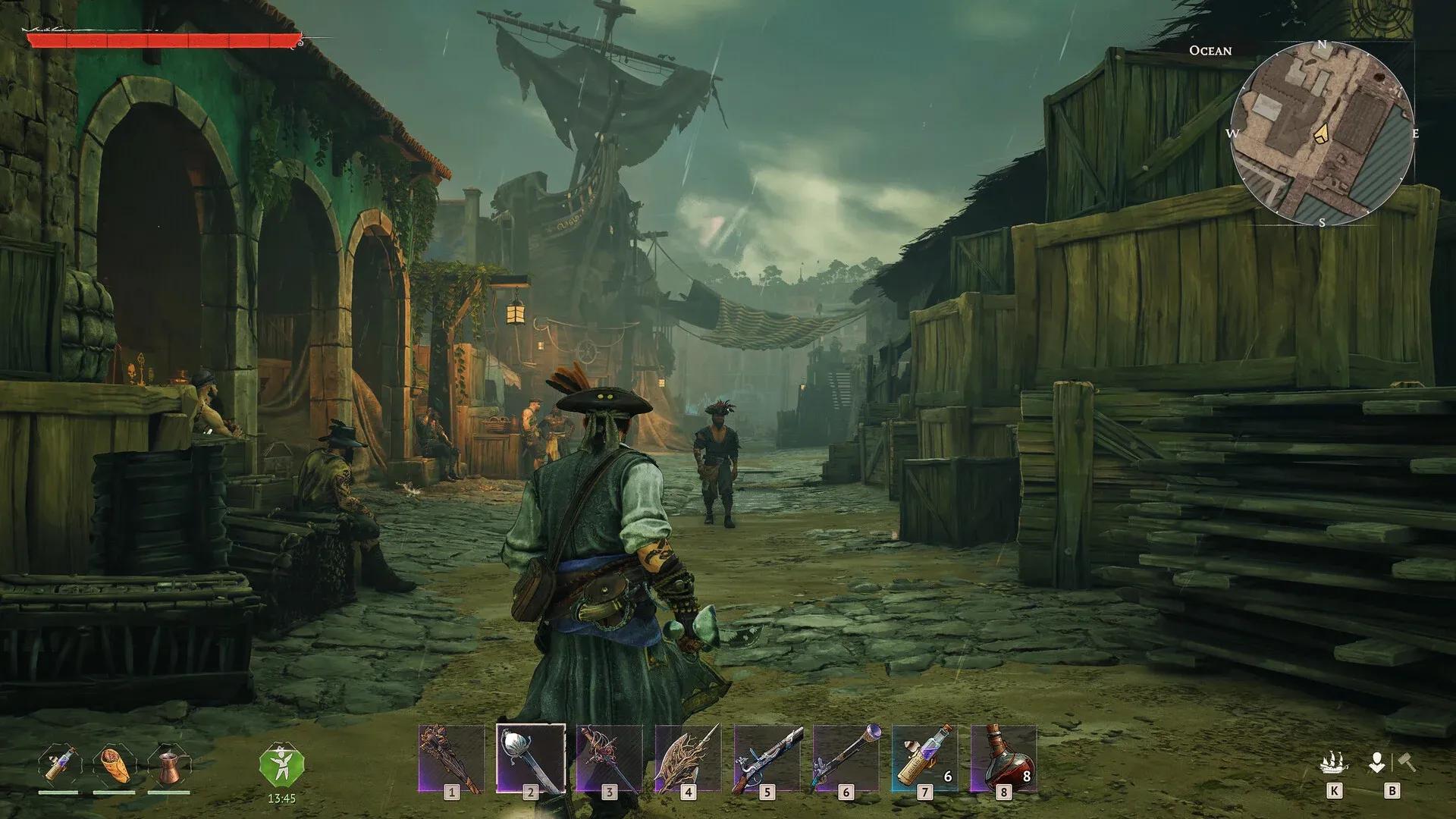
Cooperative gameplay transforms Windrose from a solitary survival challenge into a shared adventure. The multiplayer systems allow friends to crew the same vessel, dividing responsibilities between navigation, combat, and resource management. This coordination requirement elevates naval battles from individual skill tests to team-based tactical exercises.
The game supports flexible group sizes, accommodating both small crews and solo players without forcing specific playstyles. Shared progression systems ensure all participants benefit from collective achievements while maintaining individual character development paths.
Windrose
| Requirement | Minimum | Recommended |
|---|---|---|
| OS | Windows® 10 (64-bit) | Windows® 11 or later (64-bit) |
| Processor | Intel® Core™ i7-8700K / AMD® Ryzen™ 7 2700X | Intel® Core™ i7-10700 / AMD® Ryzen™ 7 5800X |
| Memory | 16 GB RAM | 32 GB RAM |
| Graphics | NVIDIA® GTX™ 1080 Ti / AMD® Radeon™ RX 6800 | NVIDIA® RTX™ 3080 / AMD® Radeon™ RX 6800 XT |
| DirectX | Version 12 | Version 12 |
| Network | Broadband Internet connection | Broadband Internet connection |
| Storage | 30 GB available space | 30 GB available space |
Conclusion
Windrose delivers a comprehensive pirate survival experience by merging challenging soulslike combat with robust crafting and exploration systems. The procedural world generation ensures replayability, while the dual focus on naval and terrestrial gameplay creates mechanical depth. Whether commanding a ship alongside friends or charting a solitary course through dangerous waters, players face a demanding action RPG that respects both their time and intelligence. The combination of precise combat, meaningful resource management, and cooperative potential positions Windrose as a distinctive entry in the survival adventure genre.