
Biggest discounts, free games, and limited-time offers across every major gaming store.
Never pay full price again.
Overview
Lost Sea plants you in the middle of the Bermuda Triangle after a freak Atlantic storm, stranded and directionless on a hazardous island chain. The goal is straightforward enough: find the ancient tablets scattered across each island, use them to navigate the treacherous waters, and push ever closer to the mysterious portal that might just send you home. The setup sounds simple, but the execution keeps things consistently unpredictable.
Developed and published by Eastasiasoft, Lost Sea launched on June 29, 2016 across PlayStation 4, Xbox One, Windows, macOS, and later Nintendo Switch. It carries an ESRB rating of Everyone 10+ for fantasy violence, making it accessible without being toothless. The PlayStation Store rating sits at 3.44 out of 5 from 415 players, which is a fair reflection of a game that does its core concept well without trying to be something bigger than it is.
Gameplay and mechanics
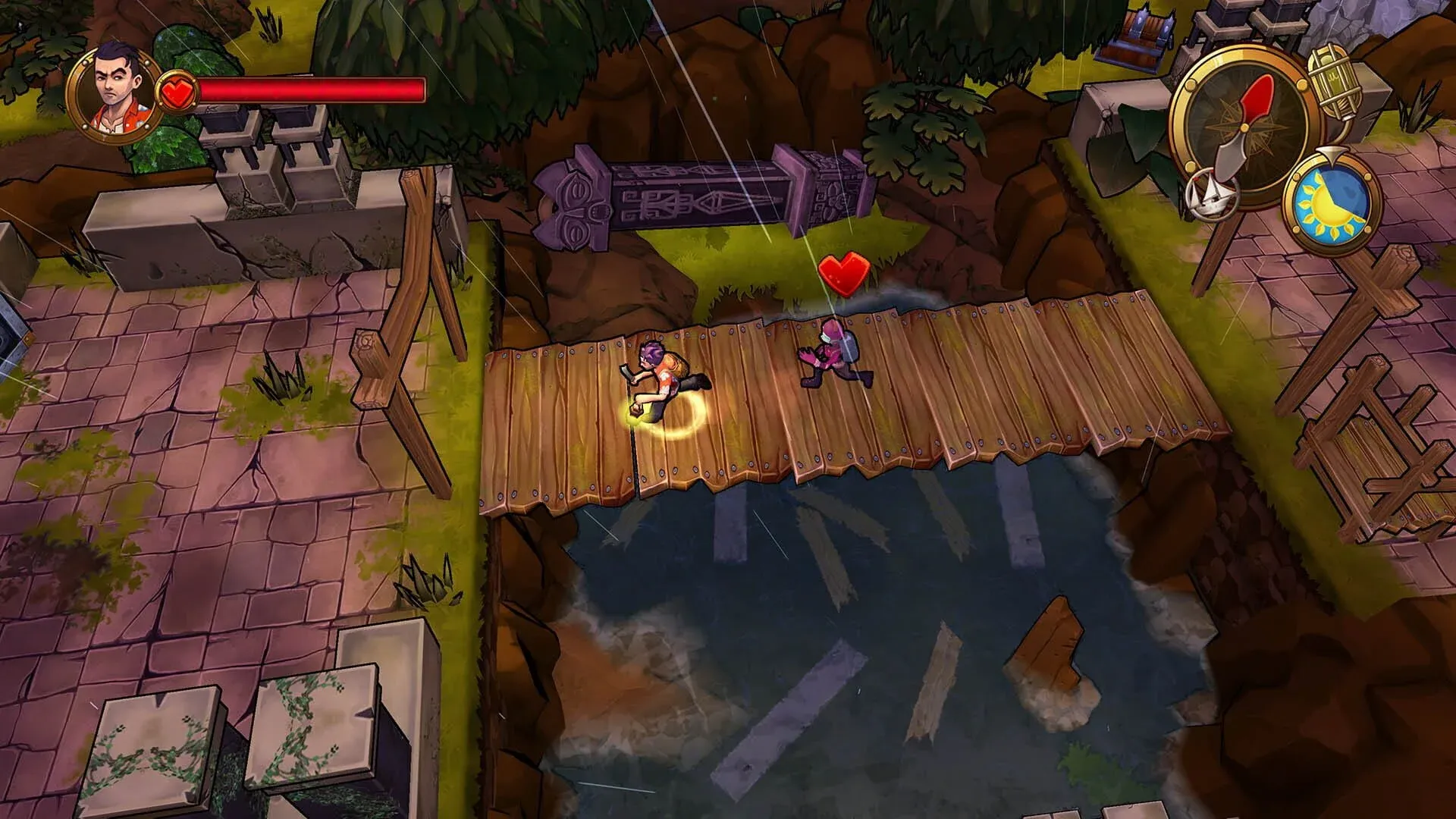
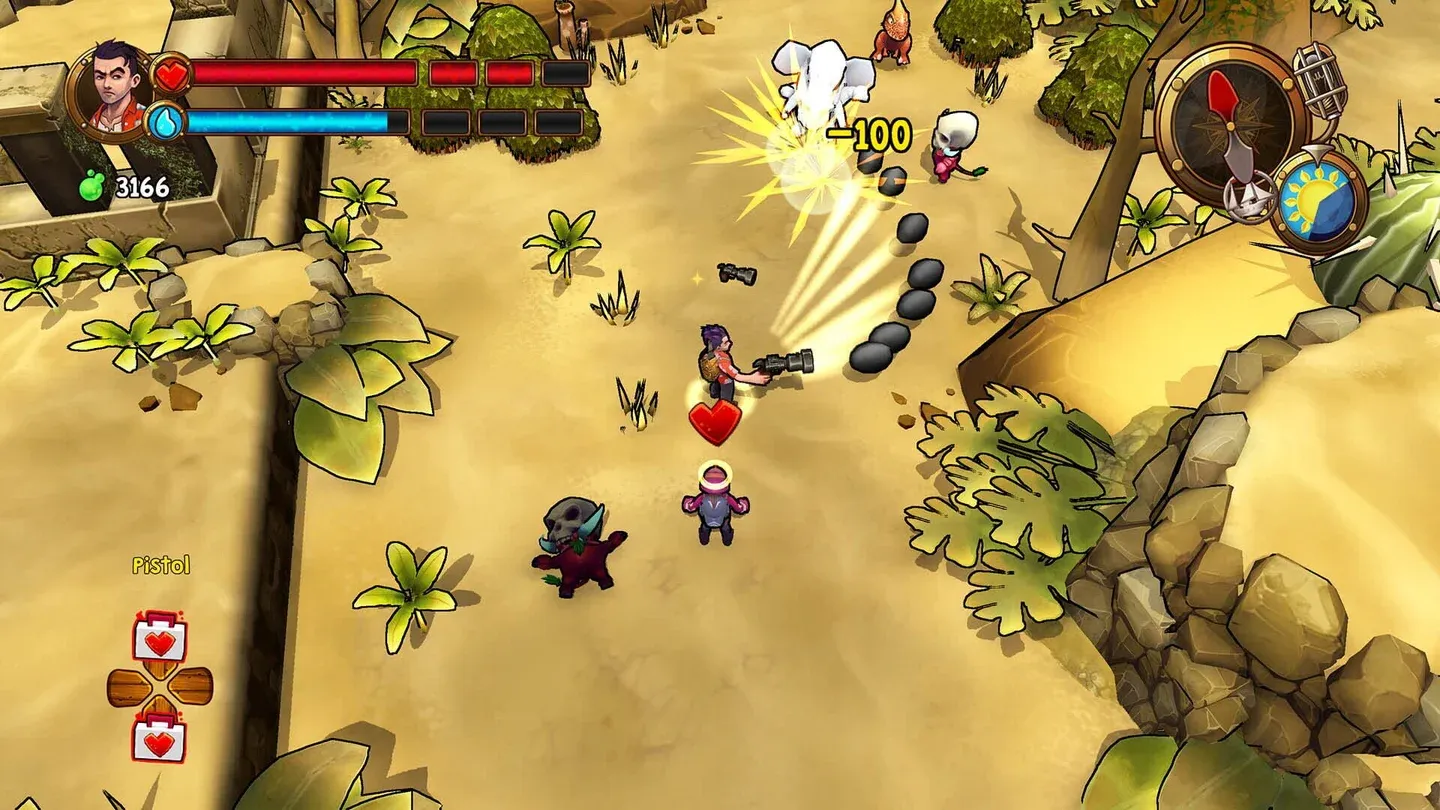
The core loop in Lost Sea revolves around island exploration, crew management, and resource scavenging. Each island is procedurally generated, so the layout, enemy placement, and tablet locations shift between runs. You pick a hero at the start, then recruit survivors you find scattered across the islands. Those survivors are not just narrative flavor.
Lost Sea content image
- Survivors provide unique skills and combat support
- Tablets unlock navigation to the next island
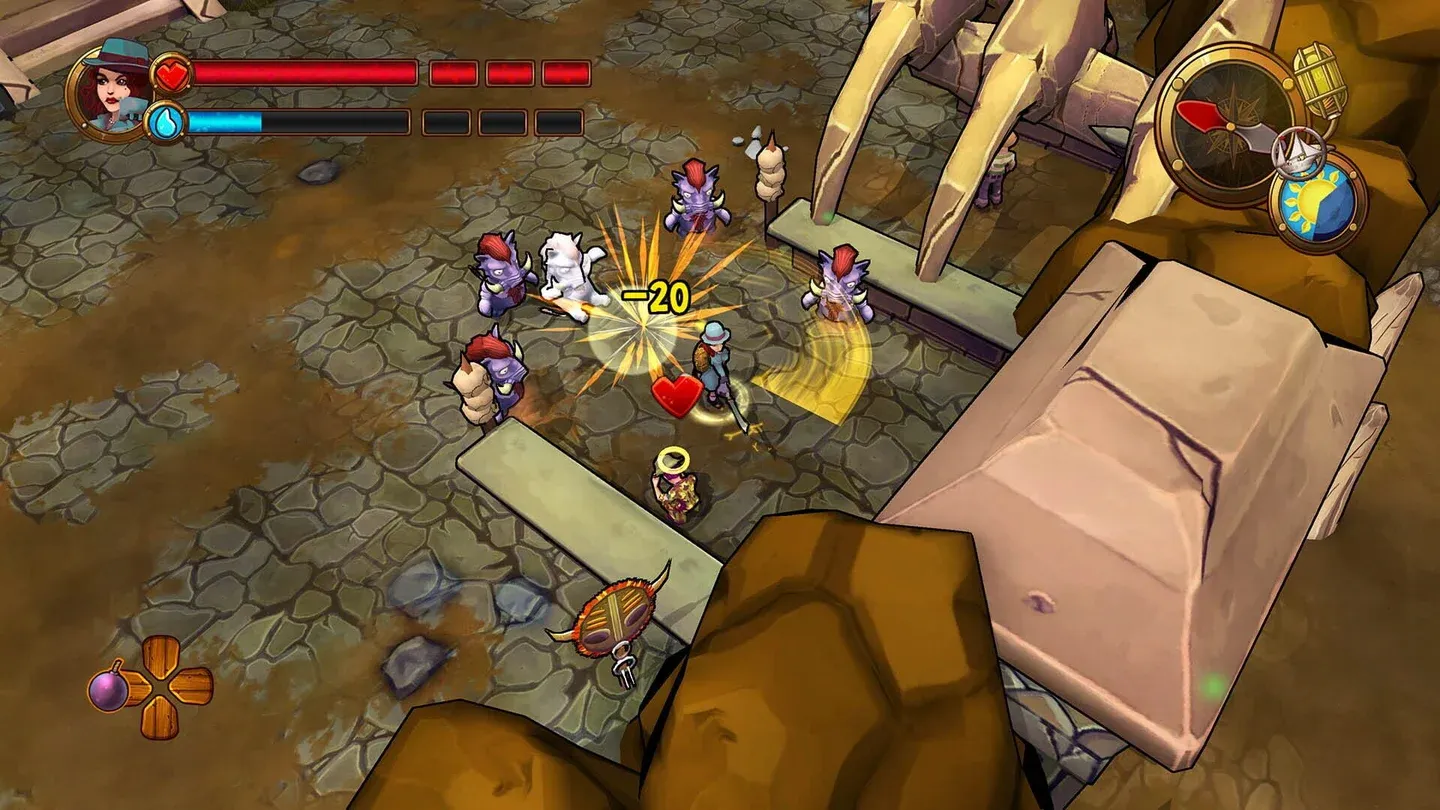
- Combat is real-time with basic melee and ranged options
- Resources gathered fund crew upgrades between islands
- Permadeath applies to crew members, not the player character
The crew system gives Lost Sea a light strategic dimension. Losing a skilled crew member mid-run stings, and that tension keeps the exploration from feeling routine.
Lost Sea content image
World and setting
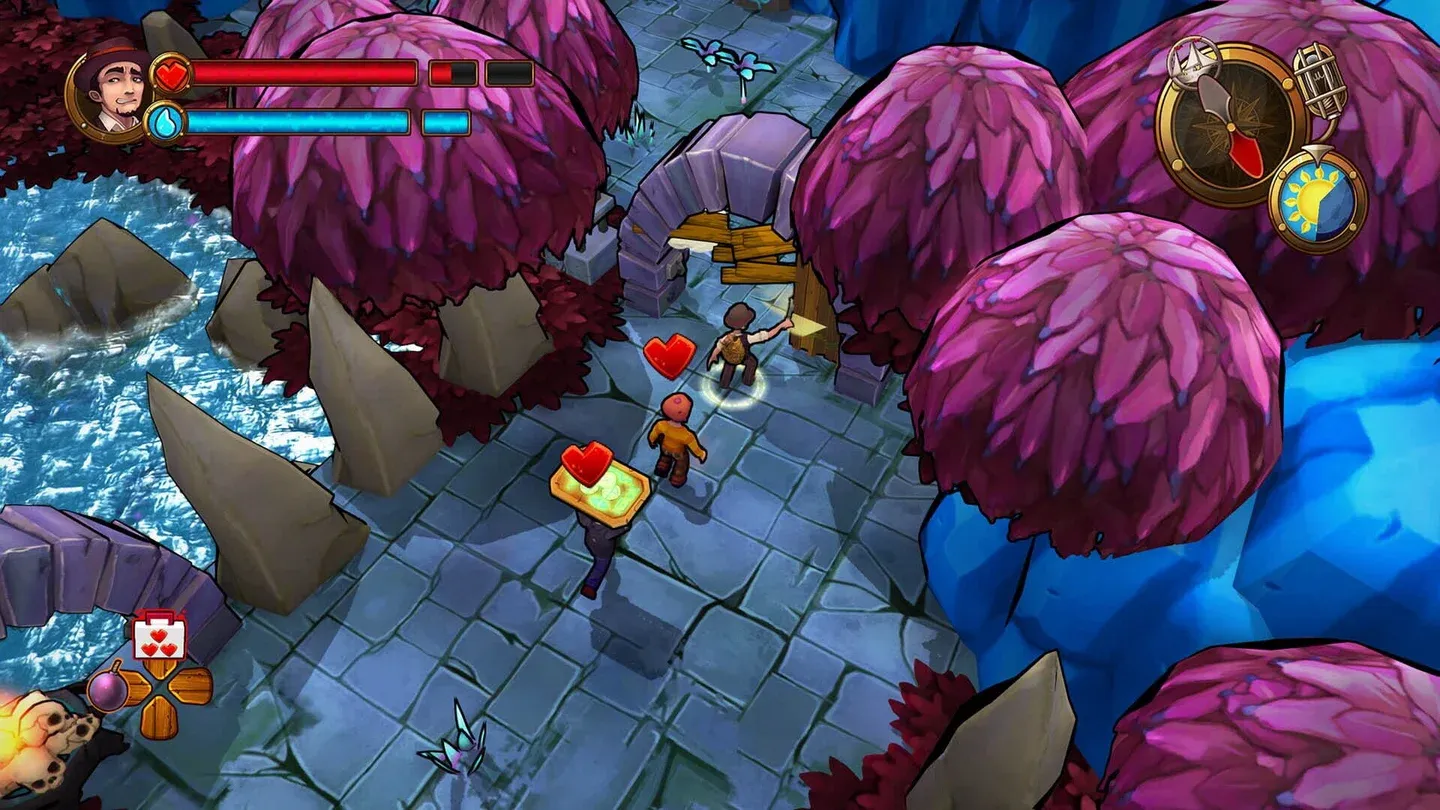
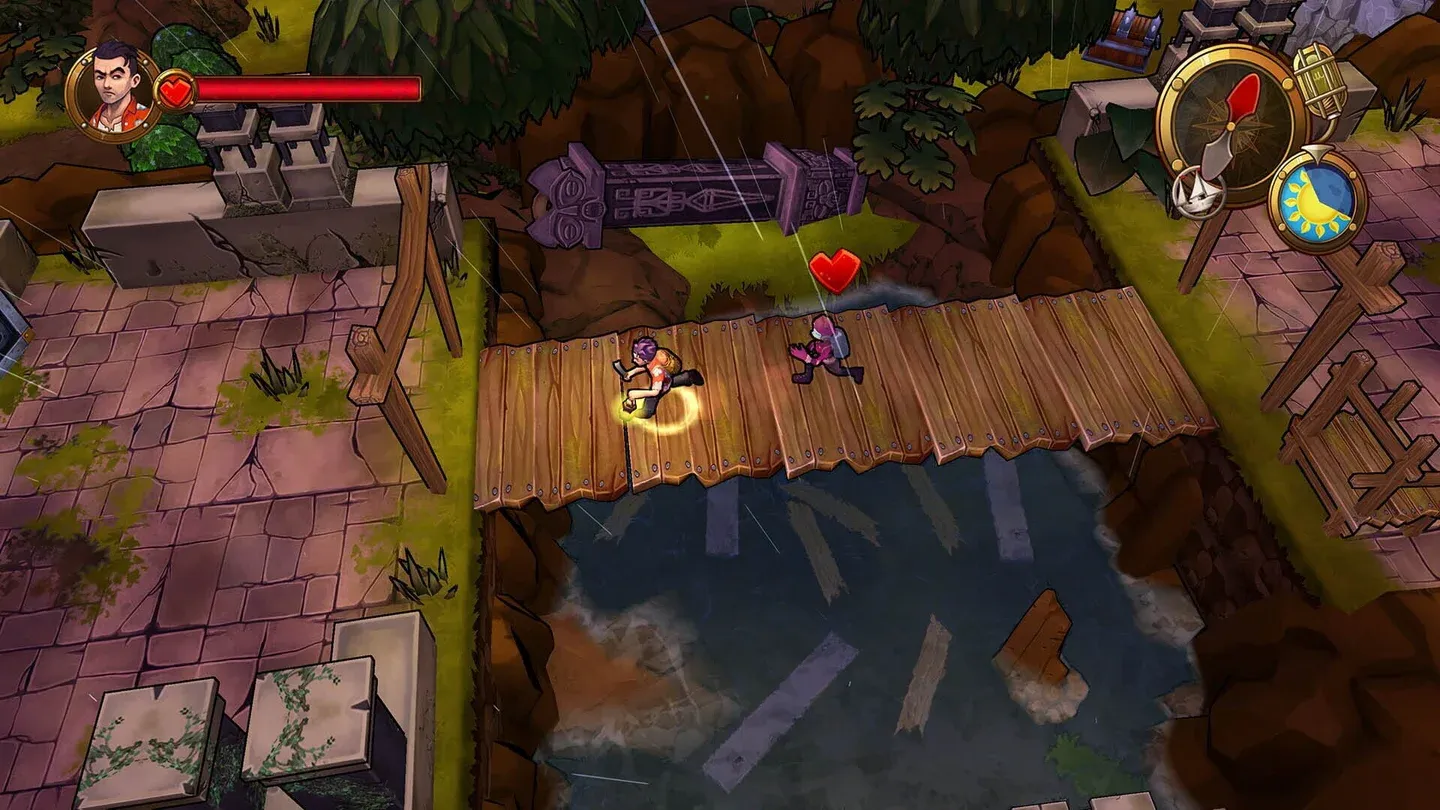
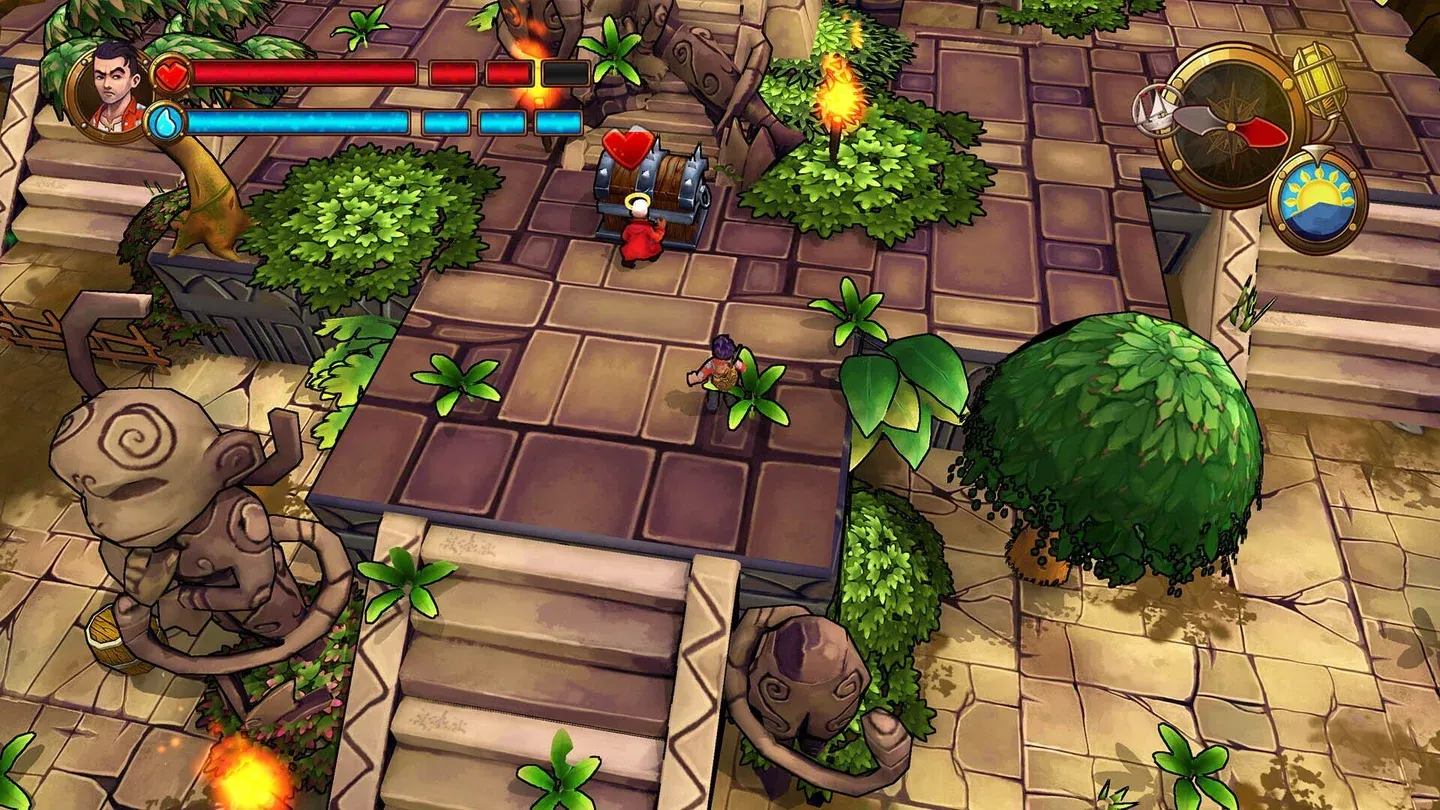
The Bermuda Triangle is one of those settings that practically writes itself, and Lost Sea leans into the mystery without over-explaining it. Each island feels isolated and slightly hostile, with dense foliage, ruins, and enemies that make scavenging feel like a genuine risk rather than a chore. The top-down perspective keeps the action readable while giving each island enough visual variety to feel distinct.
Lost Sea content image
The portal at the center of the mystery never fully reveals its hand, which suits the tone. Lost Sea is not a game that stops to deliver lengthy lore dumps. The setting does its work through atmosphere and the constant sense that the island chain is working against you.
Lost Sea content image
Content and replayability
Procedural generation is the engine that keeps Lost Sea running past a single playthrough. No two islands are identical, and the randomized placement of tablets, enemies, and survivors means you can not rely on memorized routes. The crew upgrade system adds a layer of short-term progression that carries enough weight to make each run feel purposeful.
The game is available on Steam, PlayStation, Xbox, Nintendo Switch, and macOS, so the platform options are broad. At $14.99, Lost Sea positions itself as a compact action-adventure experience rather than an expansive one. For players who enjoy roguelite-adjacent exploration games with a clear objective structure and meaningful crew mechanics, that price point is easy to justify across multiple sittings.