



Overview
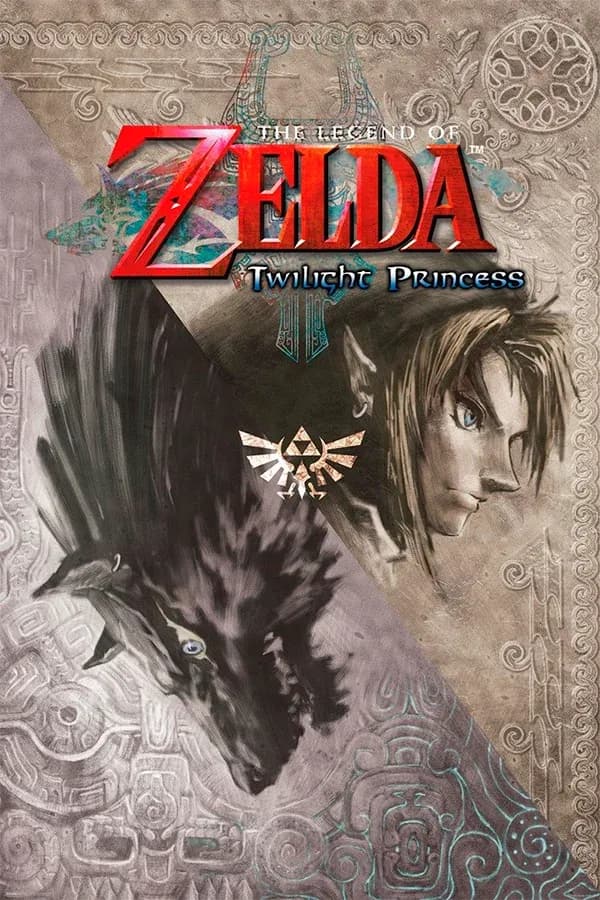
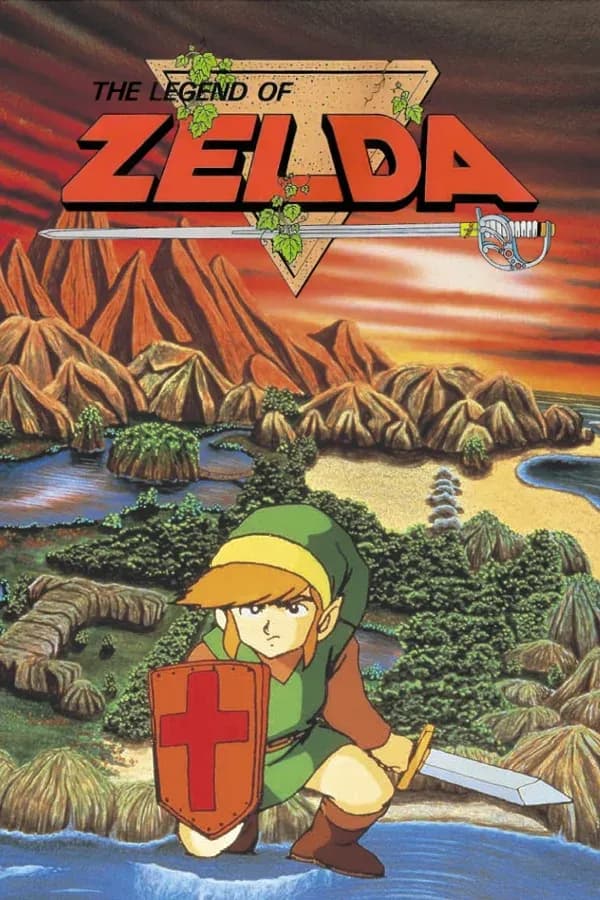
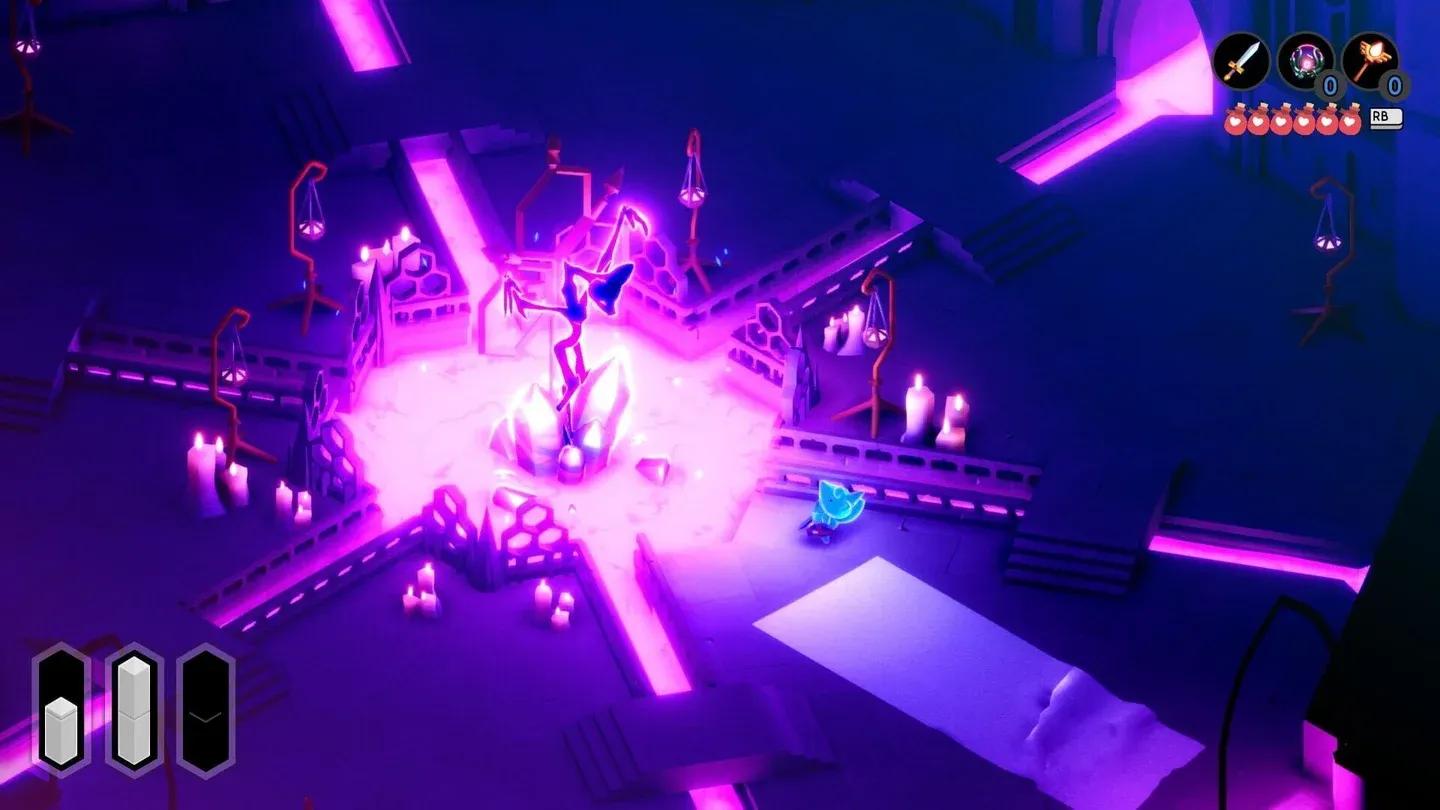
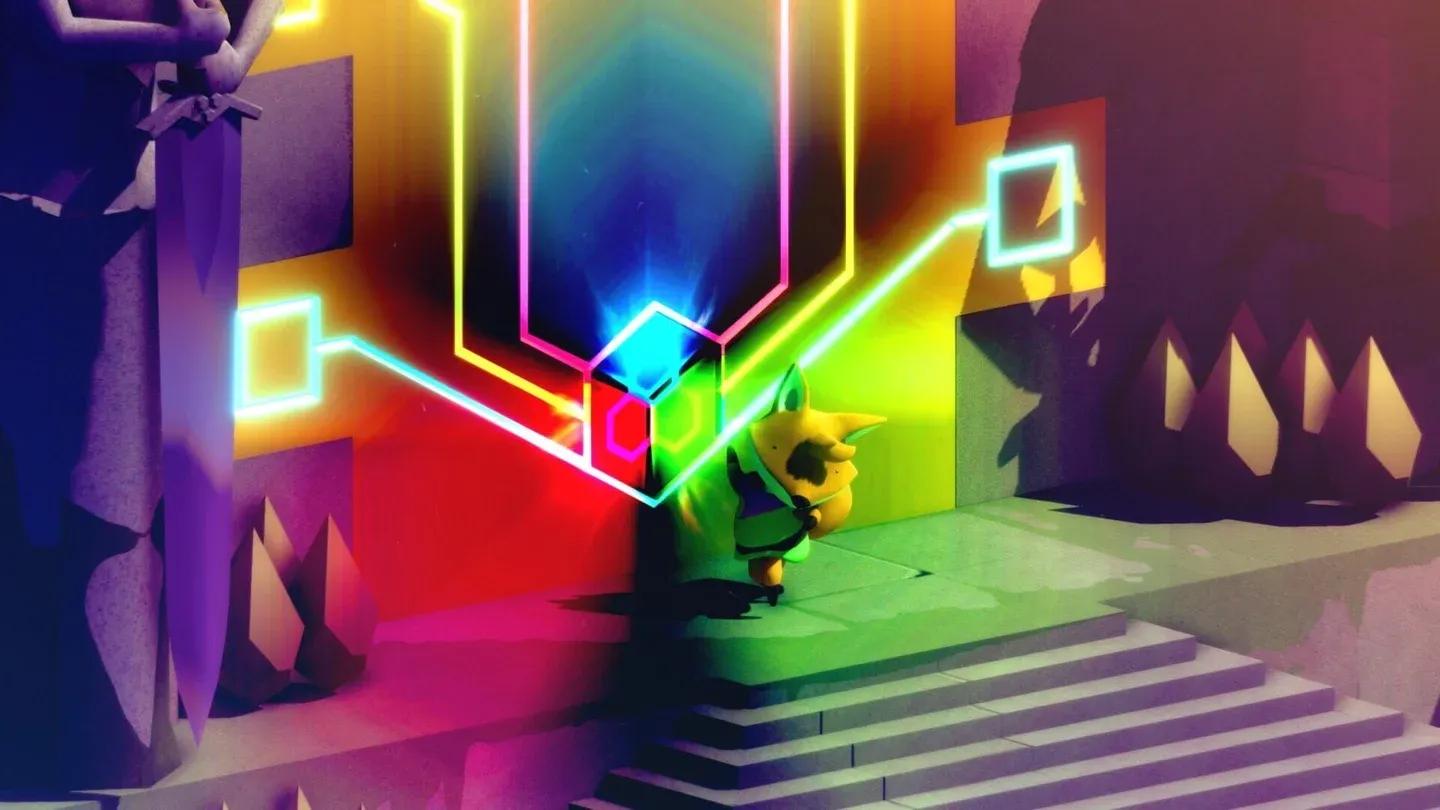
Tunic puts you in control of a small fox stranded on a mysterious shore with no explanation, no hand-holding, and no map you can immediately read. The game draws obvious inspiration from classic Zelda titles, but it carves out its own identity through a central mechanic that sets it apart from nearly everything else in the genre: a collectible in-game instruction manual written in a fictional language that players must gradually decode to understand the world around them.
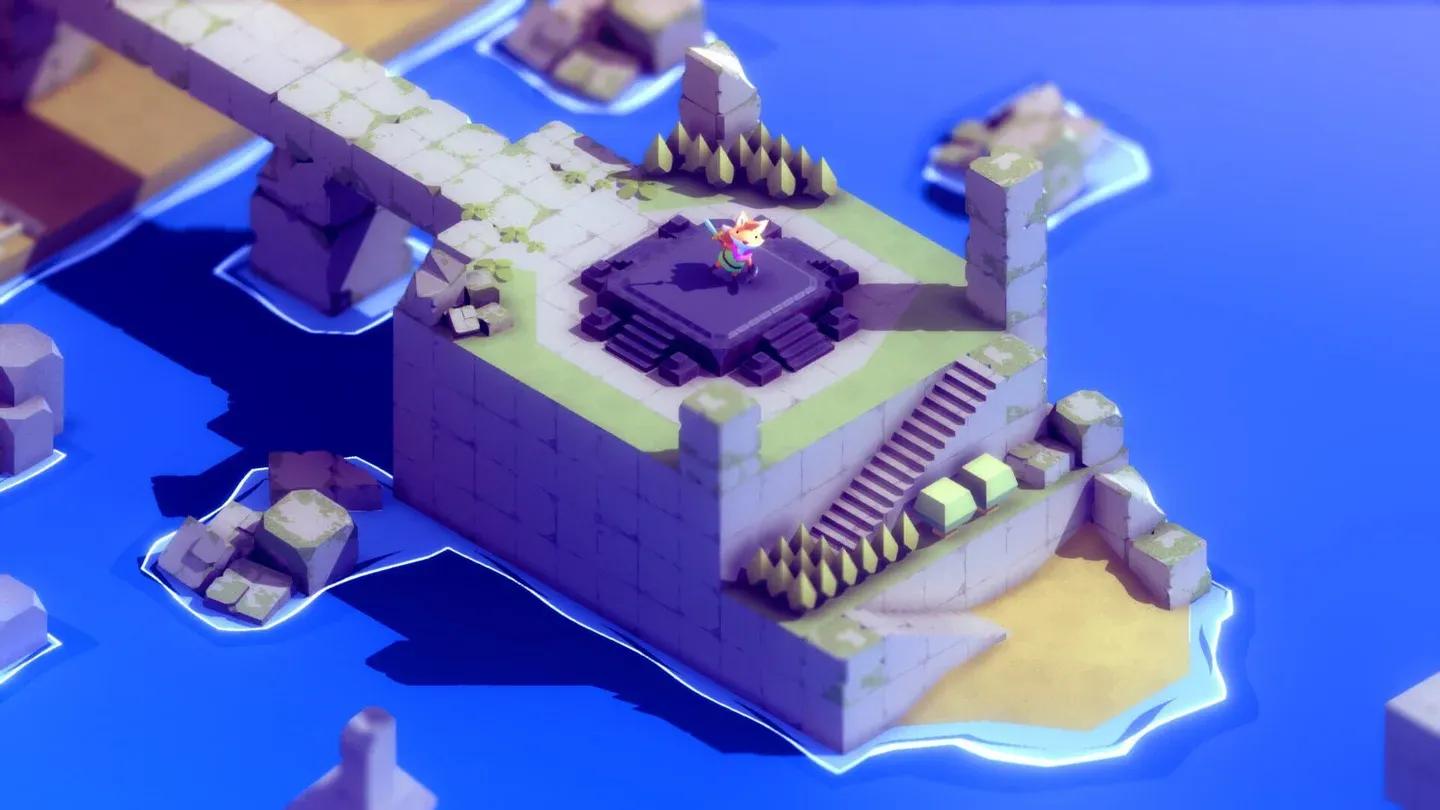
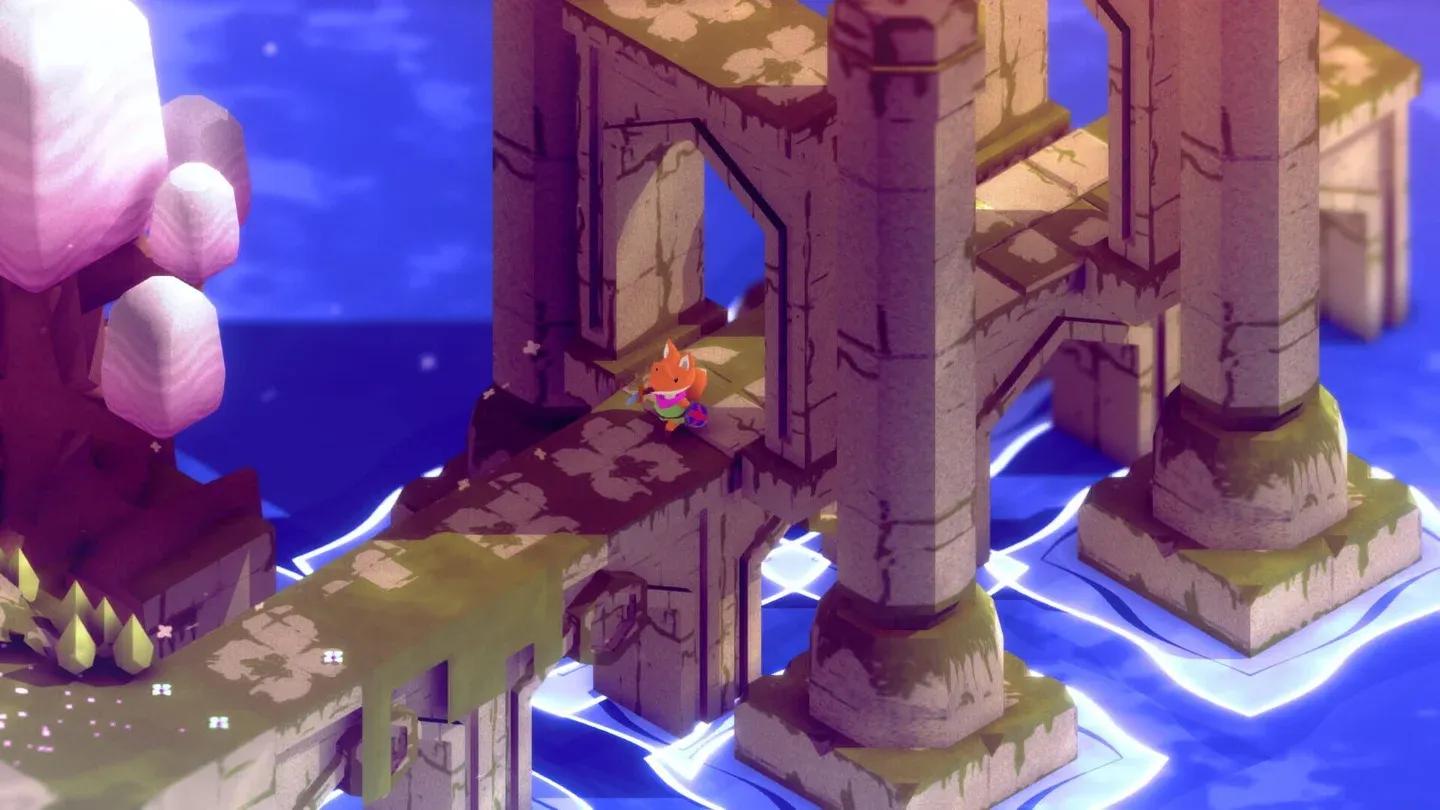
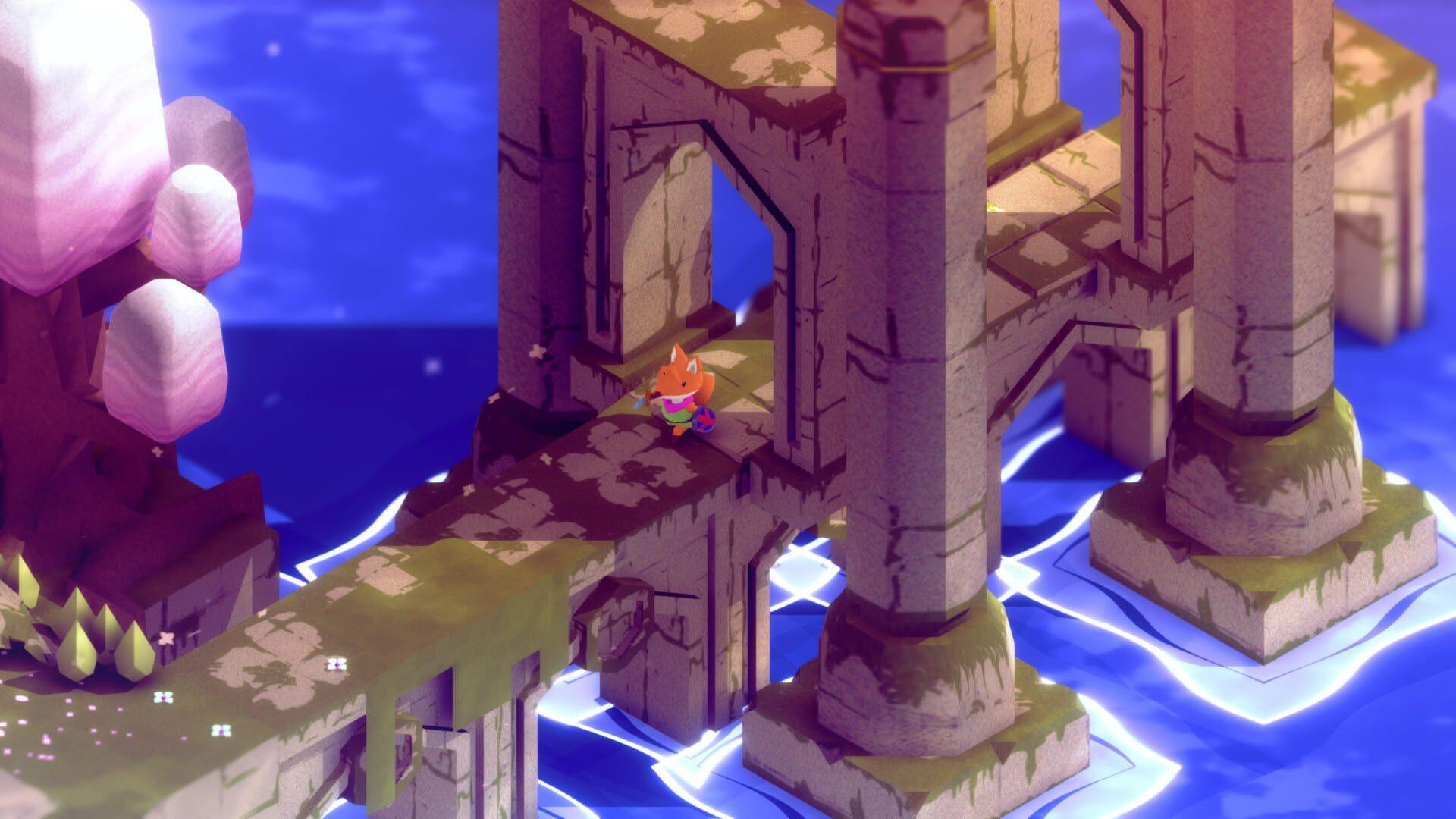
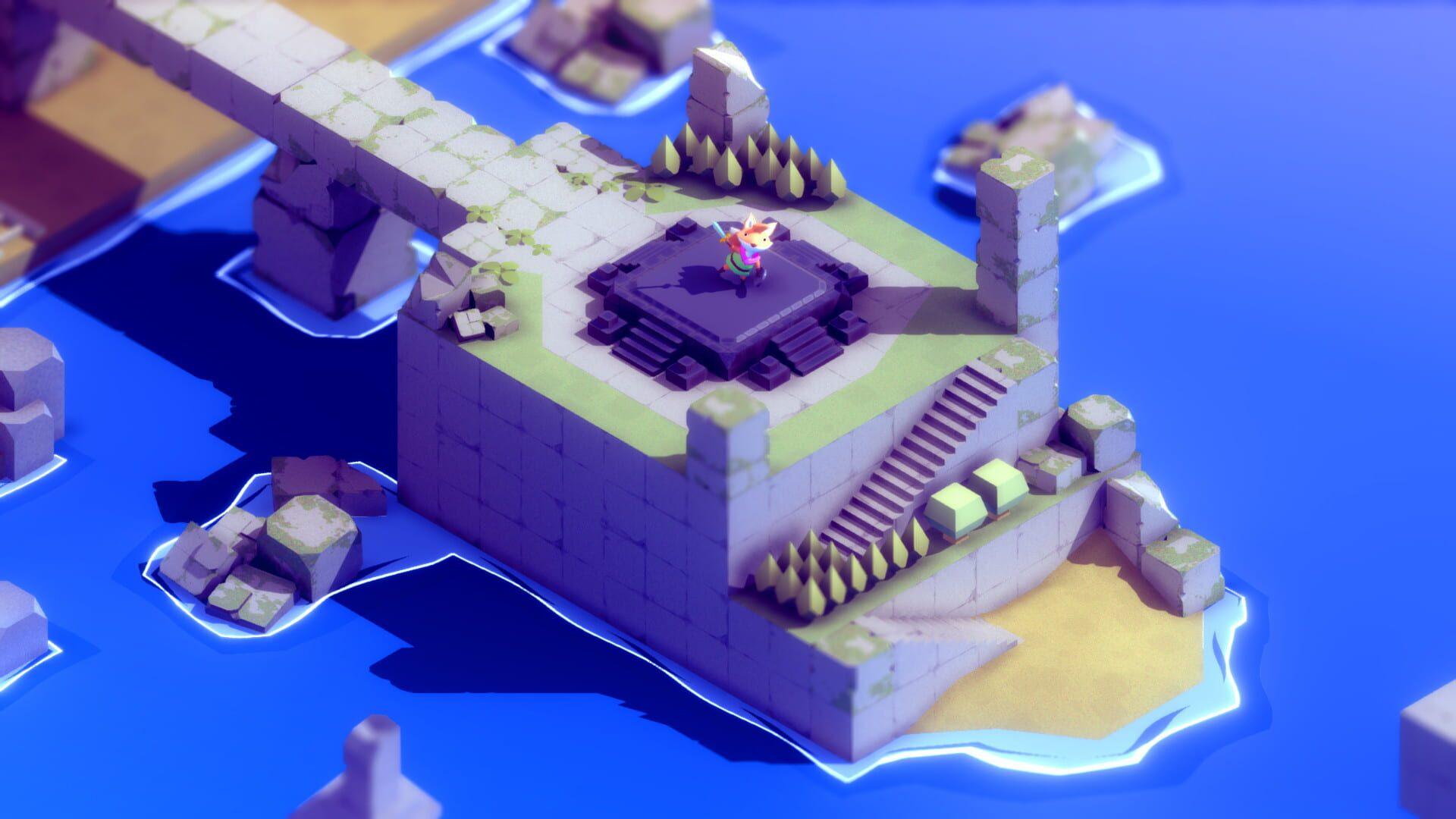
Developed entirely by Andrew Shouldice over several years and published by Finji, Tunic released on March 16, 2022, landing on Xbox, PC, and later PlayStation and Nintendo Switch. The isometric perspective gives the world a toy-like quality, but the combat hits harder than it looks, drawing comparisons to FromSoftware's approach to player punishment and resource management.
Gameplay and mechanics
The core loop revolves around exploration, combat, and discovery. Tunic never tells you what to do next. You find items, figure out what they do, and slowly build a picture of how the world connects.
Key mechanics include:
- Stamina-based dodge and shield combat
- Collectible manual pages with hidden hints
- A fictional language woven into the world
- Interconnected map with shortcuts and secrets
- Optional accessibility toggles for difficulty
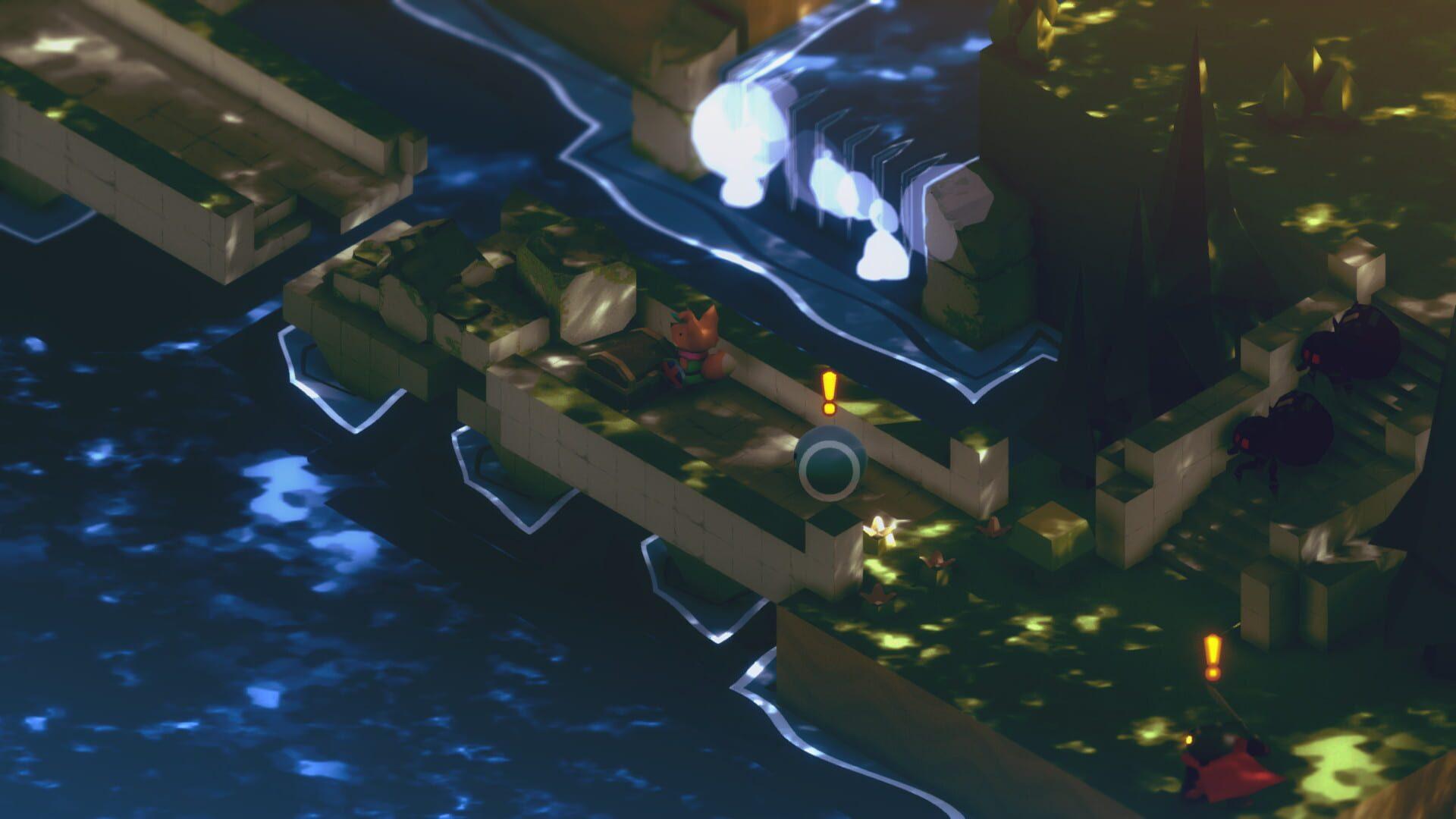
The combat borrows the roll-and-block rhythm familiar from action-RPGs, but Tunic keeps its enemy roster tight and purposeful. Each encounter type teaches you something new about the world's rules. Bosses are tough, but the game includes a no-fail mode and a combat slowdown option, making it one of the more thoughtful indie games in terms of accessibility.
What makes the instruction manual so special?
The manual mechanic is the game's defining feature. Scattered across the world are torn pages from what appears to be a 1980s-style game instruction booklet, complete with full-color illustrations and cryptic diagrams. The manual is written in a fictional script, but the images and layouts carry enough context that you can piece together item functions, map details, and hidden system rules without understanding every word.
Decoding the language became a genuine community event after launch. Players worked collectively to crack the script, discovering that it maps to real phonetic sounds and contains actual readable content. The manual pages are not just flavor, they are functional hints pointing toward some of Tunic's deepest secrets, including puzzles that most players will miss entirely on a first run.
World and setting
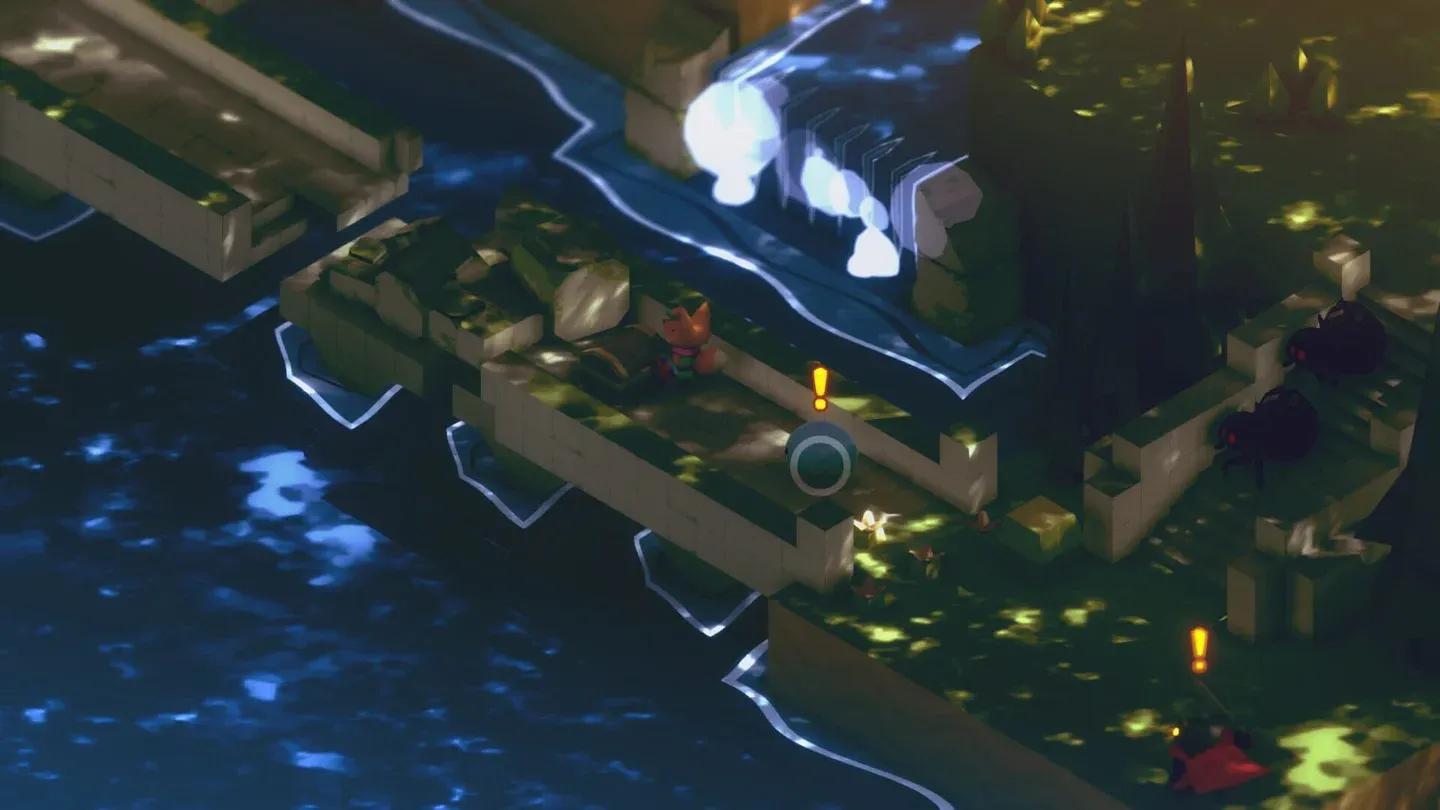
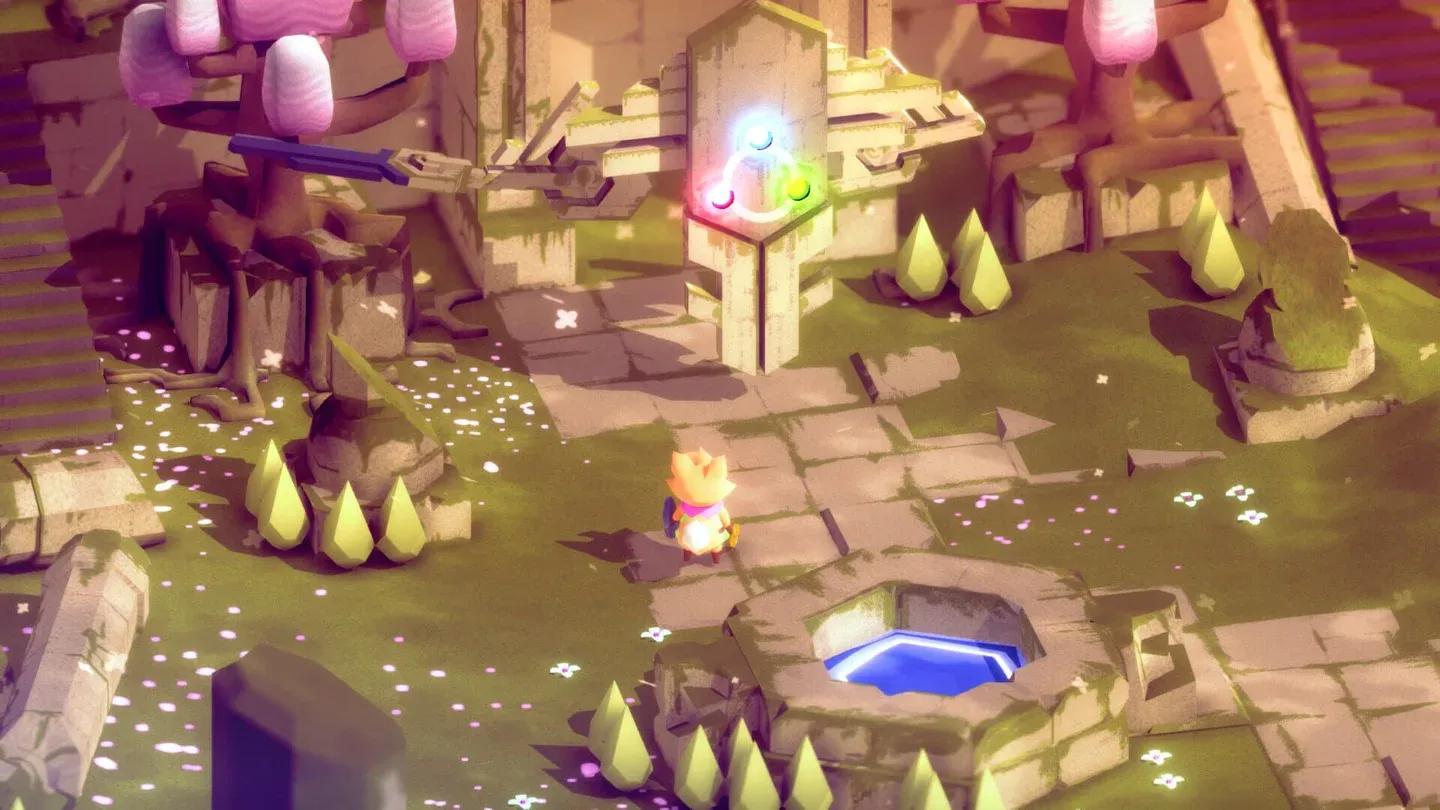
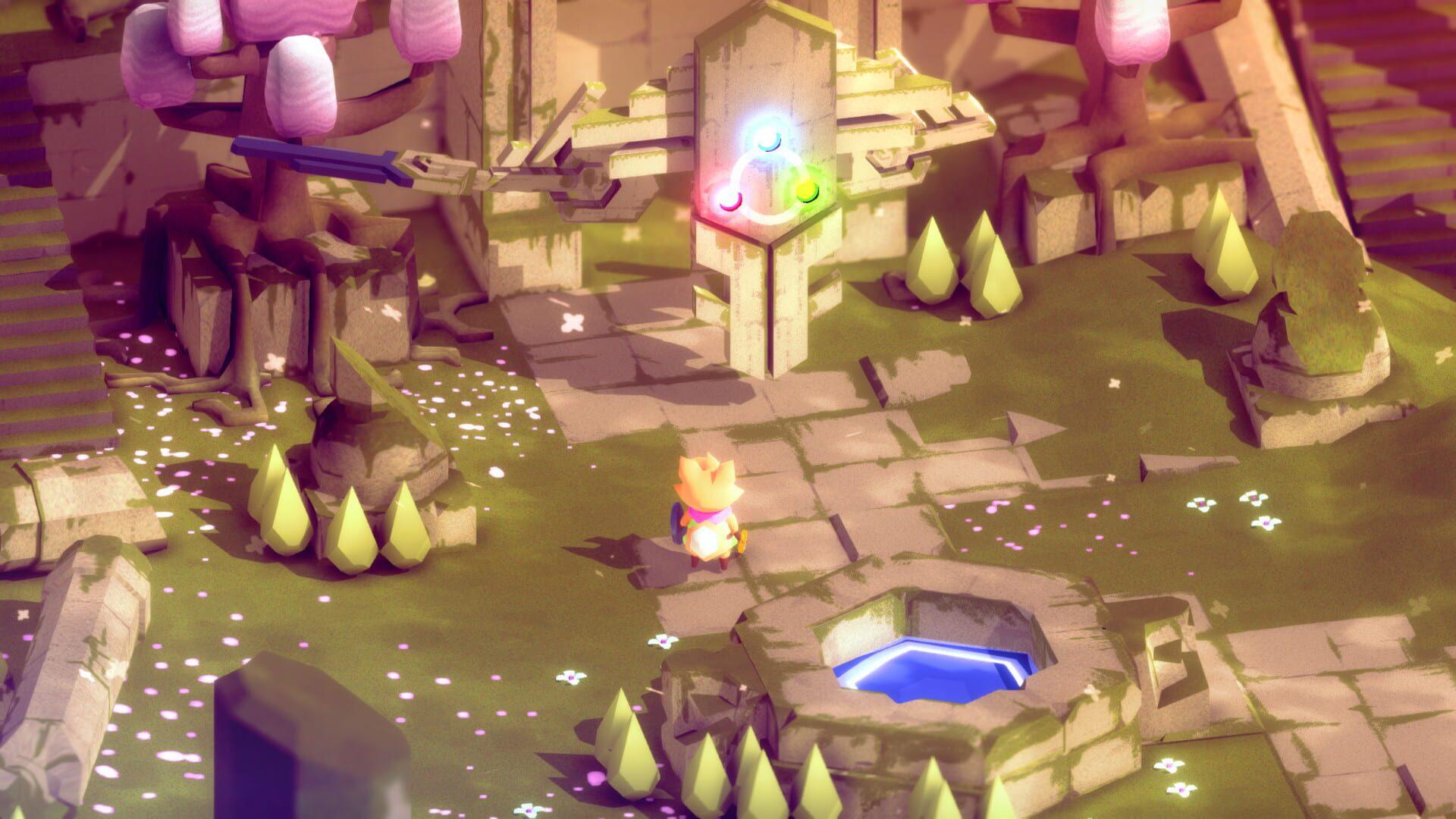
Tunic's world is hostile and quietly beautiful. Shady forests lead into sprawling ruins, which funnel down into labyrinthine catacombs, each area connected in ways the map only hints at. The art direction uses a warm isometric style that looks approachable but hides genuine danger behind every corner.
The soundtrack, composed by Lifeformed (known for Dustforce), pairs with sound design from Power Up Audio (Celeste, Darkest Dungeon) to create an atmosphere that feels ancient and melancholic. The music never overstays its welcome, pulling back when tension rises and filling quieter moments with something genuinely affecting.
Impact and legacy
Tunic earned widespread critical recognition after launch, with particular praise for its puzzle design and the sheer density of secrets hidden within its relatively compact world. The manual mechanic influenced how players and critics think about environmental storytelling in isometric adventure games. For a solo development project, its scope is remarkable, and the optional harder puzzles layer on top of the main adventure for players who want to see everything the world contains.
The game is available across Xbox, PlayStation, Nintendo Switch, Windows, macOS, Steam, and Epic Games Store, making it one of the most accessible indie releases of its generation. For fans of exploration-driven games with real mystery at their core, Tunic remains a high-water mark for what a single developer can accomplish.